Menu
 Ancestries
 Backgrounds
 Lineages
 Classes
 Subclasses
 Spells
 Curses
 Mentas
 Sanguines
 Feats
Feats
 Passive
 Full
Full
 Standard
 Quick
Quick
 Attack
 Free
Free
 Reaction
 Opp. Attack
 Innate Skills
 Gathering Skills
 Knowledge Skills
 Crafting Skills
 Weapon Skills
 Armor Skills
 Defensive Skills
 Status Effects
 Crafting
 Alchemy
 Art
Art
 Brewing
 Calligraphy
 Cobbling
 Cooking
 Cosmetology
 Enchanting
 Glassblowing
 Jewelling
 Leatherworking
 Machining
 Masoning
 Milling
 Runeforging
 Smithing
 Tanning
 Weaving
 Woodworking
View All Crafting
View All Rules
Woodworking
View All Crafting
View All Rules






































 Inventory Equipped:
-
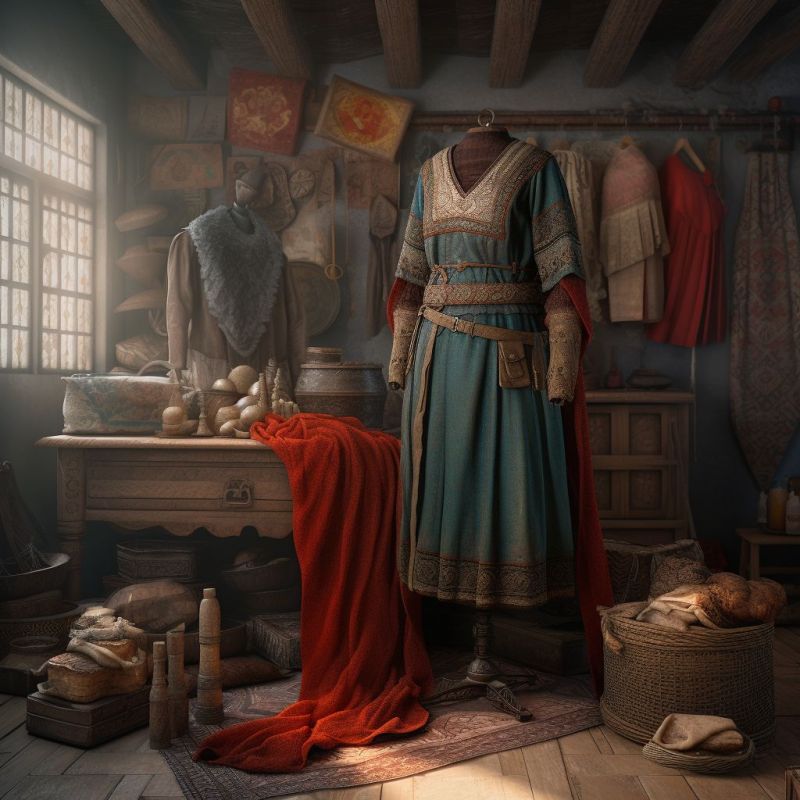
Clothes, Artisan’s1 gp
-
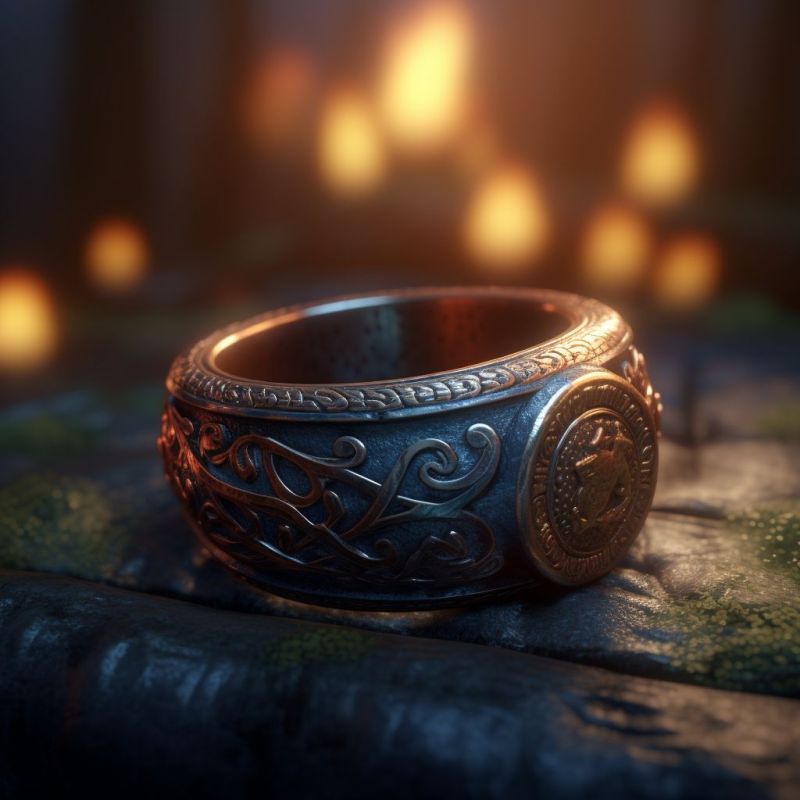
Guild Ring5 gp
-
Shoes, Leather1 gp
-
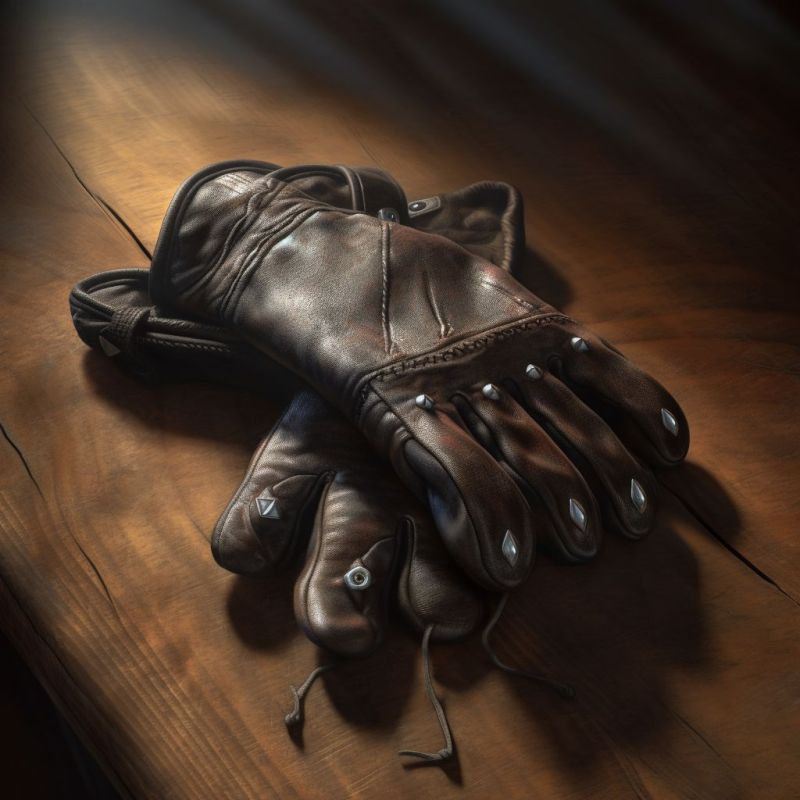
Gloves, Leather5 gp
-
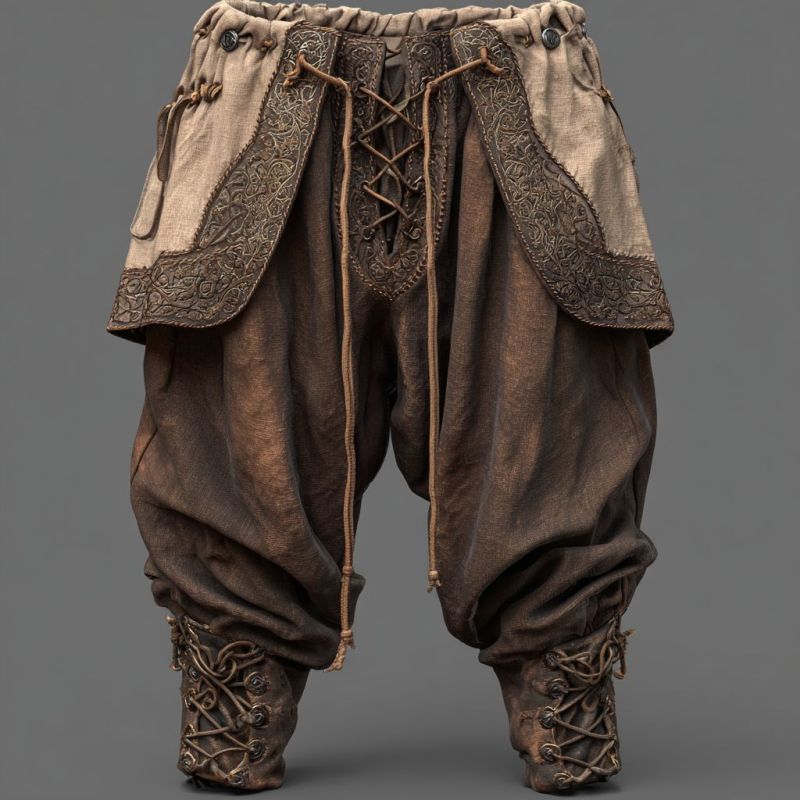
Pants, Cloth0.8 gp
-
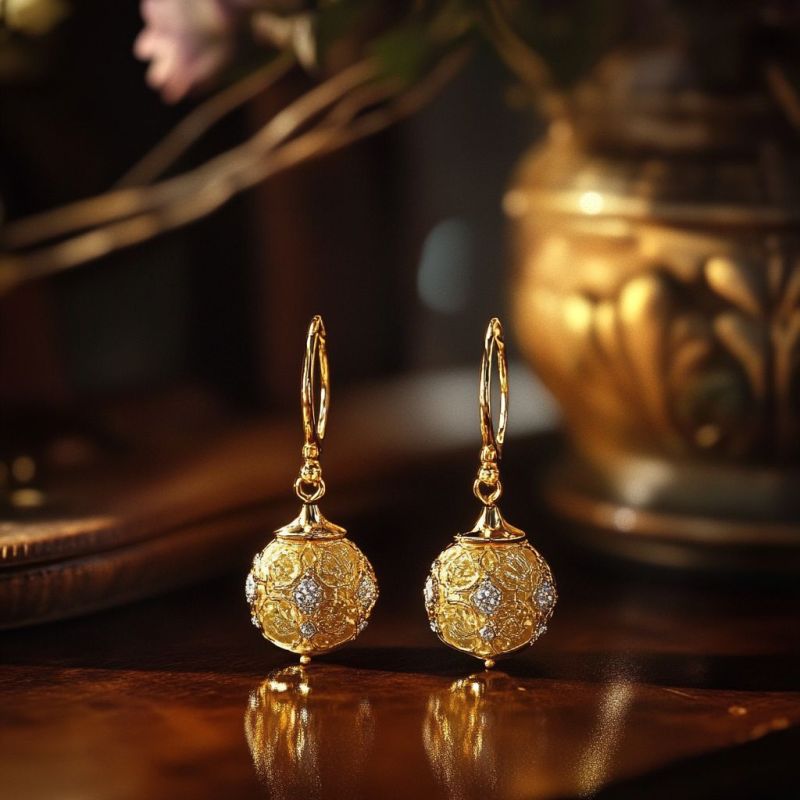
Earrings, Gold3 gp
 Inventory Unequipped:
-
Dream Dust5 gp
-
Quartz5 gp
-
Blue Quartz1 gp
-
Magical Crystal12 gp
-
Enchanting Tools100 gp
-
Wooden Workbench20 gp
-
Woodworking Tools15 gp
-
Totem10 gp
-
Rod, Wooden2 gp
-
Magical Rod10 gp
-
Gold Emblem30 gp
-
Magical Holy Emblem40 gp
-
Amulet, Gold200 gp
-
Magical Holy Amulet40 gp
-
Reliquary200 gp
-
Magical Holy Reliquary300 gp
-
Magical Sprig of Mistletoe6 gp
-
Sprig of Mistletoe0.02 gp
-
Quarterstaff3.43 0.2 gp
-
Magical Staff7 gp
-
Magical Wand10 gp
-
Wand2 gp
-
Garnet10 gp
-
Orbit Stone50 gp
-
Javelin of Lightning12.22 600.5 gp
-
Mace of Terror11.28 655 gp
-
Staff of the Python5.5 900.2 gp
-
Trident of Tides7.65 905 gp
-
Staff of Healing3.43 1250.2 gp
-
Riftpiercer Spear12.52 1301 gp
-
Shadowbane Hammer9.27 1315 gp
-
Hammer of Thunderbolts5.62 1510 gp
-
Staff of Swarming Insects3.43 1600.2 gp
-
Staff of Charming18.43 2150.2 gp
-
Scepter of Silent King3.43 1650.2 gp
-
Figurine of Wondrous Power - Silver Raven70 gp
-
Cleaning Stone100 gp
-
Nolzur's Marvelous Pigments100 gp
-
Dust of Sneezing and Choking150 gp
-
Gloves of Missile Snaring150 gp
-
Prayer Bead - Bless0.43 150 gp
-
Bead of Force200 gp
-
Eyes of Charming200 gp
-
Iron Bands of Bilarro200 gp
-
Quaal's Feather Token, Fan200 gp
-
Quaal's Feather Token, Bird205 gp
-
Quaal's Feather Token, Swan Boat3000 gp
-
Quaal's Feather Token, Tree50 gp
-
Quaal's Feather Token, Whip200 gp
-
Quaal's Feather Token, Anchor1000 gp
-
Ring of the Ram200 gp
-
Universal Solvent200 gp
-
Wand of Magic Detection200 gp
-
Wand of Magic Missiles200 gp
-
Spellsnatcher's Gauntlet210 gp
-
Eversmoking Bottle0.45 250 gp
-
Hat of Disguise0.28 250 gp
-
Helm of Comprehending Languages0.28 250 gp
-
Horn of Blasting250 gp
-
Ring of Jumping0.27 250 gp
-
Robe of Scintillating Colors0.19 250 gp
-
Green Ribbon29.16 251 gp
-
Bag of Tricks, Tan300 gp
-
Ring of Evasion300 gp
-
Wind Fan0.49 300 gp
-
Medallion of Thoughts400 gp
-
Prayer Bead - Curing400 gp
-
Wand of Paralysis400 gp
-
Wand of Secrets400 gp
-
Boots of Levitation0.38 500 gp
-
Cloak of Displacement0.45 500 gp
-
Horseshoes of a Zephyr0.38 500 gp
-
Prayer Bead - Smiting0.45 500 gp
-
Ring of Invisibility0.65 500 gp
 Monster Bits:
-
24 Humanoid Blood0.15 gp
-
60 Animal Bone0.03 gp
-
40 Animal Fat0.5 gp
-
140 Animal Meat0.05 gp
-
20 Soft Skin0.05 gp
Your fingers tingle as faint azure runes etch into the air, hovering like frost-kissed threads over the workbench. A low hum vibrates through the tools, drawing ambient mana into swirling eddies that bind to the object's surface. The metal warms beneath your touch, glowing with nascent enchantments that pulse in rhythmic, sapphire light.
Merchants

💰🛍️ Merchants: Bargainers of Coin and Contract
Merchants are the indispensable heartbeat of every realm, shrewd masters of the marketplace who turn peril into profit without ever drawing a blade. 🪙 Whether operating from bustling city shops or rumbling caravans, these opportunistic traders seek out adventurers at every turn — buying the riches yanked from lost dungeons and forgotten treasures, then selling back the very tools of greater glory. Part of tight-knit guilds that shield their own, they peddle powerful magical items coveted by heroes and kings alike. Driven purely by profit, they risk fortunes rather than flesh, thriving on financial gambles while their networks ensure no slight goes unanswered.
🌍 Origins: Forged in Guild and Gold
Merchants rise from every walk of life — fallen nobles, ambitious guild apprentices, or street-smart orphans who earned their first scale through sheer wit. 📜 Many inherit family shops blessed by trade deities; others claw their way into powerful merchant guilds that bind members in ironclad oaths of mutual protection. These guilds trace back to ancient pacts sealed with enchanted ledgers, granting members safety across cities and roads alike. Whatever their beginning, every merchant carries the unquenchable thirst for the next deal and the quiet power of collective wealth.
🏪 City Shopkeeps & Roadside Traders: Everywhere Opportunity Awaits
Merchants appear precisely when heroes need them most — behind polished counters in crowded city bazaars or pulling wagons into remote camps and strongholds. 🏪 Urban shopkeeps maintain lavish storefronts stocked with wonders, while wandering traders follow the scent of fresh plunder. Both types track adventurers through rumor and raven, ready to appraise dungeon loot on the spot and offer immediate coin. Their doors (and wagon flaps) are always open to those bearing relics, ensuring every victory converts swiftly into wealth.
📦 Wares of Power: Treasures and Magical Might
A merchant’s inventory is legend made tangible. 🧪 Beyond everyday supplies, they deal in exotic crafting materials — dragon scales, star-forged ore, moonlight essence, and ancient essences — plus the truly dangerous prizes: enchanted weapons, forbidden tomes, and artifacts that grant godlike power. Adventurers and power-hungry nobles flock to them, trading hard-won treasures for items that tip the scales of fate. The best merchants always seem to have exactly what a party needs… for the right price.
🕸️ The Guild Web: Safety Through Connection
No merchant stands isolated. Vast guilds weave a protective web across kingdoms, with members sworn to safeguard one another through shared ledgers and binding contracts. 🧠 Harm one and the entire network responds — bounties issued, assassins quietly hired, reputations destroyed, and trade routes closed to the offender. This unbreakable solidarity grants unparalleled safety: even the boldest warlord thinks twice before crossing a guild merchant. The system turns every shopkeep and caravan driver into part of something far larger and far deadlier than any lone blade.
🪄 Trader’s Gifts: The Art of the Deal
Merchants wield subtle but formidable talents honed by decades of negotiation. Many possess an almost magical ability to appraise any item instantly, detect lies with a glance, or haggle prices that bend reality itself. 🦋 Enchanted scales never err, shop safes hold extradimensional space, and guild rings allow silent communication across continents. The craftiest keep hidden vaults of truly legendary items or maintain quiet alliances with enchanters and information brokers. They never fight — they simply ensure the fight never reaches them.
⚠️ Hazards of Profit: Financial Gambles Over Flesh
Merchants scorn physical danger, preferring the thrill of high-stakes wagers. Their greatest risk is financial ruin — a bad investment, a counterfeit relic, or a guild rival undercutting their prices. ⚠️ Greed can blind them to larger threats, and a merchant who cheats the wrong adventurer may face sudden boycotts or guild-sanctioned ruin. Yet their contracts and connections usually keep blades at bay, letting them play the long game of wealth while heroes bleed for glory.
🗺️ Deals and Quests: Profit That Sparks Legend
Trade with a merchant rarely ends at simple barter. They routinely commission escorts for priceless shipments, recovery of stolen cargo, or hunts for ultra-rare components. These offers blossom into grand quests laced with gold and danger, benefiting both sides — or igniting fierce rivalries when contracts are broken. A single well-placed deal can launch an entire campaign of intrigue and adventure.
🌌 The Lifeblood of Every Realm
Merchants are the unseen architects of power and progress, turning the blood and sweat of heroes into empires of coin. 💰 Whether behind a city counter surrounded by glowing artifacts or camped beside a dungeon entrance with scales in hand, they represent pure opportunity wrapped in calculation. In any campaign they provide economic breathing room, rare magical wonders, and the spark for countless stories. Wise adventurers treat every merchant with respect — for today’s fair trader holds tomorrow’s fortune… and the contracts that can make or break legends. 🪙
Enchanter - Tier 1 (Subtype)
✨🔧 Enchanter: Tier 1 Imbuer
A Tier 1 Enchanter is a working magical craftsperson defined by item infusion, charged spellwork, and the practical binding of minor magical properties into physical objects. In a flintlock fantasy setting, they are a specialist trade worker who turns ordinary gear into useful arcane equipment for soldiers, merchants, officers, and wealthy civilians.
📚🪄 Training and Foundation
Tier 1 Enchanters are shaped by apprenticeship, arcane guild study, workshop training, temple craft traditions, or years of supervised item-binding work. They understand runes, anchor materials, charge limits, spell stability, and the difference between a temporary enhancement and a lasting enchantment. This is not a hedge mage waving power into a sword. It is a trained artisan who knows how to bind magic into matter without wasting materials or ruining the item.
🧥💠 Appearance and Bearing
These creatures usually appear in practical workshop coats, aprons, gloves, lenswork, and tool belts fitted with engraving picks, chalks, sigil stamps, wire, measuring tools, and wrapped focus stones. Their clothing often shows ink marks, metal dust, wax drips, gem filings, and traces of powdered reagents. Their bearing tends to be precise, patient, and inspection-focused, with more attention given to process and stability than display.
🪶📦 Typical Inventory
A Tier 1 Enchanter commonly stocks blank rings, plain amulets, etched bullets, rune-marked charms, focus crystals, treated wire, engraved plates, spell tags, warded lockets, minor protective tokens, charged lantern stones, simple weapon runes, temporary enhancement seals, insulating gloves, binding wax, powdered silver, inscribed cartridges, prepared gemstones, unfinished trinkets, and small enchanted objects with limited charges such as glow charms, heat stones, locking seals, spark rods, or low-grade protective brooches.
🧠⚖️ Working Style
Their working style is careful, measured, and limit-aware. A Tier 1 Enchanter inspects the base item, confirms material compatibility, chooses the effect, sets charge capacity, and binds the magic through inscription, ritual, or contained spellwork. They are expected to produce stable, useful results rather than dramatic masterpieces. Reliability matters more than ambition, because a failed enchantment can waste expensive materials or create a dangerous flaw.
💰🔮 Trade and Practical Role
What defines this subtype is applied magical utility. Tier 1 Enchanters make objects that solve practical problems: better storage, safer travel, minor protection, limited combat enhancement, or small conveniences that save time and labor. Their work serves officers, adventurers, locksmiths, merchants, gunsmiths, ship captains, and households wealthy enough to pay for arcane improvements. In a flintlock fantasy economy, they stand between pure spellcasting and manufactured magical goods.
🏪🪵 Business and Workspace
Tier 1 Enchanters usually work from small arcane workshops, guild stalls, rented back rooms, attached smithies, jewelers’ corners, or secure urban shops where tools, components, and finished items can be kept under control. Their workspace is built around benches, clamps, engraving tools, ledgers, test pieces, focus materials, locked cabinets, and padded shelves for fragile stock. A good one keeps records on effect duration, charge failure, and material loss.
🏙️👥 Common Roles
These creatures are commonly found as charm-makers, rune workers, arcane engravers, bullet binders, ward crafters, magical accessory sellers, apprentice item-binders, or workshop specialists producing low-grade enchanted goods for local sale. In settlements, they are often the people consulted when someone wants magic to stay in an object instead of being cast directly.
👑🪙 Place in Society
A Tier 1 Enchanter usually holds modest but valuable status. Common laborers may see them as expensive specialists, while officers, merchants, and adventurers see them as useful problem-solvers. In a flintlock fantasy setting, they often occupy a regulated middle ground between artisan, mage, and arms supplier, respected when reliable and watched closely when dealing in combat enchantments.
📈✨ Tier Meaning
Tier 1 represents the earliest stage of the enchanter role: basic item infusion, modest magical inventory, practical charged objects, and disciplined binding work. The core fantasy is present—magic fixed into matter, useful spell effects stored in gear, and arcane craftsmanship as trade—but it remains grounded in minor enchantments rather than rare relics, major permanent bindings, or high-tier magical manufacture.
- Inventory Unequipped:
-
Dream Dust5 gp
-
Quartz5 gp
-
Blue Quartz1 gp
-
Magical Crystal12 gp
-
Enchanting Tools100 gp
-
Wooden Workbench20 gp
-
Woodworking Tools15 gp
-
Totem10 gp
-
Rod, Wooden2 gp
-
Magical Rod10 gp
-
Gold Emblem30 gp
-
Magical Holy Emblem40 gp
-
Amulet, Gold200 gp
-
Magical Holy Amulet40 gp
-
Reliquary200 gp
-
Magical Holy Reliquary300 gp
-
Magical Sprig of Mistletoe6 gp
-
Sprig of Mistletoe0.02 gp
-
Quarterstaff3.43 0.2 gp
-
Magical Staff7 gp
-
Magical Wand10 gp
-
Wand2 gp
-
Garnet10 gp
-
Orbit Stone50 gp
-
Javelin of Lightning12.22 600.5 gp
-
Mace of Terror11.28 655 gp
-
Staff of the Python5.5 900.2 gp
-
Trident of Tides7.65 905 gp
-
Staff of Healing3.43 1250.2 gp
-
Riftpiercer Spear12.52 1301 gp
-
Shadowbane Hammer9.27 1315 gp
-
Hammer of Thunderbolts5.62 1510 gp
-
Staff of Swarming Insects3.43 1600.2 gp
-
Staff of Charming18.43 2150.2 gp
-
Scepter of Silent King3.43 1650.2 gp
-
Figurine of Wondrous Power - Silver Raven70 gp
-
Cleaning Stone100 gp
-
Nolzur's Marvelous Pigments100 gp
-
Dust of Sneezing and Choking150 gp
-
Gloves of Missile Snaring150 gp
-
Prayer Bead - Bless0.43 150 gp
-
Bead of Force200 gp
-
Eyes of Charming200 gp
-
Iron Bands of Bilarro200 gp
-
Quaal's Feather Token, Fan200 gp
-
Quaal's Feather Token, Bird205 gp
-
Quaal's Feather Token, Swan Boat3000 gp
-
Quaal's Feather Token, Tree50 gp
-
Quaal's Feather Token, Whip200 gp
-
Quaal's Feather Token, Anchor1000 gp
-
Ring of the Ram200 gp
-
Universal Solvent200 gp
-
Wand of Magic Detection200 gp
-
Wand of Magic Missiles200 gp
-
Spellsnatcher's Gauntlet210 gp
-
Eversmoking Bottle0.45 250 gp
-
Hat of Disguise0.28 250 gp
-
Helm of Comprehending Languages0.28 250 gp
-
Horn of Blasting250 gp
-
Ring of Jumping0.27 250 gp
-
Robe of Scintillating Colors0.19 250 gp
-
Green Ribbon29.16 251 gp
-
Bag of Tricks, Tan300 gp
-
Ring of Evasion300 gp
-
Wind Fan0.49 300 gp
-
Medallion of Thoughts400 gp
-
Prayer Bead - Curing400 gp
-
Wand of Paralysis400 gp
-
Wand of Secrets400 gp
-
Boots of Levitation0.38 500 gp
-
Cloak of Displacement0.45 500 gp
-
Horseshoes of a Zephyr0.38 500 gp
-
Prayer Bead - Smiting0.45 500 gp
-
Ring of Invisibility0.65 500 gp
- Skill Tier 3:
-
 Enchanting
 -
 Runeforging


