Menu
 Ancestries
 Backgrounds
 Lineages
 Classes
 Subclasses
 Spells
 Curses
 Mentas
 Sanguines
 Feats
Feats
 Passive
 Full
Full
 Standard
 Quick
Quick
 Attack
 Free
Free
 Reaction
 Opp. Attack
 Innate Skills
 Gathering Skills
 Knowledge Skills
 Crafting Skills
 Weapon Skills
 Armor Skills
 Defensive Skills
 Status Effects
 Crafting
 Alchemy
 Art
Art
 Brewing
 Calligraphy
 Cobbling
 Cooking
 Cosmetology
 Enchanting
 Glassblowing
 Jewelling
 Leatherworking
 Machining
 Masoning
 Milling
 Runeforging
 Smithing
 Tanning
 Weaving
 Woodworking
View All Crafting
View All Rules
Woodworking
View All Crafting
View All Rules






































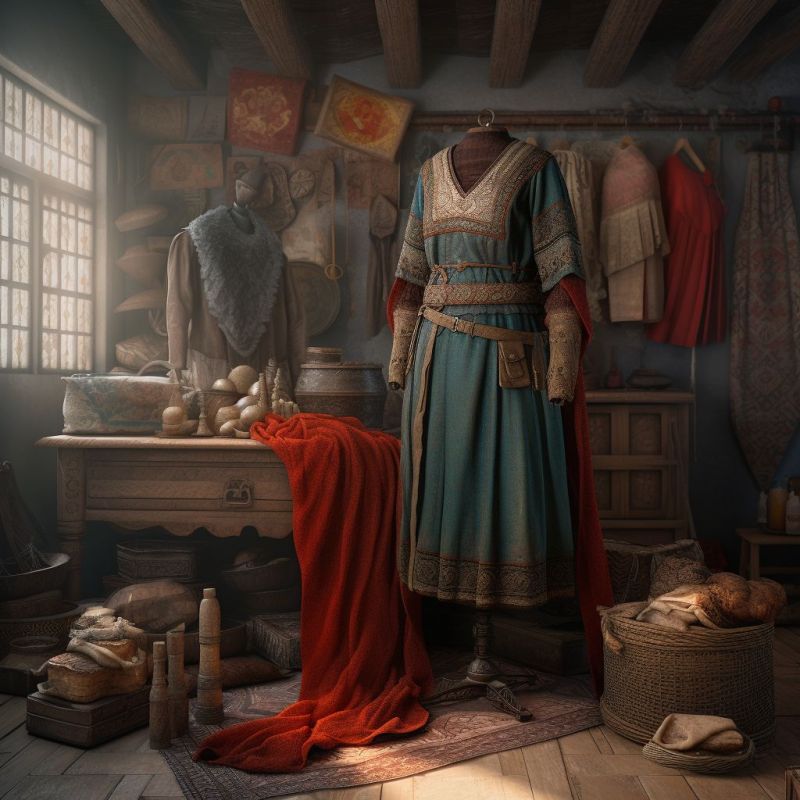
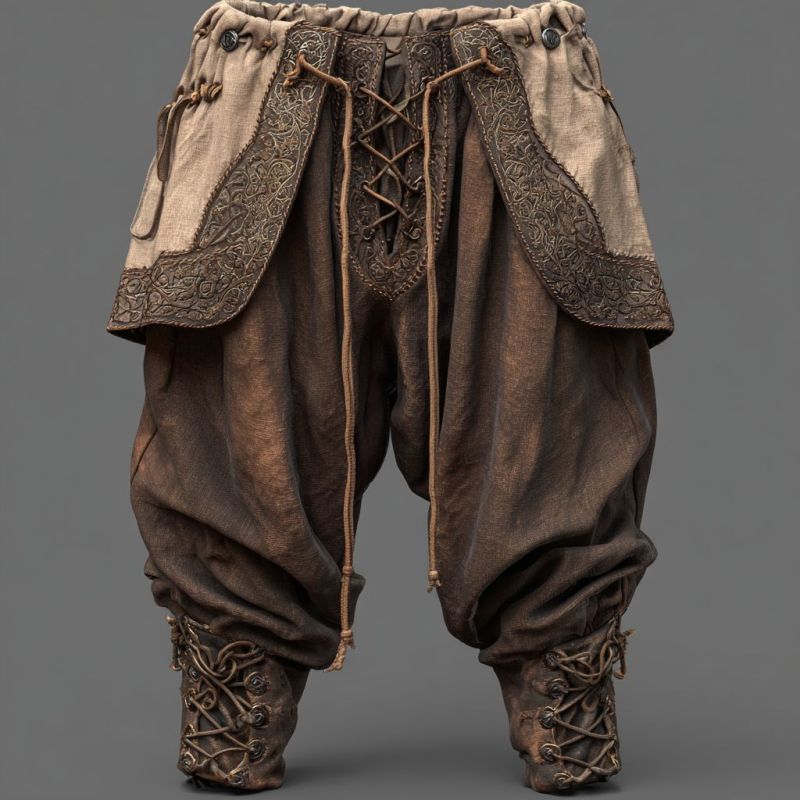
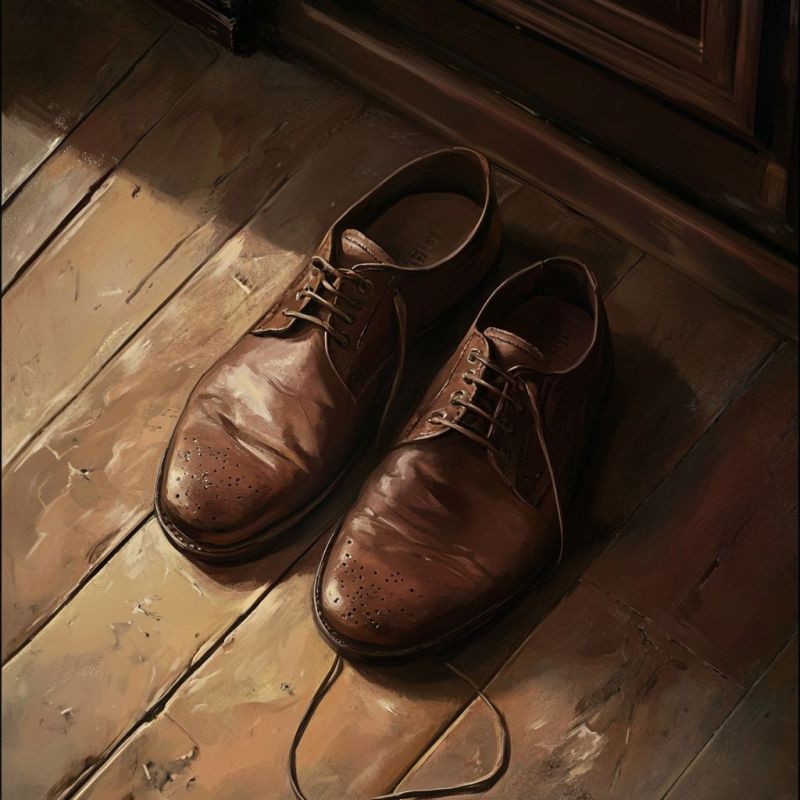
 Inventory Equipped:
-
Clothes, Artisan’s1 gp
-
Shoes, Leather1 gp
-
Pants, Cloth0.8 gp
 Inventory Unequipped:
-
20 Cooking Tools15 gp
-
20 Oven80 gp
-
20 Flour0.1 gp
-
20 Bread, Loaf0.2 gp
-
20 Drinking Water0.01 gp
-
20 Egg0.01 gp
-
20 Ground Cocoa0.5 gp
-
20 Piece of Chocolate Strawberry Cake1.5 gp
-
20 Strawberries0.01 gp
-
20 Bottle of Milk0.1 gp
-
20 Raw Milk-21.04 0.02 gp
-
20 Sugar Cane0.5 gp
-
20 Sugar, flask0.1 gp
-
20 Muffin0.3 gp
-
20 Animal Meat0.05 gp
-
20 Cooked Animal Meat0.1 gp
-
20 Animal Fat0.5 gp
-
20 Tallow0.55 gp
-
20 Bundle Carrot0.02 gp
-
20 Carrot, dry0.1 gp
-
20 Potato0.01 gp
-
20 Sweet Potato0.01 gp
-
20 Tomato0.01 gp
-
20 Tomato Juice3 gp
-
20 Vegetable Soup0.7 gp
-
20 Wick0.01 gp
-
20 Candle0.8 gp
-
20 Taper Candle0.9 gp
-
20 Gelatin1 gp
-
20 Bowl of Jello5 gp
-
20 Cheese0.1 gp
-
20 Wheat0.01 gp
-
20 Animal Bone0.03 gp
-
20 Pillar Candle2 gp
-
20 Salt0.1 gp
-
20 Salt Ore
-
20 Saltwater Fish0.25 gp
-
20 Fresh Water Fish0.05 gp
-
20 Apple0.01 gp
-
20 Apple Juice3 gp
-
20 Orange0.05 gp
-
20 Orange Juice3 gp
-
20 Grape Juice3 gp
-
20 Grapes, bunch0.01 gp
-
20 Common Wine (Pitcher)0.2 gp
-
20 Fine Wine (Bottle)10 gp
-
20 Ale (Gallon)0.2 gp
-
20 Ale (Mug)0.04 gp
-
20 Pear Juice3 gp
-
20 Pear0.01 gp
-
20 Strawberry Juice3 gp
-
20 Common Spices0.05 gp
-
20 Rare Spices5 gp
-
20 Uncommon Spices0.3 gp
-
20 Bag of Pistachios0.01 gp
-
20 Barley0.01 gp
-
20 Bundle of Garlic50 0.01 gp
-
20 Cabbage0.01 gp
-
20 Common Mushroom0.02 gp
-
20 Corn0.01 gp
-
20 Corn, powdered, flasked0.3 gp
-
20 Field Rations0.5 gp
-
20 Fig0.01 gp
-
20 Ginger0.1 gp
-
20 Pumpkin0.05 gp
-
20 Small Jar of Olives0.01 gp
-
20 Turnips0.02 gp
 Monster Bits:
-
10 Humanoid Blood0.15 gp
-
27 Animal Bone0.03 gp
-
18 Animal Fat0.5 gp
-
62 Animal Meat0.05 gp
-
9 Soft Skin0.05 gp
Flames leap from the iron griddle, searing strips of venison until fat sizzles and crisps, juices pooling in golden rivulets. Rough-hewn wooden spoons stir bubbling pots of root vegetables, steam curling thick with earth and thyme. Callused hands knead dough into loaves, the oven's heat baking crusts to a deep, crackling brown.
Merchants

💰🛍️ Merchants: Bargainers of Coin and Contract
Merchants are the indispensable heartbeat of every realm, shrewd masters of the marketplace who turn peril into profit without ever drawing a blade. 🪙 Whether operating from bustling city shops or rumbling caravans, these opportunistic traders seek out adventurers at every turn — buying the riches yanked from lost dungeons and forgotten treasures, then selling back the very tools of greater glory. Part of tight-knit guilds that shield their own, they peddle powerful magical items coveted by heroes and kings alike. Driven purely by profit, they risk fortunes rather than flesh, thriving on financial gambles while their networks ensure no slight goes unanswered.
🌍 Origins: Forged in Guild and Gold
Merchants rise from every walk of life — fallen nobles, ambitious guild apprentices, or street-smart orphans who earned their first scale through sheer wit. 📜 Many inherit family shops blessed by trade deities; others claw their way into powerful merchant guilds that bind members in ironclad oaths of mutual protection. These guilds trace back to ancient pacts sealed with enchanted ledgers, granting members safety across cities and roads alike. Whatever their beginning, every merchant carries the unquenchable thirst for the next deal and the quiet power of collective wealth.
🏪 City Shopkeeps & Roadside Traders: Everywhere Opportunity Awaits
Merchants appear precisely when heroes need them most — behind polished counters in crowded city bazaars or pulling wagons into remote camps and strongholds. 🏪 Urban shopkeeps maintain lavish storefronts stocked with wonders, while wandering traders follow the scent of fresh plunder. Both types track adventurers through rumor and raven, ready to appraise dungeon loot on the spot and offer immediate coin. Their doors (and wagon flaps) are always open to those bearing relics, ensuring every victory converts swiftly into wealth.
📦 Wares of Power: Treasures and Magical Might
A merchant’s inventory is legend made tangible. 🧪 Beyond everyday supplies, they deal in exotic crafting materials — dragon scales, star-forged ore, moonlight essence, and ancient essences — plus the truly dangerous prizes: enchanted weapons, forbidden tomes, and artifacts that grant godlike power. Adventurers and power-hungry nobles flock to them, trading hard-won treasures for items that tip the scales of fate. The best merchants always seem to have exactly what a party needs… for the right price.
🕸️ The Guild Web: Safety Through Connection
No merchant stands isolated. Vast guilds weave a protective web across kingdoms, with members sworn to safeguard one another through shared ledgers and binding contracts. 🧠 Harm one and the entire network responds — bounties issued, assassins quietly hired, reputations destroyed, and trade routes closed to the offender. This unbreakable solidarity grants unparalleled safety: even the boldest warlord thinks twice before crossing a guild merchant. The system turns every shopkeep and caravan driver into part of something far larger and far deadlier than any lone blade.
🪄 Trader’s Gifts: The Art of the Deal
Merchants wield subtle but formidable talents honed by decades of negotiation. Many possess an almost magical ability to appraise any item instantly, detect lies with a glance, or haggle prices that bend reality itself. 🦋 Enchanted scales never err, shop safes hold extradimensional space, and guild rings allow silent communication across continents. The craftiest keep hidden vaults of truly legendary items or maintain quiet alliances with enchanters and information brokers. They never fight — they simply ensure the fight never reaches them.
⚠️ Hazards of Profit: Financial Gambles Over Flesh
Merchants scorn physical danger, preferring the thrill of high-stakes wagers. Their greatest risk is financial ruin — a bad investment, a counterfeit relic, or a guild rival undercutting their prices. ⚠️ Greed can blind them to larger threats, and a merchant who cheats the wrong adventurer may face sudden boycotts or guild-sanctioned ruin. Yet their contracts and connections usually keep blades at bay, letting them play the long game of wealth while heroes bleed for glory.
🗺️ Deals and Quests: Profit That Sparks Legend
Trade with a merchant rarely ends at simple barter. They routinely commission escorts for priceless shipments, recovery of stolen cargo, or hunts for ultra-rare components. These offers blossom into grand quests laced with gold and danger, benefiting both sides — or igniting fierce rivalries when contracts are broken. A single well-placed deal can launch an entire campaign of intrigue and adventure.
🌌 The Lifeblood of Every Realm
Merchants are the unseen architects of power and progress, turning the blood and sweat of heroes into empires of coin. 💰 Whether behind a city counter surrounded by glowing artifacts or camped beside a dungeon entrance with scales in hand, they represent pure opportunity wrapped in calculation. In any campaign they provide economic breathing room, rare magical wonders, and the spark for countless stories. Wise adventurers treat every merchant with respect — for today’s fair trader holds tomorrow’s fortune… and the contracts that can make or break legends. 🪙
Cook - Tier 1 (Subtype)
🍲🔪 Cook: Tier 1 Kitchen Hand
A Tier 1 Cook is a working food preparer defined by practical kitchen skill, ingredient handling, and the steady production of filling meals for ordinary customers. In a flintlock fantasy setting, they are an essential trade worker whose value comes from speed, consistency, and the ability to turn available supplies into edible, saleable food.
📚🥔 Training and Foundation
Tier 1 Cooks are shaped by apprenticeship, tavern work, shipboard kitchens, household service, military camp duty, or years spent learning through repetition in hot, crowded workspaces. They understand chopping, boiling, roasting, baking basics, salting, preservation, portioning, and the timing needed to keep meals moving. This is not a hobbyist with a pan. It is a trained kitchen worker who can feed people reliably under pressure.
🧥🔥 Appearance and Bearing
These creatures usually appear in aprons, rolled sleeves, work shirts, kerchiefs, and heat-worn clothing marked by grease, flour, ash, and steam. Burns, knife nicks, and callused hands are common. They often carry spoons, knives, towels, ladles, and strings of keys to pantry or storage rooms. Their bearing tends to be brisk, practical, and used to constant interruption.
🍞📦 Typical Inventory
A Tier 1 Cook commonly keeps bread loaves, stew pots, root vegetables, onions, garlic, dried beans, smoked meat, salted fish, lard, flour sacks, barley, oats, kitchen herbs, vinegar, cheese, preserved fruit, broth stock, pies, hand meals for travelers, cheap beer or watered wine depending on the establishment, and basic cooking tools such as knives, ladles, iron pans, clay pots, spit forks, and cutting boards. Better kitchens may also keep fresh poultry, game, imported spices, citrus, or sugar when available and affordable.
🧠⚖️ Working Style
Their working style is fast, repetitive, and supply-conscious. A Tier 1 Cook works in batches, stretches ingredients, watches spoilage, and plans around what can be sold before it turns. They are expected to feed customers consistently rather than impress them with rare technique. Waste is a problem, timing is constant, and a good cook knows how to make simple food dependable.
💰🥩 Trade and Practical Role
What defines this subtype is necessary service. Tier 1 Cooks keep inns, taverns, camps, ships, and households functioning by providing hot meals, preserved rations, and food people can afford regularly. Their work serves laborers, sailors, soldiers, travelers, clerks, and families who need something filling more than something fashionable. In a flintlock fantasy economy, a cook is often as important as the quality of the building around them.
🏪🪵 Business and Workspace
Tier 1 Cooks usually work from tavern kitchens, inn hearths, ship galleys, camp kitchens, market stalls, noble service wings, or street-side cookshops with limited but constant demand. Their workspace is organized around fire, storage, prep surfaces, knives, hanging meats, pantry shelves, barrels, and pots that stay in near-continuous use. A busy kitchen may include scullions, servers, apprentices, or family labor dividing washing, prep, and serving duties.
🏙️👥 Common Roles
These creatures are commonly found as tavern cooks, galley cooks, household kitchen staff, military camp cooks, pie sellers, market food vendors, bakery assistants, or inn workers responsible for feeding a steady flow of ordinary people. In settlements, they are among the most consistently necessary trade workers because hunger returns every day.
👑🪙 Place in Society
A Tier 1 Cook usually holds modest but steady social value. They are rarely prestigious unless attached to wealth, but they become known quickly if they are reliable, cheap, or capable of feeding large numbers without complaint. In a flintlock fantasy setting, a good cook is practical infrastructure, especially in ports, barracks, inns, and trade roads.
📈🍲 Tier Meaning
Tier 1 represents the earliest stage of the cook role: dependable meal production, modest inventory, practical kitchen skill, and strong daily utility. The core fantasy is present—heat, food, labor, and service through craft—but it remains grounded in ordinary kitchens rather than elite cuisine, major provisioning contracts, or famous culinary status.
- Inventory Unequipped:
-
20 Cooking Tools15 gp
-
20 Oven80 gp
-
20 Flour0.1 gp
-
20 Bread, Loaf0.2 gp
-
20 Drinking Water0.01 gp
-
20 Egg0.01 gp
-
20 Ground Cocoa0.5 gp
-
20 Piece of Chocolate Strawberry Cake1.5 gp
-
20 Strawberries0.01 gp
-
20 Bottle of Milk0.1 gp
-
20 Raw Milk-21.04 0.02 gp
-
20 Sugar Cane0.5 gp
-
20 Sugar, flask0.1 gp
-
20 Muffin0.3 gp
-
20 Animal Meat0.05 gp
-
20 Cooked Animal Meat0.1 gp
-
20 Animal Fat0.5 gp
-
20 Tallow0.55 gp
-
20 Bundle Carrot0.02 gp
-
20 Carrot, dry0.1 gp
-
20 Potato0.01 gp
-
20 Sweet Potato0.01 gp
-
20 Tomato0.01 gp
-
20 Tomato Juice3 gp
-
20 Vegetable Soup0.7 gp
-
20 Wick0.01 gp
-
20 Candle0.8 gp
-
20 Taper Candle0.9 gp
-
20 Gelatin1 gp
-
20 Bowl of Jello5 gp
-
20 Cheese0.1 gp
-
20 Wheat0.01 gp
-
20 Animal Bone0.03 gp
-
20 Pillar Candle2 gp
-
20 Salt0.1 gp
-
20 Salt Ore
-
20 Saltwater Fish0.25 gp
-
20 Fresh Water Fish0.05 gp
-
20 Apple0.01 gp
-
20 Apple Juice3 gp
-
20 Orange0.05 gp
-
20 Orange Juice3 gp
-
20 Grape Juice3 gp
-
20 Grapes, bunch0.01 gp
-
20 Common Wine (Pitcher)0.2 gp
-
20 Fine Wine (Bottle)10 gp
-
20 Ale (Gallon)0.2 gp
-
20 Ale (Mug)0.04 gp
-
20 Pear Juice3 gp
-
20 Pear0.01 gp
-
20 Strawberry Juice3 gp
-
20 Common Spices0.05 gp
-
20 Rare Spices5 gp
-
20 Uncommon Spices0.3 gp
-
20 Bag of Pistachios0.01 gp
-
20 Barley0.01 gp
-
20 Bundle of Garlic50 0.01 gp
-
20 Cabbage0.01 gp
-
20 Common Mushroom0.02 gp
-
20 Corn0.01 gp
-
20 Corn, powdered, flasked0.3 gp
-
20 Field Rations0.5 gp
-
20 Fig0.01 gp
-
20 Ginger0.1 gp
-
20 Pumpkin0.05 gp
-
20 Small Jar of Olives0.01 gp
-
20 Turnips0.02 gp
- Skill Tier 5:
-
 Cooking


