Menu
 Ancestries
 Backgrounds
 Lineages
 Classes
 Subclasses
 Spells
 Curses
 Mentas
 Sanguines
 Feats
Feats
 Passive
 Full
Full
 Standard
 Quick
Quick
 Attack
 Free
Free
 Reaction
 Opp. Attack
 Innate Skills
 Gathering Skills
 Knowledge Skills
 Crafting Skills
 Weapon Skills
 Armor Skills
 Defensive Skills
 Status Effects
 Crafting
 Alchemy
 Art
Art
 Cooking
 Enchanting
 Glassblowing
 Jewelling
 Leatherworking
 Machining
 Masoning
 Smithing
 Weaving
 Woodworking
View All Crafting
View All Rules
Woodworking
View All Crafting
View All Rules




























 Library
Digital supplements and compendia—rules content, adventures and setting material you add to My Library.
Browse Library
 Adventures
Standalone adventures—ready to run. Purchase the source in the Library for access.
All Adventures
 Free Adventures
 Paid Adventures























 Inventory Equipped:
-
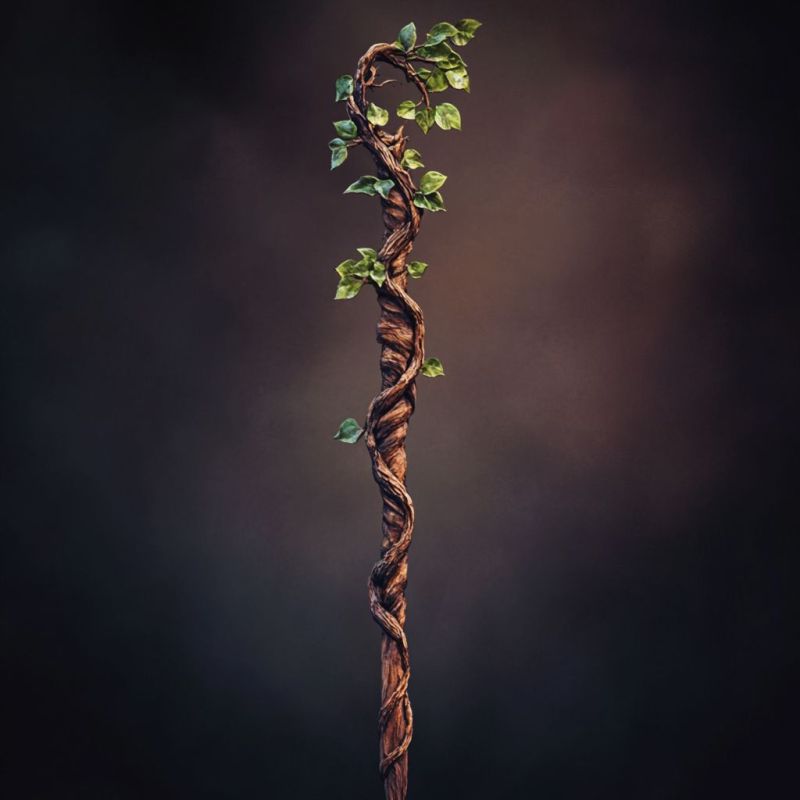
Staff of the Woodlands
 Inventory Unequipped:
-
Flute2 gp
 Natural Armor:
-
Natural Armor +348 0 gp
 Natural Weapon(s):
-
Hooves (2d6)142.24
-
Hooves (d6)75.89
- Passive Abilities:
-
Robust Build500 gp
-
Weapon Enchantment +25000 gp
-
Weapon Size: Large
- Quick Abilities:
-
Vault Step15

-
Shoulder Throw19.69


- Attack Abilities:
-
Charging Attack250 gp
-
Toppling Attack2.26 150 gp

-
Palm Burst100 gp
-
Leaping Strike15 300 gp

-
Iron Grip11.51 500 gp
- Reaction Abilities:
-
Whirling Guard300
 At Will Spell(s):
-
Pass Without Trace
 2
2
-
Spellcasting
|
 Spells Prepared:
-
 |
Druidcraft
Feeding Swarm
Floral Flourish
Grace of Nature
Lash of Rose Thorns
|
Druidcraft
Feeding Swarm
Floral Flourish
Grace of Nature
Lash of Rose Thorns
-
 |
Anchoring Spines
Arctic Arrow
Aura of Grasping Thorns
Create or Destroy Water
Cure Wounds
Druidic Forest Camouflage
Faerie Fire
Infesting Spores
Nature's Call
Oakskin
|
Anchoring Spines
Arctic Arrow
Aura of Grasping Thorns
Create or Destroy Water
Cure Wounds
Druidic Forest Camouflage
Faerie Fire
Infesting Spores
Nature's Call
Oakskin
-
 |
Bestial Stoning
Enhance Ability
Freeze Metal
Heat Metal
Hornet Shot
Locate Animals or Plants
Moonbeam
Needle Storm
Quenching Haven
Summon Beast
|
Bestial Stoning
Enhance Ability
Freeze Metal
Heat Metal
Hornet Shot
Locate Animals or Plants
Moonbeam
Needle Storm
Quenching Haven
Summon Beast
-
 |
Blades of Stone
Call Lightning
Claw Eruption
Cobra Spray
Create Food and Water
Frost Bolt
Mass Healing Word
Speak with Plants
Summon Shambling Mound
Wall of Water
|
Blades of Stone
Call Lightning
Claw Eruption
Cobra Spray
Create Food and Water
Frost Bolt
Mass Healing Word
Speak with Plants
Summon Shambling Mound
Wall of Water
 Monster Bits:
-
540 Fey Bark1 gp
-
60 Fey Dust4 gp
-
540 Fey Bark1 gp
-
60 Fey Dust4 gp
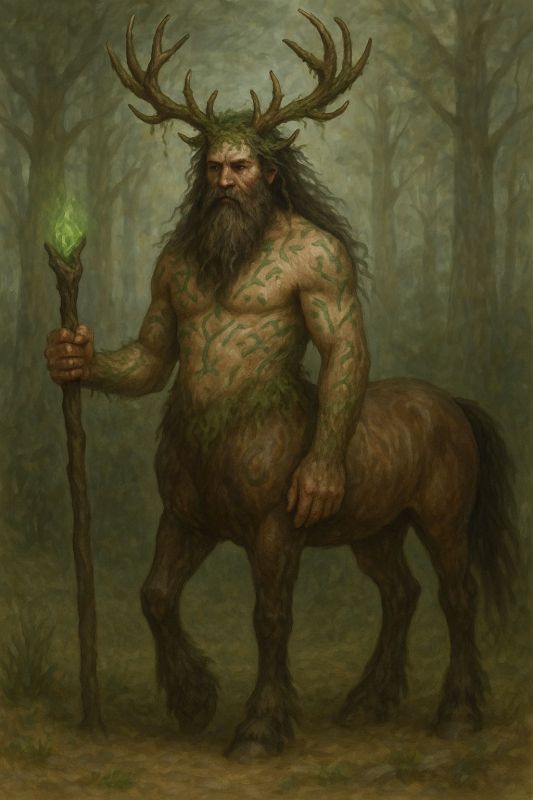
Four sturdy legs stamp the earth, hooves cracked and moss-covered. His equine body is broad and scarred, fur streaked with leaf litter. A humanoid torso rises above, crowned by antlers and tangled hair, skin etched with living runes.
Centaur Druids serve as guardians of ancient groves, blending nature magic with raw physical might. Their equine bodies grant swift travel, while their antlered visages and vine-carved staffs mark them as wardens of balance, often speaking with beasts, shaping terrain, and invoking primal forces to protect sacred land from harm.
Centaurs


🐎🛡️ Centaurs: Thunderblood Wardens of the Wild
Centaurs are living momentum—half-humanoid, half-stallion, all muscle and intent. They move like a storm given bones, equal parts noble guardian and charging catastrophe, their presence turning open ground into a battlefield.
🌿🏔️ Origins: Born of Wind and Grass
Old tales claim centaurs rose from the first places the world learned to run—broad plains, high ridgelines, and sunlit valleys where hooves could thunder for miles. Some clans say they were shaped by nature-spirits to patrol the wild borders; others insist they are the heirs of ancient war-herds that refused the yoke.
🐾🧱 Form and Presence
A centaur’s lower body is a massive horse frame—often chestnut, dappled, or iron-dark—corded with power along the haunches and shoulders. Above the withers rises a broad humanoid torso, thick-armed and scar-lined, with a warrior’s balance that makes every motion look effortless. Their hooves strike like hammers; the ground answers with dust, tremor, and the hard drumbeat of approaching danger.
🏹👁️ Senses of the Hunt
Their eyes track motion the way a hawk tracks wind—reading distance, slope, footing, and the smallest shift in a foe’s stance. Ears flick and lock on whispers of steel, creak of leather, and the tiny betrayals of nervous breathing. A centaur rarely looks “surprised”—they look already moving.
🪶⚔️ Arms and War-Banners
Many carry spears, longblades, or recurved bows sized for their reach. Spears are often dressed in bright pennants or clan ribbons—signals for allies, warnings for rivals, and trophies tied on after victories. The banners snap and stream behind them as they run, turning a charge into a living standard.
🗣️🌩️ The Charge: Hoofstorm Violence
When a centaur commits, it’s not a sprint—it’s a decision made at full speed. They lower the spear, lift the war cry, and the world becomes rhythm: hooves pounding, pennants cracking, armor clattering, breath flaring hot in the throat. The impact is brutal and clean—wood splintering, shields buckling, bodies thrown aside like driftwood.
🏕️🤝 Culture and Codes
Centaurs prize territory, freedom, and proven strength. Clans measure respect by endurance, horsemanship-without-horses, and whether you hold your ground when the thunder comes. They can be fierce allies—especially to those who honor boundaries and speak plainly—but they despise cages, chains, and “civilized” conquest.
🦌🌾 Role in the World
To travelers, centaurs are escorts or executioners depending on conduct. To bandits, they’re the sound of consequences. To monsters that stalk open fields, they’re the wall that runs. Wherever the wild has borders, centaurs are often there—watching, circling, and ready to turn the earth itself into a weapon.
 Speed:
- Walking Speed: +40
- Climbing Speed: 0.25*[speed_walking]
- Natural Weapon(s):
-
Hooves (d6)75.89
- Monster Bits:
-
540 Fey Bark1 gp
-
60 Fey Dust4 gp
- Attack Abilities:
-
Charging Attack250 gp
- Skill Tier 1:
-
 Archery Weapon Skill
 -
 Elvish Language Skill
 -
Natural Weapon Skill
-
 Sylvan Language Skill
 -
 Throwable Weapon Skill
 Random Name Table Male
-
Names - Centaurs - Male - First
 Random Name Table Female
-
Names - Centaurs - Female - First
 Random Name Table Last Name
-
Names - Centaurs - Last


