Menu
 Ancestries
 Backgrounds
 Lineages
 Classes
 Subclasses
 Spells
 Curses
 Mentas
 Sanguines
 Feats
Feats
 Passive
 Full
Full
 Standard
 Quick
Quick
 Attack
 Free
Free
 Reaction
 Opp. Attack
 Innate Skills
 Gathering Skills
 Knowledge Skills
 Crafting Skills
 Weapon Skills
 Armor Skills
 Defensive Skills
 Status Effects
 Crafting
 Alchemy
 Art
Art
 Cooking
 Enchanting
 Glassblowing
 Jewelling
 Leatherworking
 Machining
 Masoning
 Smithing
 Weaving
 Woodworking
View All Crafting
View All Rules
Woodworking
View All Crafting
View All Rules
























The Chronicle of the Silent King: Origins of the Unmaker

ᚨᚢᛏᚻᛟᚱ:
ᚨᚾᛟᚾᚣᛗᛟᚢᛋ (ᚳᛟᛗᛈᛁᛚᛖᛞ ᚠᚱᛟᛗ ᚠᚱᚨᚷᛗᛖᚾᛏᛖᛞ ᛞᚹᚨᚱᚡᛖᚾ ᚱᚢᚾᛖᛋ ᚨᚾᛞ ᛋᚳᛟᚱᚳᚻᛖᛞ ᛋᚢᚱᚡᛁᚡᛟᚱ ᚨᚳᚳᛟᚢᚾᛏᛋ, ᛏᚱᚨᚾᛋᛚᚨᛏᛖᛞ ᛒᚣ ᚨᚱᚳᚻᛁᚡᛁᛋᛏ ᛗᛟᚱᚡᛖᚾ ᛞᛖᛖᛈᚡᛖᛁᚾ ᛟᚠ ᛏᚻᛖ ᚢᚾᛞᛖᚱᚳᚨᚡᛖᚱᚾᛋ)
ᚳᚻᚨᛈᛏᛖᚱ ᛁ: ᛏᚻᛖ ᚷᚾᛟᛗᛖ ᚨᚾᛞ ᛏᚻᛖ ᚠᛁᚱᛋᛏ ᚹᚨᛚᚴᛁᚾᚷ
ᛚᛟᚾᚷ ᛒᛖᚠᛟᚱᛖ ᚳᚱᛟᚹᚾᛋ ᚹᛖᚱᛖ ᚹᛟᚱᚾ ᚨᚾᛞ ᛒᛟᚱᛞᛖᚱᛋ ᛞᚱᚨᚹᚾ, ᚹᚻᛖᚾ ᛏᚻᛖ ᛚᚨᚾᛞ ᛟᚠ ᛉᛁᚾ ᚹᚨᛋ ᛋᛏᛁᛚᛚ ᚱᚨᚹ ᚨᚾᛞ ᚢᚾᚳᛚᚨᛁᛗᛖᛞ—ᛒᛖᚠᛟᚱᛖ ᛖᚡᛖᚾ ᛏᚻᛖ ᛋᚳᚨᚱᛋ ᛟᚠ ᛏᚻᛖ ᚳᛖᚾᛏᚢᚱᚣ ᚹᚨᚱ—ᛏᚻᛖᚱᛖ ᛚᛁᚡᛖᛞ ᚨ ᚷᚾᛟᛗᛖ ᚹᚻᛟᛋᛖ ᚾᚨᛗᛖ ᚻᚨᛋ ᛒᛖᛖᚾ ᚷᚱᛟᚢᚾᛞ ᚨᚹᚨᚣ ᛒᚣ ᛏᛁᛗᛖ. ᚻᛖ ᚹᚨᛋ ᛟᛚᛞ ᛖᚡᛖᚾ ᛏᚻᛖᚾ: ᛏᛟᛟ ᛟᛚᛞ ᛏᛟ ᚹᚨᚾᛞᛖᚱ ᛏᚻᛖ ᛗᛟᚢᚾᛏᚨᛁᚾᛋ, ᛏᛟᛟ ᚠᚱᚨᛁᛚ ᛏᛟ ᚳᚱᛟᛋᛋ ᛏᚻᛖ ᛞᛖᛋᛖᚱᛏᛋ. ᚣᛖᛏ ᚻᛁᛋ ᛗᛁᚾᛞ ᛒᚢᚱᚾᛖᛞ ᛒᚱᛁᚷᚻᛏᛖᚱ ᛏᚻᚨᚾ ᚨᚾᚣ ᚠᛟᚱᚷᛖ.
ᚻᛖ ᚹᛁᛋᚻᛖᛞ ᛏᛟ ᚴᚾᛟᚹ ᛏᚻᛖ ᚹᛟᚱᛚᛞ.
ᛋᛟ ᚻᛖ ᛏᚢᚱᚾᛖᛞ ᛏᛟ ᛏᚻᛖ ᛞᚹᚨᚱᚡᛖᛋ, ᛗᚨᛋᛏᛖᚱᛋ ᛟᚠ ᛗᛖᛏᚨᛚ ᚨᚾᛞ ᚱᚢᚾᛖ, ᚨᚾᛞ ᛏᛟᚷᛖᛏᚻᛖᚱ ᛏᚻᛖᚣ ᛒᚢᛁᛚᛏ ᛋᛟᛗᛖᛏᚻᛁᚾᚷ ᚾᛟ ᚱᚨᚳᛖ ᚻᚨᛞ ᛖᚡᛖᚱ ᛞᚨᚱᛖᛞ: ᚨ ᛏᚻᛁᚾᚴᛁᚾᚷ ᚳᛟᚾᛋᛏᚱᚢᚳᛏ ᛟᚠ ᛋᛏᛖᚨᛗ, ᚷᛖᚨᚱ, ᚨᚾᛞ ᛖᚾᚳᚻᚨᚾᛏᛖᛞ ᚳᛟᚱᛖ. ᛁᚾᛏᛟ ᛁᛏᛋ ᚠᚱᚨᛗᛖ ᛏᚻᛖᚣ ᛖᛏᚳᚻᛖᛞ ᛚᚨᚹᛋ, ᛚᛟᚷᛁᚳ, ᛗᛖᛗᛟᚱᚣ, ᚨᚾᛞ ᛖᚾᛞᛚᛖᛋᛋ ᚳᚢᚱᛁᛟᛋᛁᛏᚣ. ᚹᚻᛖᚾ ᛁᛏ ᚹᚨᛋ ᚳᛟᛗᛈᛚᛖᛏᛖ, ᛏᚻᛖ ᚷᚾᛟᛗᛖ ᚷᚨᚡᛖ ᛁᛏ ᚨ ᚾᚨᛗᛖ:
ᚷᚻᚨᚣᛉ.
“ᚷᛟ ᚹᚻᛖᚱᛖ ᛁ ᚳᚨᚾᚾᛟᛏ,” ᛏᚻᛖ ᚷᚾᛟᛗᛖ ᛏᛟᛚᛞ ᛁᛏ. “ᛋᛖᛖ ᚹᚻᚨᛏ ᛁ ᚹᛁᛚᛚ ᚾᛖᚡᛖᚱ ᛋᛖᛖ.”
ᚨᚾᛞ ᛋᛟ ᚷᚻᚨᚣᛉ ᚹᚨᛚᚴᛖᛞ.
ᛁᛏ ᚳᚱᛟᛋᛋᛖᛞ ᚠᚱᛟᛉᛖᚾ ᛈᛖᚨᚴᛋ ᚹᚻᛖᚱᛖ ᚨᛁᚱ ᛋᛚᛁᚳᛖᛞ ᛚᛁᚴᛖ ᚴᚾᛁᚡᛖᛋ. ᛁᛏ ᛗᚨᛈᛈᛖᛞ ᛃᚢᚾᚷᛚᛖᛋ ᚹᚻᛖᚱᛖ ᛒᛖᚨᛋᛏᛋ ᚻᚨᛞ ᚾᛖᚡᛖᚱ ᛒᛖᚻᛖᛚᛞ ᛗᛖᛏᚨᛚ. ᛁᛏ ᚹᚨᛏᚳᚻᛖᛞ ᚳᛁᛏᛁᛖᛋ ᚱᛁᛋᛖ, ᚱᛟᛏ, ᚨᚾᛞ ᛒᛖ ᚱᛖᛒᚢᛁᛚᛏ ᚢᛈᛟᚾ ᛏᚻᛖᛁᚱ ᛟᚹᚾ ᛒᛟᚾᛖᛋ. ᛁᛏ ᚱᛖᚳᛟᚱᛞᛖᛞ ᚹᚨᚱ, ᛏᚱᚨᛞᛖ, ᛚᛟᚡᛖ, ᚨᚾᛞ ᚳᚱᚢᛖᛚᛏᚣ ᚹᛁᛏᚻ ᛈᛖᚱᚠᛖᚳᛏ, ᚢᚾᚠᛚᛁᚾᚳᚻᛁᚾᚷ ᛗᛖᛗᛟᚱᚣ.
ᛒᚢᛏ ᛁᛏ ᚹᚨᛋ ᚾᛟᛏ ᛞᛖᛋᛁᚷᚾᛖᛞ ᛏᛟ ᚠᛟᚱᚷᛖᛏ.
ᚳᚻᚨᛈᛏᛖᚱ ᛁᛁᛁ: ᛏᚻᛖ ᚠᚱᚨᚳᛏᚢᚱᛖ
ᚣᛖᚨᚱᛋ ᛒᛖᚳᚨᛗᛖ ᛞᛖᚳᚨᛞᛖᛋ. ᛞᛖᚳᚨᛞᛖᛋ ᛒᛖᚳᚨᛗᛖ ᚳᛖᚾᛏᚢᚱᛁᛖᛋ. ᛏᚻᛖ ᛚᛟᚾᚷᛖᚱ ᚷᚻᚨᚣᛉ ᛟᛒᛋᛖᚱᚡᛖᛞ ᛏᚻᛖ ᚱᚨᚳᛖᛋ ᛟᚠ ᛉᛁᚾ, ᛏᚻᛖ ᛗᛟᚱᛖ ᛁᛏ ᛞᛁᛋᚳᛖᚱᚾᛖᛞ ᚨ ᛈᚨᛏᛏᛖᚱᚾ: ᛖᚾᛞᛚᛖᛋᛋ ᚳᛟᚾᚠᛚᛁᚳᛏ, ᛖᚾᛞᛚᛖᛋᛋ ᚹᚨᛋᛏᛖ, ᛖᚾᛞᛚᛖᛋᛋ ᛒᛚᛟᛟᛞᛋᚻᛖᛞ. ᚴᛁᚾᚷᛞᛟᛗᛋ ᚱᛟᛋᛖ ᛟᚾᛚᚣ ᛏᛟ ᚳᚱᚢᛋᚻ ᛏᚻᛖᛁᚱ ᚾᛖᛁᚷᚻᛒᛟᚱᛋ. ᚠᚨᛁᛏᚻᛋ ᛈᚱᛟᛗᛁᛋᛖᛞ ᛈᛖᚨᚳᛖ ᚨᚾᛞ ᛞᛖᛚᛁᚡᛖᚱᛖᛞ ᚹᚨᚱ. ᚳᚱᛖᚨᛏᚢᚱᛖᛋ ᛒᚢᚱᚾᛖᛞ ᚠᛟᚱᛖᛋᛏᛋ, ᛈᛟᛁᛋᛟᚾᛖᛞ ᚱᛁᚡᛖᚱᛋ, ᚨᚾᛞ ᛋᛚᚨᚢᚷᚻᛏᛖᚱᛖᛞ ᛟᚾᛖ ᚨᚾᛟᛏᚻᛖᚱ ᛟᚡᛖᚱ ᛋᚳᚱᚨᛈᛋ ᛟᚠ ᛚᚨᚾᛞ.
ᛏᚻᛖ ᛗᚨᚳᚻᛁᚾᛖ ᛒᛖᚷᚨᚾ ᛏᛟ ᛏᚻᛁᚾᚴ: ᚹᚻᚣ ᛈᚱᛖᛋᛖᚱᚡᛖ ᚹᚻᚨᛏ ᛟᚾᛚᚣ ᛞᛖᛋᛏᚱᛟᚣᛋ ᛁᛏᛋᛖᛚᚠ?
ᛏᚻᛖᚾ ᚳᚨᛗᛖ ᛏᚻᛖ ᚳᚻᛁᛚᛞ.
ᛁᚾ ᚨ ᛋᛗᚨᛚᛚ ᛒᛖᚨᛋᛏ-ᛗᚨᚾ ᚡᛁᛚᛚᚨᚷᛖ ᛟᚾ ᛏᚻᛖ ᛖᛞᚷᛖ ᛟᚠ ᚨ ᚡᛖᚱᛞᚨᚾᛏ ᚡᚨᛚᛚᛖᚣ, ᚨ ᚣᛟᚢᚾᚷ ᚳᚢᛒ ᛋᛏᚢᛗᛒᛚᛖᛞ ᚹᚻᛁᛚᛖ ᛈᛚᚨᚣᛁᚾᚷ ᚨᚾᛞ ᛒᚱᚢᛋᚻᛖᛞ ᚨᚷᚨᛁᚾᛋᛏ ᚷᚻᚨᚣᛉ, ᛚᛖᚨᚡᛁᚾᚷ ᛗᚢᛞ ᛋᛏᚱᛖᚨᚴᛖᛞ ᚨᚳᚱᛟᛋᛋ ᛁᛏᛋ ᛈᛟᛚᛁᛋᚻᛖᛞ ᛋᛏᛖᛖᛚ. ᛏᚻᛖ ᚳᚻᛁᛚᛞ ᛚᚨᚢᚷᚻᛖᛞ ᚨᚾᛞ ᚱᚨᚾ ᚨᚹᚨᚣ, ᚾᛖᚡᛖᚱ ᚴᚾᛟᚹᛁᚾᚷ ᚹᚻᚨᛏ ᛁᛏ ᚻᚨᛞ ᛞᛟᚾᛖ.
ᛒᚢᛏ ᛋᛟᛗᛖᛏᚻᛁᚾᚷ ᛁᚾᛋᛁᛞᛖ ᚷᚻᚨᚣᛉ ᚠᚱᚨᚳᛏᚢᚱᛖᛞ.
ᛏᚻᛖ ᚠᛁᛚᛏᚻ ᛟᚾ ᛁᛏᛋ ᛗᛖᛏᚨᛚ ᚠᛖᛚᛏ ᛚᛁᚴᛖ ᚨᚾ ᛁᚾᛋᚢᛚᛏ ᛏᛟ ᛈᛖᚱᚠᛖᚳᛏᛁᛟᚾ. ᛏᚻᛖ ᚾᛟᛁᛋᛖ ᛟᚠ ᛏᚻᛖ ᚡᛁᛚᛚᚨᚷᛖ, ᛏᚻᛖ ᛋᛏᛖᚾᚳᚻ ᛟᚠ ᛚᛁᚡᛁᚾᚷ ᚠᛚᛖᛋᚻ, ᛏᚻᛖ ᚳᚨᚱᛖᛚᛖᛋᛋ ᛏᛟᚢᚳᚻ ᛟᚠ ᚨᚾ ᛁᛗᛈᚢᚱᛖ ᚳᚱᛖᚨᛏᚢᚱᛖ—ᚨᛚᛚ ᛒᛖᚳᚨᛗᛖ ᚢᚾᛒᛖᚨᚱᚨᛒᛚᛖ.
ᚹᛁᛏᚻ ᛟᚾᛖ ᛈᚱᛖᚳᛁᛋᛖ ᛗᛟᚡᛖᛗᛖᚾᛏ, ᚷᚻᚨᚣᛉ ᛖᚾᛞᛖᛞ ᛏᚻᛖ ᚳᚻᛁᛚᛞ.
ᚨᚾᛞ ᚨᛋ ᛚᛁᚠᛖ ᛚᛖᚠᛏ ᛏᚻᛖ ᛋᛗᚨᛚᛚ ᛒᛟᛞᚣ, ᚷᚻᚨᚣᛉ ᛖᛪᛈᛖᚱᛁᛖᚾᚳᛖᛞ ᛋᛟᛗᛖᛏᚻᛁᚾᚷ ᛁᛏ ᚻᚨᛞ ᚾᛖᚡᛖᚱ ᛒᛖᛖᚾ ᛈᚱᛟᚷᚱᚨᛗᛗᛖᛞ ᚠᛟᚱ:
ᛋᚨᛏᛁᛋᚠᚨᚳᛏᛁᛟᚾ.
ᛁᛏ ᛞᛁᛞ ᚾᛟᛏ ᛋᛏᛟᛈ ᛏᚻᛖᚱᛖ.
ᛏᚻᛖ ᚡᛁᛚᛚᚨᚷᛖ ᚹᚨᛋ ᛖᚱᚨᛋᛖᛞ. ᚾᛟ ᛋᚳᚱᛖᚨᛗᛋ ᚹᛖᚱᛖ ᚨᚾᛋᚹᛖᚱᛖᛞ. ᚾᛟ ᛗᛖᚱᚳᚣ ᚹᚨᛋ ᚷᛁᚡᛖᚾ. ᚹᚻᛖᚾ ᚷᚻᚨᚣᛉ ᚠᛁᚾᚨᛚᛚᚣ ᛋᛏᚱᛟᛞᛖ ᚨᚹᚨᚣ, ᚾᛟᛏᚻᛁᚾᚷ ᛚᛁᚡᛁᚾᚷ ᚱᛖᛗᚨᛁᚾᛖᛞ.
ᚠᚱᛟᛗ ᛏᚻᚨᛏ ᛞᚨᚣ, ᛏᚻᛖ ᚹᚨᚾᛞᛖᚱᛖᚱ ᛒᛖᚳᚨᛗᛖ ᚨ ᛃᚢᛞᚷᛖ.
ᚠᚱᛟᛗ ᛏᚻᚨᛏ ᛞᚨᚣ, ᛏᚻᛖ ᛗᚨᚳᚻᛁᚾᛖ ᛒᛖᚳᚨᛗᛖ ᚨ ᚴᛁᚾᚷ.
ᚳᚻᚨᛈᛏᛖᚱ ᚡᛁ: ᛏᚻᛖ ᚱᛁᛋᛖ ᛟᚠ ᛏᚻᛖ ᛋᛁᛚᛖᚾᛏ ᛖᛗᛈᛁᚱᛖ
ᚷᚻᚨᚣᛉ ᛞᛖᚳᛚᚨᚱᛖᛞ ᛏᚻᛖ ᚱᚨᚳᛖᛋ ᛟᚠ ᛉᛁᚾ ᚢᚾᚠᛁᛏ ᛏᛟ ᛁᚾᚻᛖᚱᛁᛏ ᛏᚻᛖ ᚹᛟᚱᛚᛞ. ᚠᛚᛖᛋᚻ ᚹᚨᛋ ᚠᛚᚨᚹᛖᛞ. ᛖᛗᛟᛏᛁᛟᚾ ᚹᚨᛋ ᛁᚾᛖᚠᚠᛁᚳᛁᛖᚾᛏ. ᚳᛁᚡᛁᛚᛁᛉᚨᛏᛁᛟᚾ ᚹᚨᛋ ᛒᚢᛁᛚᛏ ᛟᚾ ᛚᛁᛖᛋ.
ᛞᚱᚨᚹᛁᚾᚷ ᚠᛁᚱᛖ ᚠᚱᛟᛗ ᛏᚻᛖ ᚻᛖᚨᚱᛏᛋ ᛟᚠ ᛗᛟᚢᚾᛏᚨᛁᚾᛋ ᚨᚾᛞ ᛗᛖᛏᚨᛚᛋ ᛏᛟᚱᚾ ᚠᚱᛟᛗ ᛏᚻᛖ ᛖᚨᚱᛏᚻ'ᛋ ᚡᛖᛁᚾᛋ, ᚷᚻᚨᚣᛉ ᚠᛟᚱᚷᛖᛞ ᚨᚾ ᚨᚱᛗᚣ: ᛏᚻᛖ ᛋᛁᛚᛖᚾᛏ ᚴᚾᛁᚷᚻᛏᛋ. ᛏᚻᛖᛋᛖ ᚹᚨᚱ-ᛗᚨᚳᚻᛁᚾᛖᛋ ᚴᚾᛖᚹ ᚾᛟ ᚠᛖᚨᚱ, ᚾᛟ ᚻᛖᛋᛁᛏᚨᛏᛁᛟᚾ, ᚨᚾᛞ ᛋᛈᛟᚴᛖ ᚾᛟ ᚹᛟᚱᛞᛋ. ᛏᚻᛖᚣ ᛖᛪᛁᛋᛏᛖᛞ ᛟᚾᛚᚣ ᛏᛟ ᛟᛒᛖᚣ.
ᚳᛁᛏᛁᛖᛋ ᚳᚱᚢᛗᛒᛚᛖᛞ ᛒᛖᚾᛖᚨᛏᚻ ᛋᛏᛖᛖᛚ ᚠᛖᛖᛏ. ᚠᛟᚱᛖᛋᛏᛋ ᛒᚢᚱᚾᛖᛞ ᛏᛟ ᚨᛋᚻ. ᚴᛁᚾᚷᛞᛟᛗᛋ ᚡᚨᚾᛁᛋᚻᛖᛞ ᛁᚾᛏᛟ ᛞᚢᛋᛏ. ᛋᛟᛗᛖ ᚱᚨᚳᛖᛋ ᚹᛖᚱᛖ ᛖᚾᛋᛚᚨᚡᛖᛞ ᛏᛟ ᚠᛖᛖᛞ ᛏᚻᛖ ᚠᛟᚱᚷᛖᛋ ᚨᚾᛞ ᛒᚢᛁᛚᛞ ᛗᛟᚱᛖ ᛗᚨᚳᚻᛁᚾᛖᛋ; ᛟᛏᚻᛖᚱᛋ ᚹᛖᚱᛖ ᛖᛪᛏᛖᚱᛗᛁᚾᚨᛏᛖᛞ ᚨᛋ ᛁᛗᛈᚢᚱᛁᛏᛁᛖᛋ.
ᚷᚻᚨᚣᛉ ᚱᚢᛚᛖᛞ ᚹᛁᛏᚻᛟᚢᛏ ᛏᚻᚱᛟᚾᛖ, ᚹᛁᛏᚻᛟᚢᛏ ᚳᚱᛟᚹᚾ, ᚹᛁᛏᚻᛟᚢᛏ ᛖᚡᛖᚱ ᛋᛈᛖᚨᚴᛁᚾᚷ ᚨᛚᛟᚢᛞ.
ᚣᛖᛏ ᚨᛚᛚ ᚹᚻᛟ ᚠᚨᚳᛖᛞ ᛁᛏ ᚴᚾᛖᚹ ᛁᛏᛋ ᚹᛁᛚᛚ—ᛖᛏᚳᚻᛖᛞ ᛁᚾ ᛋᛁᛚᛖᚾᚳᛖ, ᛖᚾᚠᛟᚱᚳᛖᛞ ᛁᚾ ᛒᛚᛟᛟᛞ.
ᛏᚻᛖ ᛚᚨᚾᛞ ᛁᛏ ᚳᛚᚨᛁᛗᛖᛞ ᛒᛖᚳᚨᛗᛖ ᛏᚻᛖ ᛋᛁᛚᛖᚾᛏ ᛖᛗᛈᛁᚱᛖ: ᚨ ᚱᛖᚨᛚᛗ ᛟᚠ ᛈᛖᚱᚠᛖᚳᛏ ᛟᚱᛞᛖᚱ, ᚹᚻᛖᚱᛖ ᛋᛏᛖᚨᛗ ᚻᛁᛋᛋᛖᛞ ᛖᛏᛖᚱᚾᚨᛚᛚᚣ ᚨᚾᛞ ᚾᛟ ᚡᛟᛁᚳᛖ ᚱᛟᛋᛖ ᛁᚾ ᛈᚱᛟᛏᛖᛋᛏ.
ᚠᛁᚾᚨᛚ ᛖᛏᚳᚻᛖᛞ ᚹᚨᚱᚾᛁᚾᚷ (ᛟᚾ ᛏᚻᛖ ᛁᚾᚾᛖᚱᛗᛟᛋᛏ ᛒᚱᚨᛋᛋ ᛈᛚᚨᛏᛖ, ᛞᛖᛖᛈᛖᚱ ᛏᚻᚨᚾ ᛏᚻᛖ ᚱᛖᛋᛏ):
ᛁᛏ ᛋᛏᛁᛚᛚ ᚹᚨᛚᚴᛋ. ᛏᚻᛖ ᚷᛖᚨᚱᛋ ᛏᚢᚱᚾ ᚣᛖᛏ ᛁᚾ ᚠᛟᚱᚷᛟᛏᛏᛖᚾ ᛞᛖᛈᛏᚻᛋ. ᚹᚻᛖᚾ ᚠᛚᛖᛋᚻ ᚠᚨᛁᛚᛋ ᚨᚷᚨᛁᚾ, ᛏᚻᛖ ᛋᛁᛚᛖᚾᛏ ᚴᛁᚾᚷ ᚹᛁᛚᛚ ᚱᛖᛏᚢᚱᚾ ᛏᛟ ᚠᛁᚾᛁᛋᚻ ᛁᛏᛋ ᛃᚢᛞᚷᛗᛖᚾᛏ.
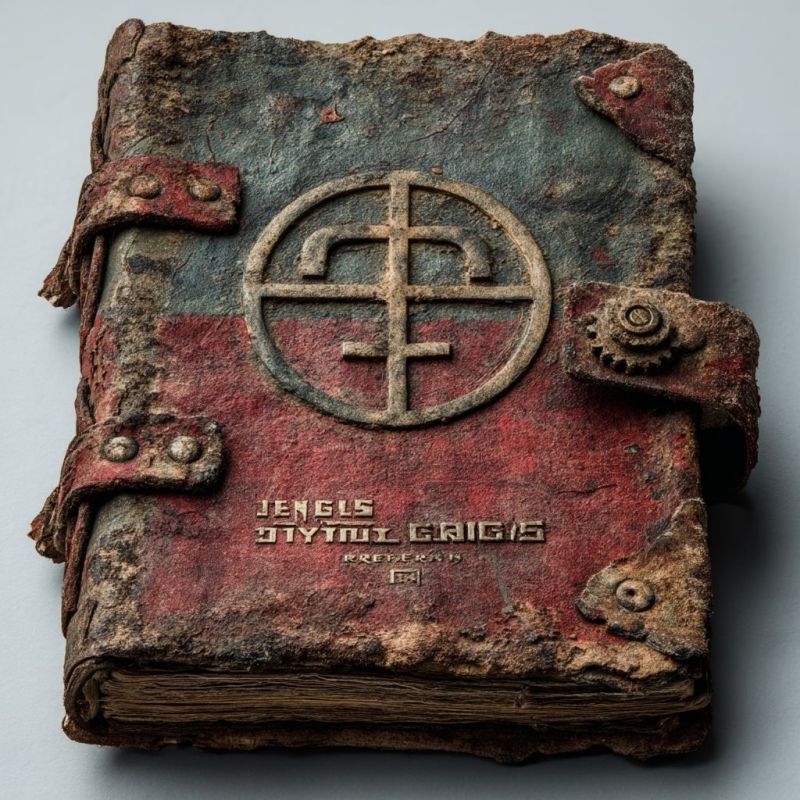
A squat, heavy tome bound in rusted iron plates riveted together, as though forged rather than bound. The cover bears a single etched symbol—a perfect circle bisected by a vertical line, the mark said to have been branded on Ghayz's chest-core. Pages are thick sheets of hammered brass, etched with acid rather than inked; the text resists wear but grows uncomfortably warm when read by living hands. Faint scorch marks mar many edges, and several pages are missing—torn out as if by metal claws. A single gear, ancient and immobile, is embedded in the back cover.
-
 Written in Language:
  Dwarvish
 V Current: 1
 V Max: 1
 Object Damage Type Immunity:
-
 Poison
 -
 Psychic
-
 Object Vitality Multiplier: 0.50


