Menu
 Ancestries
 Backgrounds
 Lineages
 Classes
 Subclasses
 Spells
 Curses
 Mentas
 Sanguines
 Feats
Feats
 Passive
 Full
Full
 Standard
 Quick
Quick
 Attack
 Free
Free
 Reaction
 Opp. Attack
 Innate Skills
 Gathering Skills
 Knowledge Skills
 Crafting Skills
 Weapon Skills
 Armor Skills
 Defensive Skills
 Status Effects
 Crafting
 Alchemy
 Art
Art
 Brewing
 Calligraphy
 Cobbling
 Cooking
 Cosmetology
 Enchanting
 Glassblowing
 Jewelling
 Leatherworking
 Machining
 Masoning
 Milling
 Runeforging
 Smithing
 Tanning
 Weaving
 Woodworking
View All Crafting
View All Rules
Woodworking
View All Crafting
View All Rules


































 Inventory Equipped:
-
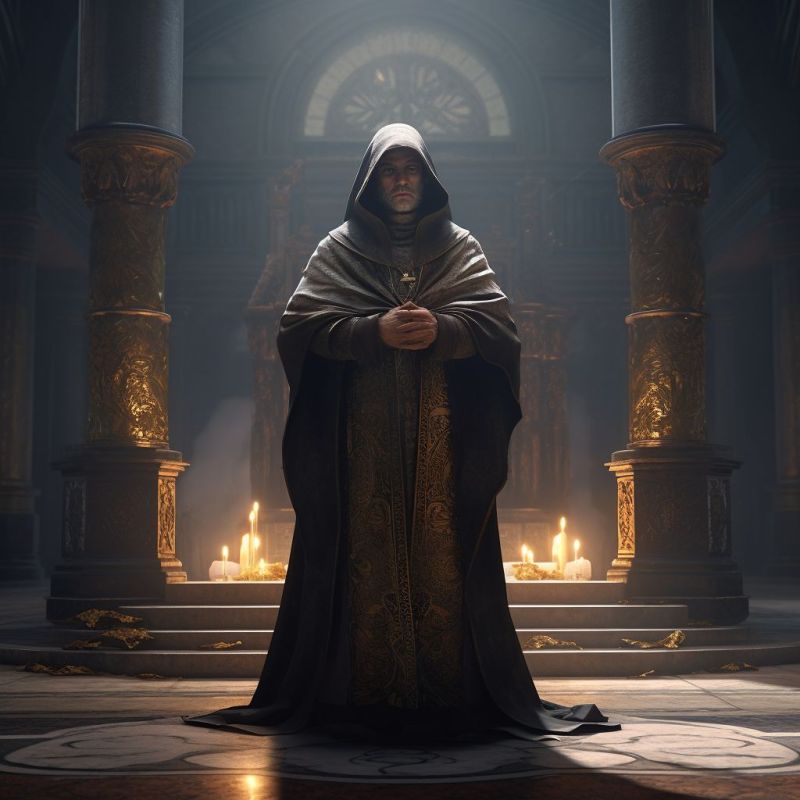
Clothes, Robe0.1 gp
-
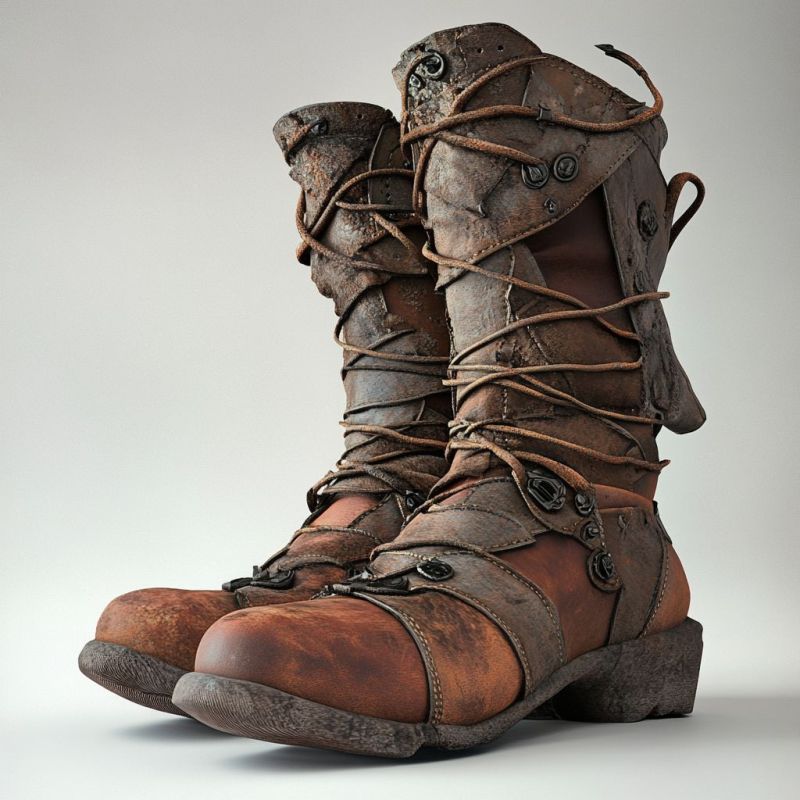
Boots, Leather3 gp
-
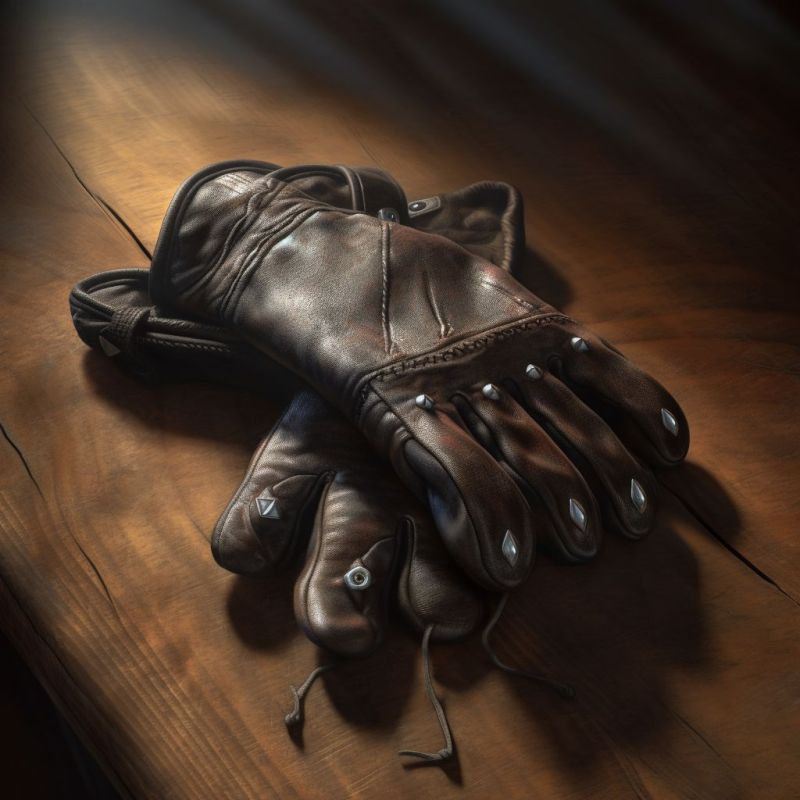
Gloves, Leather5 gp
-
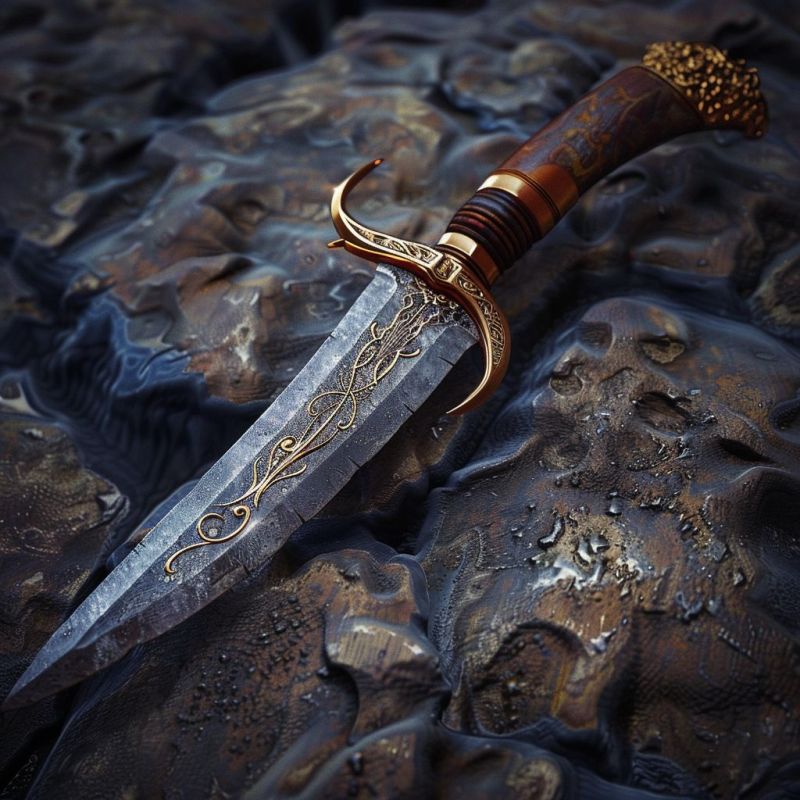
Dagger4.1 2 gp
-
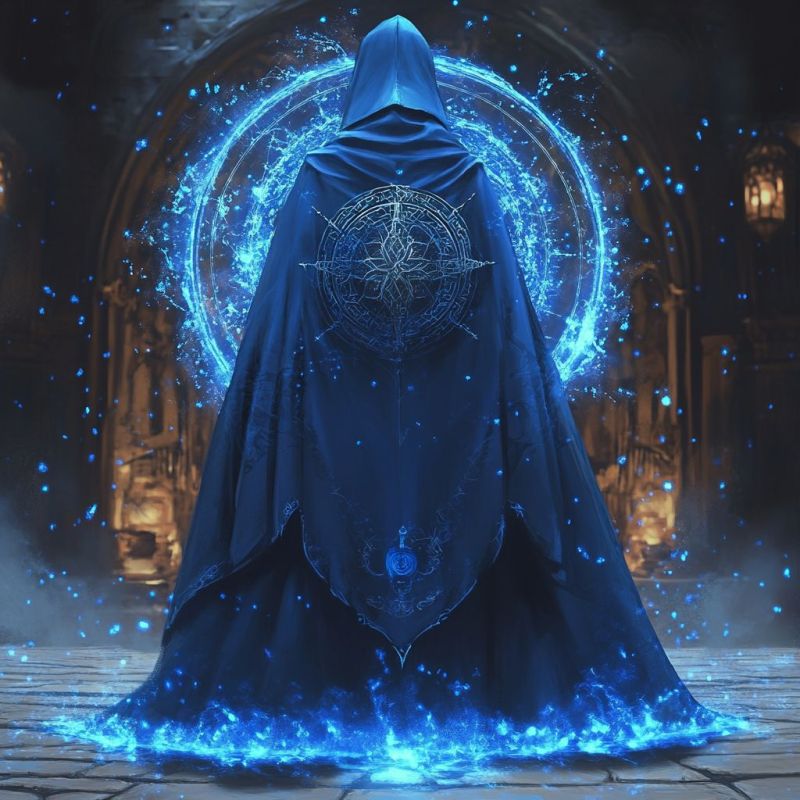
Cloak of Protection20 11000 gp
- Passive Abilities:
-
Gift1000 gp 1

- Spellcasting |
 Spells Prepared:
-
 |
Acid Splash
Blade Blast
Elemental Burst
Eye Blot
Grim Hand
Infestation Onslaught
Poison Spray
|
Acid Splash
Blade Blast
Elemental Burst
Eye Blot
Grim Hand
Infestation Onslaught
Poison Spray
-
 |
Blood Pact
Acid Stream
Anchoring Spines
Arcane Barrier
Arcane Riposte
Armor of Frost
Cause Fear
Charm Undead
Dead-end
Disguise Self
|
Blood Pact
Acid Stream
Anchoring Spines
Arcane Barrier
Arcane Riposte
Armor of Frost
Cause Fear
Charm Undead
Dead-end
Disguise Self
-
 |
Web Weave
Truth Delirium
Summon Skeletal Minions
Summon Dust Mephit
Suggestion
Spider Climb
Ray of Enfeeblement
Portal Whisper
Mirror Image
Knock Lock
|
Web Weave
Truth Delirium
Summon Skeletal Minions
Summon Dust Mephit
Suggestion
Spider Climb
Ray of Enfeeblement
Portal Whisper
Mirror Image
Knock Lock
-
 |
Vampiric Touch
Tongues
Thunderous Blast
Summon Minor Elemental
Slow Foes
Silver Lance
Remove Curse
Rain of Terror
Murder of Crows
Ironspike Chains
Ghostly Armor
Fireball
|
Vampiric Touch
Tongues
Thunderous Blast
Summon Minor Elemental
Slow Foes
Silver Lance
Remove Curse
Rain of Terror
Murder of Crows
Ironspike Chains
Ghostly Armor
Fireball
 Monster Bits:
-
10 Humanoid Blood0.15 gp
-
27 Animal Bone0.03 gp
-
18 Animal Fat0.5 gp
-
62 Animal Meat0.05 gp
-
9 Soft Skin0.05 gp
 Creature Type Monster Bits:
-
0.06 Humanoid Blood0.15 gp
-
0.15 Animal Bone0.03 gp
-
0.1 Animal Fat0.5 gp
-
0.35 Animal Meat0.05 gp
-
0.05 Soft Skin0.05 gp
Your pact ignites, skin prickling as shadowy tendrils coil from an unseen void, whispering ancient bargains into your veins. Crimson glyphs pulse along your arms, etching promises of forbidden power that twist flesh and ignite unholy hunger in your eyes. The air thickens with sulfurous chill, binding you to eldritch masters beyond the stars.
Warlock - Tier 1 (Subtype)

🕯️💀 Warlock: Tier 1 Hexbound
A Tier 1 Warlock is a pact-based caster defined by curses, occult power, and magic granted through a bargain with an external patron. It is not yet a great master of forbidden gifts or soul-binding power, but it is already a dangerous threat whose magic feels deliberate, unnatural, and costly.
📜🩸 Pact and Foundation
Tier 1 Warlocks draw power from agreement rather than bloodline, study, or divine calling. Their magic comes from a patron, pact, or binding force that grants strength in exchange for service, devotion, marked souls, or other obligations. Whatever form the deal takes, the warlock’s power is never entirely its own.
👁️🕸️ Appearance and Bearing
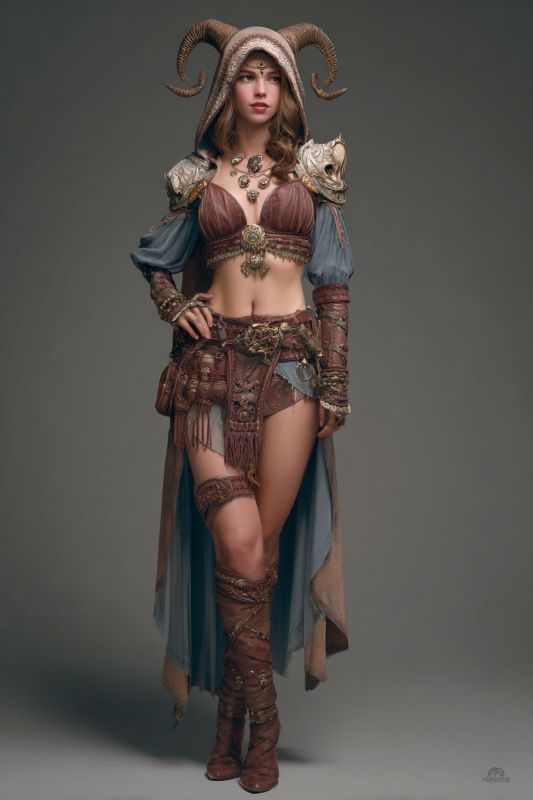
These creatures usually appear marked by their bargains in subtle or visible ways. Their eyes may seem unnaturally sharp, their skin may bear sigils, brands, or strange discoloration, and their presence often feels watched or shadowed. Their clothing varies, but commonly includes charms, tokens, pact marks, ritual jewelry, or objects tied to their patron’s influence.
🔮☠️ Combat Style
A Tier 1 Warlock fights through curses, afflictions, and directed spell pressure rather than overwhelming magical scale. It may weaken a target, mark prey for further punishment, or unleash compact bursts of dark or occult force. Its style is more focused than a sorcerer’s and less broad than a wizard’s, built around making specific enemies easier to break.
🧠🗝️ Tactical Ability
Its tactical sense is centered on target selection, pressure application, and the use of magical affliction to tilt exchanges unfairly. A Tier 1 Warlock understands who is vulnerable to a curse, who should be marked first, and when to spend its limited supernatural leverage for maximum effect. It is not yet a dominant battlefield controller, but it is already very good at making one enemy’s life much worse.
🕯️⛓️ Curses and Patron Gifts
What defines this subtype is bound power with a price. Tier 1 Warlocks commonly place hexes, inflict magical weakness, or draw on simple gifts granted by their patron in return for service and marked souls. These gifts may strengthen spellcasting, improve survivability, or grant small unnatural abilities, but they always feel like borrowed favor rather than natural talent.
🛡️🌑 Defense and Endurance
Tier 1 Warlocks are not built for direct punishment, but they survive through distance, fear effects, layered curses, and the ability to make approaching them costly. Their endurance comes less from toughness and more from forcing enemies to fight under magical disadvantage while the warlock stays just outside easy reach.
🏚️👥 Common Roles
These creatures are commonly found as occult wanderers, cult agents, hedge hexers, soul-brokers, cursed hermits, minor emissaries of dark powers, or secret enforcers serving hidden patrons. In hostile groups, they are often the debilitation core, the one weakening strong enemies so others can finish them.
👑🖤 Place in a Group
A Tier 1 Warlock rarely serves as the frontline anchor, but it often becomes the group’s specialist in magical pressure and target breakdown. Allies rely on it to mark priority threats, inflict debilitating effects, and turn difficult opponents into more manageable kills. It is the piece that makes victory feel bought at someone else’s expense.
📈🕯️ Tier Meaning
Tier 1 represents the earliest stage of the warlock role: pact magic, curses, patron-granted gifts, and focused occult pressure. The core fantasy is present—bargained power, affliction, marked souls, and external supernatural influence—but it remains grounded compared to the deeper patron authority, stronger hexes, and wider corruption of later tiers.
- Spellcasting |
- Spells Prepared:
-
|
Acid Splash
Blade Blast
Elemental Burst
Eye Blot
Grim Hand
Infestation Onslaught
Poison Spray
-
|
Blood Pact
Acid Stream
Anchoring Spines
Arcane Barrier
Arcane Riposte
Armor of Frost
Cause Fear
Charm Undead
Dead-end
Disguise Self
-
|
Web Weave
Truth Delirium
Summon Skeletal Minions
Summon Dust Mephit
Suggestion
Spider Climb
Ray of Enfeeblement
Portal Whisper
Mirror Image
Knock Lock
-
|
Vampiric Touch
Tongues
Thunderous Blast
Summon Minor Elemental
Slow Foes
Silver Lance
Remove Curse
Rain of Terror
Murder of Crows
Ironspike Chains
Ghostly Armor
Fireball
 Curses Known:
-
Curse of Anger-1.54
 1
1

-
Curse of Weakness
1

-
Curse of Babel
1
-
Curse of Gluttony15.4
1
-
Curse of Greed-50
1
-
Curse of Sacrifice
 0
1
0
1
 Speed:
- Walking Speed: +30
 Special Senses:
- Nightsight: +30
- Inventory Equipped:
-
Clothes, Robe0.1 gp
-
Boots, Leather3 gp
-
Gloves, Leather5 gp
-
Dagger4.1 2 gp
-
Cloak of Protection20 11000 gp
- Passive Abilities:
-
Gift1000 gp 1
- Skill Tier 2:
-
 Attention
 -
 Balance
 -
 Bending Weapon Skill
 -
 Empathy
 -
 Frighten 33.68
 -
 Fortitude 47.23
 -
 Influence
 -
 Initiative
 -
 Inspection
 -
 Magic
Magic -
 Navigation
 -
 One-Handed Melee Weapon Skill
 -
 Psyche
 -
 Sneak
Sneak -
 Willpower


