Menu
 Ancestries
 Backgrounds
 Lineages
 Classes
 Subclasses
 Spells
 Curses
 Mentas
 Sanguines
 Feats
Feats
 Passive
 Full
Full
 Standard
 Quick
Quick
 Attack
 Free
Free
 Reaction
 Opp. Attack
 Innate Skills
 Gathering Skills
 Knowledge Skills
 Crafting Skills
 Weapon Skills
 Armor Skills
 Defensive Skills
 Status Effects
 Crafting
 Alchemy
 Art
Art
 Brewing
 Calligraphy
 Cobbling
 Cooking
 Cosmetology
 Enchanting
 Glassblowing
 Jewelling
 Leatherworking
 Machining
 Masoning
 Milling
 Runeforging
 Smithing
 Tanning
 Weaving
 Woodworking
View All Crafting
View All Rules
Woodworking
View All Crafting
View All Rules







































 Inventory Equipped:
-
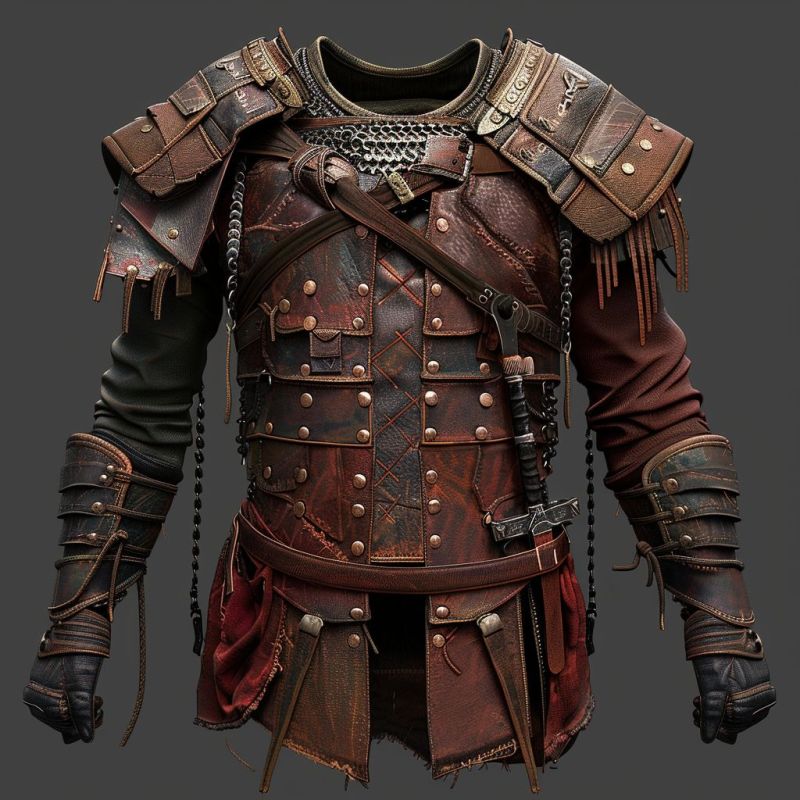
Leather Jerkin32 45 gp
-
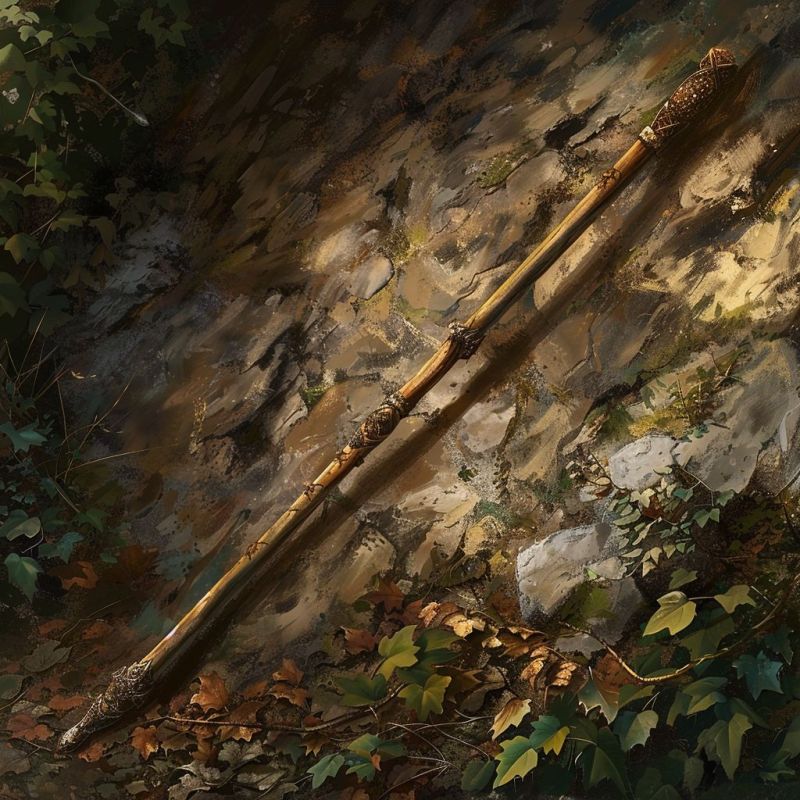
Quarterstaff3.43 0.2 gp
-
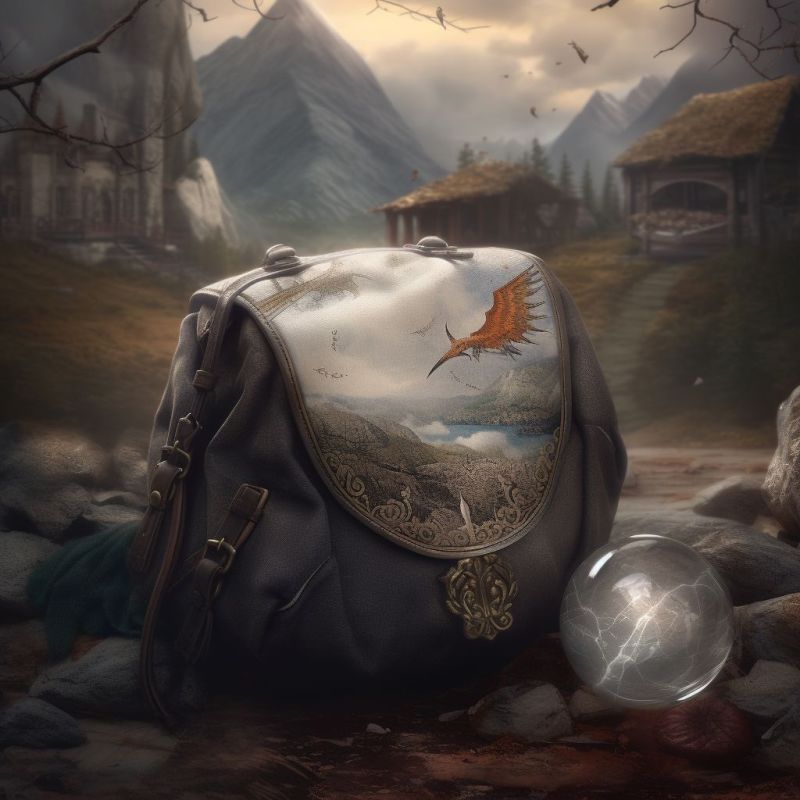
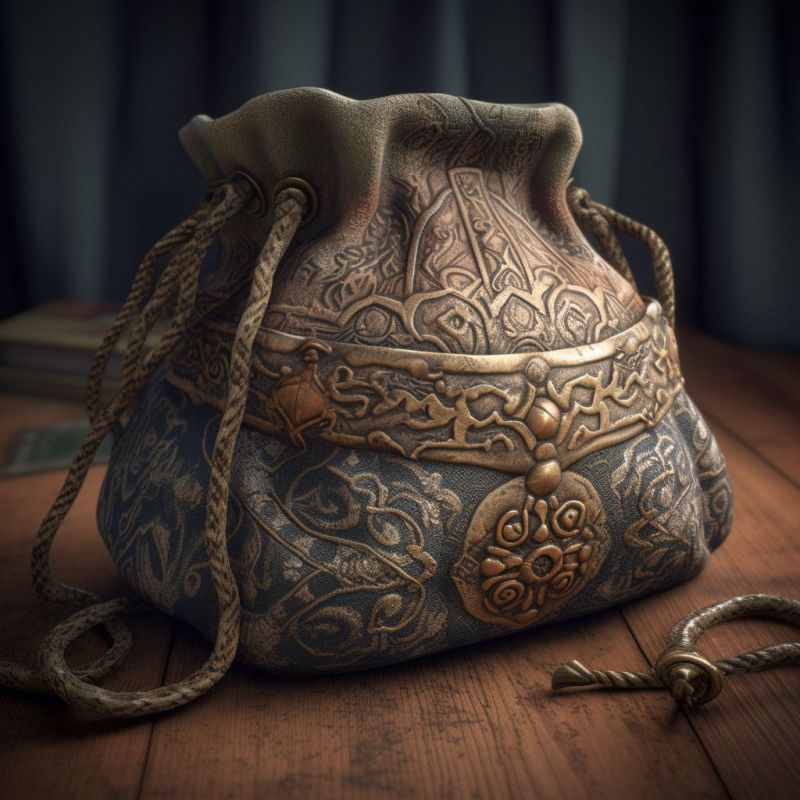
Component Pouch25 gp
-
Pouch0.5 gp
-
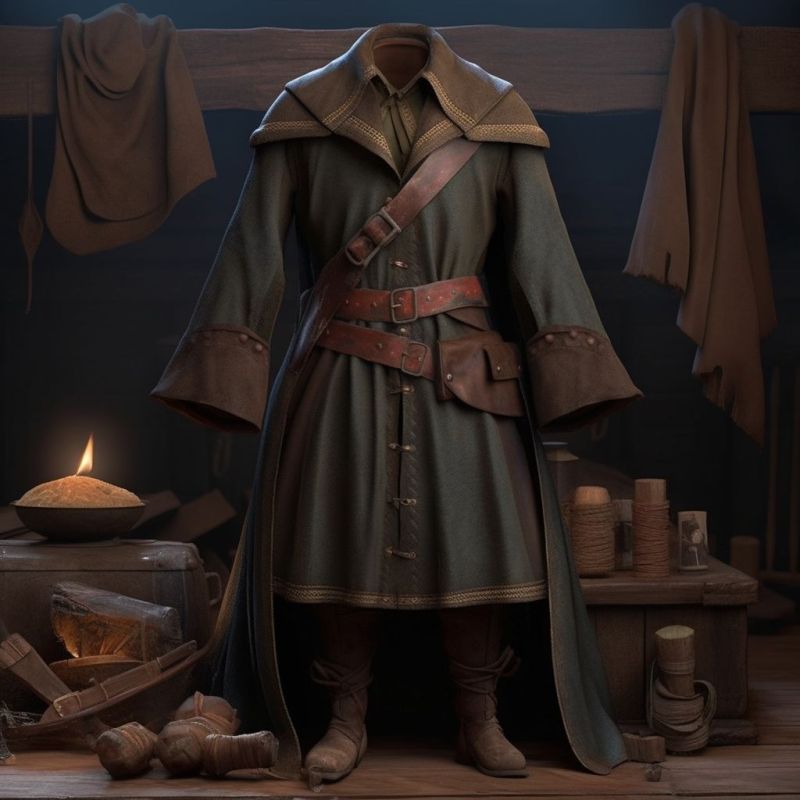
Clothes, Traveler's2 gp
- Passive Abilities:
-
Harmony1

-
Druidic Balance1000 gp 1
- Abilities:
-
Wildshift (1)1000 gp 1
-
Wildshift (3)2000 gp 3
-
Wildshift (7)3000 gp 7
- Quick Abilities:
-
Subtle Stride500 gp

-
Vault Step15

- Attack Abilities:
-
Toppling Attack2.26 150 gp
-
Spellcasting
|
 Spells Prepared:
-
 |
Touch of Isha
Beckon the Elements
Druidcraft
Elemental Burst
Floral Flourish
Lash of Rose Thorns
Moon Ray
Sculpt Liquid
Sculpt Soil
Thunderclap
|
Touch of Isha
Beckon the Elements
Druidcraft
Elemental Burst
Floral Flourish
Lash of Rose Thorns
Moon Ray
Sculpt Liquid
Sculpt Soil
Thunderclap
-
 |
Nurturing Wounds
Soothing Wind
Oakskin
Absorb and Release Elements
Anchoring Spines
Animal Friendship
Arctic Arrow
Aura of Grasping Thorns
Create or Destroy Water
Cure Wounds
Faerie Fire
|
Nurturing Wounds
Soothing Wind
Oakskin
Absorb and Release Elements
Anchoring Spines
Animal Friendship
Arctic Arrow
Aura of Grasping Thorns
Create or Destroy Water
Cure Wounds
Faerie Fire
-
 |
Ancestral Boon
Barkskin
Bestial Stoning
Bestial Vitality
Enhance Ability
Heat Metal
Pass Without Trace
|
Ancestral Boon
Barkskin
Bestial Stoning
Bestial Vitality
Enhance Ability
Heat Metal
Pass Without Trace
-
 |
Bestial Constitution
Call Lightning
Claw Eruption
|
Bestial Constitution
Call Lightning
Claw Eruption
 Monster Bits:
-
12 Humanoid Blood0.15 gp
-
31 Animal Bone0.03 gp
-
21 Animal Fat0.5 gp
-
73 Animal Meat0.05 gp
-
10 Soft Skin0.05 gp
Twisted vines erupt from your fingertips, coiling like living ropes around the nearest tree trunk, their bark splitting with a wet crack as sap bleeds into the soil. Leaves unfurl in rapid bursts, green and veined with pulsing energy, drawing moisture from the earth to swell the branches. The air thickens with the scent of damp loam and fresh growth, binding the wild's pulse to your will.
Druid - Tier 1 (Subtype)

🌿🐾 Druid: Tier 1 Wildspeaker
A Tier 1 Druid is a nature-bound caster defined by shapeshifting, wilderness magic, and protective stewardship of the natural world. It is not yet a great beast-form master or dominant primal force, but it is already a flexible and dangerous presence wherever the wild still has a voice.
🍃📜 Calling and Foundation
Tier 1 Druids are shaped by grove teachings, solitary wilderness practice, ancient circles, or direct communion with beasts, seasons, and living land. They are more than herbalists or woods mystics. They understand nature as a system of balance, instinct, growth, and predation, and they know how to act within it.
🦌🌲 Appearance and Bearing
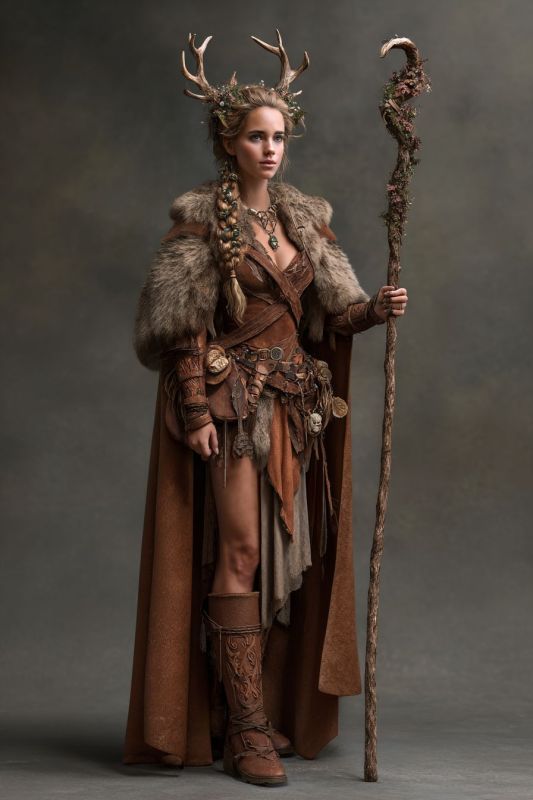
These creatures usually appear as grove initiates, wandering wardens, marsh mystics, forest guardians, beast-friends, or primal recluses. Their clothing and tools often incorporate natural materials such as furs, bark, feathers, bone, antler, leaves, woven reeds, or carved wooden charms. Even in humanoid form, they tend to look weathered by field life rather than settled by civilization.
🐺🕊️ Combat Style
A Tier 1 Druid fights through flexibility rather than specialization. It may use simple nature magic to hinder, protect, or harry, then shift into an animal form suited to pursuit, escape, stealth, or direct pressure. Its beast shapes are useful and practical at this tier, but limited in scale and complexity. The druid is dangerous because it can answer problems in more than one way.
🧠🌱 Tactical Ability
Its tactical sense is focused on terrain, adaptation, and instinctive response. A Tier 1 Druid understands how to use undergrowth, mud, trees, elevation, beasts, and weather to create advantage. It is not yet a broad battlefield controller, but it is very effective in wild spaces and difficult terrain where ordinary soldiers lose efficiency.
🦉🔄 Shapeshifting and Nature Magic
What defines this subtype is natural transformation. Tier 1 Druids can shift into basic animal forms that grant mobility, stealth, scouting value, or straightforward combat utility depending on the creature chosen. Alongside this, they commonly wield simple primal spells tied to roots, thorns, wind, beasts, or natural recovery. Their power is still grounded, but highly versatile.
🌧️🩹 Defense and Endurance
Tier 1 Druids survive through adaptability, positioning, and the ability to change how they engage danger. They are not built to hold a front line like armored warriors, but they can escape, reposition, recover, or use alternate forms to avoid being trapped easily. Their endurance comes from flexibility and environmental fluency rather than raw toughness alone.
🏕️👥 Common Roles
These creatures are commonly found as grove guardians, wilderness guides, circle initiates, beast-tenders, sacred-site wardens, marsh walkers, or defenders of remote lands threatened by hunters, monsters, or encroaching settlers. In hostile groups, they are often the ones using terrain, summoned beasts, and shifting forms to make the wilderness itself feel opposed.
👑🌳 Place in a Group
A Tier 1 Druid rarely serves as the obvious commander or main bruiser, but it often becomes the adaptation piece in a group. It can scout ahead, support allies with terrain control, take animal form for mobility or pressure, and help the group function better in natural environments. Others rely on it when the land itself becomes part of the encounter.
📈🍂 Tier Meaning
Tier 1 represents the earliest stage of the druid role: basic shapeshifting, practical nature magic, environmental awareness, and protective connection to the wild. The core fantasy is present—beast transformation, primal spellcasting, natural balance, and wilderness guardianship—but it remains grounded compared to the stronger forms, broader summons, and deeper control of later tiers.
- Spellcasting |
- Spells Prepared:
-
|
Touch of Isha
Beckon the Elements
Druidcraft
Elemental Burst
Floral Flourish
Lash of Rose Thorns
Moon Ray
Sculpt Liquid
Sculpt Soil
Thunderclap
-
|
Nurturing Wounds
Soothing Wind
Oakskin
Absorb and Release Elements
Anchoring Spines
Animal Friendship
Arctic Arrow
Aura of Grasping Thorns
Create or Destroy Water
Cure Wounds
Faerie Fire
-
|
Ancestral Boon
Barkskin
Bestial Stoning
Bestial Vitality
Enhance Ability
Heat Metal
Pass Without Trace
-
|
Bestial Constitution
Call Lightning
Claw Eruption
 Speed:
- Walking Speed: +30
- Swimming Speed: +30
 Special Senses:
- Nightsight: +30
- Inventory Equipped:
-
Leather Jerkin32 45 gp
-
Quarterstaff3.43 0.2 gp
-
Component Pouch25 gp
-
Pouch0.5 gp
-
Clothes, Traveler's2 gp
- Passive Abilities:
-
Harmony1
-
Druidic Balance1000 gp 1
- Abilities:
-
Wildshift (1)1000 gp 1
-
Wildshift (3)2000 gp 3
-
Wildshift (7)3000 gp 7
- Skill Tier 2:
-
 Attention
 -
 Balance
 -
 Bending Weapon Skill
 -
 Druidic Language Skill
 -
 Empathy
 -
 Fortitude 47.23
 -
 Frighten 33.68
 -
 Biology
 -
 Herbalism
 -
 Hunting
 -
 Influence
 -
 Initiative
 -
 Inspection
 -
Light Armor Skill
-
 Medicine
 -
 Navigation
 -
One-Handed Melee Weapon Skill
-
 Psyche
 -
 Sneak
Sneak -
 Willpower


