Menu
 Ancestries
 Backgrounds
 Lineages
 Classes
 Subclasses
 Spells
 Curses
 Mentas
 Sanguines
 Feats
Feats
 Passive
 Full
Full
 Standard
 Quick
Quick
 Attack
 Free
Free
 Reaction
 Opp. Attack
 Innate Skills
 Gathering Skills
 Knowledge Skills
 Crafting Skills
 Weapon Skills
 Armor Skills
 Defensive Skills
 Status Effects
 Crafting
 Alchemy
 Art
Art
 Brewing
 Calligraphy
 Cobbling
 Cooking
 Cosmetology
 Enchanting
 Glassblowing
 Jewelling
 Leatherworking
 Machining
 Masoning
 Milling
 Runeforging
 Smithing
 Tanning
 Weaving
 Woodworking
View All Crafting
View All Rules
Woodworking
View All Crafting
View All Rules



































 Inventory Equipped:
-
Lute20.61 35 gp
-
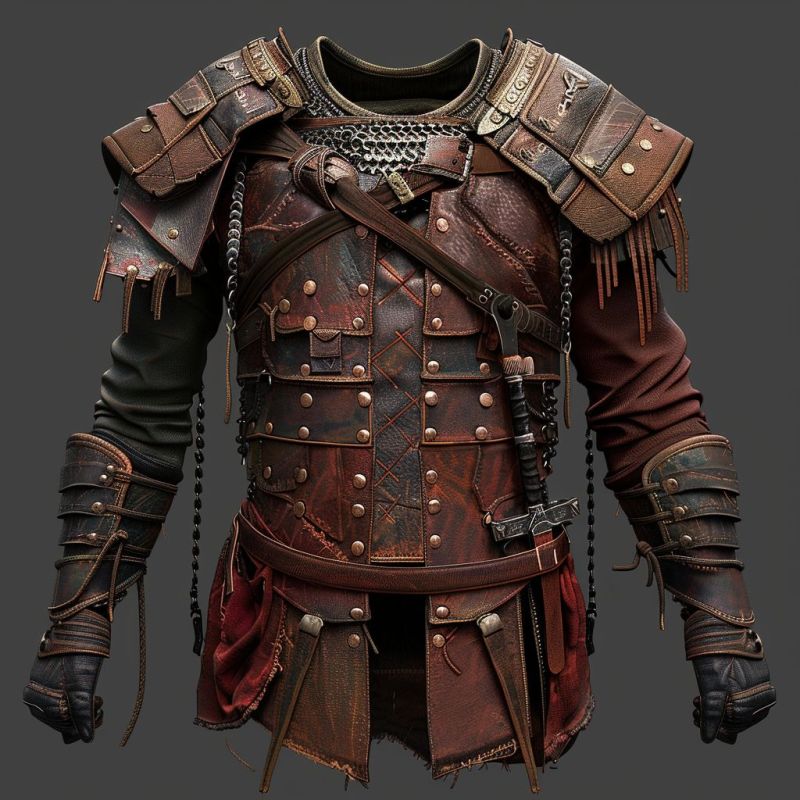
Leather Jerkin32 45 gp
-
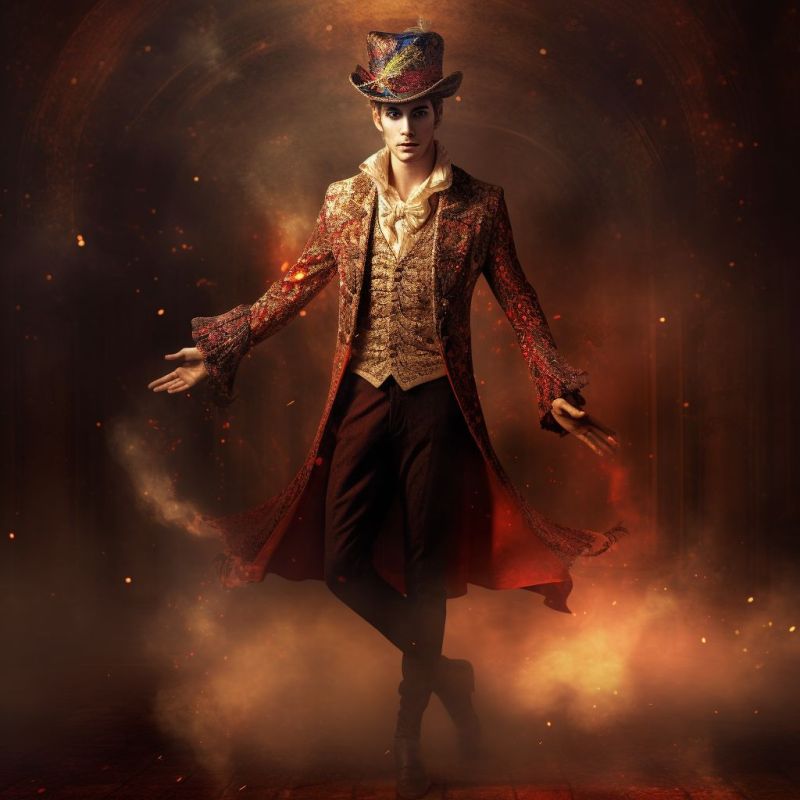
Clothes, Entertainer’s3 gp
-
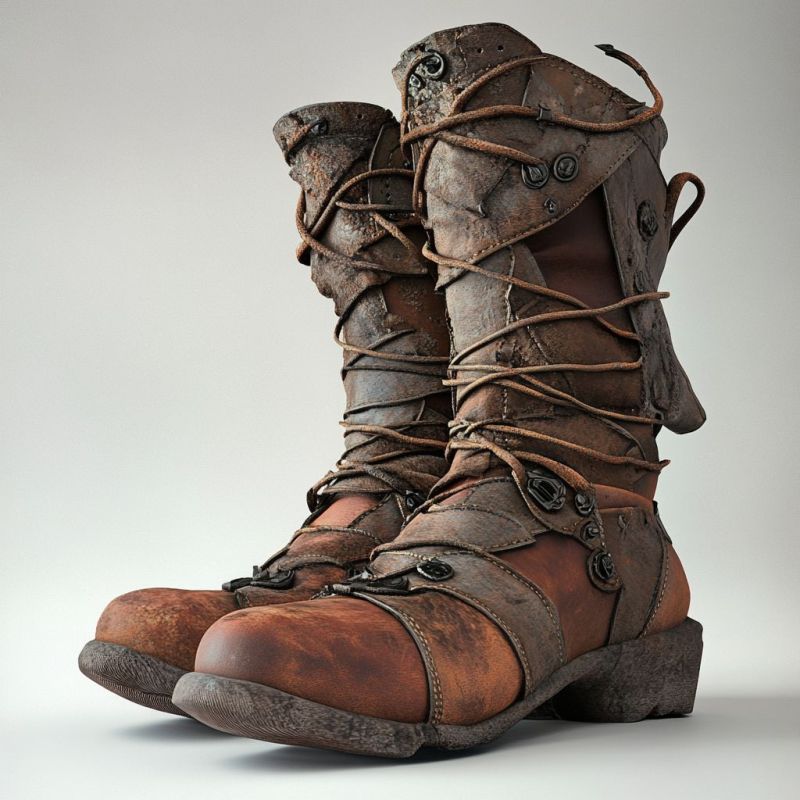
Boots, Leather3 gp
-
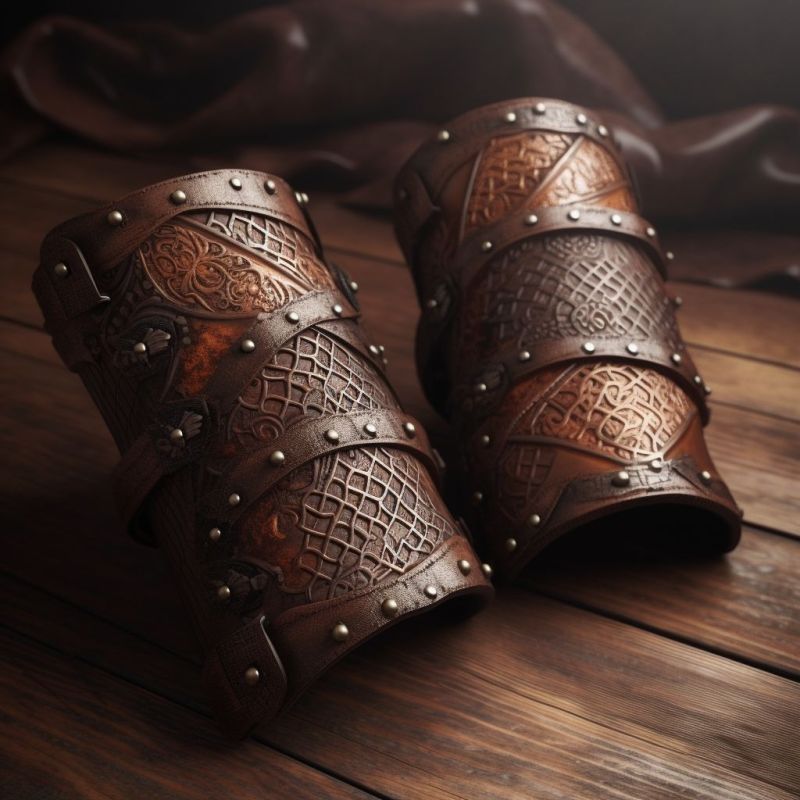
Bracers, Leather150 5 gp
-
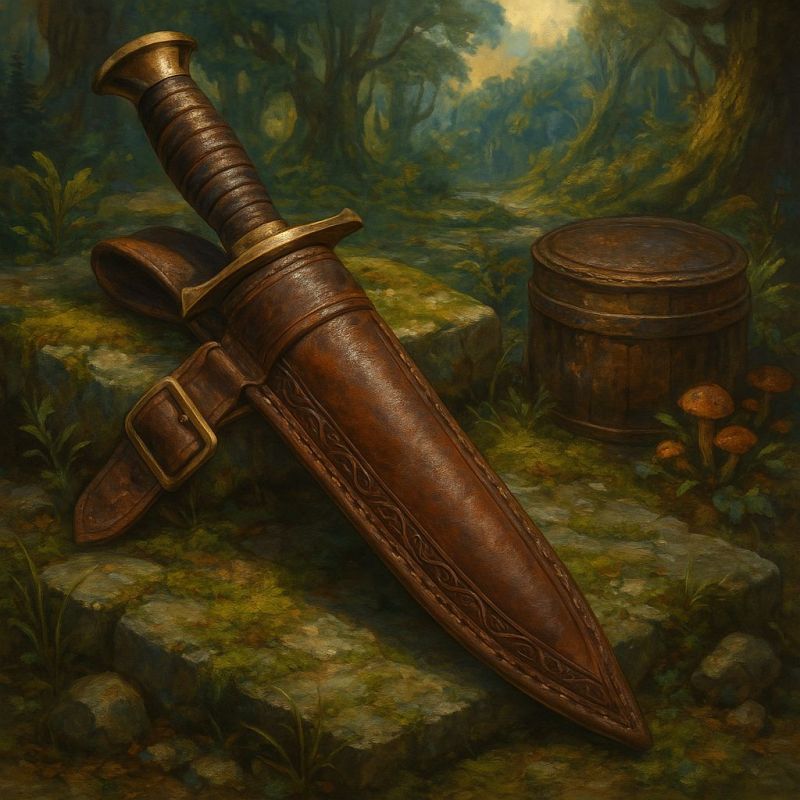
Sheath, Dagger1 gp
 Inventory Unequipped:
-
Dagger4.1 2 gp
- Passive Abilities:
-
Melody500 gp 1

-
Ensemble2500 gp 15
- Abilities:
-
Frightening Mockery

- Quick Abilities:
-
Tavern Charmer

-
Subtle Stride500 gp
-
Soft Truths
-
Agile Dodge500 gp
-
Duelist’s Rhythm480
-
Fleet of Foot24.8 1000 gp
-
Tempo1000 gp 19
 Free Abilities:
-
Traveler’s Tune24.24

-
Spellcasting
|
 Spells Prepared:
-
 |
Arcane Muscles
Friendly Demeanor
Flame Command
Far Hearing
Blade Blast
Helpful Melody
Rythmn
|
Arcane Muscles
Friendly Demeanor
Flame Command
Far Hearing
Blade Blast
Helpful Melody
Rythmn
-
 |
Amplifying Veil
Alter Speech
Air Wave
Arctic Arrow
Improvisation
Allegro
Diminuendo
Song of Recovery
Inspiring Melody
Arcane Barrier
Color Spray
Blurred Step
Cause Fear
Charm Person
Charm Undead
Silent Image
Detect Magic
Conducting
Comprehend Languages
Alluring Performance
Cutting Cord
Resonant Push
|
Amplifying Veil
Alter Speech
Air Wave
Arctic Arrow
Improvisation
Allegro
Diminuendo
Song of Recovery
Inspiring Melody
Arcane Barrier
Color Spray
Blurred Step
Cause Fear
Charm Person
Charm Undead
Silent Image
Detect Magic
Conducting
Comprehend Languages
Alluring Performance
Cutting Cord
Resonant Push
-
 |
Mirror Image
Calm Emotions
Blurry Distortion
Attractive Muscles
Alter Self
|
Mirror Image
Calm Emotions
Blurry Distortion
Attractive Muscles
Alter Self
-
 |
Dreadful Illusion
Elsewhere Chant
Distracting Ray
Ghostwalk Phase
Hypnotic Pattern
Magic Circle
Major Image
Minor Creation
Tongues
|
Dreadful Illusion
Elsewhere Chant
Distracting Ray
Ghostwalk Phase
Hypnotic Pattern
Magic Circle
Major Image
Minor Creation
Tongues
-
 |
Charm Monster
Circle of Privacy
Depths of Delirium
Dimension Door
Hallucinatory Terrain
Karmic Agony
|
Charm Monster
Circle of Privacy
Depths of Delirium
Dimension Door
Hallucinatory Terrain
Karmic Agony
-
 |
Animate Objects
Code of Secrecy
Dominate Person
Dream Invasion
Geas
Hidden Lodge
Hold Monster
Mass Mirror Image
Maximum Damage
|
Animate Objects
Code of Secrecy
Dominate Person
Dream Invasion
Geas
Hidden Lodge
Hold Monster
Mass Mirror Image
Maximum Damage
 Monster Bits:
-
30 Humanoid Blood0.15 gp
-
75 Animal Bone0.03 gp
-
51 Animal Fat0.5 gp
-
177 Animal Meat0.05 gp
-
24 Soft Skin0.05 gp
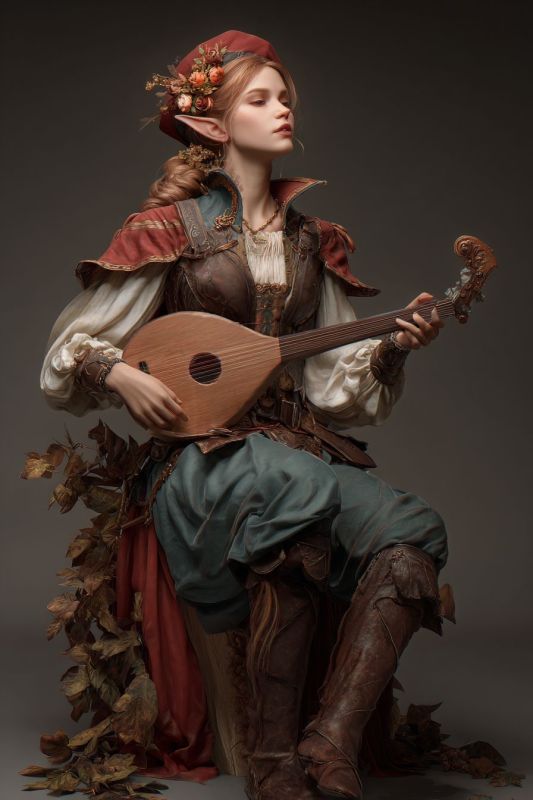
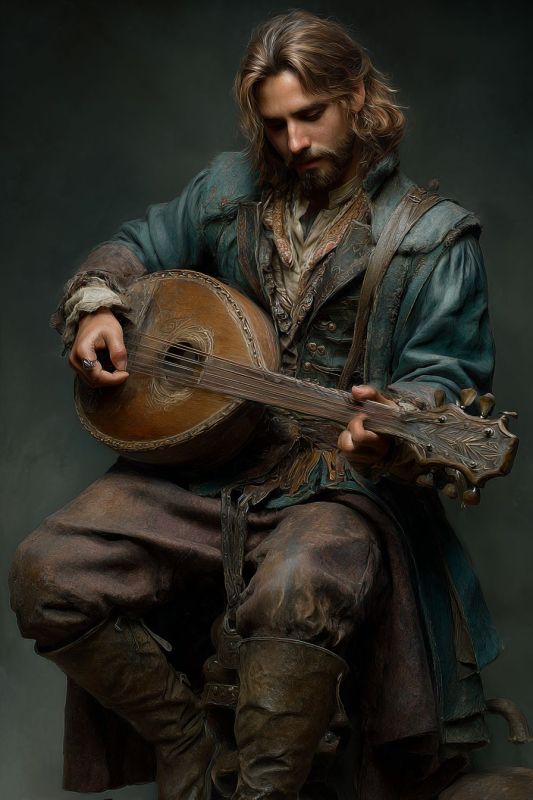
Your fingers dance across the lute's worn strings, coaxing a melody that shimmers like sunlight on rippling water. Golden notes cascade from the air, wrapping allies in warm, invigorating light that mends shallow wounds and sharpens weary senses. The tune fades, leaving echoes of renewed vigor in the crisp morning breeze.
Bard - Tier 2 (Subtype)

🎵✨ Bard: Tier 2 Troubadour
A Tier 2 Bard is a seasoned performer whose charm, inspiration, and magical stagecraft make it a serious support and disruption presence. It no longer offers only simple encouragement. At this tier, the bard actively shapes morale, attention, and momentum in both battle and social encounters.
🎭📜 Trade and Foundation
Tier 2 Bards are deeply practiced through travel, performance circuits, court service, oral traditions, festivals, or long experience surviving by wit and art. They understand not just how to entertain, but how to influence. Their voice, timing, and presentation are trained enough to sway moods, sharpen allies, and unsettle opposition with intention.
🎻🧥 Appearance and Bearing
These creatures usually appear as respected minstrels, court musicians, wandering poets, skilled storytellers, masked performers, or celebrated road artists. Their clothing is often expressive, well-kept, and chosen to support movement and presence, with layered fabrics, instruments, tokens from patrons, and accessories that mark both style and experience. They tend to carry themselves with visible ease and social confidence.
🎶🗡️ Combat Style
A Tier 2 Bard fights by supporting allies, disrupting enemies, and controlling the emotional rhythm of the encounter. It may inspire courage, steady wavering companions, distract foes with sharp words or magical performance, or apply sound- and speech-based magic to tilt exchanges in its favor. Its offensive ability is still secondary, but its contribution to the fight is much more deliberate and reliable than that of a Tier 1 Minstrel.
🧠🎤 Tactical Ability
Its tactical sense is strong within morale play, distraction, and local support control. A Tier 2 Bard reads tension, hesitation, pride, fear, and opportunity well enough to know when to encourage, when to unsettle, and when to escalate pressure. It is not a grand strategist, but it is highly effective at changing how well others perform around it.
💫🎼 Inspiration and Influence
At this tier, inspiration becomes a defining strength rather than a simple support feature. Tier 2 Bards can meaningfully improve allied confidence, coordination, and resolve while also weakening enemy focus through mockery, misdirection, or captivating performance. Their influence is no longer background flavor. It has real tactical weight.
🩹💃 Endurance and Flexibility
Tier 2 Bards survive through awareness, adaptability, and the ability to stay useful from multiple positions. They are still not built to endure frontline punishment, but they can reposition, support, negotiate, distract, or escape while continuing to affect the encounter. Their durability comes from versatility and quick adjustment, not toughness.
🏕️👥 Common Roles
These creatures are commonly found as court troubadours, morale officers, traveling performers of some renown, diplomatic entertainers, elite festival artists, message-bearers with social access, or valued companions in mercenary bands and noble retinues. In hostile groups, they are often the ones keeping allies steady, disruptive, and more organized than they appear.
👑🎙️ Place in a Group
A Tier 2 Bard often serves as the emotional and social center of a group. Even when not the formal leader, it may determine whether allies keep confidence, whether tension breaks cleanly or badly, and whether a conversation becomes a fight or a fight becomes a rout. Others rely on it because it makes groups function better under pressure.
📈🎵 Tier Meaning
Tier 2 represents a bard that has developed beyond simple performance and basic inspiration into real influence. The core traits remain the same—music, charm, support, social control, and morale shaping—but they now operate with greater reliability, intent, and tactical value. It is no longer just an entertaining wanderer. It is a true troubadour whose presence changes outcomes.
- Spellcasting |
- Spells Prepared:
-
|
Arcane Muscles
Friendly Demeanor
Flame Command
Far Hearing
Blade Blast
Helpful Melody
Rythmn
-
|
Amplifying Veil
Alter Speech
Air Wave
Arctic Arrow
Improvisation
Allegro
Diminuendo
Song of Recovery
Inspiring Melody
Arcane Barrier
Color Spray
Blurred Step
Cause Fear
Charm Person
Charm Undead
Silent Image
Detect Magic
Conducting
Comprehend Languages
Alluring Performance
Cutting Cord
Resonant Push
-
|
Mirror Image
Calm Emotions
Blurry Distortion
Attractive Muscles
Alter Self
-
|
Dreadful Illusion
Elsewhere Chant
Distracting Ray
Ghostwalk Phase
Hypnotic Pattern
Magic Circle
Major Image
Minor Creation
Tongues
-
|
Charm Monster
Circle of Privacy
Depths of Delirium
Dimension Door
Hallucinatory Terrain
Karmic Agony
-
|
Animate Objects
Code of Secrecy
Dominate Person
Dream Invasion
Geas
Hidden Lodge
Hold Monster
Mass Mirror Image
Maximum Damage
 Speed:
- Walking Speed: +30
 Special Senses:
- Spellsight: +30
- Inventory Equipped:
-
Lute20.61 35 gp
-
Leather Jerkin32 45 gp
-
Clothes, Entertainer’s3 gp
-
Boots, Leather3 gp
-
Bracers, Leather150 5 gp
-
Sheath, Dagger1 gp
- Inventory Unequipped:
-
Dagger4.1 2 gp
-
 Extra Attack: +1
- Passive Abilities:
-
Melody500 gp 1
-
Ensemble2500 gp 15
- Quick Abilities:
-
Tempo1000 gp 19
- Skill Tier 5:
-
 Archery Weapon Skill
 -
 Art
Art -
 Attention
 -
 Balance
 -
 Bending Weapon Skill
 -
 Empathy
 -
 Fortitude 47.23
 -
 Frighten 33.68
 -
 Influence
 -
 Initiative
 -
 Inspection
 -
Light Armor Skill
-
 Magic
Magic -
 Music
Music -
 Navigation
 -
 One-Handed Melee Weapon Skill
 -
 Psyche
 -
 Sneak
Sneak -
 Stringed, Bow Skill
 -
Stringed, Plucked Skill
-
 Willpower


