Menu
 Ancestries
 Backgrounds
 Lineages
 Classes
 Subclasses
 Spells
 Curses
 Mentas
 Sanguines
 Feats
Feats
 Passive
 Full
Full
 Standard
 Quick
Quick
 Attack
 Free
Free
 Reaction
 Opp. Attack
 Innate Skills
 Gathering Skills
 Knowledge Skills
 Crafting Skills
 Weapon Skills
 Armor Skills
 Defensive Skills
 Status Effects
 Crafting
 Alchemy
 Art
Art
 Brewing
 Calligraphy
 Cobbling
 Cooking
 Cosmetology
 Enchanting
 Glassblowing
 Jewelling
 Leatherworking
 Machining
 Masoning
 Milling
 Runeforging
 Smithing
 Tanning
 Weaving
 Woodworking
View All Crafting
View All Rules
Woodworking
View All Crafting
View All Rules









































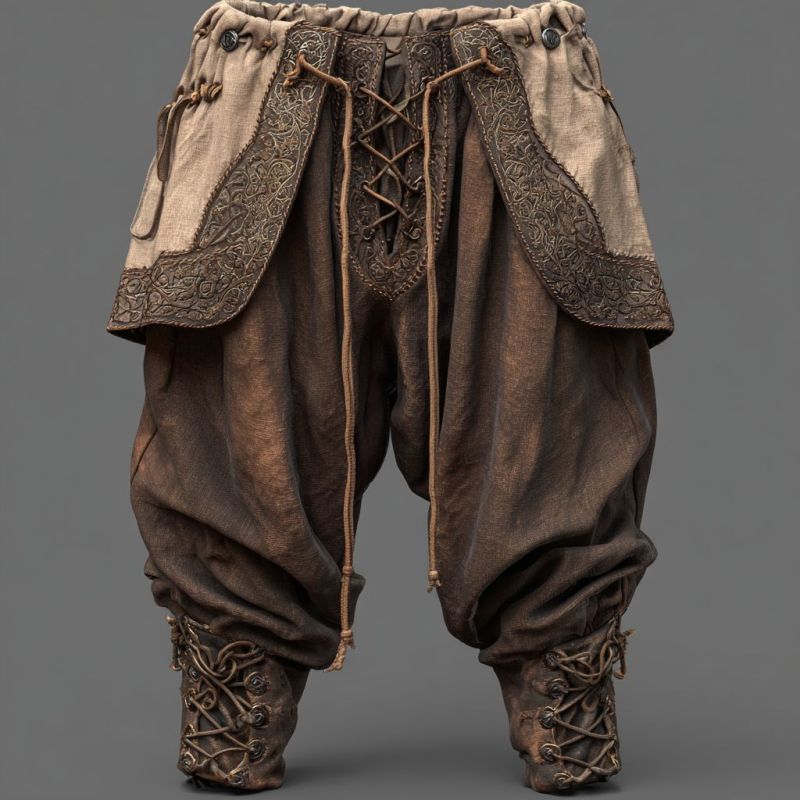
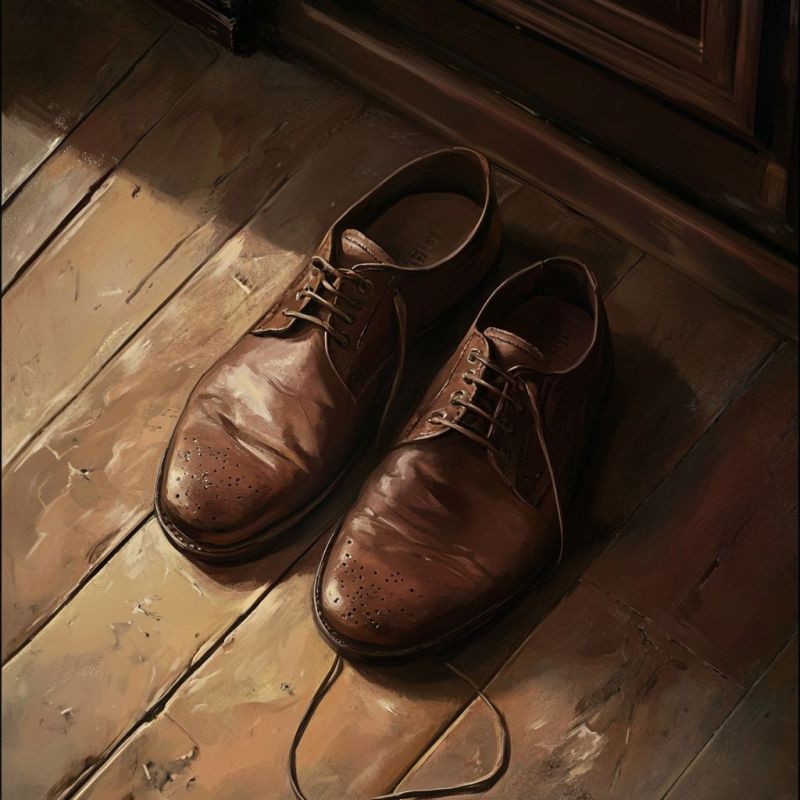
 Inventory Equipped:
-
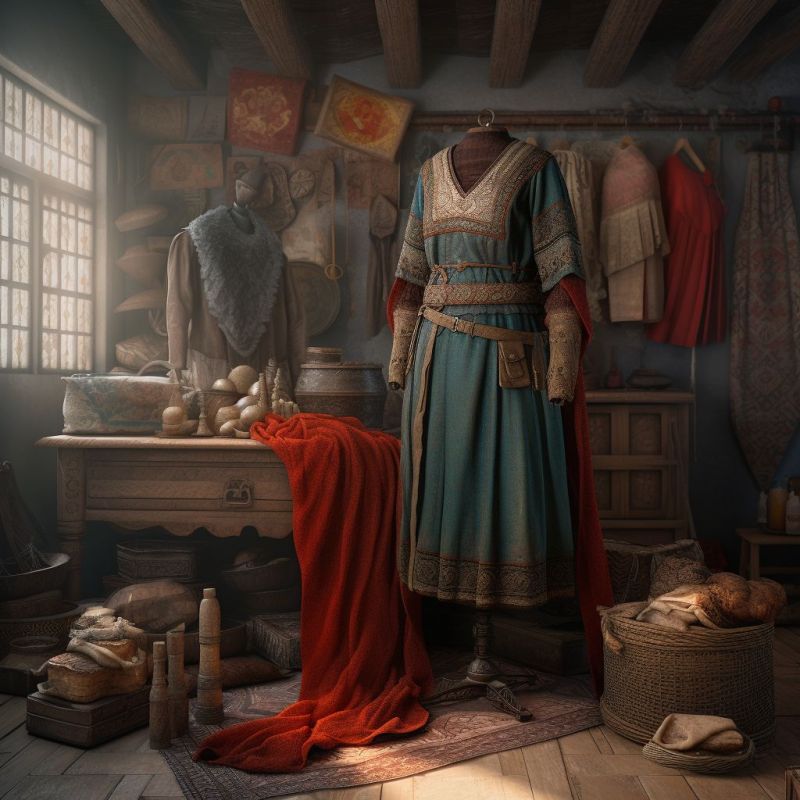
Clothes, Artisan’s1 gp
-
Gloves, Leather5 gp
-
Shoes, Leather1 gp
-
Pants, Cloth0.8 gp
-
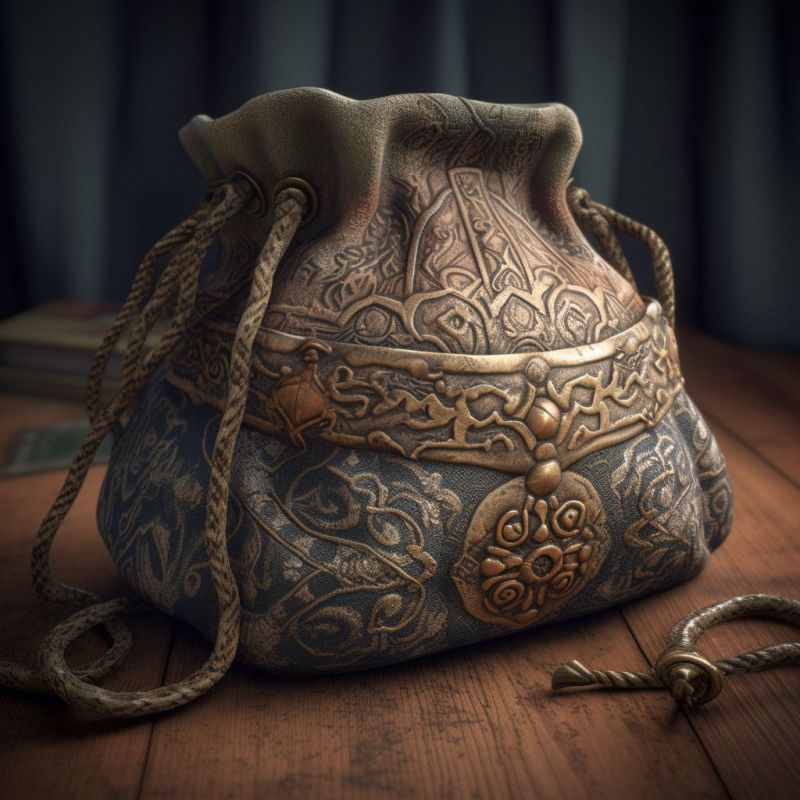
Pouch0.5 gp
-
Cloak, Cloth1 gp
-
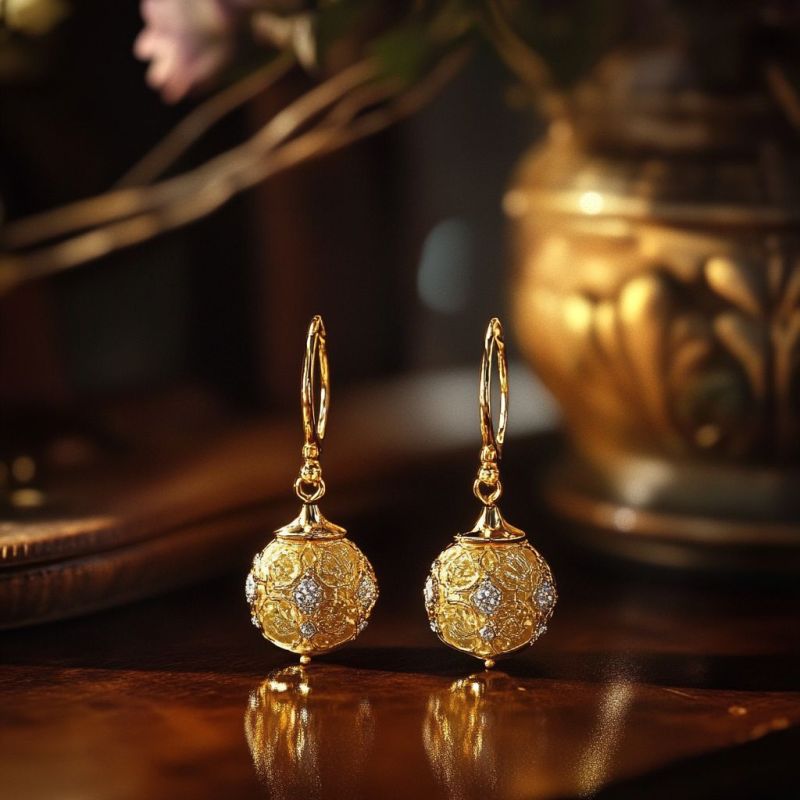
Earrings, Gold3 gp
-
Guild Ring5 gp
 Inventory Unequipped:
-
20 Freefire Herb40 gp
-
20 Potion of Mind Reading30 gp
-
20 Potion of Love25.5 50 gp
-
20 Potion of Invisibility7 65 gp
-
20 Ectoplasm5 gp
-
20 Potion of Glorious Vaulting30 gp
-
20 Potion of Flying50 gp
-
20 Edelweiss Herb50 gp
-
20 Potion of Feather Fall20 gp
-
20 Potion of Day Eyes27.5 50 gp
-
20 Potion of Comprehend Languages50 gp
-
20 Potion of Climbing48 20 gp
-
20 Potion of Clairvoyance200 gp
-
20 Potion of Moonshield50 gp
-
20 Tiger Eye1 gp
-
20 Potion of Attention50 10 gp
-
20 Poison, Minor10 gp
-
20 Oil of Slipperiness50 gp
-
20 Animal Fat0.5 gp
-
20 Oil of Sharpness50 gp
-
20 Oil of Accuracy30 gp
-
20 Insect Repellent, Salve30 gp
-
20 Holy Water, Flask25 gp
-
20 Silver, powdered25 gp
-
20 Healing Potion, Minor20 15 gp
-
20 Healing Potion, Adept-15 30 gp
-
20 Bone, dust0.05 gp
-
20 Soap0.02 gp
-
20 Sealing Wax0.5 gp
-
20 Sap, Tree1 gp
-
20 Perfume, Vial5 gp
-
20 Lye0.1 gp
-
20 Timber0.08 gp
-
20 Lamp Oil0.1 gp
-
20 Tallow0.55 gp
-
20 Insect Repellent, Block10 gp
-
20 Ink, 1-ounce bottle10 gp
-
20 Vial, Glass0.03 gp
-
20 Glue1 gp
-
20 Alchemy Tools15 gp
-
20 Antitoxin, Vial50 16 gp
-
20 Acid, Vial16 gp
-
20 Warp Potion300 30 gp
-
20 Rotten Flesh0.05 gp
-
20 Stinging Nettle Syrup26.18 40 gp
-
20 Smelling Salt208 5 gp
-
20 Self-Assuring Elixir75 50 gp
-
20 Regeneration Potion, Minor50 gp
-
20 Potion of Vitality180 50 gp
-
20 Potion of Spirit Safeguard30 50 gp
-
20 Potion of Speak with Animals20 gp
-
20 Potion of Poison20 gp
-
20 Black Cohosh Herb5 gp
-
20 Elixir of Cold Resistance27.5 45 gp
-
20 Kheper Salt2.5 gp
-
20 Elixir of Barkskin30 gp
-
20 Bellflower Herb10 gp
-
20 Bark, Oak0.05 gp
-
20 Elixir of Animal Speaking13 gp
-
20 Elixir of Acid Resistance27.5 45 gp
-
20 Salvia Herb5 gp
-
20 Goblin Root Herb10 gp
-
20 Potion of Bravery60 15 gp
-
20 Verdant Moss5 gp
-
20 Eel Petal Herb5 gp
-
20 Elixir of Vigilance50 25 gp
-
20 Basilisk's Eye5 gp
-
20 Basilisk Oil186 10 gp
-
20 Wolfsbane Herb10 gp
-
20 Antidote60 8 gp
-
20 Mugwort Herb1 gp
-
20 Alchemist's Fire5.01 13 gp
-
20 Sunflower Herb5 gp
-
20 Flask, Glass0.03 gp
-
20 Emberstalk Herb5 gp
-
20 Drinking Water0.01 gp
-
20 Citronella Herb0.1 gp
-
20 Kaeth Herb10 gp
-
20 Elixir of Water Breathing25 gp
-
20 Baptisia Herb5 gp
-
20 Elixir of Viciousness30 50 gp
-
20 Blackthorn Herb15 gp
-
20 Elixir of Thunder Resistance27.5 45 gp
-
20 Elixir of See Invisibility40 gp
-
20 Bloodroot Herb30 gp
-
20 Elixir of Radiant Resistance27.5 45 gp
-
20 Faerie Blossom Herb15 gp
-
20 Elixir of Psychic Resistance27.5 45 gp
-
20 Nightshade Herb5 gp
-
20 Eyebright Herb5 gp
-
20 Elixir of Poison Resistance27.5 45 gp
-
20 Elixir of Peerless Focus70 30 gp
-
20 Snapdragon Herb5 gp
-
20 Elixir of Necrotic Resistance27.5 45 gp
-
20 Lunar Root Herb5 gp
-
20 Elixir of Lightning Resistance27.5 45 gp
-
20 Stormvine Herb30 gp
-
20 Elixir of Freedom of Movement152 400 gp
-
20 Ooze Slime5 gp
-
20 Star Thistle Herb5 gp
-
20 Elixir of Force Resistance27.5 45 gp
-
20 Elixir of Fire Resistance27.5 45 gp
-
20 Dragons Elemental Sack500 gp
-
20 Dream Dust5 gp
-
20 Starflower Herb100 gp
-
20 Elixir of Acid Immunity200 1000 gp
-
20 Dragon's Bane Herb50 gp
-
20 Elixir of Cold Immunity200 1000 gp
-
20 Elixir of Fire Immunity200 1000 gp
-
20 Scoparia Herb50 gp
-
20 Elixir of Giant Size120 gp
-
20 Hill Giant Finger40 gp
-
20 Elixir of Hill Giant Strength100 gp
-
20 Elixir of Lightning Immunity200 1000 gp
-
20 Elixir of Poison Immunity200 1000 gp
-
20 Silverleaf Herb25 gp
-
20 Elixir of Thunder Immunity200 1000 gp
-
20 Healing Potion, Major20 100 gp
-
20 Devil's Claw Herb50 gp
-
20 Laughing Gas43.12 100 gp
-
20 Potion of Bless100 gp
-
20 Potion of Diminution100 gp
-
20 Dragon Blood10 gp
-
20 Potion of Draconic Might172.4 500 gp
-
20 Potion of Dragon's Gullet8.43 100 gp
-
20 Potion of Enlarge Target100 gp
-
20 Animal Blood0.1 gp
-
20 Gnoll Ear20 gp
-
20 Potion of Haste7 100 gp
-
20 Vampire's Bane Herb50 gp
-
20 Regeneration Potion, Adept100 gp
-
20 Regeneration Potion, Master500 gp
-
20 Hydra Blood200 gp
-
20 Shimmering Truth36.47 50 gp
-
20 Suggestion Gas-26.9 30 gp
-
20 Thunder Bomb30 gp
-
20 Magical Ink50 gp
-
20 Stop Poison46.2 175 gp
 Monster Bits:
-
33 Humanoid Blood0.15 gp
-
84 Animal Bone0.03 gp
-
57 Animal Fat0.5 gp
-
198 Animal Meat0.05 gp
-
27 Soft Skin0.05 gp
 Creature Type Monster Bits:
-
0.06 Humanoid Blood0.15 gp
-
0.15 Animal Bone0.03 gp
-
0.1 Animal Fat0.5 gp
-
0.35 Animal Meat0.05 gp
-
0.05 Soft Skin0.05 gp
Vials of iridescent sludge bubble over a scarred workbench, their surfaces etched with glowing runes that pulse like veins. Copper alembics hiss steam laced with acrid tang, condensing droplets of emerald elixir that sizzle on iron grates. Powders shift in glass phials—crimson flecks sparking, obsidian grains swirling into miniature tempests—ready to transmute base lead into whispering gold.
Merchants

💰🛍️ Merchants: Bargainers of Coin and Contract
Merchants are the indispensable heartbeat of every realm, shrewd masters of the marketplace who turn peril into profit without ever drawing a blade. 🪙 Whether operating from bustling city shops or rumbling caravans, these opportunistic traders seek out adventurers at every turn — buying the riches yanked from lost dungeons and forgotten treasures, then selling back the very tools of greater glory. Part of tight-knit guilds that shield their own, they peddle powerful magical items coveted by heroes and kings alike. Driven purely by profit, they risk fortunes rather than flesh, thriving on financial gambles while their networks ensure no slight goes unanswered.
🌍 Origins: Forged in Guild and Gold
Merchants rise from every walk of life — fallen nobles, ambitious guild apprentices, or street-smart orphans who earned their first scale through sheer wit. 📜 Many inherit family shops blessed by trade deities; others claw their way into powerful merchant guilds that bind members in ironclad oaths of mutual protection. These guilds trace back to ancient pacts sealed with enchanted ledgers, granting members safety across cities and roads alike. Whatever their beginning, every merchant carries the unquenchable thirst for the next deal and the quiet power of collective wealth.
🏪 City Shopkeeps & Roadside Traders: Everywhere Opportunity Awaits
Merchants appear precisely when heroes need them most — behind polished counters in crowded city bazaars or pulling wagons into remote camps and strongholds. 🏪 Urban shopkeeps maintain lavish storefronts stocked with wonders, while wandering traders follow the scent of fresh plunder. Both types track adventurers through rumor and raven, ready to appraise dungeon loot on the spot and offer immediate coin. Their doors (and wagon flaps) are always open to those bearing relics, ensuring every victory converts swiftly into wealth.
📦 Wares of Power: Treasures and Magical Might
A merchant’s inventory is legend made tangible. 🧪 Beyond everyday supplies, they deal in exotic crafting materials — dragon scales, star-forged ore, moonlight essence, and ancient essences — plus the truly dangerous prizes: enchanted weapons, forbidden tomes, and artifacts that grant godlike power. Adventurers and power-hungry nobles flock to them, trading hard-won treasures for items that tip the scales of fate. The best merchants always seem to have exactly what a party needs… for the right price.
🕸️ The Guild Web: Safety Through Connection
No merchant stands isolated. Vast guilds weave a protective web across kingdoms, with members sworn to safeguard one another through shared ledgers and binding contracts. 🧠 Harm one and the entire network responds — bounties issued, assassins quietly hired, reputations destroyed, and trade routes closed to the offender. This unbreakable solidarity grants unparalleled safety: even the boldest warlord thinks twice before crossing a guild merchant. The system turns every shopkeep and caravan driver into part of something far larger and far deadlier than any lone blade.
🪄 Trader’s Gifts: The Art of the Deal
Merchants wield subtle but formidable talents honed by decades of negotiation. Many possess an almost magical ability to appraise any item instantly, detect lies with a glance, or haggle prices that bend reality itself. 🦋 Enchanted scales never err, shop safes hold extradimensional space, and guild rings allow silent communication across continents. The craftiest keep hidden vaults of truly legendary items or maintain quiet alliances with enchanters and information brokers. They never fight — they simply ensure the fight never reaches them.
⚠️ Hazards of Profit: Financial Gambles Over Flesh
Merchants scorn physical danger, preferring the thrill of high-stakes wagers. Their greatest risk is financial ruin — a bad investment, a counterfeit relic, or a guild rival undercutting their prices. ⚠️ Greed can blind them to larger threats, and a merchant who cheats the wrong adventurer may face sudden boycotts or guild-sanctioned ruin. Yet their contracts and connections usually keep blades at bay, letting them play the long game of wealth while heroes bleed for glory.
🗺️ Deals and Quests: Profit That Sparks Legend
Trade with a merchant rarely ends at simple barter. They routinely commission escorts for priceless shipments, recovery of stolen cargo, or hunts for ultra-rare components. These offers blossom into grand quests laced with gold and danger, benefiting both sides — or igniting fierce rivalries when contracts are broken. A single well-placed deal can launch an entire campaign of intrigue and adventure.
🌌 The Lifeblood of Every Realm
Merchants are the unseen architects of power and progress, turning the blood and sweat of heroes into empires of coin. 💰 Whether behind a city counter surrounded by glowing artifacts or camped beside a dungeon entrance with scales in hand, they represent pure opportunity wrapped in calculation. In any campaign they provide economic breathing room, rare magical wonders, and the spark for countless stories. Wise adventurers treat every merchant with respect — for today’s fair trader holds tomorrow’s fortune… and the contracts that can make or break legends. 🪙
Alchemist - Tier 2 (Subtype)
⚗️🧪 Alchemist: Tier 2 Reagent Master
A Tier 2 Alchemist is a respected chemical practitioner whose compounds, restorative preparations, and experimental methods make them a notable specialist in trade, medicine, and controlled transformation. They are no longer just producing basic stock. At this tier, their work is more reliable, more refined, and more valuable to clients with serious needs.
📚🔥 Training and Foundation
Tier 2 Alchemists are deeply shaped by advanced apprenticeship, formal study, guild examination, military service, laboratory work, or years of disciplined experimentation. They understand reaction timing, purity control, distillation, extraction, preservation, mineral refinement, and the handling of unstable mixtures at a higher level than common compounders. Their craft is no longer just practical. It is specialized.
🧥🫙 Appearance and Bearing
These creatures usually appear as established laboratory workers, apothecaries, battlefield chemists, mineral refiners, plague-remedy brewers, or scholarly experimenters with a known trade reputation. Their clothing is practical and protective, often including layered aprons, gloves, lenswork, satchels of labeled vials, wrapped instruments, and reinforced carrying cases. Their bearing is deliberate, exact, and often marked by the habit of constant observation.
🧪📦 Typical Inventory
A Tier 2 Alchemist commonly stocks refined tonics, concentrated tinctures, antiseptics, burn salves, sleeping draughts, stimulant compounds, anti-venoms, preserving fluids, stronger acids, laboratory reagents, purification salts, smoke mixtures, corrosion agents, powder stabilizers, metal-testing kits, alchemical fire in controlled quantities, glassware sets, filters, scales, sealed herbs, mineral concentrates, and partially completed experimental batches. Their stock is more expensive and more dependable than that of a Tier 1 Compounder, and often includes made-to-order preparations for physicians, officers, craftsmen, or wealthy patrons.
🧠⚖️ Working Style
Their working style is controlled, documented, and precision-focused. A Tier 2 Alchemist keeps better records, tests ingredients more carefully, and produces more consistent results across repeated batches. They can handle more delicate reactions, create stronger compounds safely, and take on custom work that requires exact proportion or uncommon materials. Their ambitions may still include transmutation, universal medicines, or bodily refinement, but their daily trade is grounded in repeatable quality.
💰🜂 Trade and Practical Role
What defines this subtype is refined utility with rising ambition. Tier 2 Alchemists make substances that solve complex practical problems while steadily pushing toward deeper material understanding. Their work serves doctors, navy officers, merchants, miners, armorers, gunsmiths, surveyors, and workshops that need reliable chemical goods. They are valued not just for having supplies, but for knowing how to make the right version of a supply.
🏪🧾 Business and Workspace
Tier 2 Alchemists usually work from proper laboratories, successful apothecary shops, guild-approved workrooms, military supply spaces, university chambers, or secure merchant-backed facilities. Their business is more organized and better supplied, with labeled shelves, controlled heat sources, written ledgers, locked volatile storage, and often one or more assistants or apprentices. Their shop is less improvised and more professional.
🏙️👥 Common Roles
These creatures are commonly found as established apothecaries, military alchemists, chemical suppliers to shipyards or foundries, academic laboratory workers, city remedy specialists, poison examiners, or independent shopkeepers trusted with more difficult compounds. In larger settlements, they are often the people consulted when common medicine, common powder, or common craft solutions are no longer enough.
👑⚗️ Place in Society
A Tier 2 Alchemist holds modest professional status. Skilled clients respect them, officials may regulate them, and rivals watch them carefully. Their work has enough value that mistakes are costly and successes are remembered. In a flintlock fantasy setting, they often occupy an uneasy but important place between medicine, industry, and dangerous innovation.
📈🧪 Tier Meaning
Tier 2 represents an alchemist that has developed beyond basic compounding into recognized professional skill. The core traits remain the same—chemical preparation, practical transformation, useful inventory, and experimental ambition—but they now operate with greater refinement, stronger stock, and clearer reputation. It is no longer just a working compounder. It is a true reagent master.
- Inventory Unequipped:
-
20 Freefire Herb40 gp
-
20 Potion of Mind Reading30 gp
-
20 Potion of Love25.5 50 gp
-
20 Potion of Invisibility7 65 gp
-
20 Ectoplasm5 gp
-
20 Potion of Glorious Vaulting30 gp
-
20 Potion of Flying50 gp
-
20 Edelweiss Herb50 gp
-
20 Potion of Feather Fall20 gp
-
20 Potion of Day Eyes27.5 50 gp
-
20 Potion of Comprehend Languages50 gp
-
20 Potion of Climbing48 20 gp
-
20 Potion of Clairvoyance200 gp
-
20 Potion of Moonshield50 gp
-
20 Tiger Eye1 gp
-
20 Potion of Attention50 10 gp
-
20 Poison, Minor10 gp
-
20 Oil of Slipperiness50 gp
-
20 Animal Fat0.5 gp
-
20 Oil of Sharpness50 gp
-
20 Oil of Accuracy30 gp
-
20 Insect Repellent, Salve30 gp
-
20 Holy Water, Flask25 gp
-
20 Silver, powdered25 gp
-
20 Healing Potion, Minor20 15 gp
-
20 Healing Potion, Adept-15 30 gp
-
20 Bone, dust0.05 gp
-
20 Soap0.02 gp
-
20 Sealing Wax0.5 gp
-
20 Sap, Tree1 gp
-
20 Perfume, Vial5 gp
-
20 Lye0.1 gp
-
20 Timber0.08 gp
-
20 Lamp Oil0.1 gp
-
20 Tallow0.55 gp
-
20 Insect Repellent, Block10 gp
-
20 Ink, 1-ounce bottle10 gp
-
20 Vial, Glass0.03 gp
-
20 Glue1 gp
-
20 Alchemy Tools15 gp
-
20 Antitoxin, Vial50 16 gp
-
20 Acid, Vial16 gp
-
20 Warp Potion300 30 gp
-
20 Rotten Flesh0.05 gp
-
20 Stinging Nettle Syrup26.18 40 gp
-
20 Smelling Salt208 5 gp
-
20 Self-Assuring Elixir75 50 gp
-
20 Regeneration Potion, Minor50 gp
-
20 Potion of Vitality180 50 gp
-
20 Potion of Spirit Safeguard30 50 gp
-
20 Potion of Speak with Animals20 gp
-
20 Potion of Poison20 gp
-
20 Black Cohosh Herb5 gp
-
20 Elixir of Cold Resistance27.5 45 gp
-
20 Kheper Salt2.5 gp
-
20 Elixir of Barkskin30 gp
-
20 Bellflower Herb10 gp
-
20 Bark, Oak0.05 gp
-
20 Elixir of Animal Speaking13 gp
-
20 Elixir of Acid Resistance27.5 45 gp
-
20 Salvia Herb5 gp
-
20 Goblin Root Herb10 gp
-
20 Potion of Bravery60 15 gp
-
20 Verdant Moss5 gp
-
20 Eel Petal Herb5 gp
-
20 Elixir of Vigilance50 25 gp
-
20 Basilisk's Eye5 gp
-
20 Basilisk Oil186 10 gp
-
20 Wolfsbane Herb10 gp
-
20 Antidote60 8 gp
-
20 Mugwort Herb1 gp
-
20 Alchemist's Fire5.01 13 gp
-
20 Sunflower Herb5 gp
-
20 Flask, Glass0.03 gp
-
20 Emberstalk Herb5 gp
-
20 Drinking Water0.01 gp
-
20 Citronella Herb0.1 gp
-
20 Kaeth Herb10 gp
-
20 Elixir of Water Breathing25 gp
-
20 Baptisia Herb5 gp
-
20 Elixir of Viciousness30 50 gp
-
20 Blackthorn Herb15 gp
-
20 Elixir of Thunder Resistance27.5 45 gp
-
20 Elixir of See Invisibility40 gp
-
20 Bloodroot Herb30 gp
-
20 Elixir of Radiant Resistance27.5 45 gp
-
20 Faerie Blossom Herb15 gp
-
20 Elixir of Psychic Resistance27.5 45 gp
-
20 Nightshade Herb5 gp
-
20 Eyebright Herb5 gp
-
20 Elixir of Poison Resistance27.5 45 gp
-
20 Elixir of Peerless Focus70 30 gp
-
20 Snapdragon Herb5 gp
-
20 Elixir of Necrotic Resistance27.5 45 gp
-
20 Lunar Root Herb5 gp
-
20 Elixir of Lightning Resistance27.5 45 gp
-
20 Stormvine Herb30 gp
-
20 Elixir of Freedom of Movement152 400 gp
-
20 Ooze Slime5 gp
-
20 Star Thistle Herb5 gp
-
20 Elixir of Force Resistance27.5 45 gp
-
20 Elixir of Fire Resistance27.5 45 gp
-
20 Dragons Elemental Sack500 gp
-
20 Dream Dust5 gp
-
20 Starflower Herb100 gp
-
20 Elixir of Acid Immunity200 1000 gp
-
20 Dragon's Bane Herb50 gp
-
20 Elixir of Cold Immunity200 1000 gp
-
20 Elixir of Fire Immunity200 1000 gp
-
20 Scoparia Herb50 gp
-
20 Elixir of Giant Size120 gp
-
20 Hill Giant Finger40 gp
-
20 Elixir of Hill Giant Strength100 gp
-
20 Elixir of Lightning Immunity200 1000 gp
-
20 Elixir of Poison Immunity200 1000 gp
-
20 Silverleaf Herb25 gp
-
20 Elixir of Thunder Immunity200 1000 gp
-
20 Healing Potion, Major20 100 gp
-
20 Devil's Claw Herb50 gp
-
20 Laughing Gas43.12 100 gp
-
20 Potion of Bless100 gp
-
20 Potion of Diminution100 gp
-
20 Dragon Blood10 gp
-
20 Potion of Draconic Might172.4 500 gp
-
20 Potion of Dragon's Gullet8.43 100 gp
-
20 Potion of Enlarge Target100 gp
-
20 Animal Blood0.1 gp
-
20 Gnoll Ear20 gp
-
20 Potion of Haste7 100 gp
-
20 Vampire's Bane Herb50 gp
-
20 Regeneration Potion, Adept100 gp
-
20 Regeneration Potion, Master500 gp
-
20 Hydra Blood200 gp
-
20 Shimmering Truth36.47 50 gp
-
20 Suggestion Gas-26.9 30 gp
-
20 Thunder Bomb30 gp
-
20 Magical Ink50 gp
-
20 Stop Poison46.2 175 gp
- Skill Tier 6:
-
 Alchemy


