Menu
 Ancestries
 Backgrounds
 Lineages
 Classes
 Subclasses
 Spells
 Curses
 Mentas
 Sanguines
 Feats
Feats
 Passive
 Full
Full
 Standard
 Quick
Quick
 Attack
 Free
Free
 Reaction
 Opp. Attack
 Innate Skills
 Gathering Skills
 Knowledge Skills
 Crafting Skills
 Weapon Skills
 Armor Skills
 Defensive Skills
 Status Effects
 Crafting
 Alchemy
 Art
Art
 Cooking
 Enchanting
 Glassblowing
 Jewelling
 Leatherworking
 Machining
 Masoning
 Smithing
 Weaving
 Woodworking
View All Crafting
View All Rules
Woodworking
View All Crafting
View All Rules








































 Inventory Equipped:
-
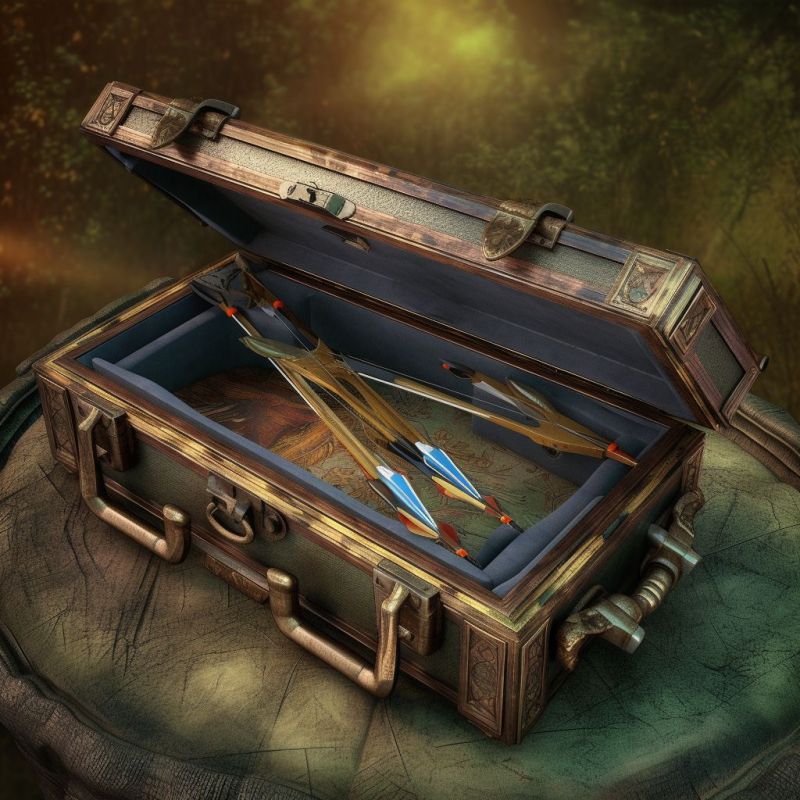
Crossbow Bolt Case1 gp
 Inventory Unequipped:
-
Brazier, Iron5 gp
-
Rod, Iron1 gp
-
Rake, Iron0.5 gp
-
Pin, Iron0.05 gp
-
Pan, Iron1 gp
-
Iron Nail0.01 gp
-
Kettle, Iron0.5 gp
-
Jar, Iron1 gp
-
Hoe, Iron1 gp
-
Handsaw, Iron0.6 gp
-
Greaves, Iron150 2 gp
-
Door, Iron100 gp
-
Iron Cowbell0.5 gp
-
Chisel, Iron0.5 gp
-
Chain, 10 feet5 gp
-
Bucket, Iron1 gp
-
Iron Shears0.3 gp
-
Box, Iron10 gp
-
Boots, Iron150 8 gp
-
Hooded Lantern5 gp
-
Helmet40 gp
-
Hammer1 gp
-
Grappling Hook2 gp
-
Fishing Hook0.02 gp
-
Dustpan0.3 gp
-
Wood Plank0.16 gp
-
Crowbar2 gp
-
Windchimes, Copper8 gp
-
Earrings, Copper0.6 gp
-
Crown, Copper10 gp
-
Scythe2.14 15 gp
-
20 Crossbow Bolt0.05 gp
-
Whetstone0.01 gp
-
Tinderbox0.05 gp
-
Tin Ingot0.9 gp
-
Tin Ore0.3 gp
-
Sledgehammer2 gp
-
Silver Ore3 gp
-
Iron Ore0.05 gp
-
Amulet, Silver25 gp
-
Silver Ingot15 gp
-
Silver Slug0.15 gp
-
Signet Ring5 gp
-
Signal Whistle3 gp
-
Shovel2 gp
-
Club10.76 0.1 gp
-
Phosphorus Slug1 gp
-
Phosphorus Block10 gp
-
Mess Kit0.5 gp
-
Maul5.62 10 gp
-
Longsword4.01 15 gp
-
Light Crossbow1.85 25 gp
-
Large Saw12.51 5 gp
-
Gate, Large, Iron50 gp
-
Lance7.83 10 gp
-
Key0.3 gp
-
Wrench, Iron1 gp
-
Iron Thimble0.3 gp
-
Iron Spade0.3 gp
-
Battleaxe2.95 10 gp
-
Cup, Iron0.5 gp
-
Chopsticks, Iron0.1 gp
-
Cage, Brass12 gp
-
Bowl, Iron3 gp
-
Iron Slug0.01 gp
-
Bottle, Iron1.5 gp
-
Bit and Bridle2 gp
-
Leather strap0.2 gp
-
Iron Ingot0.15 gp
-
Smithing Tools15 gp
-
Forge75 gp
-
Anvil20 gp
-
Shortsword5.68 10 gp
-
Flail10.14 10 gp
-
Bracelet, Copper5 gp
-
War Pick5.66 5 gp
-
Pike9.82 5 gp
-
Mace11.28 5 gp
-
Handaxe3.12 5 gp
-
Light Hammer3.29 2 gp
-
Spear11.87 1 gp
-
Hatchet3.12 1 gp
-
Pitchfork11.87 0.5 gp
-
Dagger4.1 2 gp
-
Javelin11.46 0.5 gp
-
Sickle3.66 0.2 gp
-
Quarterstaff3.43 0.2 gp
-
Greatclub9.61 0.2 gp
-
Dart1.8 0.05 gp
-
Small Glass Case0.6 gp
-
Bracers, Copper150 20 gp
-
Amulet, Copper5 gp
-
Climbing Piton0.05 gp
-
Brazier, Copper15 gp
-
Copper Slug0.03 gp
-
Copper Ingot3 gp
-
Block and Tackle2 gp
-
Hempen Rope, 50 feet1 gp
-
Strainer, Iron7.5 gp
-
Spyglass20 gp
-
Spoon, Iron0.3 gp
-
Spatula, Iron0.4 gp
-
Skewer, Iron2 gp
-
Pot, Iron2 gp
-
Platter, Iron1.5 gp
-
Plate, Iron2 gp
-
Mining Pick2 gp
-
Magnifying Glass50 2 gp
-
Glass Lens, Small0.5 gp
-
Glass Lens, Medium1.5 gp
-
Ladle, Iron0.25 gp
-
Knife, Iron0.3 gp
-
Jug, Iron2 gp
-
Iron Spike0.1 gp
-
Bracers, Iron300 15 gp
-
Bracelet, Iron1 gp
-
Hauberk Barding64 250 gp
-
Lamp, Hand1 gp
-
Fork, Iron0.3 gp
-
Blunderbuss2.26 300 gp
-
Bottle, Silver75 gp
-
Bowl, Silver75 gp
-
Bullseye Lantern10 gp
-
Chopsticks, Silver10 gp
-
Circlet30 gp
-
Cuirass Barding51.84 90 gp
-
Cup, Gold300 gp
-
Gold Ingot150 gp
-
Gold Slug1.5 gp
-
Cup, Silver30 gp
-
Fork, Silver8 gp
-
Half Plate Barding67.84 450 gp
-
Gauntlets, Iron25 gp
-
Prison Cell, Iron60 gp
-
Jug, Silver150 gp
-
Knife, Silver25 gp
-
Ladle, Silver30 gp
-
Lamellar Barding14 70 gp
-
Mail Shirt Barding48 60 gp
-
Merchant's Scale5 gp
-
Plate, Silver75 gp
-
Platter, Silver125 gp
-
Pot, Silver120 gp
-
Skewer, Silver75 gp
-
Spatula, Silver30 gp
-
Spoon, Silver8 gp
-
Brigandine30 450 gp
-
Brigandine Barding30 40 gp
-
Bulwark-123.15 50 gp
-
Censer2 gp
-
Hard Hide0.5 gp
-
Soft Hide0.1 gp
-
Cuirass51.84 90 gp
-
Double-Bladed Scimitar4.16 100 gp
-
Glaive1.9 20 gp
-
Amulet, Gold200 gp
-
Greataxe2.39 30 gp
-
Greatsword5.67 50 gp
-
Halberd5.28 20 gp
-
Bell, Hand2 gp
-
Harpoon38.44 5 gp
-
Hauberk64 250 gp
-
Heavy Crossbow4.41 50 gp
-
Heavy Shield-129 40 gp
-
Iron Anchor250 gp
-
Lamellar14 150 gp
-
Lead Ingot0.6 gp
-
Lead Ore0.2 gp
-
Mail Shirt48 60 gp
-
Manacles-100 2 gp
-
Morningstar11.15 15 gp
-
Rapier7.71 25 gp
-
Reliquary200 gp
-
Scimitar7.94 25 gp
-
Box, Silver250 gp
-
Bracelet, Silver25 gp
-
Bracers, Silver150 90 gp
-
Bucket, Silver100 gp
-
Crown, Silver30 gp
-
Earrings, Silver1 gp
-
Greaves, Silver150 110 gp
-
Jar, Silver30 gp
-
Pan, Silver50 gp
-
Pin, Silver0.3 gp
-
Rod, Silver70 gp
-
Door, Small, Iron15 gp
-
Strongbox40 gp
-
Trident5.44 5 gp
-
Warhammer7.48 15 gp
-
20 Crossbow Bolt0.05 gp
-
1100 Gold Coin1 gp
-
8000 Copper Coin0.01 gp
-
28000 Silver Coin0.1 gp
-
2 Platinum Coin10 gp
 Monster Bits:
-
42 Humanoid Blood0.15 gp
-
108 Animal Bone0.03 gp
-
72 Animal Fat0.5 gp
-
252 Animal Meat0.05 gp
-
36 Soft Skin0.05 gp
 Creature Type Monster Bits:
-
0.06 Humanoid Blood0.15 gp
-
0.15 Animal Bone0.03 gp
-
0.1 Animal Fat0.5 gp
-
0.35 Animal Meat0.05 gp
-
0.05 Soft Skin0.05 gp
The forge's anvil gleams under flickering torchlight, scarred by countless hammer blows, its iron surface pitted and warm from recent heat. Billows of acrid smoke curl from the glowing coals, carrying the sharp tang of molten metal. Sturdy tongs and chisels line the soot-blackened walls, ready to shape raw ore into edged steel.
Merchants

💰🛍️ Merchants: Bargainers of Coin and Contract
Merchants are the indispensable heartbeat of every realm, shrewd masters of the marketplace who turn peril into profit without ever drawing a blade. 🪙 Whether operating from bustling city shops or rumbling caravans, these opportunistic traders seek out adventurers at every turn — buying the riches yanked from lost dungeons and forgotten treasures, then selling back the very tools of greater glory. Part of tight-knit guilds that shield their own, they peddle powerful magical items coveted by heroes and kings alike. Driven purely by profit, they risk fortunes rather than flesh, thriving on financial gambles while their networks ensure no slight goes unanswered.
🌍 Origins: Forged in Guild and Gold
Merchants rise from every walk of life — fallen nobles, ambitious guild apprentices, or street-smart orphans who earned their first scale through sheer wit. 📜 Many inherit family shops blessed by trade deities; others claw their way into powerful merchant guilds that bind members in ironclad oaths of mutual protection. These guilds trace back to ancient pacts sealed with enchanted ledgers, granting members safety across cities and roads alike. Whatever their beginning, every merchant carries the unquenchable thirst for the next deal and the quiet power of collective wealth.
🏪 City Shopkeeps & Roadside Traders: Everywhere Opportunity Awaits
Merchants appear precisely when heroes need them most — behind polished counters in crowded city bazaars or pulling wagons into remote camps and strongholds. 🏪 Urban shopkeeps maintain lavish storefronts stocked with wonders, while wandering traders follow the scent of fresh plunder. Both types track adventurers through rumor and raven, ready to appraise dungeon loot on the spot and offer immediate coin. Their doors (and wagon flaps) are always open to those bearing relics, ensuring every victory converts swiftly into wealth.
📦 Wares of Power: Treasures and Magical Might
A merchant’s inventory is legend made tangible. 🧪 Beyond everyday supplies, they deal in exotic crafting materials — dragon scales, star-forged ore, moonlight essence, and ancient essences — plus the truly dangerous prizes: enchanted weapons, forbidden tomes, and artifacts that grant godlike power. Adventurers and power-hungry nobles flock to them, trading hard-won treasures for items that tip the scales of fate. The best merchants always seem to have exactly what a party needs… for the right price.
🕸️ The Guild Web: Safety Through Connection
No merchant stands isolated. Vast guilds weave a protective web across kingdoms, with members sworn to safeguard one another through shared ledgers and binding contracts. 🧠 Harm one and the entire network responds — bounties issued, assassins quietly hired, reputations destroyed, and trade routes closed to the offender. This unbreakable solidarity grants unparalleled safety: even the boldest warlord thinks twice before crossing a guild merchant. The system turns every shopkeep and caravan driver into part of something far larger and far deadlier than any lone blade.
🪄 Trader’s Gifts: The Art of the Deal
Merchants wield subtle but formidable talents honed by decades of negotiation. Many possess an almost magical ability to appraise any item instantly, detect lies with a glance, or haggle prices that bend reality itself. 🦋 Enchanted scales never err, shop safes hold extradimensional space, and guild rings allow silent communication across continents. The craftiest keep hidden vaults of truly legendary items or maintain quiet alliances with enchanters and information brokers. They never fight — they simply ensure the fight never reaches them.
⚠️ Hazards of Profit: Financial Gambles Over Flesh
Merchants scorn physical danger, preferring the thrill of high-stakes wagers. Their greatest risk is financial ruin — a bad investment, a counterfeit relic, or a guild rival undercutting their prices. ⚠️ Greed can blind them to larger threats, and a merchant who cheats the wrong adventurer may face sudden boycotts or guild-sanctioned ruin. Yet their contracts and connections usually keep blades at bay, letting them play the long game of wealth while heroes bleed for glory.
🗺️ Deals and Quests: Profit That Sparks Legend
Trade with a merchant rarely ends at simple barter. They routinely commission escorts for priceless shipments, recovery of stolen cargo, or hunts for ultra-rare components. These offers blossom into grand quests laced with gold and danger, benefiting both sides — or igniting fierce rivalries when contracts are broken. A single well-placed deal can launch an entire campaign of intrigue and adventure.
🌌 The Lifeblood of Every Realm
Merchants are the unseen architects of power and progress, turning the blood and sweat of heroes into empires of coin. 💰 Whether behind a city counter surrounded by glowing artifacts or camped beside a dungeon entrance with scales in hand, they represent pure opportunity wrapped in calculation. In any campaign they provide economic breathing room, rare magical wonders, and the spark for countless stories. Wise adventurers treat every merchant with respect — for today’s fair trader holds tomorrow’s fortune… and the contracts that can make or break legends. 🪙
- Merchant
-
This merchant's wares are tagged with teleportation magic as a contingency. Should the merchant fall in battle, most of their inventory will shimmer and vanish—teleported to a secure location. Only coins and a handful of items that slip through the contingency remain behind.
Smithy - Tier 2 (Subtype)
🔨⚙️ Smithy: Tier 2 Ironwright
A Tier 2 Smithy is a respected metal craftsperson whose forging skill, broader stock, and more reliable output make them a notable supplier of tools, fittings, hardware, and working metal goods. They are no longer just producing basic necessities. At this tier, their work is stronger, cleaner, and trusted for heavier use.
📚🔥 Training and Foundation
Tier 2 Smithies are deeply shaped by advanced apprenticeship, guild recognition, military contracts, shipyard work, or years of disciplined forge practice. They understand heat control, shaping stages, tempering, riveting, filing, fitting, repair assessment, and the practical differences between working metals at a higher level than a common forgeman. Their craft is no longer just functional. It is skilled.
🧥🪵 Appearance and Bearing
These creatures usually appear in heavy aprons, reinforced gloves, rolled sleeves, work boots, and soot-marked clothing built for heat, sparks, and long hours at the forge. Their hands and forearms are often heavily scarred and conditioned by repetitive hammer work. They tend to carry themselves like people used to lifting stock, judging weight, and solving problems through material strength rather than words.
🔩📦 Typical Inventory
A Tier 2 Smithy commonly keeps high-quality nails, hinges, locks, buckles, chains, hooks, horseshoes, stove plates, fireplace tools, cooking hardware, knives, axes, hammers, chisels, shovel heads, wagon fittings, lantern frames, musket fittings, barrel hoops, reinforced brackets, basic armor pieces, tool sets, ship hardware, field repair parts, iron fasteners, steel blanks, and partially finished custom orders for workshops, farms, docks, or military buyers. Their stock is broader and more dependable than that of a Tier 1 Forgeman.
🧠⚖️ Working Style
Their working style is steady, procedural, and utility-focused. A Tier 2 Smithy plans jobs more efficiently, wastes less material, and produces cleaner, more consistent finished pieces. They can take on repair work, custom fitting, and more demanding commissions without losing reliability. Their goal is not decoration first. It is strength, fit, and long-term function under regular use.
💰⛓️ Trade and Practical Role
What defines this subtype is reliable heavy utility. Tier 2 Smithies provide the metal goods that working districts, shipyards, military depots, farms, and trade roads depend on. Their work serves teamsters, officers, ship captains, tavern owners, builders, wheelwrights, carpenters, gunsmiths, and any customer who needs metal components that can survive repeated strain. In a flintlock fantasy economy, they are part of the physical backbone of a settlement.
🏪🔥 Business and Workspace
Tier 2 Smithies usually work from established forges, guild-approved workshops, dockside metal shops, military contract yards, or busy town smithhouses with enough space for stock metal, finished inventory, and custom jobs. Their workspace is organized around forge, anvil, quench barrels, tool racks, fuel storage, filing benches, stock piles, and shelving for completed goods. Many have apprentices or hired hands to assist with bellows, hauling, finishing, and repetitive shaping work.
🏙️👥 Common Roles
These creatures are commonly found as town blacksmiths, dockyard forgers, military hardware suppliers, farriers with broader shop output, toolsmiths, wagon-part makers, ship fitting workers, or practical metal specialists serving districts with constant demand. In larger settlements, they are often the people called on when simple imported goods are not enough and the item needs to be made or repaired properly.
👑🪙 Place in Society
A Tier 2 Smithy holds modest professional status. Merchants respect them, laborers rely on them, and other trades often depend on their output to finish their own work. They are not usually prestigious in a noble sense, but their reliability gives them steady value and a stronger reputation than lesser metalworkers.
📈🔨 Tier Meaning
Tier 2 represents a smithy that has developed beyond basic forge output into recognized professional skill. The core traits remain the same—metal shaping, practical inventory, heat control, and useful production—but they now operate with greater consistency, broader stock, and clearer trade importance. It is no longer just a working forgeman. It is a true ironwright.
- Inventory Equipped:
-
Crossbow Bolt Case1 gp
- Inventory Unequipped:
-
Brazier, Iron5 gp
-
Rod, Iron1 gp
-
Rake, Iron0.5 gp
-
Pin, Iron0.05 gp
-
Pan, Iron1 gp
-
Iron Nail0.01 gp
-
Kettle, Iron0.5 gp
-
Jar, Iron1 gp
-
Hoe, Iron1 gp
-
Handsaw, Iron0.6 gp
-
Greaves, Iron150 2 gp
-
Door, Iron100 gp
-
Iron Cowbell0.5 gp
-
Chisel, Iron0.5 gp
-
Chain, 10 feet5 gp
-
Bucket, Iron1 gp
-
Iron Shears0.3 gp
-
Box, Iron10 gp
-
Boots, Iron150 8 gp
-
Hooded Lantern5 gp
-
Helmet40 gp
-
Hammer1 gp
-
Grappling Hook2 gp
-
Fishing Hook0.02 gp
-
Dustpan0.3 gp
-
Wood Plank0.16 gp
-
Crowbar2 gp
-
Windchimes, Copper8 gp
-
Earrings, Copper0.6 gp
-
Crown, Copper10 gp
-
Scythe2.14 15 gp
-
20 Crossbow Bolt0.05 gp
-
Whetstone0.01 gp
-
Tinderbox0.05 gp
-
Tin Ingot0.9 gp
-
Tin Ore0.3 gp
-
Sledgehammer2 gp
-
Silver Ore3 gp
-
Iron Ore0.05 gp
-
Amulet, Silver25 gp
-
Silver Ingot15 gp
-
Silver Slug0.15 gp
-
Signet Ring5 gp
-
Signal Whistle3 gp
-
Shovel2 gp
-
Club10.76 0.1 gp
-
Phosphorus Slug1 gp
-
Phosphorus Block10 gp
-
Mess Kit0.5 gp
-
Maul5.62 10 gp
-
Longsword4.01 15 gp
-
Light Crossbow1.85 25 gp
-
Large Saw12.51 5 gp
-
Gate, Large, Iron50 gp
-
Lance7.83 10 gp
-
Key0.3 gp
-
Wrench, Iron1 gp
-
Iron Thimble0.3 gp
-
Iron Spade0.3 gp
-
Battleaxe2.95 10 gp
-
Cup, Iron0.5 gp
-
Chopsticks, Iron0.1 gp
-
Cage, Brass12 gp
-
Bowl, Iron3 gp
-
Iron Slug0.01 gp
-
Bottle, Iron1.5 gp
-
Bit and Bridle2 gp
-
Leather strap0.2 gp
-
Iron Ingot0.15 gp
-
Smithing Tools15 gp
-
Forge75 gp
-
Anvil20 gp
-
Shortsword5.68 10 gp
-
Flail10.14 10 gp
-
Bracelet, Copper5 gp
-
War Pick5.66 5 gp
-
Pike9.82 5 gp
-
Mace11.28 5 gp
-
Handaxe3.12 5 gp
-
Light Hammer3.29 2 gp
-
Spear11.87 1 gp
-
Hatchet3.12 1 gp
-
Pitchfork11.87 0.5 gp
-
Dagger4.1 2 gp
-
Javelin11.46 0.5 gp
-
Sickle3.66 0.2 gp
-
Quarterstaff3.43 0.2 gp
-
Greatclub9.61 0.2 gp
-
Dart1.8 0.05 gp
-
Small Glass Case0.6 gp
-
Bracers, Copper150 20 gp
-
Amulet, Copper5 gp
-
Climbing Piton0.05 gp
-
Brazier, Copper15 gp
-
Copper Slug0.03 gp
-
Copper Ingot3 gp
-
Block and Tackle2 gp
-
Hempen Rope, 50 feet1 gp
-
Strainer, Iron7.5 gp
-
Spyglass20 gp
-
Spoon, Iron0.3 gp
-
Spatula, Iron0.4 gp
-
Skewer, Iron2 gp
-
Pot, Iron2 gp
-
Platter, Iron1.5 gp
-
Plate, Iron2 gp
-
Mining Pick2 gp
-
Magnifying Glass50 2 gp
-
Glass Lens, Small0.5 gp
-
Glass Lens, Medium1.5 gp
-
Ladle, Iron0.25 gp
-
Knife, Iron0.3 gp
-
Jug, Iron2 gp
-
Iron Spike0.1 gp
-
Bracers, Iron300 15 gp
-
Bracelet, Iron1 gp
-
Hauberk Barding64 250 gp
-
Lamp, Hand1 gp
-
Fork, Iron0.3 gp
-
Blunderbuss2.26 300 gp
-
Bottle, Silver75 gp
-
Bowl, Silver75 gp
-
Bullseye Lantern10 gp
-
Chopsticks, Silver10 gp
-
Circlet30 gp
-
Cuirass Barding51.84 90 gp
-
Cup, Gold300 gp
-
Gold Ingot150 gp
-
Gold Slug1.5 gp
-
Cup, Silver30 gp
-
Fork, Silver8 gp
-
Half Plate Barding67.84 450 gp
-
Gauntlets, Iron25 gp
-
Prison Cell, Iron60 gp
-
Jug, Silver150 gp
-
Knife, Silver25 gp
-
Ladle, Silver30 gp
-
Lamellar Barding14 70 gp
-
Mail Shirt Barding48 60 gp
-
Merchant's Scale5 gp
-
Plate, Silver75 gp
-
Platter, Silver125 gp
-
Pot, Silver120 gp
-
Skewer, Silver75 gp
-
Spatula, Silver30 gp
-
Spoon, Silver8 gp
-
Brigandine30 450 gp
-
Brigandine Barding30 40 gp
-
Bulwark-123.15 50 gp
-
Censer2 gp
-
Hard Hide0.5 gp
-
Soft Hide0.1 gp
-
Cuirass51.84 90 gp
-
Double-Bladed Scimitar4.16 100 gp
-
Glaive1.9 20 gp
-
Amulet, Gold200 gp
-
Greataxe2.39 30 gp
-
Greatsword5.67 50 gp
-
Halberd5.28 20 gp
-
Bell, Hand2 gp
-
Harpoon38.44 5 gp
-
Hauberk64 250 gp
-
Heavy Crossbow4.41 50 gp
-
Heavy Shield-129 40 gp
-
Iron Anchor250 gp
-
Lamellar14 150 gp
-
Lead Ingot0.6 gp
-
Lead Ore0.2 gp
-
Mail Shirt48 60 gp
-
Manacles-100 2 gp
-
Morningstar11.15 15 gp
-
Rapier7.71 25 gp
-
Reliquary200 gp
-
Scimitar7.94 25 gp
-
Box, Silver250 gp
-
Bracelet, Silver25 gp
-
Bracers, Silver150 90 gp
-
Bucket, Silver100 gp
-
Crown, Silver30 gp
-
Earrings, Silver1 gp
-
Greaves, Silver150 110 gp
-
Jar, Silver30 gp
-
Pan, Silver50 gp
-
Pin, Silver0.3 gp
-
Rod, Silver70 gp
-
Door, Small, Iron15 gp
-
Strongbox40 gp
-
Trident5.44 5 gp
-
Warhammer7.48 15 gp
-
20 Crossbow Bolt0.05 gp
- Skill Tier 6:
-
 Smithing
Merchant - Tier 2 - Town Merchant
Town Merchants are the prosperous shopkeepers and guild traders who dominate the marketplaces of mid-sized towns and thriving trade hubs. 🪙 With spacious storefronts bursting with superior gear — finely crafted weapons, potent mid-tier potions, enchanted tools, and rare crafting materials like griffon feathers or shadowsteel ingots — they eagerly purchase the more impressive relics and dungeon hauls adventurers bring back from deeper ruins. Operating under stronger regional guilds, they offer enhanced protection through binding contracts and swift retaliation: cross one and blacklists ripple across entire trade routes, while bounties ensure swift justice without the merchant ever lifting a finger.
Profit remains their true north, yet Town Merchants embrace bolder financial risks — wagering on high-value shipments, extending lines of credit to trusted parties, or investing in exotic stock that could yield fortunes or ruin. 🏪 They’re the reliable bridge between local peddlers and grander powers, always ready with local lore, special commissions, and the occasional magical oddity that turns a simple sale into the spark of a greater quest. Smart adventurers cultivate these relationships early; a Town Merchant’s favor today can unlock the exact rare component or urgent escort job that saves the party tomorrow. 🪙
- Inventory Unequipped:
-
1100 Gold Coin1 gp
-
8000 Copper Coin0.01 gp
-
28000 Silver Coin0.1 gp
-
2 Platinum Coin10 gp
- Skill Tier 6:
-
 Attention
 -
 Empathy


