Menu
 Ancestries
 Backgrounds
 Lineages
 Classes
 Subclasses
 Spells
 Curses
 Mentas
 Sanguines
 Feats
Feats
 Passive
 Full
Full
 Standard
 Quick
Quick
 Attack
 Free
Free
 Reaction
 Opp. Attack
 Innate Skills
 Gathering Skills
 Knowledge Skills
 Crafting Skills
 Weapon Skills
 Armor Skills
 Defensive Skills
 Status Effects
 Crafting
 Alchemy
 Art
Art
 Cooking
 Enchanting
 Glassblowing
 Jewelling
 Leatherworking
 Machining
 Masoning
 Smithing
 Weaving
 Woodworking
View All Crafting
View All Rules
Woodworking
View All Crafting
View All Rules






























 Library
Digital supplements and compendia—rules content, adventures and setting material you add to My Library.
Browse Library
 Adventures
Standalone adventures—ready to run. Purchase the source in the Library for access.
All Adventures
 Free Adventures
 Paid Adventures








Mechanic - Tier 2
🛠️⚙️ Mechanic: Tier 2 Fitter
A Tier 2 Mechanic is a respected machine craftsperson whose precision work, broader parts stock, and more reliable repairs make them a notable specialist in fitted metal systems. They are no longer just handling simple fixes and basic assemblies. At this tier, their work is cleaner, more exact, and trusted for machines that matter.
📚🔩 Training and Foundation
Tier 2 Mechanics are deeply shaped by advanced apprenticeship, armory work, foundry service, mill maintenance, workshop contracts, or years of disciplined practice in fitting, cutting, drilling, threading, and assembly. They understand wear patterns, tolerance, alignment, pressure stress, fastening methods, and how repeated motion changes a machine over time. Their craft is no longer just practical. It is skilled.
🧥📏 Appearance and Bearing
These creatures usually appear in aprons, fitted work coats, rolled sleeves, gloves, visors, and practical clothing marked by oil, grease, soot, metal dust, and chalk or ink measurements. Their hands often show fine cuts, burns, and the wear of constant tool handling. Calipers, files, taps, dies, drills, clamps, wrenches, screwdrivers, gauges, and measuring rods are usually close at hand. Their bearing is focused, exact, and more confident than that of a Tier 1 Machinist.
⚙️📦 Typical Inventory
A Tier 2 Mechanic commonly keeps springs, screws, pins, bolts, brackets, lock parts, trigger groups, hammer assemblies, firing components, gear sets, shafts, bushings, hinge plates, lantern mechanisms, pump valves, replacement fittings, barrels of oil, grease tins, files, drill bits, taps, dies, cutting tools, measuring gauges, clamps, spare plates, wire, hand-crank tools, simple press parts, clockwork internals, firearm repair kits, and partially disassembled mechanisms awaiting fitting or reassembly. Better shops may also stock mill parts, ship pump fittings, printing press components, or custom-made replacements for worn assemblies.
🧠⚖️ Working Style
Their working style is measured, diagnostic, and precision-focused. A Tier 2 Mechanic inspects wear, checks alignment, removes material carefully, tests fit repeatedly, and expects that small flaws will become serious failures under load or repeated motion. They can manage more demanding repairs, create better replacement parts, and restore function to mechanisms that lesser workers would misjudge or ruin. Their goal is not elegance. It is correct operation.
💰🔧 Trade and Practical Role
What defines this subtype is reliable mechanical function under regular use. Tier 2 Mechanics keep fitted systems working in armories, workshops, mills, print shops, ships, mines, and secure buildings. Their work serves gunsmiths, officers, ship crews, printers, engineers, mill operators, locksmiths, and merchants who depend on mechanical reliability instead of rough approximation. In a flintlock fantasy economy, they are important technical workers in any district where moving parts drive profit or survival.
🏪🪵 Business and Workspace
Tier 2 Mechanics usually work from established machine shops, armory repair rooms, foundry-adjacent workspaces, dockside repair houses, mill workshops, or urban technical shops with better benches, vises, stock drawers, and measuring tools than a basic repair room. Their space is organized around cutting benches, fitted trays of parts, oil and cleaning supplies, spare stock metal, clamps, tool walls, and shelves of jobs waiting for diagnosis or collection. A successful shop often includes apprentices or assistants handling cleaning, sorting, polishing, and basic fitting tasks.
🏙️👥 Common Roles
These creatures are commonly found as armory fitters, lock mechanics, mill repair specialists, ship pump technicians, printing press repairers, clockwork workers, machine shop artisans, or firearm mechanism specialists serving towns with growing technical demand. In larger settlements, they are often the people called when the issue is not just broken metal, but exact fit and controlled motion.
👑🪙 Place in Society
A Tier 2 Mechanic holds modest professional status with growing economic value. Workshops rely on them, officers respect them, and employers with expensive machinery prefer proven hands over cheap guesswork. They are not usually glamorous, but they are increasingly important in places where industry, arms, and transport depend on precision.
📈🛠️ Tier Meaning
Tier 2 represents a mechanic that has developed beyond basic machine repair into recognized professional skill. The core traits remain the same—controlled material removal, fitted parts, practical inventory, and mechanical repair—but they now operate with better precision, broader stock, and clearer reputation. It is no longer just a working machinist. It is a true fitter.
 Inventory Equipped:
-
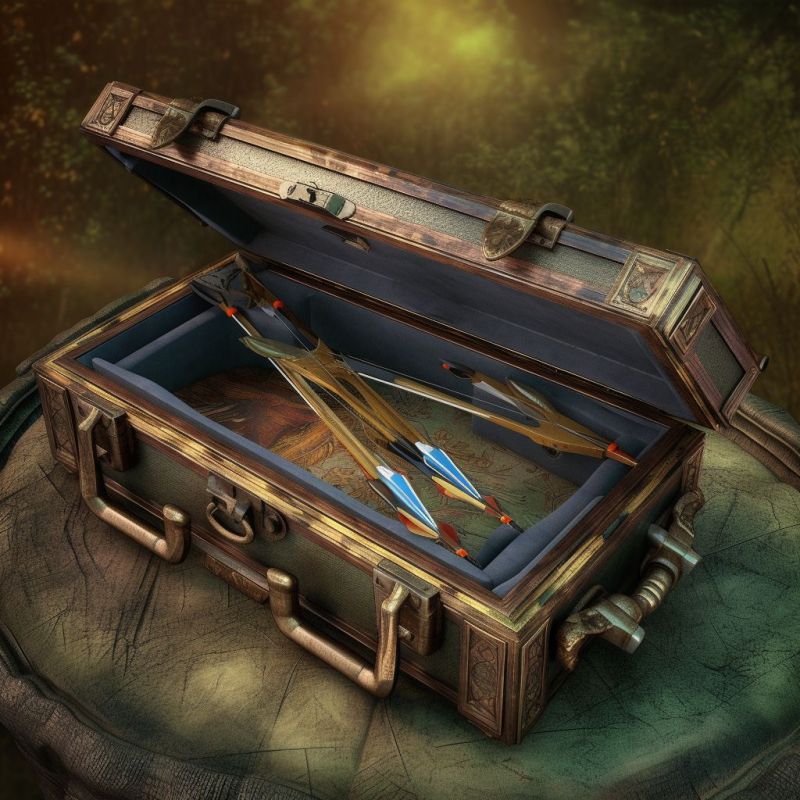 20 Crossbow Bolt Case1 gp
 Inventory Unequipped:
-
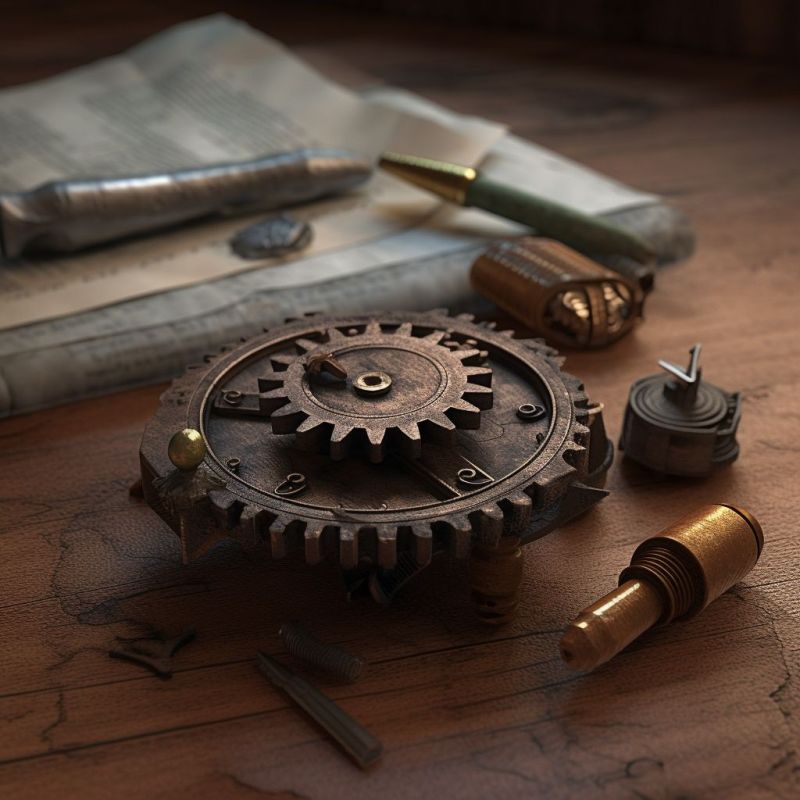 20 Gear, Small0.2 gp
 -
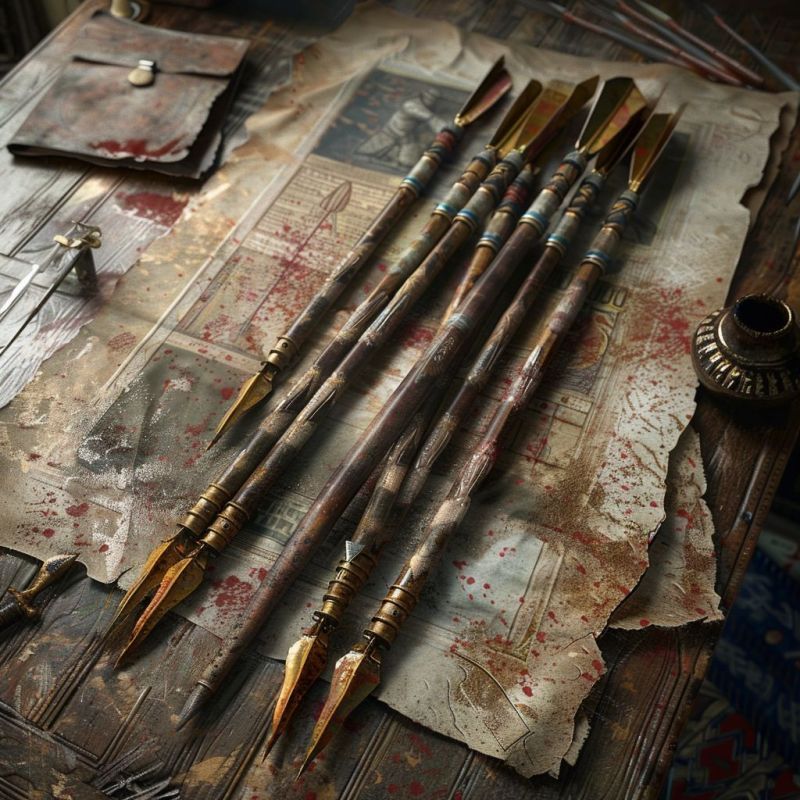 20 Crossbow Bolt0.05 gp
 -
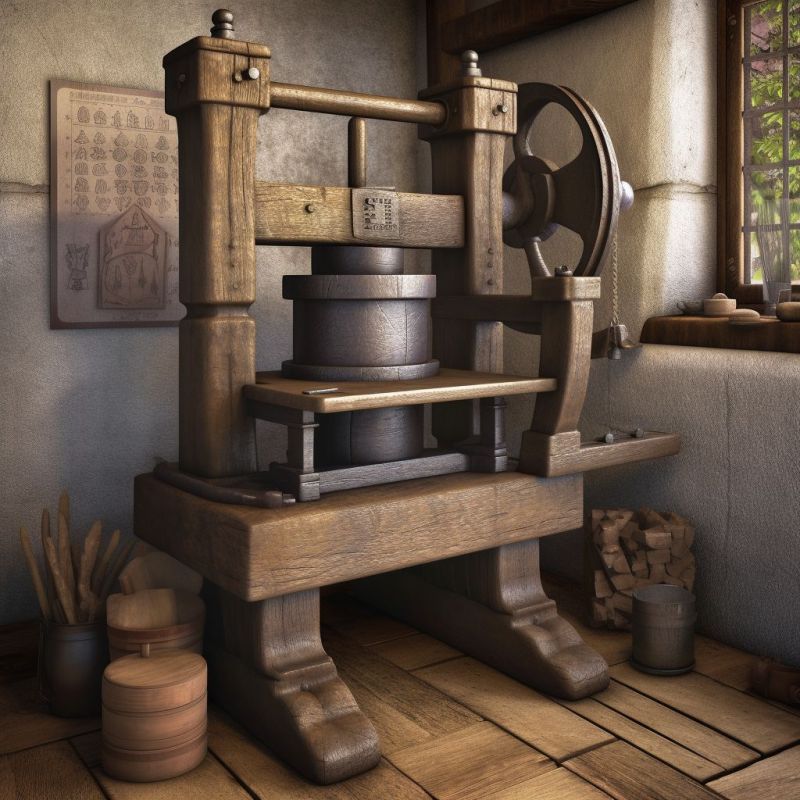 20 Screw Press30 gp
 -
 20 Glue1 gp
 -
 20 Potter's Wheel20 gp
 -
 20 Point Trap10 gp
 -
 20 Pistol150 gp
 -
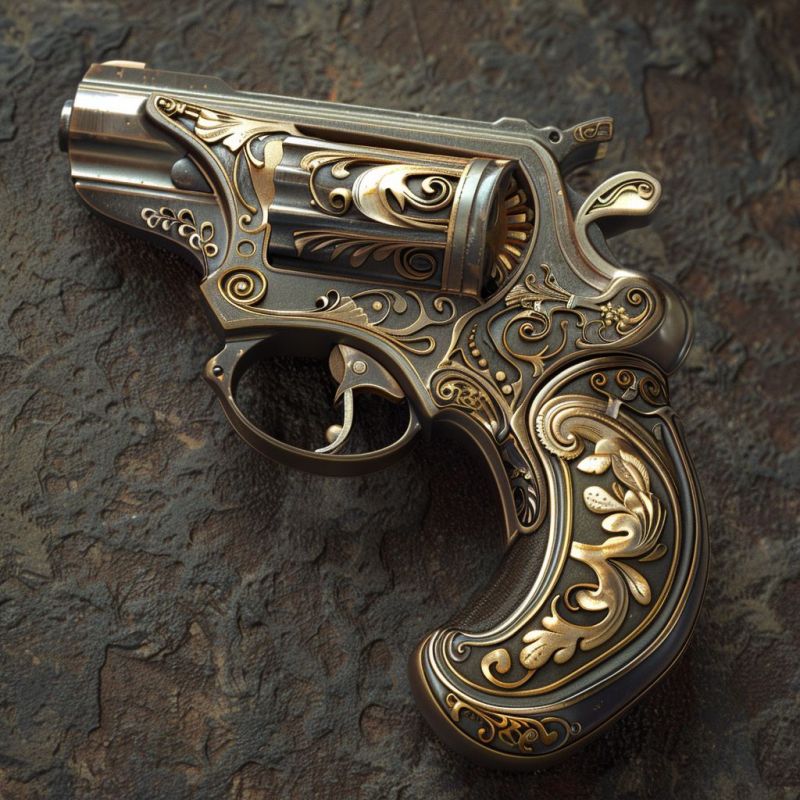 20 Palm Pistol50 gp
 -
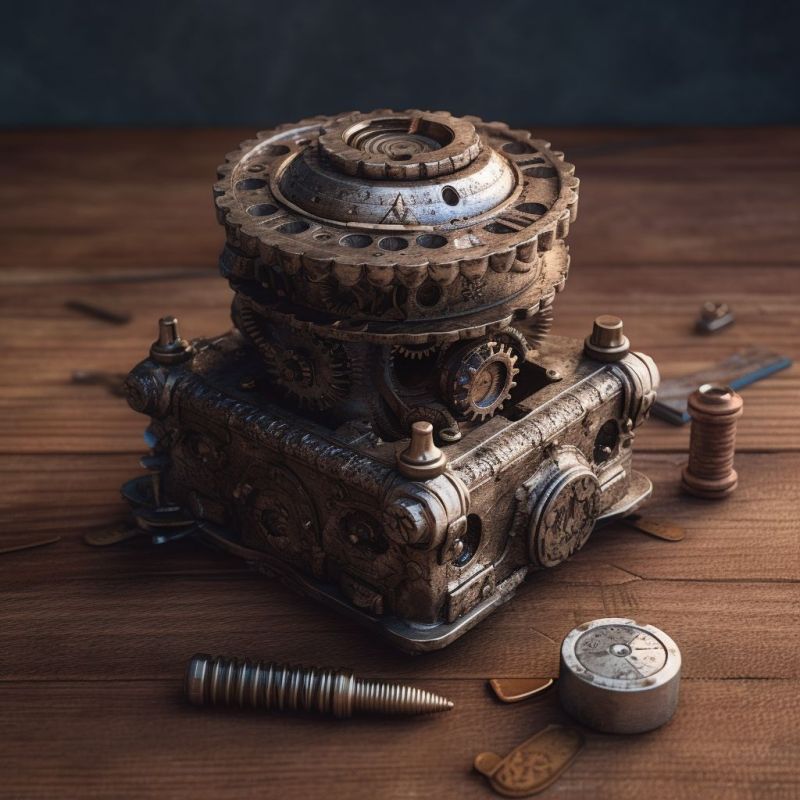 20 Mechanical Part, Small0.1 gp
 -
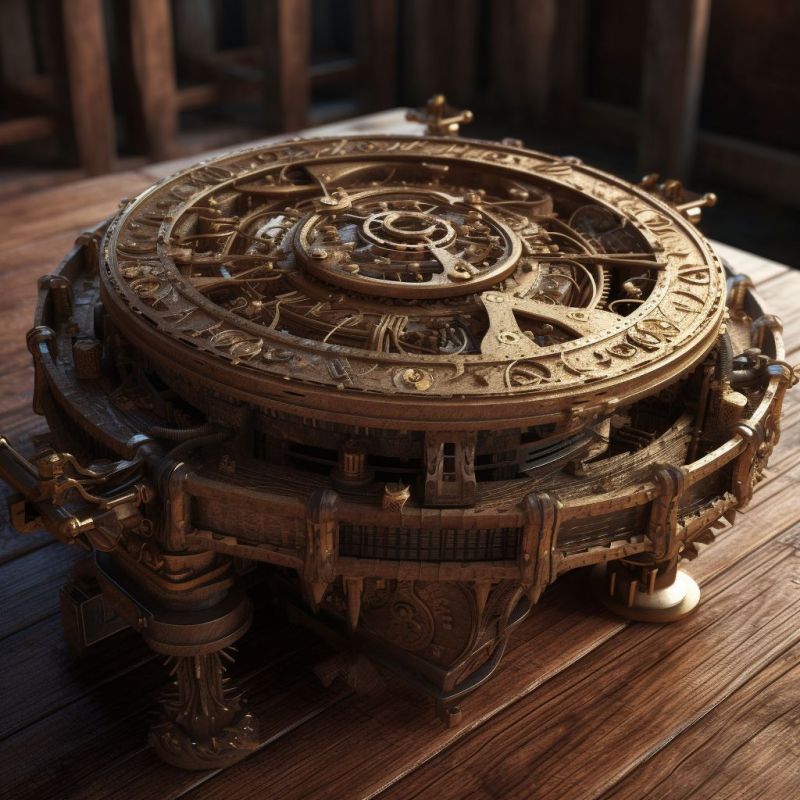 20 Mechanical Part, Large1 gp
 -
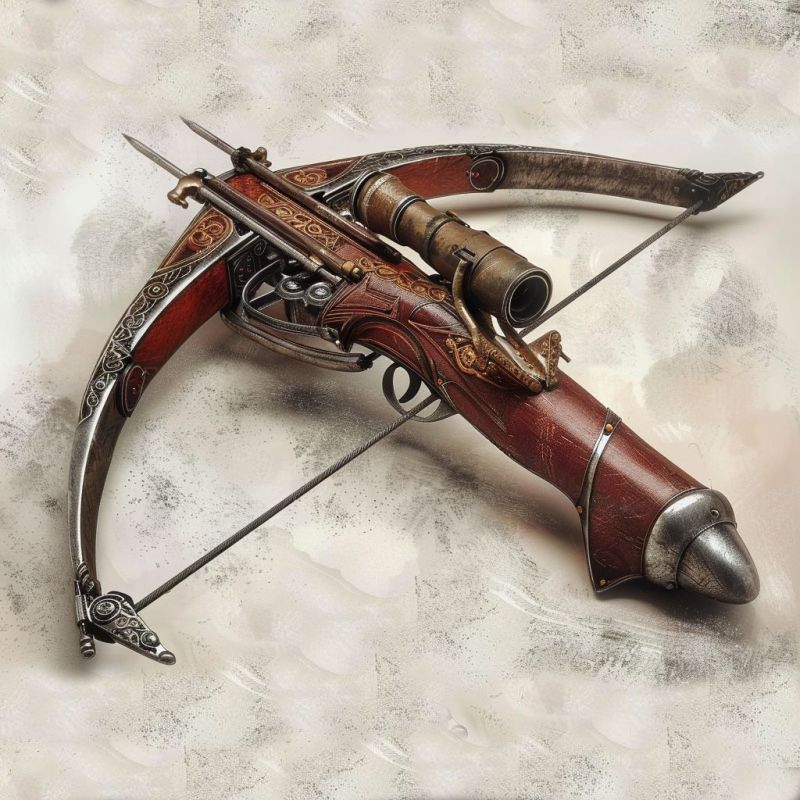 20 Hand Crossbow75 gp
 -
 20 Bowstring0.2 gp
 -
 20 Clock, Copper6 gp
 -
 20 Compass10 gp
 -
 20 Clockwork Toy10 gp
 -
 20 Clockwork Music Box10 gp
 -
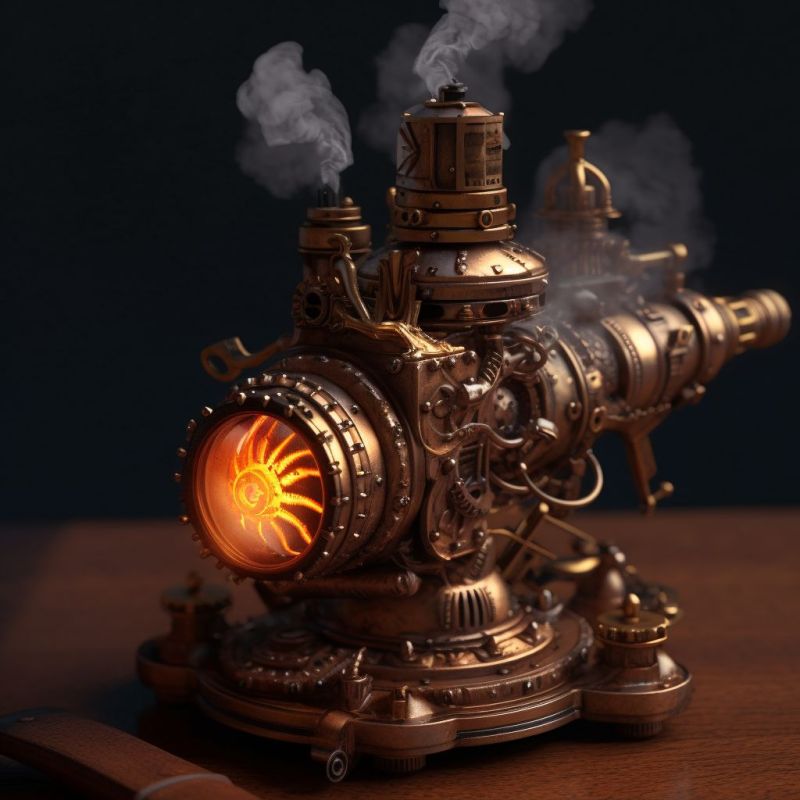 20 Clockwork Firestarter10 gp
 -
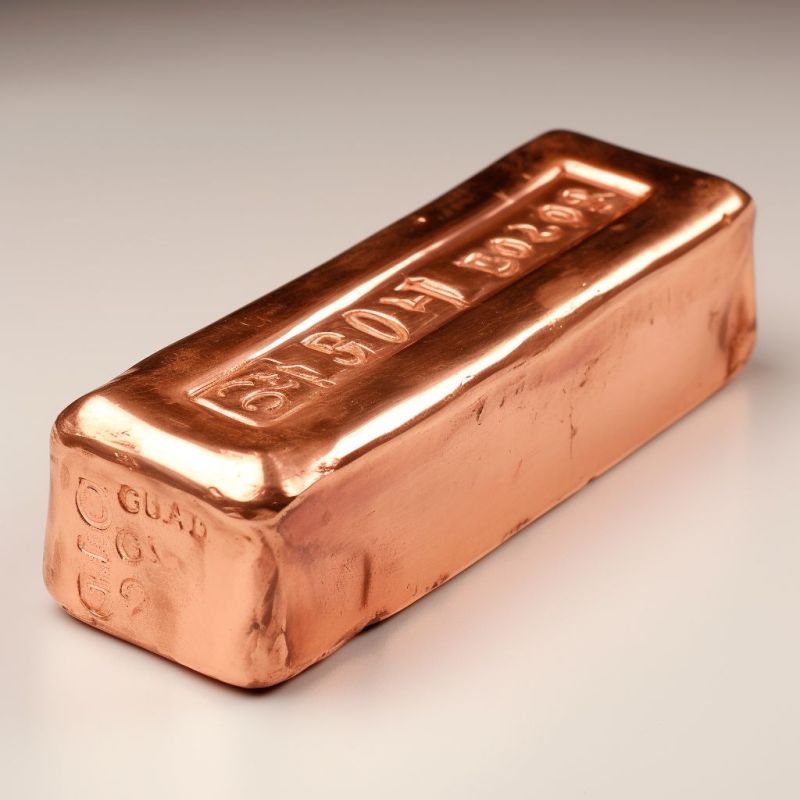 20 Copper Ingot3 gp
 -
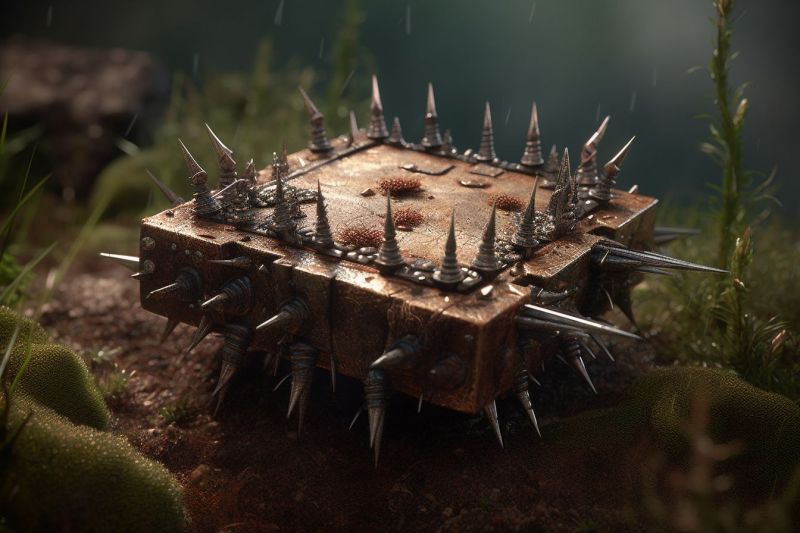 20 Area Trap, Tiny, Wide25 gp
 -
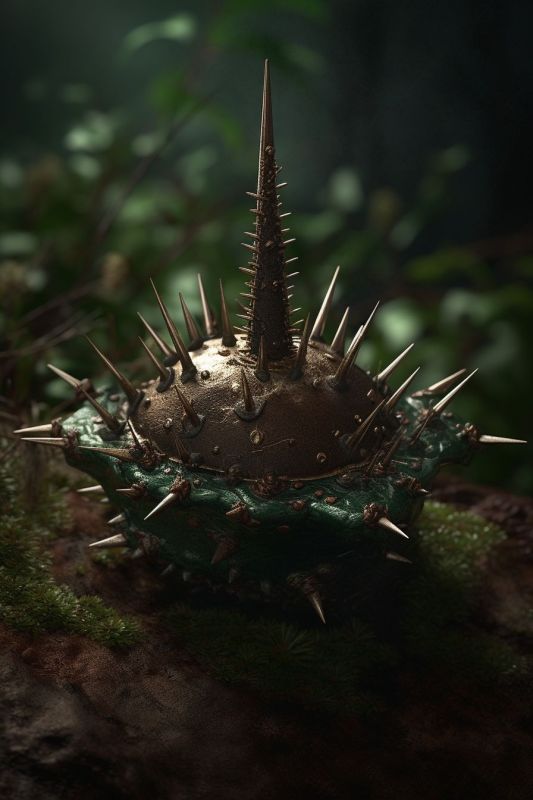 20 Area Trap, Tiny, Tall25 gp
 -
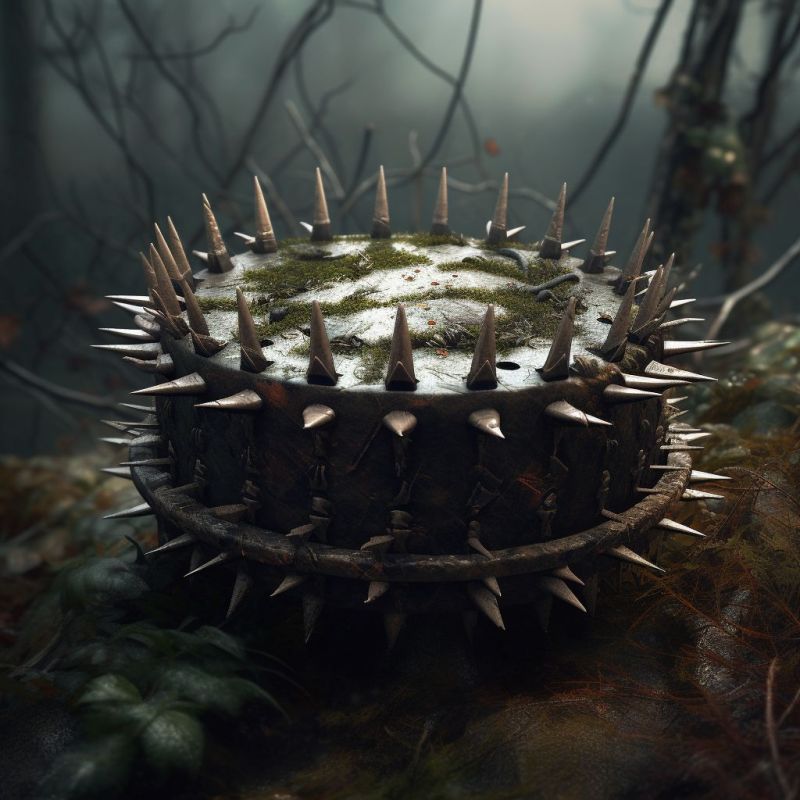 20 Area Trap, Tiny25 gp
 -
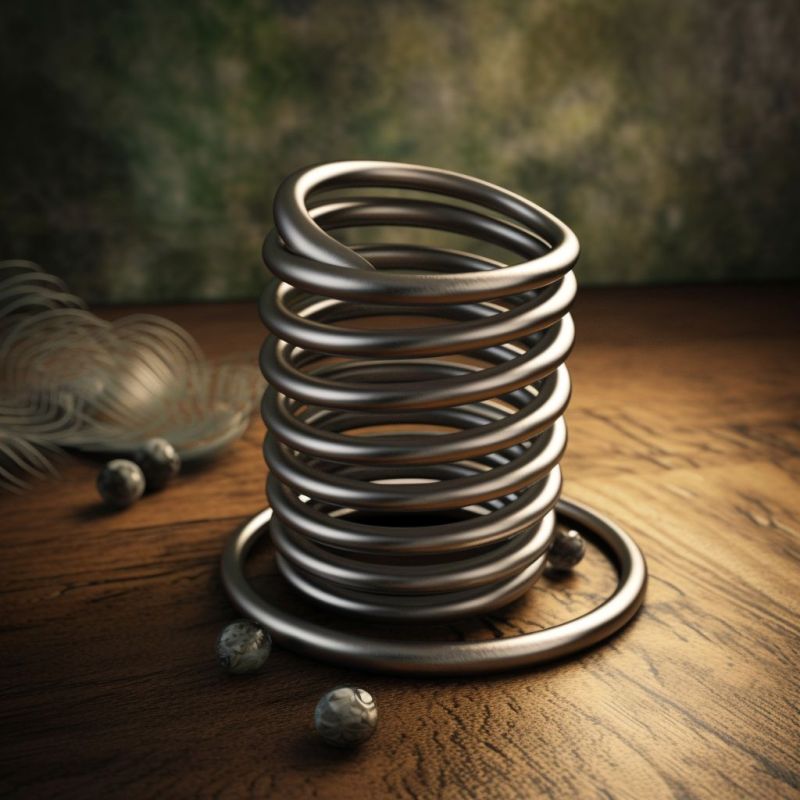 20 Spring, Small0.2 gp
 -
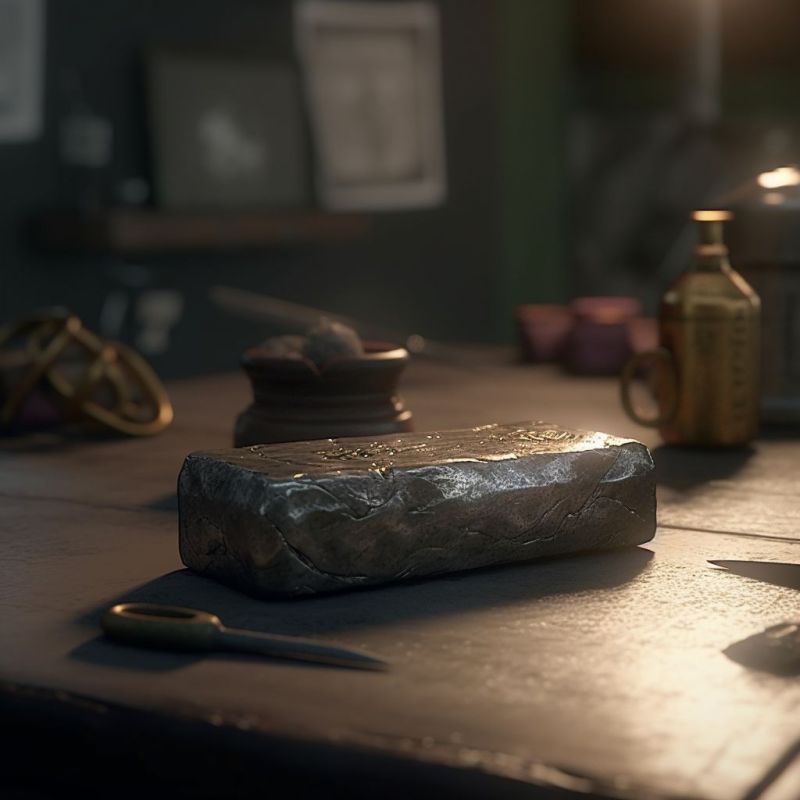 20 Iron Slug0.01 gp
 -
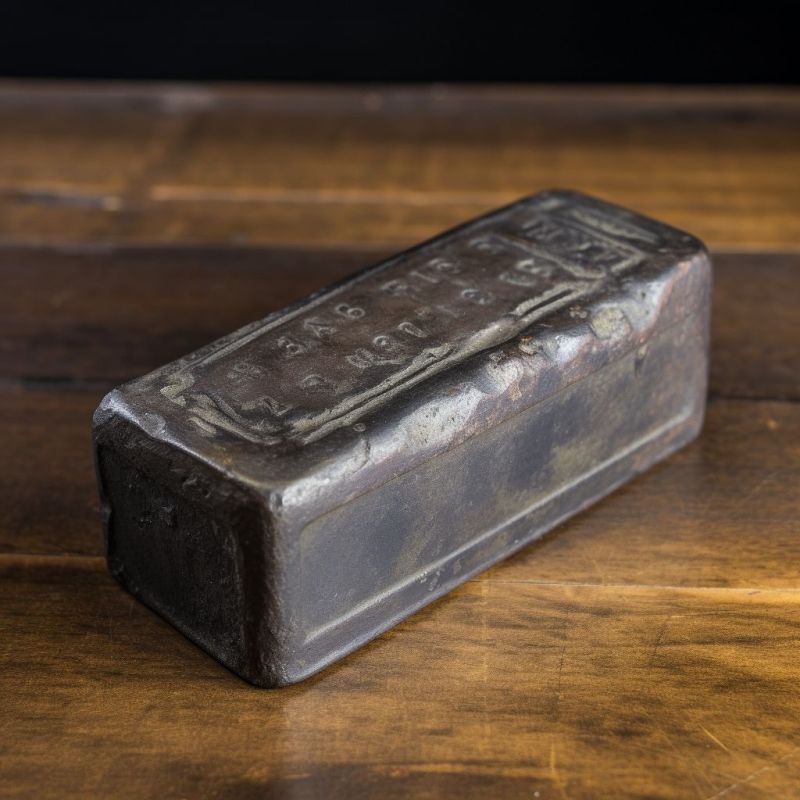 20 Iron Ingot0.15 gp
 -
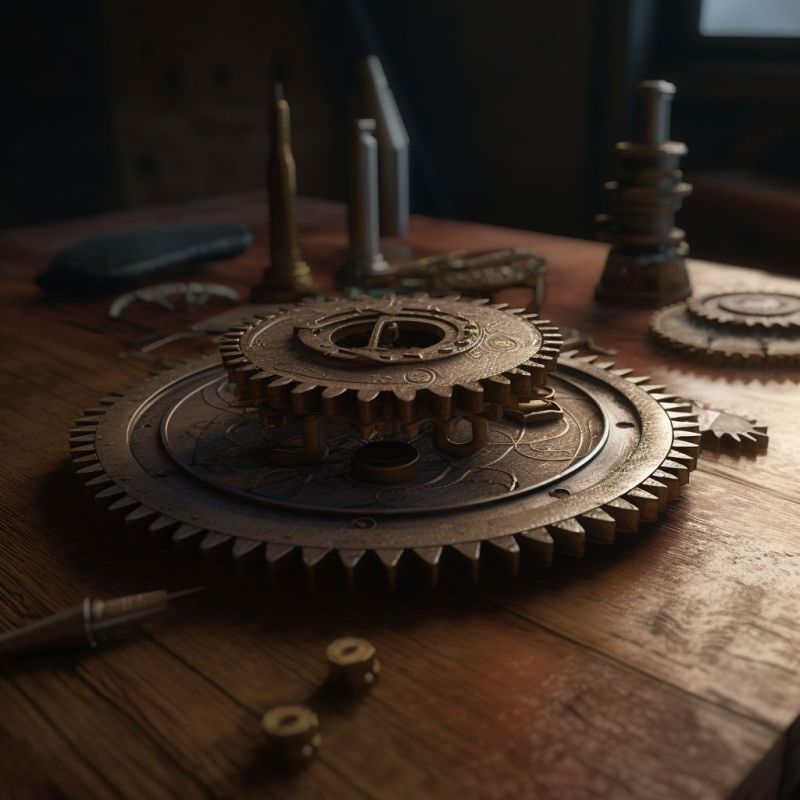 20 Gear, Medium2 gp
 -
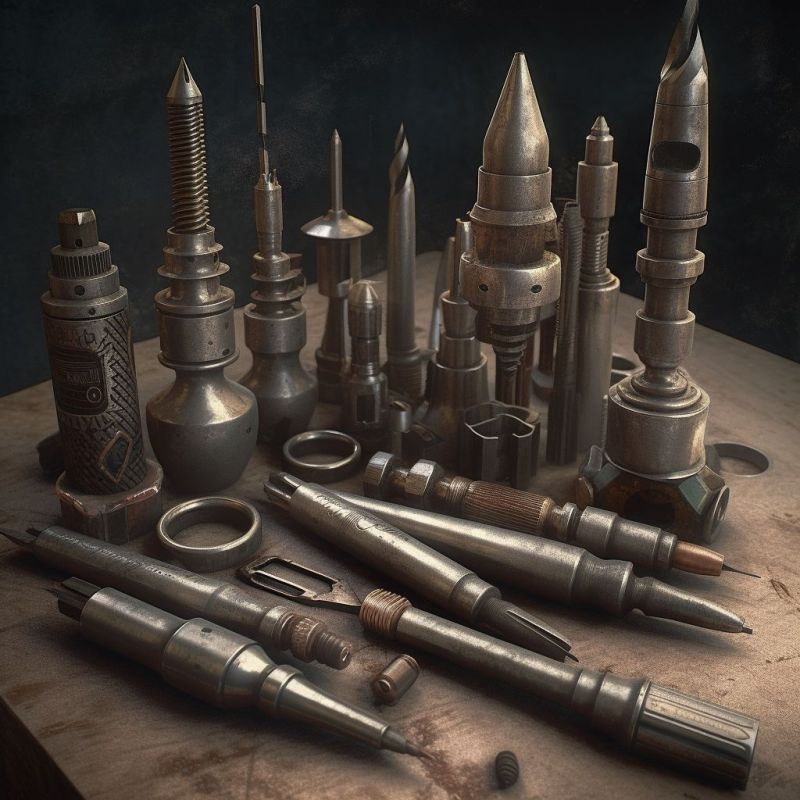 20 Machining Tools15 gp
 -
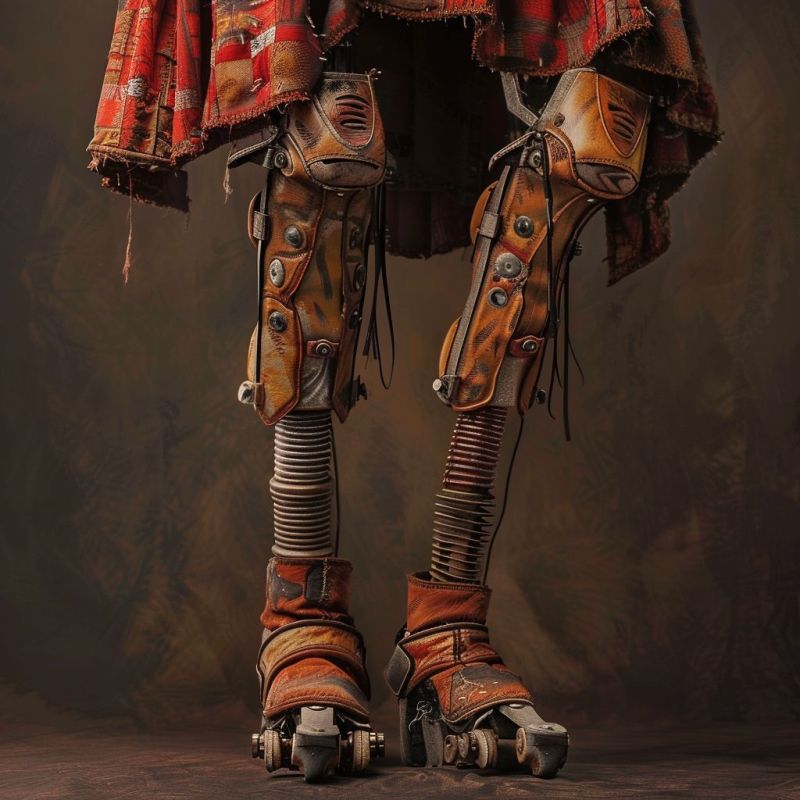 20 Adjustable Stilts20 gp
 -
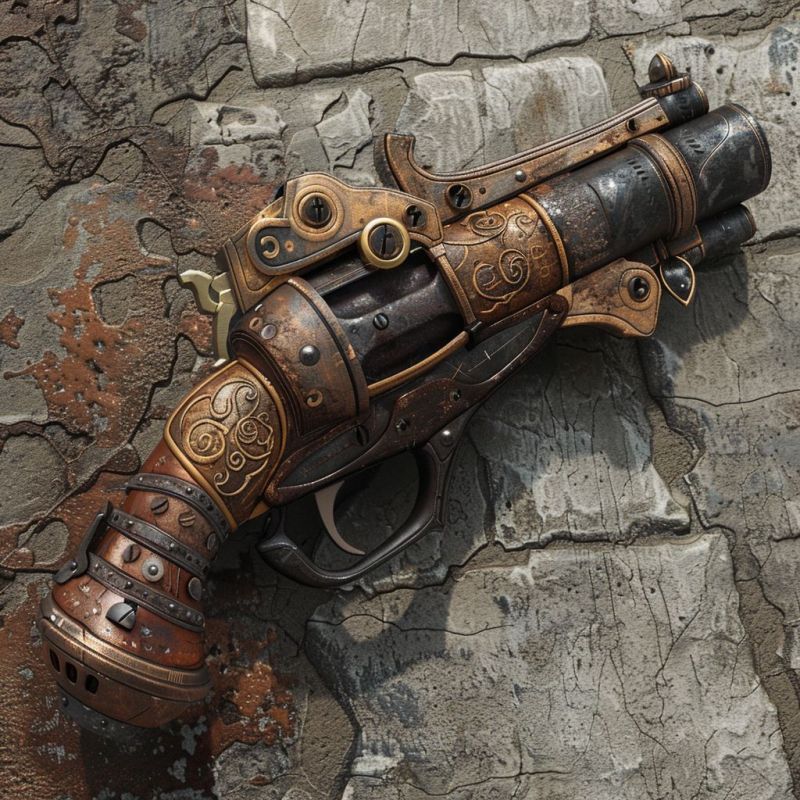 20 Hand Mortar1000 gp
 -
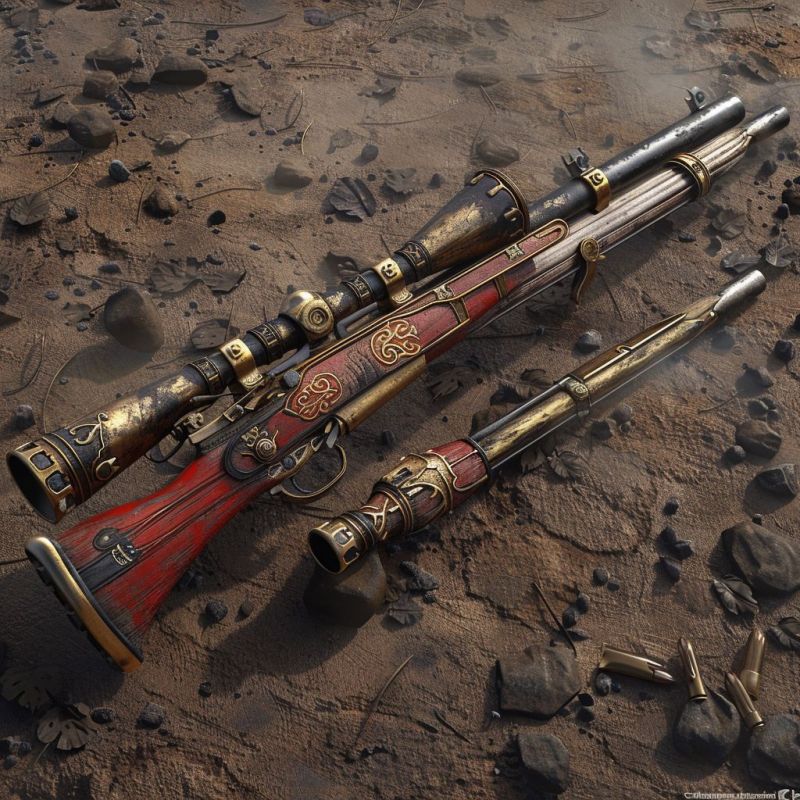 20 Longshot Rifle1000 gp
 -
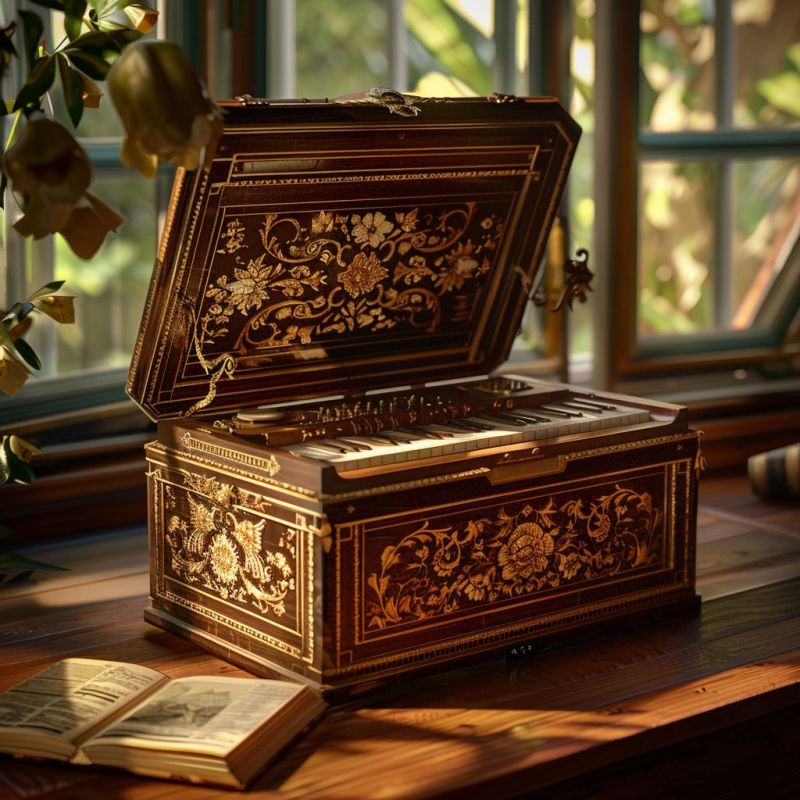 20 Music Box10 gp
 -
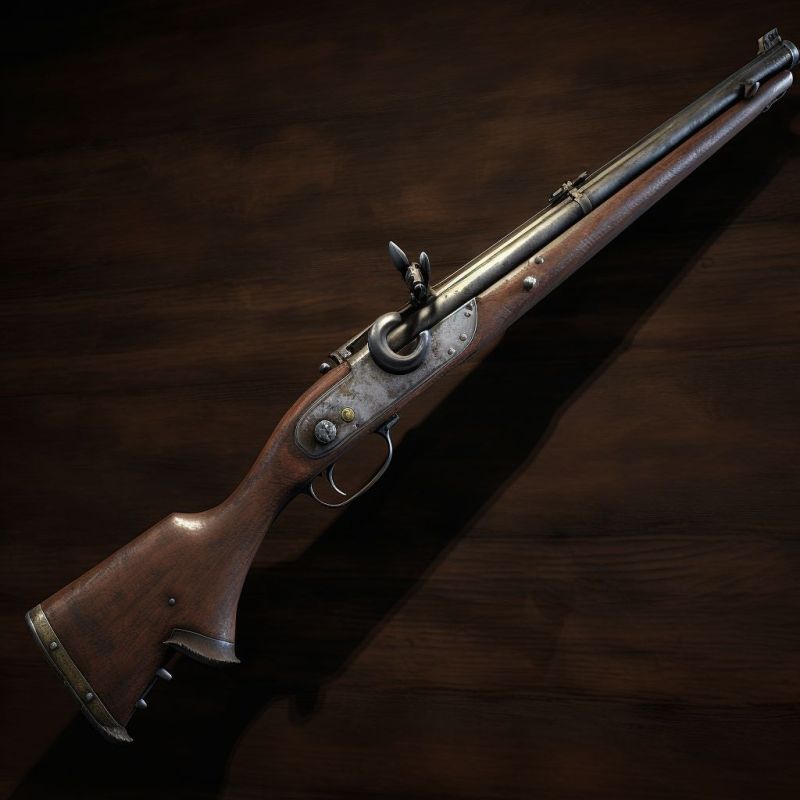 20 Musket300 gp
 -
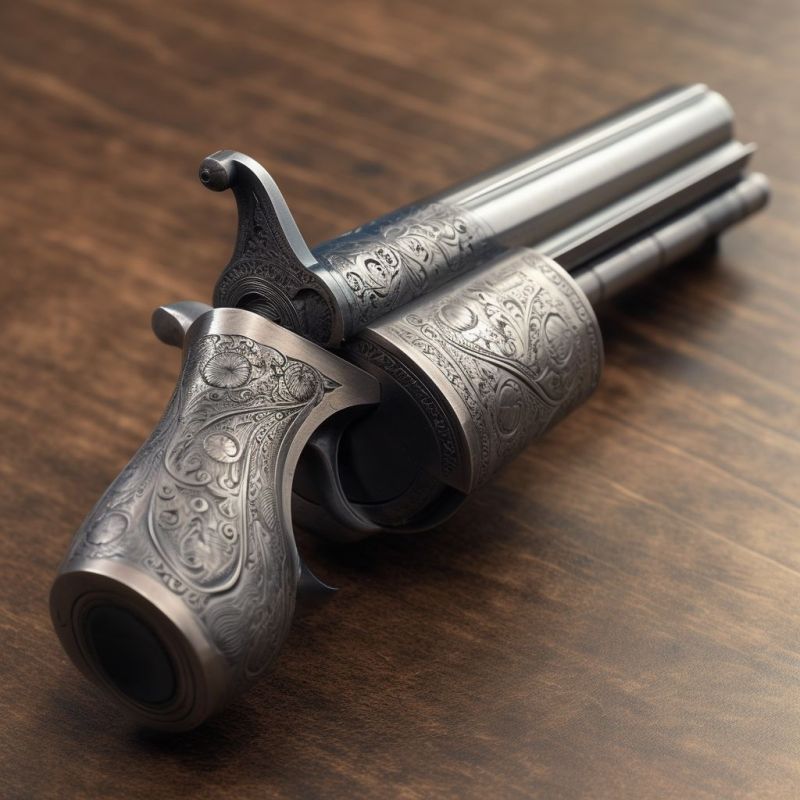 20 Pepperbox250 gp
 Skill Tier 6:
-
 Machining


