Menu
 Ancestries
 Backgrounds
 Lineages
 Classes
 Subclasses
 Spells
 Curses
 Mentas
 Sanguines
 Feats
Feats
 Passive
 Full
Full
 Standard
 Quick
Quick
 Attack
 Free
Free
 Reaction
 Opp. Attack
 Innate Skills
 Gathering Skills
 Knowledge Skills
 Crafting Skills
 Weapon Skills
 Armor Skills
 Defensive Skills
 Status Effects
 Crafting
 Alchemy
 Art
Art
 Cooking
 Enchanting
 Glassblowing
 Jewelling
 Leatherworking
 Machining
 Masoning
 Smithing
 Weaving
 Woodworking
View All Crafting
View All Rules
Woodworking
View All Crafting
View All Rules



































 Library
Digital supplements and compendia—rules content, adventures and setting material you add to My Library.
Browse Library
 Adventures
Standalone adventures—ready to run. Purchase the source in the Library for access.
All Adventures
 Free Adventures
 Paid Adventures



























 Inventory Equipped:
-
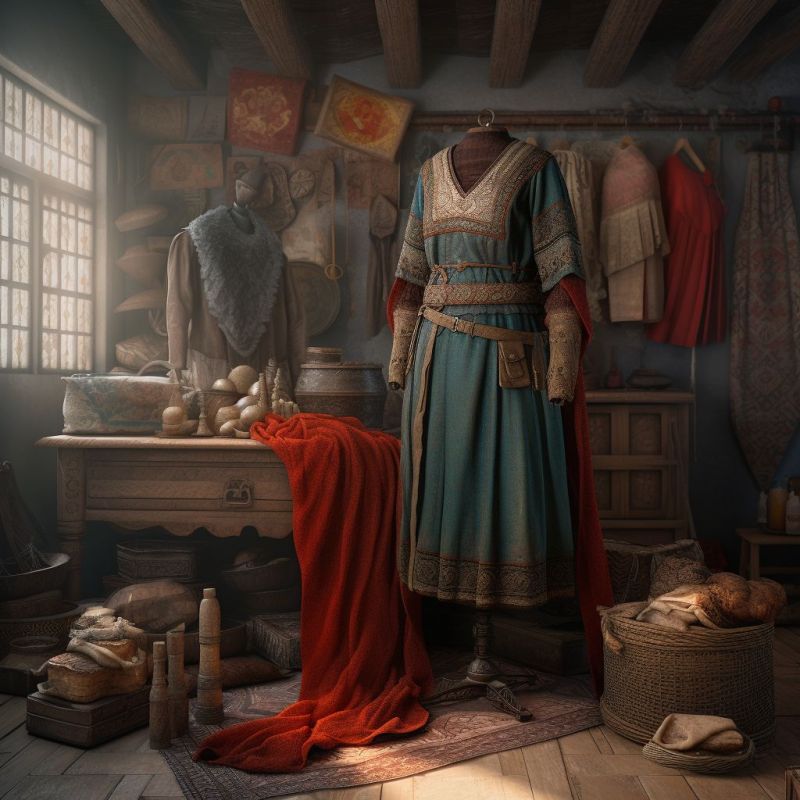 Clothes, Artisan’s1 gp
 -
 Shoes, Leather1 gp
 -
 Pants, Cloth0.8 gp
 -
 Gloves, Cloth5 gp
 Inventory Unequipped:
-
 20 Alchemy Tools15 gp
 -
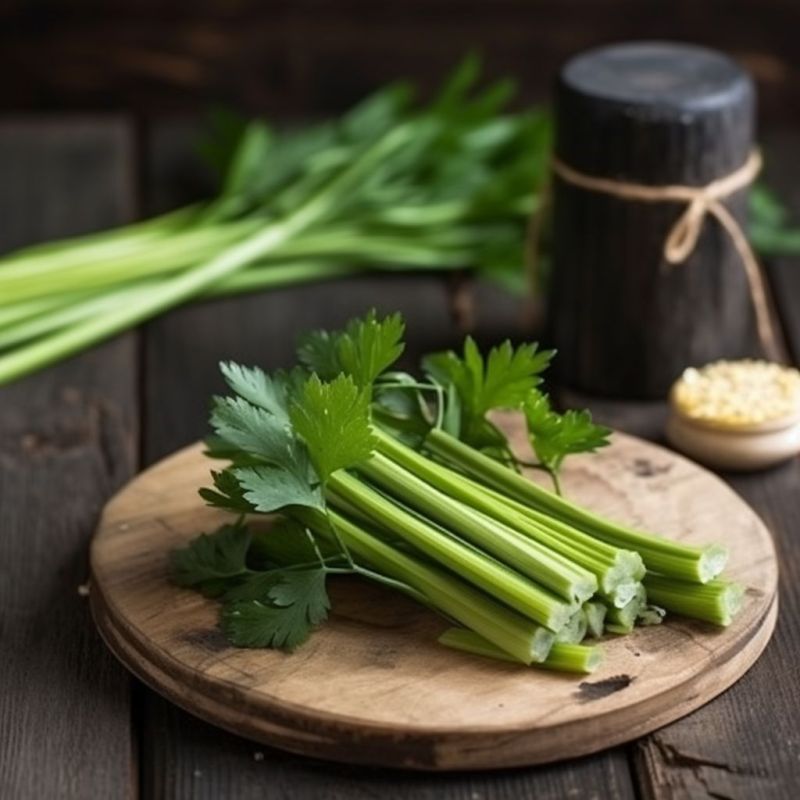 20 Citronella Herb0.1 gp
 -
 20 Drinking Water0.01 gp
 -
 20 Emberstalk Herb5 gp
 -
 20 Flask, Glass0.03 gp
 -
 20 Sunflower Herb5 gp
 -
 20 Alchemist's Fire0.5 13 gp
 -
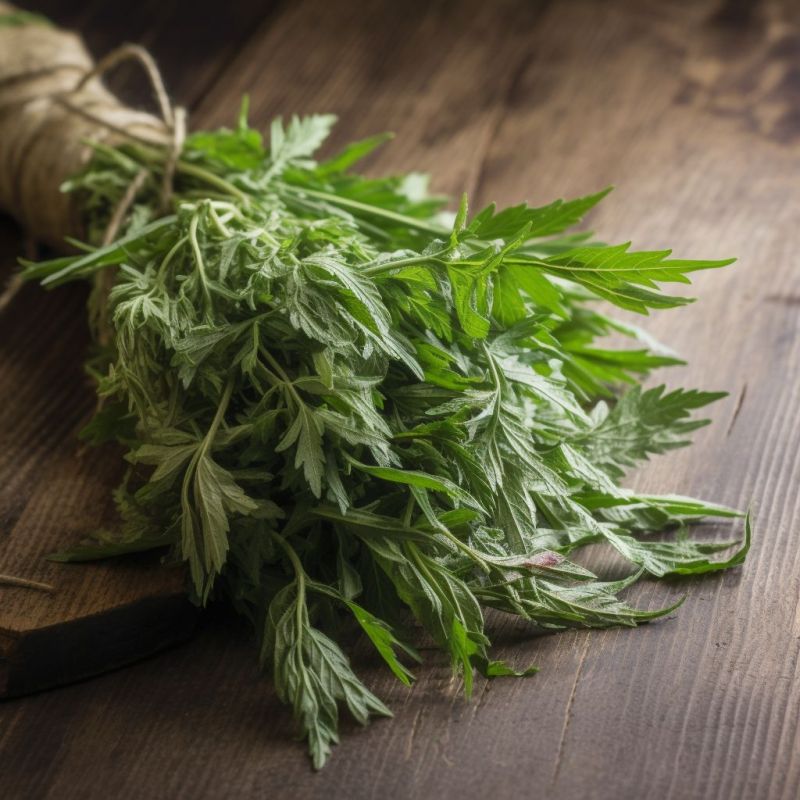 20 Mugwort Herb1 gp
 -
 20 Antidote0.5 8 gp
 -
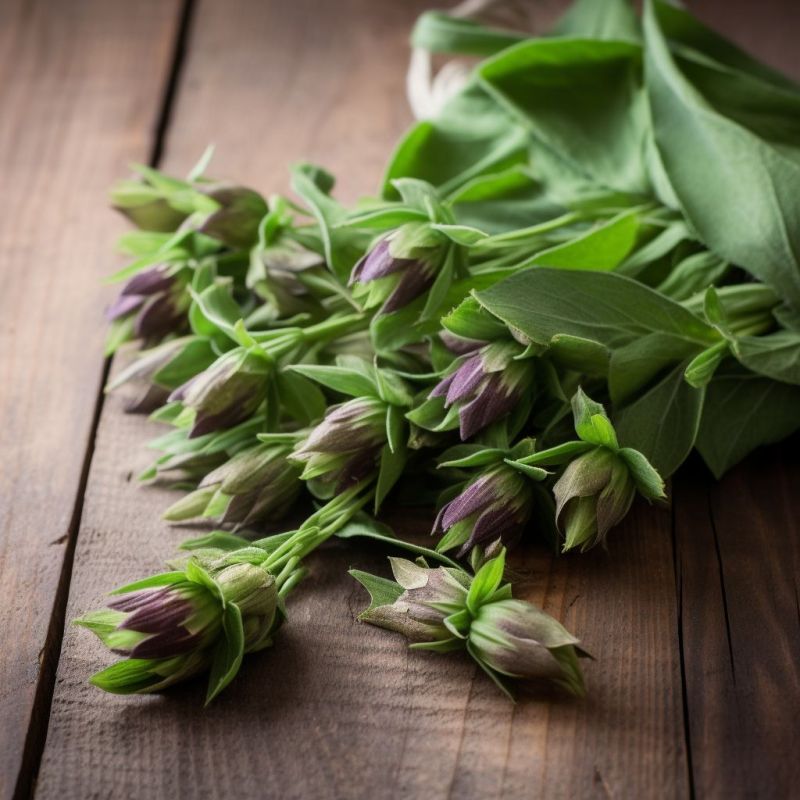 20 Wolfsbane Herb10 gp
 -
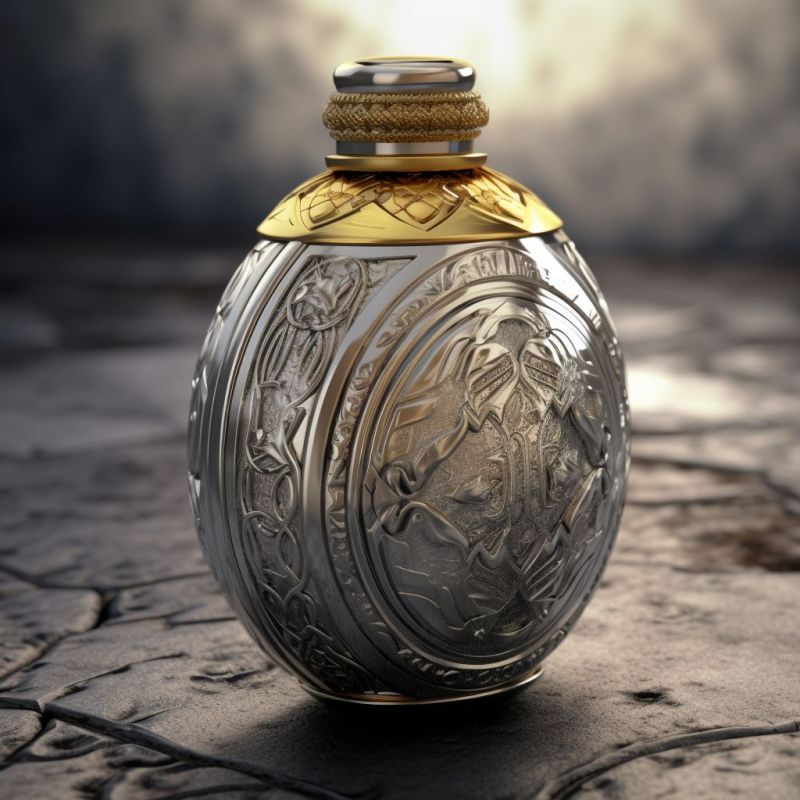 20 Potion of the Basilisk0.5 10 gp
 -
 20 Basilisk's Eye5 gp
 -
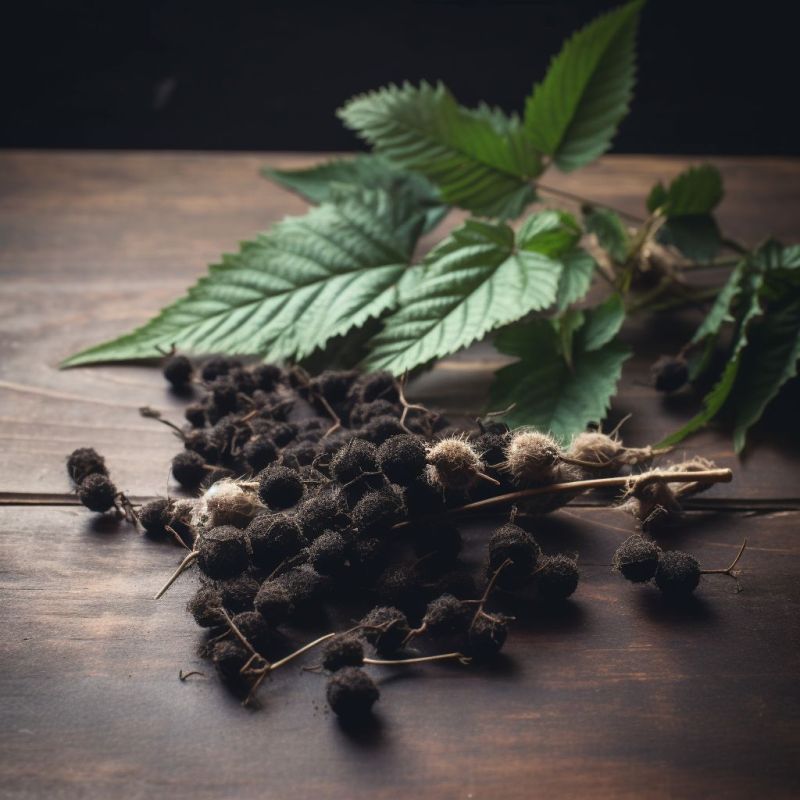 20 Black Cohosh Herb5 gp
 -
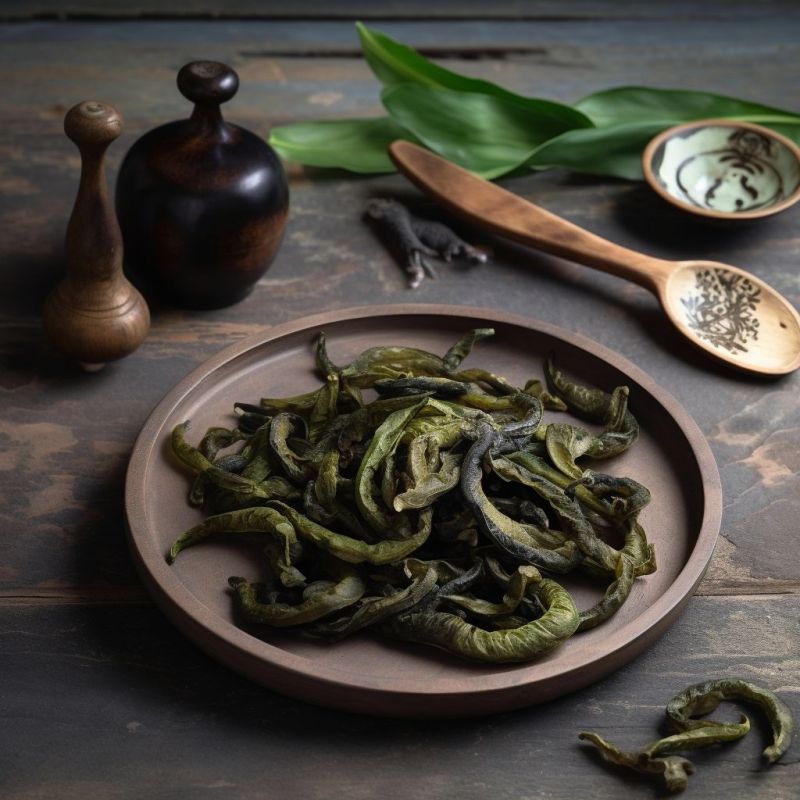 20 Eel Petal Herb5 gp
 -
 20 Verdant Moss5 gp
 -
 20 Potion of Bravery15.49 15 gp
 -
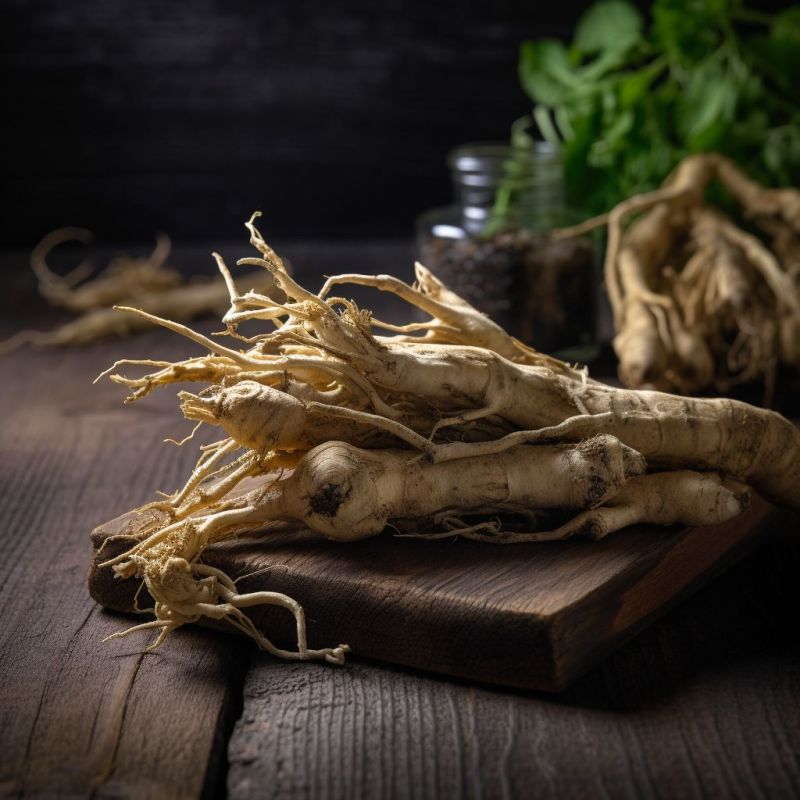 20 Goblin Root Herb10 gp
 -
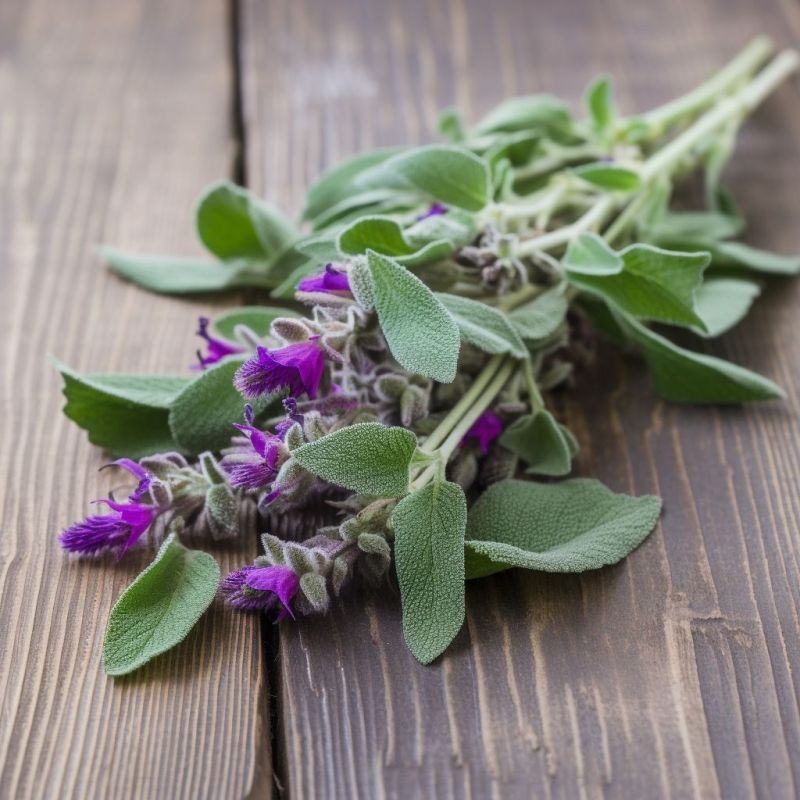 20 Salvia Herb5 gp
 -
 20 Elixir of Acid Resistance0.5 45 gp
 -
 20 Elixir of Animal Speaking0.5 13 gp
 -
 20 Bark, Oak0.05 gp
 -
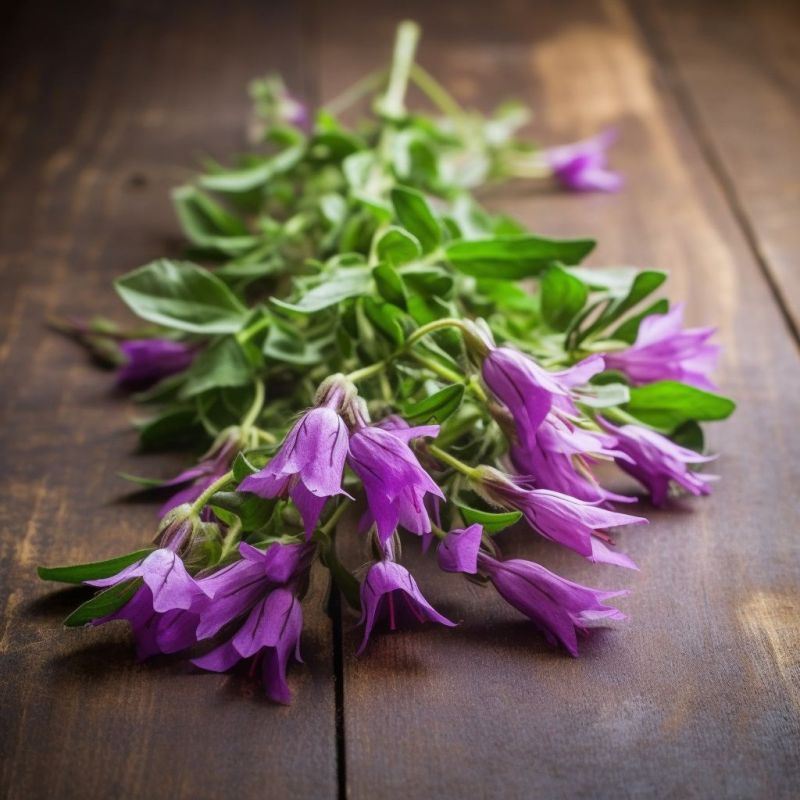 20 Bellflower Herb10 gp
 -
 20 Elixir of Barkskin0.5 30 gp
 -
 20 Kheper Salt2.5 gp
 -
 20 Elixir of Cold Resistance0.5 45 gp
 -
 20 Elixir of Fire Resistance0.5 45 gp
 -
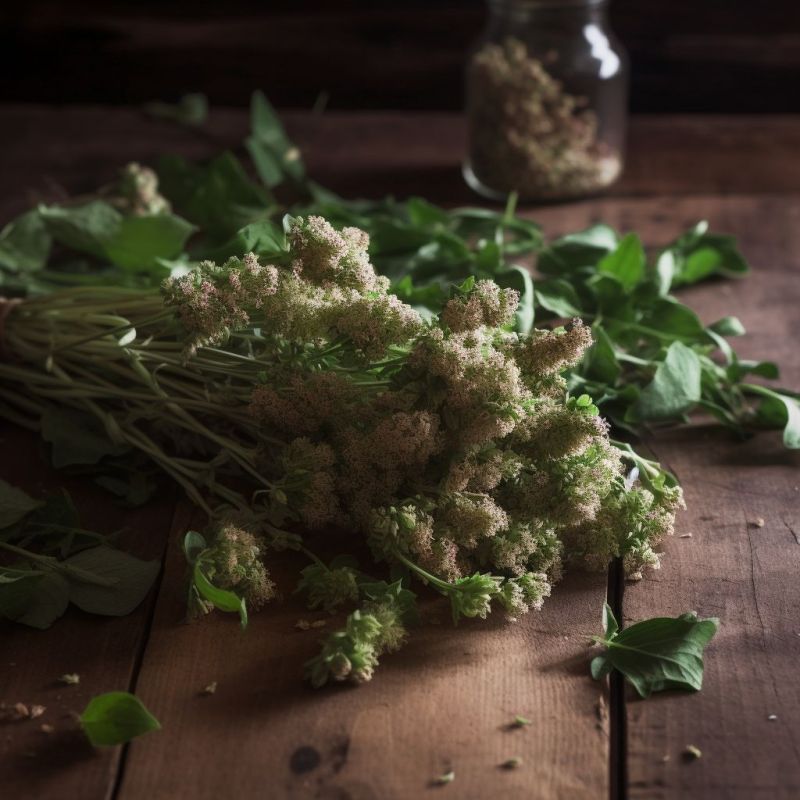 20 Kaeth Herb10 gp
 -
 20 Elixir of Force Resistance0.5 45 gp
 -
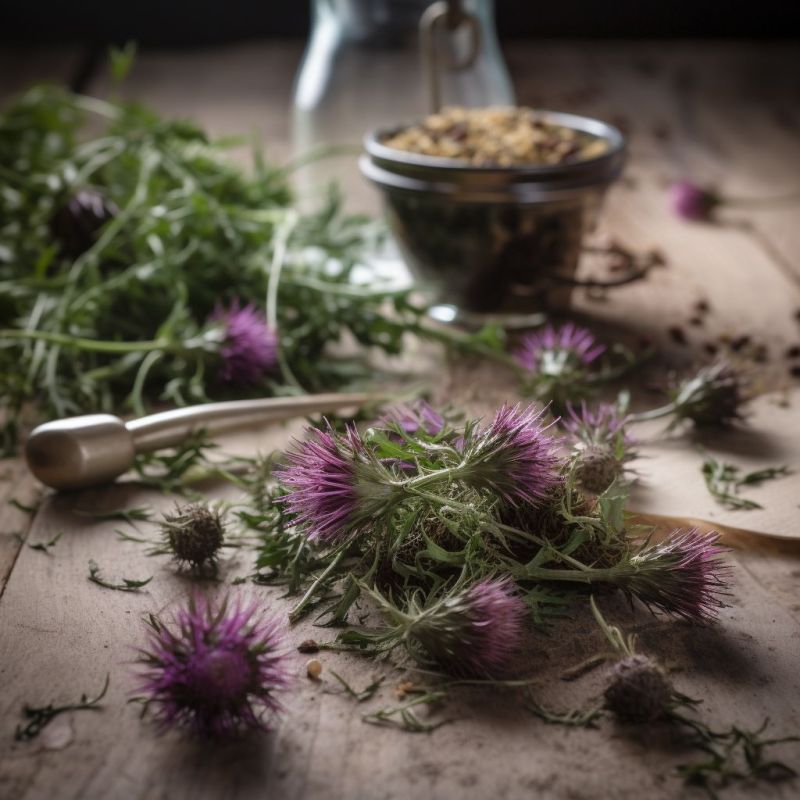 20 Star Thistle Herb5 gp
 -
 20 Ooze Slime5 gp
 -
 20 Elixir of Freedom of Movement0.5 400 gp
 -
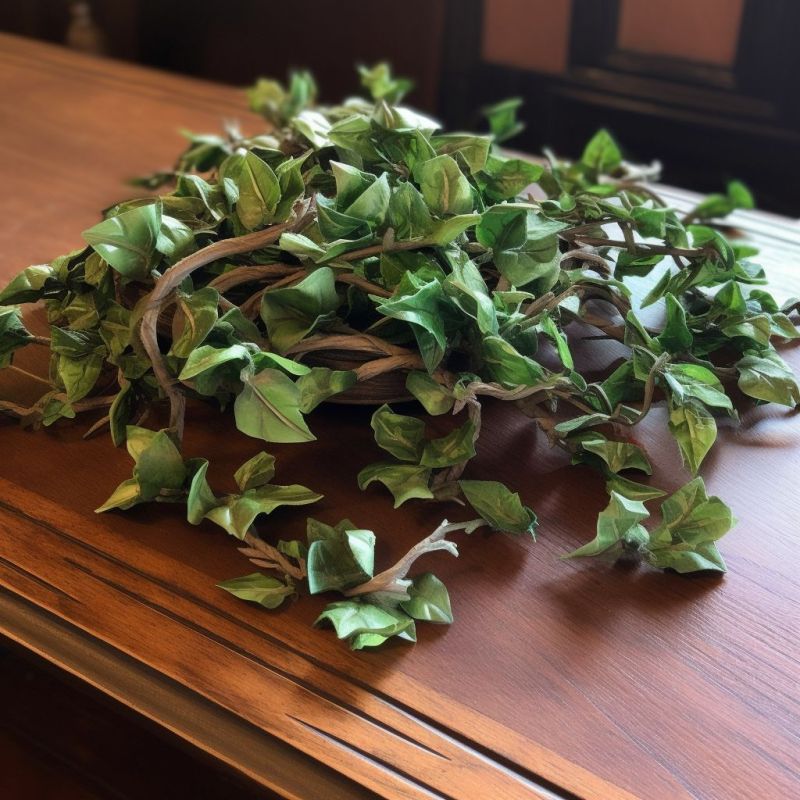 20 Stormvine Herb30 gp
 -
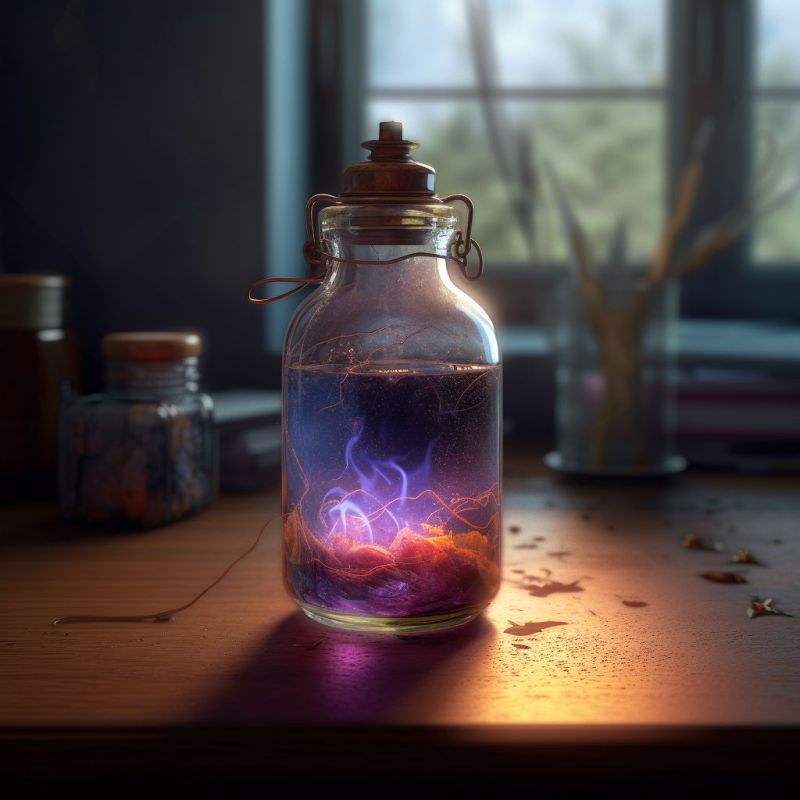 20 Elixir of Lightning Resistance0.5 45 gp
 -
 20 Lunar Root Herb5 gp
 -
 20 Elixir of Necrotic Resistance0.5 45 gp
 -
 20 Snapdragon Herb5 gp
 -
 20 Elixir of Peerless Focus0.5 30 gp
 -
 20 Elixir of Poison Resistance0.5 45 gp
 -
 20 Eyebright Herb5 gp
 -
 20 Nightshade Herb5 gp
 -
 20 Elixir of Psychic Resistance0.5 45 gp
 -
 20 Faerie Blossom Herb15 gp
 -
 20 Elixir of Radiant Resistance0.5 45 gp
 -
 20 Bloodroot Herb30 gp
 -
 20 Elixir of See Invisibility0.5 40 gp
 -
 20 Elixir of Thunder Resistance0.5 45 gp
 -
 20 Blackthorn Herb15 gp
 -
 20 Elixir of Viciousness0.5 50 gp
 -
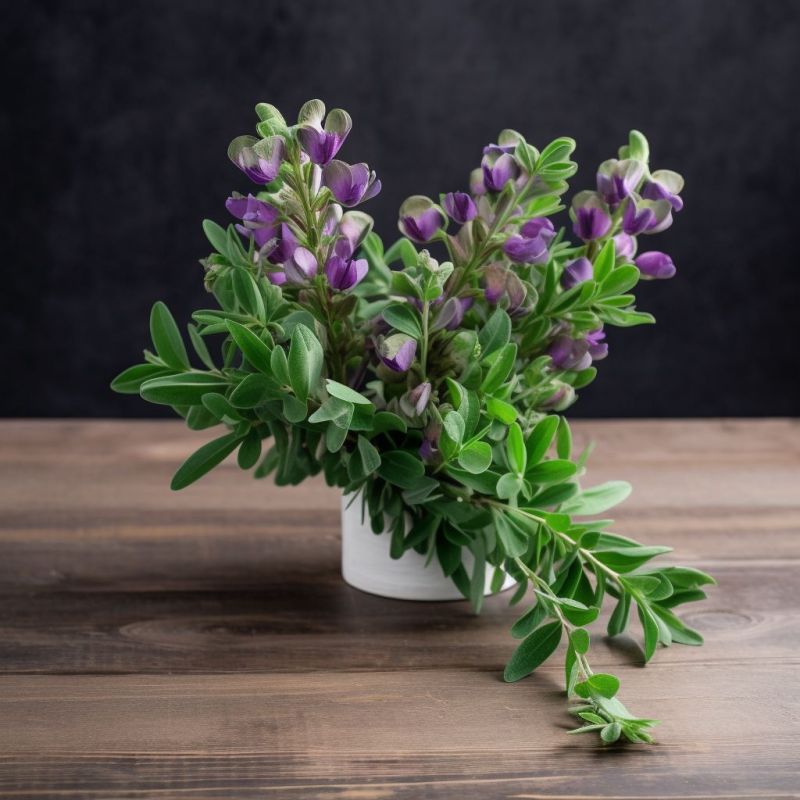 20 Baptisia Herb5 gp
 -
 20 Elixir of Vigilance0.5 25 gp
 -
 20 Elixir of Water Breathing0.5 25 gp
 -
 20 Healing Potion (4d4 + 4)30.48 30 gp
 -
 20 Healing Potion (2d4 + 2)14.34 15 gp
 -
 20 Silver, powdered25 gp
 -
 20 Holy Water, Flask16.49 25 gp
 -
 20 Insect Repellent, Salve30 gp
 -
 20 Oil of Accuracy0.5 30 gp
 -
 20 Oil of Sharpness0.5 50 gp
 -
 20 Animal Fat0.5 gp
 -
 20 Oil of Slipperiness0.5 50 gp
 -
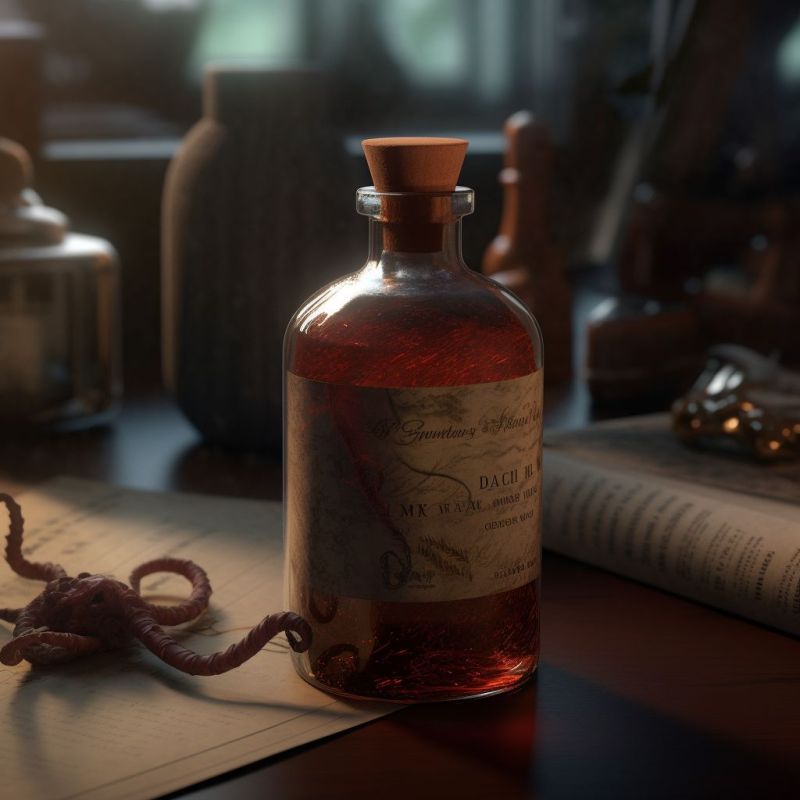 20 Poison (1d4)2.62 10 gp
 -
 20 Potion of Attention0.5 10 gp
 -
 20 Tiger Eye1 gp
 -
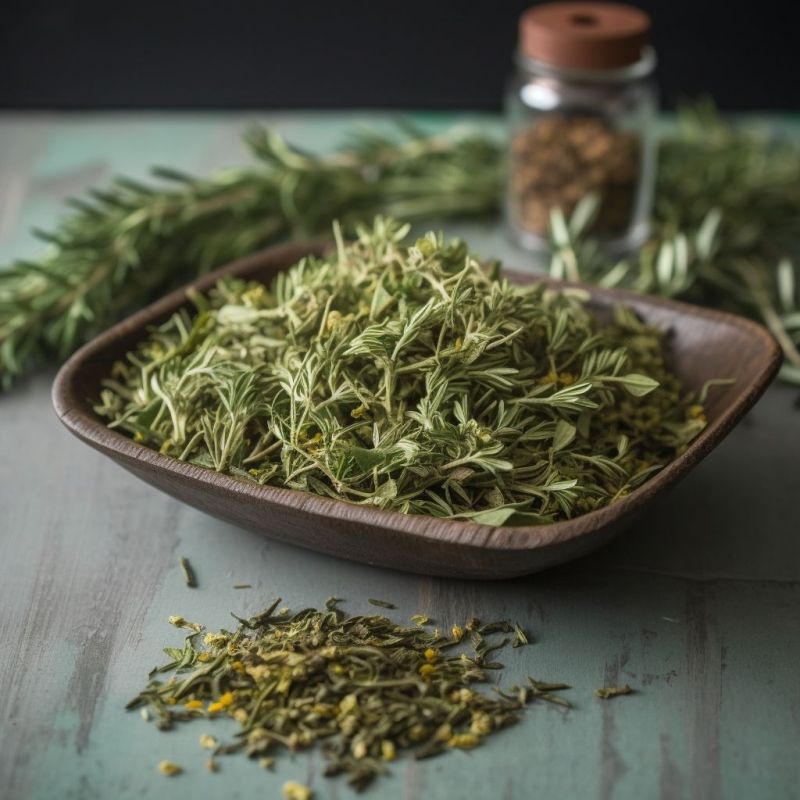 20 Freefire Herb40 gp
 -
 20 Potion of Clairvoyance200 gp
 -
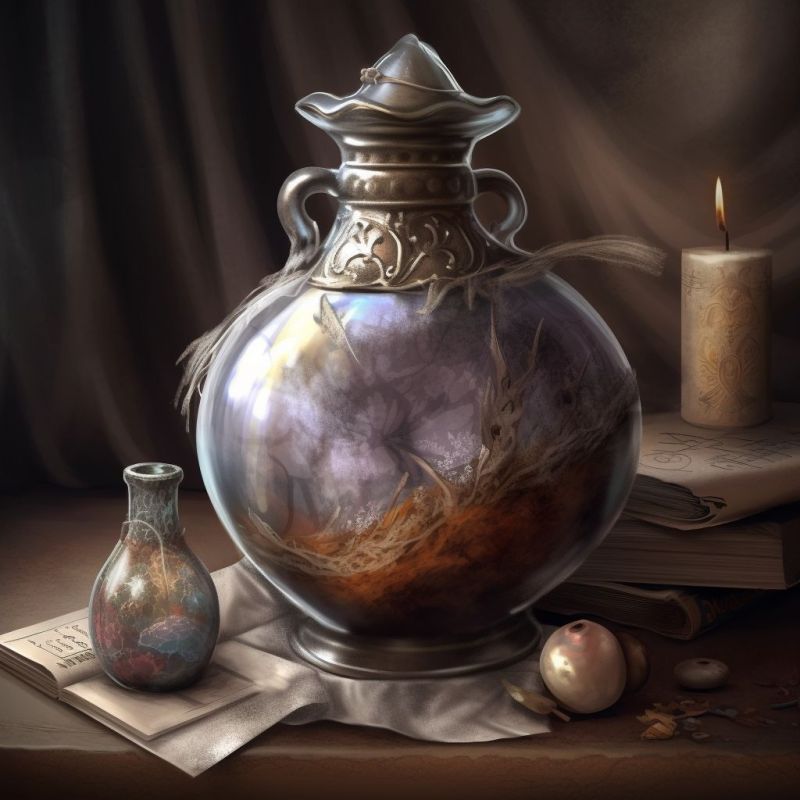 20 Potion of Climbing0.5 20 gp
 -
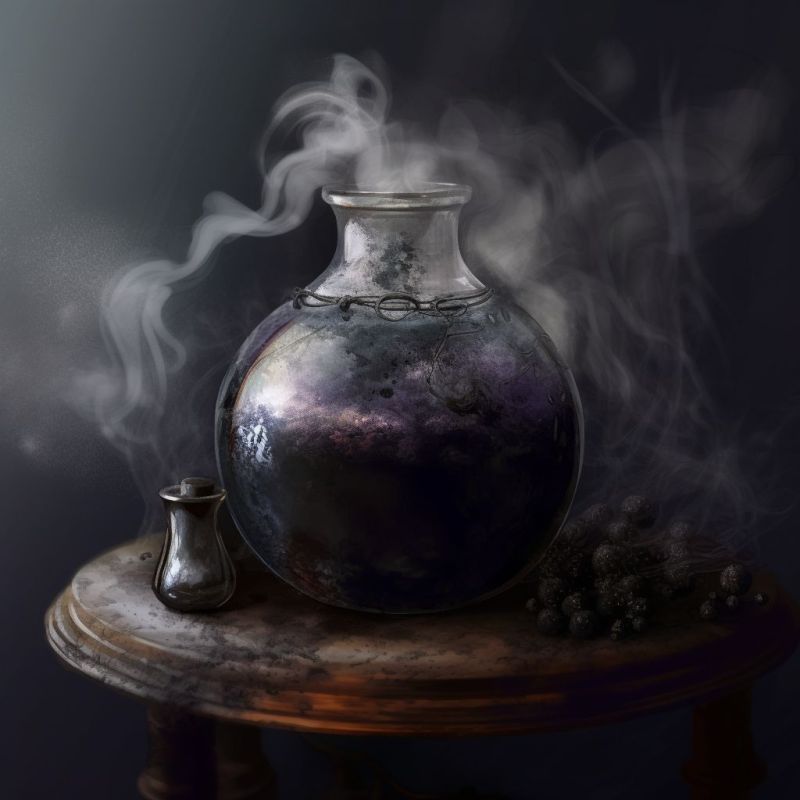 20 Potion of Comprehend Languages0.5 50 gp
 -
 20 Potion of Day Eyes0.5 50 gp
 -
 20 Potion of Feather Fall0.5 20 gp
 -
 20 Edelweiss Herb50 gp
 -
 20 Potion of Flying0.5 50 gp
 -
 20 Potion of Glorious Vaulting0.5 30 gp
 -
 20 Ectoplasm5 gp
 -
 20 Potion of Invisibility0.5 65 gp
 -
 20 Potion of Love0.5 50 gp
 -
 20 Potion of Mind Reading0.5 30 gp
 -
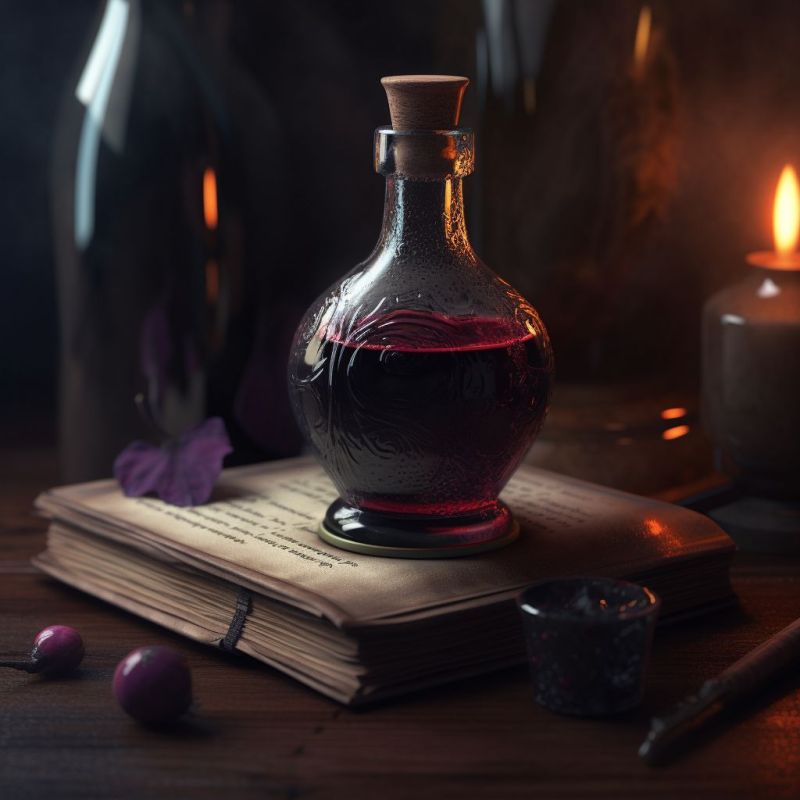 20 Elixir of Moonshield0.5 50 gp
 -
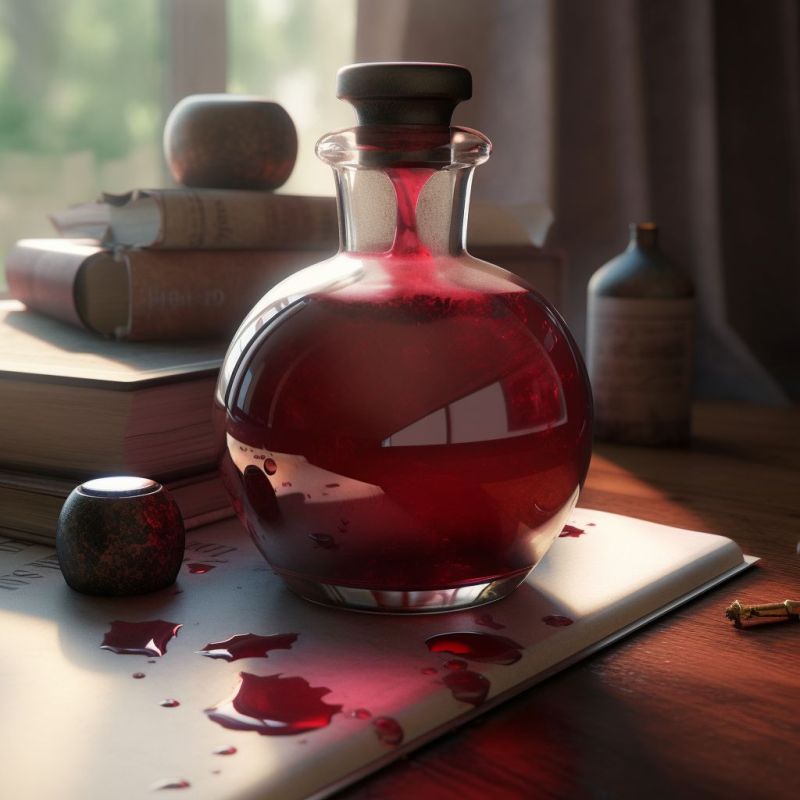 20 Vial of Poison27.41 20 gp
 -
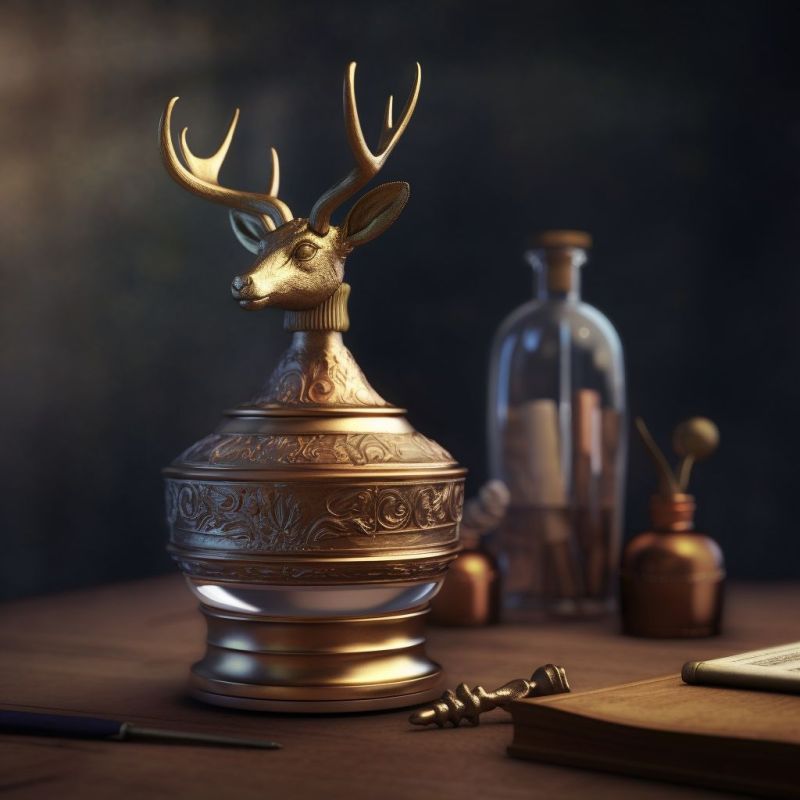 20 Elixir of Speak with Animals0.5 20 gp
 -
 20 Potion of Spirit Safeguard0.5 50 gp
 -
 20 Potion of Vitality0.5 50 gp
 -
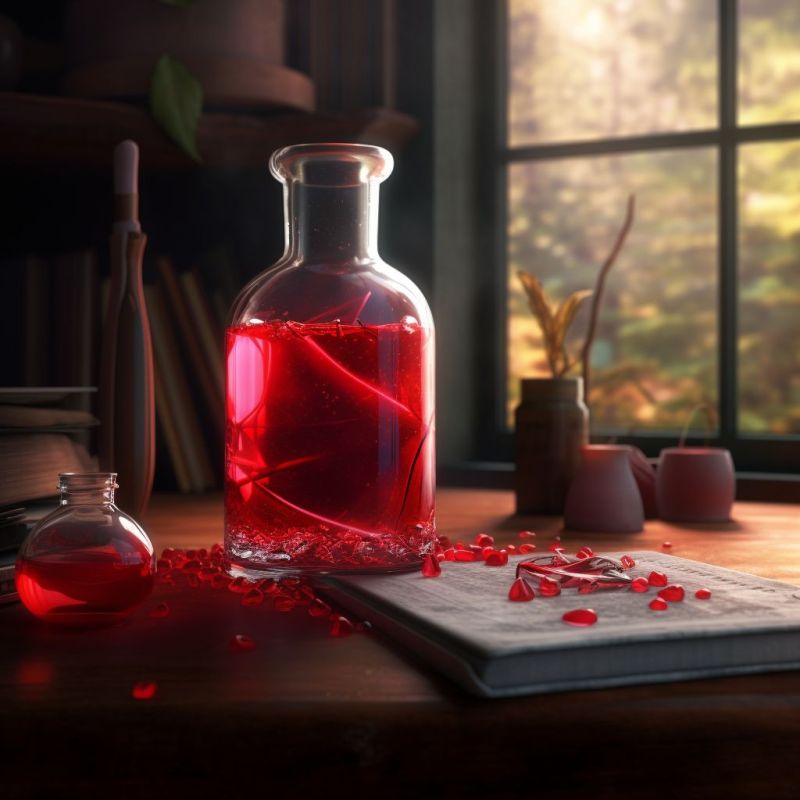 20 Regeneration Potion (+2)0.5 50 gp
 -
 20 Self-Assuring Elixir0.5 50 gp
 -
 20 Smelling Salt0.5 5 gp
 -
 20 Stinging Nettle Syrup5.92 40 gp
 -
 20 Rotten Flesh0.05 gp
 -
 20 Warp Potion0.5 30 gp
 -
 20 Acid, Vial5.99 16 gp
 -
 20 Antitoxin, Vial0.5 16 gp
 -
 20 Bone, dust0.05 gp
 -
 20 Glue1 gp
 -
 20 Vial, Glass0.03 gp
 -
 20 Ink, 1-ounce bottle10 gp
 -
 20 Insect Repellent, Block10 gp
 -
 20 Tallow0.55 gp
 -
 20 Lamp Oil0.1 gp
 -
 20 Timber0.08 gp
 -
 20 Lye0.1 gp
 -
 20 Perfume, Vial5 gp
 -
 20 Sap, Tree1 gp
 -
 20 Sealing Wax0.5 gp
 -
 20 Soap0.02 gp
 -
 10 Gold Coin1 gp
 -
 4000 Copper Coin0.01 gp
 -
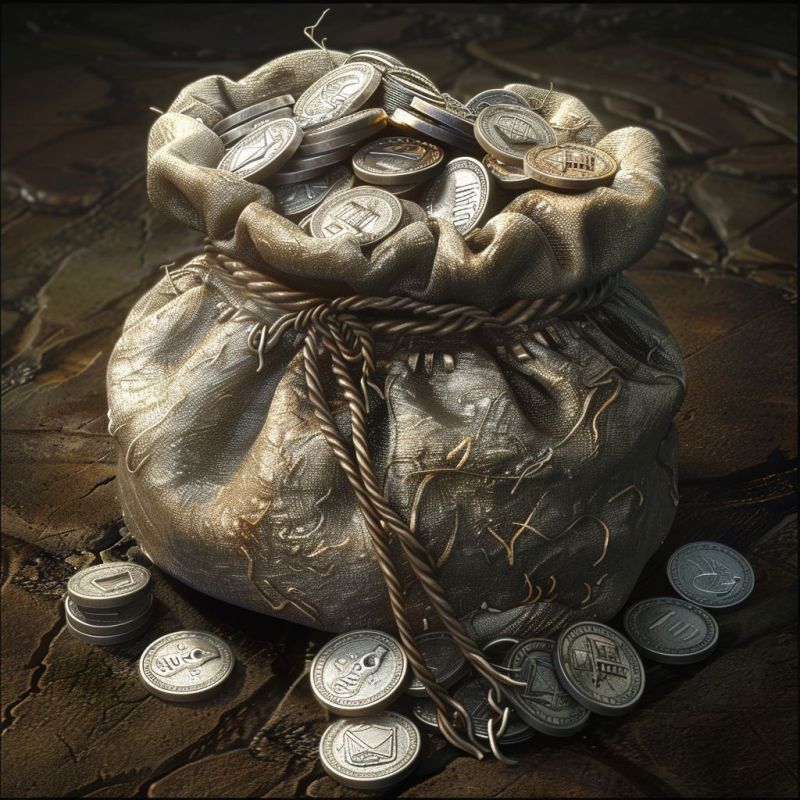 450 Silver Coin0.1 gp
- Quick Abilities:
-
Nimble Hide
 Monster Bits:
-
34 Humanoid Blood0.15 gp
-
86 Animal Bone0.03 gp
-
59 Animal Fat0.5 gp
-
204 Animal Meat0.05 gp
-
27 Soft Skin0.05 gp
Your fingers brush the greasy label on Snix Ragprofit's vial, the cork stopper stained with dubious residue that clings like old sweat. The liquid inside swirls a murky crimson, flecked with gritty specks that might be crushed herbs—or just market dust. It promises vigor, but the faint acrid tang rising from the neck hints at the crash waiting in its depths.
Born to Cheat, Not Craft
Snix wasn’t raised among scholars or true alchemists. He grew up in the scrap-markets of goblin warrens, where “craftsmanship” meant making something look valuable long enough to sell it. He watched older goblins stretch a single vial of healing tonic into five, swap rare herbs for common weeds, and forge labels better than the real thing.
But Snix had a gift.
Not for alchemy.
For deception.
Where others made sloppy fakes, Snix made convincing lies.
The Illusion of Quality
Snix’s potions almost work—which is exactly how he stays in business.
- Healing potions? They close wounds… slowly… and sometimes leave a rash.
- Stamina elixirs? They boost energy… followed by a crash twice as hard.
- Rare ingredients? Substituted just enough to pass inspection—until it’s too late.
He studies real formulas just enough to mimic them, then cuts corners where it won’t be noticed immediately.
Because if the customer realizes the problem after they’ve left?
That’s a successful sale.
The Vanishing Act
Snix never stays in one place long enough for trouble to catch him.
He operates under shifting fronts:
- Different stall names
- Forged permits
- Rotating aliases
- Burnable ledgers written in coded goblin shorthand
When complaints start stacking, Snix is already gone—leaving behind nothing but an empty stall and a few confused guards.
And if the law gets too close?
Evidence has a way of… disappearing.
Sometimes in fire.
Sometimes in acid.
Sometimes in the stomach of something unpleasant.
Insurance Policy: Orc Muscle
Snix understands one thing very clearly:
“Bad product makes angry customers.”
So he travels with Orc bodyguards—hulking, humorless enforcers paid in heavy coin and heavier drink. They don’t care what Snix sells. They care that no one lays a hand on him.
When a deal turns sour:
- The customer argues
- Snix denies everything
- The orcs step forward
Most disputes end there.
The ones that don’t… tend not to be reported.
A Reputation That Won’t Die
Despite everything, Snix continues to thrive in the shadows between markets.
Why?
Because he’s:
- Cheap enough for the desperate
- Available enough when real merchants aren’t
- Smart enough to avoid crossing the truly powerful
Even those who know he’s crooked sometimes buy from him.
Because sometimes, a flawed potion is better than no potion at all.
A Meeting of Minds
Snix Ragprofit and Petunia Quickburrow have crossed paths more than once.
Neither trusts the other.
Both respect the hustle.
Where Petunia sees profit in price, Snix sees profit in product manipulation. Together, they are either:
- A dangerously effective partnership
- Or a disaster waiting to happen
Depending on who cheats first.
Snix’s Motto
“If it works once, it’s good enough.
If it fails later, I’m already gone.”
Goblinoid

🦹♂️😈 Goblinoids: Mischief-Makers of Mayhem
Goblinoids, with goblins at their chaotic core, are Zin’s pint-sized purveyors of malevolence, their small frames brimming with cunning and cruelty. 🐀 Despite their diminutive stature, these mischievous fiends wield a knack for trickery and torment, turning forests, caves, and ruins into playgrounds of pandemonium. From gleeful ambushes to sadistic pranks, goblinoids embody chaotic malice, their laughter a harbinger of trouble for any who cross their path.
🎭 Goblin Shenanigans: Revels in Ruin
Goblins live for the thrill of outsmarting foes, erupting into wild celebrations when victory is theirs. 🥳 Their lairs echo with frenzied dances, cackling laughter, and the clatter of pilfered loot, a riotous display of goblin glee. Their love for wickedness shines in elaborate traps and infuriating pranks, from pitfall snares to rigged buckets of filth. GMs can bring this chaos to life, staging goblin revels as a backdrop to tense encounters or as a lure to draw players into a trap-laden lair.
👑 Leadership Hierarchy: Rule of the Cunning
Goblin society bows to strength or smarts, though loyalty is as fleeting as their attention spans. 🗡️ A goblin boss commands a single lair, surrounded by scheming underlings ready to betray at the first sign of weakness. Greater still, a goblin king or queen reigns over sprawling tribes across multiple dens, their rule a precarious balance of fear and cunning. Often, hobgoblin warlords or bugbear chiefs seize control, imposing order on the chaos. GMs can use this volatile hierarchy to spark intrigue, with players exploiting rivalries or facing a usurper’s wrath.
🕸️ Tricky Lairs: Mazes of Menace
Goblin lairs are deathtraps for the unwary, festooned with alarms—bells, tripwires, or chattering bones—that scream of intruders. 🏰 Narrow tunnels and bolt-holes, sized for goblin agility, thwart larger foes, letting goblins slip away or flank with ease. These subterranean mazes are rigged with cruel traps—spiked pits, collapsing ceilings, or swarms of stinging insects. GMs can design lairs as labyrinthine gauntlets, challenging players to navigate tight passages while dodging ambushes and snares.
🐺 Rat Keepers and Wolf Riders: Beasts of the Night
Goblins share a bond with creatures of shadow, raising rats as pets and sentinels, their squeaks sounding the alarm. 🐀 Wolves, tamed as mounts, transform goblins into daring raiders, their hit-and-run tactics sowing terror. Riding in packs, wolf-mounted goblins strike from darkness, their howls blending with lupine snarls. GMs can stage thrilling chases or battles, with goblin riders darting through forests or retreating to their trap-filled lairs.
⚔️ Combat Tactics: Cunning Over Strength
In battle, goblinoids rely on guile, striking from shadows with slings, shortbows, or jagged blades. 🏹 They use terrain—trees, cliffs, or tunnels—to outmaneuver foes, setting traps to cripple or confuse. Leaders rally their kin with shrill commands, boosting their chaotic ferocity. GMs can craft encounters as frenetic ambushes, with goblins vanishing into bolt-holes or unleashing swarms of rats to overwhelm intruders.
🧠 Motivations: Malice and Survival
Goblins revel in chaos, their pranks and raids driven by sadistic joy or a desperate need to survive. 😈 Some seek loot to appease their bosses, while others torment for the sheer thrill. A few dream of rising to kingly status, their ambition sparking reckless schemes. GMs can add depth by giving goblins personal stakes—a grudge against a local lord or a quest for a fabled treasure—making them more than mere nuisances.
🏞️ The Goblinoid Lair: Den of Deceptions
A goblinoid lair is a warren of filth and cunning, buried in caves, ruins, or tangled thickets. 🕳️ Stinking of refuse and littered with stolen goods, it buzzes with the chatter of rats and the clank of crude forges. Traps and hidden exits make it a nightmare to assault, while goblin sentries keep watch from precarious perches. GMs can craft lairs as chaotic puzzles, with players navigating a gauntlet of tricks to reach the heart of the goblin horde.
🗝️ Confronting Goblinoids: Outwitting the Wicked
Facing goblinoids demands vigilance and strategy, as their traps and ambushes punish the careless. ⚡ Heroes must counter their mobility with area attacks or bait their traps to exhaust their tricks. Diplomacy is risky—goblins may feign surrender only to strike from behind. GMs can create dynamic encounters, blending combat with chases through twisting tunnels or negotiations with a cunning boss.
🌌 Apex of Chaotic Malevolence
Goblinoids are Zin’s gleeful terrors, their small size belying a heart of relentless malice. 🦹♂️ From trap-laden lairs to wolf-back raids, they weave chaos into every corner they infest. Their laughter haunts the wilds, a challenge to heroes brave enough to face their cunning. Only the sharpest and most resilient can outsmart these mischief-makers, turning their wicked games into tales of triumph. 💚
Goblins

🏹😈 Goblins: Scuttling Shadows of Chaos
Goblins are Zin’s twisted gremlins, diminutive demons forged from mud, murder, and malice by The Darkness itself. 🦝 A grotesque parody of dwarven grit and elven grace, they swarm with cunning depravity, their hordes a plague born not of bloodlines but hatred’s alchemy. Resourceful scavengers and sly saboteurs, goblins thrive in the cracks of civilization, their laughter a harbinger of ruin. Underestimated at peril, these pint-sized horrors can topple empires with traps, tricks, and sheer spiteful ingenuity.
🌑 Forged in Filth: Origins and Dark Birth
Goblins spawn from profane rites, where The Darkness blends alchemical sludge with slain innocents’ blood to birth armies overnight. 🧪 No womb cradles them; they erupt from earthen pits, twisted fusions of dwarf endurance and elf agility, stripped of virtue and swollen with flaws—greed, madness, and cruelty. This unnatural genesis lets dark lords summon swarms for conquest, their existence a weapon against the light. GMs can tie their origins to a campaign’s villains, perhaps as minions of a shadowy alchemist or echoes of a primordial curse.
🐀 Wiry Wretches: Physical Characteristics
Goblins skulk at 3 to 4 feet, their lean frames coiled like springs, skin mottled in sickly greens, grays, or earthen tans. 👂 Pointed ears pierced with scavenged junk twitch at whispers, while oversized eyes gleam with nocturnal sharpness, piercing the dark. Nimble claws and fangs make them scrappy fighters, their agility a blur in tight spaces. GMs can emphasize their grotesque charm—filthy rags adorned with stolen baubles, or a goblin’s toothy grin promising mischief.
🛠️ Scavenger Savvy: Resourcefulness and Adaptability
Goblins excel at jury-rigging junk into deadly gadgets—traps that snap like bear jaws or contraptions that spew fire from scrap. 🔧 Their adaptability lets them infest any niche: dank caves, tangled woods, or urban sewers, turning adversity into ambush. Quick thinkers, they pivot from defeat to devious revenge, their survival a testament to spiteful wit. GMs can showcase this in encounters, with goblins repurposing battlefield debris into improvised weapons or escaping through clever ruses.
👥 Tribal Turmoil: Community Bonds and Hierarchy
Goblins cluster in fractious tribes, loyalty a knife-edge balance of fear and greed within clans. 🏰 They defend their kin with feral ferocity, but betrayal brews like rot—ambitious underlings plotting against chieftains in a cycle of backstabs. Larger hordes swell under goblin kings or external tyrants like hobgoblins, their numbers a chaotic tide. GMs can add depth with tribal dynamics, perhaps players exploiting goblin infighting or allying with a deposed chief.
🎭 Pranksters of Pain: Mischief, Trickery, and Shamanism
Goblins delight in sadistic fun, their pranks escalating from harmless japes to lethal traps—buckets of acid or spiked pitfalls. 🃏 Shamanistic tribes invoke nature spirits or dark fey, weaving bark masks for rituals that summon thorny vines or illusory horrors. Their mischief masks a deeper cunning, turning games into guerrilla warfare. GMs can infuse encounters with whimsy and dread, like goblins rigging a forest with explosive fungi or a shaman cursing foes with wilting blight.
🏞️ Den of Deceit: Goblin Lairs and Havens
Goblin lairs are ramshackle fortresses—twisted warrens in hollow trees, burrow-riddled hills, or overgrown ruins—booby-trapped with pitfalls and snares. 🕳️ Filthy with pilfered loot, they buzz with the clamor of forges hammering crude blades or shamans chanting over bubbling cauldrons. Hidden bolt-holes and secret paths let goblins strike and vanish. GMs can design lairs as chaotic mazes, filled with goblin ambushes, rickety contraptions, or spirit-haunted groves.
⚔️ Clash with the Horde: Confronting Goblins
Battling goblins is a frenzy of traps and swarms, their agility dodging blows while numbers overwhelm. 🗡️ Fire scatters them, but their tricks—hidden pits or flung alchemical bombs—turn tides. Outsmarting their shamans or exploiting tribal rifts offers victory. GMs can create dynamic skirmishes, with goblins using terrain for hit-and-run tactics or shamanic illusions to confuse foes.
🌌 Vortex of Verdant Vice
Goblins are Zin’s chaotic blight, their twisted birth a storm of malice that devours order. 🦝 From shadowy lairs to frenzied raids, they embody spiteful ingenuity, challenging heroes to match their cunning. Whether scavenging ruins or serving darker masters, goblins weave pandemonium into every shadow. Only the vigilant and clever can uproot these vermin, silencing their cackles and restoring peace to a world plagued by their petty horrors. 💚
 Speed:
- Walking Speed: +35
 Special Senses:
- Nightsight: +60
- Quick Abilities:
-
Nimble Hide
- Skill Tier 1:
-
 Grel Language Skill
- Skill Tier 3:
-
 Sneak
Sneak
 Random Name Table Male
-
Names - Goblin - Male - First Name
 Random Name Table Female
-
Names - Goblin - Female - First Name
 Random Name Table Last Name
-
Names - Goblin - Last
Merchants
💰🛍️ Merchants: Bargainers of Coin and Contract
Merchants are the indispensable heartbeat of every realm, shrewd masters of the marketplace who turn peril into profit without ever drawing a blade. 🪙 Whether operating from bustling city shops or rumbling caravans, these opportunistic traders seek out adventurers at every turn — buying the riches yanked from lost dungeons and forgotten treasures, then selling back the very tools of greater glory. Part of tight-knit guilds that shield their own, they peddle powerful magical items coveted by heroes and kings alike. Driven purely by profit, they risk fortunes rather than flesh, thriving on financial gambles while their networks ensure no slight goes unanswered.
🌍 Origins: Forged in Guild and Gold
Merchants rise from every walk of life — fallen nobles, ambitious guild apprentices, or street-smart orphans who earned their first scale through sheer wit. 📜 Many inherit family shops blessed by trade deities; others claw their way into powerful merchant guilds that bind members in ironclad oaths of mutual protection. These guilds trace back to ancient pacts sealed with enchanted ledgers, granting members safety across cities and roads alike. Whatever their beginning, every merchant carries the unquenchable thirst for the next deal and the quiet power of collective wealth.
🏪 City Shopkeeps & Roadside Traders: Everywhere Opportunity Awaits
Merchants appear precisely when heroes need them most — behind polished counters in crowded city bazaars or pulling wagons into remote camps and strongholds. 🏪 Urban shopkeeps maintain lavish storefronts stocked with wonders, while wandering traders follow the scent of fresh plunder. Both types track adventurers through rumor and raven, ready to appraise dungeon loot on the spot and offer immediate coin. Their doors (and wagon flaps) are always open to those bearing relics, ensuring every victory converts swiftly into wealth.
📦 Wares of Power: Treasures and Magical Might
A merchant’s inventory is legend made tangible. 🧪 Beyond everyday supplies, they deal in exotic crafting materials — dragon scales, star-forged ore, moonlight essence, and ancient essences — plus the truly dangerous prizes: enchanted weapons, forbidden tomes, and artifacts that grant godlike power. Adventurers and power-hungry nobles flock to them, trading hard-won treasures for items that tip the scales of fate. The best merchants always seem to have exactly what a party needs… for the right price.
🕸️ The Guild Web: Safety Through Connection
No merchant stands isolated. Vast guilds weave a protective web across kingdoms, with members sworn to safeguard one another through shared ledgers and binding contracts. 🧠 Harm one and the entire network responds — bounties issued, assassins quietly hired, reputations destroyed, and trade routes closed to the offender. This unbreakable solidarity grants unparalleled safety: even the boldest warlord thinks twice before crossing a guild merchant. The system turns every shopkeep and caravan driver into part of something far larger and far deadlier than any lone blade.
🪄 Trader’s Gifts: The Art of the Deal
Merchants wield subtle but formidable talents honed by decades of negotiation. Many possess an almost magical ability to appraise any item instantly, detect lies with a glance, or haggle prices that bend reality itself. 🦋 Enchanted scales never err, shop safes hold extradimensional space, and guild rings allow silent communication across continents. The craftiest keep hidden vaults of truly legendary items or maintain quiet alliances with enchanters and information brokers. They never fight — they simply ensure the fight never reaches them.
⚠️ Hazards of Profit: Financial Gambles Over Flesh
Merchants scorn physical danger, preferring the thrill of high-stakes wagers. Their greatest risk is financial ruin — a bad investment, a counterfeit relic, or a guild rival undercutting their prices. ⚠️ Greed can blind them to larger threats, and a merchant who cheats the wrong adventurer may face sudden boycotts or guild-sanctioned ruin. Yet their contracts and connections usually keep blades at bay, letting them play the long game of wealth while heroes bleed for glory.
🗺️ Deals and Quests: Profit That Sparks Legend
Trade with a merchant rarely ends at simple barter. They routinely commission escorts for priceless shipments, recovery of stolen cargo, or hunts for ultra-rare components. These offers blossom into grand quests laced with gold and danger, benefiting both sides — or igniting fierce rivalries when contracts are broken. A single well-placed deal can launch an entire campaign of intrigue and adventure.
🌌 The Lifeblood of Every Realm
Merchants are the unseen architects of power and progress, turning the blood and sweat of heroes into empires of coin. 💰 Whether behind a city counter surrounded by glowing artifacts or camped beside a dungeon entrance with scales in hand, they represent pure opportunity wrapped in calculation. In any campaign they provide economic breathing room, rare magical wonders, and the spark for countless stories. Wise adventurers treat every merchant with respect — for today’s fair trader holds tomorrow’s fortune… and the contracts that can make or break legends. 🪙
- Merchant
-
This merchant's wares are tagged with teleportation magic as a contingency. Should the merchant fall in battle, most of their inventory will shimmer and vanish—teleported to a secure location. Only coins and a handful of items that slip through the contingency remain behind.


Alchemist - Tier 1
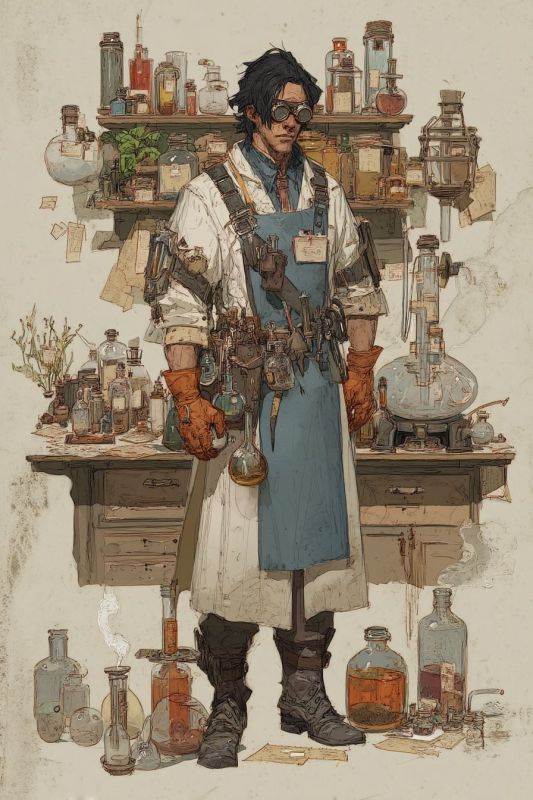
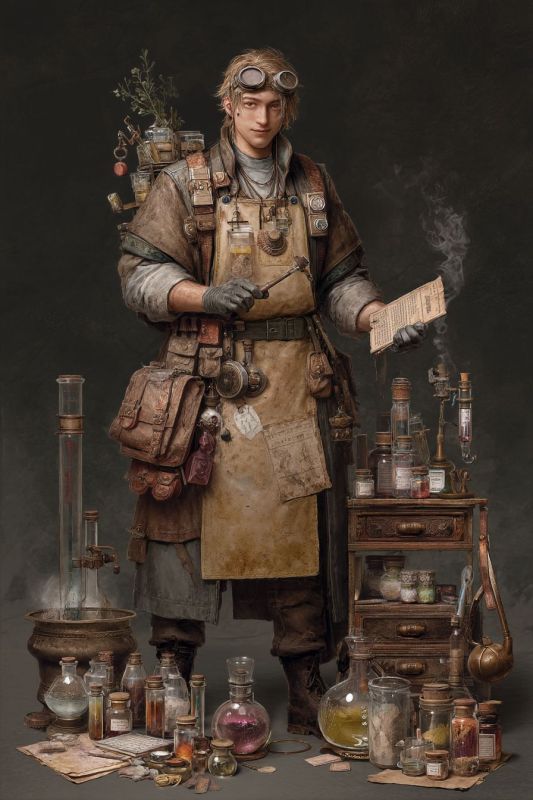
⚗️🧪 Alchemist: Tier 1 Compounder
A Tier 1 Alchemist is a trained maker of chemical, medicinal, and experimental substances defined by practical knowledge, careful preparation, and a working belief that materials can be refined into something greater. In a flintlock fantasy setting, they are part apothecary, part proto-scientist, and part occult craftsman, operating where medicine, chemistry, and speculative transformation overlap.
📚🔥 Training and Foundation
Tier 1 Alchemists are shaped by apprenticeships, university study, guild training, temple laboratories, battlefield medicine, or years of trial-and-error in small workshops. They understand heat control, distillation, measurement, preservation, mineral processing, herbal extraction, and the safe handling of unstable compounds. This is not a hedge herbalist with a few bottles. It is a disciplined practitioner with repeatable methods and a structured workspace.
🧥🫙 Appearance and Bearing
These creatures usually appear in practical coats, aprons, gloves, satchels, and belts fitted with small tools, wrapped vials, and storage cases. Their clothing often shows stains from powders, oils, smoke, acids, or plant extracts. Burn marks, inked notes, cracked goggles, and careful labeling are common. Their bearing tends to be precise, distracted, and work-focused, with more attention given to process than presentation.
🧪📦 Typical Inventory
A Tier 1 Alchemist commonly stocks tinctures, poultices, antiseptic washes, mineral salts, acids, lamp oil compounds, smoke pellets, preserving agents, reagents, basic tonics, sealed herbs, powders for testing metals, glass vials, ceramic jars, mortar-and-pestle kits, measuring spoons, filters, charcoal tablets, and unfinished experimental mixtures. Some also keep small stocks of stimulants, sleeping draughts, burn salves, or low-grade blasting compounds depending on local law and demand.
🧠⚖️ Working Style
Their working style is methodical, cautious, and batch-oriented. A Tier 1 Alchemist follows procedure, records outcomes, and works toward consistency rather than brilliance. They may speculate about transmutation, universal medicine, or bodily perfection, but their day-to-day trade usually centers on useful compounds people will actually buy: medicine, solvents, preservatives, cleaners, reagents, and controlled combustibles.
💰🜂 Trade and Practical Role
What defines this subtype is applied transformation. Tier 1 Alchemists make substances that solve immediate problems while pursuing theories that promise greater breakthroughs later. Most earn money through medicines, industrial compounds, and specialty mixtures rather than true miracles. Their work serves physicians, merchants, miners, gunsmiths, sailors, perfumers, and anyone who needs reliable substances prepared under controlled conditions.
🏪🧾 Business and Workspace
Tier 1 Alchemists usually work from small laboratories, attached apothecaries, rented back rooms, university corners, shipboard medicine lockers, or guarded urban shops where fire and fumes can be managed. Their business depends on supply chains for herbs, salts, metals, glassware, alcohol, and fuel. A good one keeps orderly shelves, labeled drawers, written formulas, and locked storage for unstable stock.
🏙️👥 Common Roles
These creatures are commonly found as apothecary assistants, military compounders, dockside chemical suppliers, university experimenters, mining camp refiners, plague-town medicine brewers, or independent shopkeepers selling useful but limited alchemical goods. In settlements, they are often valued for being able to produce remedies and reactions other trades cannot.
👑⚗️ Place in Society
A Tier 1 Alchemist usually holds a mixed reputation. Practical people value them for medicines, solvents, and controlled compounds. Suspicious people view them as dangerous dabblers surrounded by fumes, fragile glass, and expensive mistakes. In a flintlock fantasy setting, they often stand between accepted trade and unsettling possibility, respected when useful and watched when ambitious.
📈🧪 Tier Meaning
Tier 1 represents the earliest stage of the alchemist role: controlled preparation, practical compounds, modest inventory, and disciplined material knowledge. The core fantasy is present—refinement, transformation, medicine, and the pursuit of greater secrets—but it remains grounded in useful trade goods rather than major transmutations or legendary breakthroughs.
- Inventory Unequipped:
-
20 Alchemy Tools15 gp
-
20 Citronella Herb0.1 gp
-
20 Drinking Water0.01 gp
-
20 Emberstalk Herb5 gp
-
20 Flask, Glass0.03 gp
-
20 Sunflower Herb5 gp
-
20 Alchemist's Fire0.5 13 gp
-
20 Mugwort Herb1 gp
-
20 Antidote0.5 8 gp
-
20 Wolfsbane Herb10 gp
-
20 Potion of the Basilisk0.5 10 gp
-
20 Basilisk's Eye5 gp
-
20 Black Cohosh Herb5 gp
-
20 Eel Petal Herb5 gp
-
20 Verdant Moss5 gp
-
20 Potion of Bravery15.49 15 gp
-
20 Goblin Root Herb10 gp
-
20 Salvia Herb5 gp
-
20 Elixir of Acid Resistance0.5 45 gp
-
20 Elixir of Animal Speaking0.5 13 gp
-
20 Bark, Oak0.05 gp
-
20 Bellflower Herb10 gp
-
20 Elixir of Barkskin0.5 30 gp
-
20 Kheper Salt2.5 gp
-
20 Elixir of Cold Resistance0.5 45 gp
-
20 Elixir of Fire Resistance0.5 45 gp
-
20 Kaeth Herb10 gp
-
20 Elixir of Force Resistance0.5 45 gp
-
20 Star Thistle Herb5 gp
-
20 Ooze Slime5 gp
-
20 Elixir of Freedom of Movement0.5 400 gp
-
20 Stormvine Herb30 gp
-
20 Elixir of Lightning Resistance0.5 45 gp
-
20 Lunar Root Herb5 gp
-
20 Elixir of Necrotic Resistance0.5 45 gp
-
20 Snapdragon Herb5 gp
-
20 Elixir of Peerless Focus0.5 30 gp
-
20 Elixir of Poison Resistance0.5 45 gp
-
20 Eyebright Herb5 gp
-
20 Nightshade Herb5 gp
-
20 Elixir of Psychic Resistance0.5 45 gp
-
20 Faerie Blossom Herb15 gp
-
20 Elixir of Radiant Resistance0.5 45 gp
-
20 Bloodroot Herb30 gp
-
20 Elixir of See Invisibility0.5 40 gp
-
20 Elixir of Thunder Resistance0.5 45 gp
-
20 Blackthorn Herb15 gp
-
20 Elixir of Viciousness0.5 50 gp
-
20 Baptisia Herb5 gp
-
20 Elixir of Vigilance0.5 25 gp
-
20 Elixir of Water Breathing0.5 25 gp
-
20 Healing Potion (4d4 + 4)30.48 30 gp
-
20 Healing Potion (2d4 + 2)14.34 15 gp
-
20 Silver, powdered25 gp
-
20 Holy Water, Flask16.49 25 gp
-
20 Insect Repellent, Salve30 gp
-
20 Oil of Accuracy0.5 30 gp
-
20 Oil of Sharpness0.5 50 gp
-
20 Animal Fat0.5 gp
-
20 Oil of Slipperiness0.5 50 gp
-
20 Poison (1d4)2.62 10 gp
-
20 Potion of Attention0.5 10 gp
-
20 Tiger Eye1 gp
-
20 Freefire Herb40 gp
-
20 Potion of Clairvoyance200 gp
-
20 Potion of Climbing0.5 20 gp
-
20 Potion of Comprehend Languages0.5 50 gp
-
20 Potion of Day Eyes0.5 50 gp
-
20 Potion of Feather Fall0.5 20 gp
-
20 Edelweiss Herb50 gp
-
20 Potion of Flying0.5 50 gp
-
20 Potion of Glorious Vaulting0.5 30 gp
-
20 Ectoplasm5 gp
-
20 Potion of Invisibility0.5 65 gp
-
20 Potion of Love0.5 50 gp
-
20 Potion of Mind Reading0.5 30 gp
-
20 Elixir of Moonshield0.5 50 gp
-
20 Vial of Poison27.41 20 gp
-
20 Elixir of Speak with Animals0.5 20 gp
-
20 Potion of Spirit Safeguard0.5 50 gp
-
20 Potion of Vitality0.5 50 gp
-
20 Regeneration Potion (+2)0.5 50 gp
-
20 Self-Assuring Elixir0.5 50 gp
-
20 Smelling Salt0.5 5 gp
-
20 Stinging Nettle Syrup5.92 40 gp
-
20 Rotten Flesh0.05 gp
-
20 Warp Potion0.5 30 gp
-
20 Acid, Vial5.99 16 gp
-
20 Antitoxin, Vial0.5 16 gp
-
20 Bone, dust0.05 gp
-
20 Glue1 gp
-
20 Vial, Glass0.03 gp
-
20 Ink, 1-ounce bottle10 gp
-
20 Insect Repellent, Block10 gp
-
20 Tallow0.55 gp
-
20 Lamp Oil0.1 gp
-
20 Timber0.08 gp
-
20 Lye0.1 gp
-
20 Perfume, Vial5 gp
-
20 Sap, Tree1 gp
-
20 Sealing Wax0.5 gp
-
20 Soap0.02 gp
- Merchant
-
This merchant's wares are tagged with teleportation magic as a contingency. Should the merchant fall in battle, most of their inventory will shimmer and vanish—teleported to a secure location. Only coins and a handful of items that slip through the contingency remain behind.
- Skill Tier 3:
-
 Alchemy
Merchant - Tier 1 - Local Merchant
Local Merchants are the humble shopkeeps and street traders who keep the lifeblood of small towns and bustling city quarters flowing. 🪙 Operating cozy storefronts crammed with everyday wares — lanterns, rope, potions, and basic weapons — they eagerly buy the trinkets and minor relics adventurers drag back from nearby ruins. With a sharp eye and quicker smile, they turn dusty dungeon loot into ready coin while stocking the crafting materials heroes need to patch gear or brew simple remedies. Part of tight-knit local guilds, they enjoy quiet protection: harm one and the entire network quietly blacklists the offender with contracts and whispered warnings.
Driven by steady profit rather than grand schemes, Tier 1 Local Merchants take calculated financial risks — overstocking exotic herbs, extending credit to promising parties, or gambling on a shady shipment — but rarely step beyond the safety of their counters or guild wards. 🏪 They’re the friendly face of commerce that starting adventurers learn to trust (or haggle with), offering fair deals, local gossip, and the occasional rare find that sparks the next quest. Wise parties treat them well; today’s neighborhood merchant may one day hold the exact component needed to survive tomorrow’s danger. 🪙
 Essences:
-
Body:
+
-
Mind:
+
-
Soul:
+
- Inventory Equipped:
-
Clothes, Artisan’s1 gp
-
Shoes, Leather1 gp
-
Pants, Cloth0.8 gp
-
Gloves, Cloth5 gp
- Inventory Unequipped:
-
10 Gold Coin1 gp
-
4000 Copper Coin0.01 gp
-
450 Silver Coin0.1 gp
- Skill Tier 3:
-
 Attention
 -
 Empathy


