Menu
 Ancestries
 Backgrounds
 Lineages
 Classes
 Subclasses
 Spells
 Curses
 Mentas
 Sanguines
 Feats
Feats
 Passive
 Full
Full
 Standard
 Quick
Quick
 Attack
 Free
Free
 Reaction
 Opp. Attack
 Innate Skills
 Gathering Skills
 Knowledge Skills
 Crafting Skills
 Weapon Skills
 Armor Skills
 Defensive Skills
 Status Effects
 Crafting
 Alchemy
 Art
Art
 Cooking
 Enchanting
 Glassblowing
 Jewelling
 Leatherworking
 Machining
 Masoning
 Smithing
 Weaving
 Woodworking
View All Crafting
View All Rules
Woodworking
View All Crafting
View All Rules






























 Library
Digital supplements and compendia—rules content, adventures and setting material you add to My Library.
Browse Library
 Adventures
Standalone adventures—ready to run. Purchase the source in the Library for access.
All Adventures
 Free Adventures
 Paid Adventures






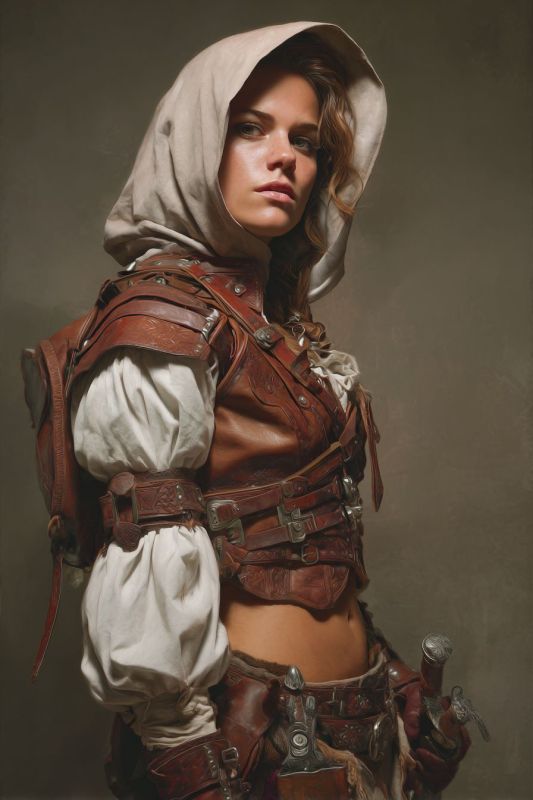

















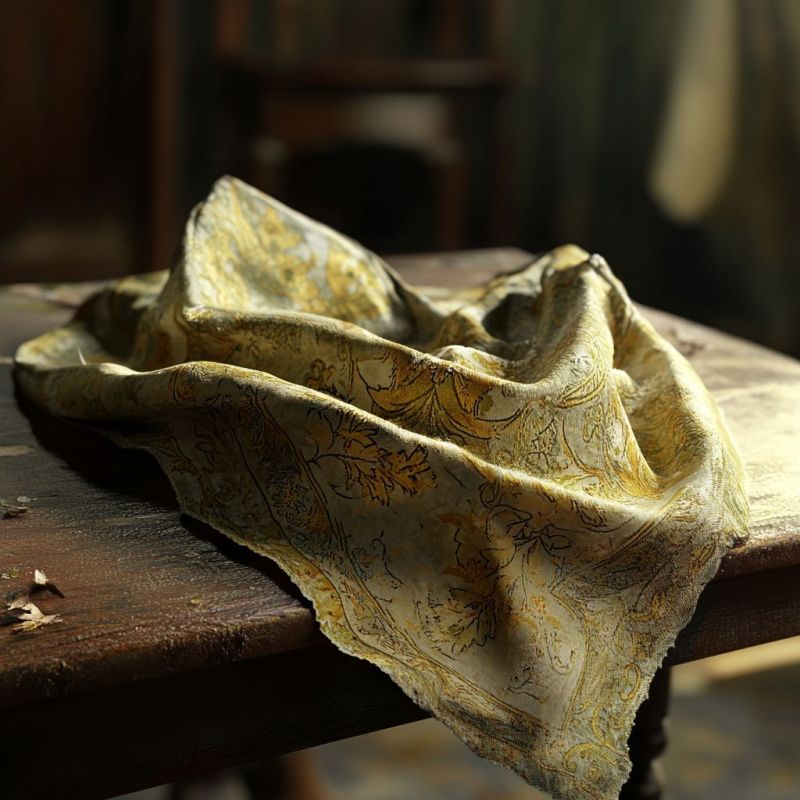
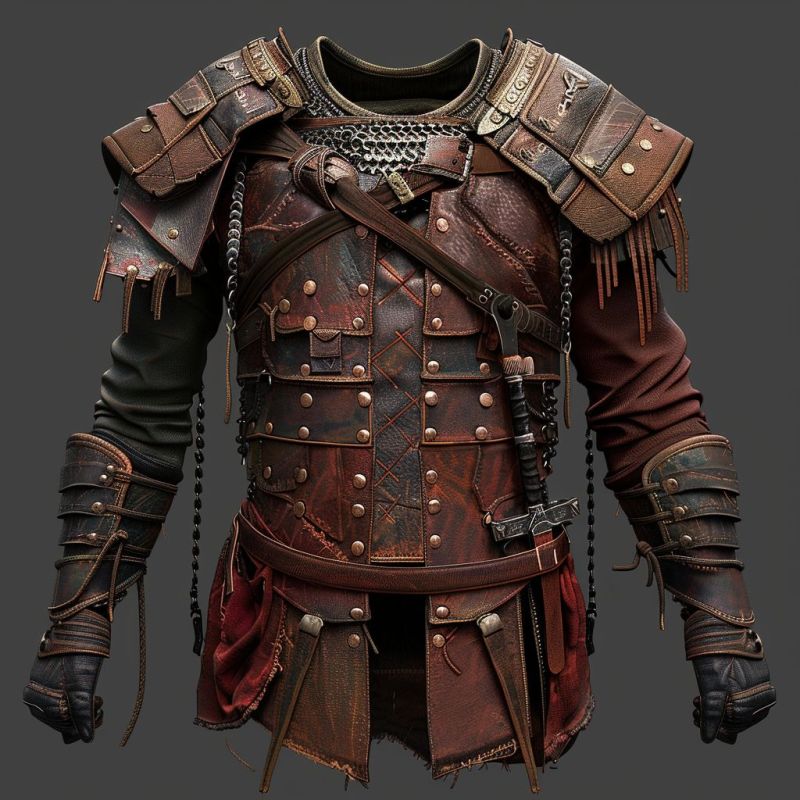
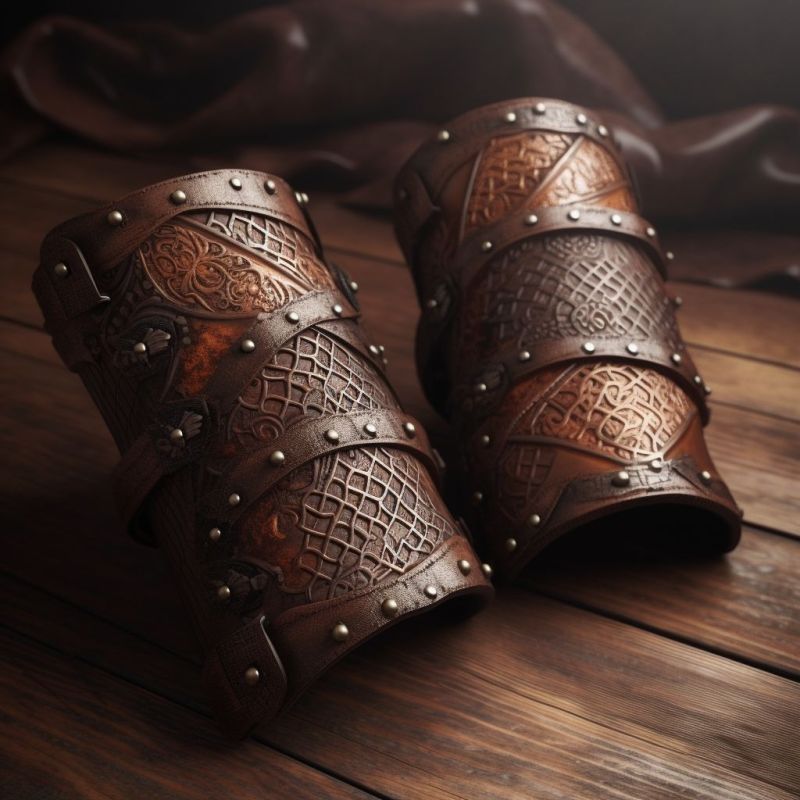

 Inventory Equipped:
-
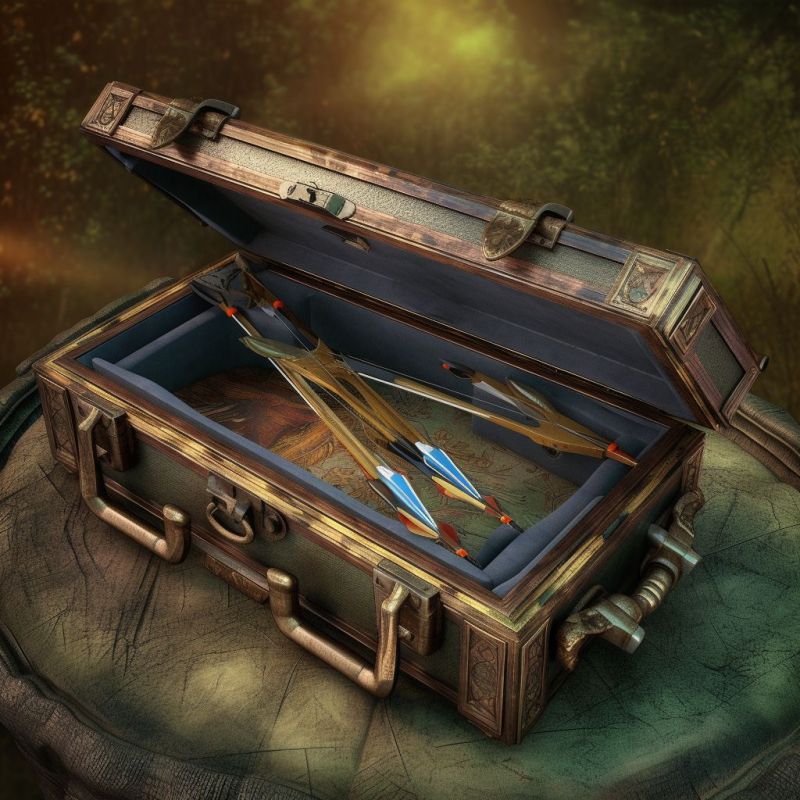
Crossbow Bolt Case1 gp
-
Bandana, Cloth0.3 gp
-
Bracers, Leather16 5 gp
-
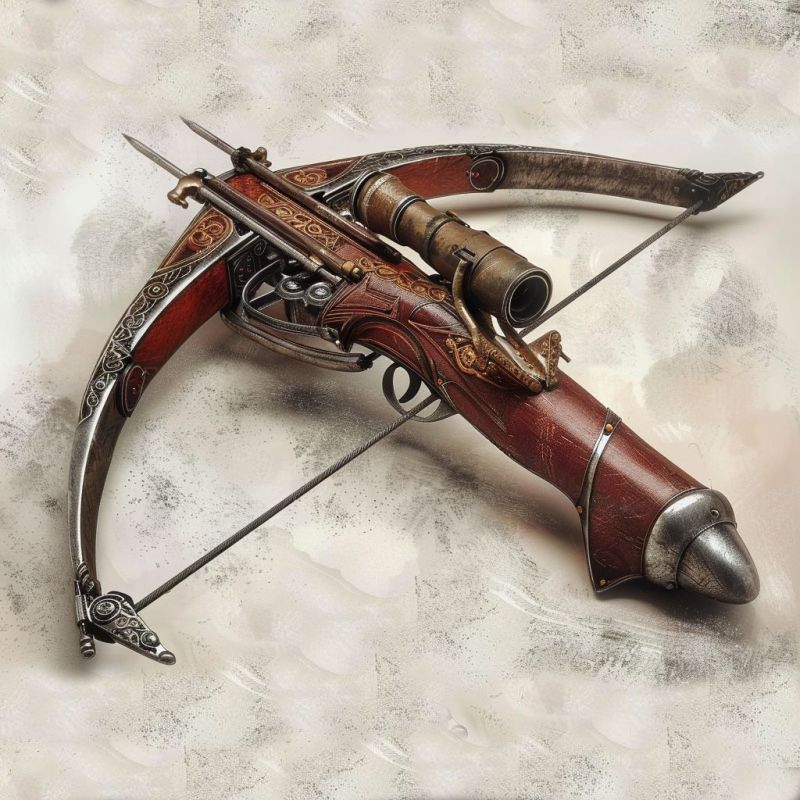
Hand Crossbow2.5 75 gp
-
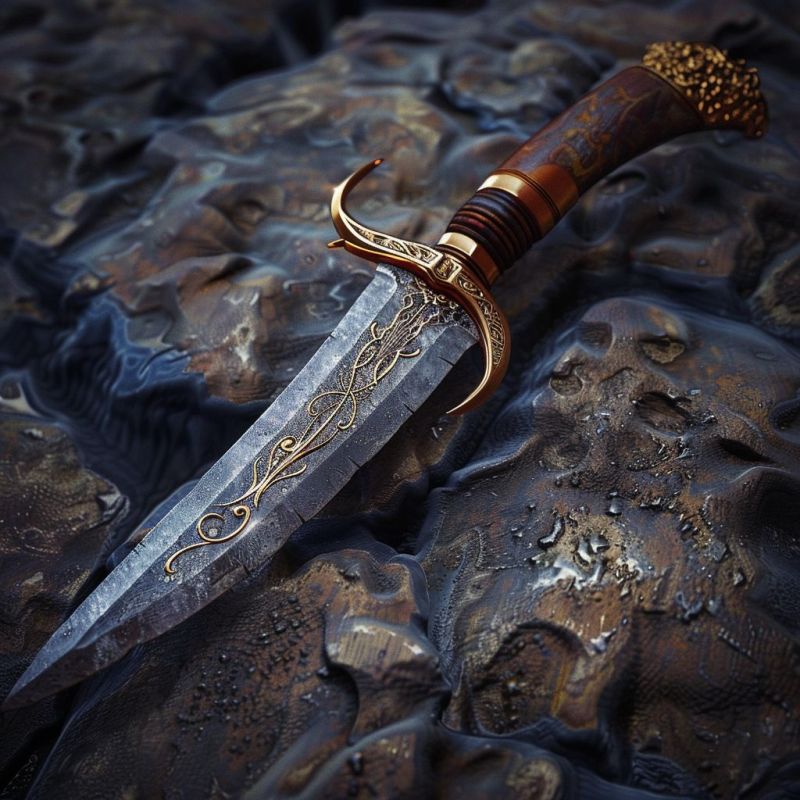
Dagger4.1 2 gp
-
Cloak, Cloth1 gp
-
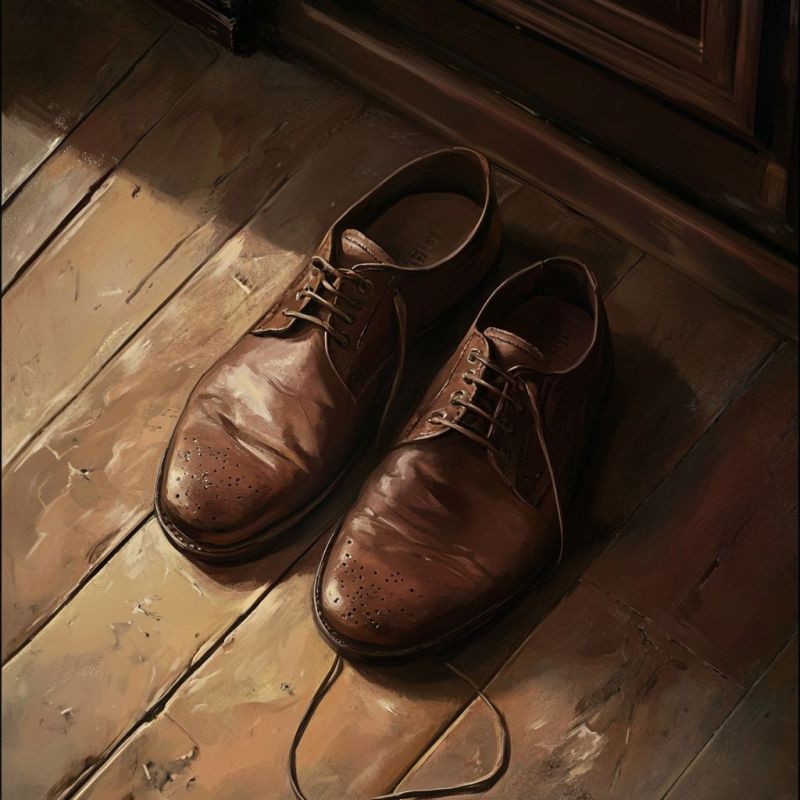
Shoes, Leather1 gp
-
Leather Jerkin32 45 gp
 Inventory Unequipped:
-
20 Crossbow Bolt0.05 gp
-
20 Crossbow Bolt0.05 gp
-
Lockpicking Tools25 gp
-
Poison (1d8)3.81 200 gp
-
Poison (1d4)2.62 10 gp
- Passive Abilities:
-
Backstabber500 gp 1

-
Cunning1000 gp 1
-
Close Shooter500 gp


-
Dirty Fighting9.72 1000 gp 3
- Quick Abilities:
-
Mug500 gp 1
-
Subtle Stride500 gp


-
Keen Moves600 1000 gp 3
-
Agile Dodge500 gp

-
Fleet of Foot32 1000 gp

- Attack Abilities:
-
Shank5.12 800 gp 1
-
Mobile Shot10 150 gp
-
Pinning Attack4.94 150 gp
-
Twin Bolts500 gp

-
Piercing Lunge14.4 500 gp
-
Piercing Shot1.67 400 gp
-
Rapid Shot2.2 800 gp
-
Piercing Strike1.67
-
Slice and Dice7.08 400 gp 13
-
Gouge13.68 500 gp 17
 Free Abilities:
-
Vanish14.1 2000 gp 7
-
Honest Chance1000 gp 9
-
Cutthroat1000 gp 9
-
Detach1000 gp 15
- Reaction Abilities:
-
Concealed Weapon-300 1000 gp
-
Sprint500 gp 11
-
Evasion5.7 1500 gp 19
- Opportunity Attack Abilities:
-
Reflex Slice500 gp
-
Quick Pinner4.99 300 gp
 Monster Bits:
-
18 Humanoid Blood0.15 gp
-
44 Animal Bone0.03 gp
-
30 Animal Fat0.5 gp
-
104 Animal Meat0.05 gp
-
14 Soft Skin0.05 gp
Sleek shadows coil around your fingers, a whisper of midnight silk that bends locks with a sigh. Iron tumblers yield like melting wax, edges blurring in the gloom. Your hand phases through steel, emerging unscathed, the air humming with stolen secrets.
Thief - Tier 2 (Template)
🗡️🕶️ Thief: Tier 2 Burglar
A Tier 2 Thief is a seasoned infiltrator whose stealth, deception, and opportunistic combat skill make it a serious threat in cramped streets, guarded estates, and confused engagements. It no longer relies on simple sneak work alone. At this tier, the thief actively controls access, misdirection, and escape.
🎭🪙 Trade and Foundation
Tier 2 Thieves are experienced in burglary, covert entry, urban movement, cheating, false identities, and practical criminal planning. They understand patrol patterns, lock quality, witness behavior, hidden compartments, and the value of timing. Their work is no longer improvised street survival. It is practiced, repeatable, and effective under pressure.
🧥🪝 Appearance and Tools
These creatures usually appear as professional burglars, smugglers, con artists, covert scouts, black-market runners, tomb robbers, or trusted operatives for criminal organizations. Their clothing is functional and deliberately arranged for concealment, quick access, and movement. Hidden sheaths, sewn pockets, wire kits, compact hooks, picks, wedges, blades, and disguised tools are all common parts of their working gear.
🗡️🫥 Combat Style
A Tier 2 Thief fights through positioning, distraction, and precise timing. It avoids direct contests of strength and instead attacks when a target is off-balance, isolated, turned away, or focused elsewhere. It may feint surrender, strike from cover, use terrain to break line of sight, or reposition rapidly after each attack. Its lethality comes from choosing the right moment, not forcing one.
🧠🎲 Tactical Ability
Its tactical judgment is strong within infiltration, skirmish chaos, and close-quarters opportunism. A Tier 2 Thief can identify weak security, distracted sentries, exposed valuables, and likely escape routes almost immediately. In combat, it reads hesitation, blind spots, and overcommitment well enough to punish mistakes quickly. It is not a field commander, but it is very effective at exploiting disorder.
🔐🪜 Infiltration and Cheating
At this tier, cheating becomes a reliable trade skill rather than a supporting habit. Tier 2 Thieves can bypass better locks, manipulate simple traps, stage convincing distractions, plant false evidence, palm important items, and alter a situation so others do not notice the theft until too late. Their tricks are cleaner, faster, and harder to catch than those of lesser rogues.
🏃🩹 Defense and Escape
Tier 2 Thieves survive through agility, route awareness, and contingency planning. They are difficult to corner because they think about exits before the problem starts. They know how to climb, vault, slip through tight spaces, vanish into crowds, and use darkness or confusion to break pursuit. Their defense is not built on endurance, but on never remaining an easy target.
🏙️👥 Common Roles
These creatures are commonly found as expert burglars, confidence men, smuggler lieutenants, guild enforcers, spy-runners, advanced tomb raiders, sabotage specialists, or infiltrators employed by nobles, gangs, or covert networks. In hostile groups, they are often the ones who open secured access points, steal mission-critical objects, or strike key targets once the fight becomes unstable.
👑🕳️ Place in a Group
A Tier 2 Thief often serves as the access specialist, scout, or disruption piece of a group. It may not lead openly, but it frequently decides how entry happens, how alarms are avoided, and how valuable opportunities are exploited. Allies rely on it to create unfair advantages before, during, and after contact.
📈🗝️ Tier Meaning
Tier 2 represents a thief that has developed beyond basic stealth and petty trickery into real infiltration competence. The core traits remain the same—mobility, deception, criminal skill, opportunistic violence, and cheating—but they now operate with greater planning, precision, and tactical value. It is no longer just a sneaky criminal. It is a capable professional intruder.
 Speed:
- Walking Speed: +30
- Climbing Speed: +15
- Skill Roll ADV:
-
 Sneak
Sneak
- Inventory Equipped:
-
Crossbow Bolt Case1 gp
-
Bandana, Cloth0.3 gp
-
Bracers, Leather16 5 gp
-
Hand Crossbow2.5 75 gp
-
Dagger4.1 2 gp
-
Cloak, Cloth1 gp
-
Shoes, Leather1 gp
-
Leather Jerkin32 45 gp
- Inventory Unequipped:
-
20 Crossbow Bolt0.05 gp
-
20 Crossbow Bolt0.05 gp
-
Lockpicking Tools25 gp
-
Poison (1d8)3.81 200 gp
-
Poison (1d4)2.62 10 gp
-
 Extra Attack: +1
- Passive Abilities:
-
Backstabber500 gp 1
-
Cunning1000 gp 1
-
Dirty Fighting9.72 1000 gp 3
- Quick Abilities:
-
Mug500 gp 1
-
Keen Moves600 1000 gp 3
- Attack Abilities:
-
Shank5.12 800 gp 1
-
Slice and Dice7.08 400 gp 13
-
Gouge13.68 500 gp 17
- Free Abilities:
-
Vanish14.1 2000 gp 7
-
Honest Chance1000 gp 9
-
Cutthroat1000 gp 9
-
Detach1000 gp 15
- Reaction Abilities:
-
Sprint500 gp 11
-
Evasion5.7 1500 gp 19
- Skill Tier 5:
-
Archery Weapon Skill
-
 Attention
 -
 Balance
 -
 Empathy
 -
 Fortitude 47.23
 -
 Frighten 33.68
 -
 Herbalism
 -
 Alchemy
 -
 Influence
 -
 Initiative
 -
 Inspection
 -
Light Armor Skill
-
 Locks
Locks -
 Navigation
 -
One-Handed Melee Weapon Skill
-
 Psyche
 -
Sneak
-
Throwable Weapon Skill
-
 Willpower


These sliders set site audio only, so you can mix against Discord and other apps (phone volume still caps everything).