Menu
 Ancestries
 Backgrounds
 Lineages
 Classes
 Subclasses
 Spells
 Curses
 Mentas
 Sanguines
 Feats
Feats
 Passive
 Full
Full
 Standard
 Quick
Quick
 Attack
 Free
Free
 Reaction
 Opp. Attack
 Innate Skills
 Gathering Skills
 Knowledge Skills
 Crafting Skills
 Weapon Skills
 Armor Skills
 Defensive Skills
 Status Effects
 Crafting
 Alchemy
 Art
Art
 Cooking
 Enchanting
 Glassblowing
 Jewelling
 Leatherworking
 Machining
 Masoning
 Smithing
 Weaving
 Woodworking
View All Crafting
View All Rules
Woodworking
View All Crafting
View All Rules


































 Library
Digital supplements and compendia—rules content, adventures and setting material you add to My Library.
Browse Library
 Adventures
Standalone adventures—ready to run. Purchase the source in the Library for access.
All Adventures
 Free Adventures
 Paid Adventures








Leatherworker - Tier 1
🪶🧷 Leatherworker: Tier 1 Tanner
A Tier 1 Leatherworker is a working craftsperson defined by hide preparation, cutting, stitching, and the steady production of useful leather goods for daily life. In a flintlock fantasy setting, they are an essential artisan whose value comes from turning raw hide into durable items people wear, carry, strap down, and depend on.
📚🪵 Training and Foundation
Tier 1 Leatherworkers are shaped by apprenticeship, family trade, guild instruction, tannery labor, or years spent learning how different hides behave under scraping, curing, cutting, punching, stitching, and oiling. They understand leather grades, thickness, flexibility, waterproofing, stitching methods, rivets, buckles, and how to match material to use. This is not a casual repair hand with scraps and an awl. It is a trained maker producing practical goods that must survive repeated wear.
🧥✂️ Appearance and Bearing
These creatures usually appear in aprons, rolled sleeves, work vests, gloves, and sturdy clothes marked by oil, dye, wax, leather dust, and the smell of treated hide. Their hands are often callused and nicked from knives, punches, awls, and stitching needles. Belts of tools, measuring cords, shears, punches, stitching frames, and burnishing stones are usually close at hand. Their bearing tends to be practical, patient, and used to judging quality by touch.
🎒📦 Typical Inventory
A Tier 1 Leatherworker commonly keeps belts, pouches, satchels, gloves, boots, straps, harness pieces, knife sheaths, scabbard covers, work aprons, waterskin covers, saddlebags, patch kits, buckles, laces, cord, waxed thread, leather scraps, reins, collars, travel cases, holsters, rolled hide, and partially finished repair or custom orders. Depending on the district, they may also stock horse tack, sailor’s straps, tool belts, cartridge pouches, or simple armor pieces made from hardened leather.
🧠⚖️ Working Style
Their working style is measured, material-focused, and utility-driven. A Tier 1 Leatherworker cuts carefully, wastes little hide, reinforces stress points, and builds goods meant to bend, carry weight, and endure weather. They are expected to produce durable work rather than luxury ornament. A good one knows how to choose the right leather for strain, exposure, and cost.
💰🪢 Trade and Practical Role
What defines this subtype is necessary leather utility. Tier 1 Leatherworkers make the straps, containers, coverings, and wearables that support travel, labor, trade, riding, and military use. Their work serves sailors, soldiers, laborers, riders, merchants, hunters, and anyone else who needs gear that can be buckled, carried, worn, or repaired without failing. In a flintlock fantasy economy, leather is basic infrastructure for movement and equipment.
🏪🪵 Business and Workspace
Tier 1 Leatherworkers usually work from small shops, tannery-adjacent rooms, market stalls, stable districts, dockside workshops, or attached home businesses where hides, tools, and finished goods can be kept dry and organized. Their space is built around cutting tables, hanging straps, shelves of buckles and thread, rolled hides, oil jars, dyes, and racks of repairs waiting for collection. A busy shop may include apprentices or family labor dividing cutting, stitching, riveting, and finishing work.
🏙️👥 Common Roles
These creatures are commonly found as belt makers, harness workers, satchel crafters, holster makers, tack repairers, boot and glove workers, scabbard makers, or practical leather artisans serving neighborhoods with constant wear and travel demand. In settlements, they are often among the most useful craftspeople because so many other trades depend on leather goods.
👑🪙 Place in Society
A Tier 1 Leatherworker usually holds modest but steady social value. They are rarely prestigious, but they are widely useful and often well known among riders, soldiers, sailors, and working households. In a flintlock fantasy setting, a reliable leatherworker is part artisan, part repair specialist, and part supplier of everyday equipment.
📈🪶 Tier Meaning
Tier 1 represents the earliest stage of the leatherworker role: dependable hide work, modest inventory, practical leather goods, and strong daily utility. The core fantasy is present—cutting, stitching, curing, and turning hide into useful equipment—but it remains grounded in ordinary straps, pouches, and wearables rather than elite saddlery, fine luxury goods, or major workshop authority.
 Inventory Unequipped:
-
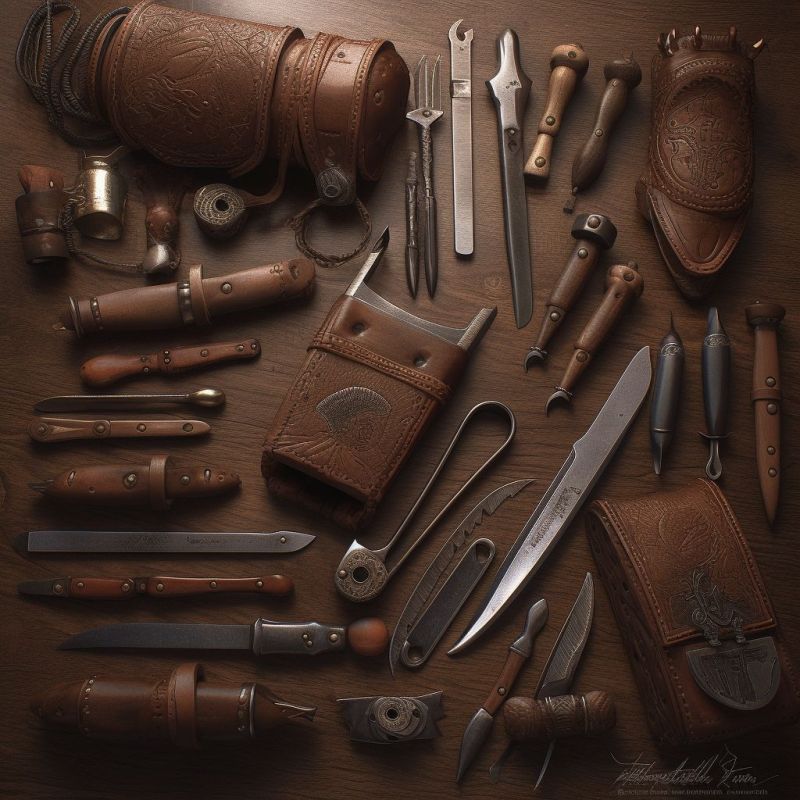 20 Leatherworking Tools15 gp
 -
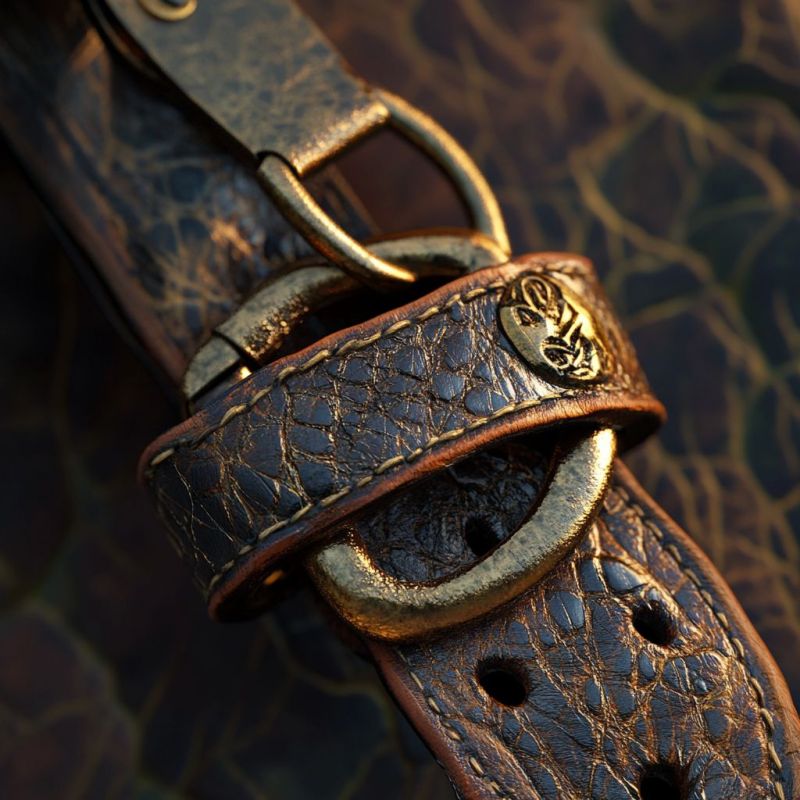 20 Leather strap0.2 gp
 -
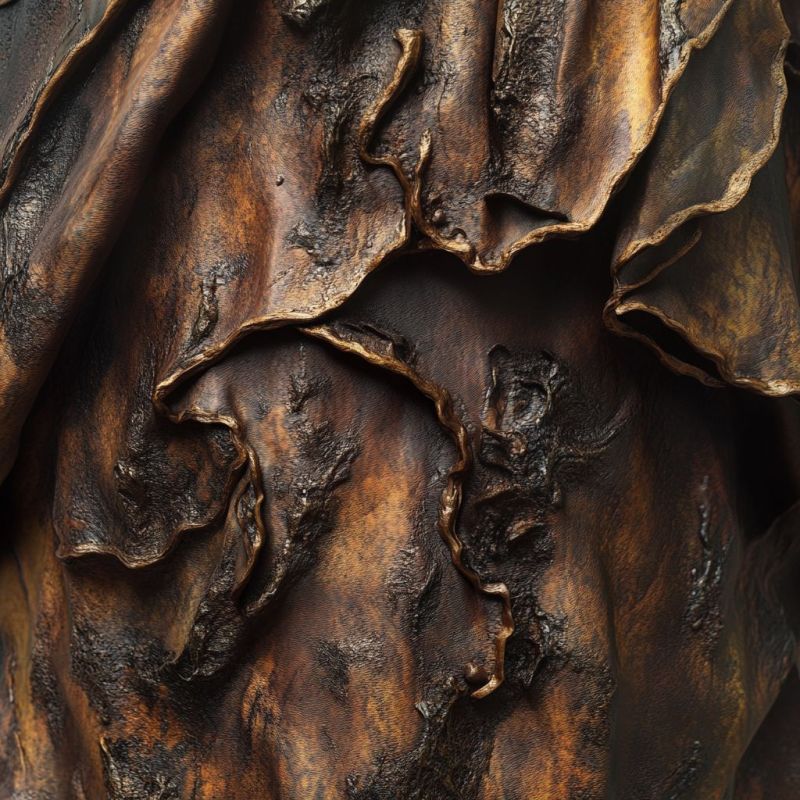 20 Leather, piece, cured0.1 gp
 -
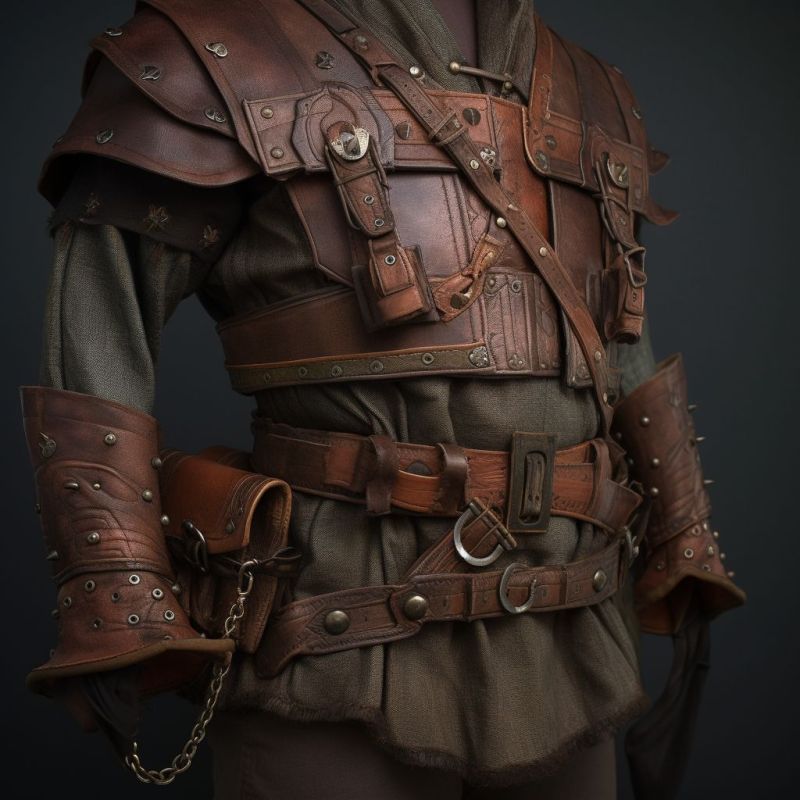 20 Bandoleer2 gp
 -
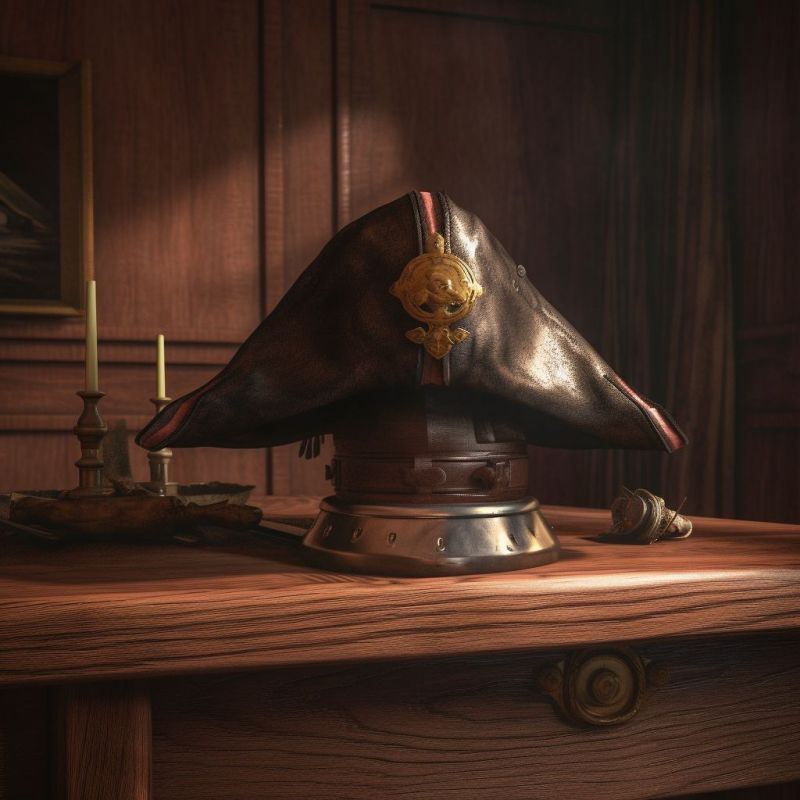 20 Bicorne Hat5 gp
 -
 20 Paper, Sheet0.2 gp
 -
 20 Book25 gp
 -
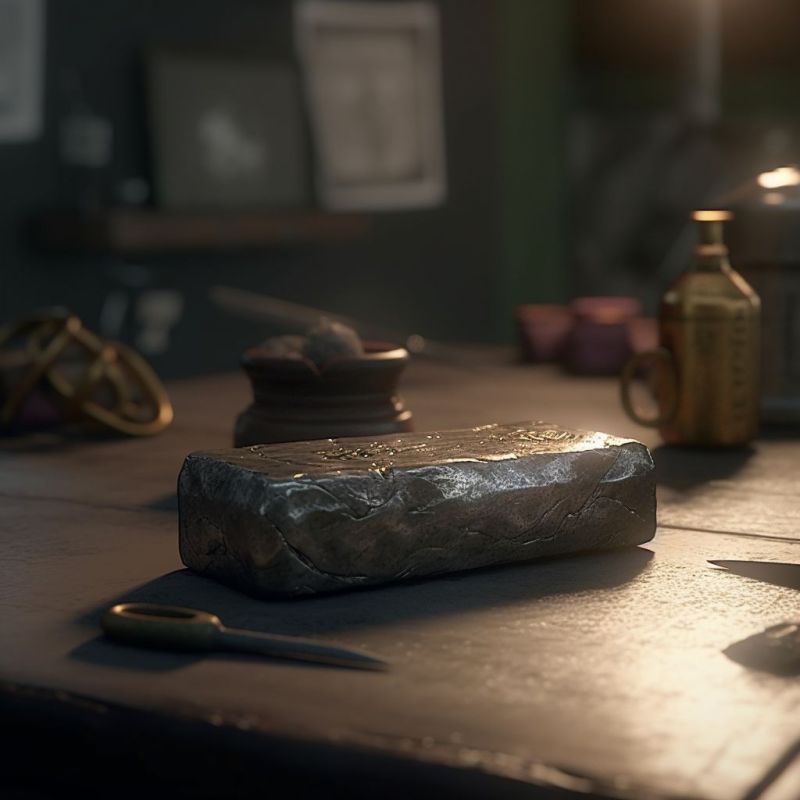 20 Iron Slug0.01 gp
 -
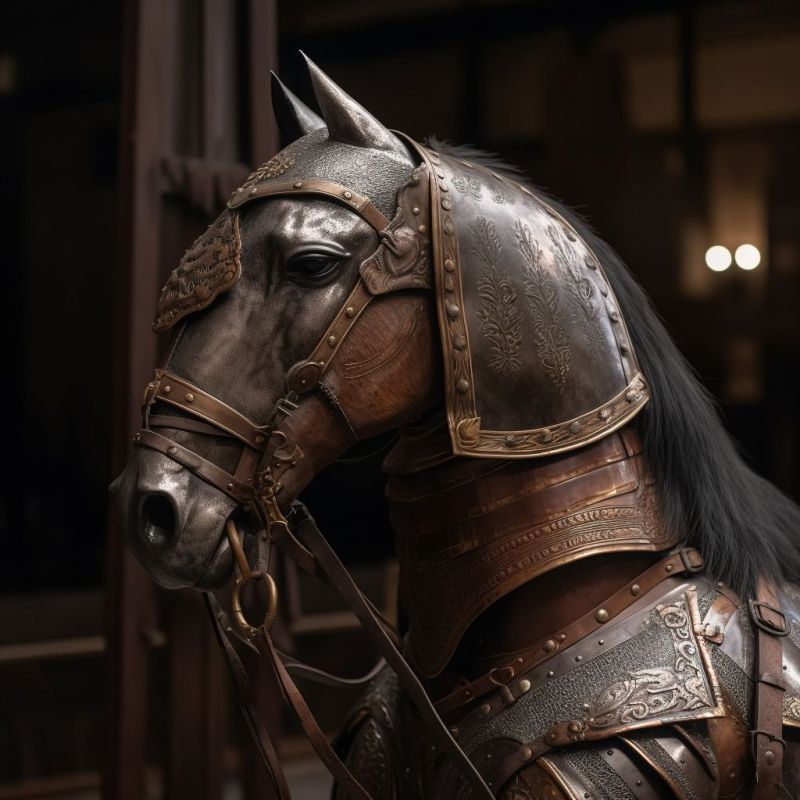 20 Brigandine Barding40 gp
 -
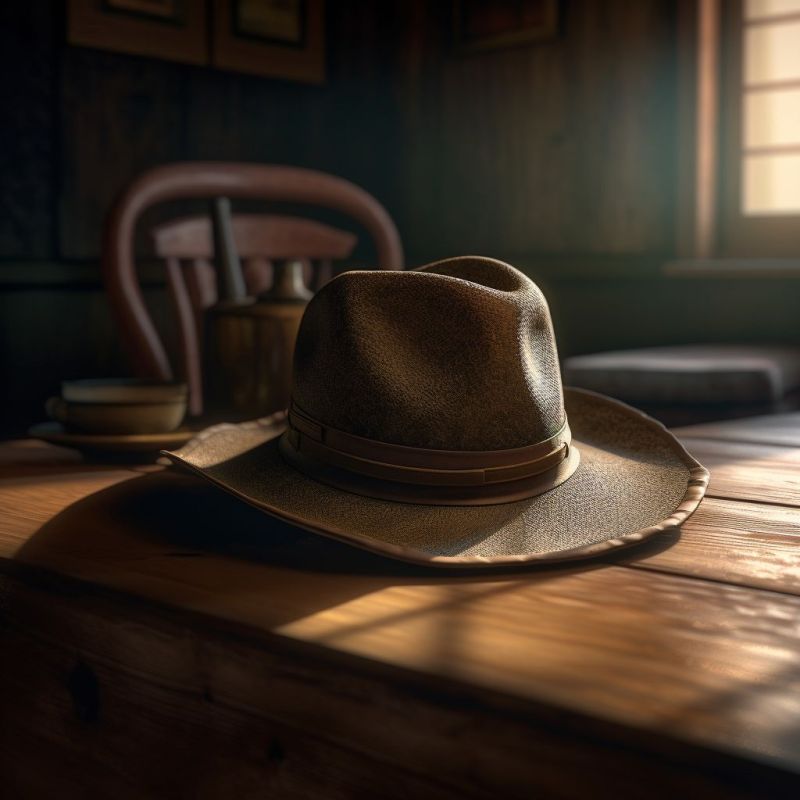 20 Brimmed Hat5 gp
 -
 20 Bycocket Hat5 gp
 -
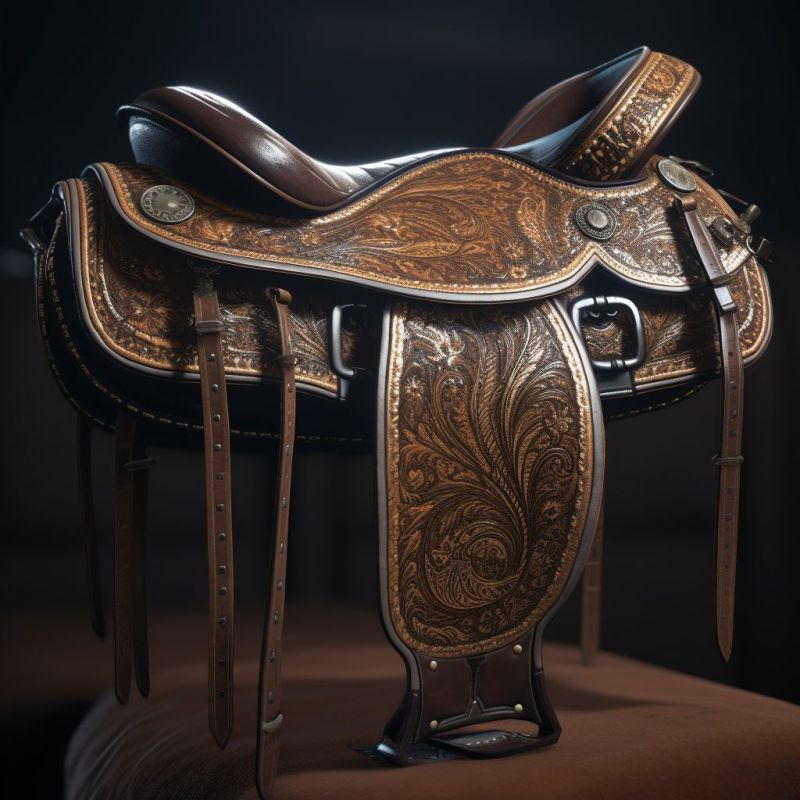 20 Exotic Saddle40 gp
 -
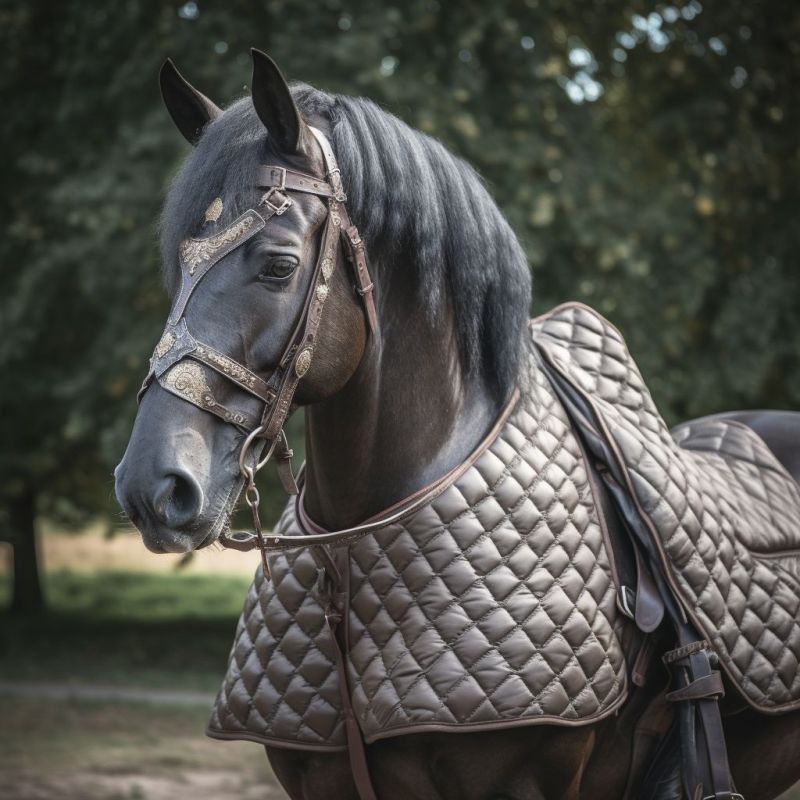 20 Gambeson Barding15 gp
 -
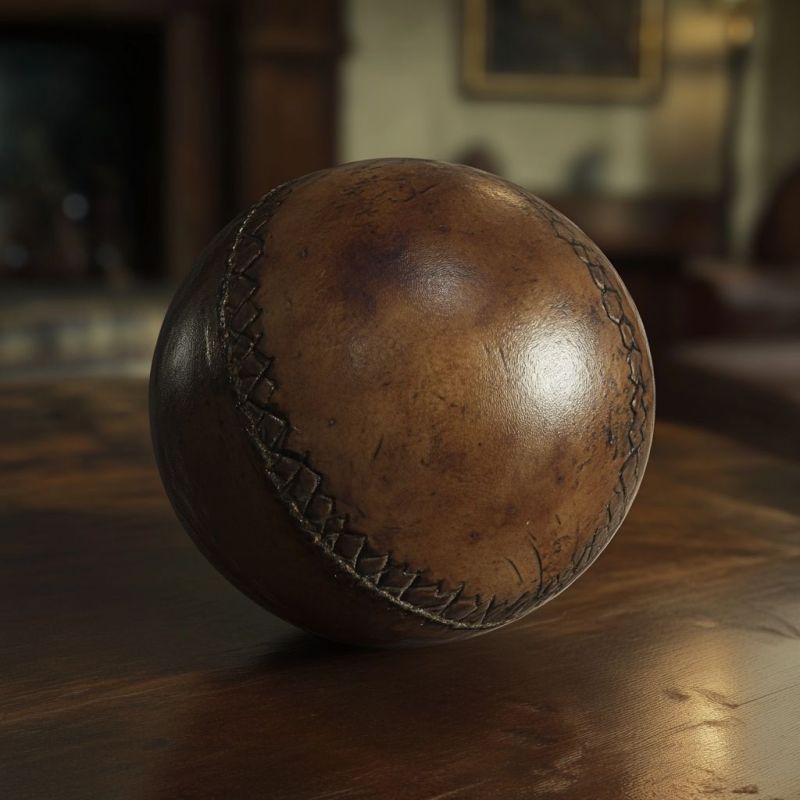 20 Leather Ball1 gp
 -
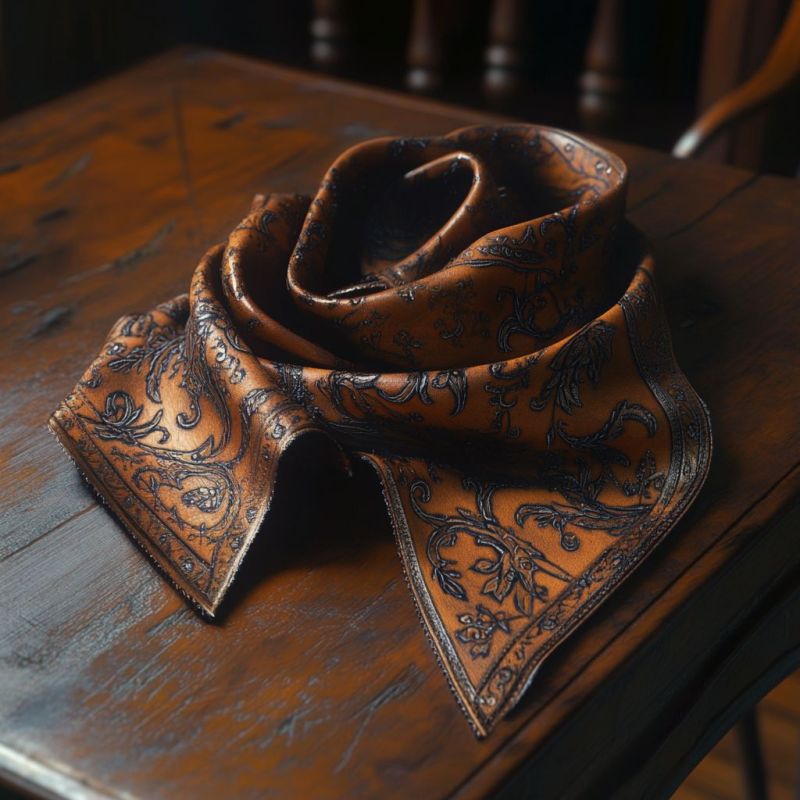 20 Bandana, Leather1 gp
 -
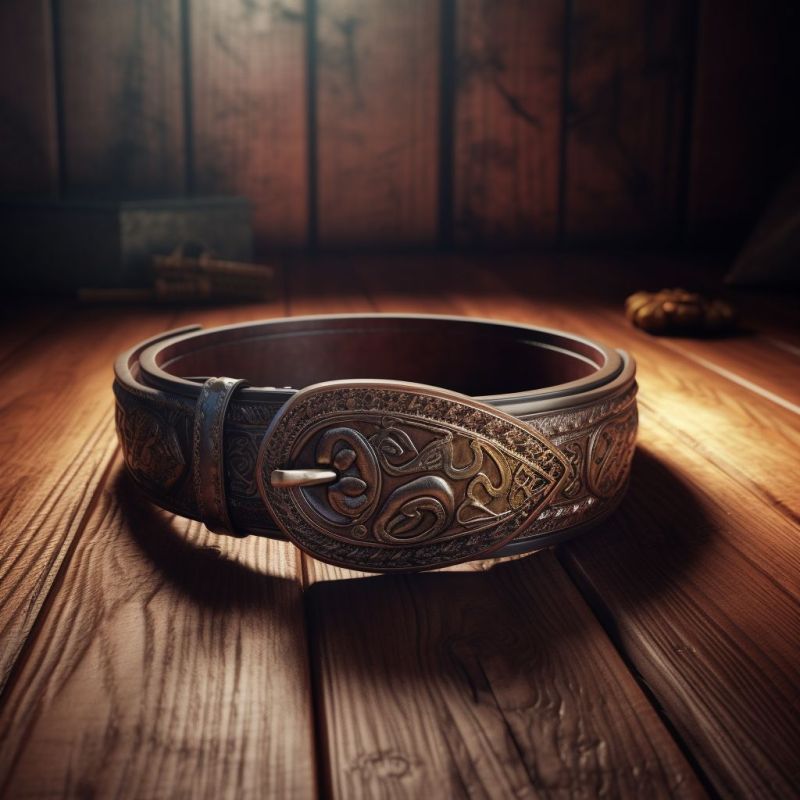 20 Belt, Leather2 gp
 -
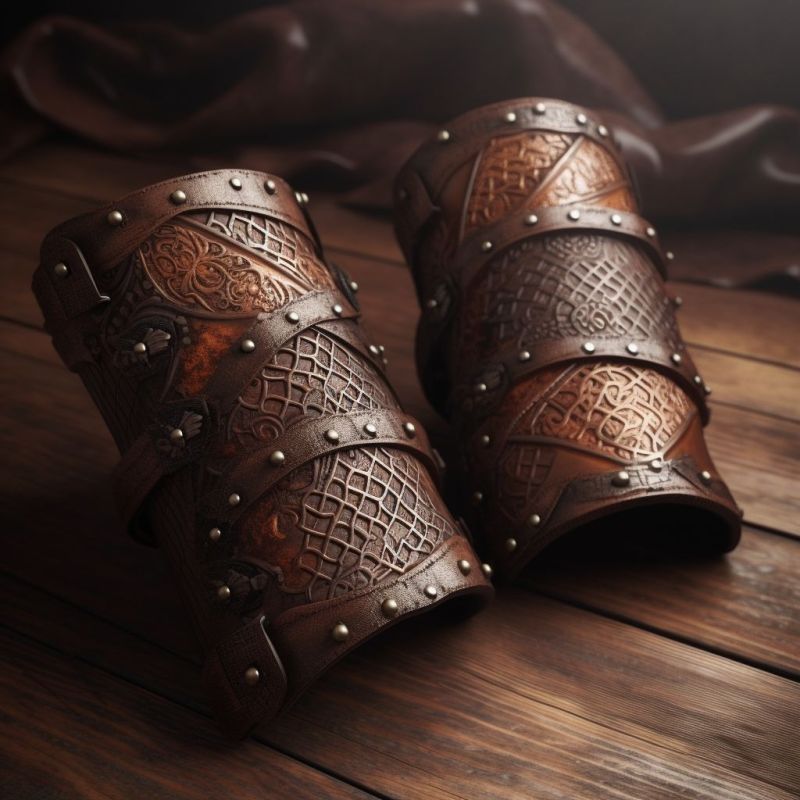 20 Bracers, Leather8 5 gp
 -
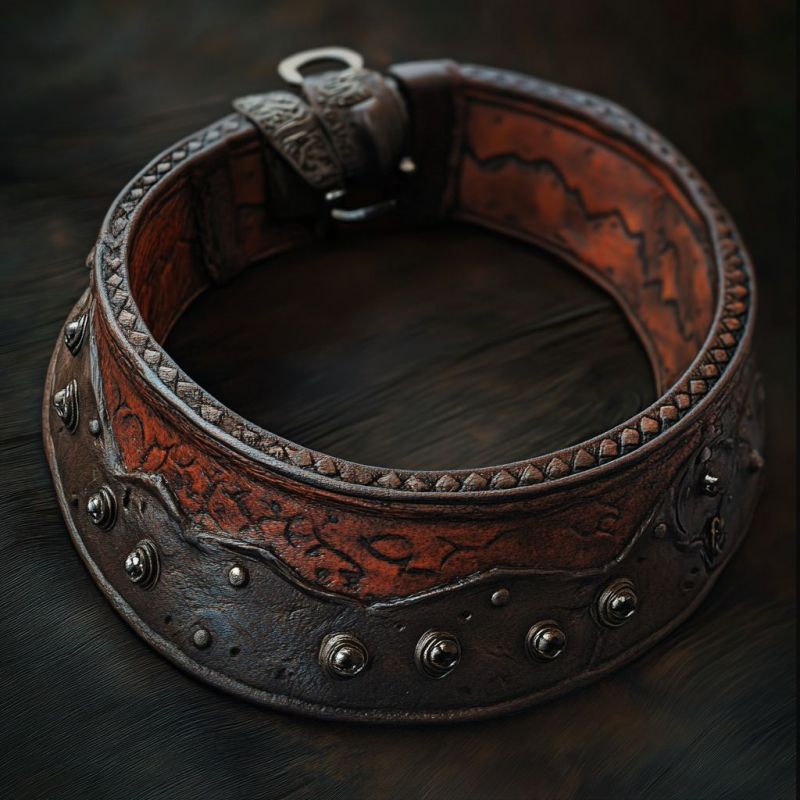 20 Collar, Leather1 gp
 -
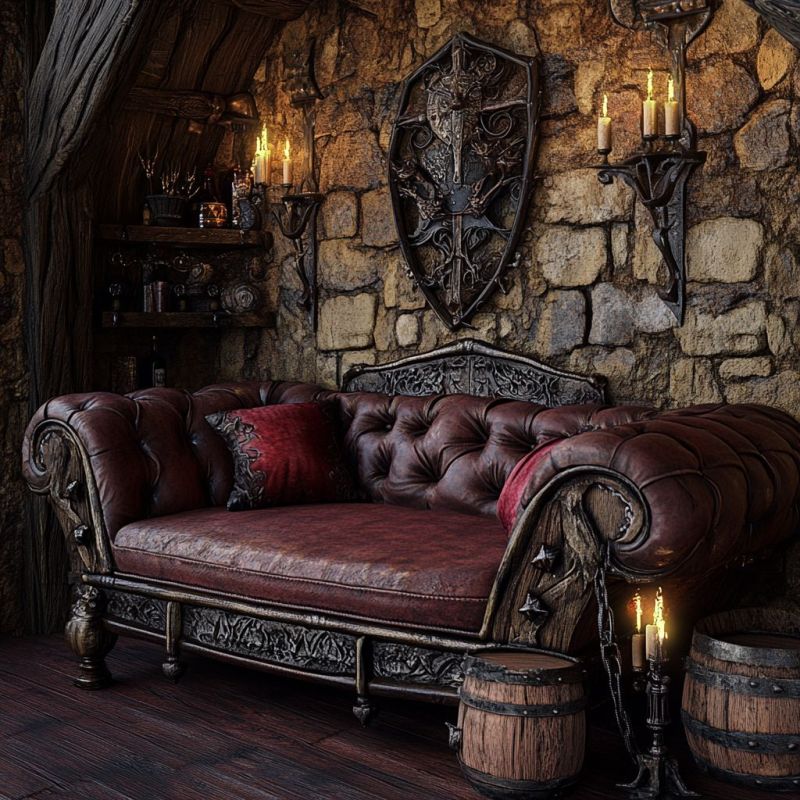 20 Couch, Leather60 gp
 -
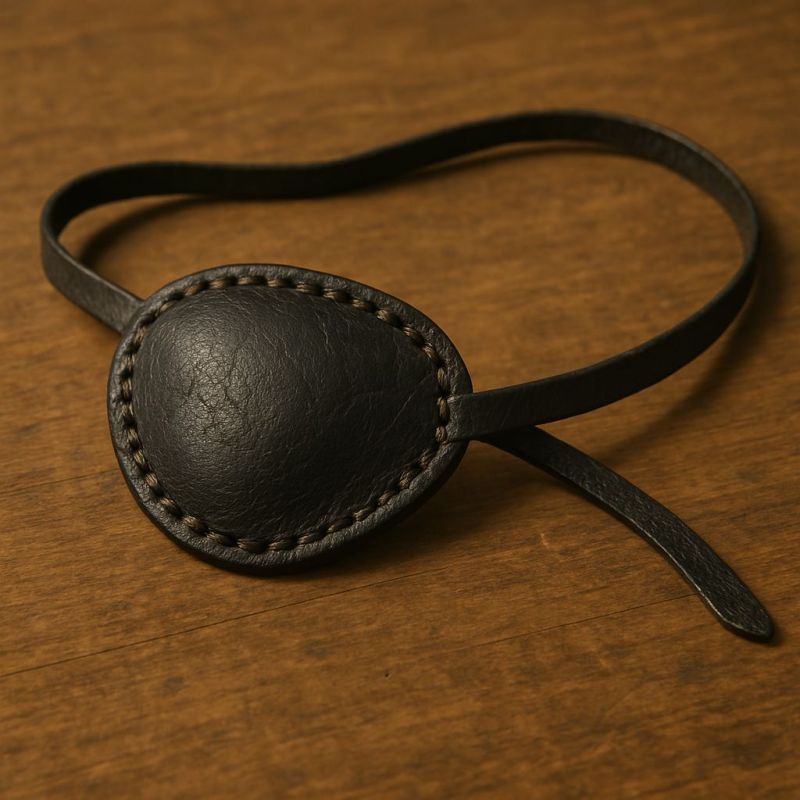 20 Eyepatch, Leather1 gp
 -
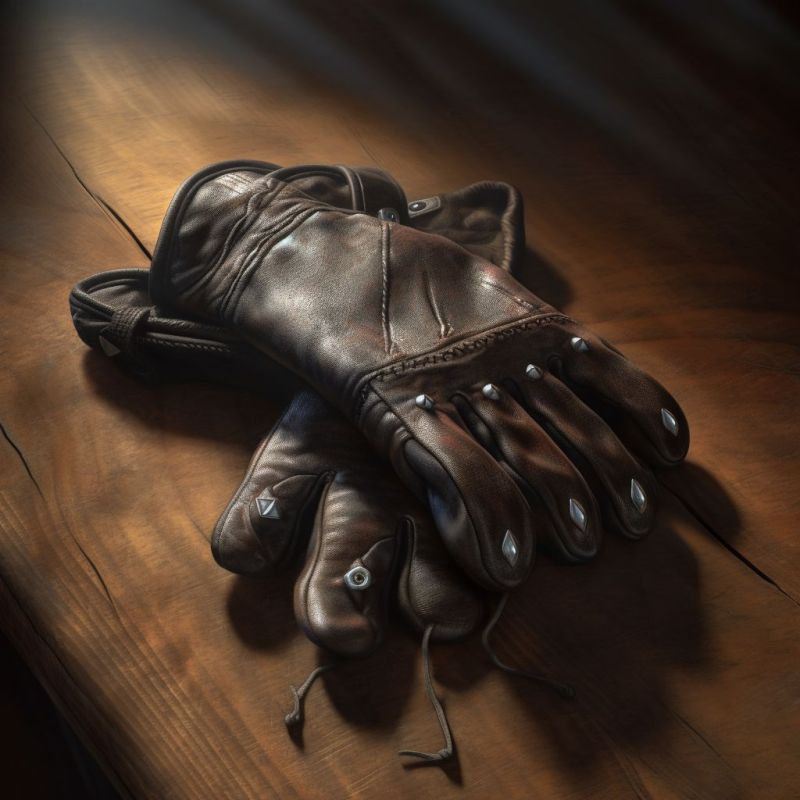 20 Gloves, Leather5 gp
 -
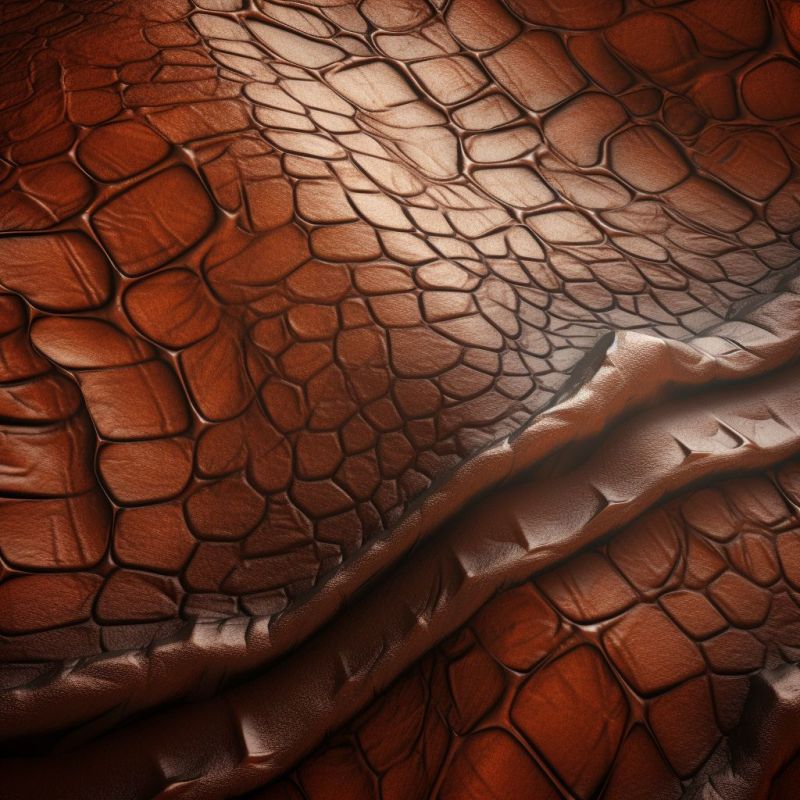 20 Hard Hide0.5 gp
 -
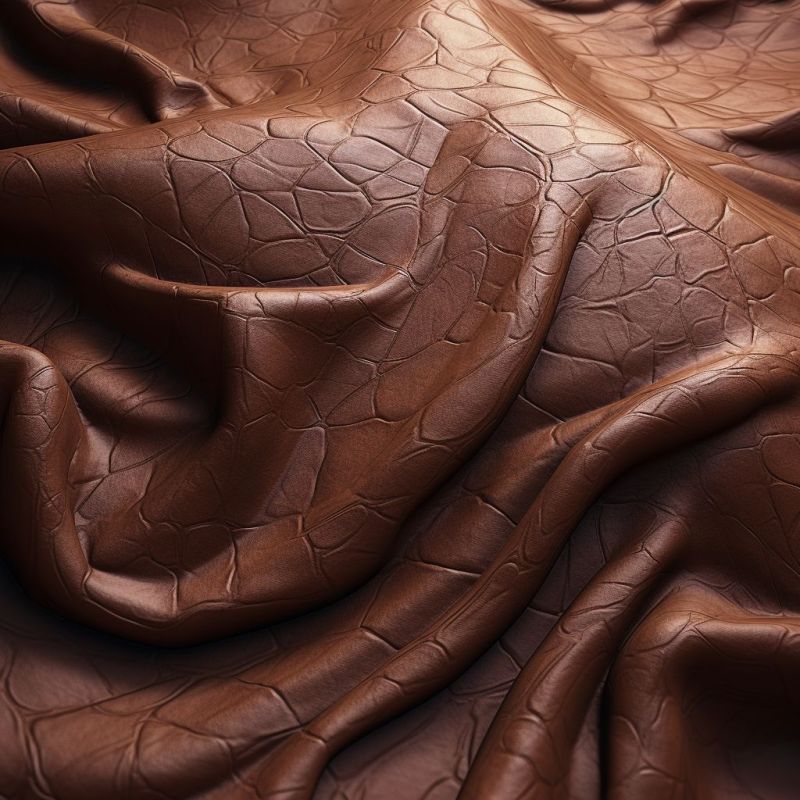 20 Soft Hide0.1 gp
 -
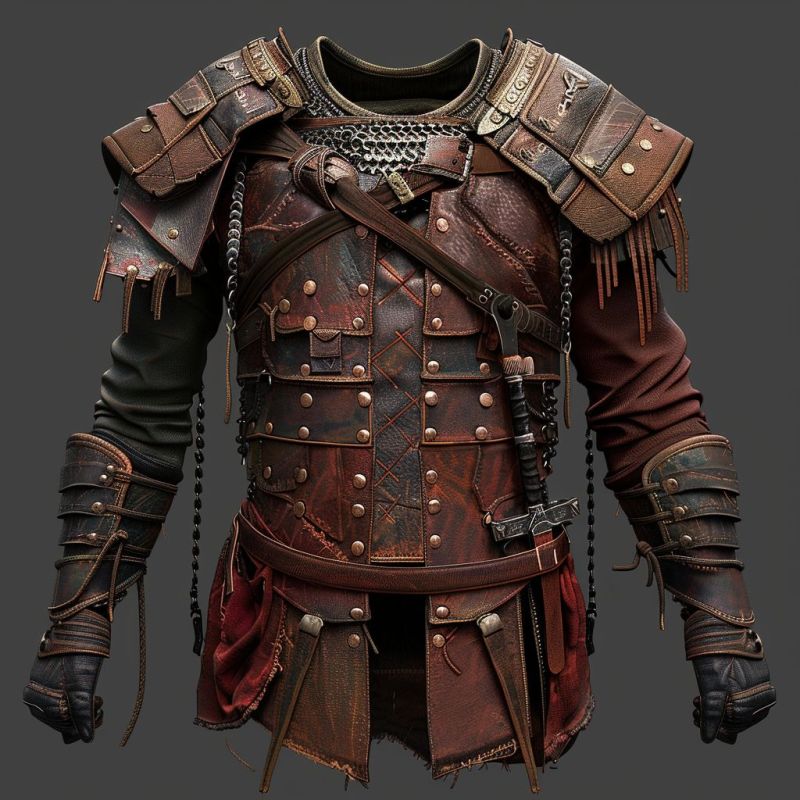 20 Leather Jerkin45 gp
 -
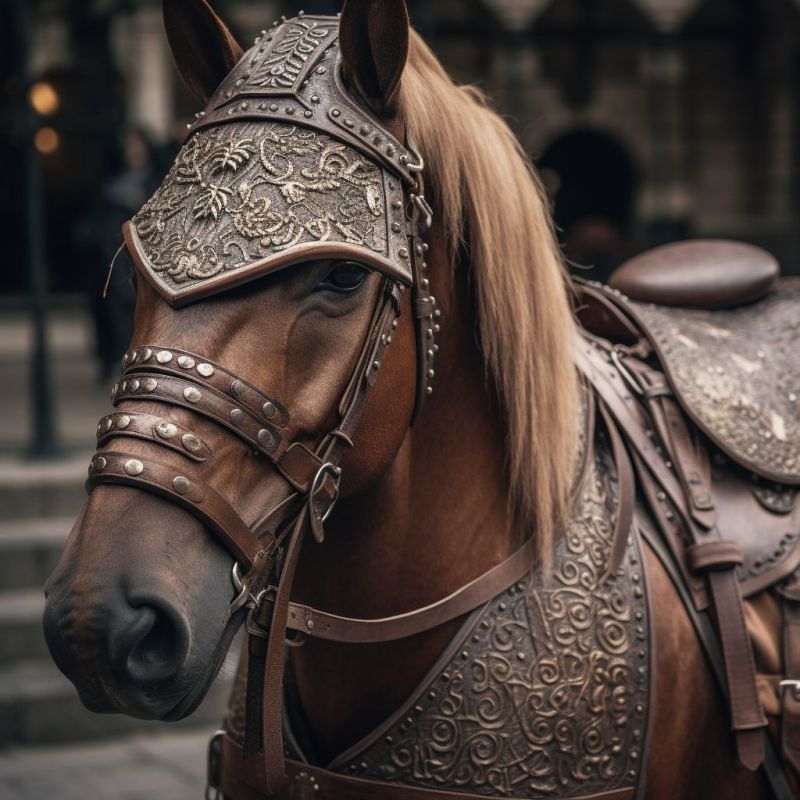 20 Leather Jerkin Barding45 gp
 -
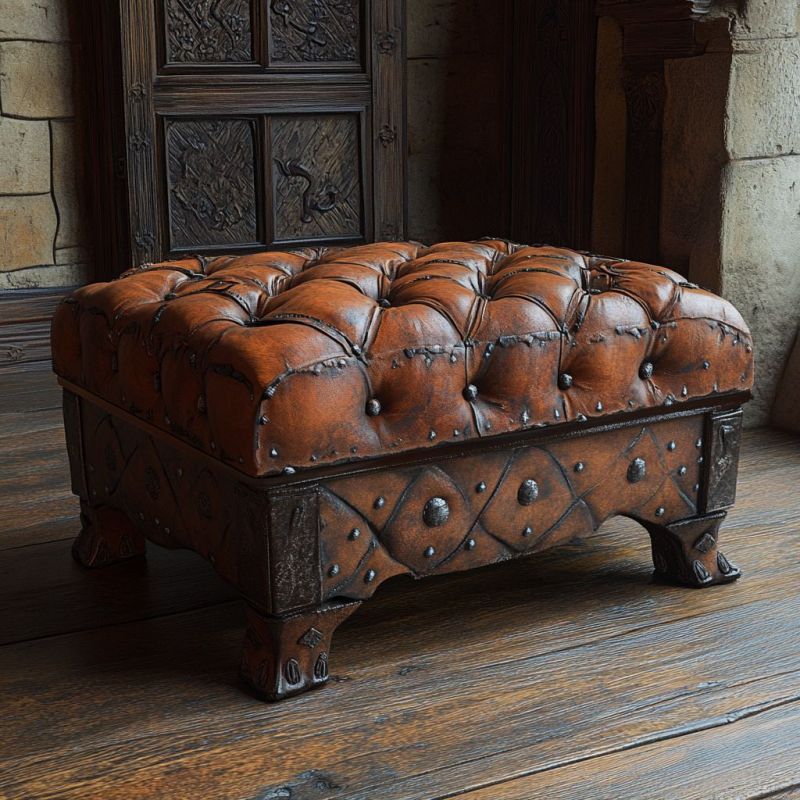 20 Ottoman, Leather5 gp
 -
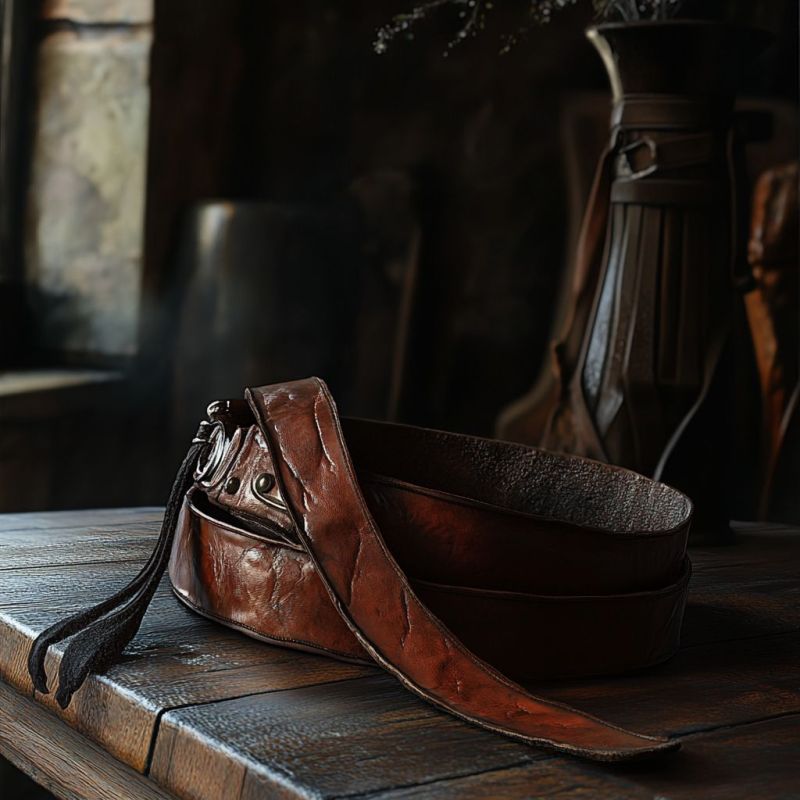 20 Sash, Leather3 gp
 -
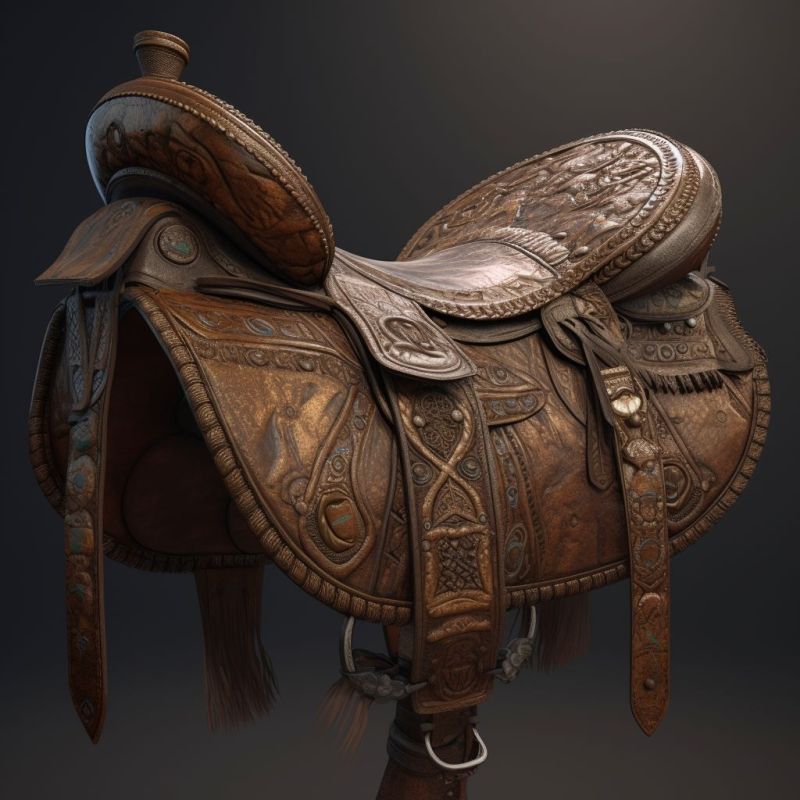 20 Military Saddle20 gp
 -
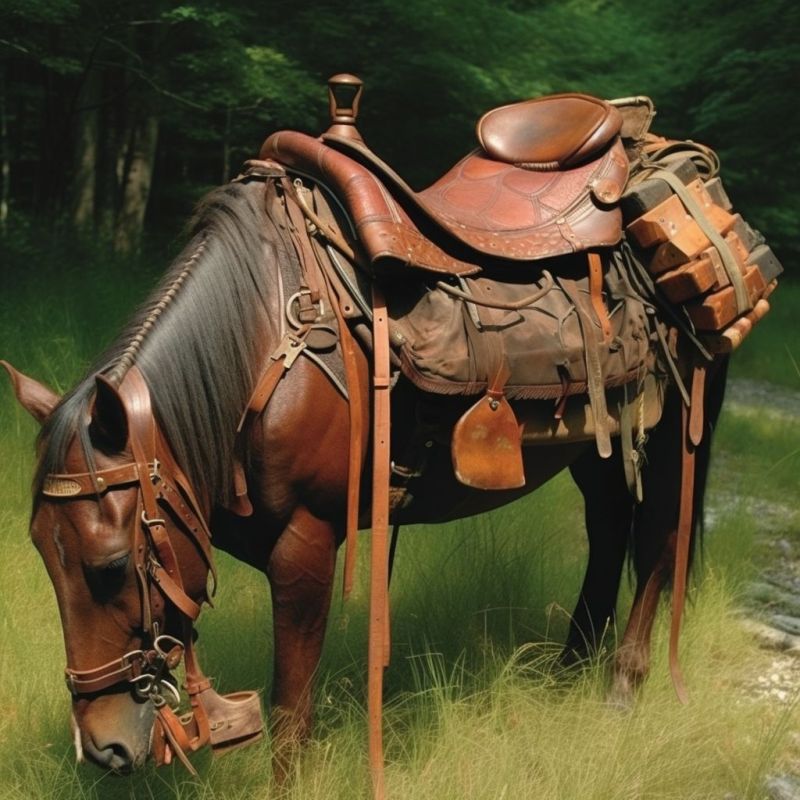 20 Pack Saddle5 gp
 -
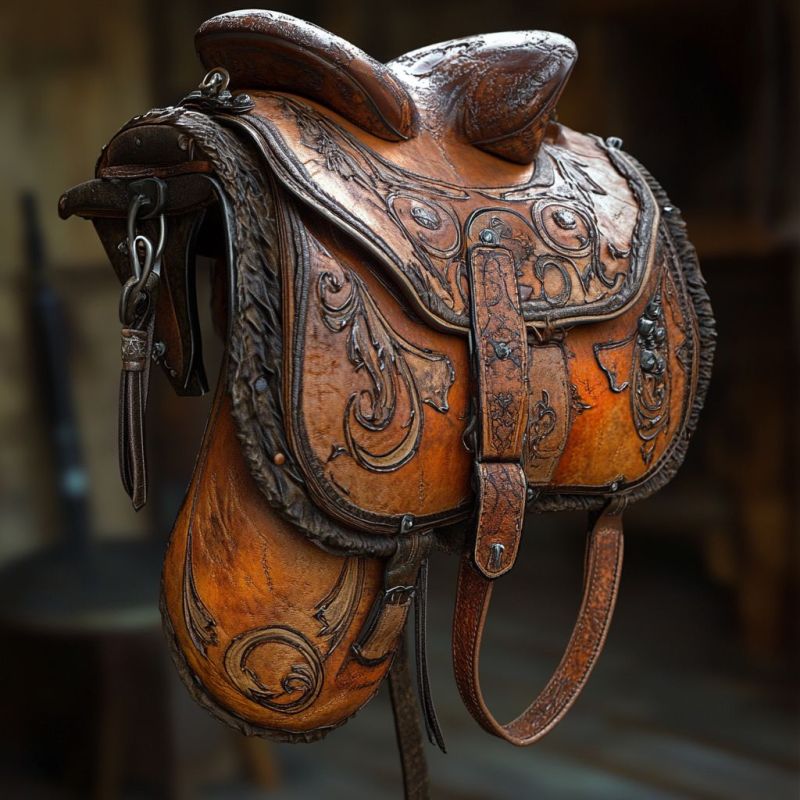 20 Riding Saddle10 gp
 -
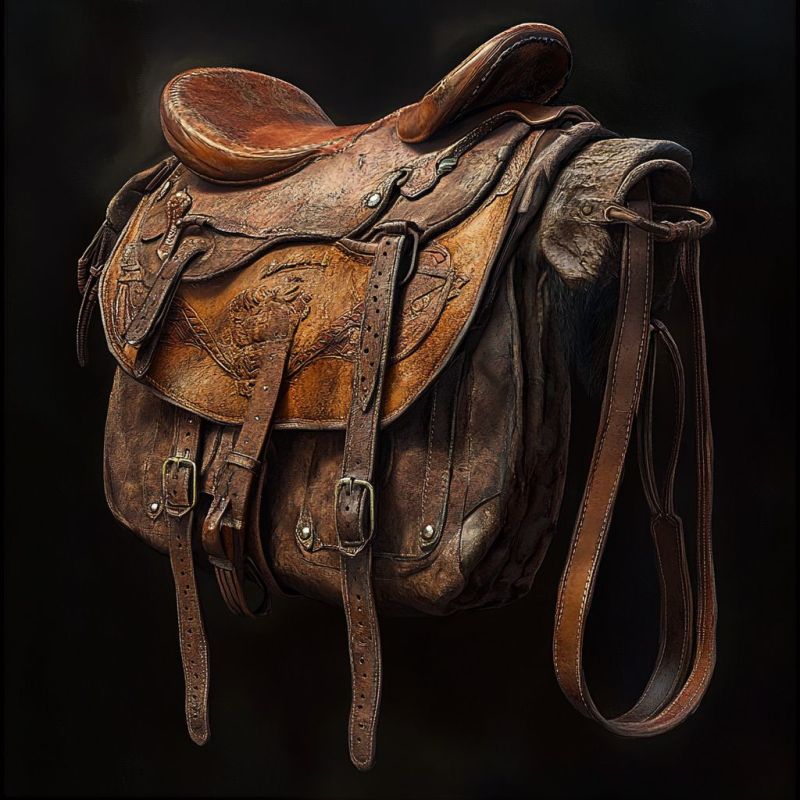 20 Saddlebags4 gp
 -
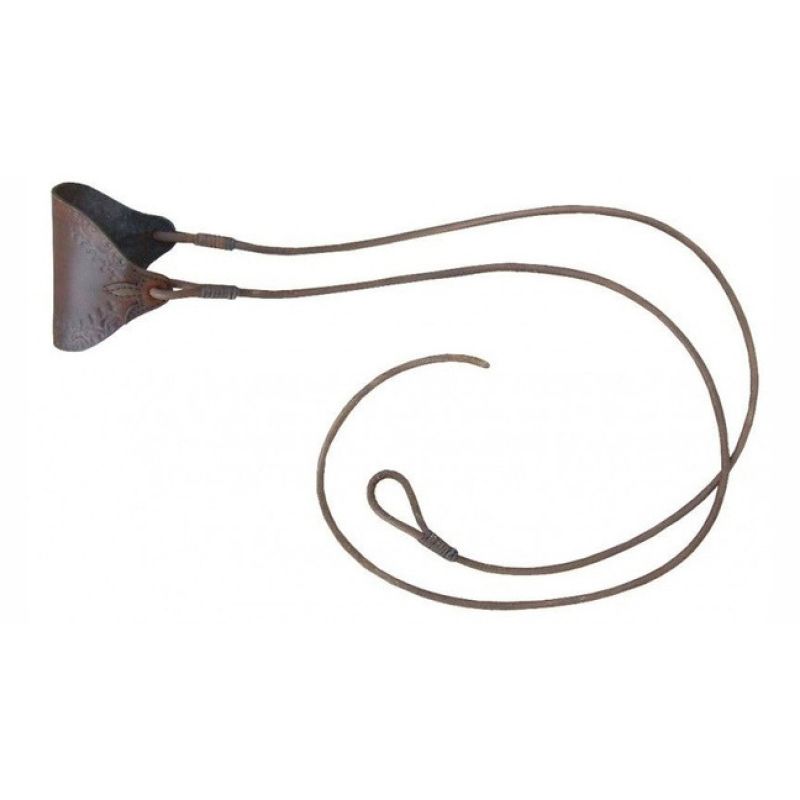 20 Sling1 gp
 -
 20 Wood Plank0.16 gp
 -
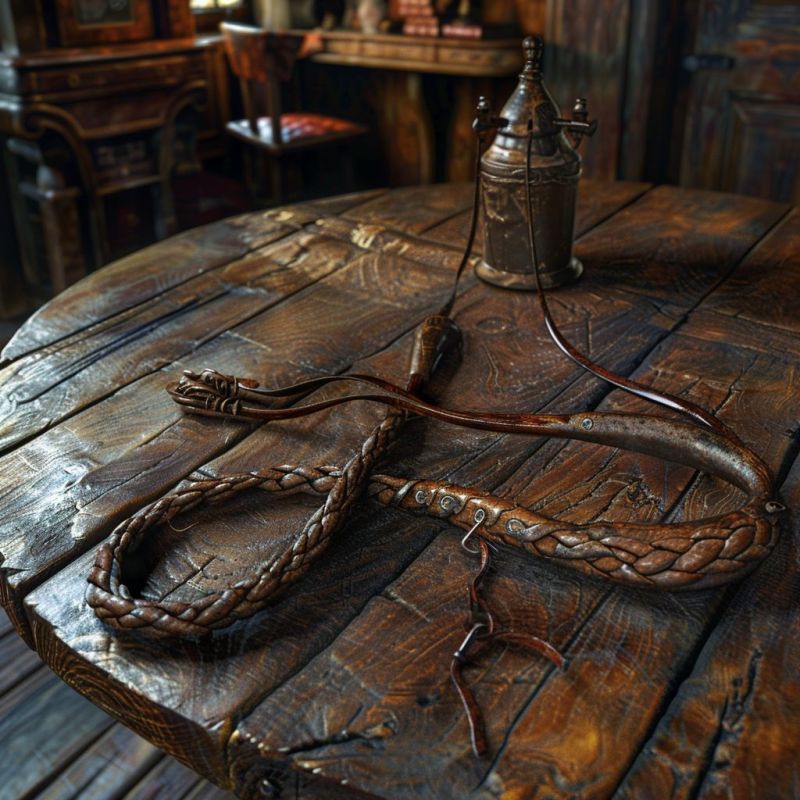 20 Whip2 gp
 -
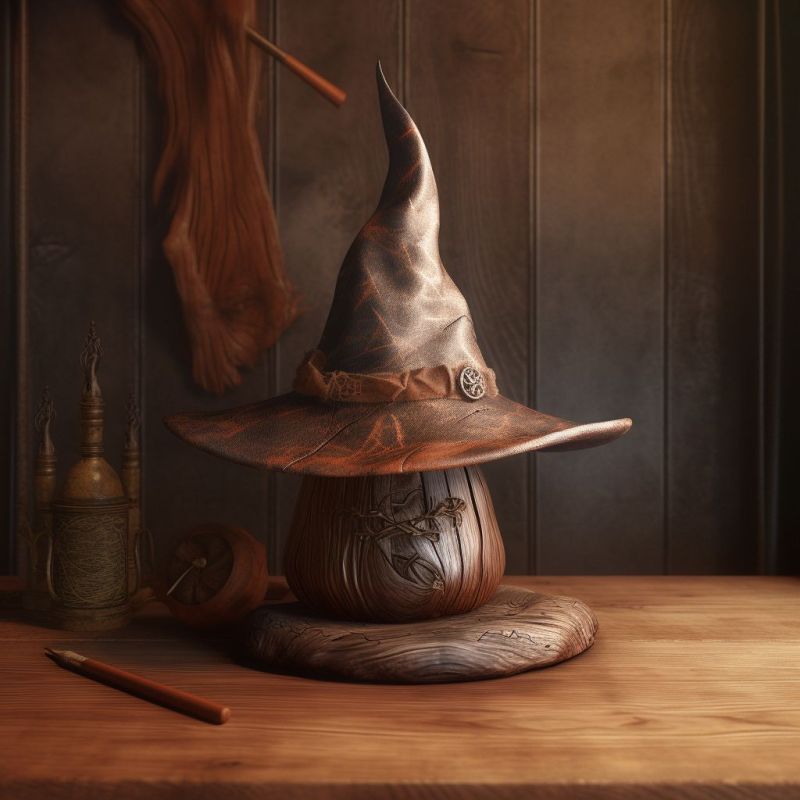 20 Wizard Hat5 gp
 Skill Tier 3:
-
 Leatherworking


