Menu
 Ancestries
 Backgrounds
 Lineages
 Classes
 Subclasses
 Spells
 Curses
 Mentas
 Sanguines
 Feats
Feats
 Passive
 Full
Full
 Standard
 Quick
Quick
 Attack
 Free
Free
 Reaction
 Opp. Attack
 Innate Skills
 Gathering Skills
 Knowledge Skills
 Crafting Skills
 Weapon Skills
 Armor Skills
 Defensive Skills
 Status Effects
 Crafting
 Alchemy
 Art
Art
 Cooking
 Enchanting
 Glassblowing
 Jewelling
 Leatherworking
 Machining
 Masoning
 Smithing
 Weaving
 Woodworking
View All Crafting
View All Rules
Woodworking
View All Crafting
View All Rules


































 Library
Digital supplements and compendia—rules content, adventures and setting material you add to My Library.
Browse Library
 Adventures
Standalone adventures—ready to run. Purchase the source in the Library for access.
All Adventures
 Free Adventures
 Paid Adventures








Smithy - Tier 3
🔨⚙️ Smithy: Tier 3 Forge Master
A Tier 3 Smithy is an advanced metal craftsperson whose forging skill, workshop output, and strong professional reputation make them a major supplier of durable goods, fitted parts, and high-value metalwork. They are no longer simply producing reliable stock. At this tier, their methods, shop, and finished work carry real weight in trade and industry.
📚🔥 Training and Foundation
Tier 3 Smithies are extensively shaped by elite apprenticeship, guild advancement, military contracts, shipyard service, foundry work, or decades of disciplined forge practice. They understand heating stages, shaping sequence, tempering, stress points, riveting, fitting, repair, metal behavior, and production planning at a high level. Their craft is no longer just skilled. It is authoritative.
🧥🪵 Appearance and Bearing
These creatures usually appear in heavy leather aprons, reinforced gloves, thick boots, soot-marked work clothes, and practical gear built for heat, noise, and weight. Their hands, arms, and shoulders are often visibly developed from repetitive hammer work and hauling stock. They carry themselves like people used to solving practical problems through force, precision, and material judgment.
🔩📦 Typical Inventory
A Tier 3 Smithy commonly keeps quality nails, locks, hinges, chains, brackets, buckles, horseshoes, stove plates, fireplace tools, cooking hardware, knives, axes, chisels, hammers, saw fittings, wagon parts, reinforced tool sets, ship hardware, anchor fittings, musket components, barrel hoops, bayonet blanks, field repair kits, iron fasteners, steel stock, low- to mid-grade armor pieces, gate hardware, workshop tools, custom machine parts, and partially finished commissions for merchants, officers, shipyards, builders, or military depots. Their stock is selective, durable, and meant for serious use rather than casual sale.
🧠⚖️ Working Style
Their working style is disciplined, efficient, and production-aware. A Tier 3 Smithy plans jobs by material, heat cycle, labor time, and expected strain on the finished item. They waste less stock, produce more consistent results, and can handle custom orders, repeated contract work, and more demanding repairs without sacrificing reliability. Their focus is on structural quality, service life, and correct fit.
💰⛓️ Trade and Practical Role
What defines this subtype is high-value practical metalwork. Tier 3 Smithies support the working systems of a flintlock society: transport, shipping, kitchens, workshops, farms, military supply, and urban construction. Their work serves ship captains, officers, builders, quartermasters, merchants, engineers, wheelwrights, carpenters, and gunsmiths who need metal components that can survive repeated hard use. They are valued not just for stock on hand, but for the ability to produce the right answer to a specific need.
🏪🔥 Business and Workspace
Tier 3 Smithies usually work from major town forges, guild-backed workshops, dockyard yards, military contract houses, or multi-station smithhouses with apprentices, laborers, and steady supply chains. Their space is organized around forge, anvils, quench barrels, stock racks, filing benches, shaping tools, fuel stores, repair queues, and shelves of finished goods ready for pickup. A successful shop often functions as both manufacturing space and contract supplier.
🏙️👥 Common Roles
These creatures are commonly found as master blacksmiths, dockyard metal contractors, military hardware suppliers, toolsmiths, wagon and carriage part makers, ship fitting specialists, gate and lock makers, or workshop heads trusted with large and costly orders. In larger settlements, they are often the people consulted when the item must last, fit correctly, and not fail under pressure.
👑🪙 Place in Society
A Tier 3 Smithy holds real professional status. Merchants seek their contracts, officers value their reliability, and other trades depend on their output to complete their own work. They may not be aristocratic, but they carry economic weight because their work supports the material function of a district, port, or garrison.
📈🔨 Tier Meaning
Tier 3 represents a smithy that has grown into a major merchant-artisan. The core traits—metal shaping, practical inventory, heat control, and useful production—have matured into authority, high-value output, and meaningful trade influence. This is no longer just an ironwright. It is a forge master whose work helps keep transport, labor, and supply functioning.
 Inventory Equipped:
-
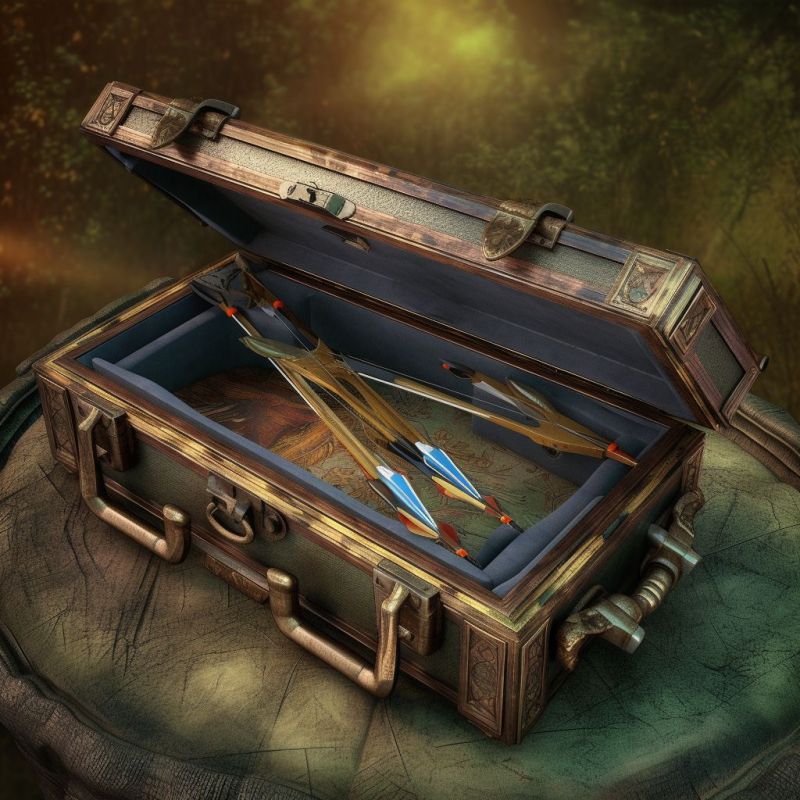 Crossbow Bolt Case1 gp
 Inventory Unequipped:
-
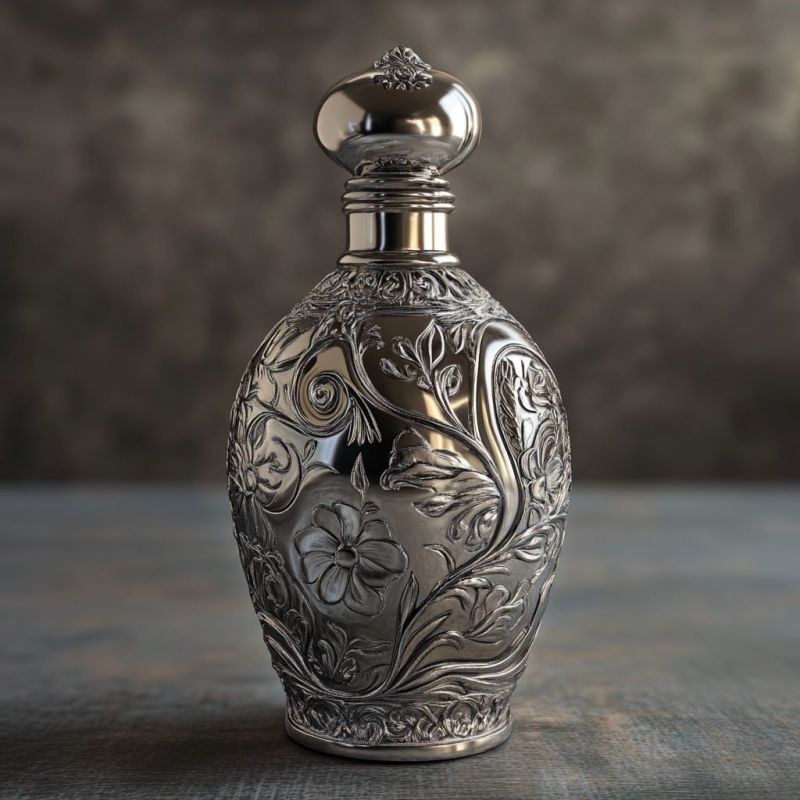 Bottle, Silver75 gp
 -
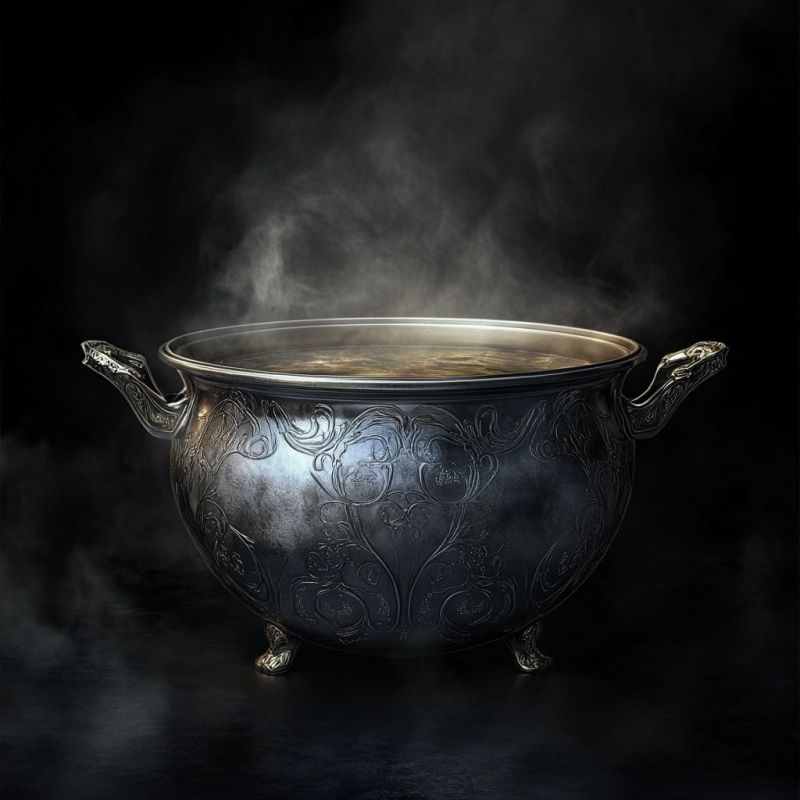 Pot, Silver120 gp
 -
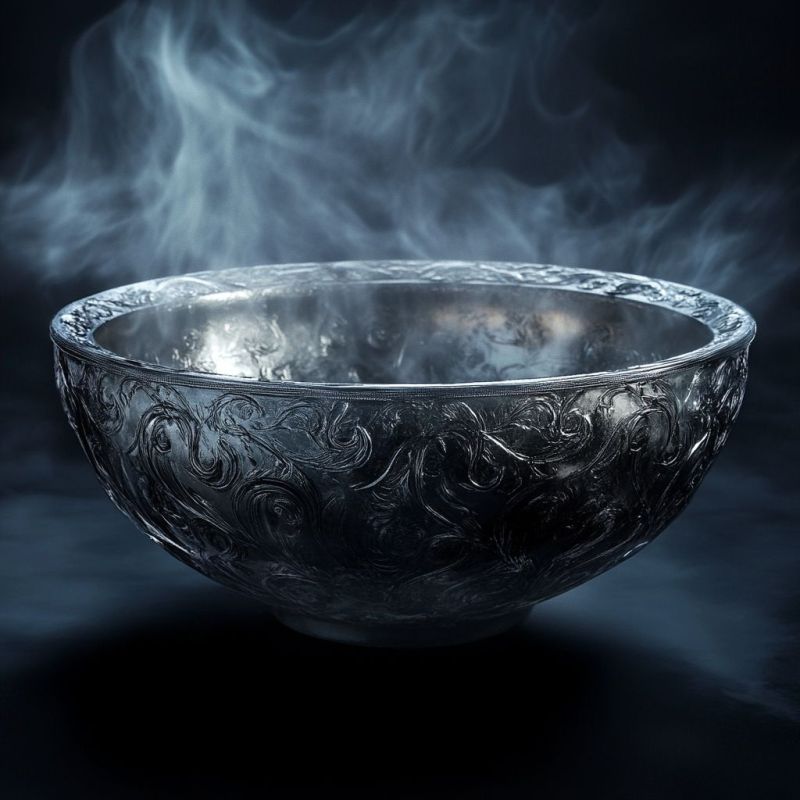 Bowl, Silver75 gp
 -
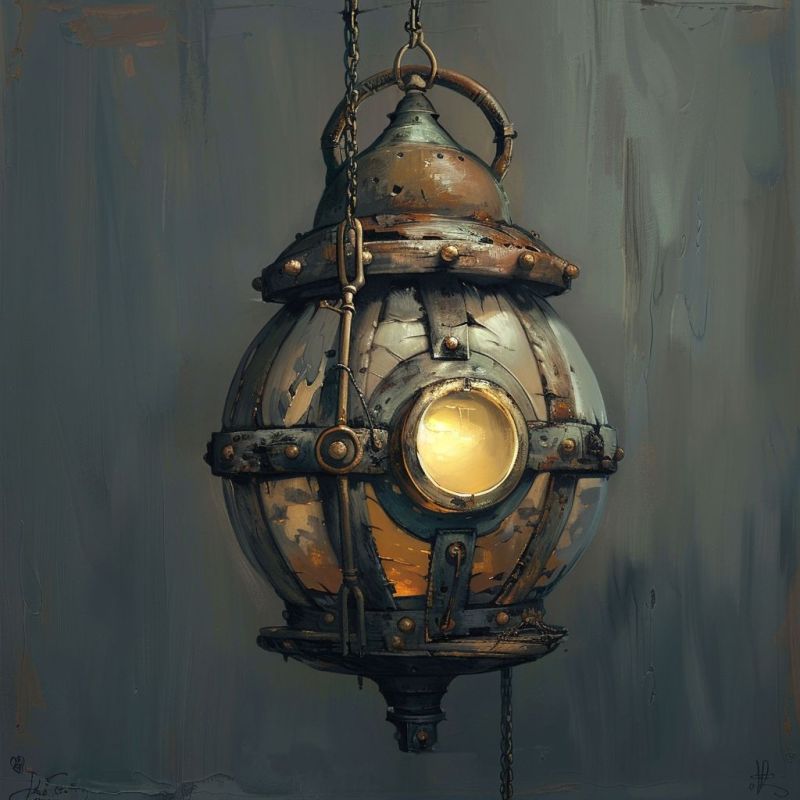 Bullseye Lantern10 gp
 -
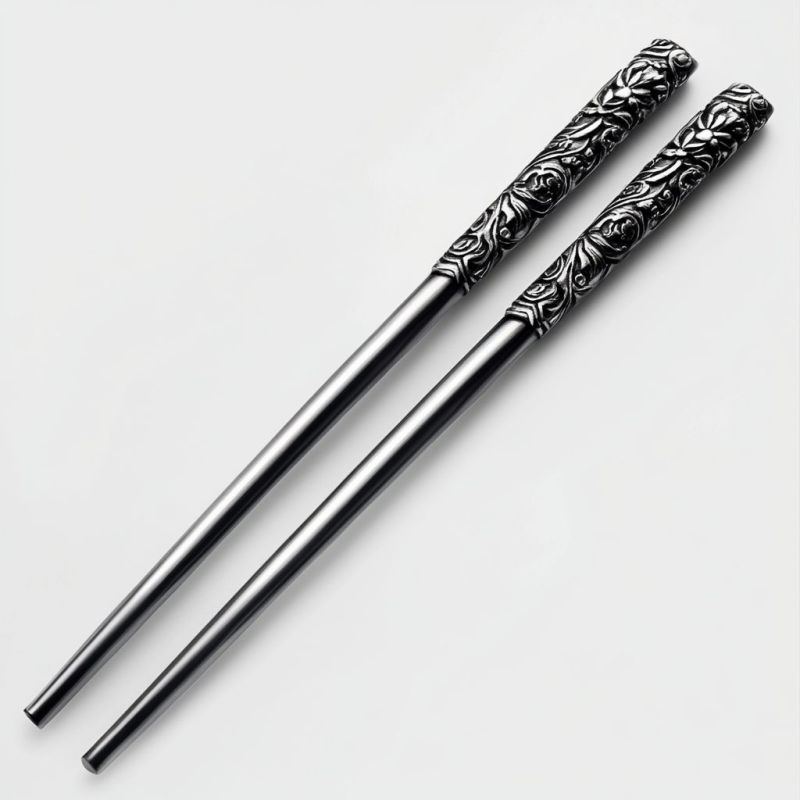 Chopsticks, Silver10 gp
 -
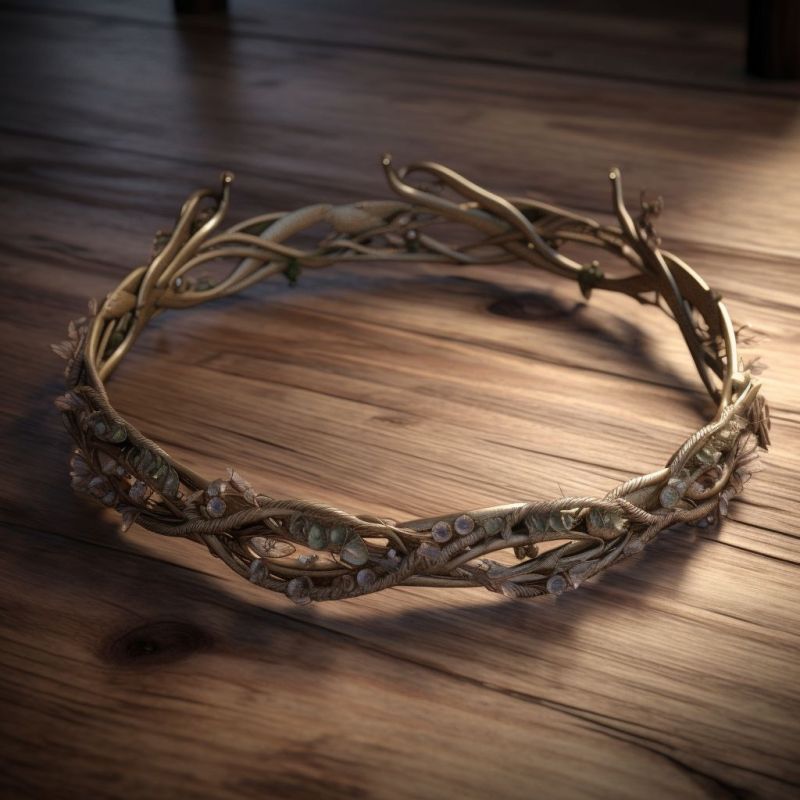 Circlet30 gp
 -
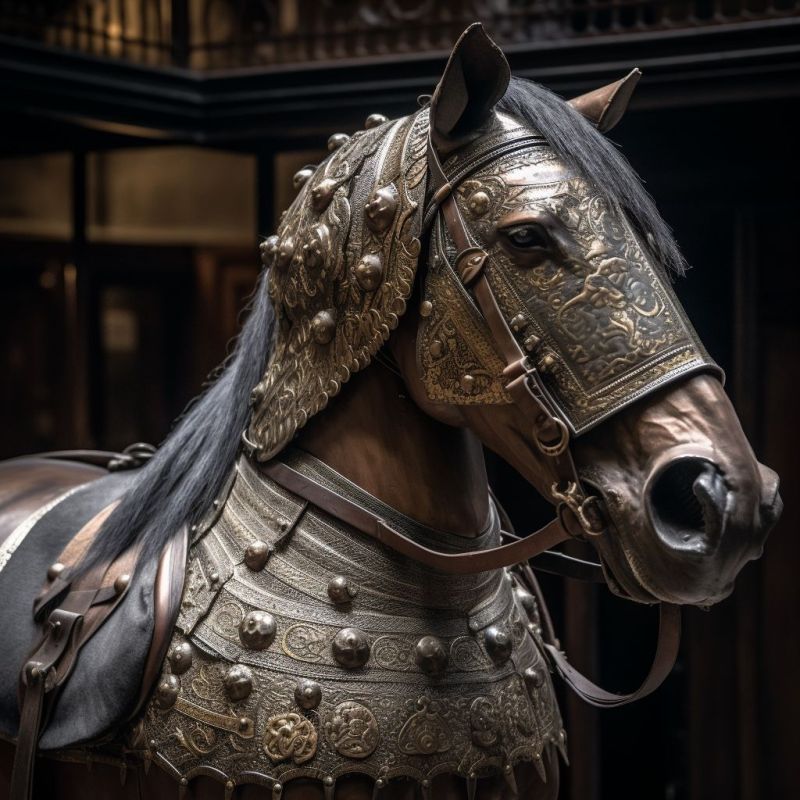 Cuirass Barding90 gp
 -
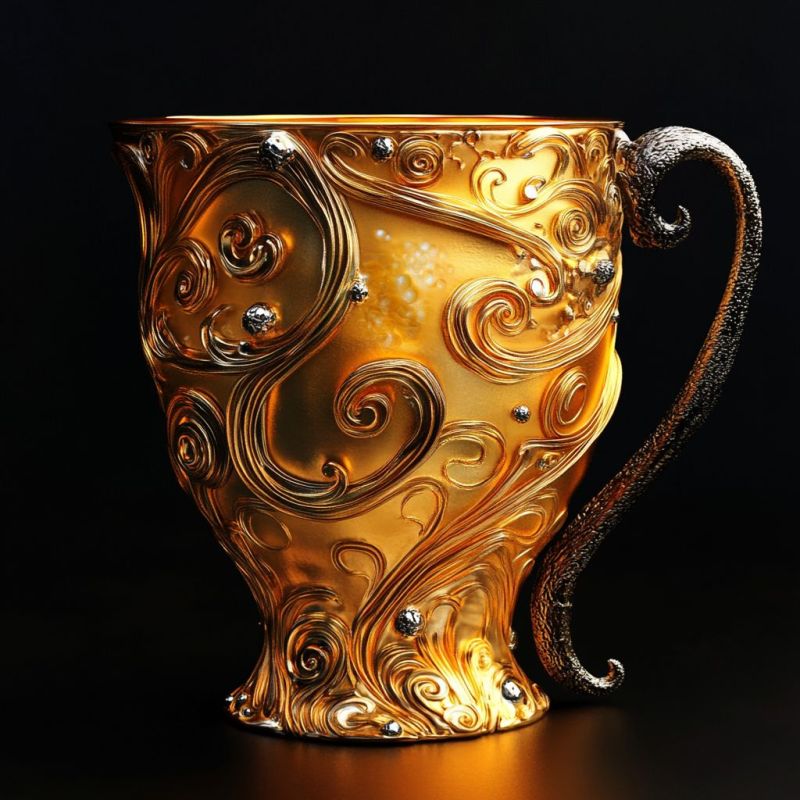 Cup, Gold300 gp
 -
 Gold Ingot150 gp
 -
 Gold Slug1.5 gp
 -
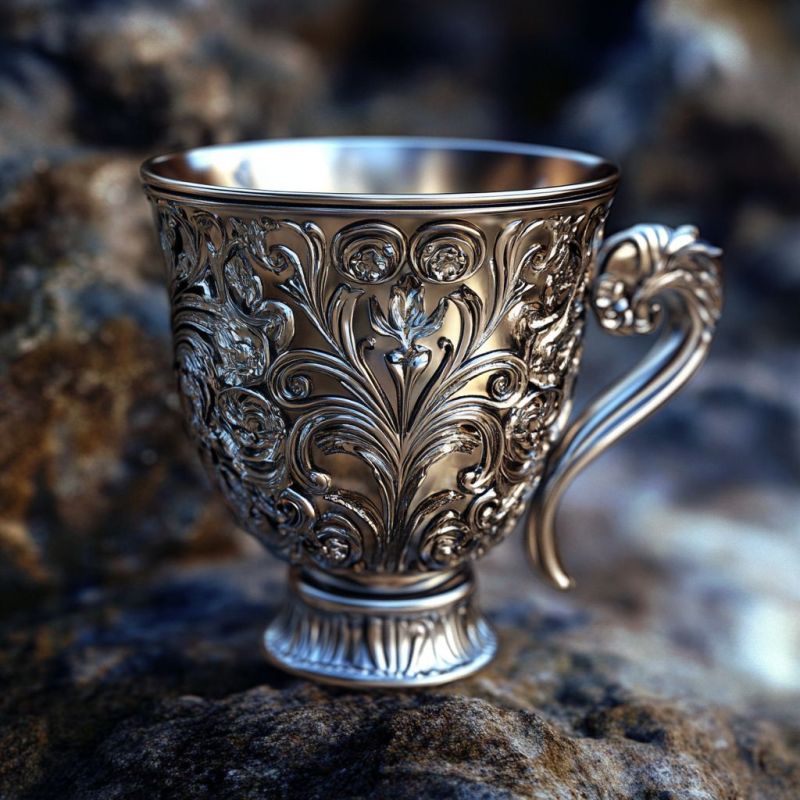 Cup, Silver30 gp
 -
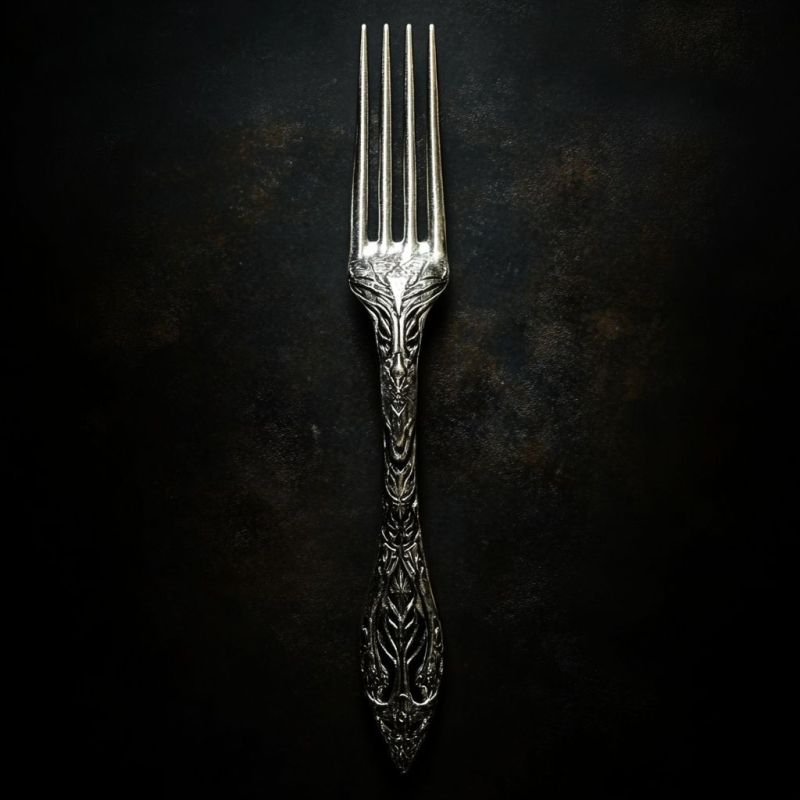 Fork, Silver8 gp
 -
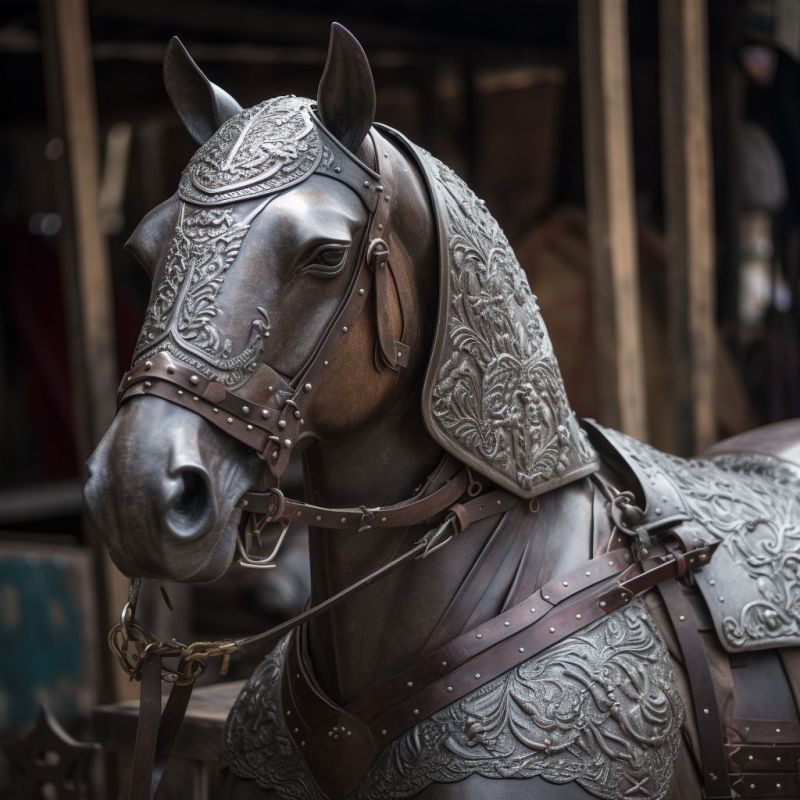 Half Plate Barding450 gp
 -
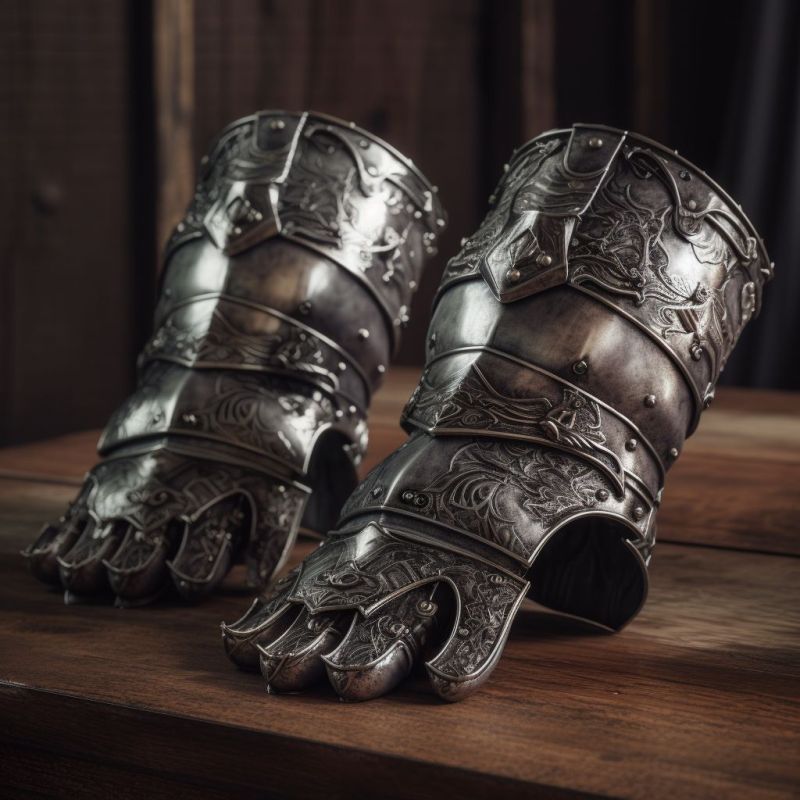 Gauntlets, Iron25 gp
 -
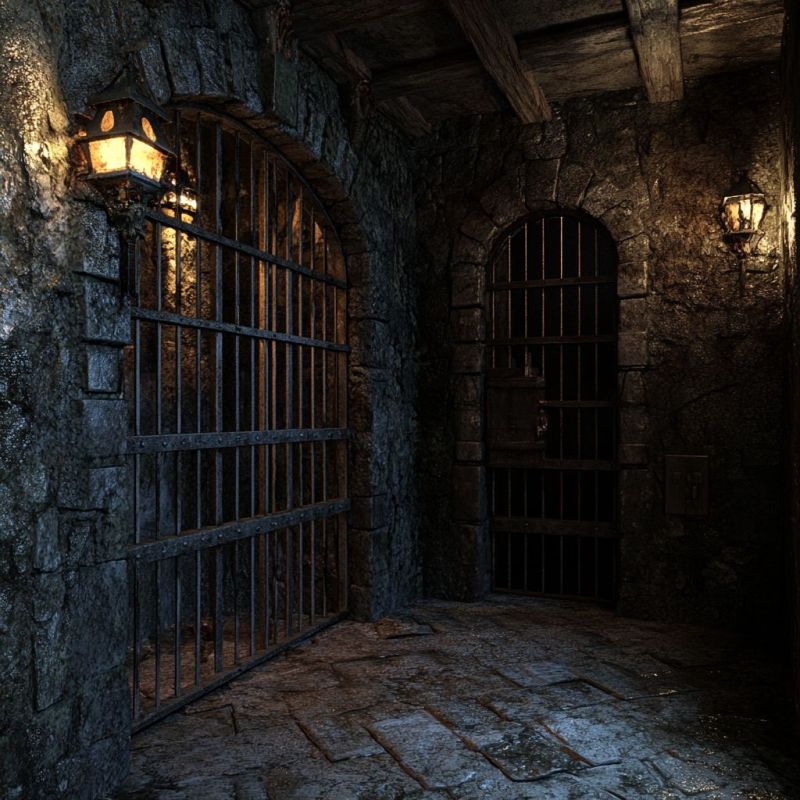 Prison Cell, Iron60 gp
 -
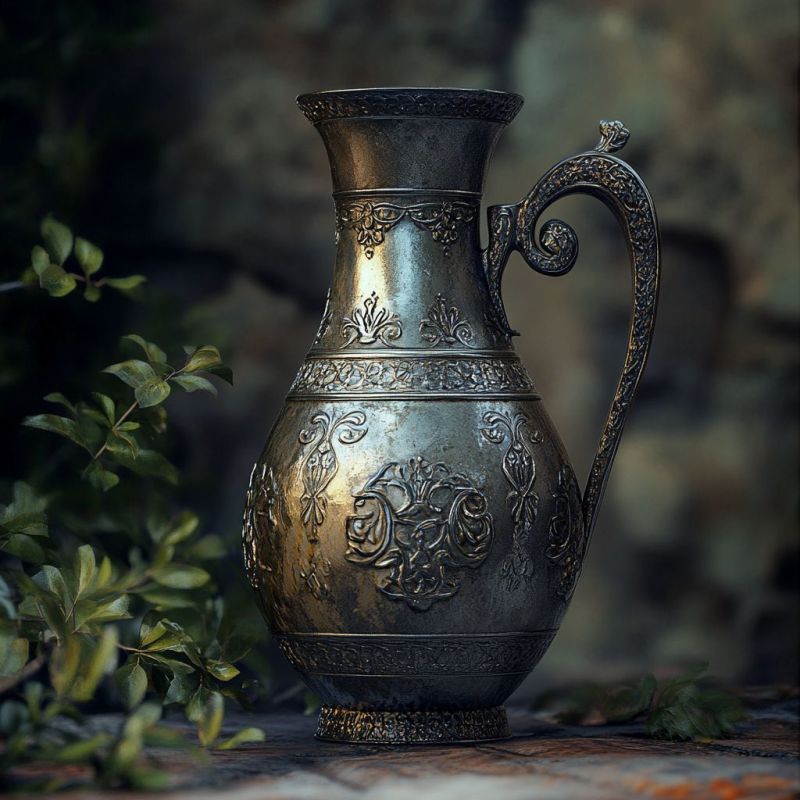 Jug, Silver150 gp
 -
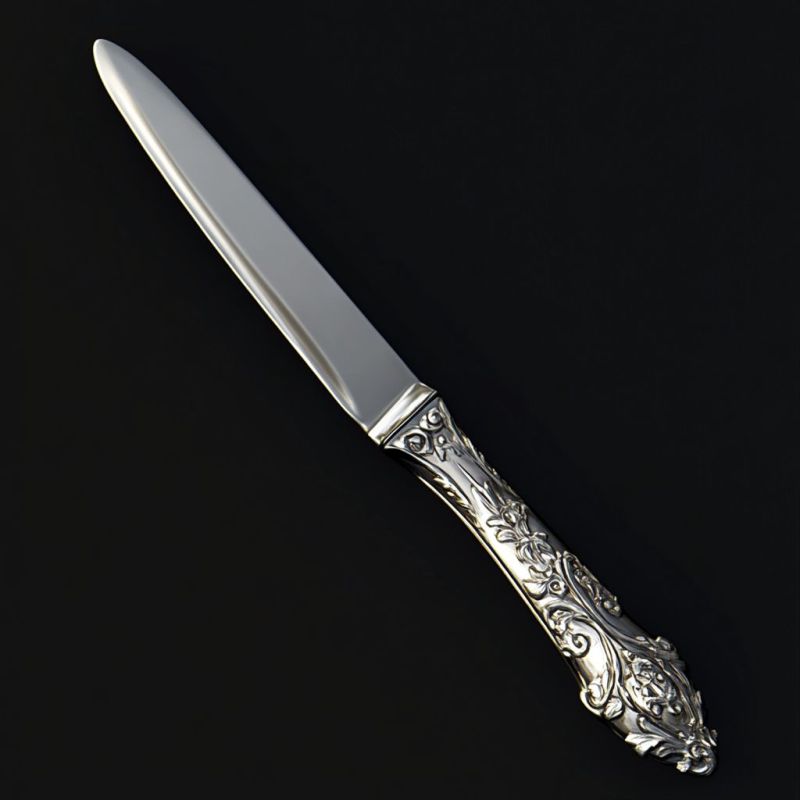 Knife, Silver25 gp
 -
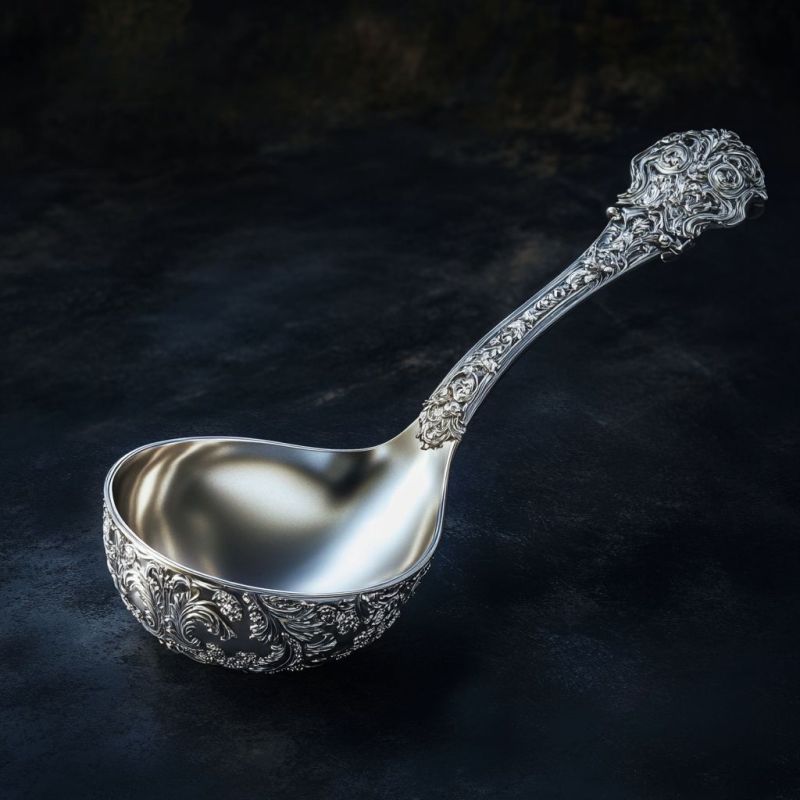 Ladle, Silver30 gp
 -
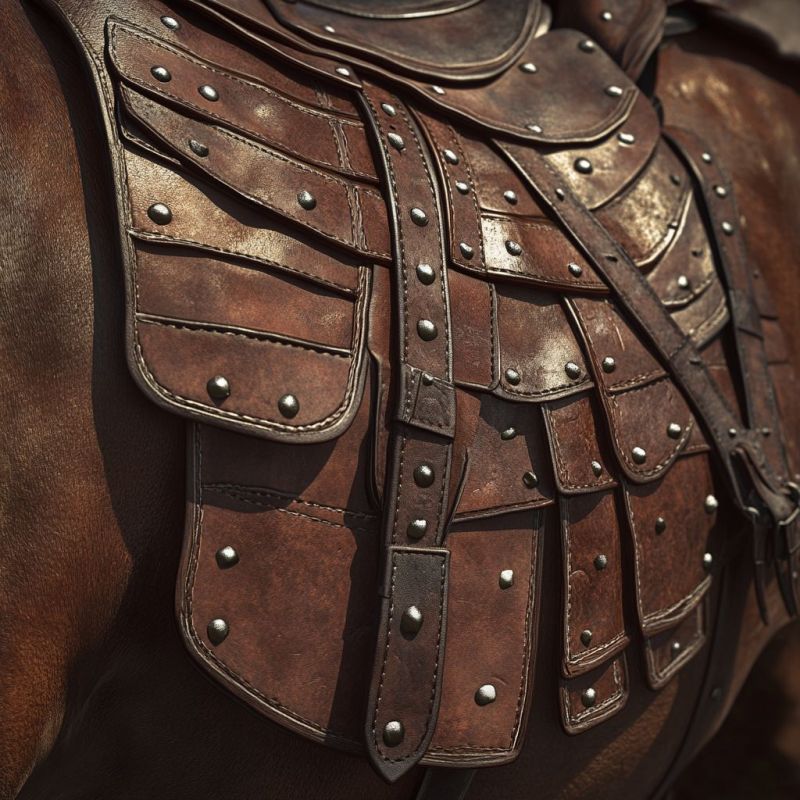 Lamellar Barding70 gp
 -
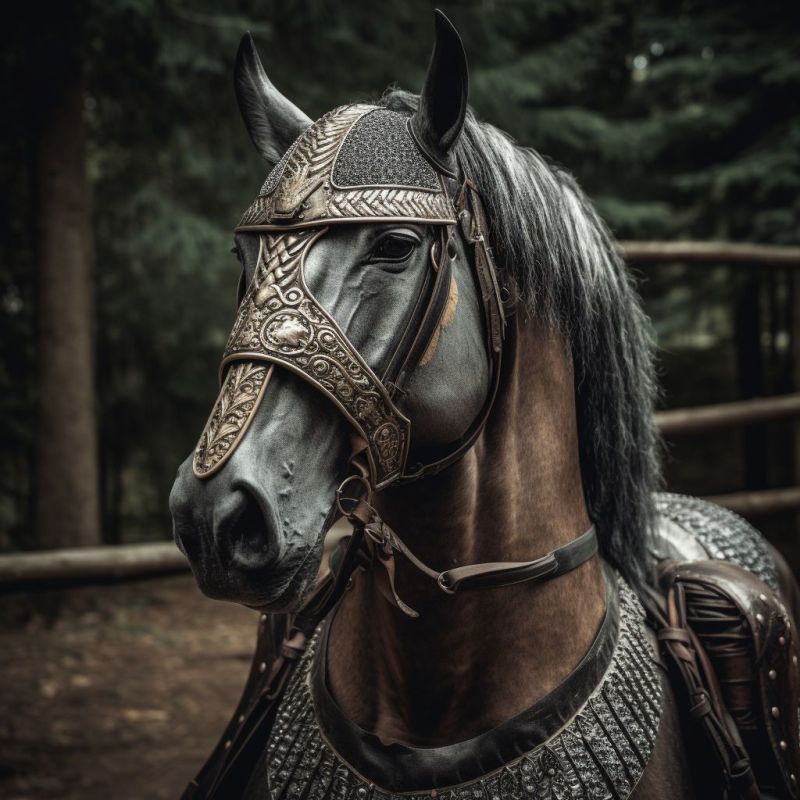 Mail Shirt Barding60 gp
 -
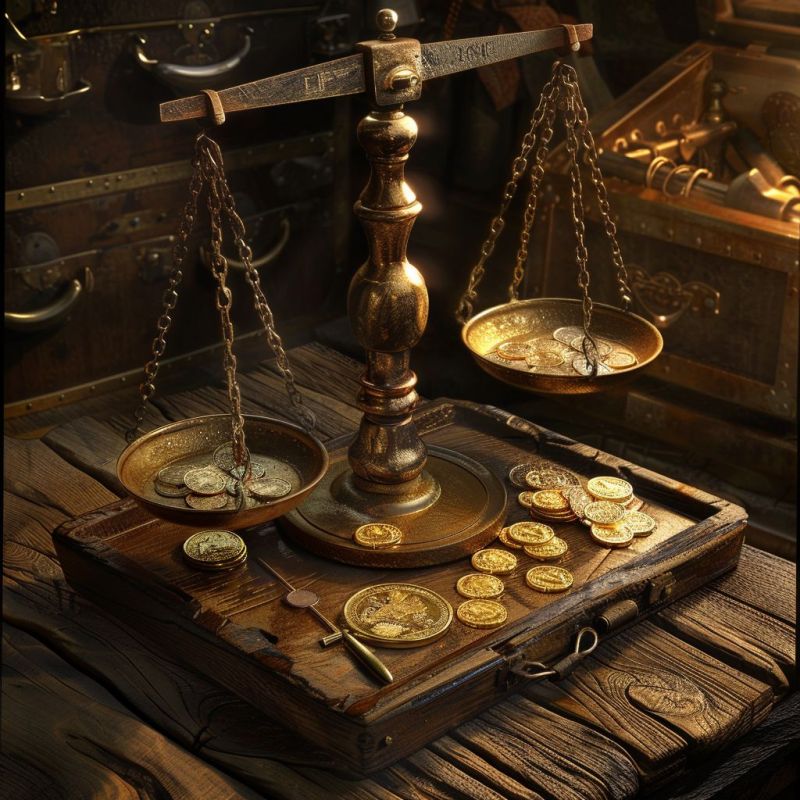 Merchant's Scale5 gp
 -
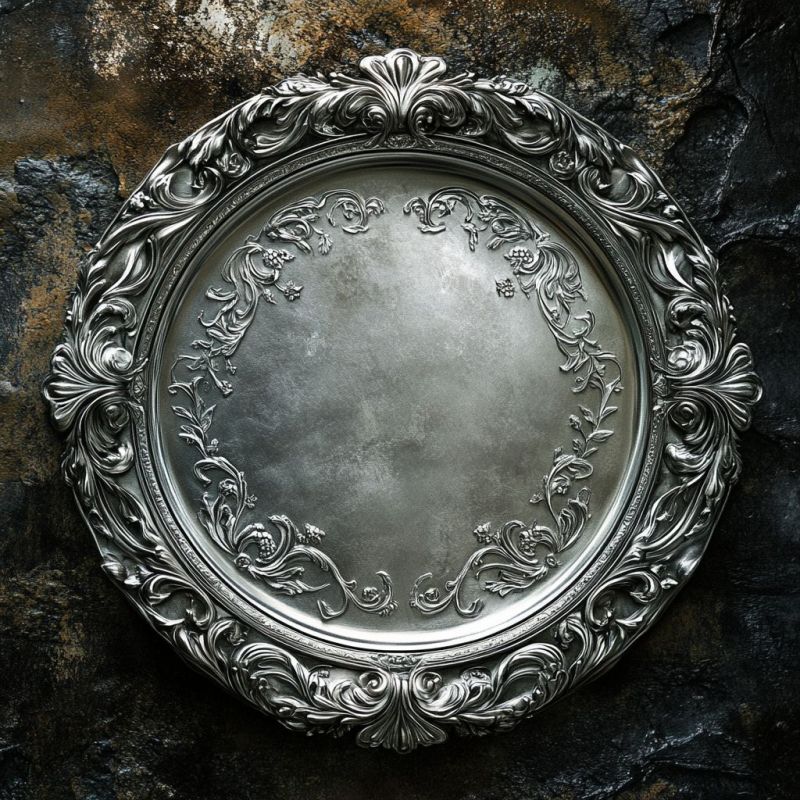 Plate, Silver75 gp
 -
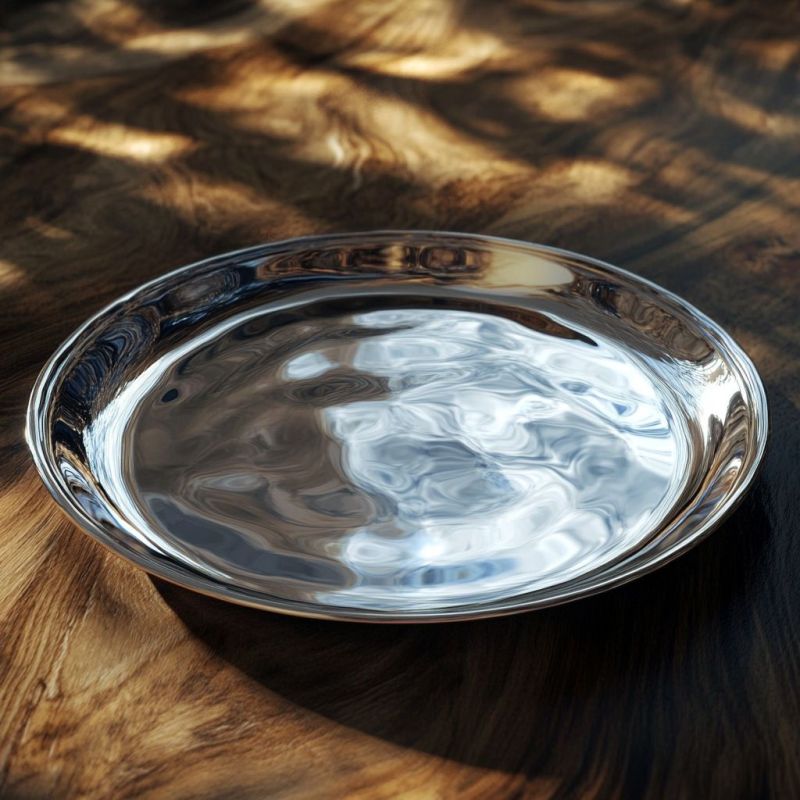 Platter, Silver125 gp
 -
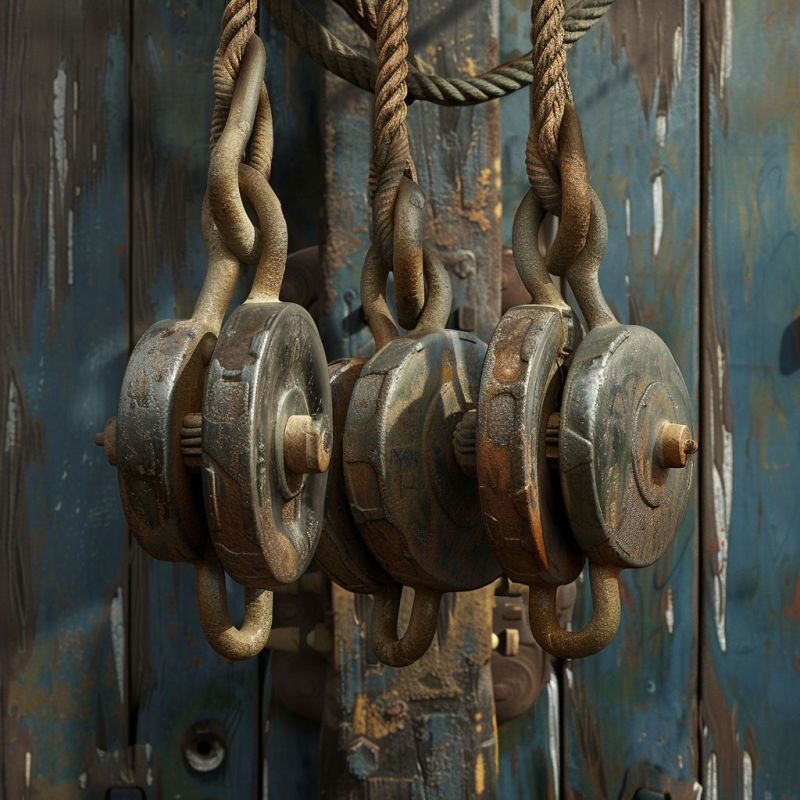 Block and Tackle2 gp
 -
 Magnifying Glass50 2 gp
 -
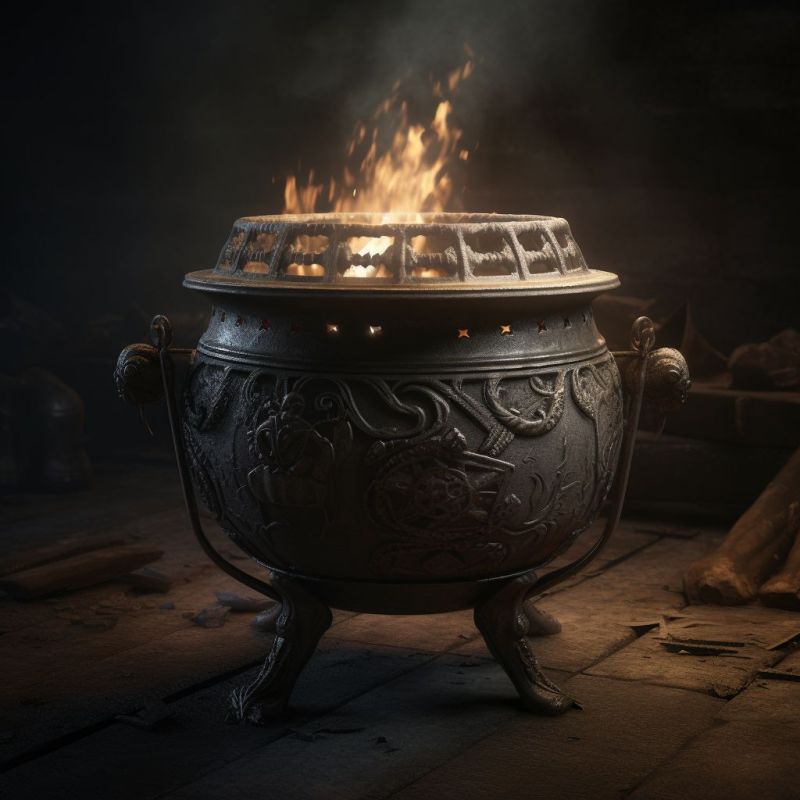 Brazier, Iron5 gp
 -
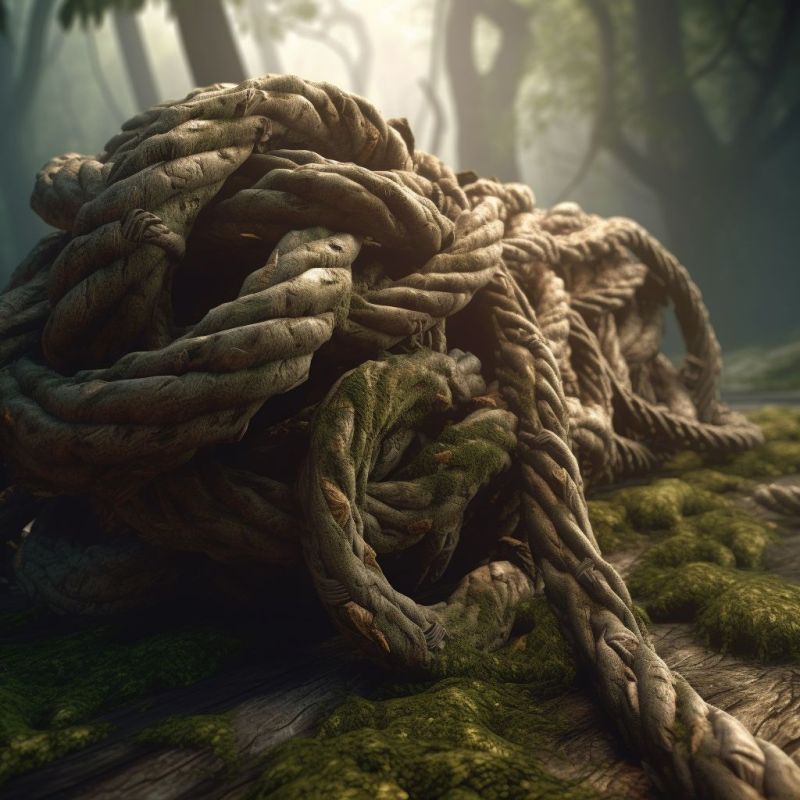 Hempen Rope, 50 feet1 gp
 -
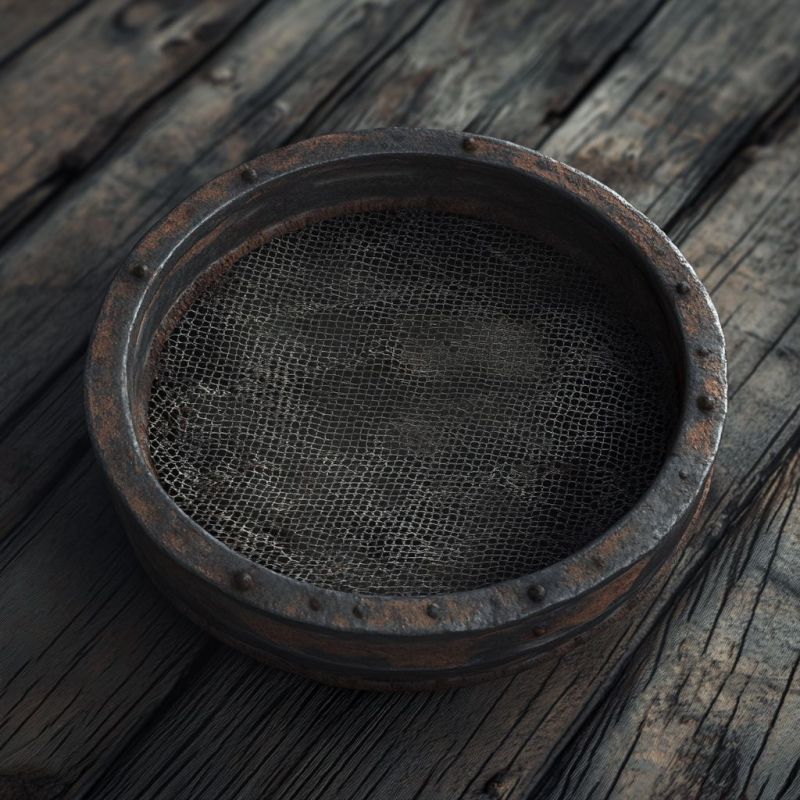 Strainer, Iron7.5 gp
 -
 Spyglass20 gp
 -
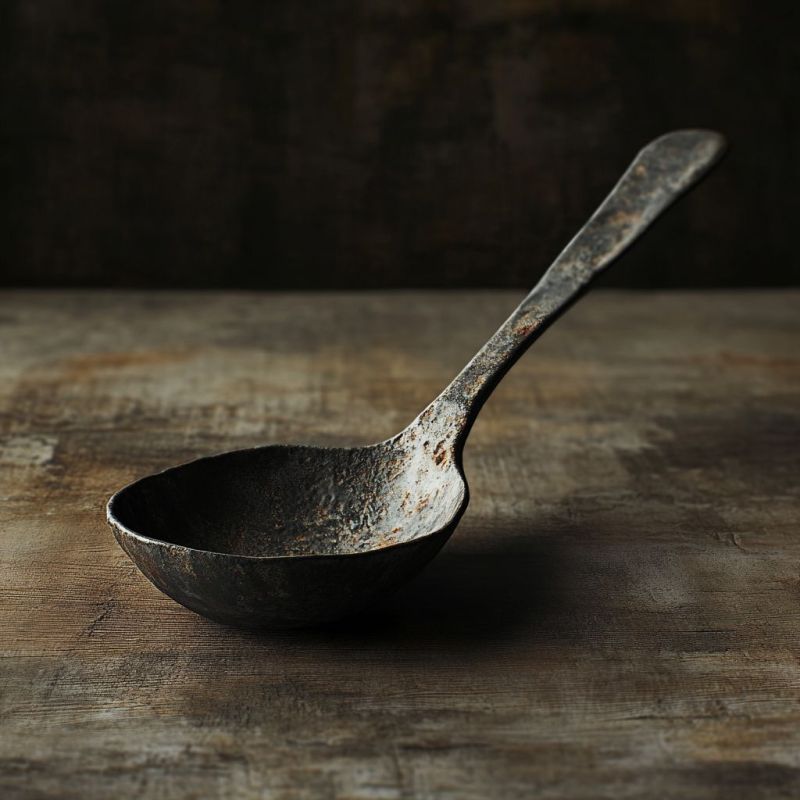 Spoon, Iron0.3 gp
 -
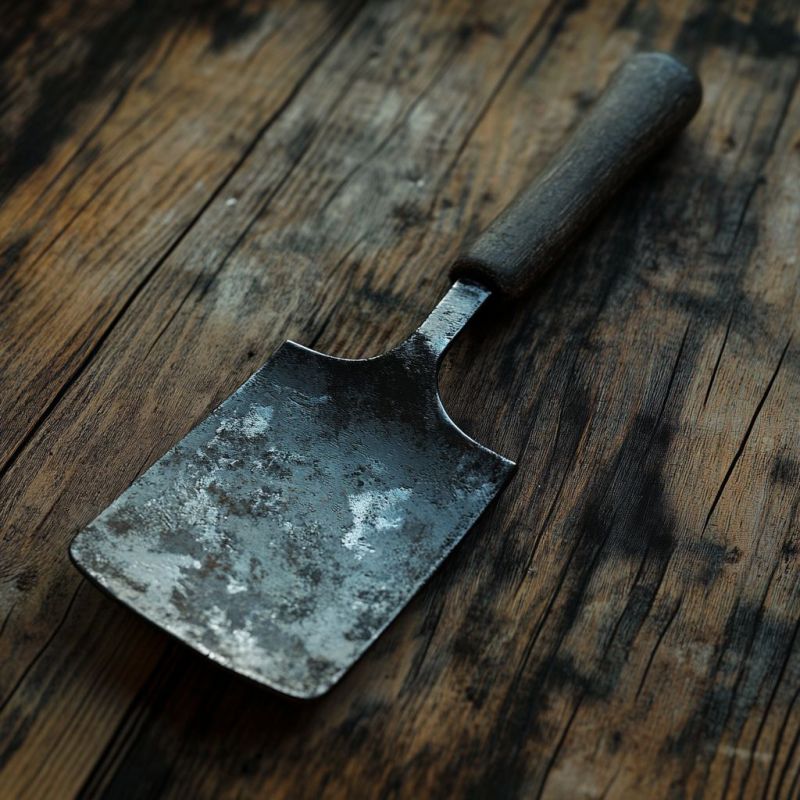 Spatula, Iron0.4 gp
 -
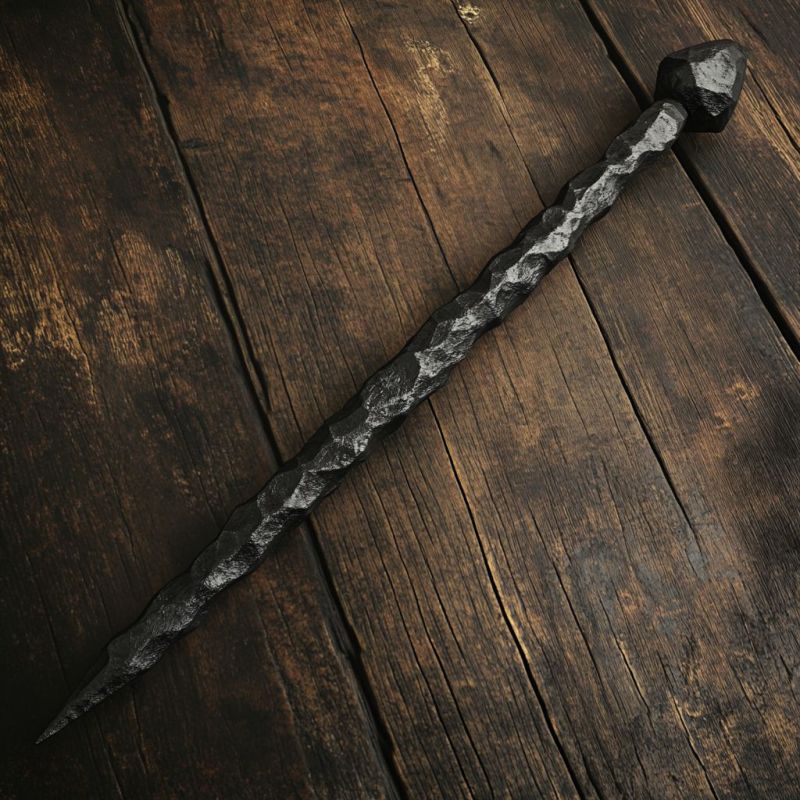 Skewer, Iron2 gp
 -
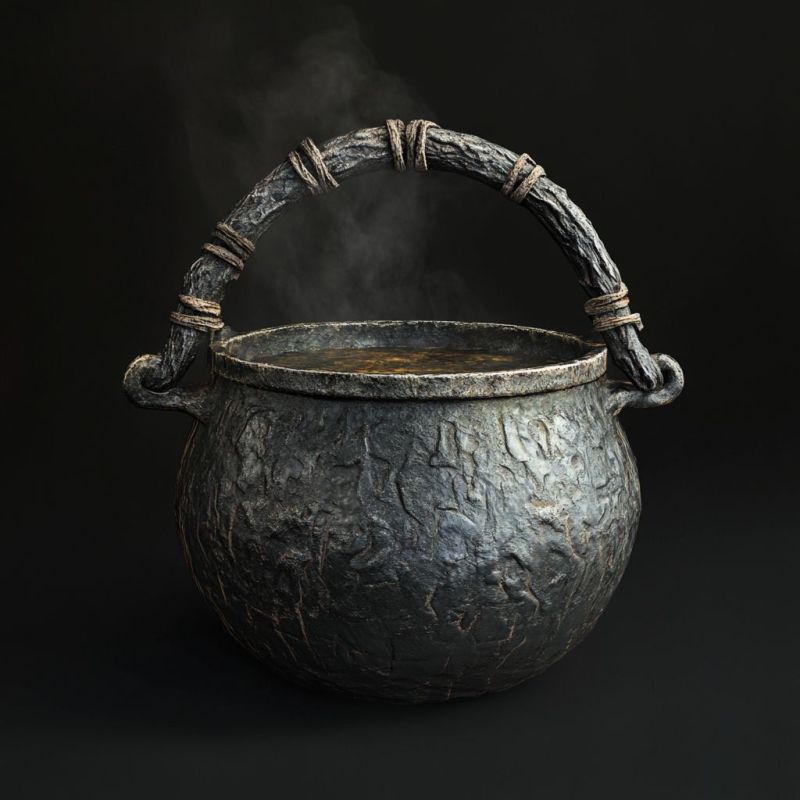 Pot, Iron2 gp
 -
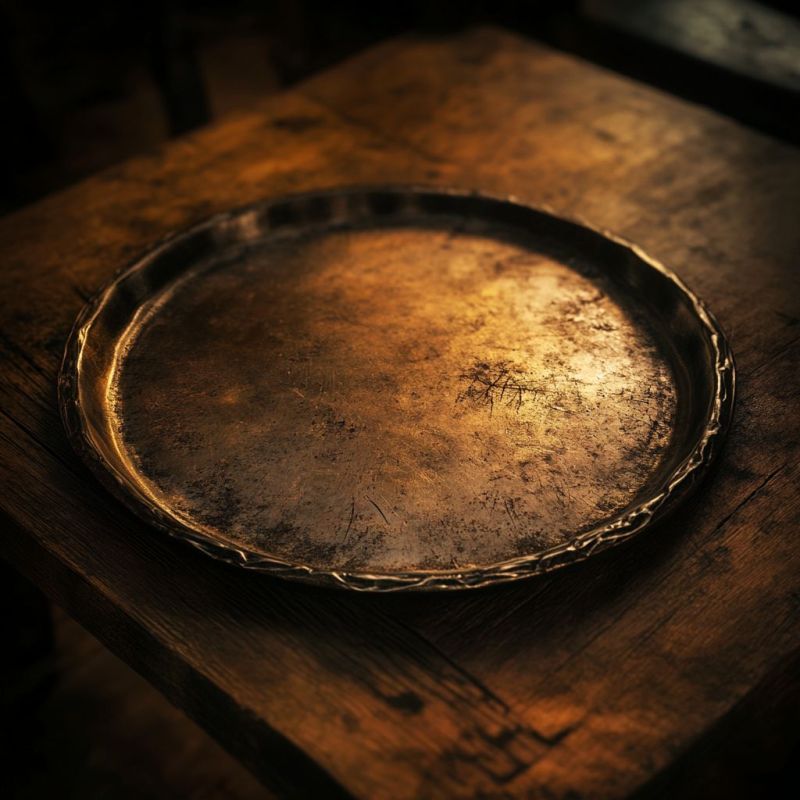 Platter, Iron1.5 gp
 -
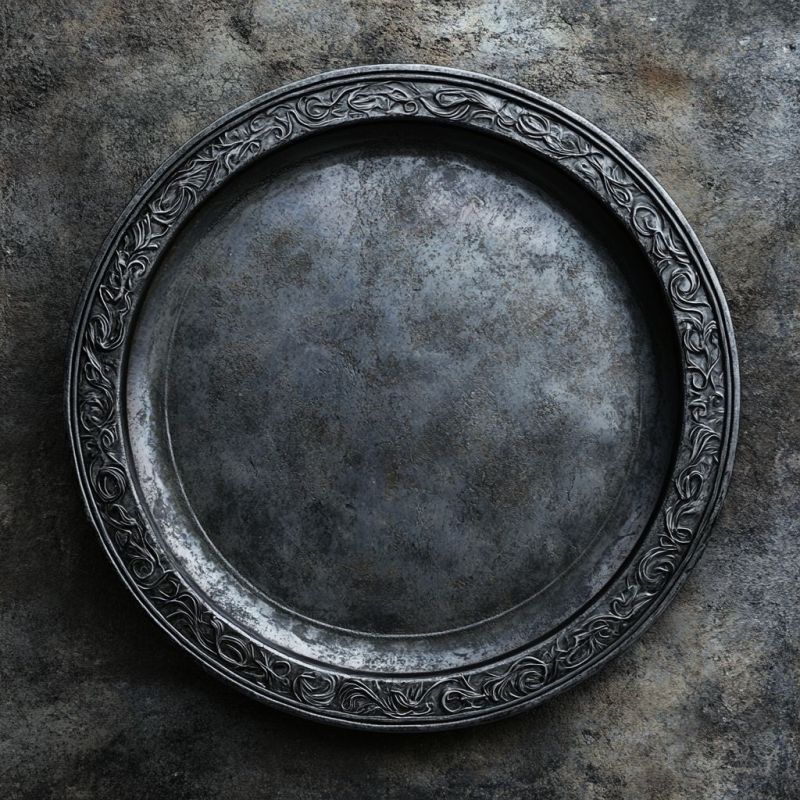 Plate, Iron2 gp
 -
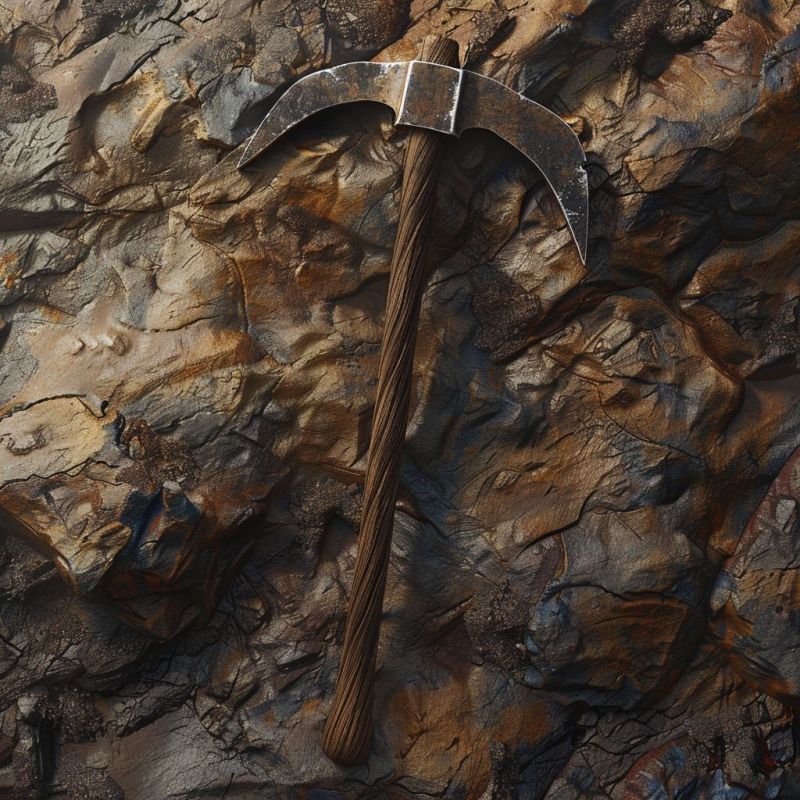 Mining Pick2 gp
 -
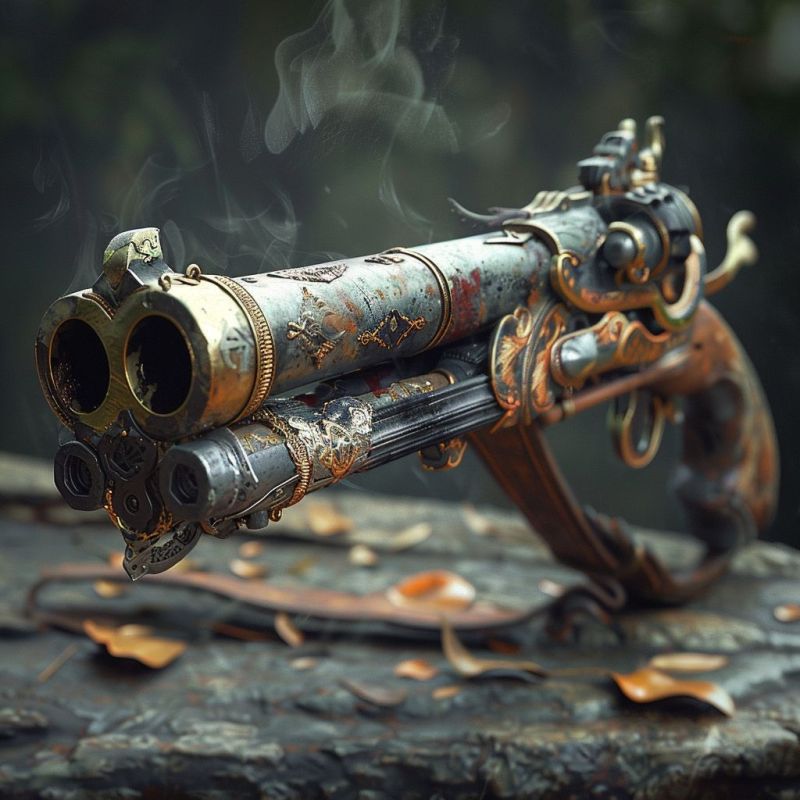 Blunderbuss300 gp
 -
 Glass Lens, Small0.5 gp
 -
 Glass Lens, Medium1.5 gp
 -
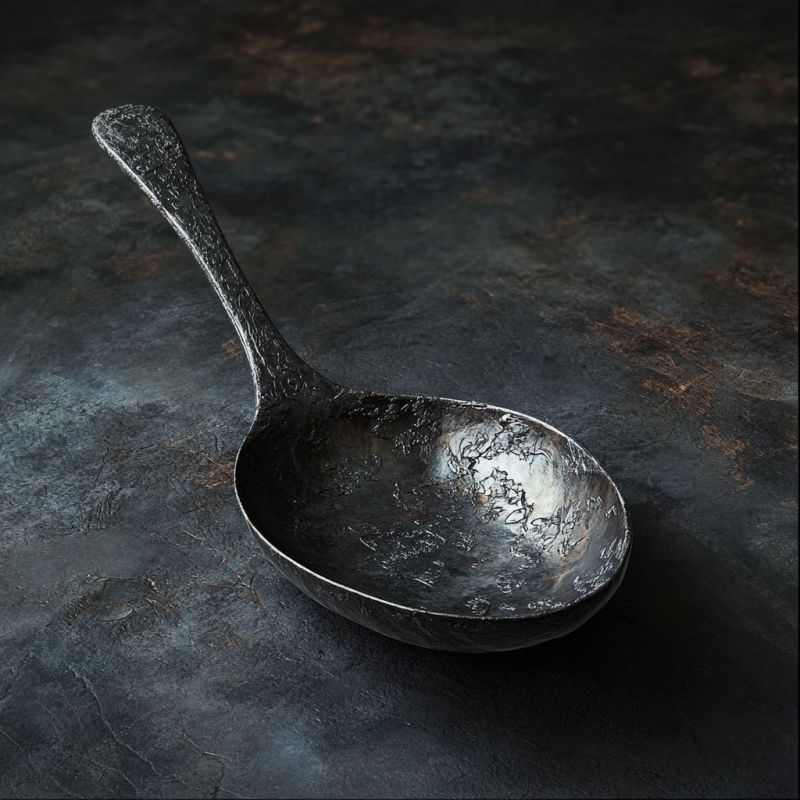 Ladle, Iron0.25 gp
 -
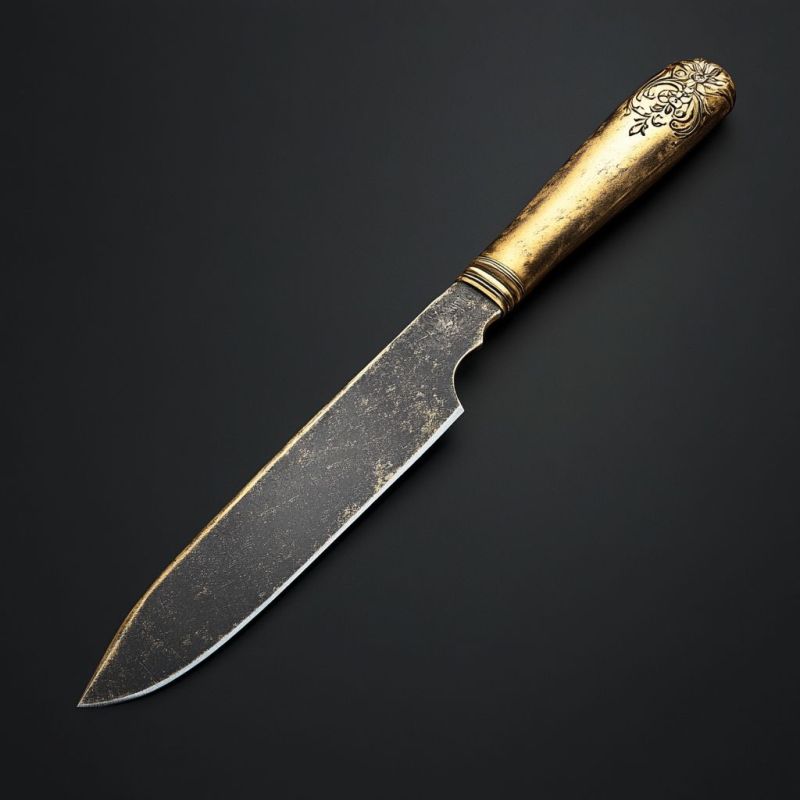 Knife, Iron0.3 gp
 -
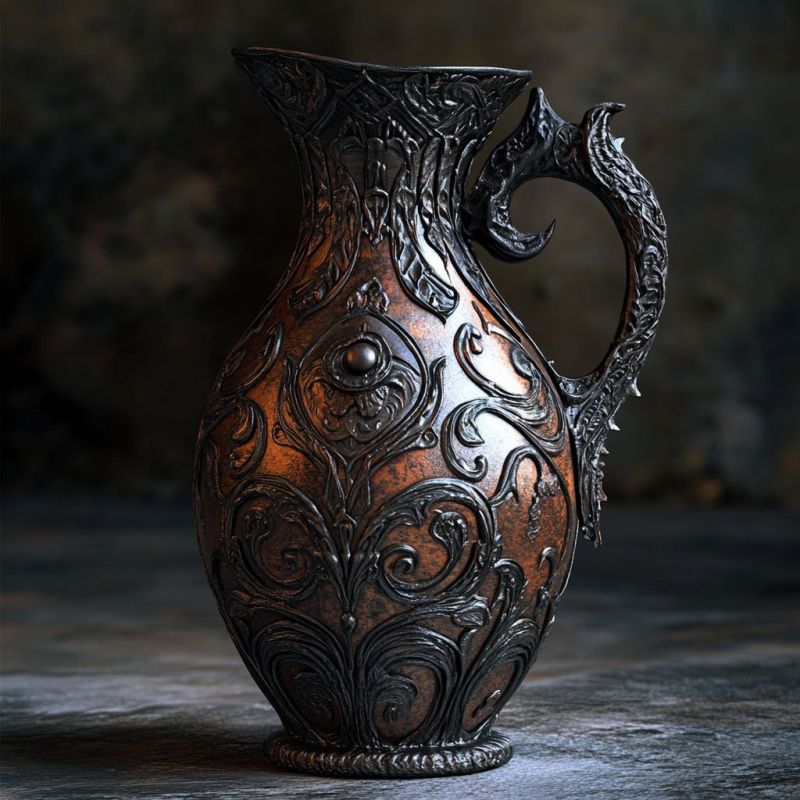 Jug, Iron2 gp
 -
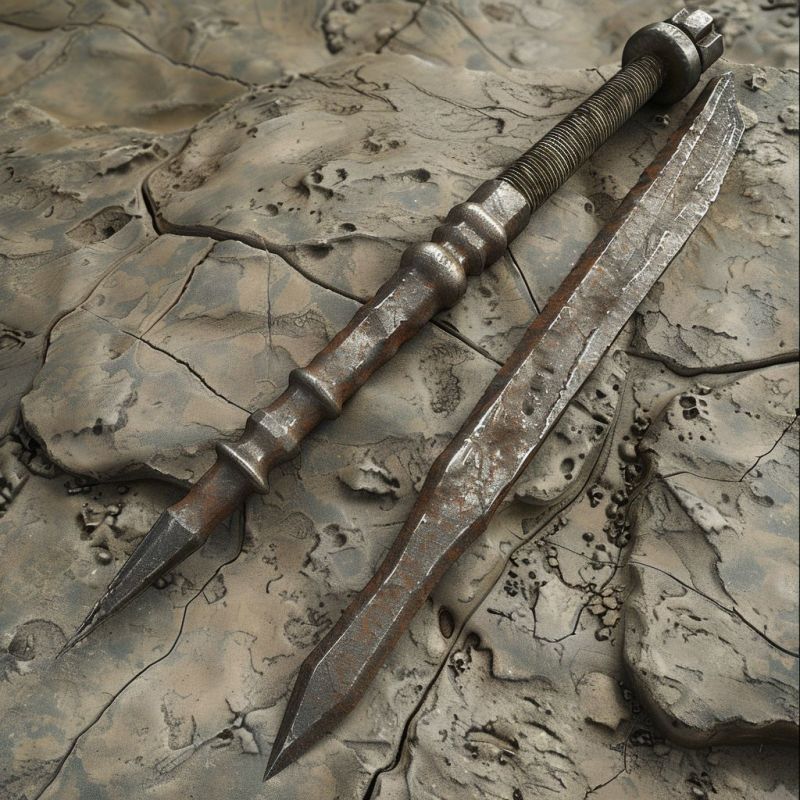 Iron Spike0.1 gp
 -
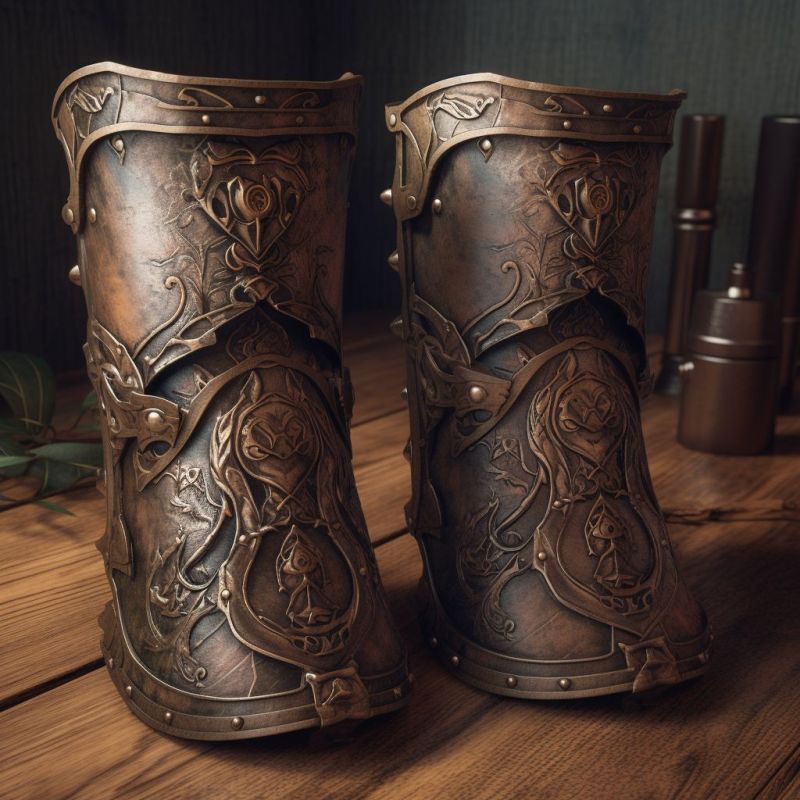 Bracers, Iron8 15 gp
 -
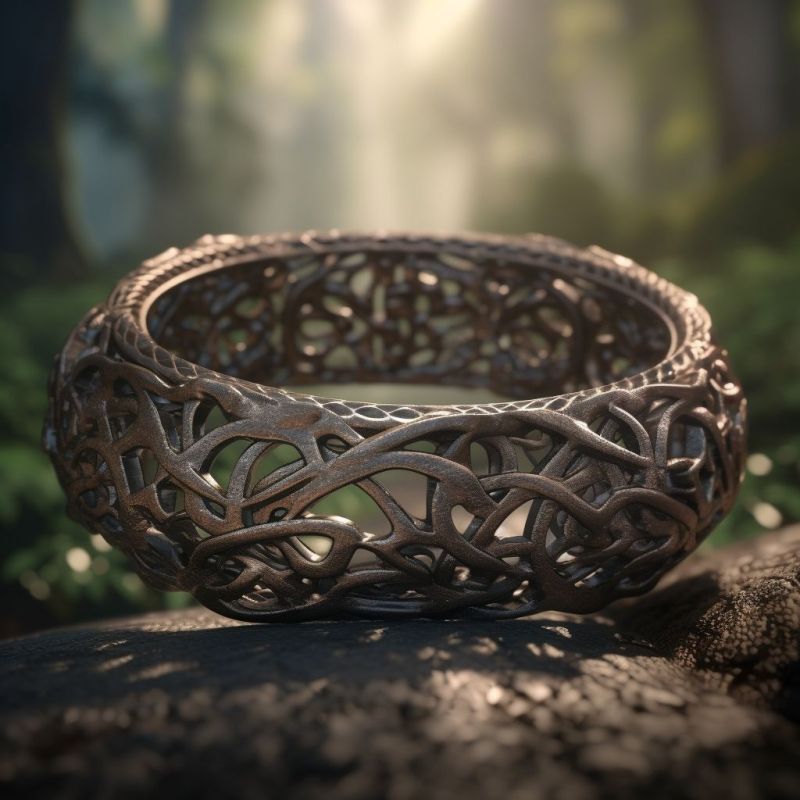 Bracelet, Iron1 gp
 -
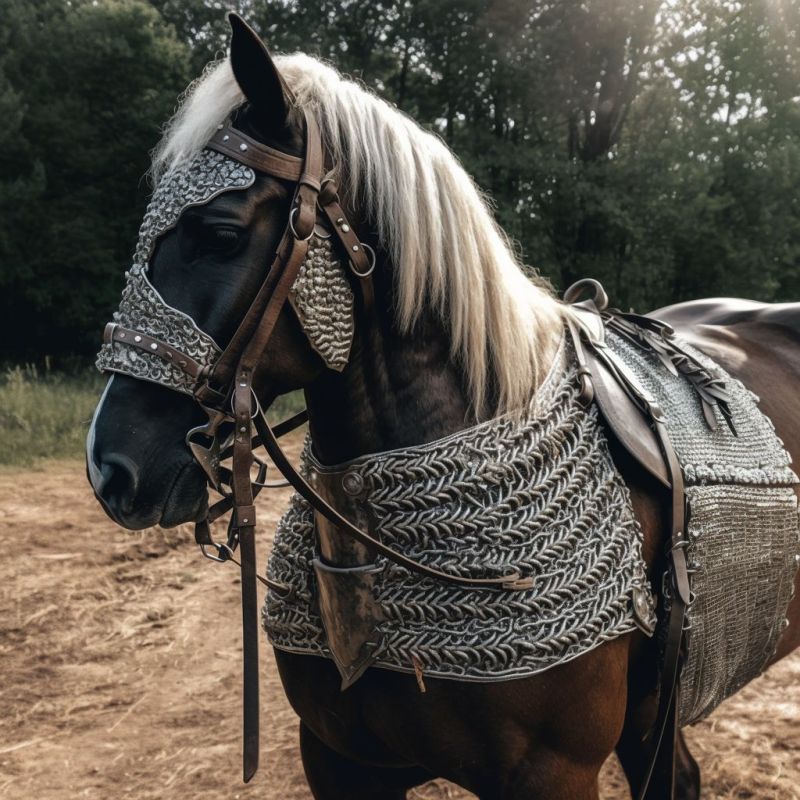 Hauberk Barding250 gp
 -
 Lamp, Hand1 gp
 -
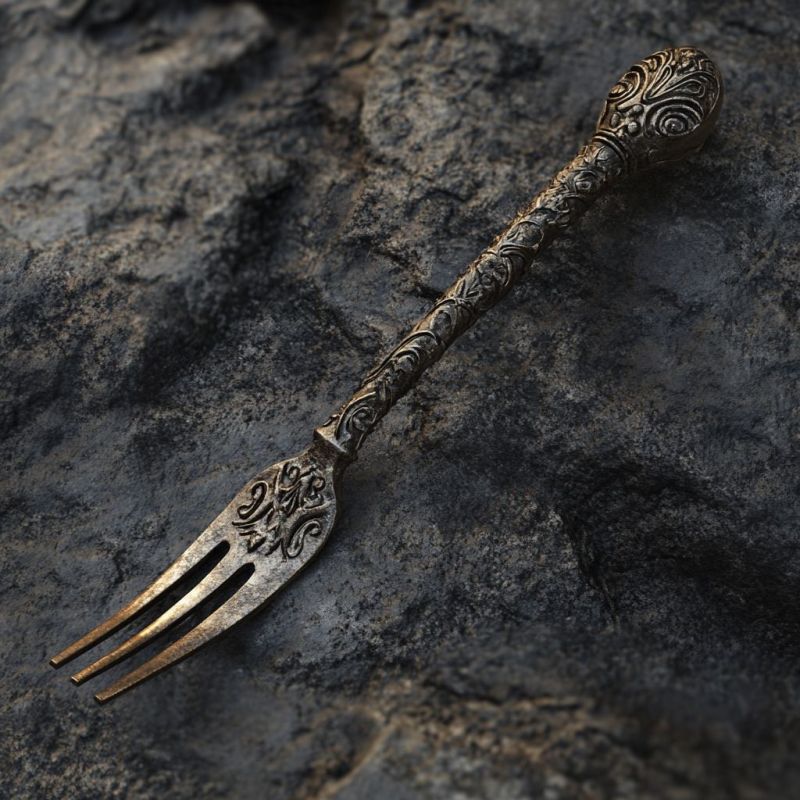 Fork, Iron0.3 gp
 -
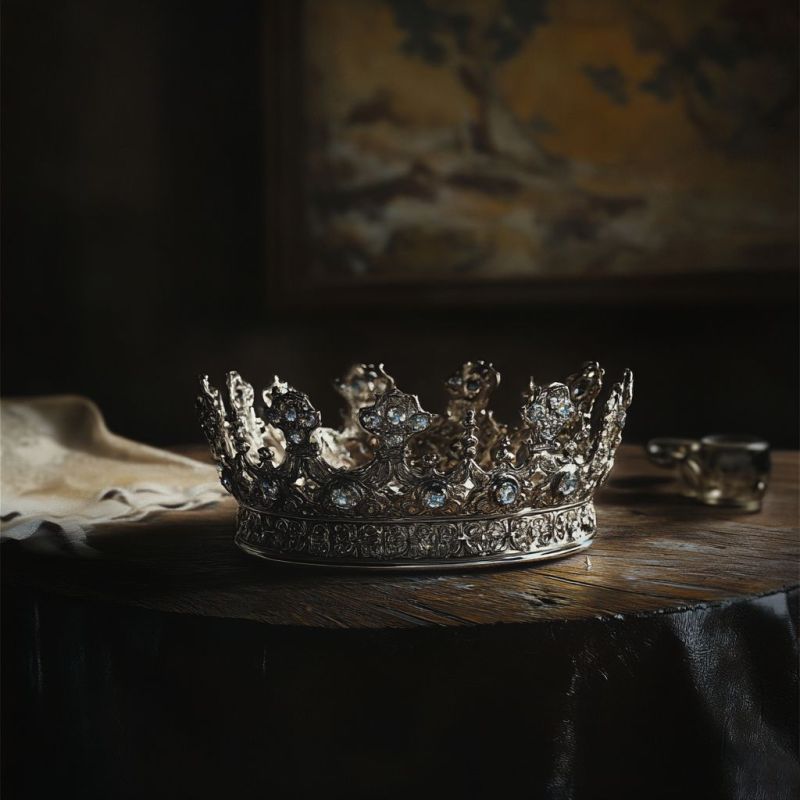 Crown, Silver30 gp
 -
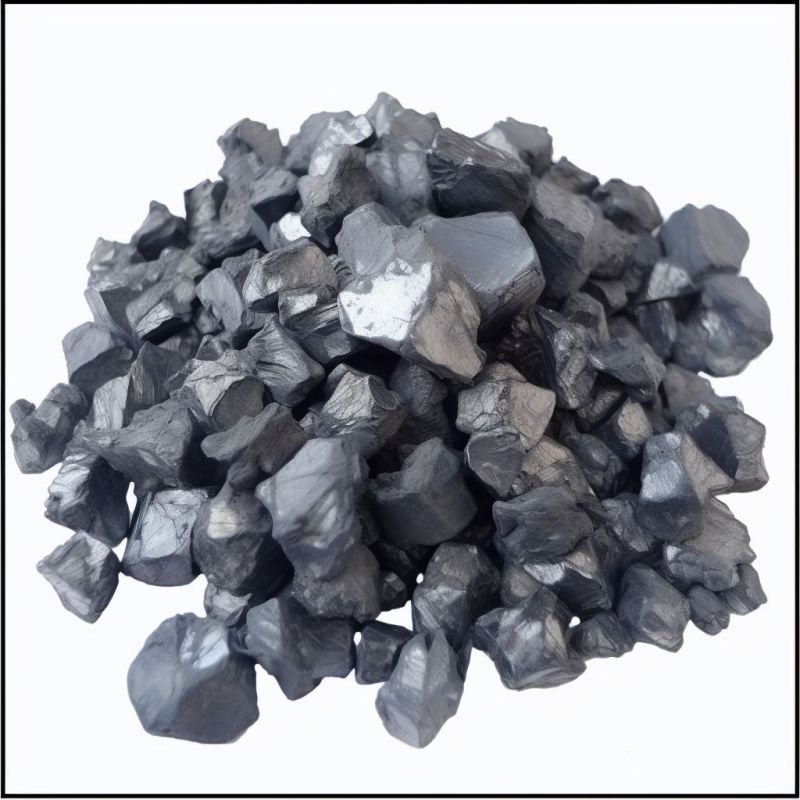 Lead Ore0.2 gp
 -
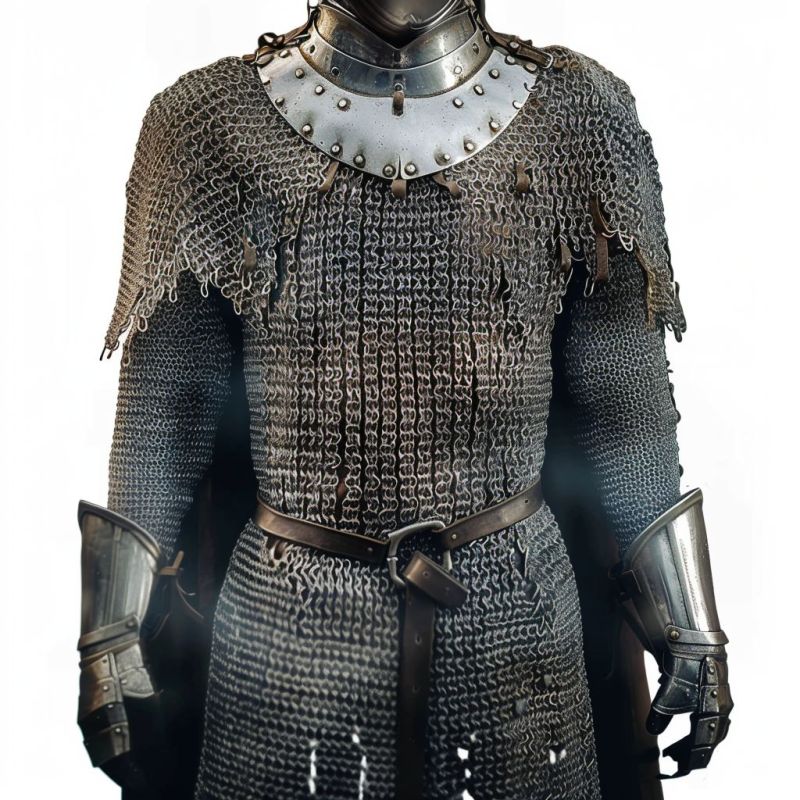 Mail Shirt60 gp
 -
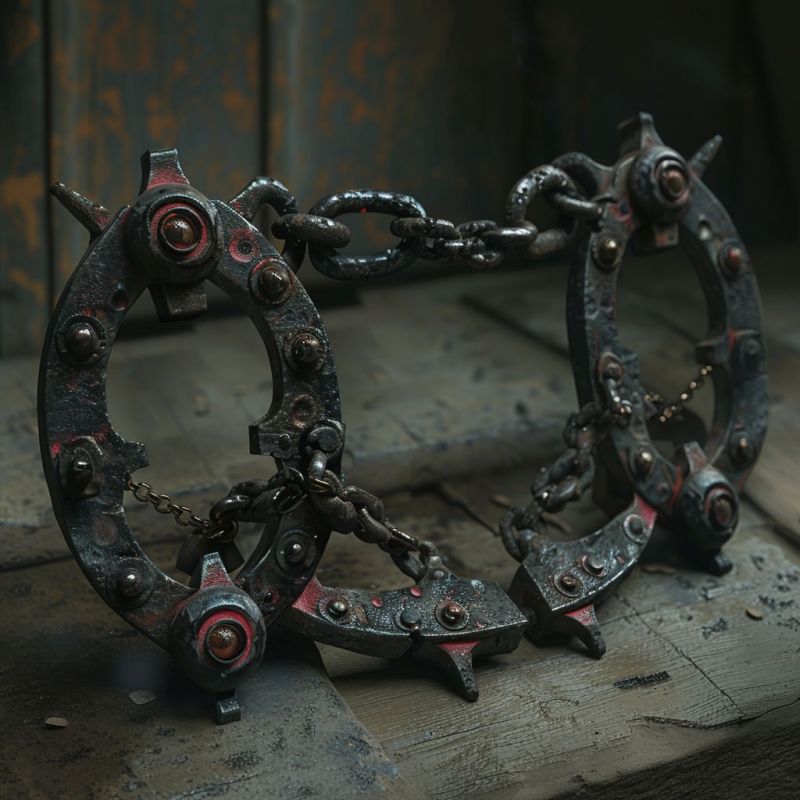 Manacles-100 2 gp
 -
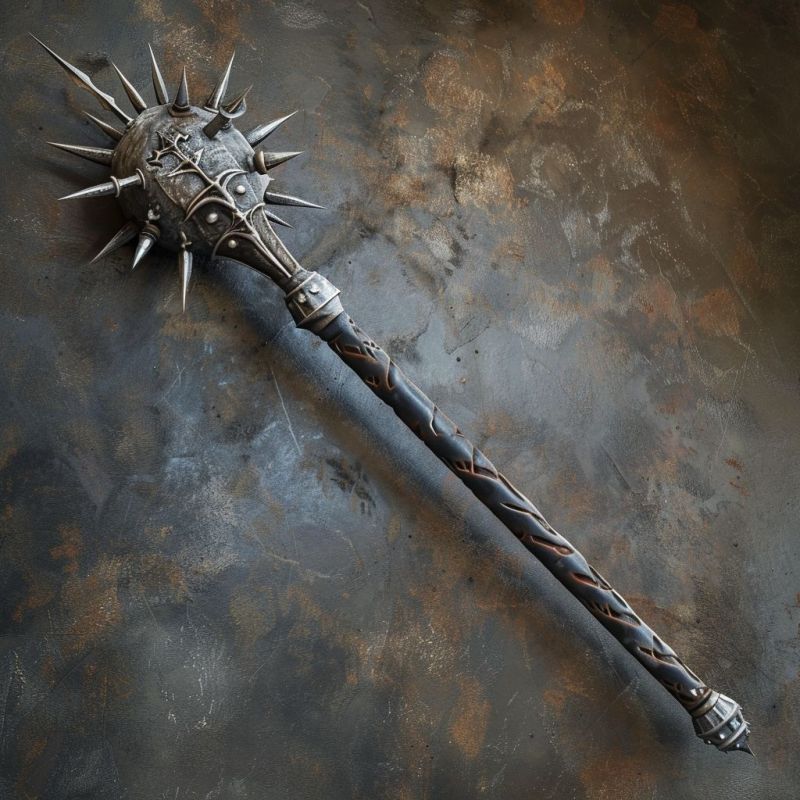 Morningstar15 gp
 -
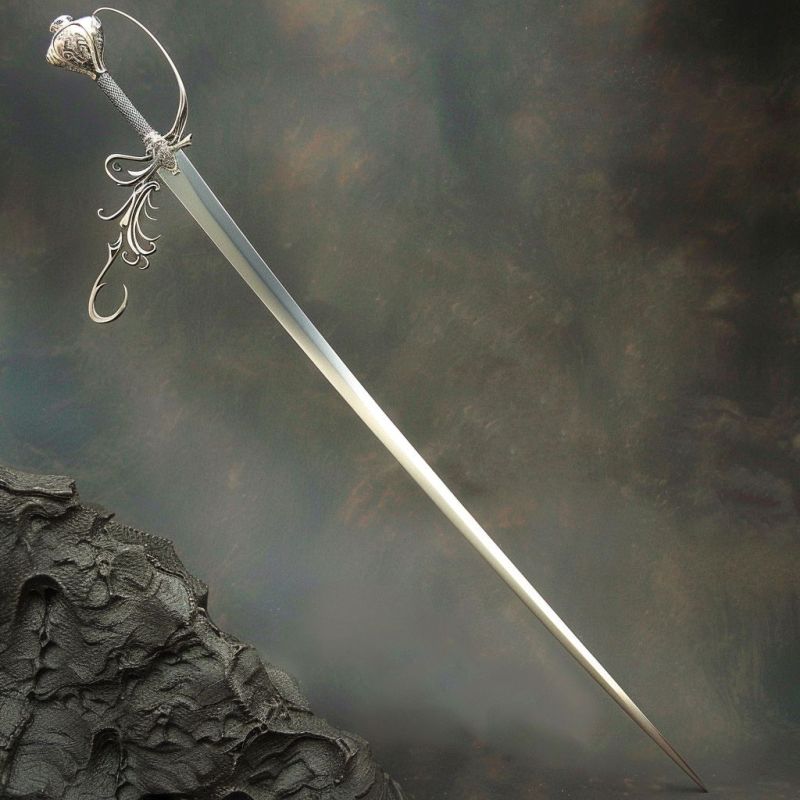 Rapier25 gp
 -
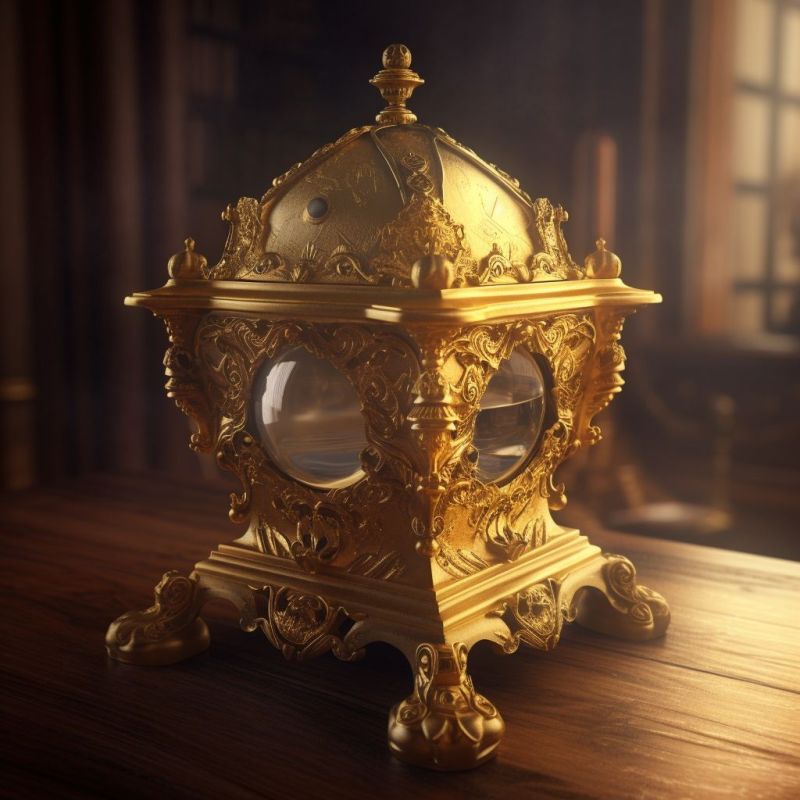 Reliquary200 gp
 -
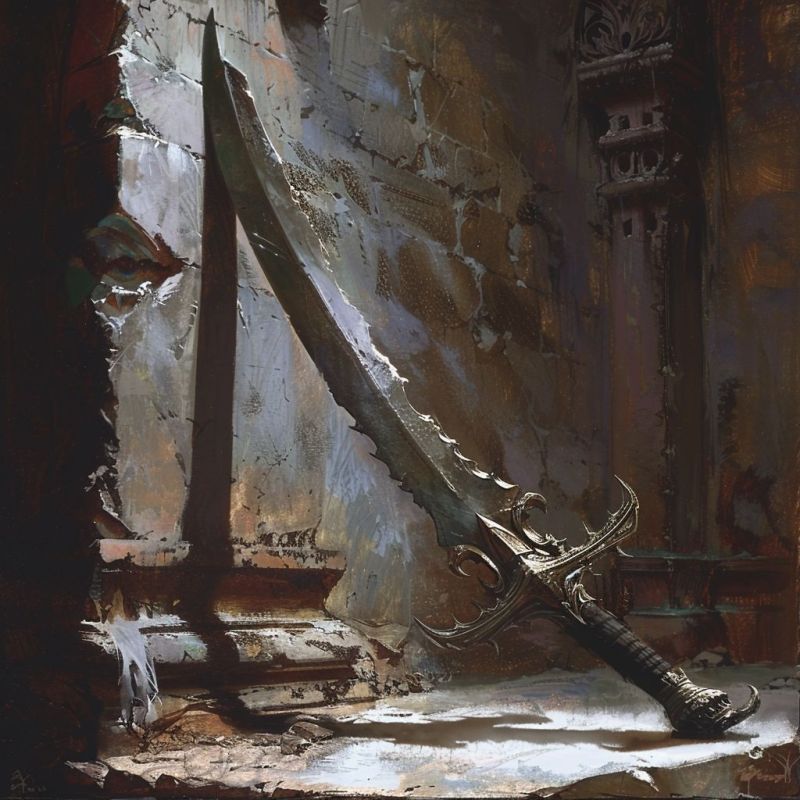 Scimitar25 gp
 -
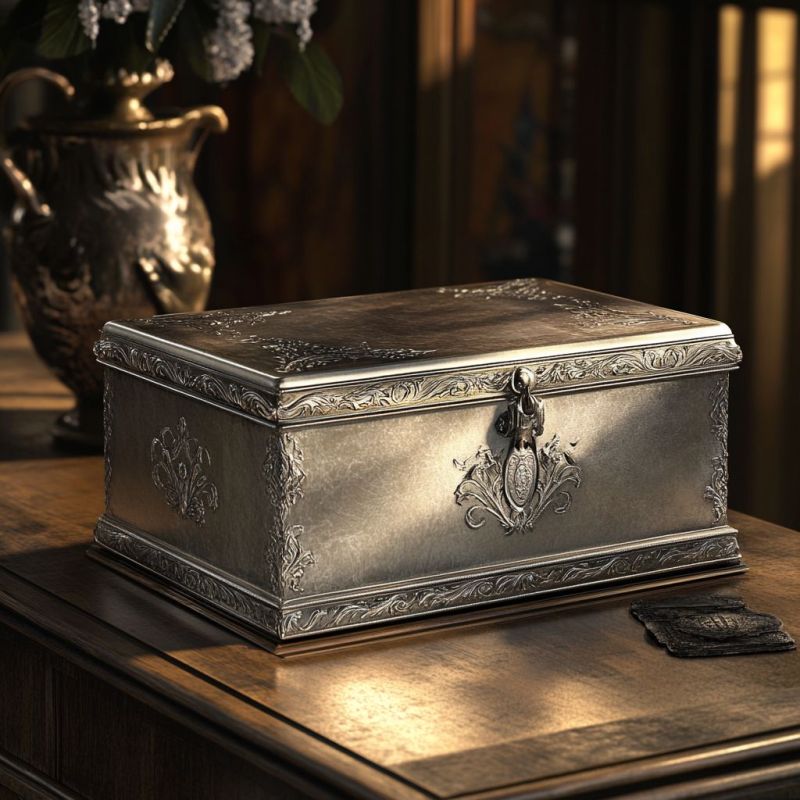 Box, Silver250 gp
 -
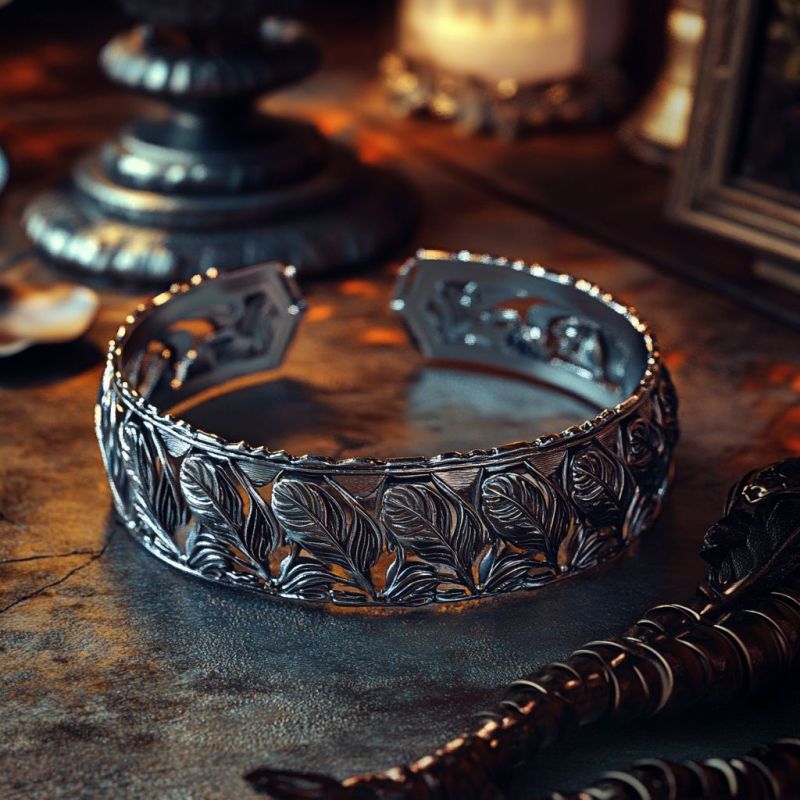 Bracelet, Silver25 gp
 -
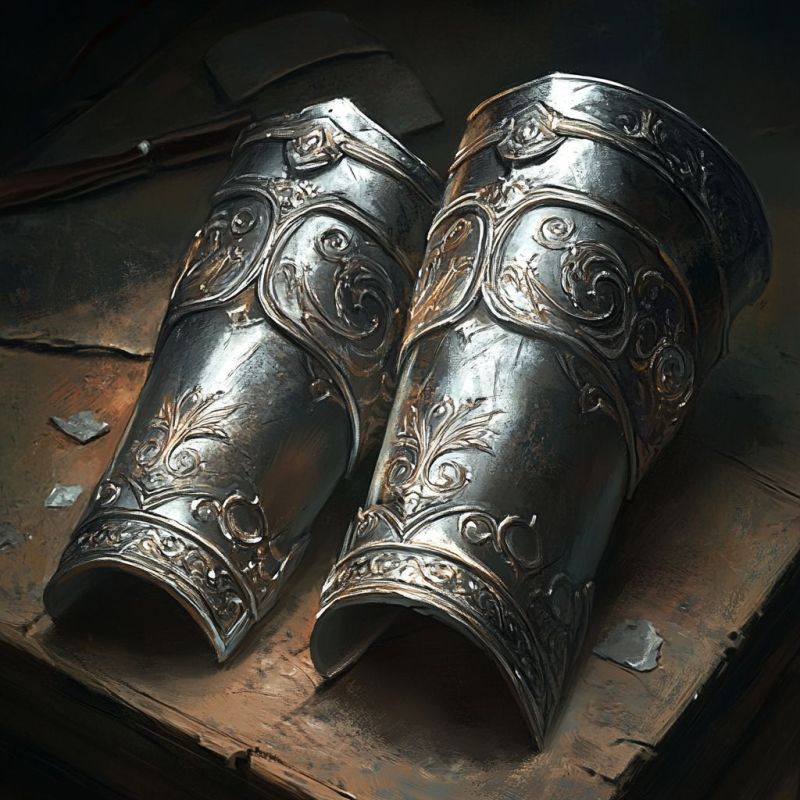 Bracers, Silver8 90 gp
 -
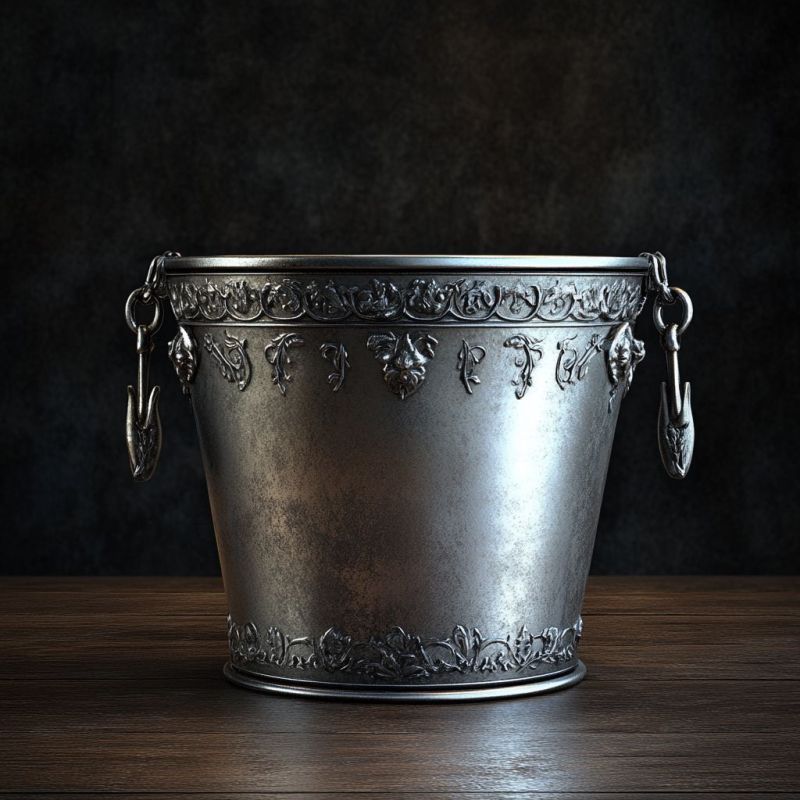 Bucket, Silver100 gp
 -
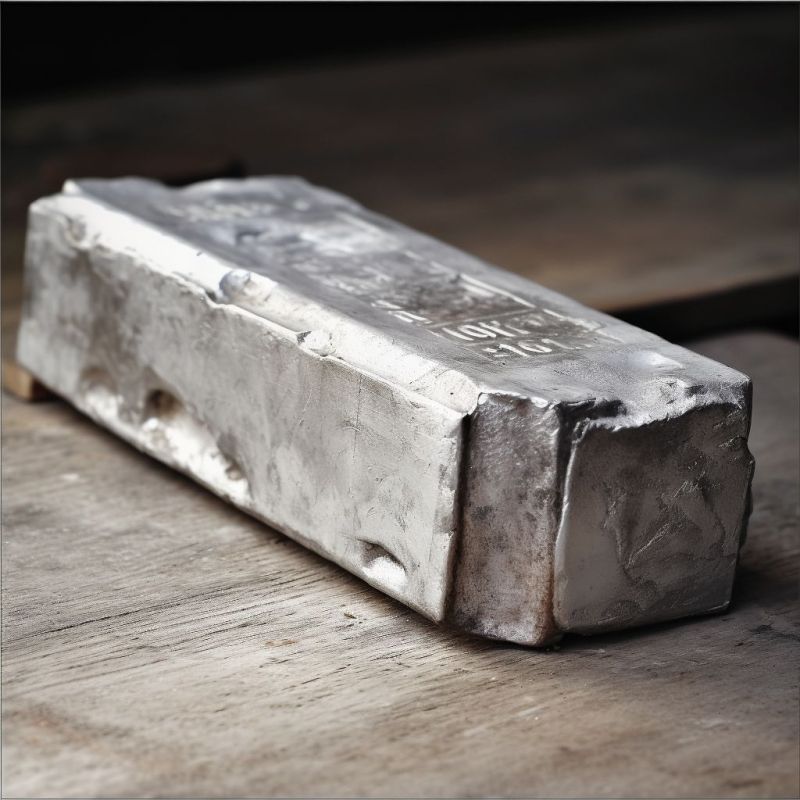 Lead Ingot0.6 gp
 -
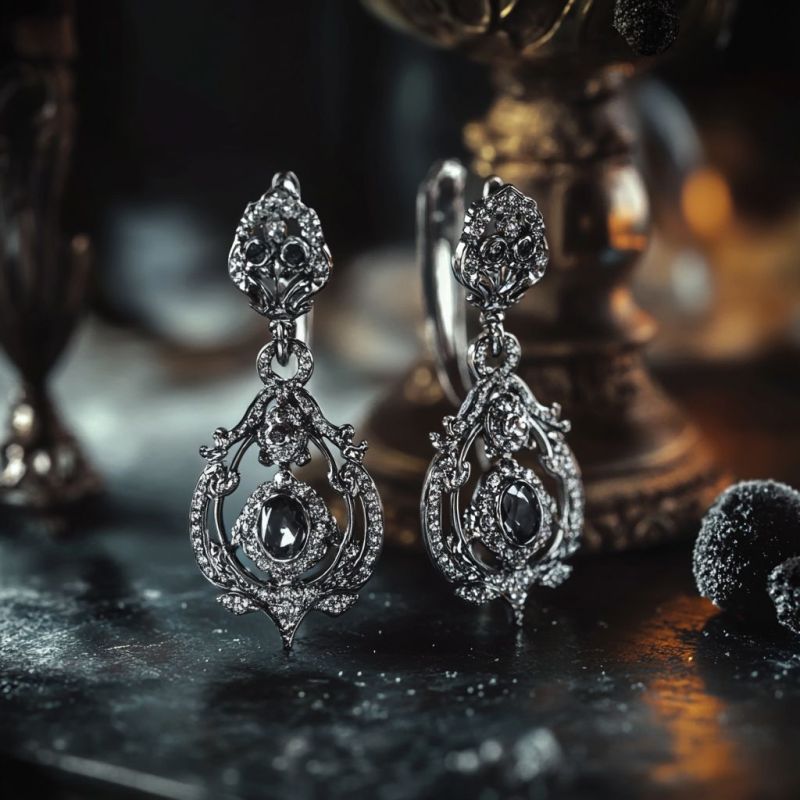 Earrings, Silver1 gp
 -
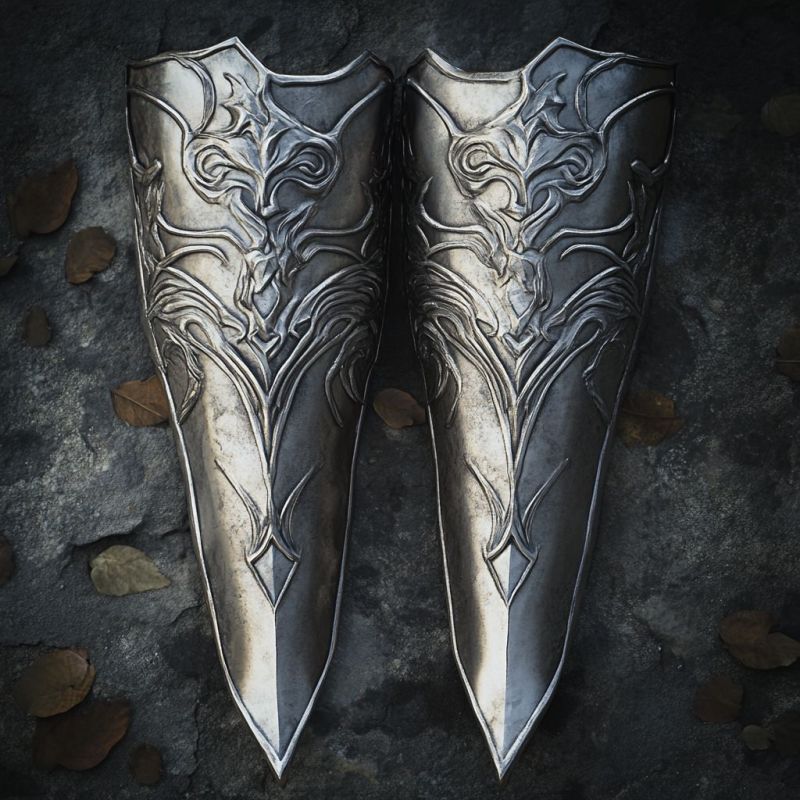 Greaves, Silver8 110 gp
 -
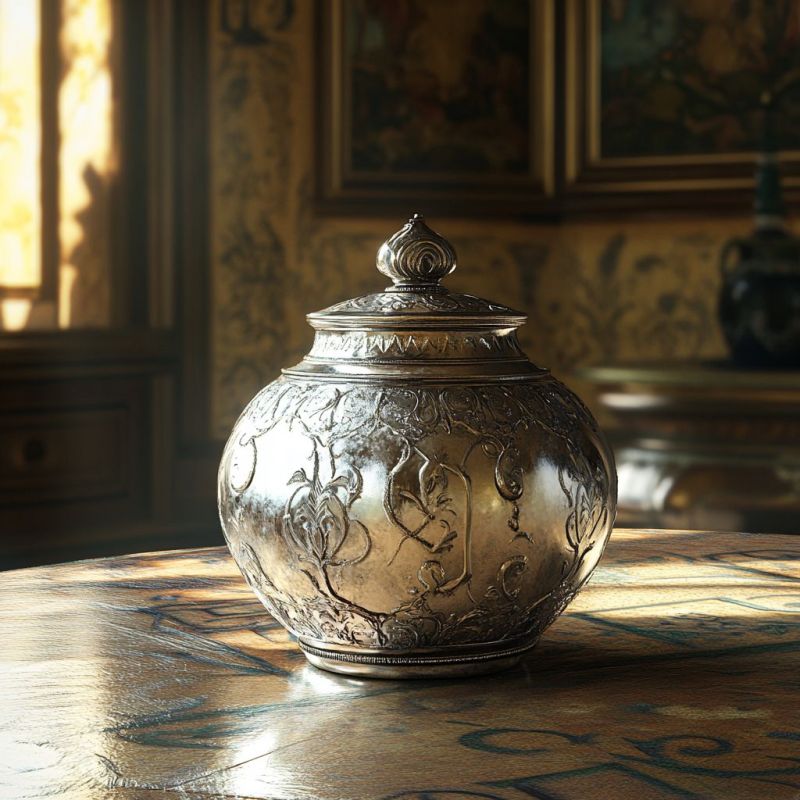 Jar, Silver30 gp
 -
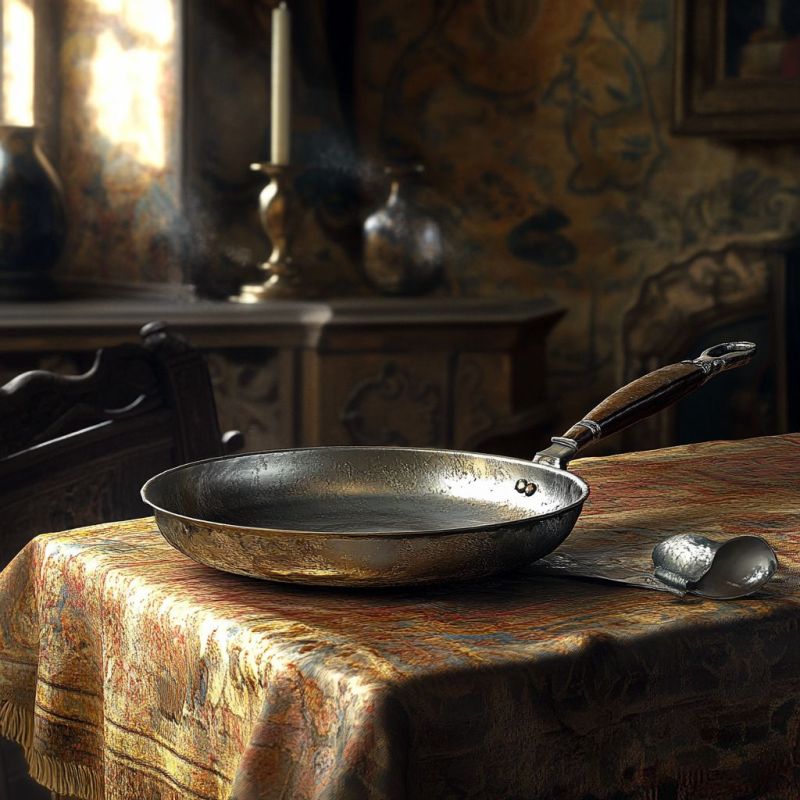 Pan, Silver50 gp
 -
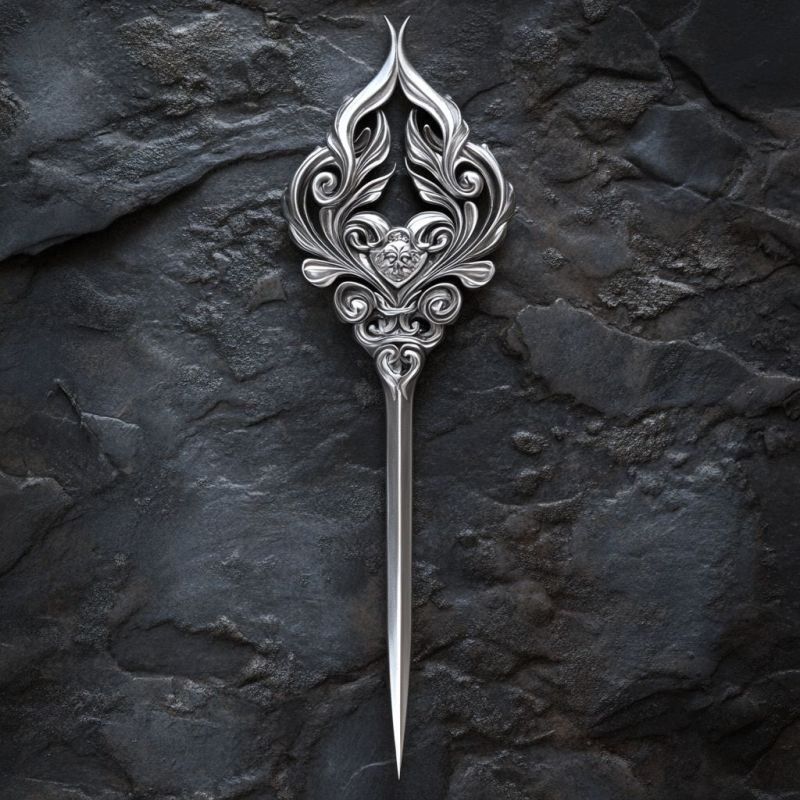 Pin, Silver0.3 gp
 -
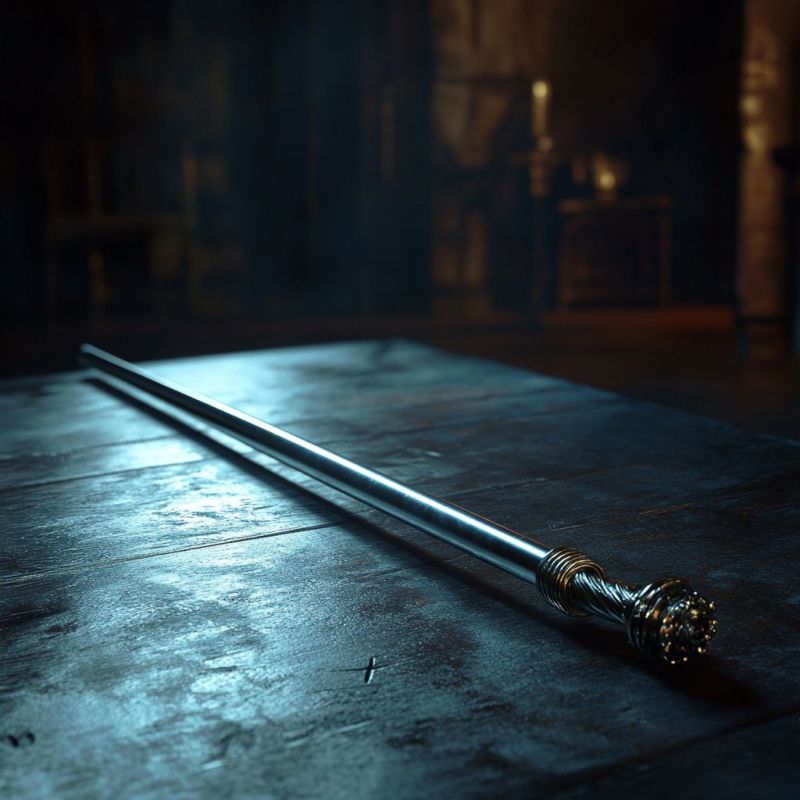 Rod, Silver70 gp
 -
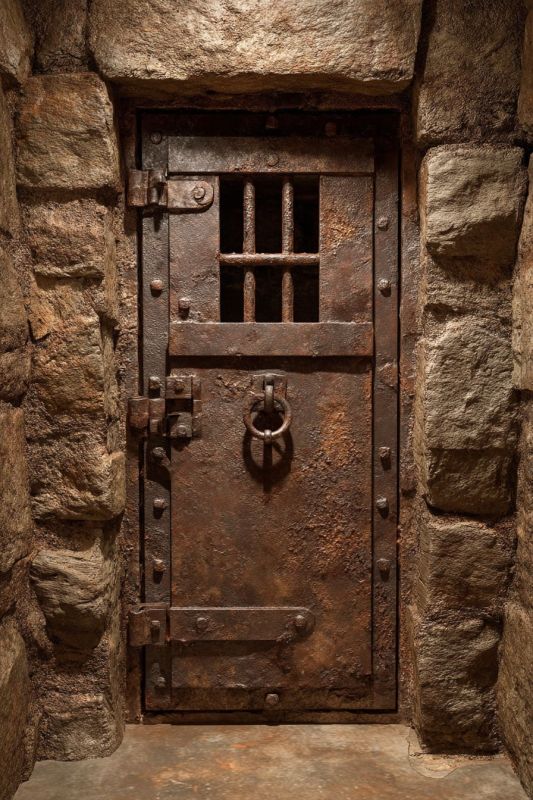 Door, Small, Iron15 gp
 -
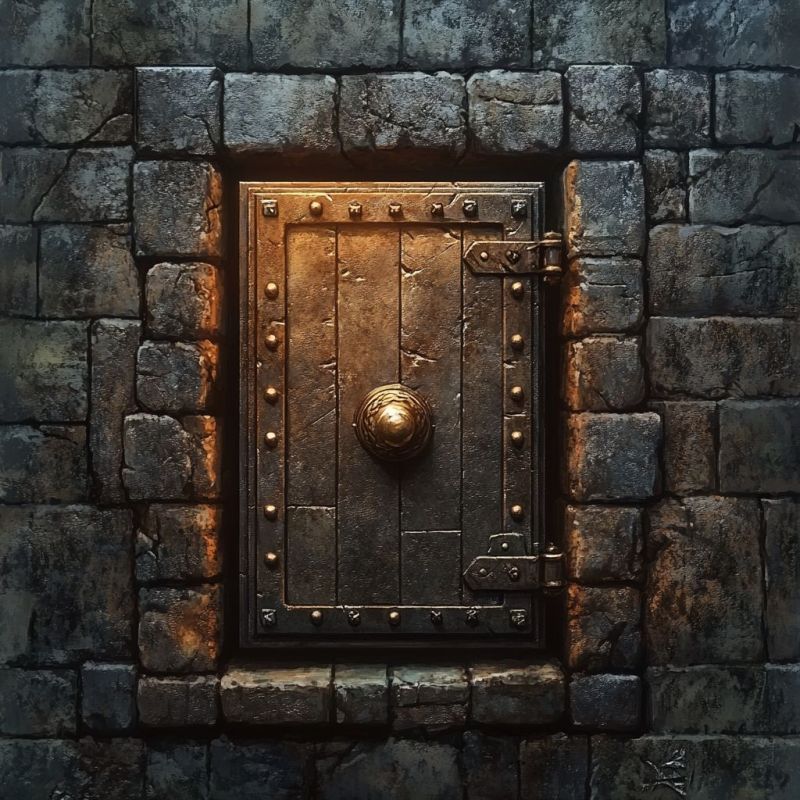 Strongbox40 gp
 -
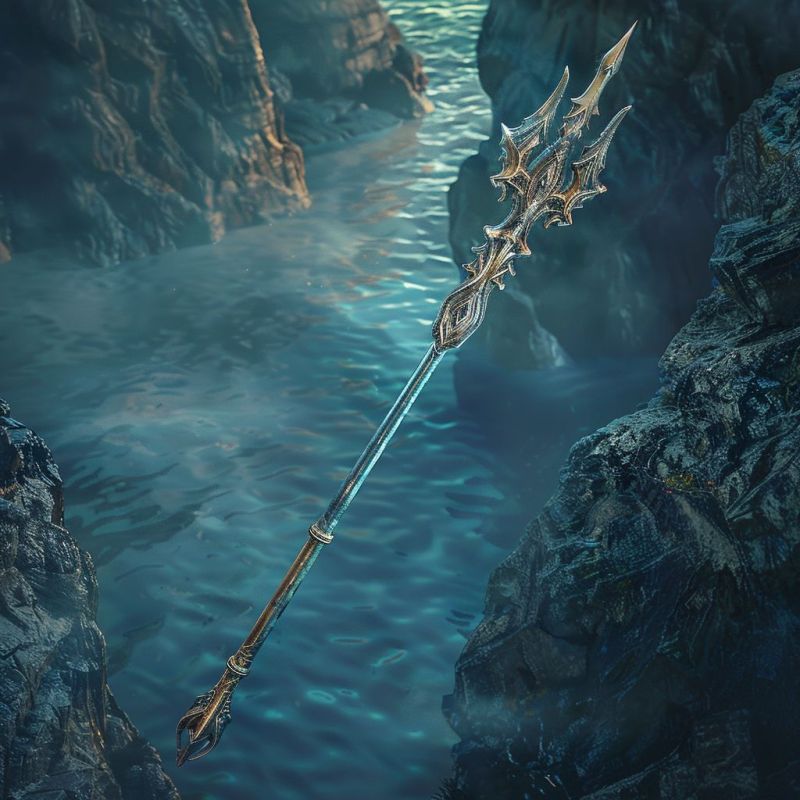 Trident5 gp
 -
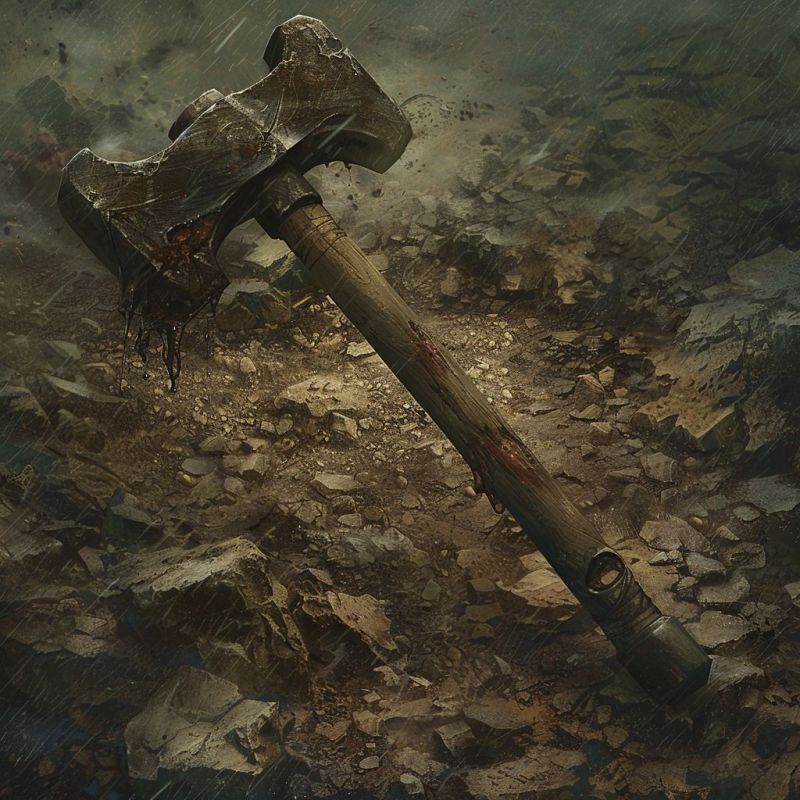 Warhammer15 gp
 -
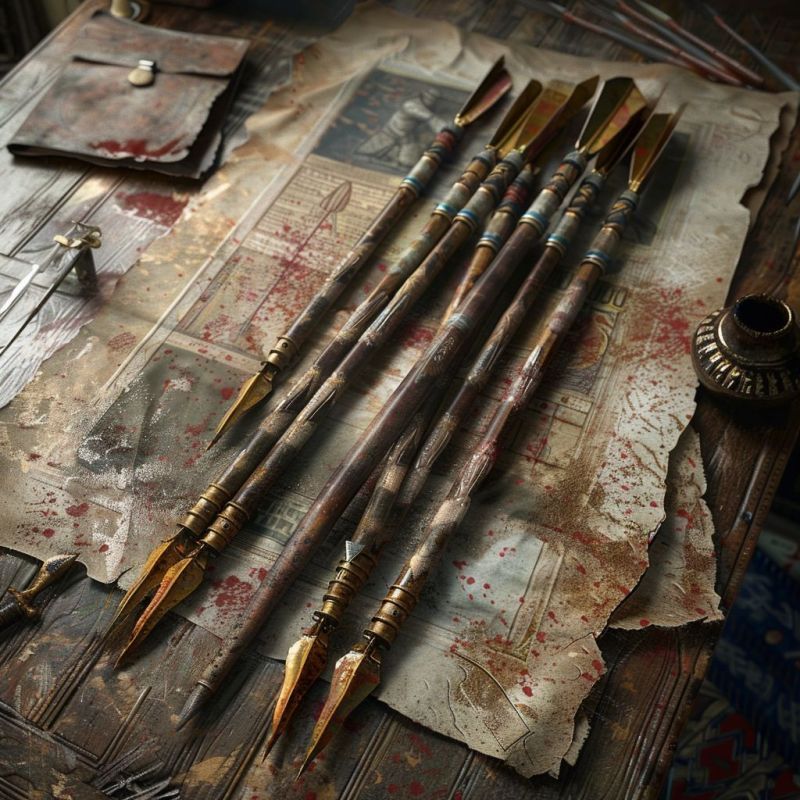 20 Crossbow Bolt0.05 gp
 -
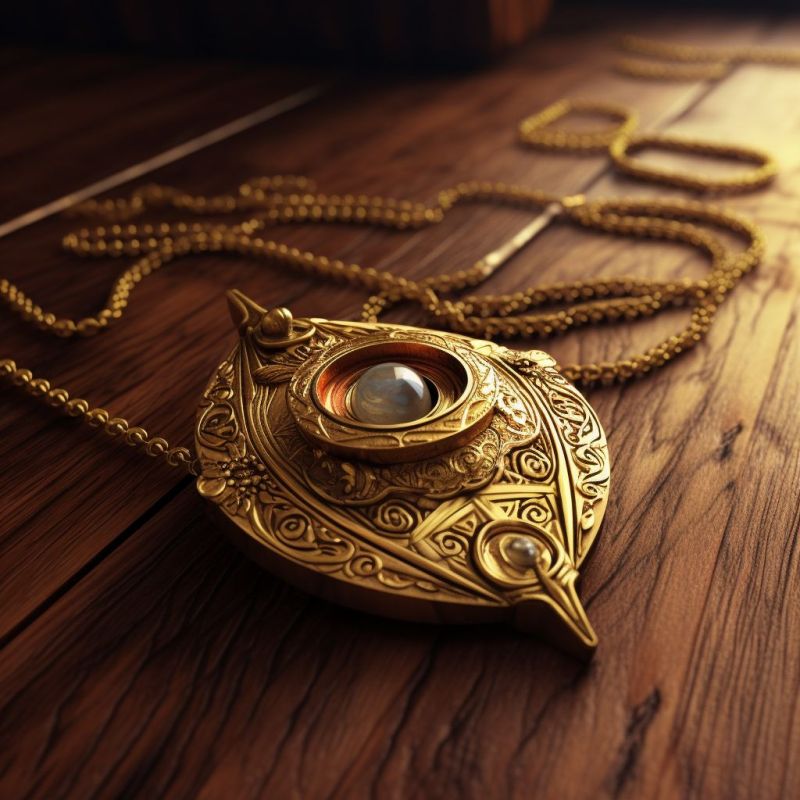 Amulet, Gold200 gp
 -
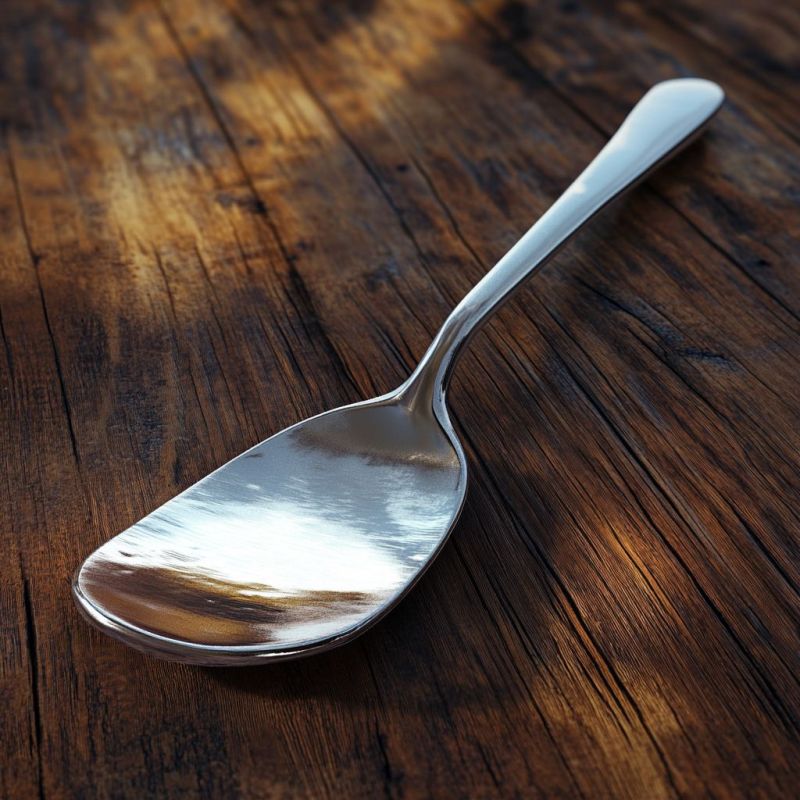 Spatula, Silver30 gp
 -
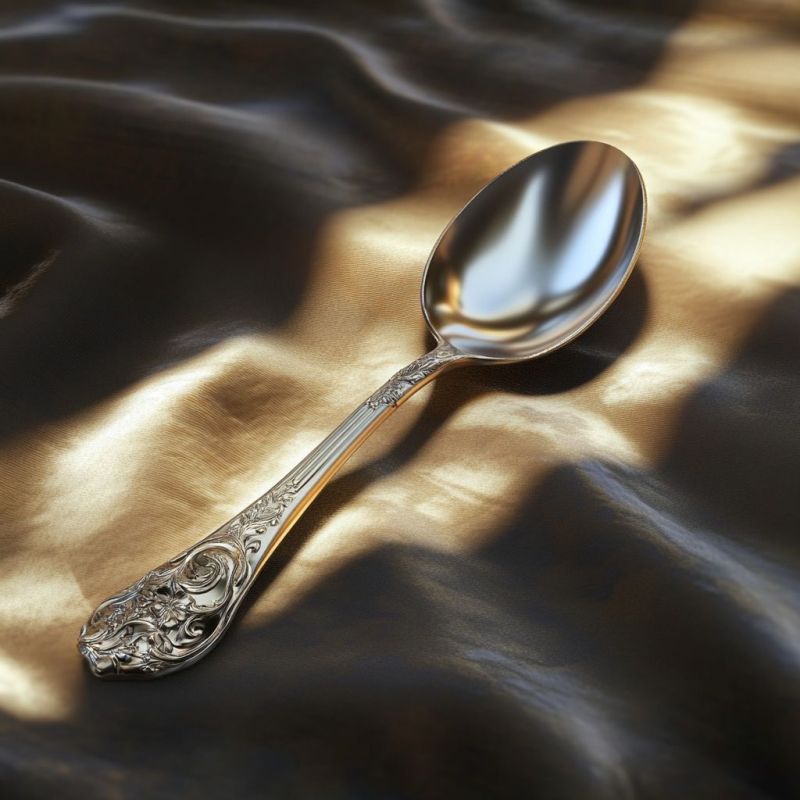 Spoon, Silver8 gp
 -
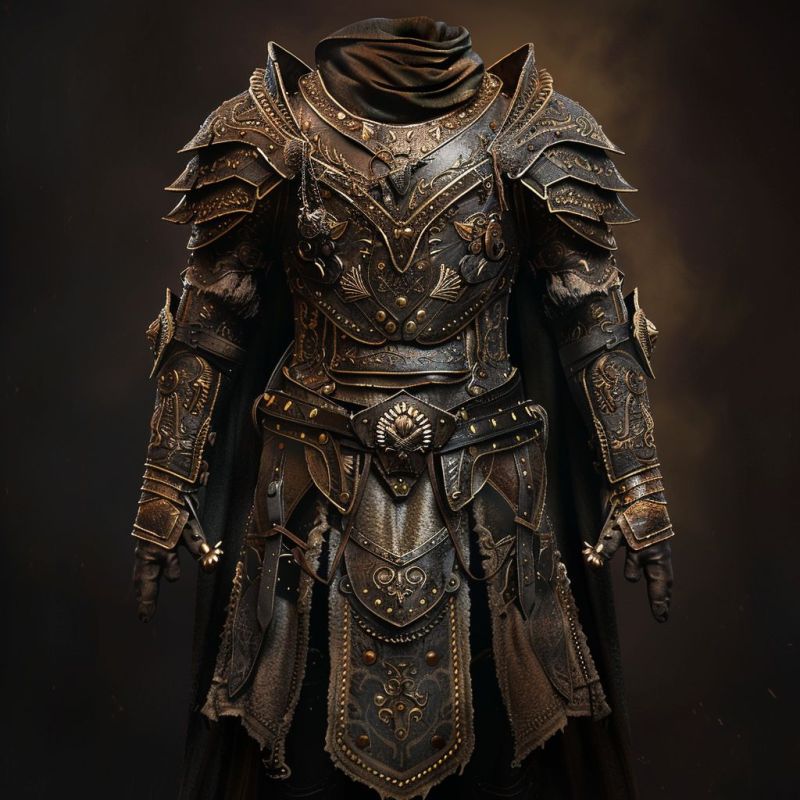 Brigandine450 gp
 -
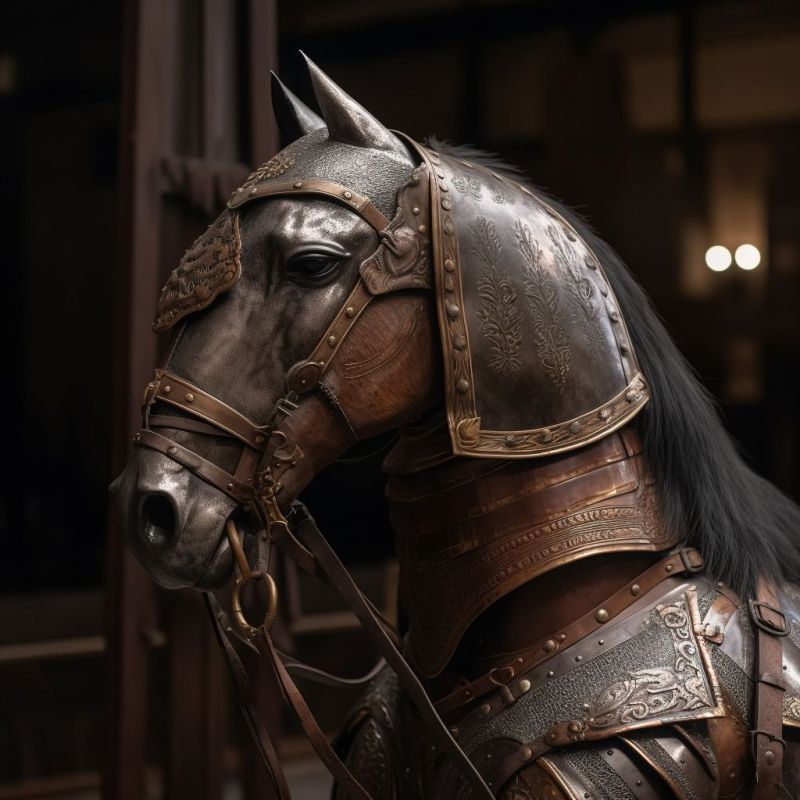 Brigandine Barding40 gp
 -
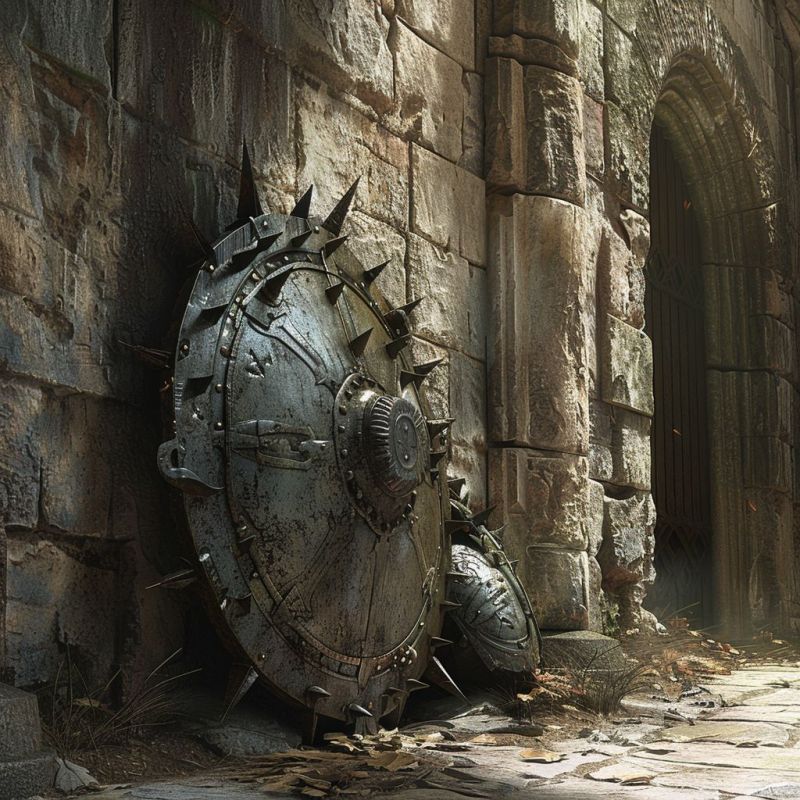 Bulwark50 gp
 -
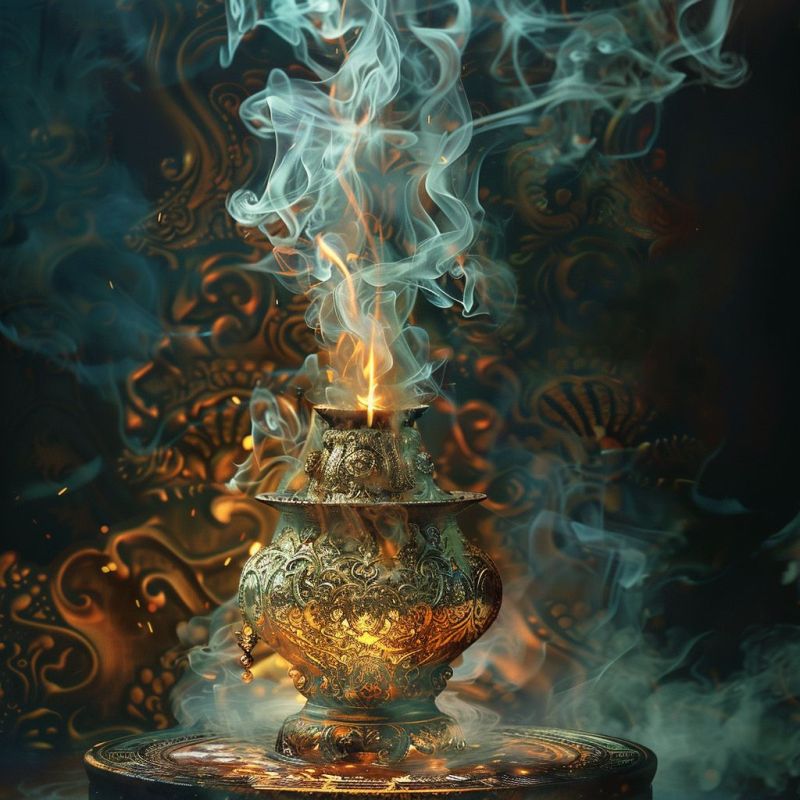 Censer2 gp
 -
 Hard Hide0.5 gp
 -
 Soft Hide0.1 gp
 -
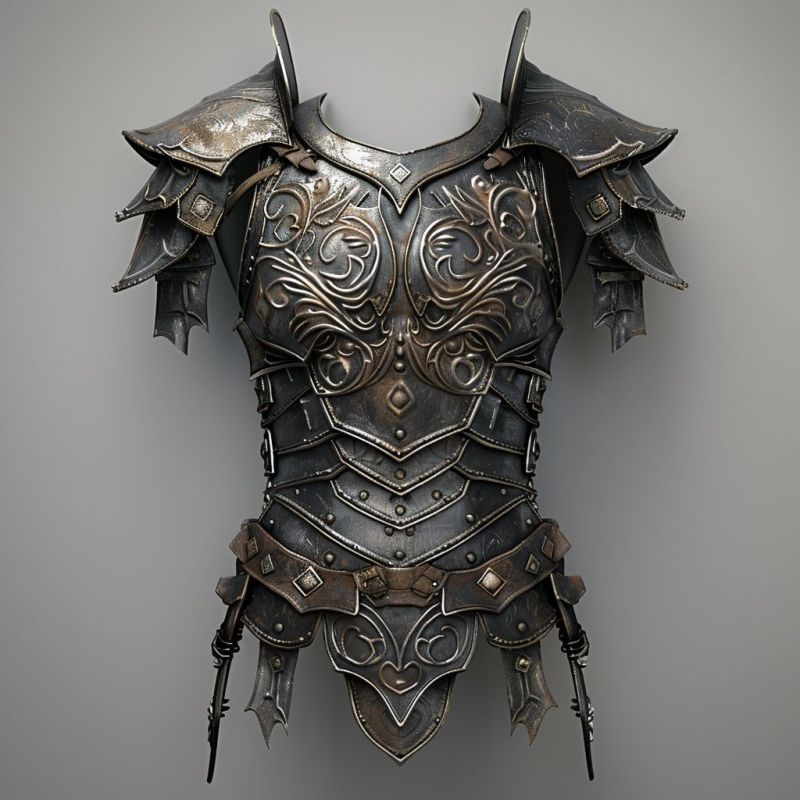 Cuirass90 gp
 -
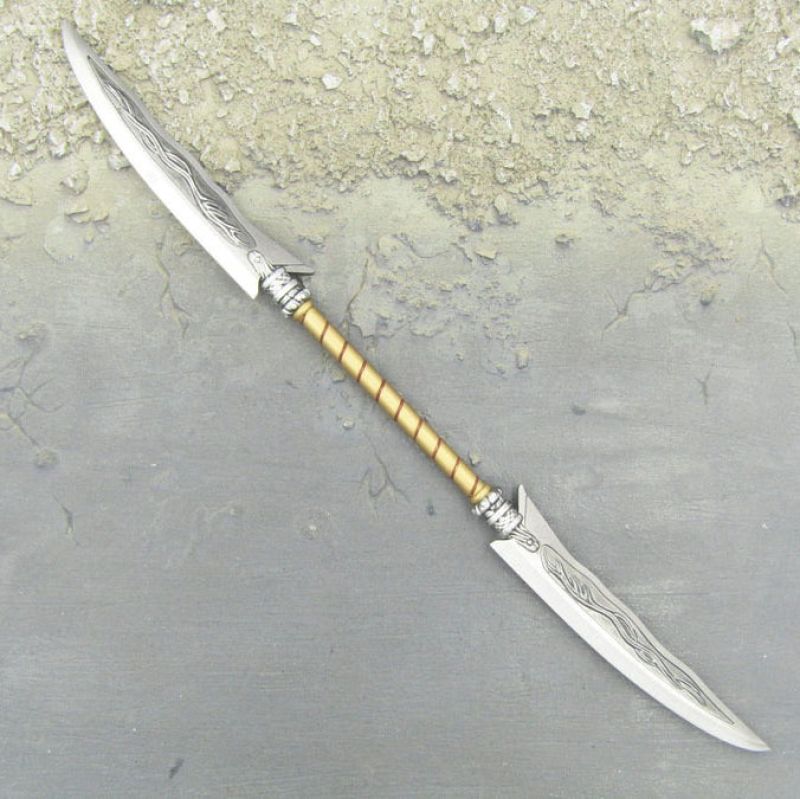 Double-Bladed Scimitar100 gp
 -
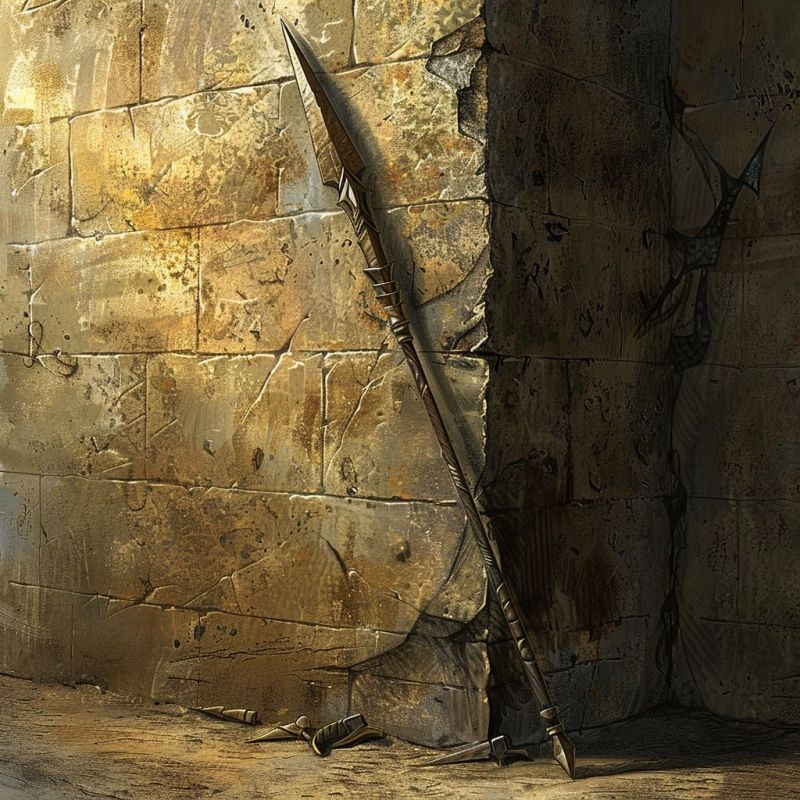 Glaive20 gp
 -
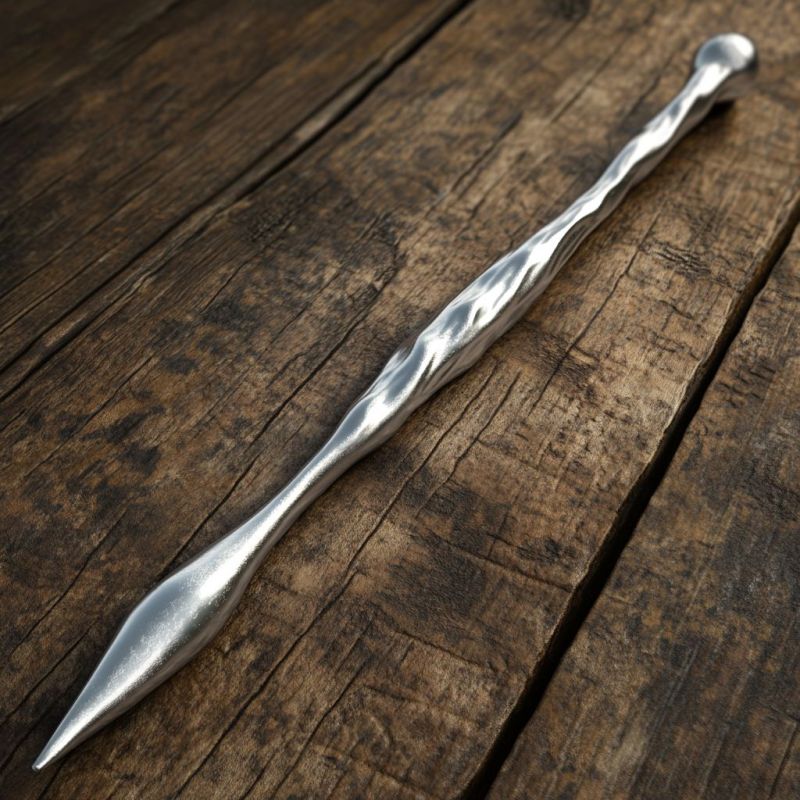 Skewer, Silver75 gp
 -
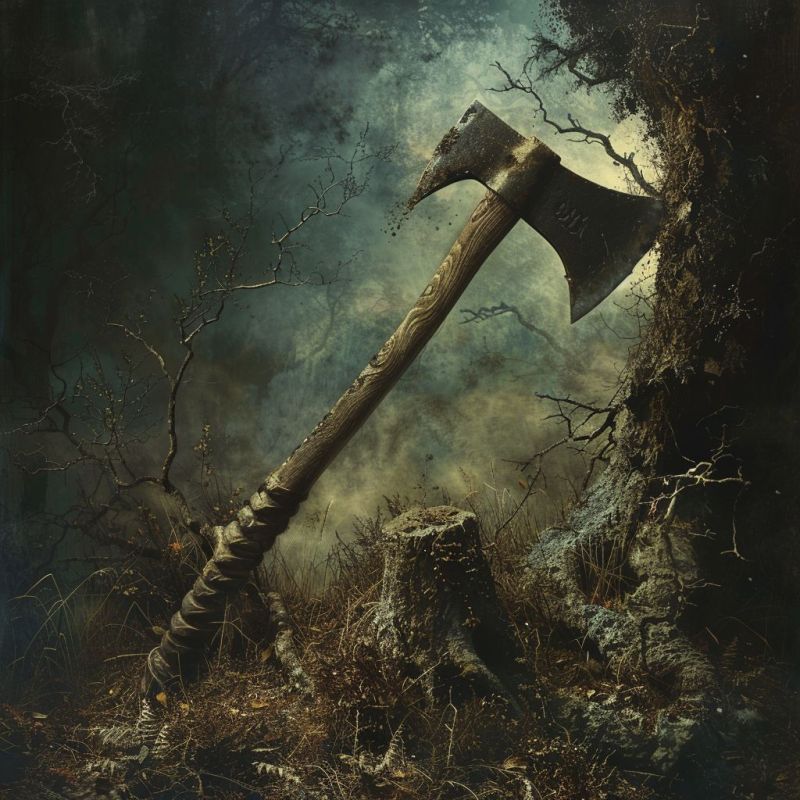 Greataxe30 gp
 -
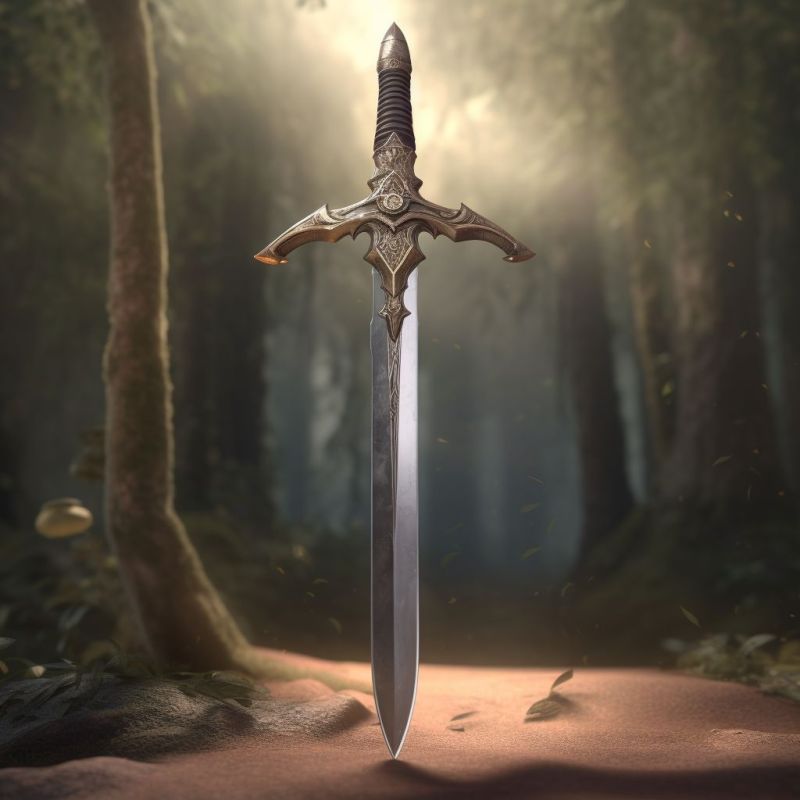 Greatsword50 gp
 -
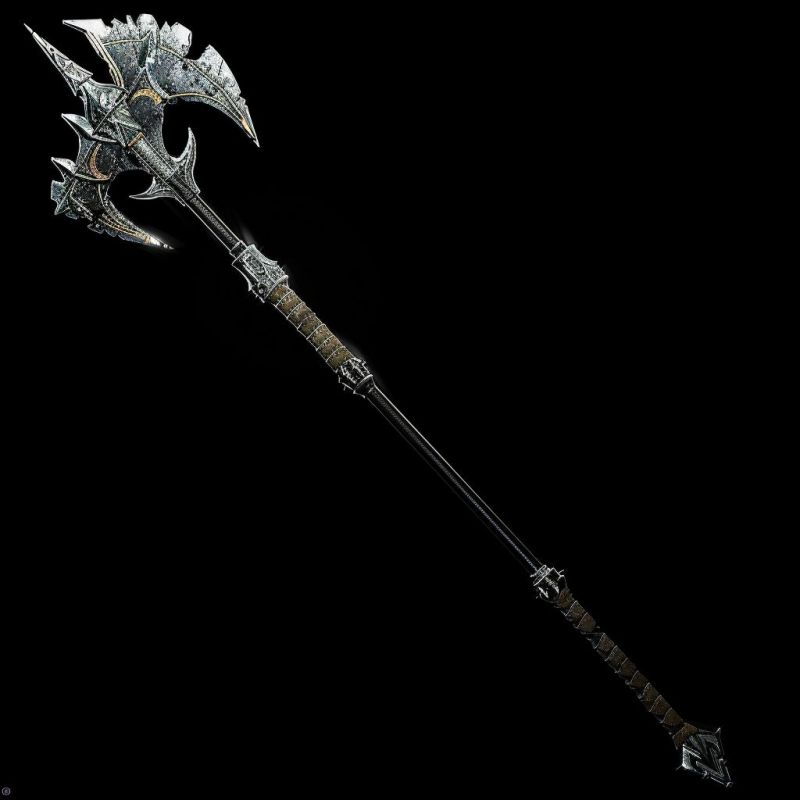 Halberd20 gp
 -
 Bell, Hand2 gp
 -
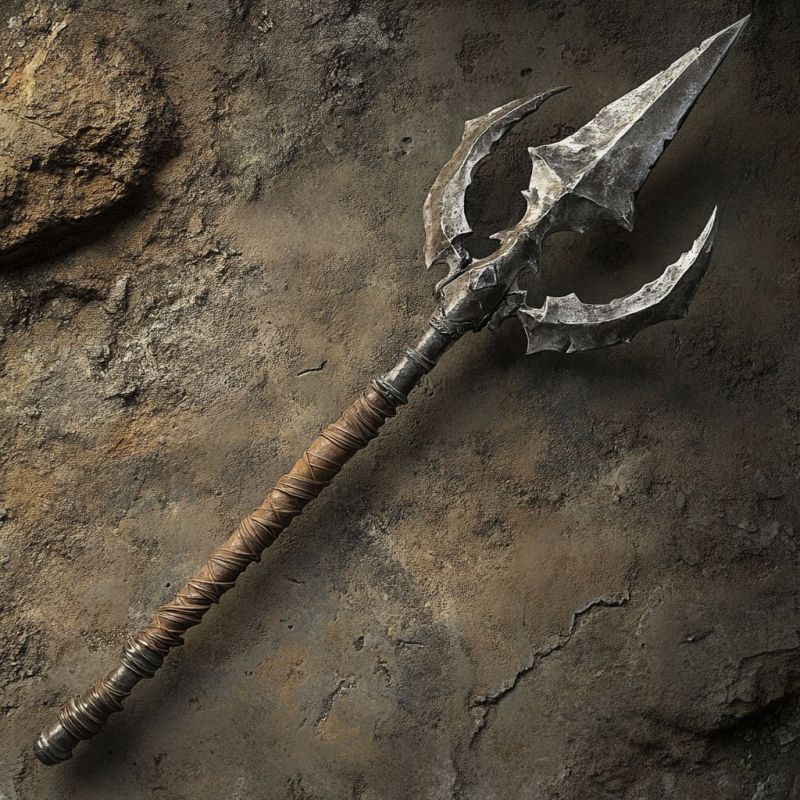 Harpoon33
 -
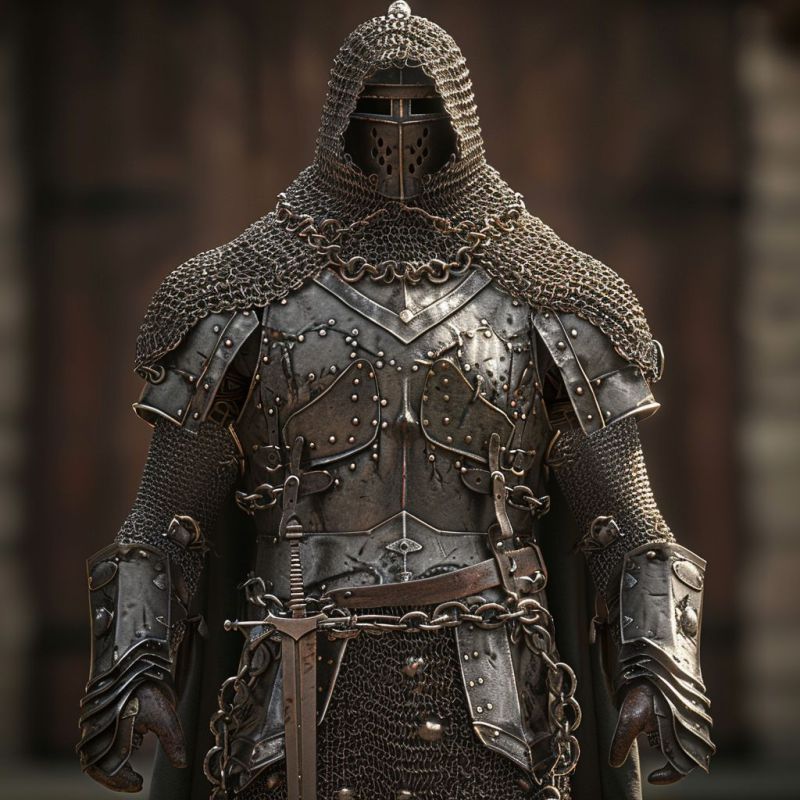 Hauberk250 gp
 -
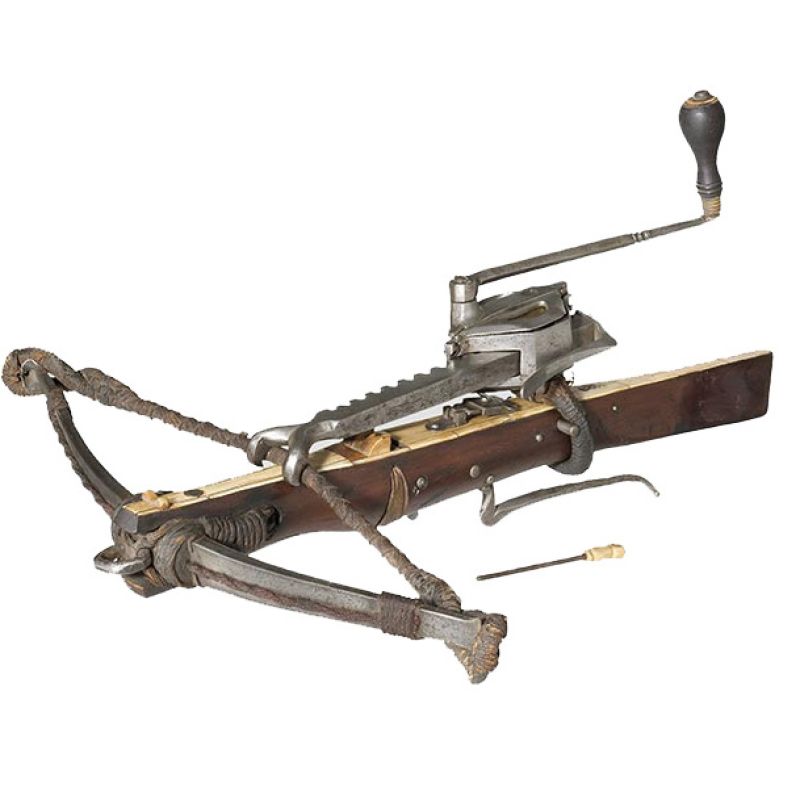 Heavy Crossbow50 gp
 -
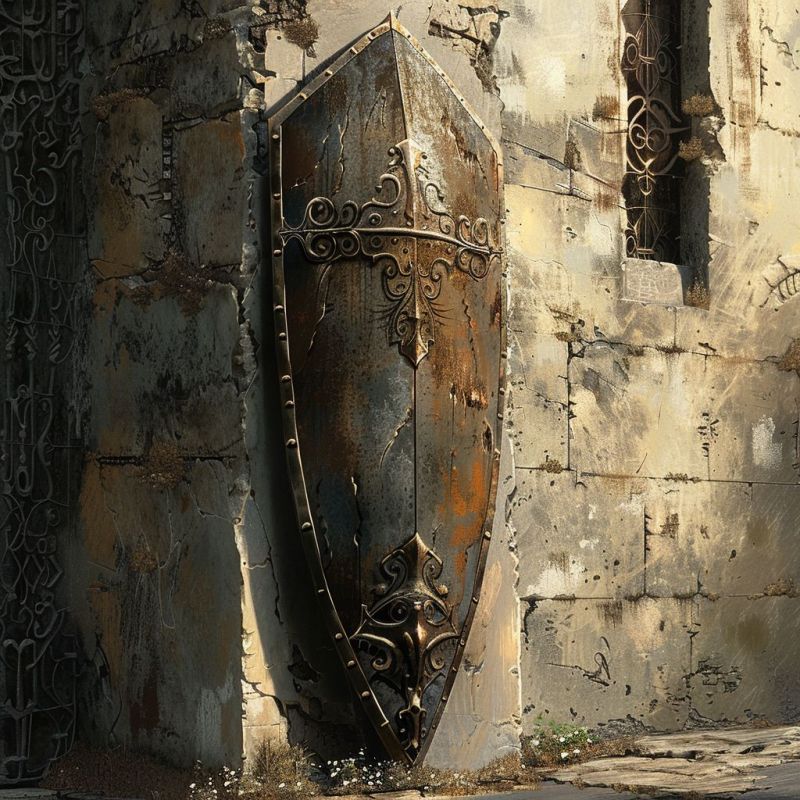 Heavy Shield40 gp
 -
 Iron Anchor250 gp
 -
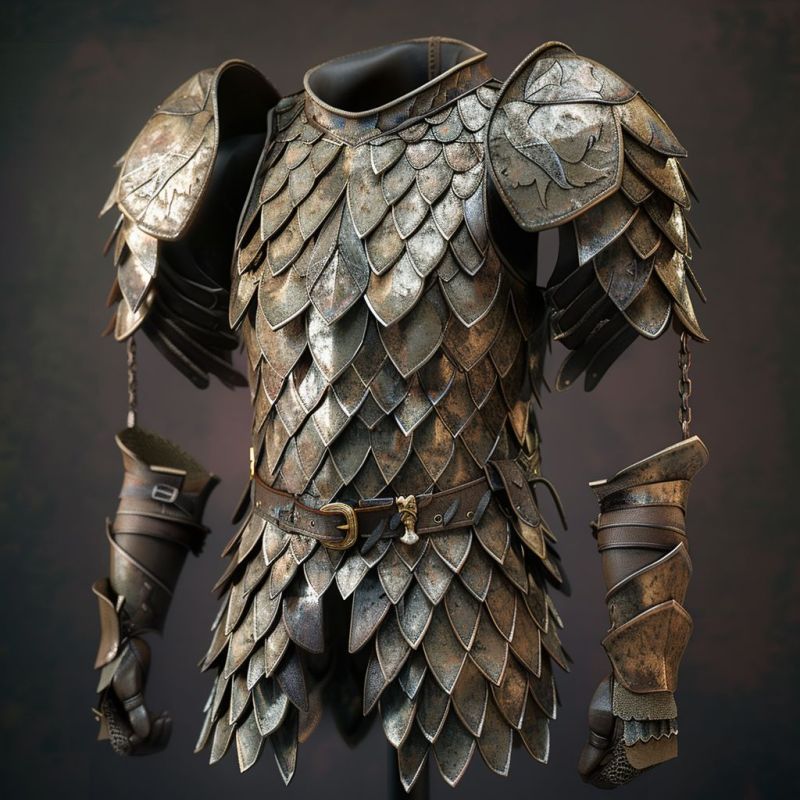 Lamellar150 gp
 -
 Sledgehammer2 gp
 -
 Wood Plank0.16 gp
 -
 Crowbar2 gp
 -
 Windchimes, Copper8 gp
 -
 Earrings, Copper0.6 gp
 -
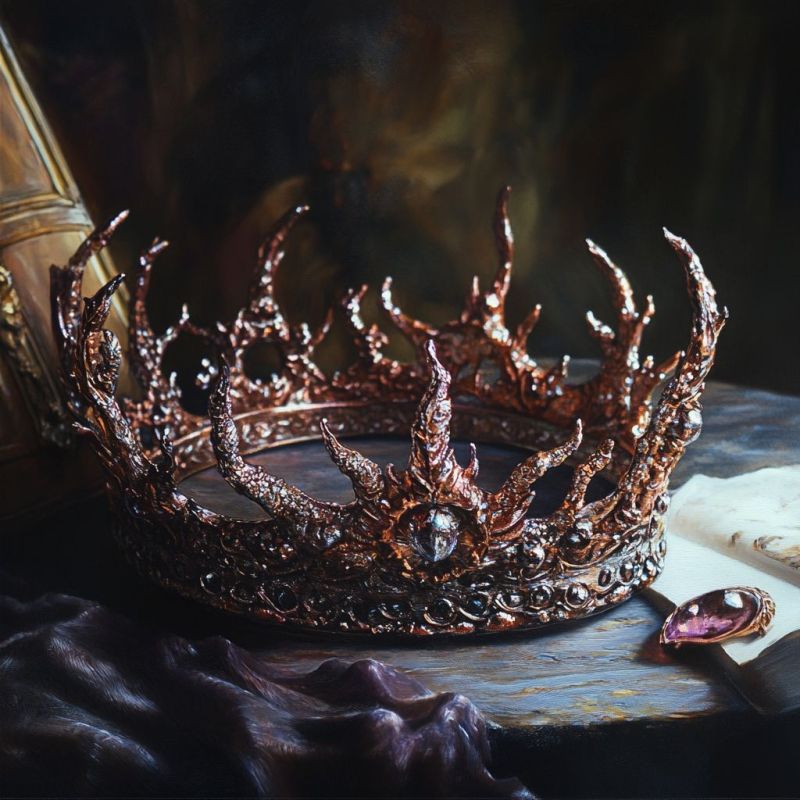 Crown, Copper10 gp
 -
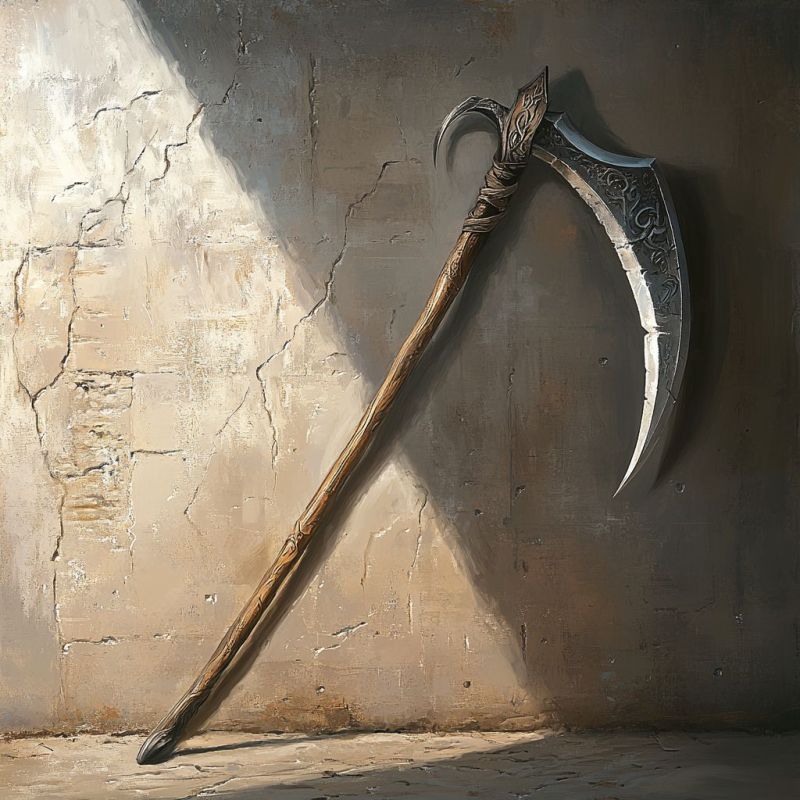 Scythe15 gp
 -
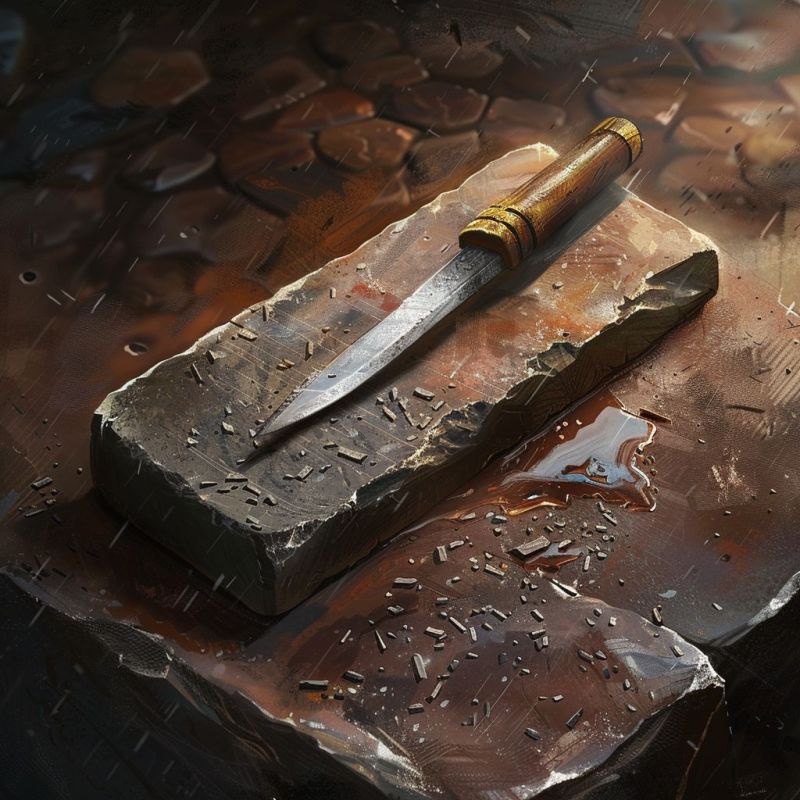 Whetstone0.01 gp
 -
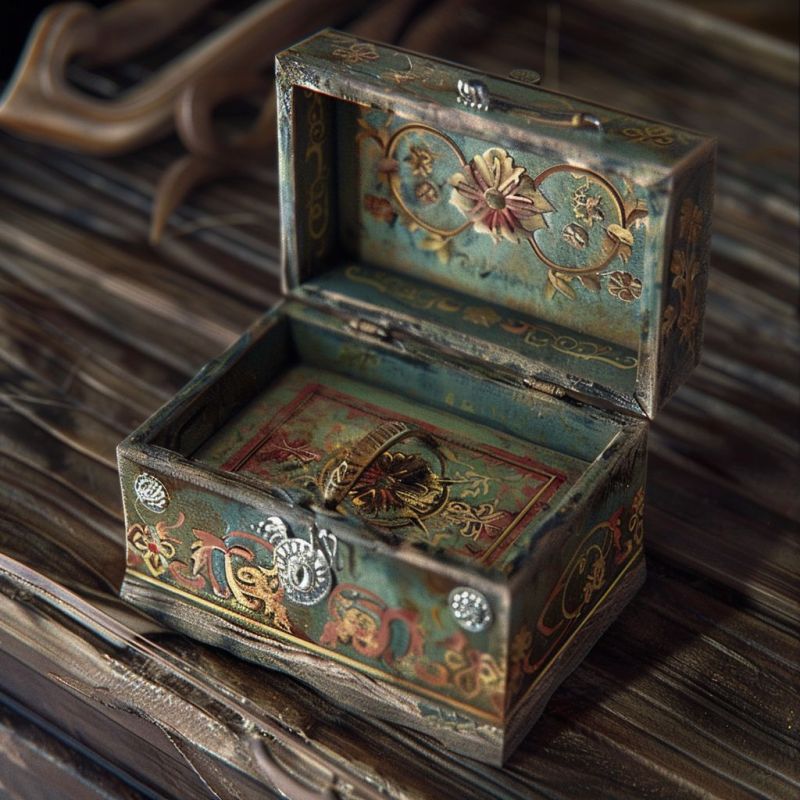 Tinderbox0.05 gp
 -
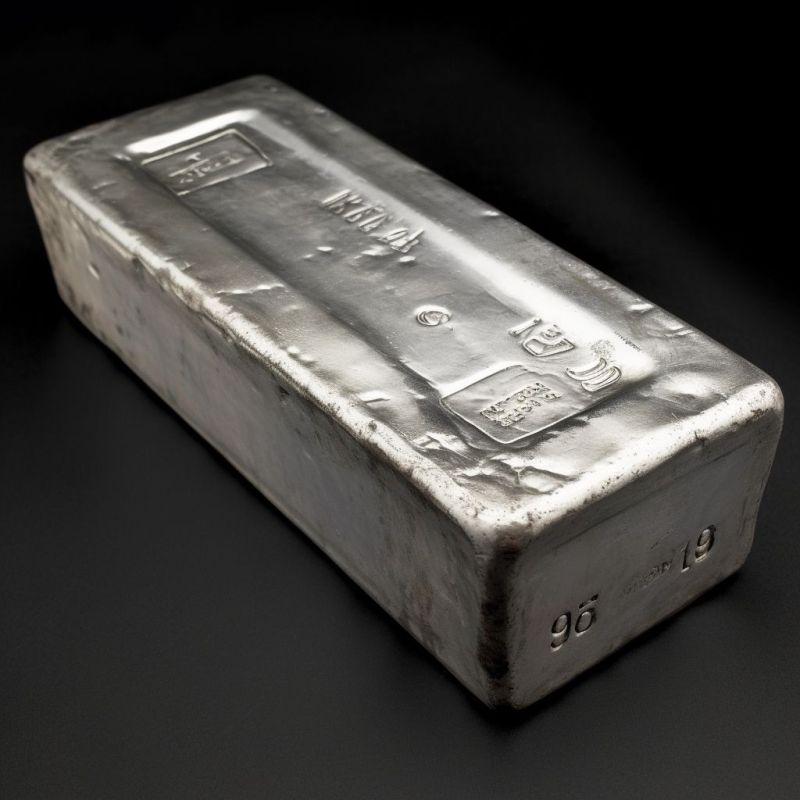 Tin Ingot0.9 gp
 -
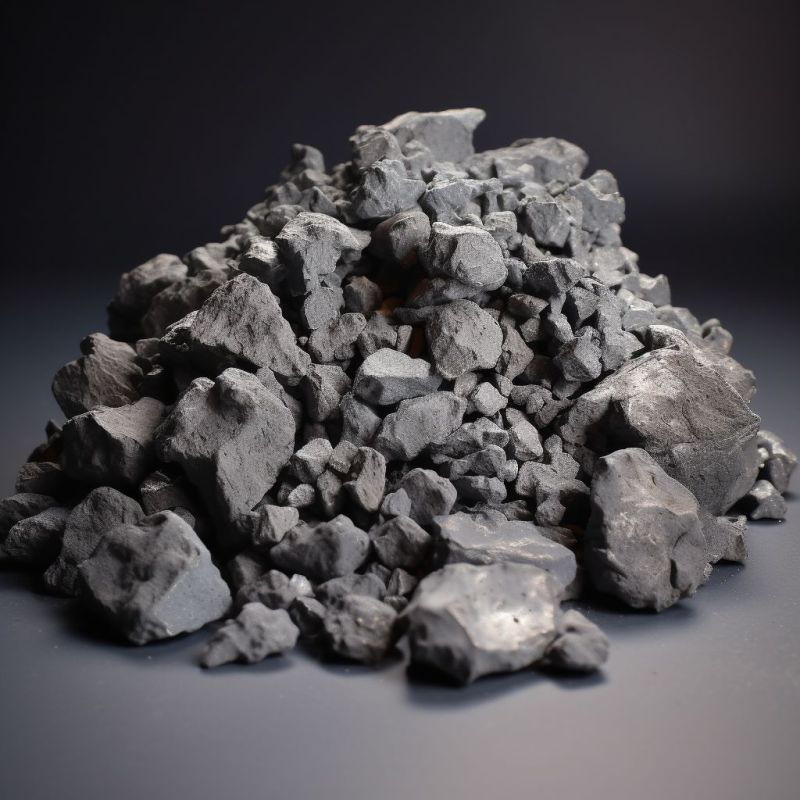 Tin Ore0.3 gp
 -
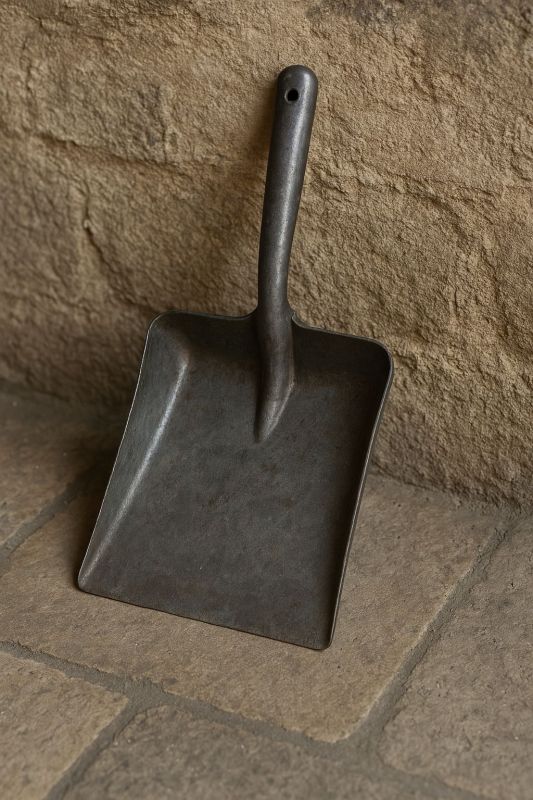 Dustpan0.3 gp
 -
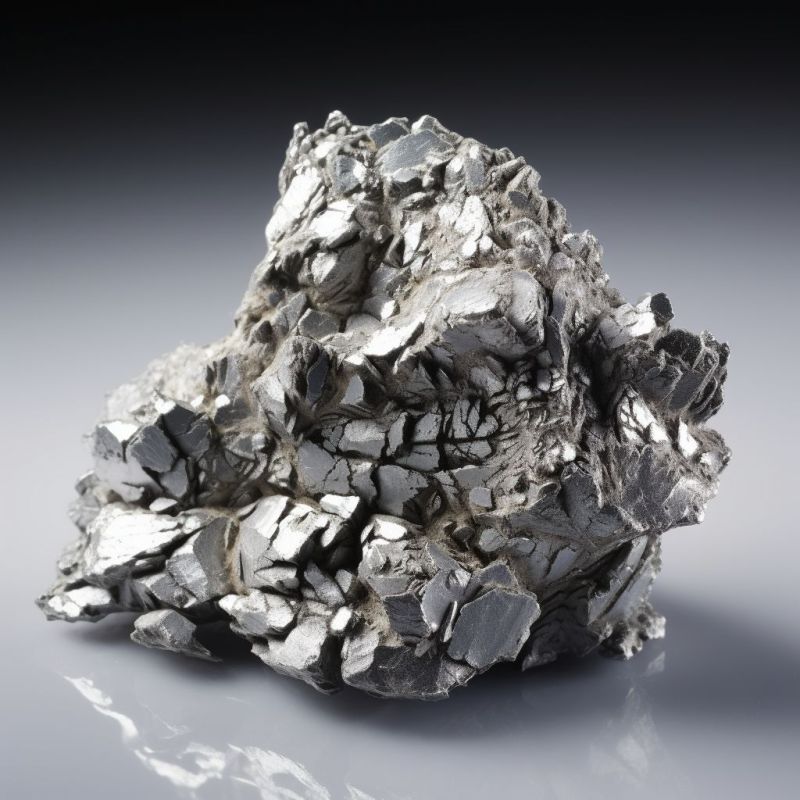 Silver Ore3 gp
 -
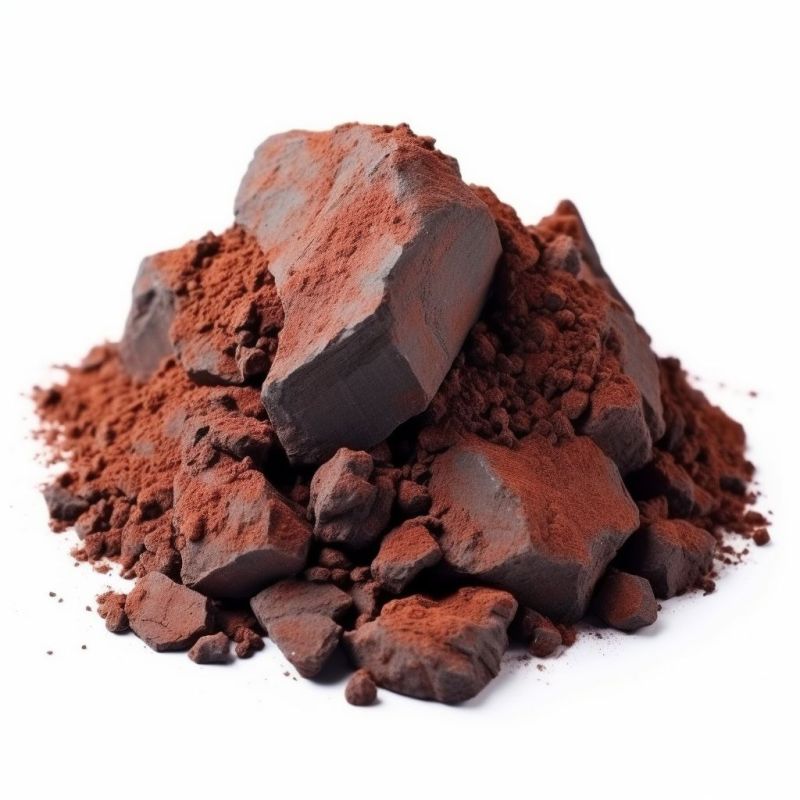 Iron Ore0.05 gp
 -
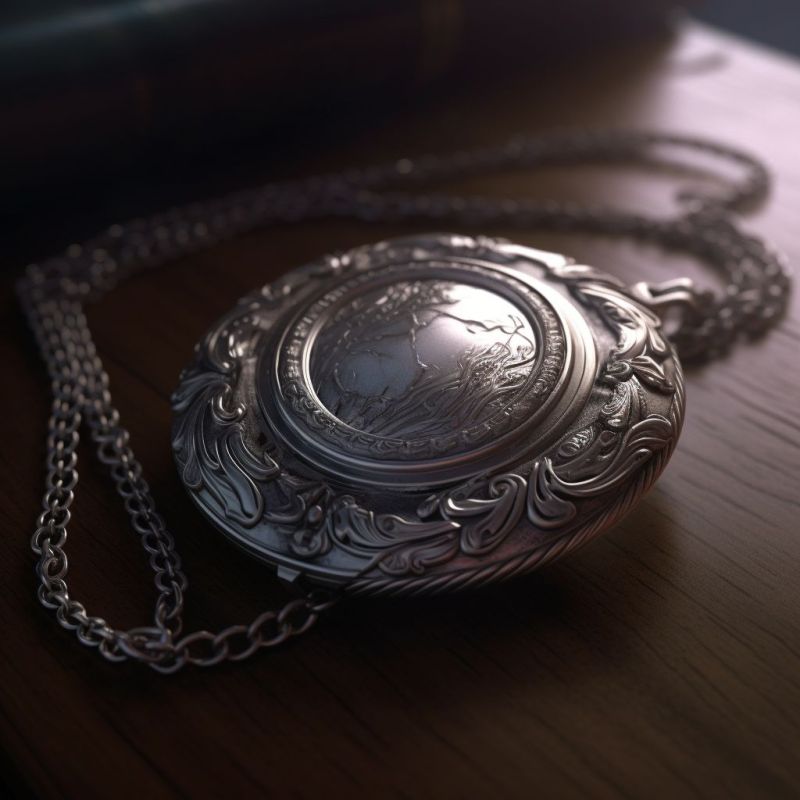 Amulet, Silver25 gp
 -
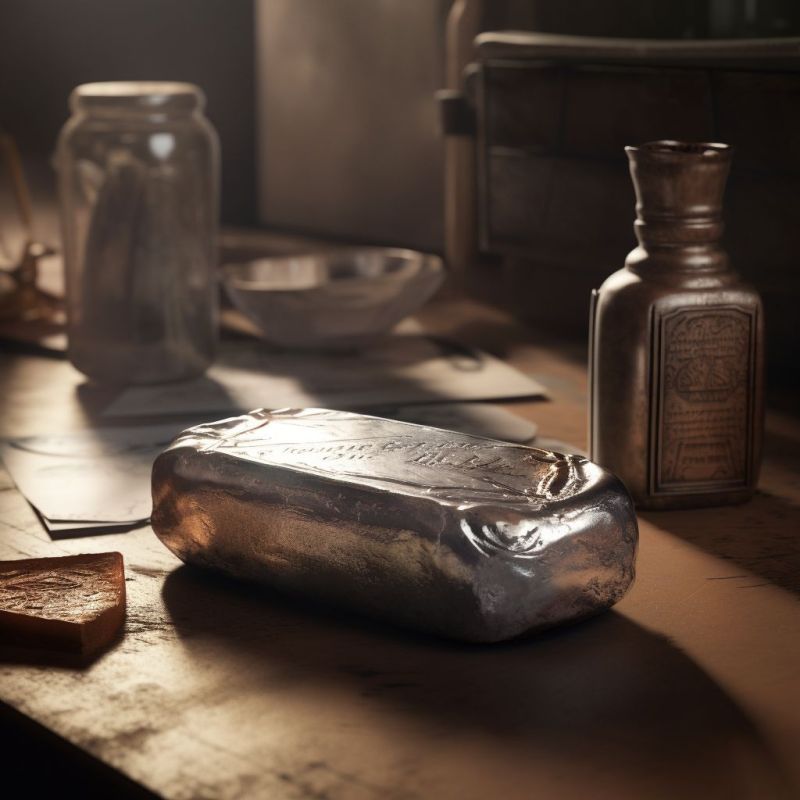 Silver Ingot15 gp
 -
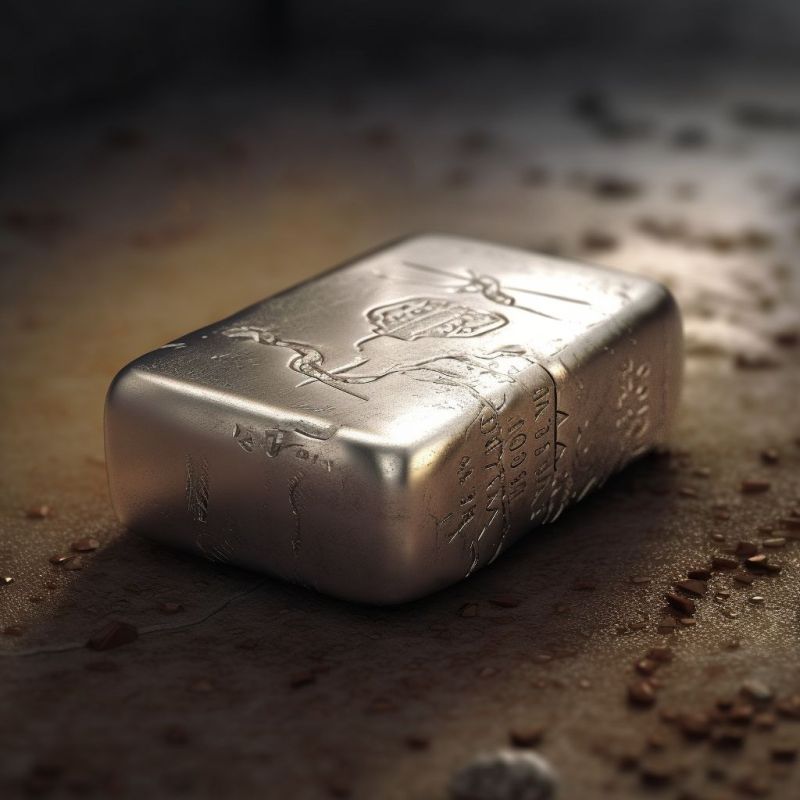 Silver Slug0.15 gp
 -
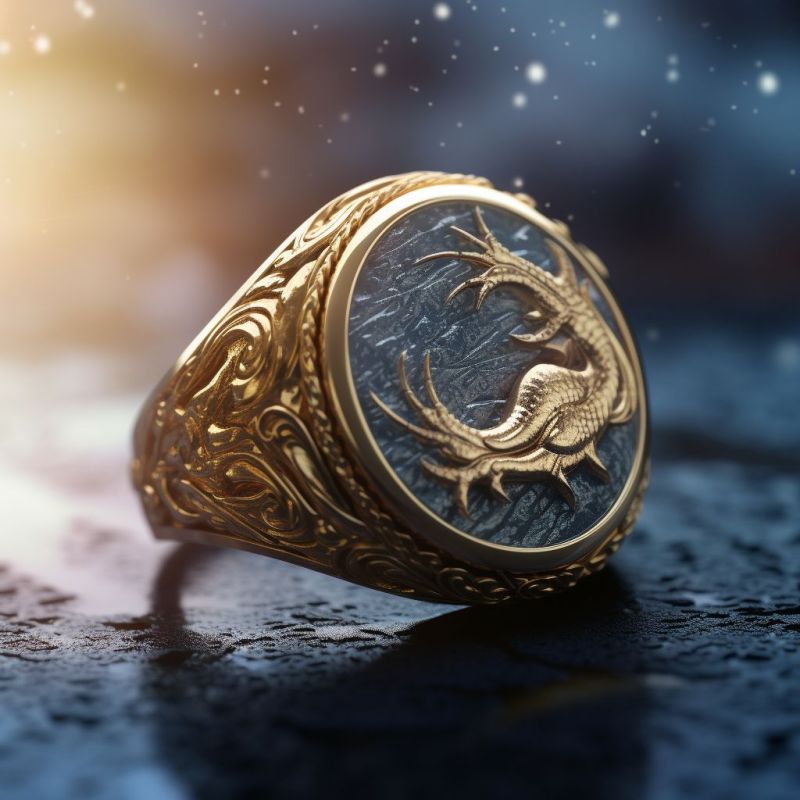 Signet Ring5 gp
 -
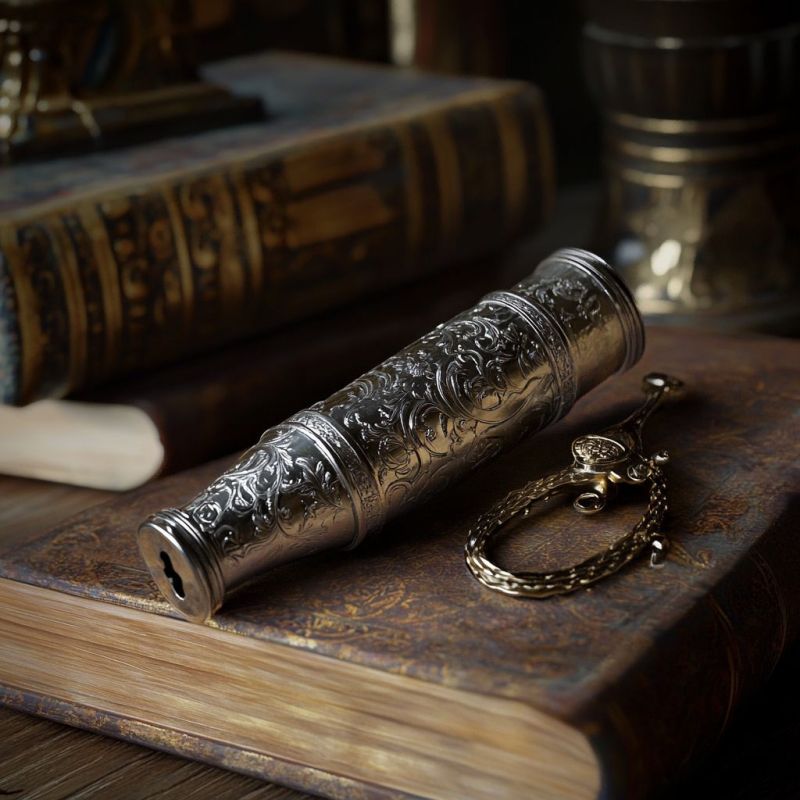 Signal Whistle3 gp
 -
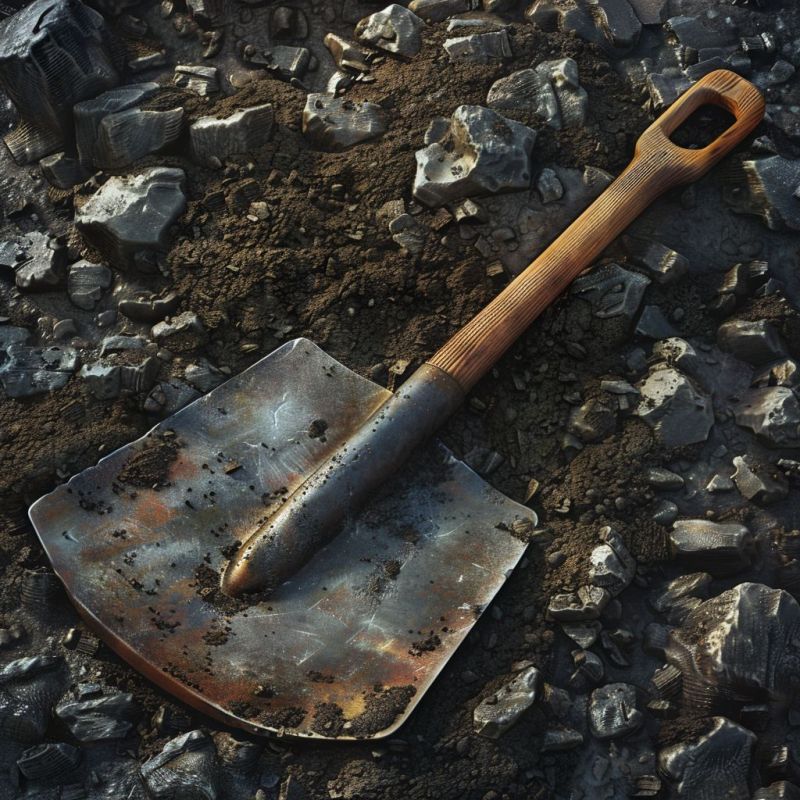 Shovel2 gp
 -
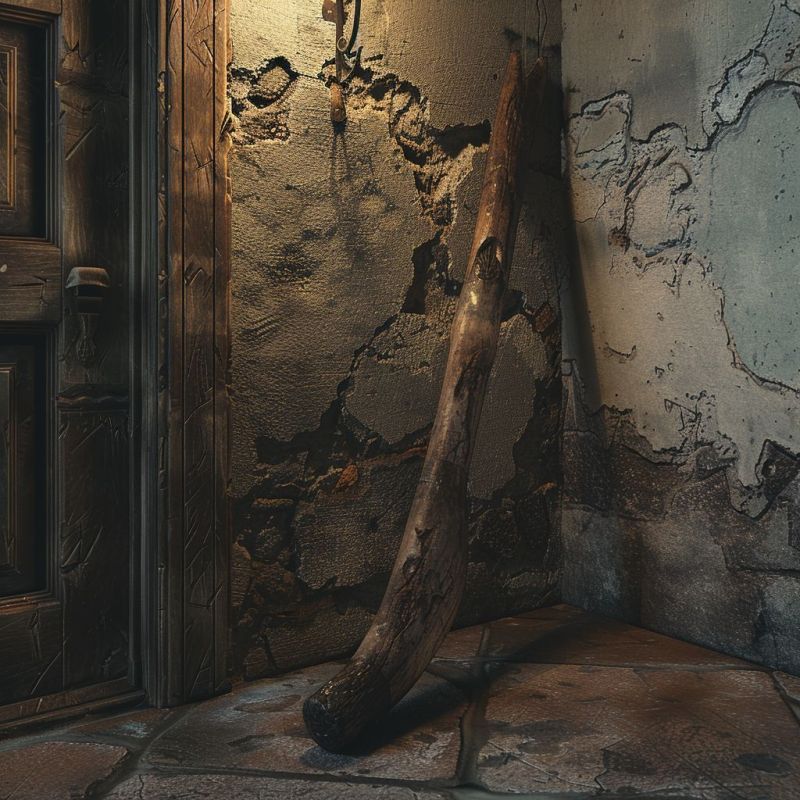 Club0.1 gp
 -
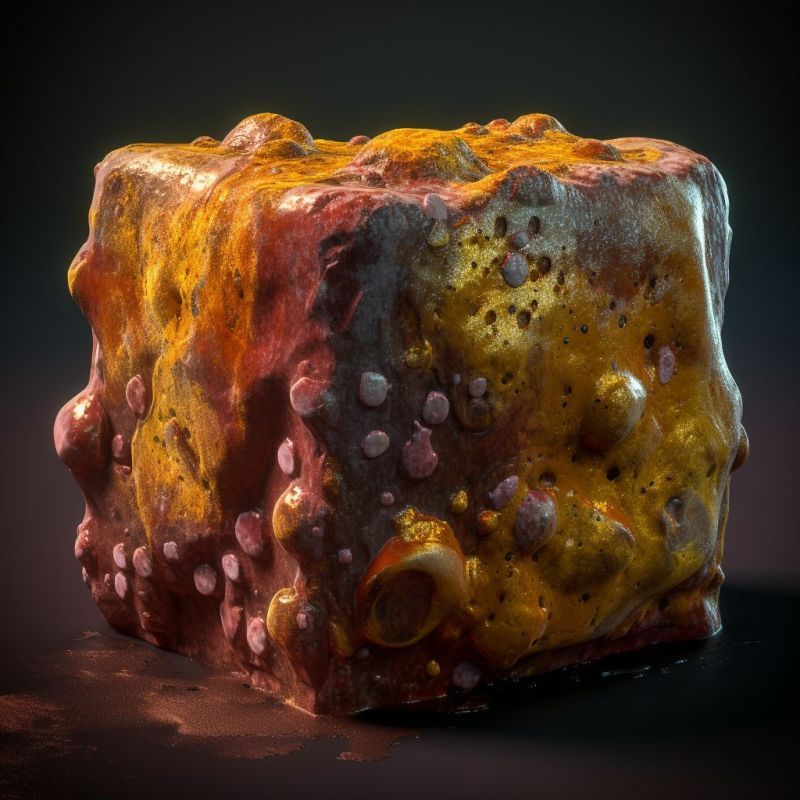 Phosphorus Slug1 gp
 -
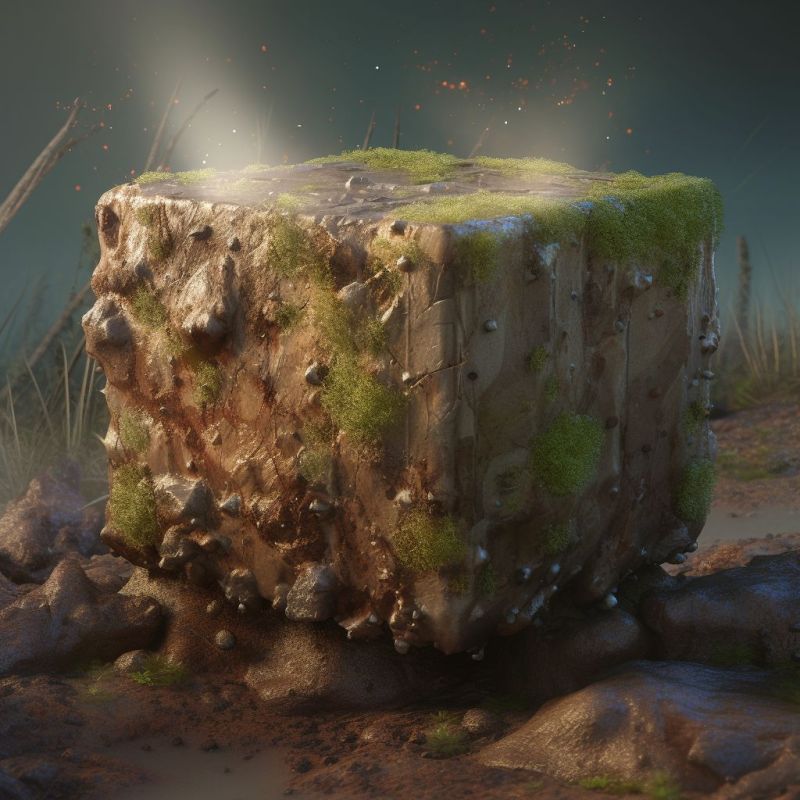 Phosphorus Block10 gp
 -
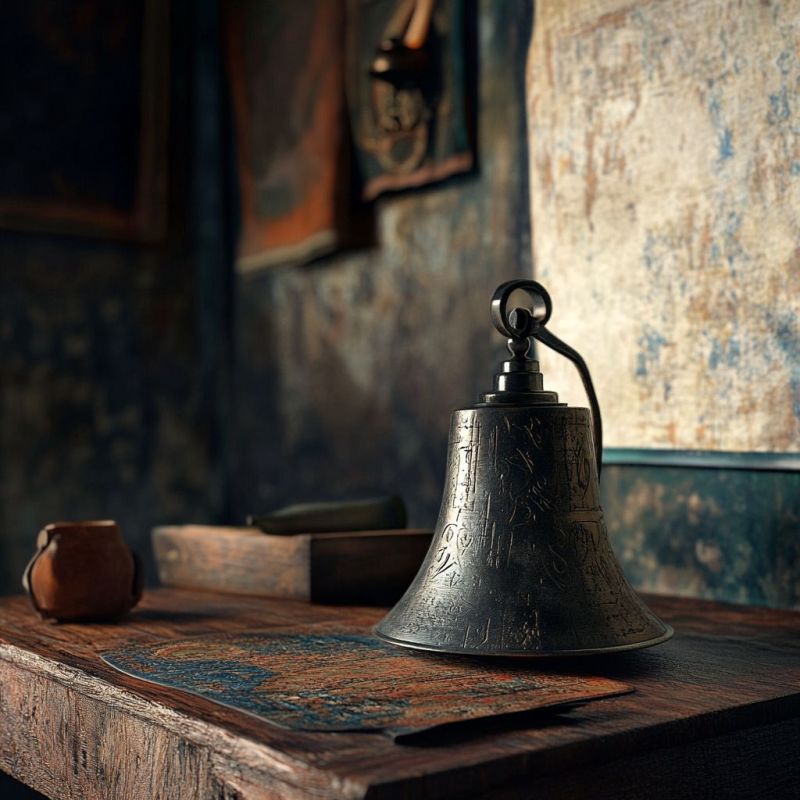 Iron Cowbell0.5 gp
 -
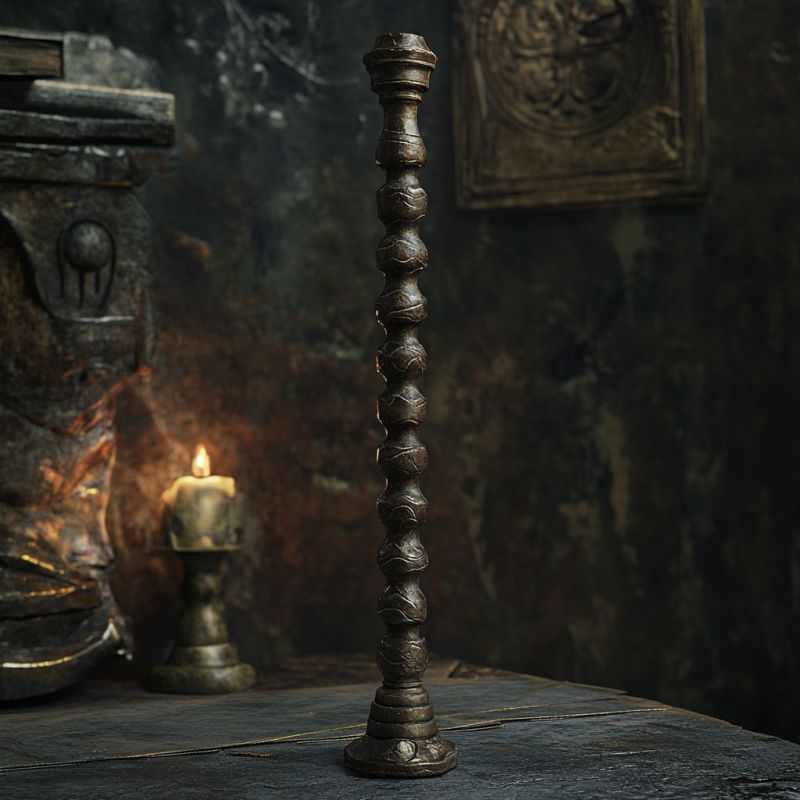 Rod, Iron1 gp
 -
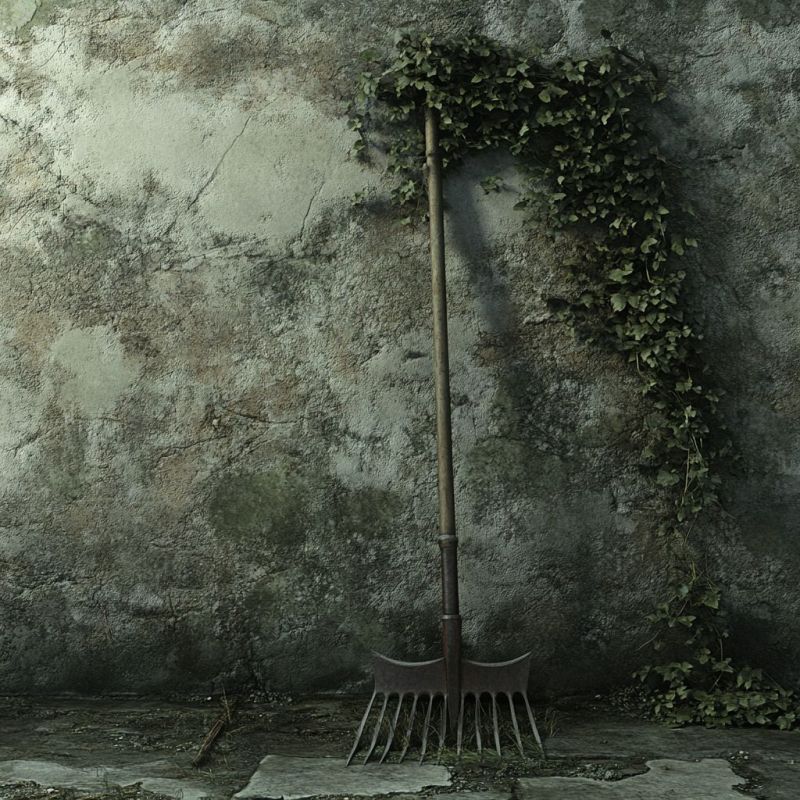 Rake, Iron0.5 gp
 -
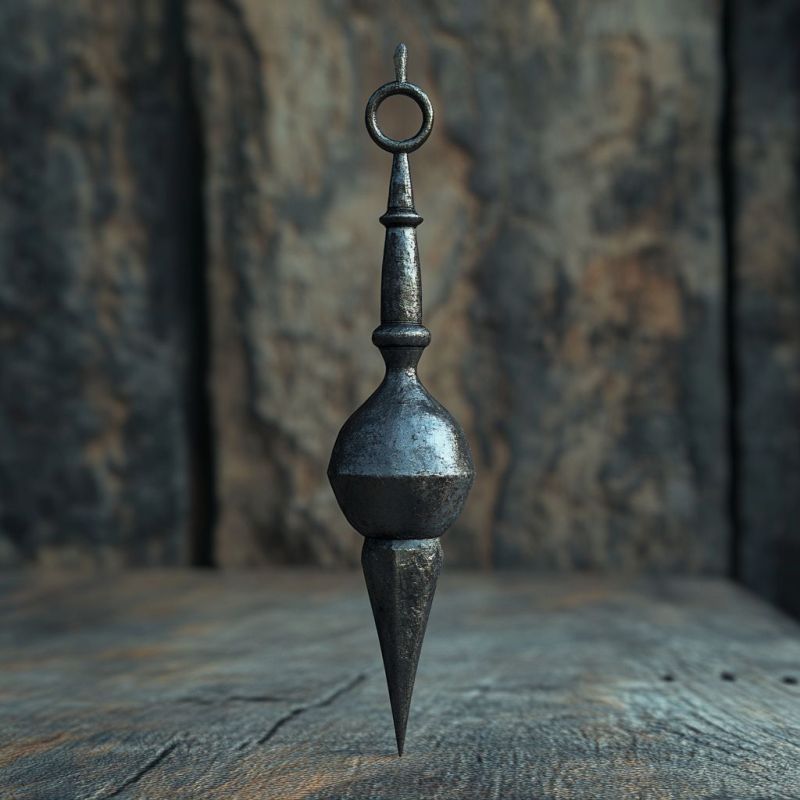 Pin, Iron0.05 gp
 -
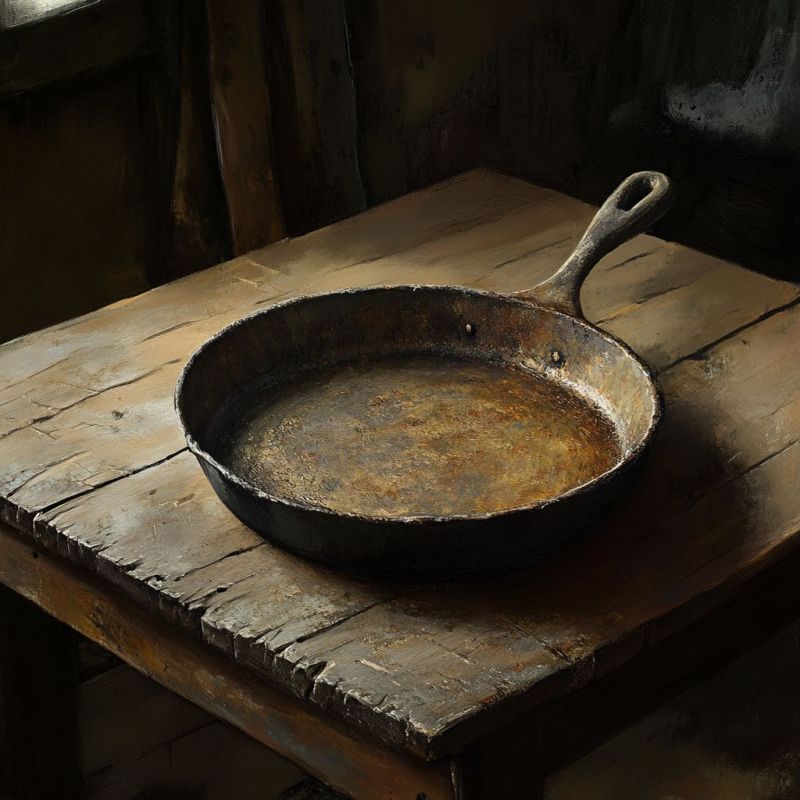 Pan, Iron1 gp
 -
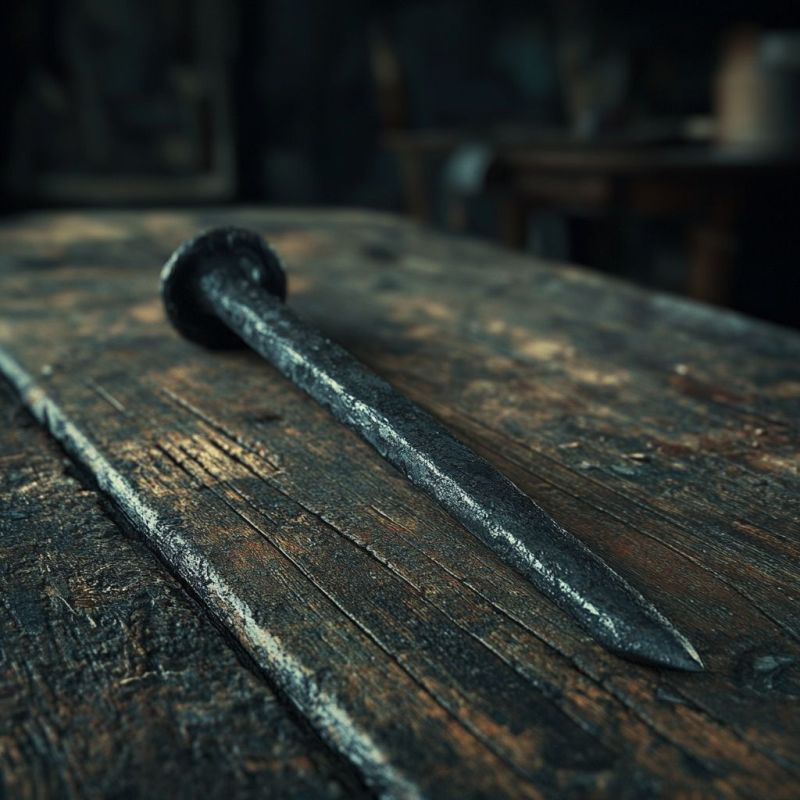 Iron Nail0.01 gp
 -
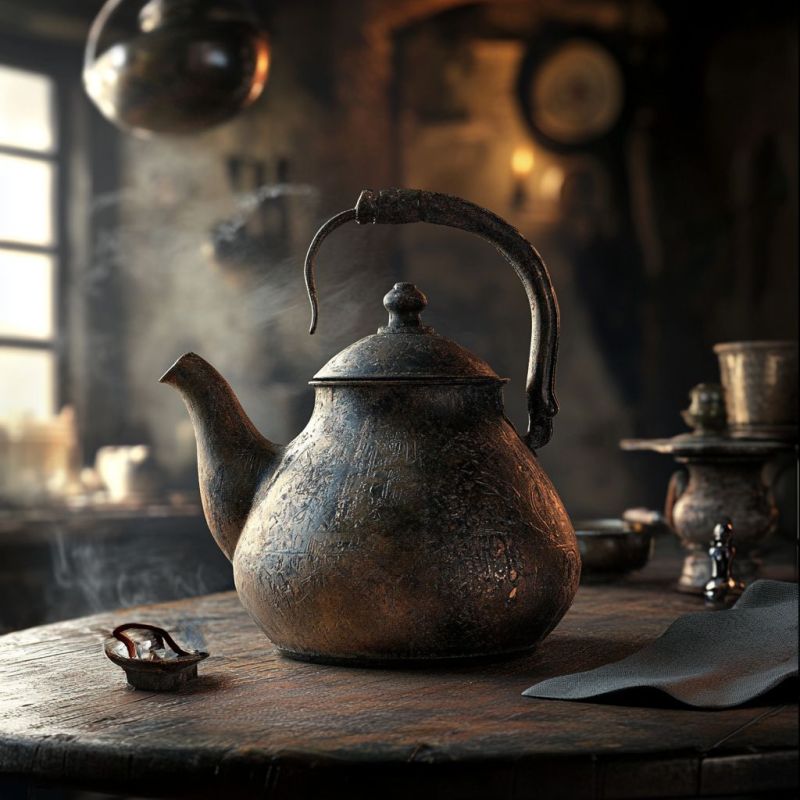 Kettle, Iron0.5 gp
 -
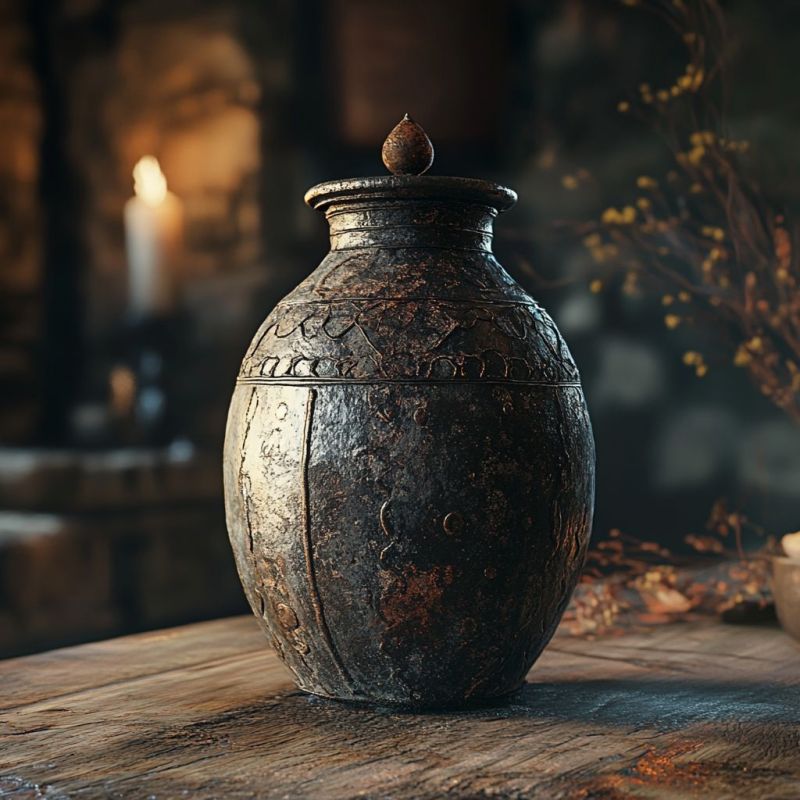 Jar, Iron1 gp
 -
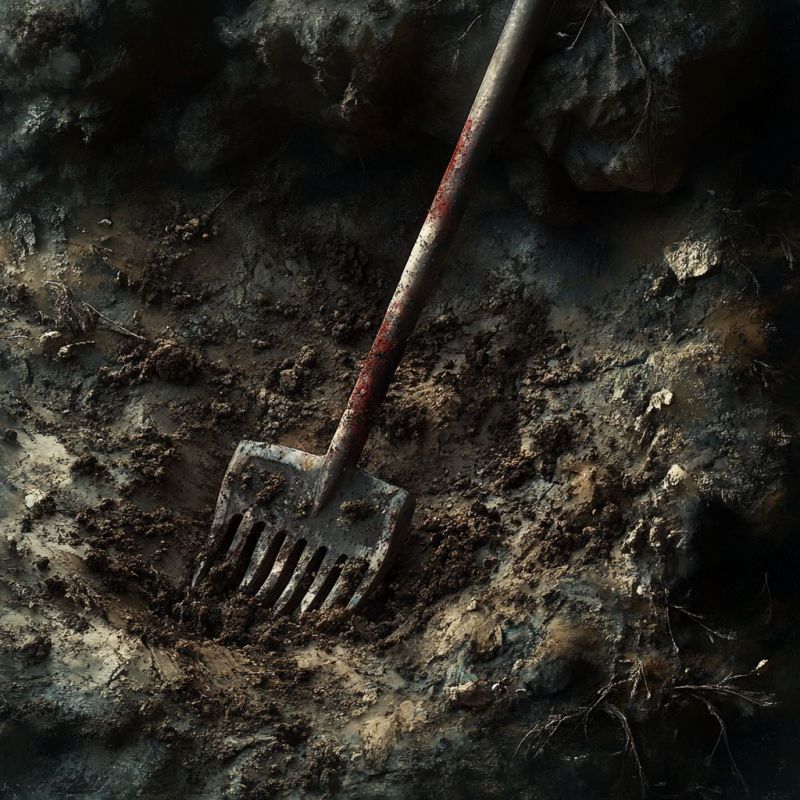 Hoe, Iron1 gp
 -
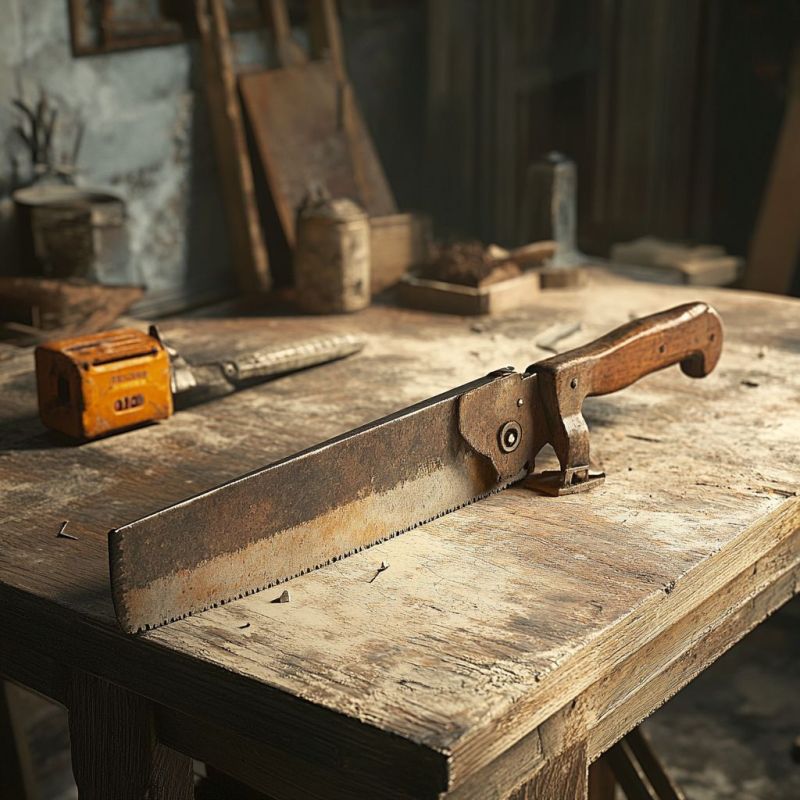 Handsaw, Iron0.6 gp
 -
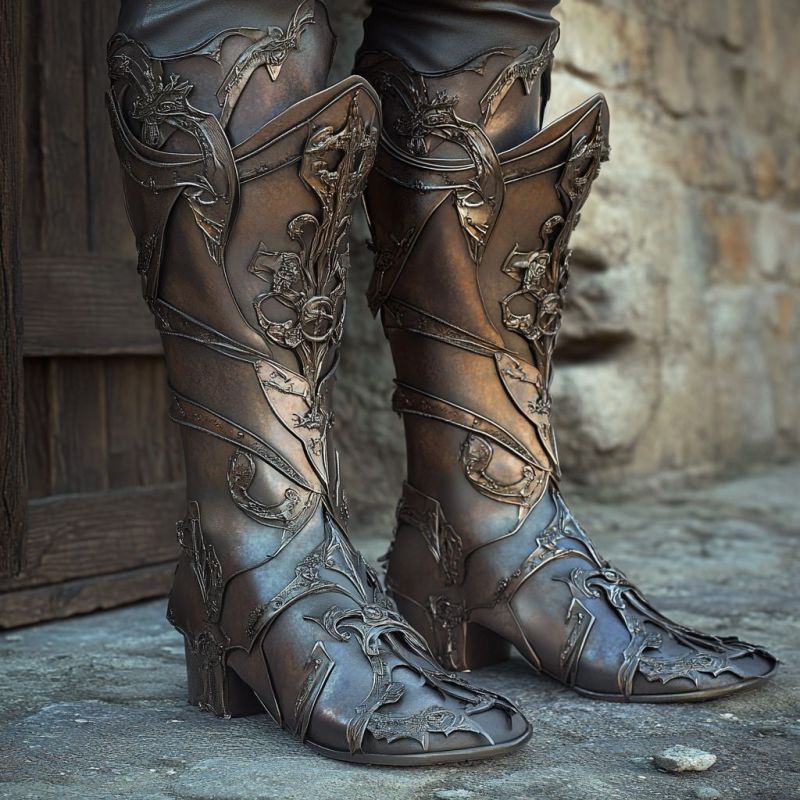 Greaves, Iron8 2 gp
 -
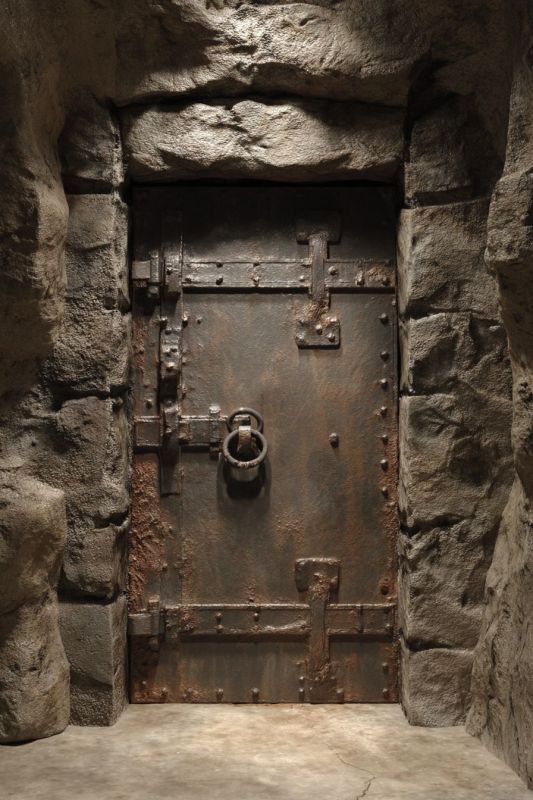 Door, Iron100 gp
 -
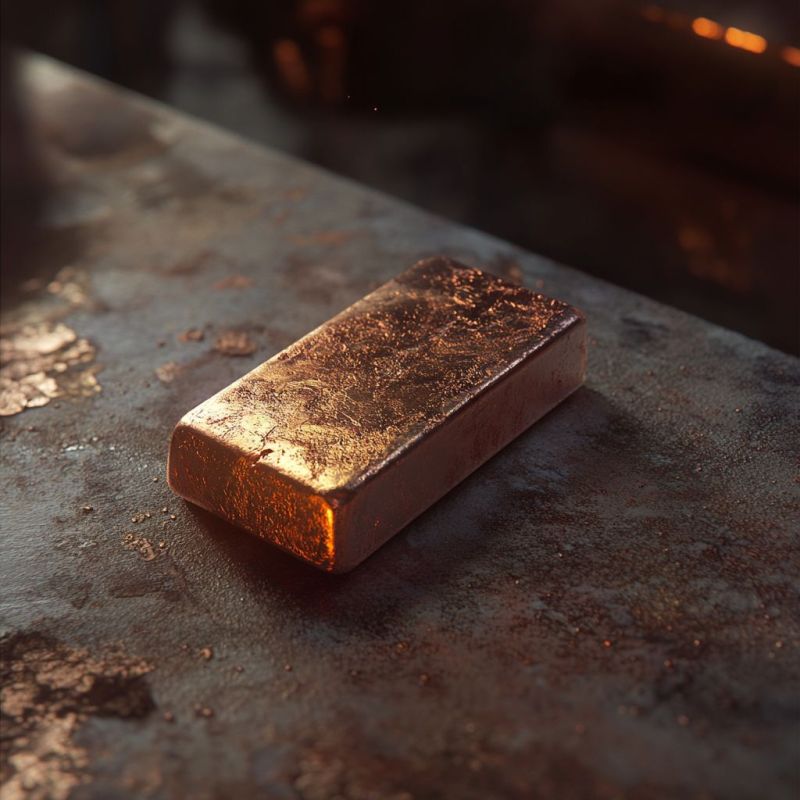 Copper Slug0.03 gp
 -
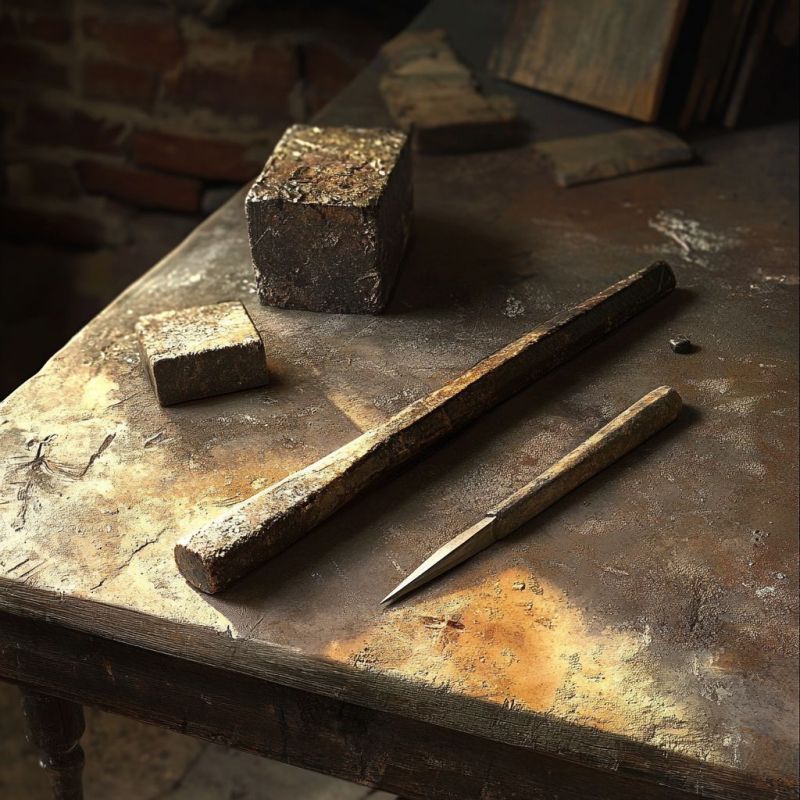 Chisel, Iron0.5 gp
 -
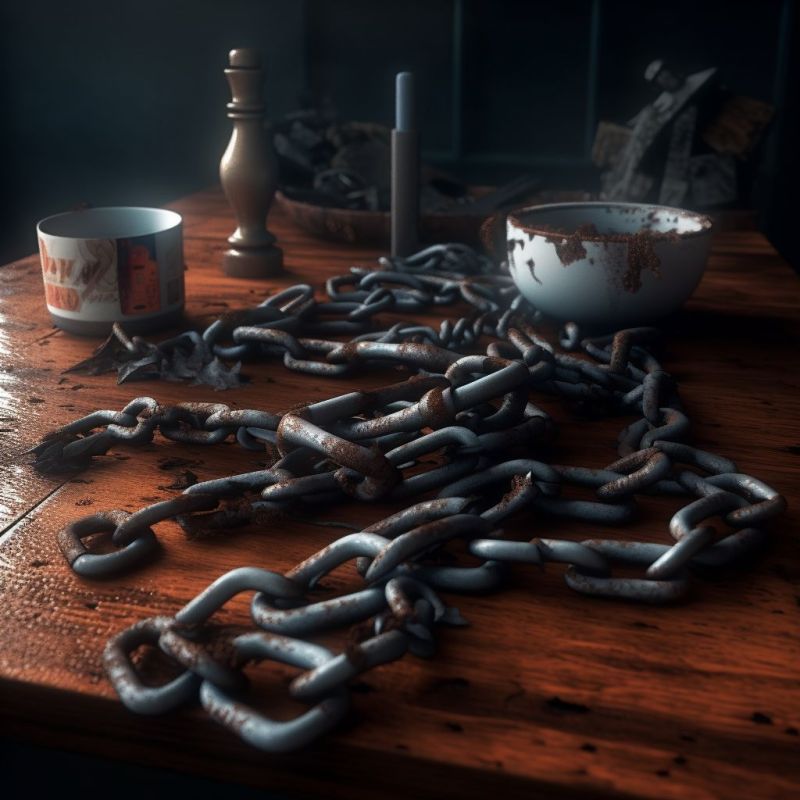 Chain, 10 feet5 gp
 -
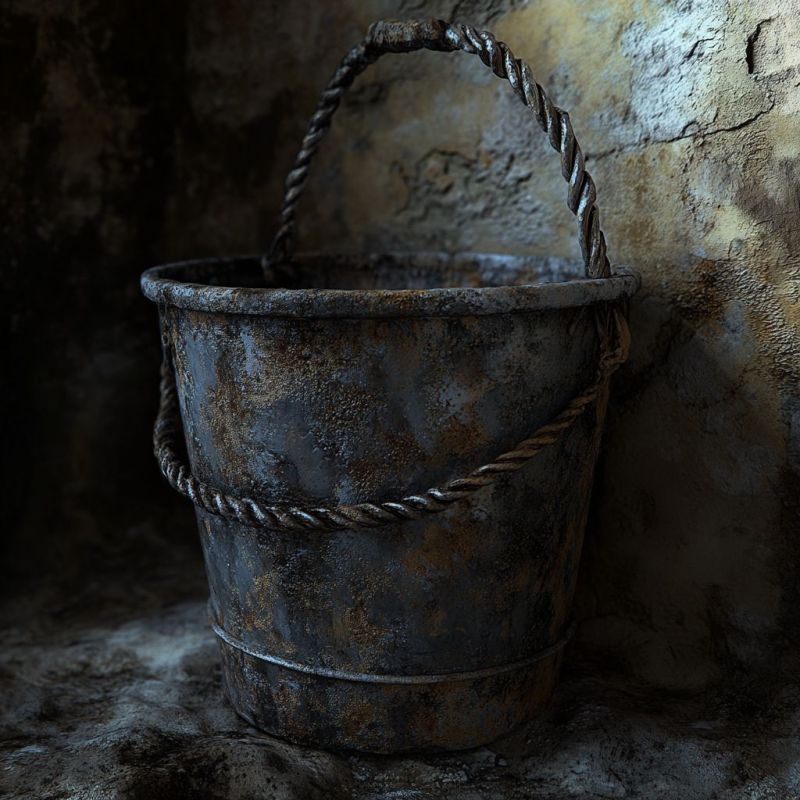 Bucket, Iron1 gp
 -
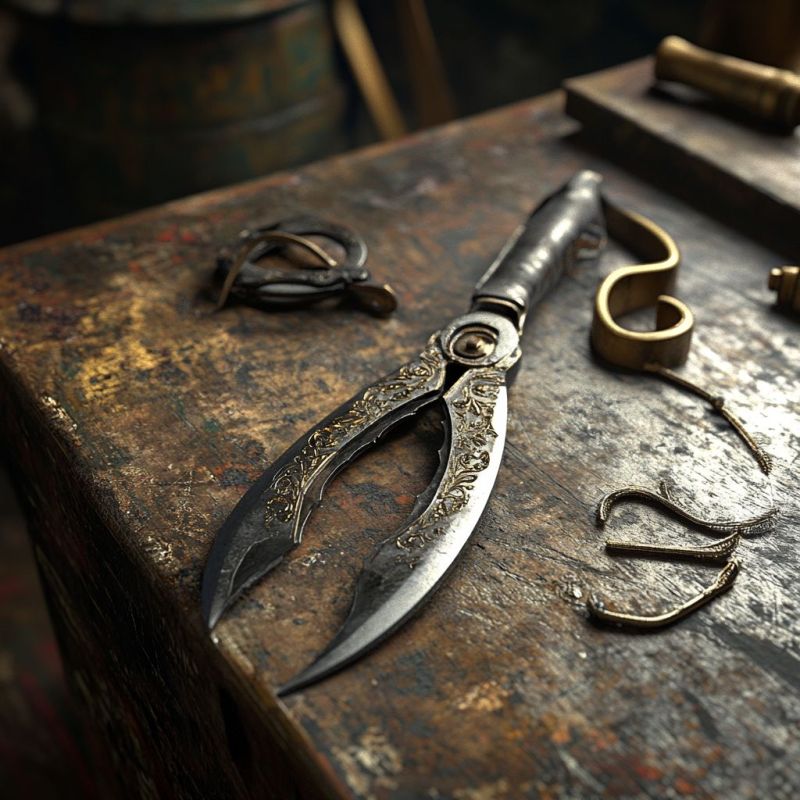 Iron Shears0.3 gp
 -
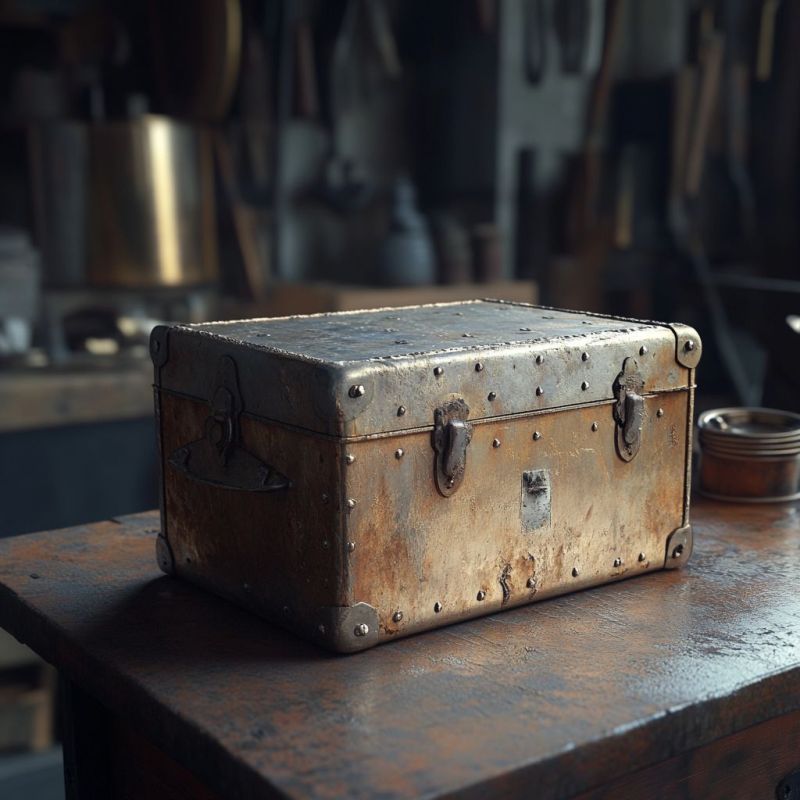 Box, Iron10 gp
 -
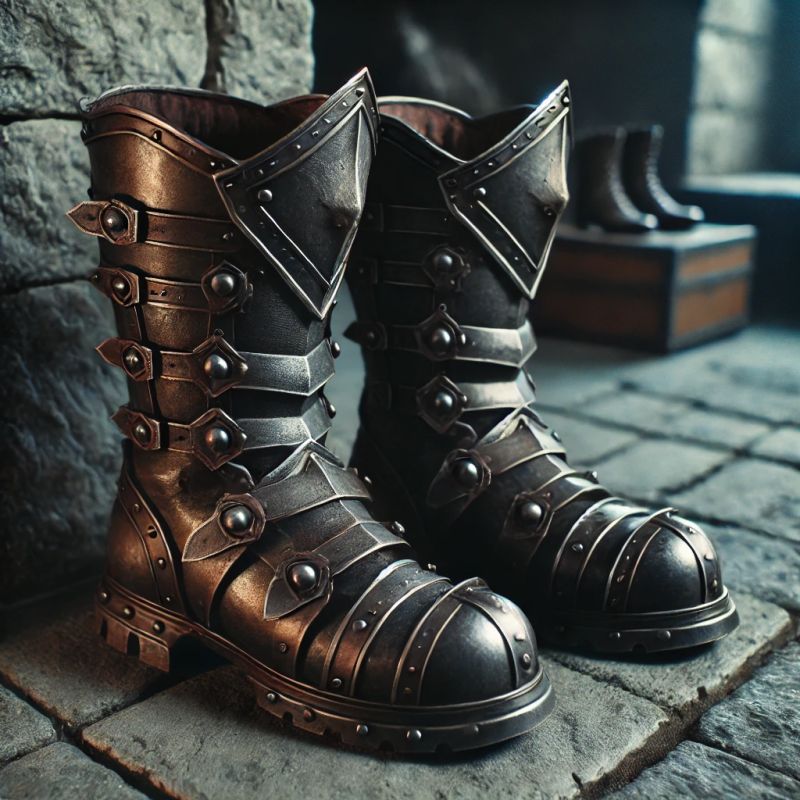 Boots, Iron8 8 gp
 -
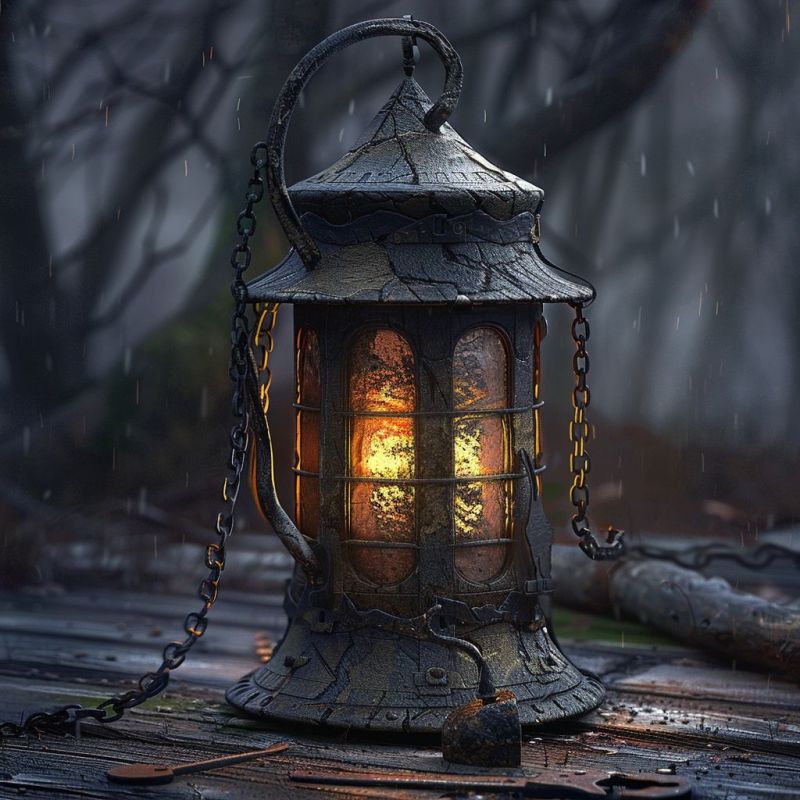 Hooded Lantern5 gp
 -
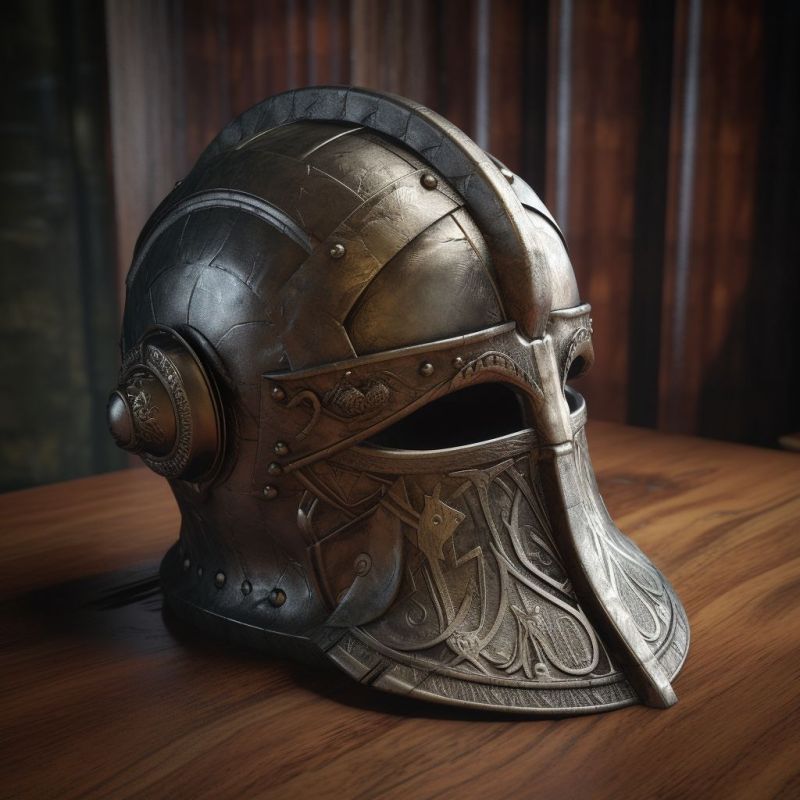 Helmet40 gp
 -
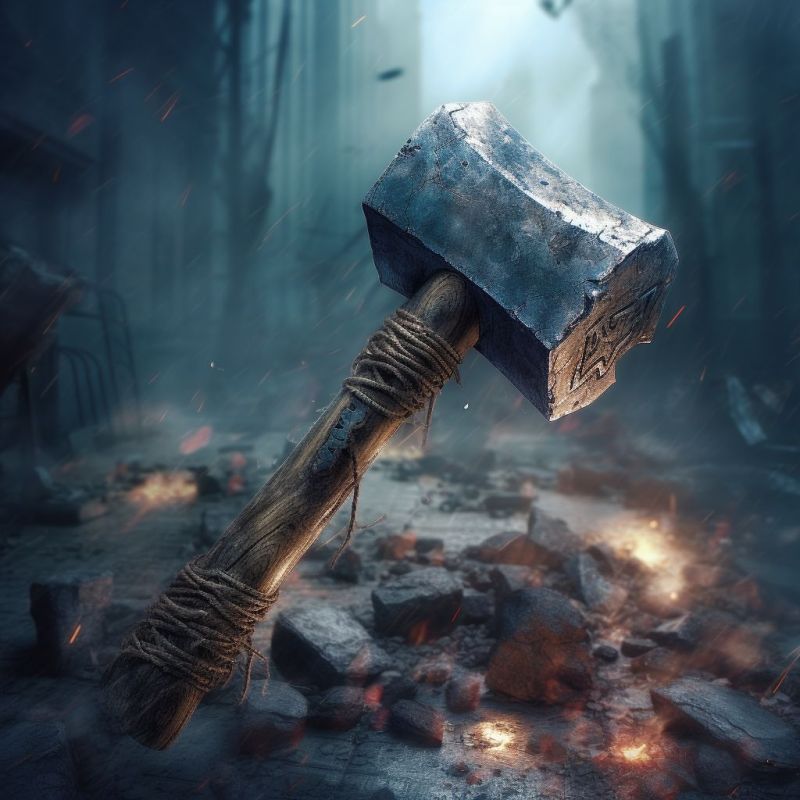 Hammer1 gp
 -
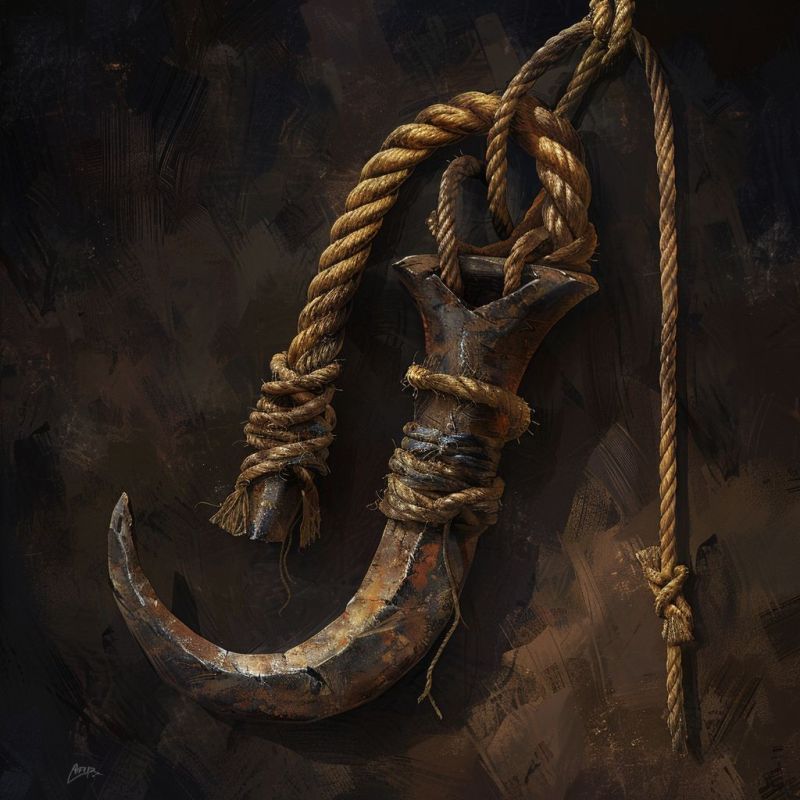 Grappling Hook2 gp
 -
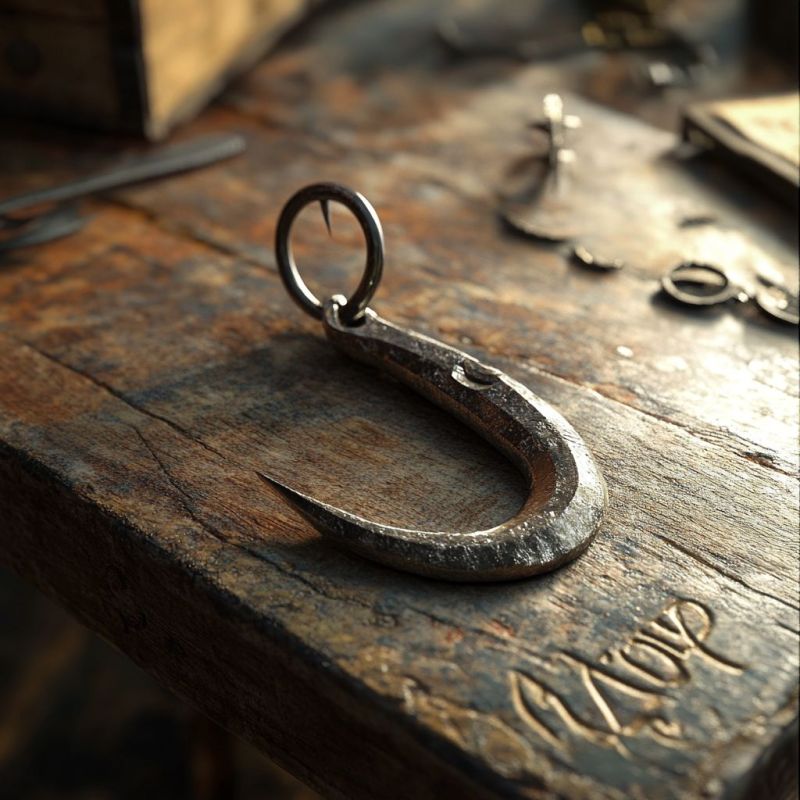 Fishing Hook0.02 gp
 -
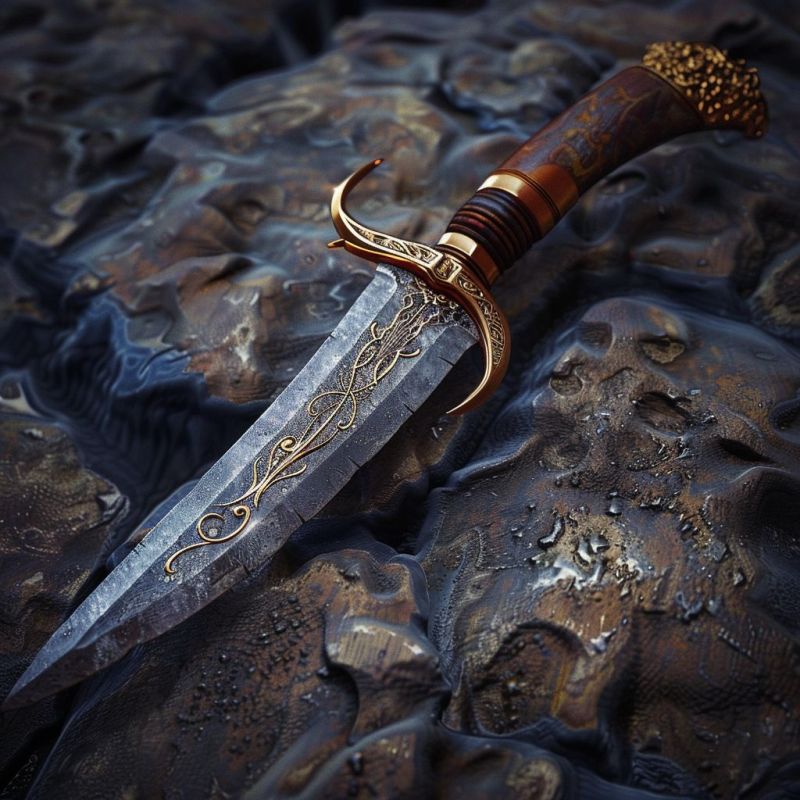 Dagger2 gp
 -
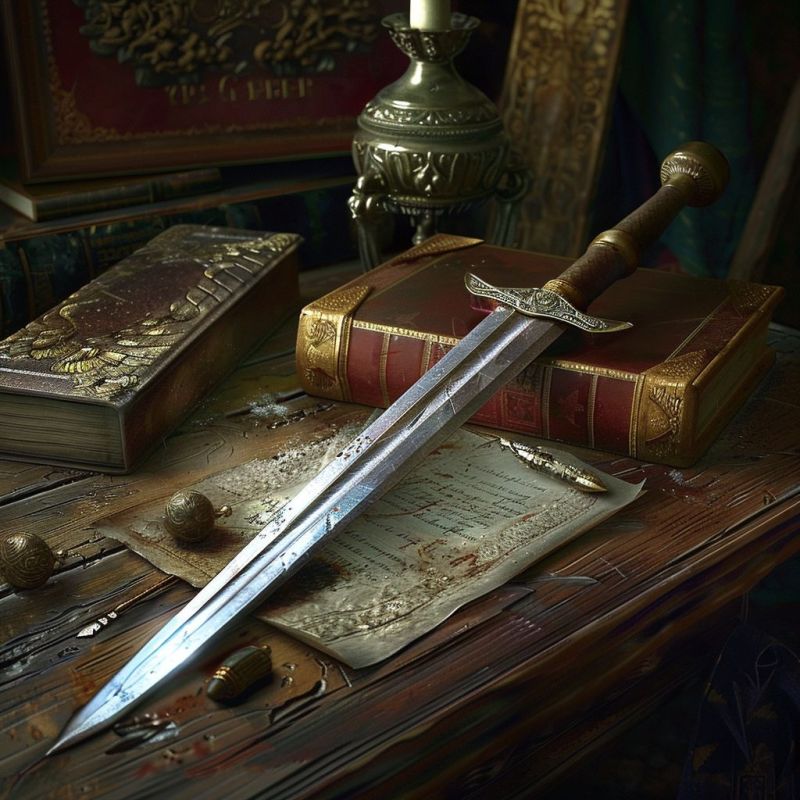 Shortsword10 gp
 -
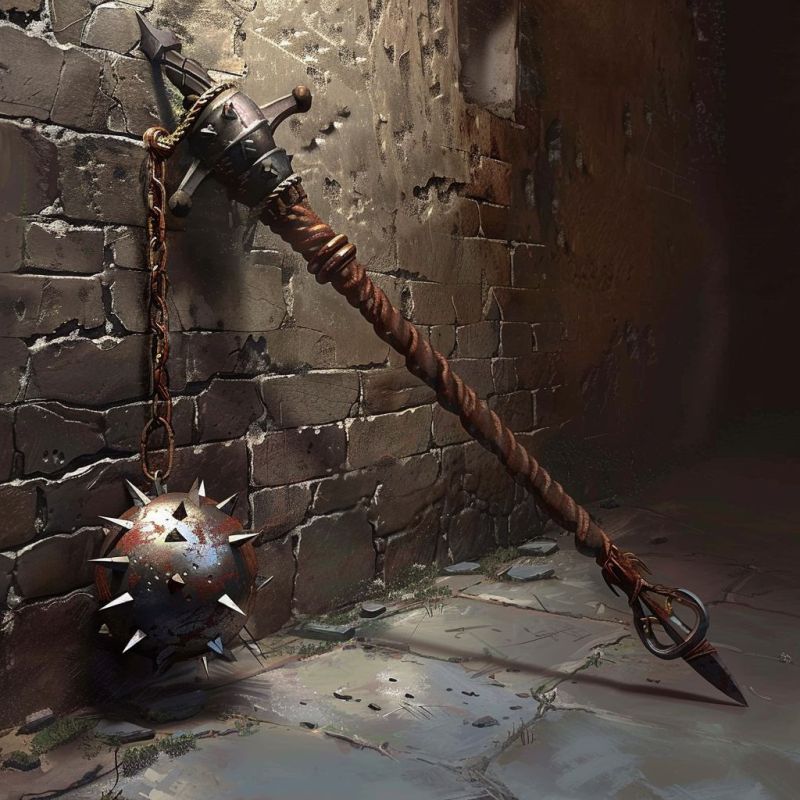 Flail10 gp
 -
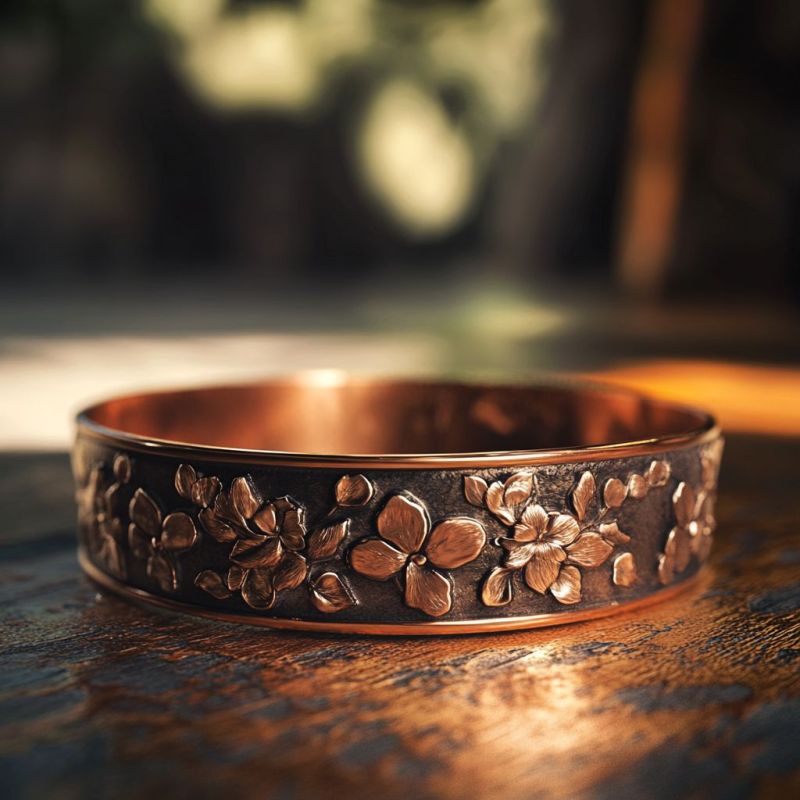 Bracelet, Copper5 gp
 -
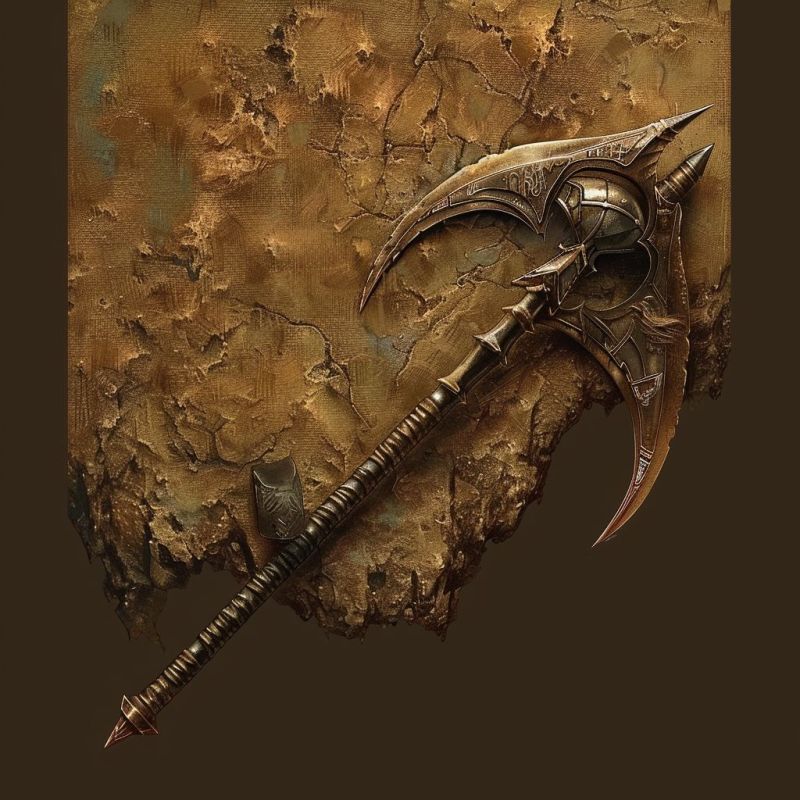 War Pick5 gp
 -
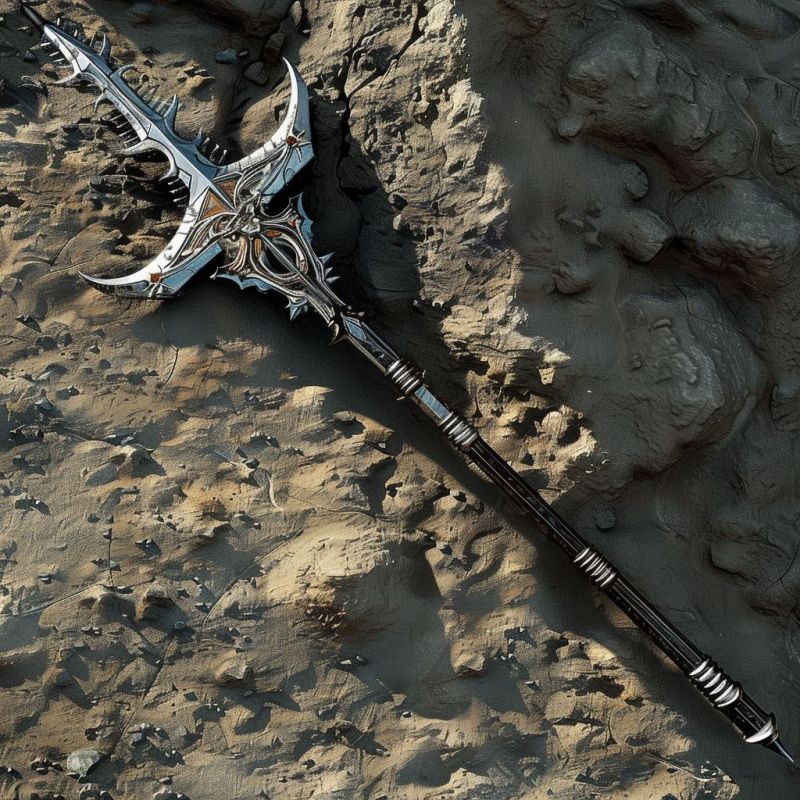 Pike2.04 5 gp
 -
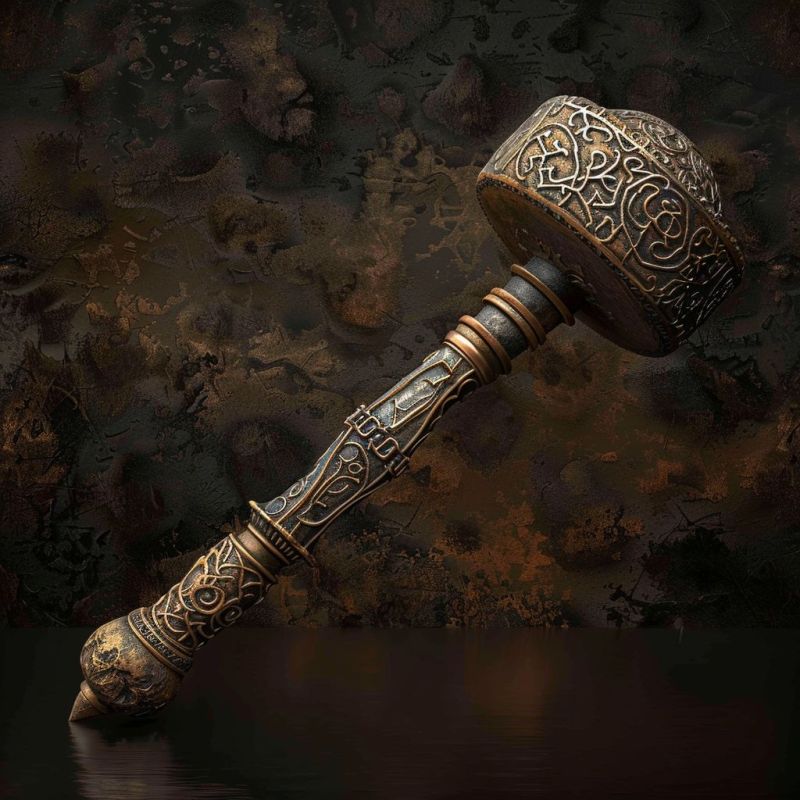 Mace5 gp
 -
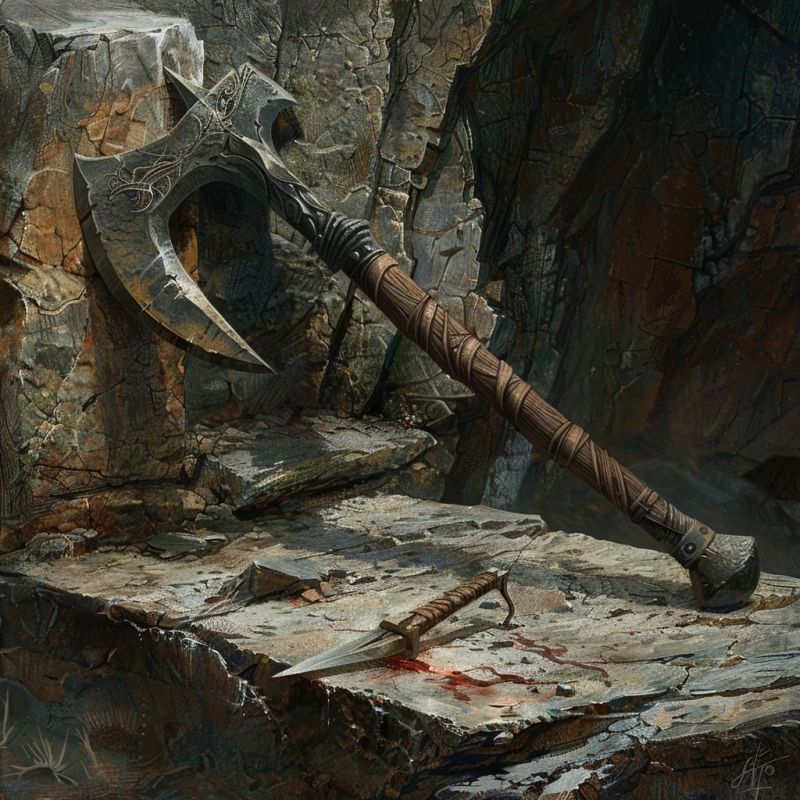 Handaxe5 gp
 -
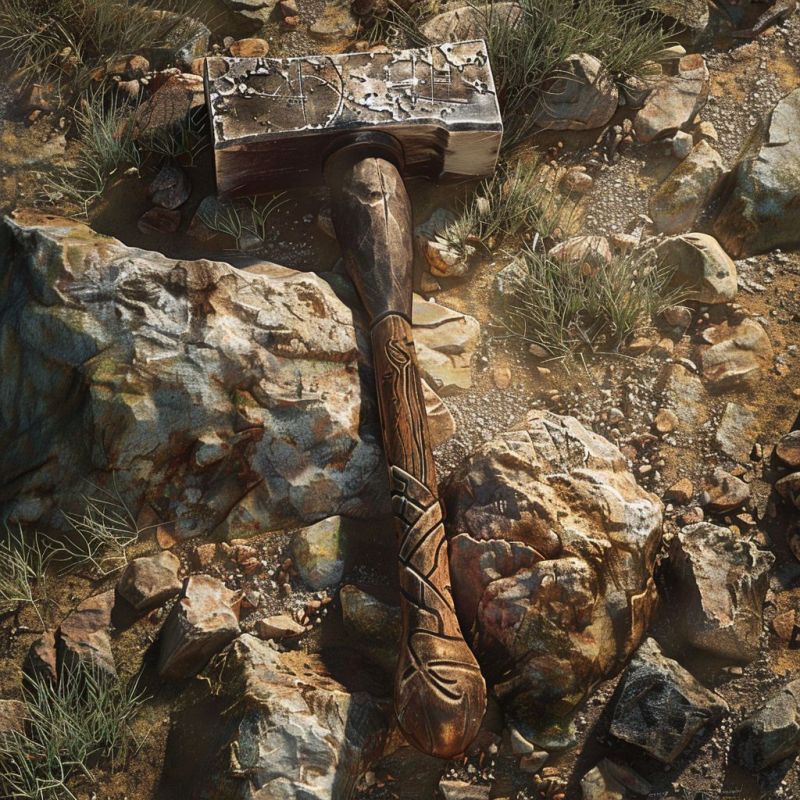 Light Hammer2 gp
 -
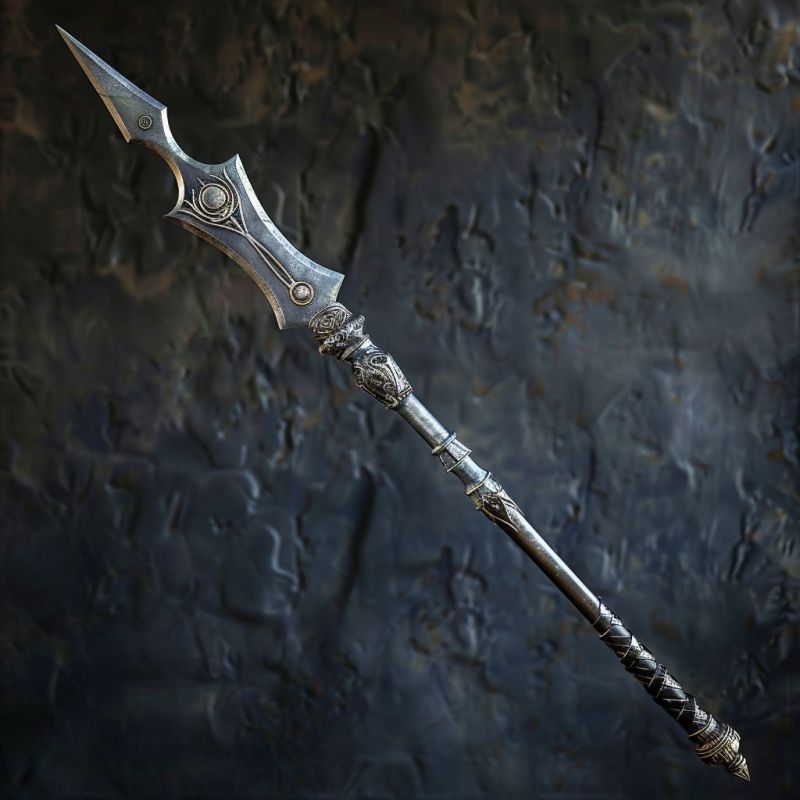 Spear1 gp
 -
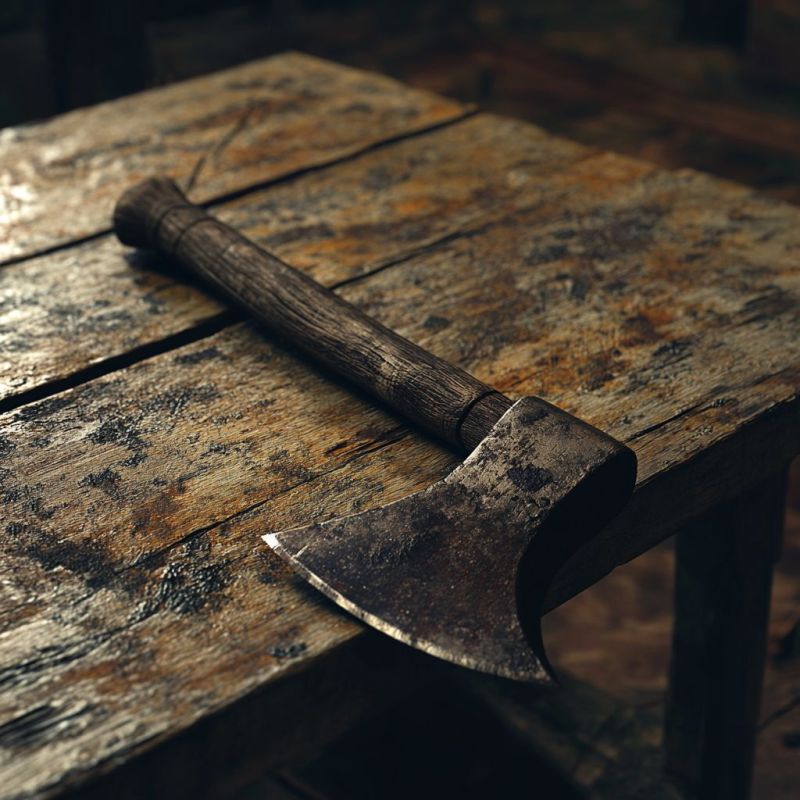 Hatchet1 gp
 -
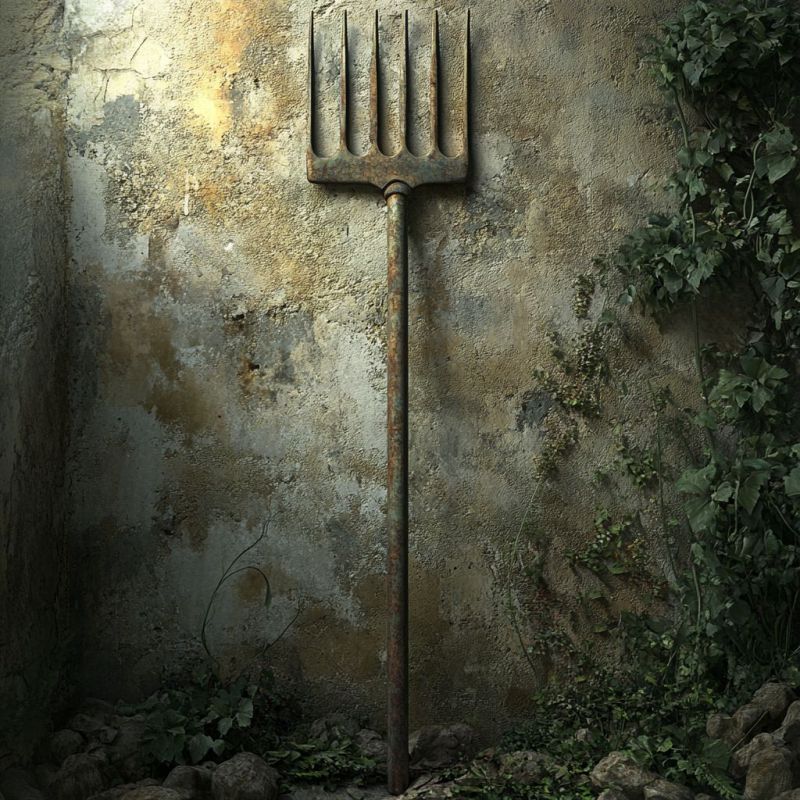 Pitchfork0.5 gp
 -
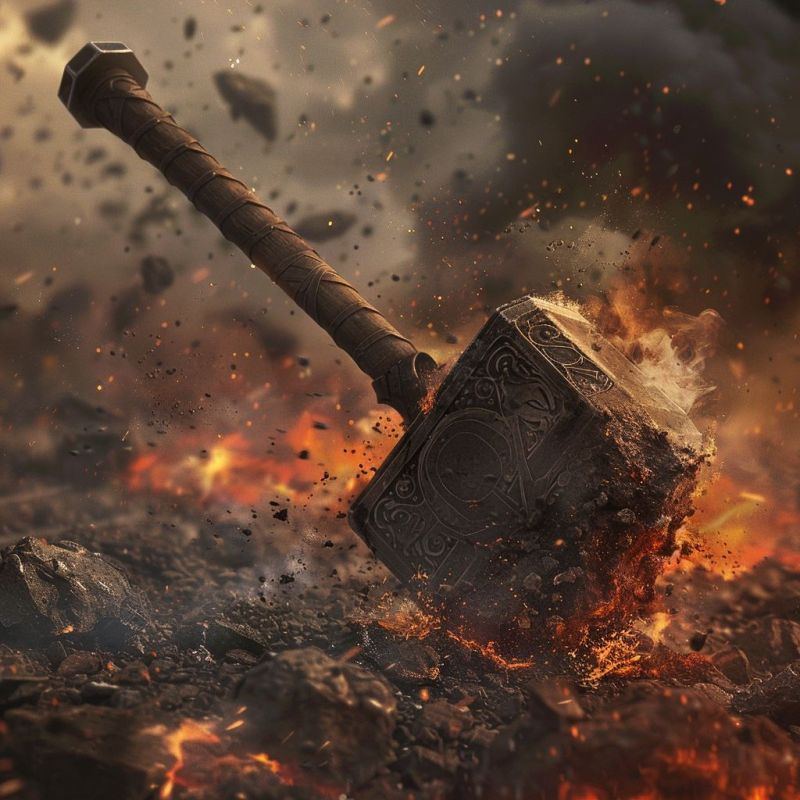 Maul10 gp
 -
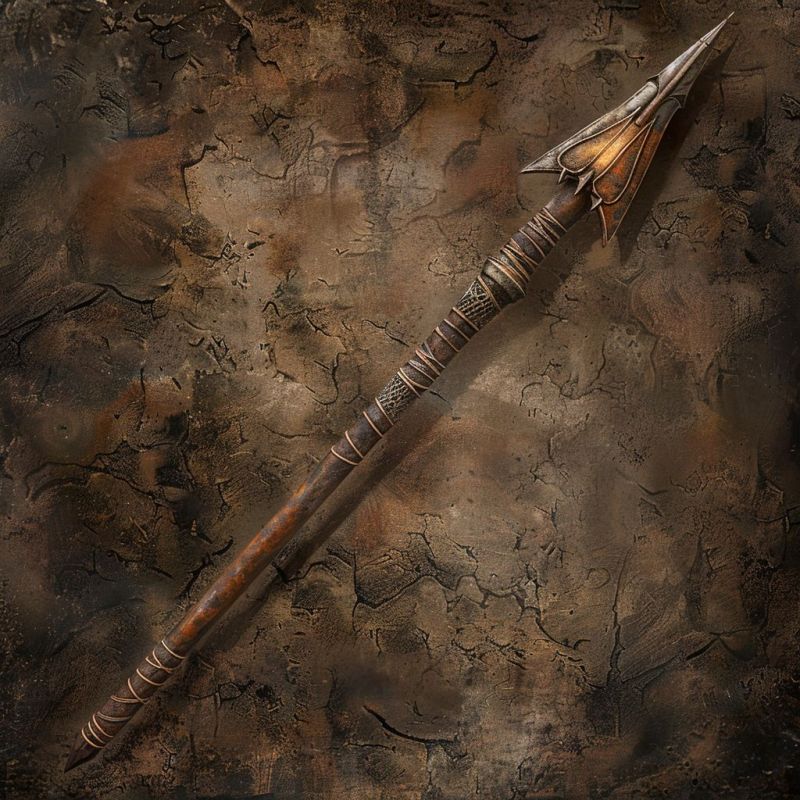 Javelin0.5 gp
 -
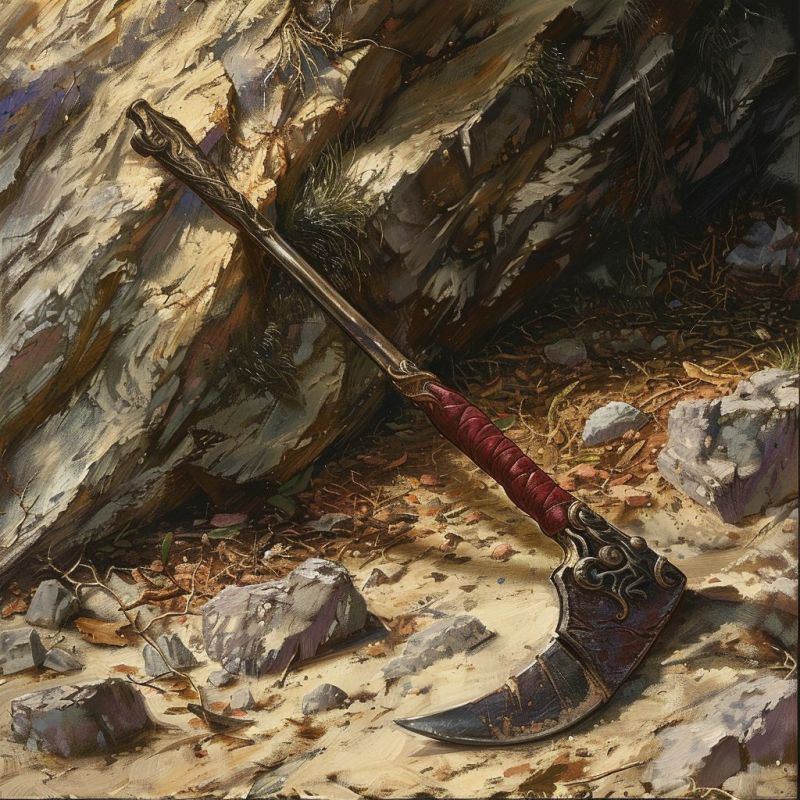 Sickle0.2 gp
 -
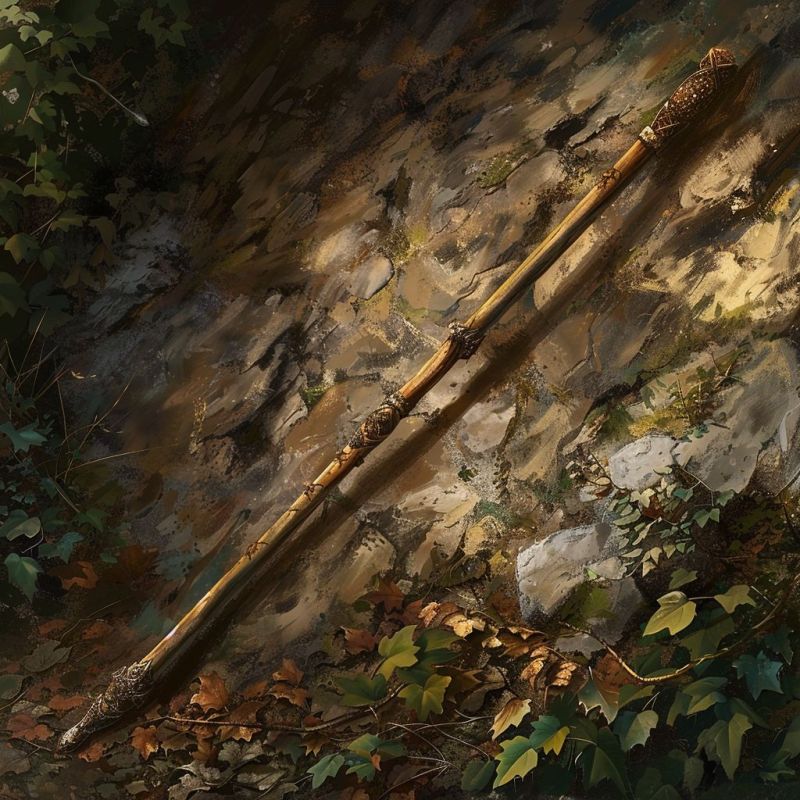 Quarterstaff0.2 gp
 -
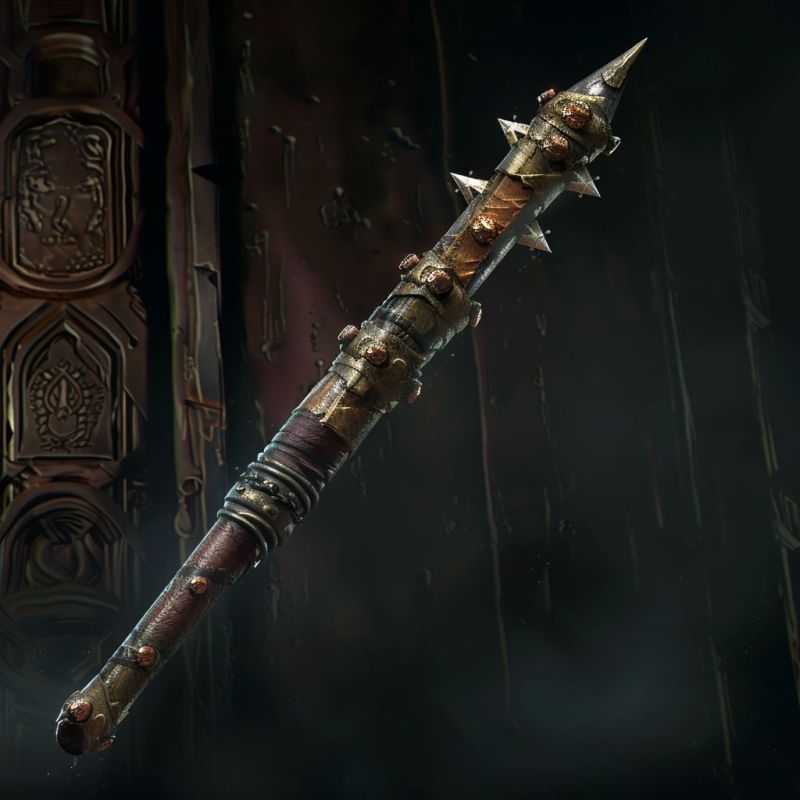 Greatclub0.2 gp
 -
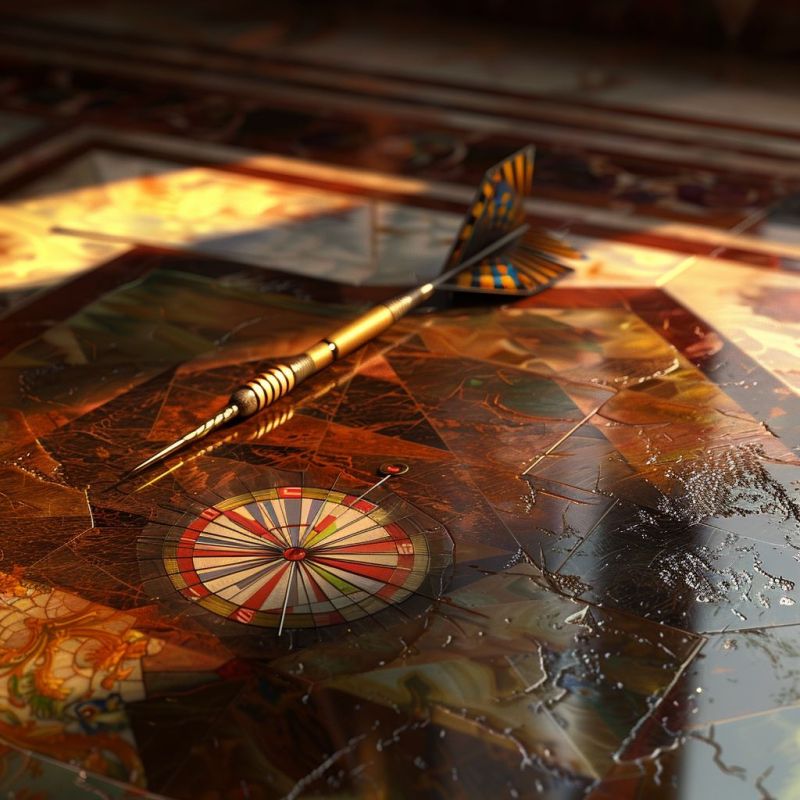 Dart0.05 gp
 -
 Small Glass Case0.6 gp
 -
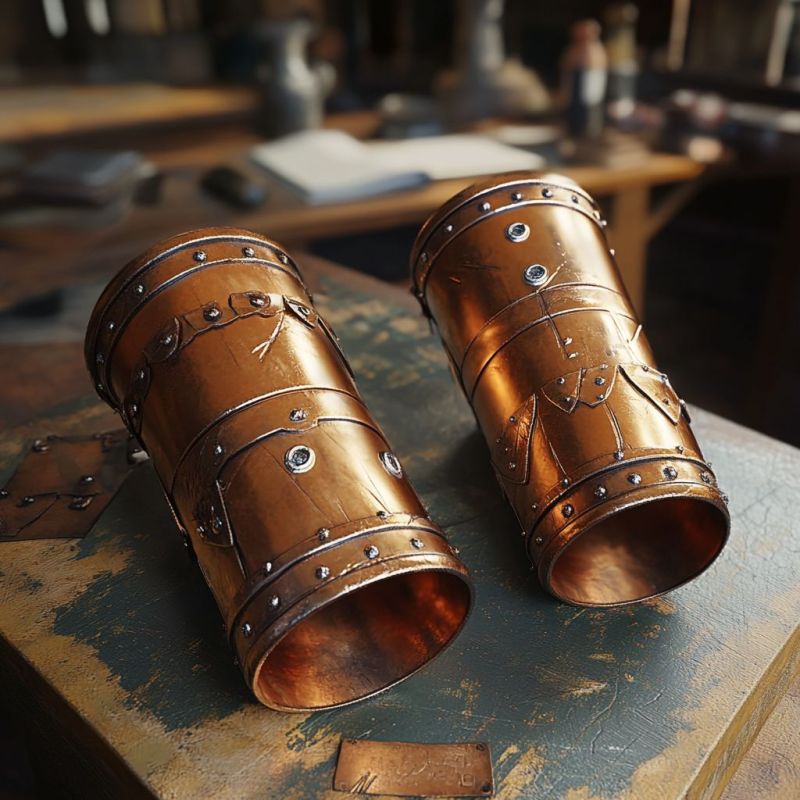 Bracers, Copper8 20 gp
 -
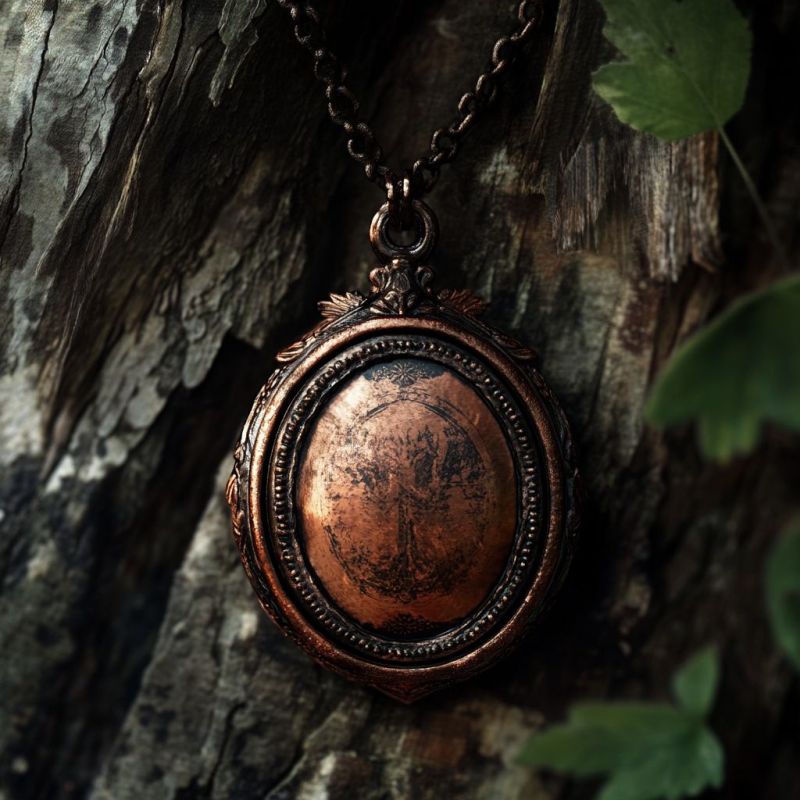 Amulet, Copper5 gp
 -
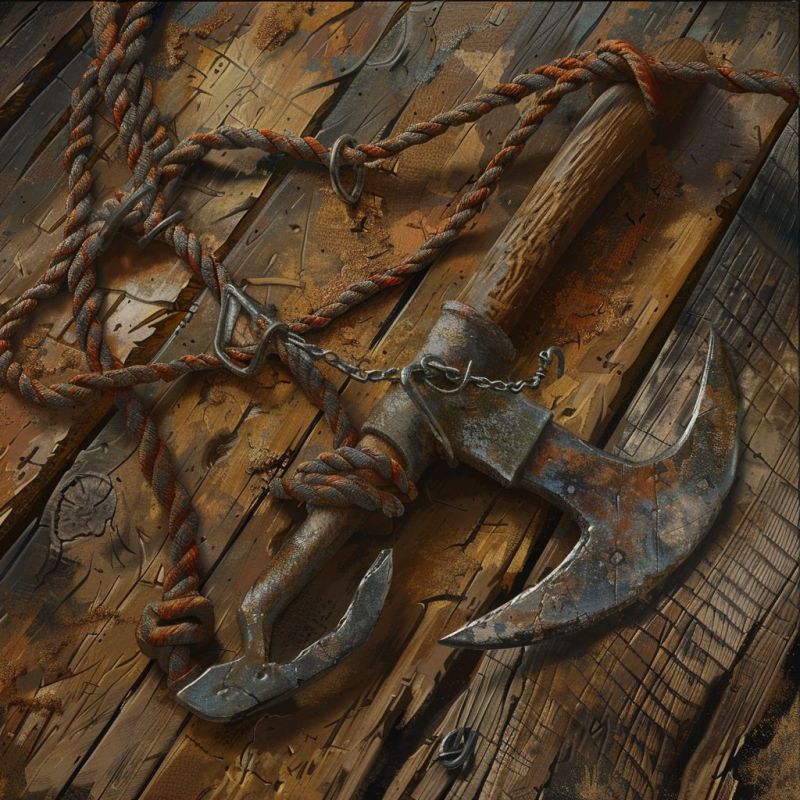 Climbing Piton0.05 gp
 -
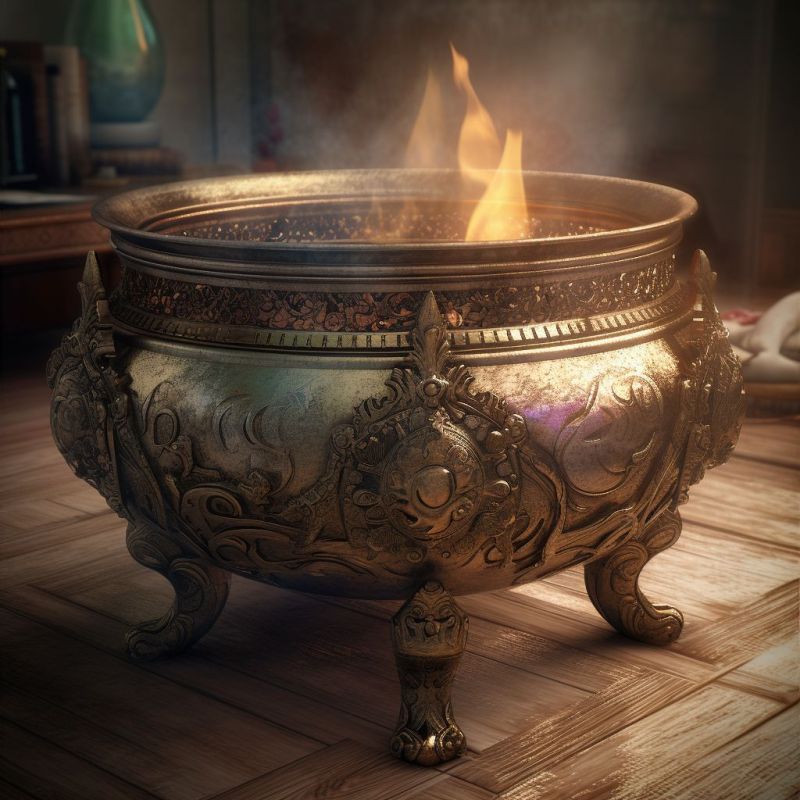 Brazier, Copper15 gp
 -
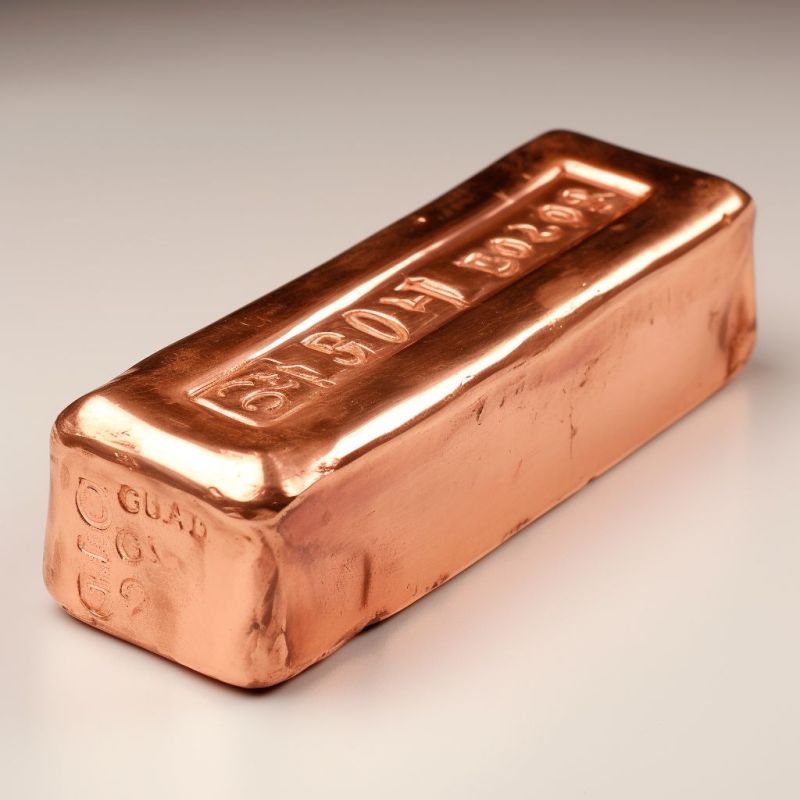 Copper Ingot3 gp
 -
 Forge75 gp
 -
 Mess Kit0.5 gp
 -
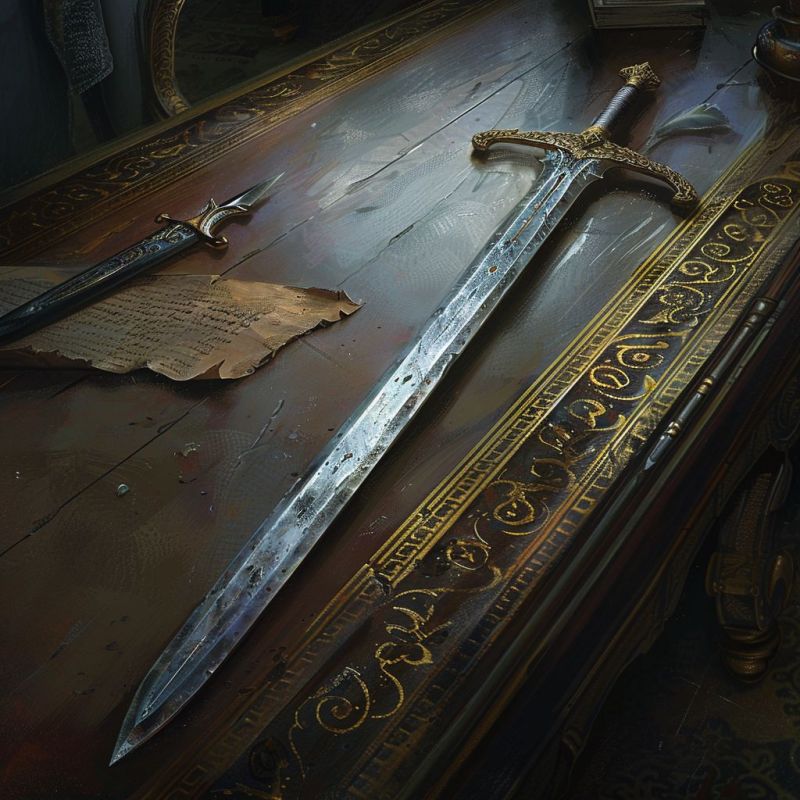 Longsword15 gp
 -
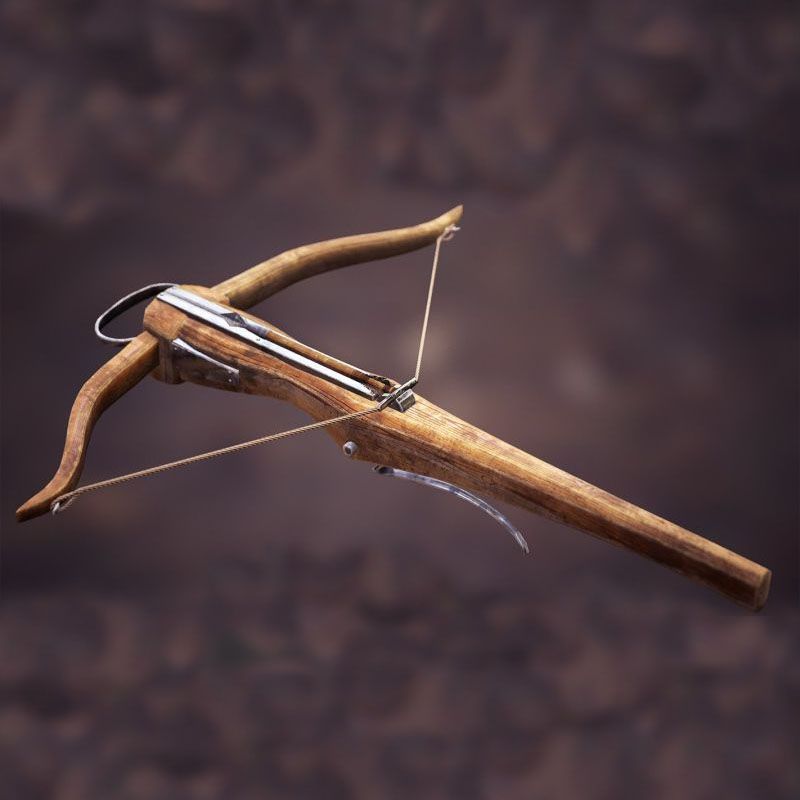 Light Crossbow25 gp
 -
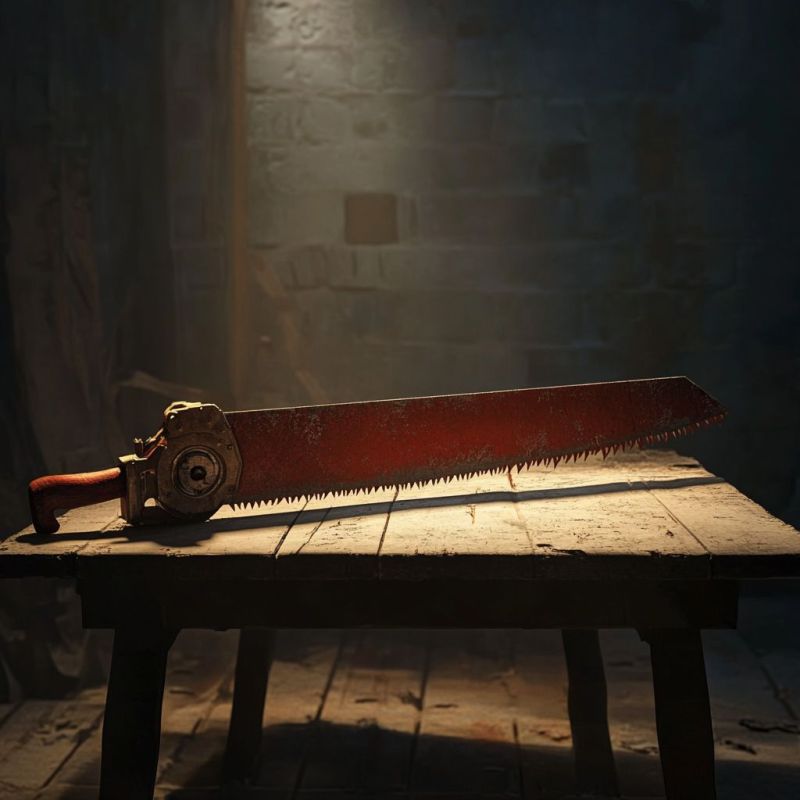 Large Saw5 gp
 -
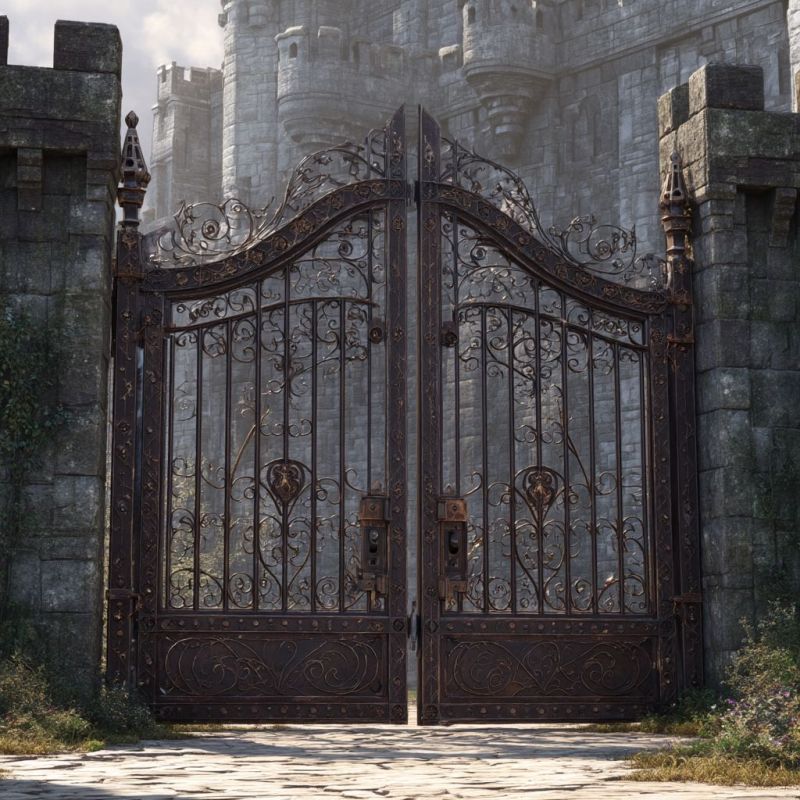 Gate, Large, Iron50 gp
 -
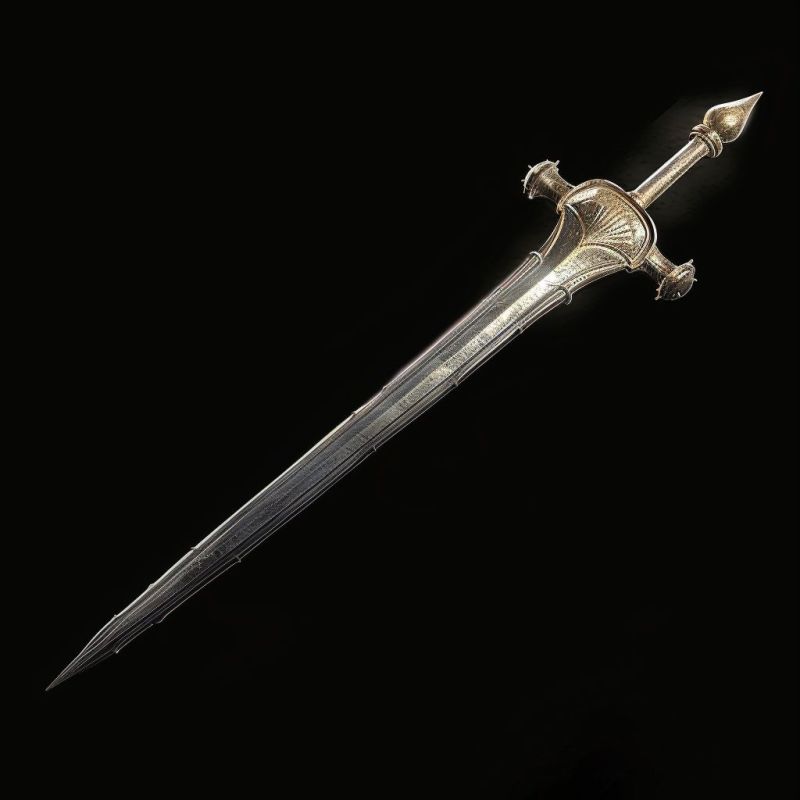 Lance10 gp
 -
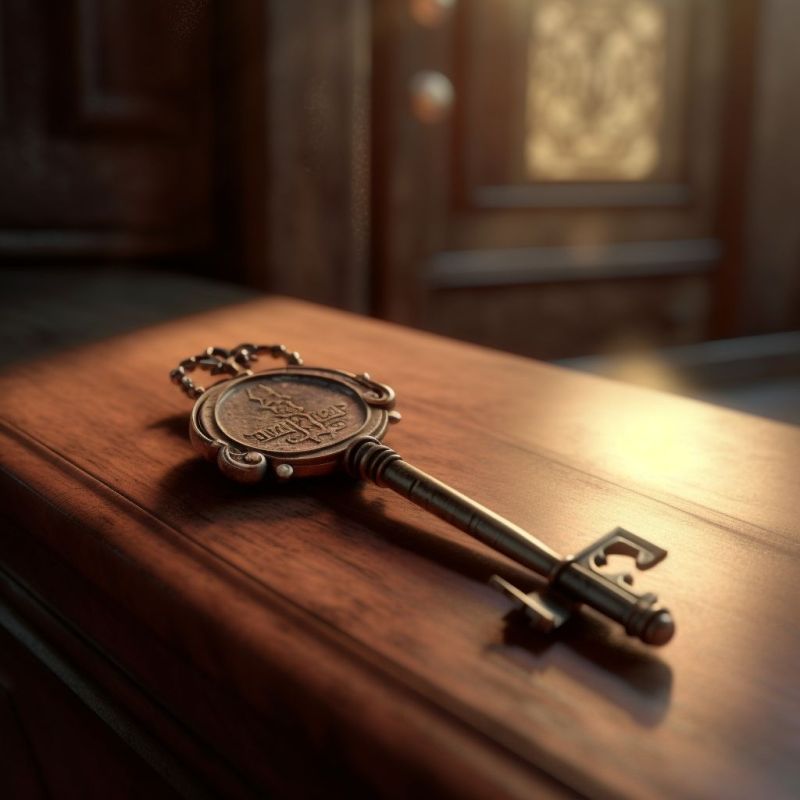 Key0.3 gp
 -
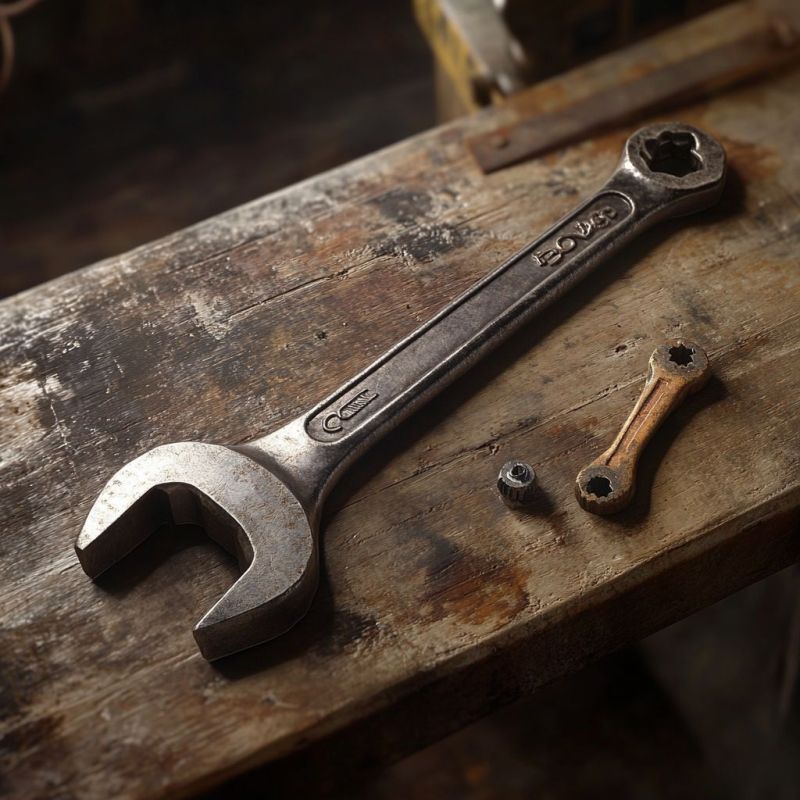 Wrench, Iron1 gp
 -
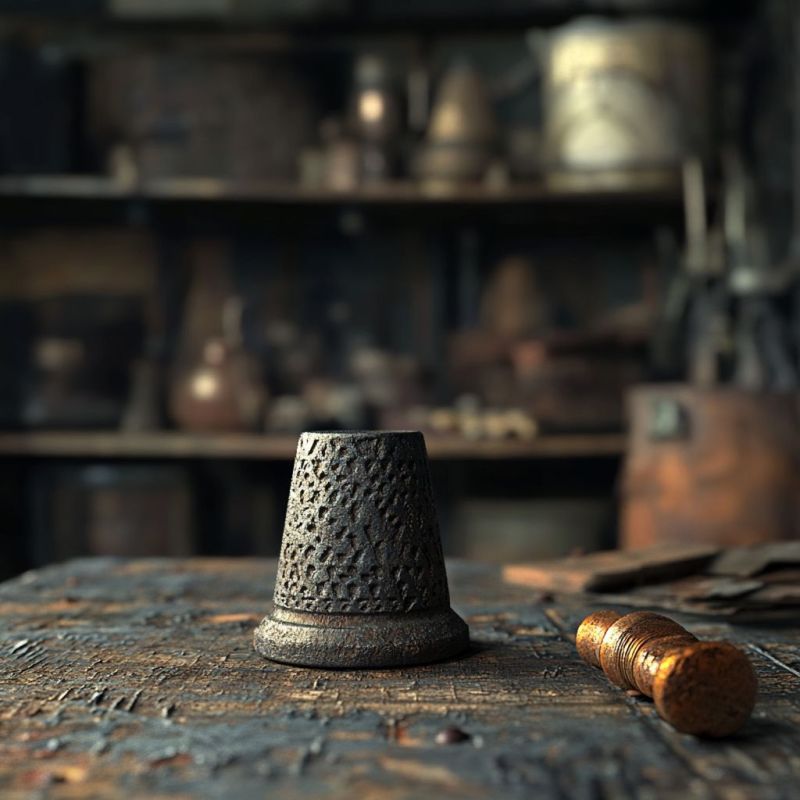 Iron Thimble0.3 gp
 -
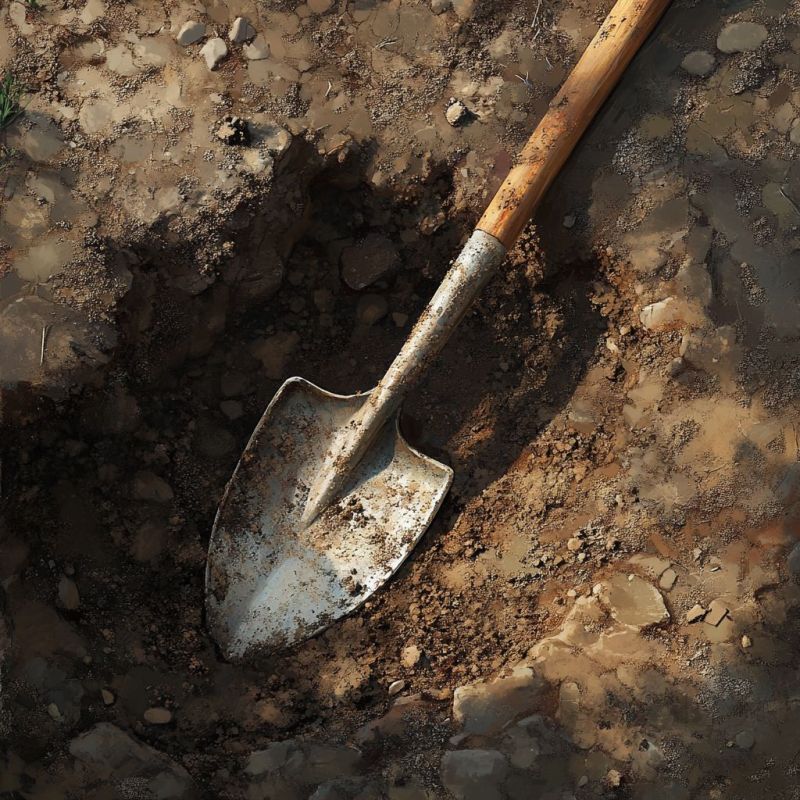 Iron Spade0.3 gp
 -
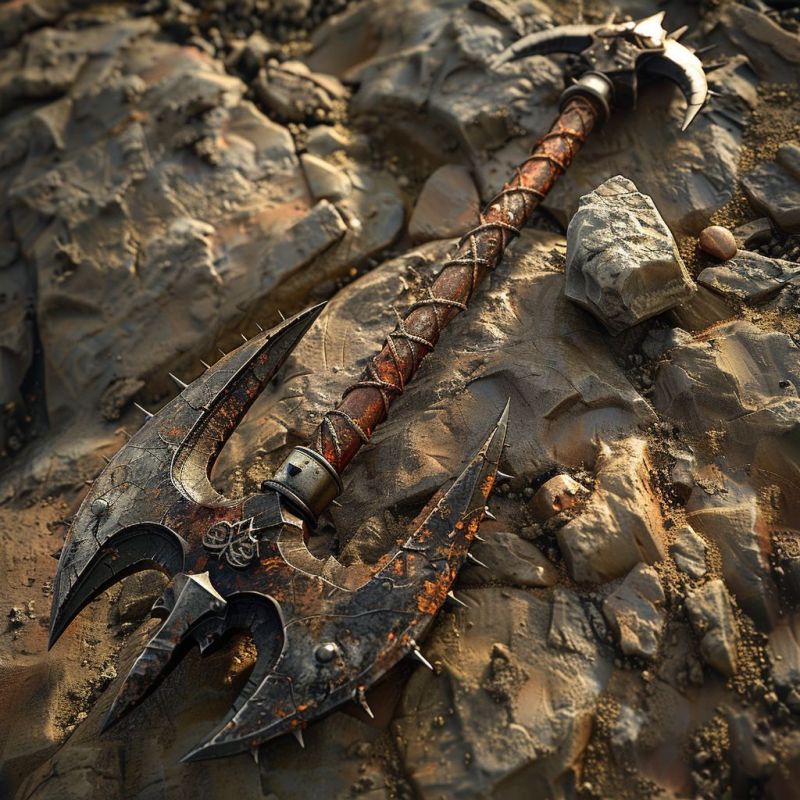 Battleaxe10 gp
 -
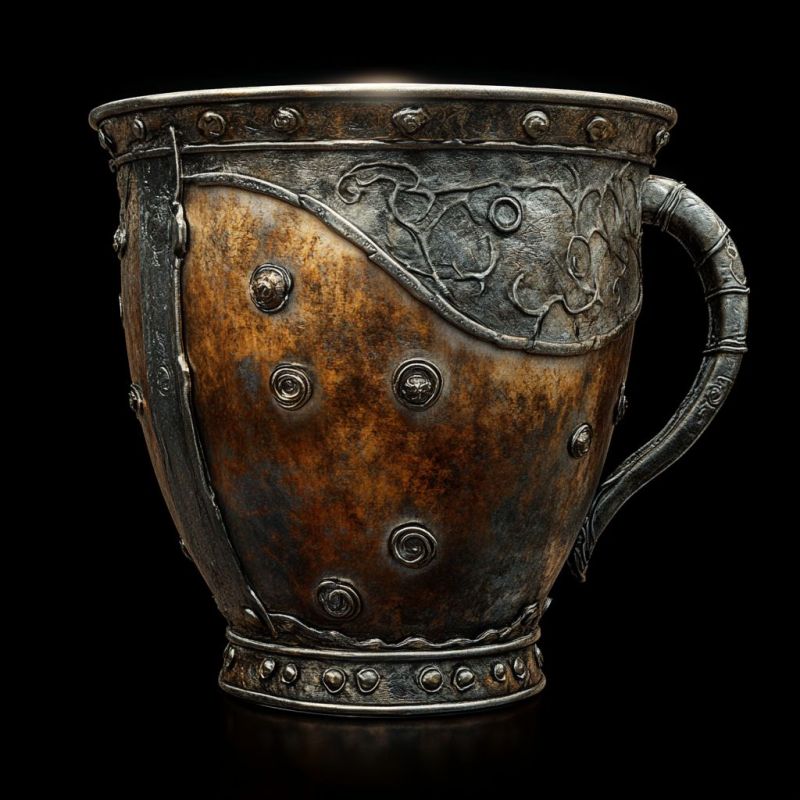 Cup, Iron0.5 gp
 -
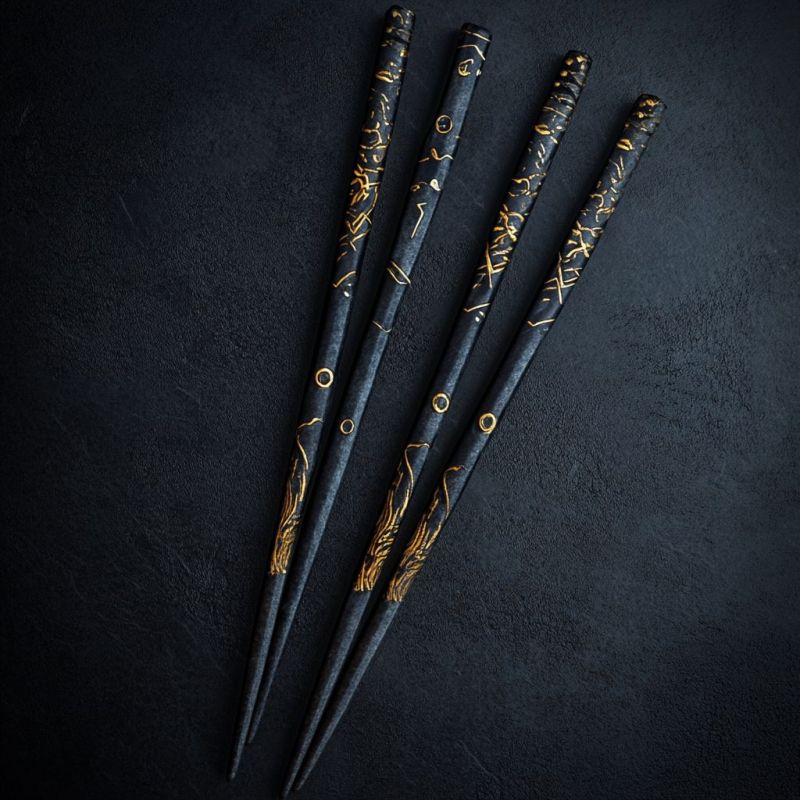 Chopsticks, Iron0.1 gp
 -
 Cage, Brass12 gp
 -
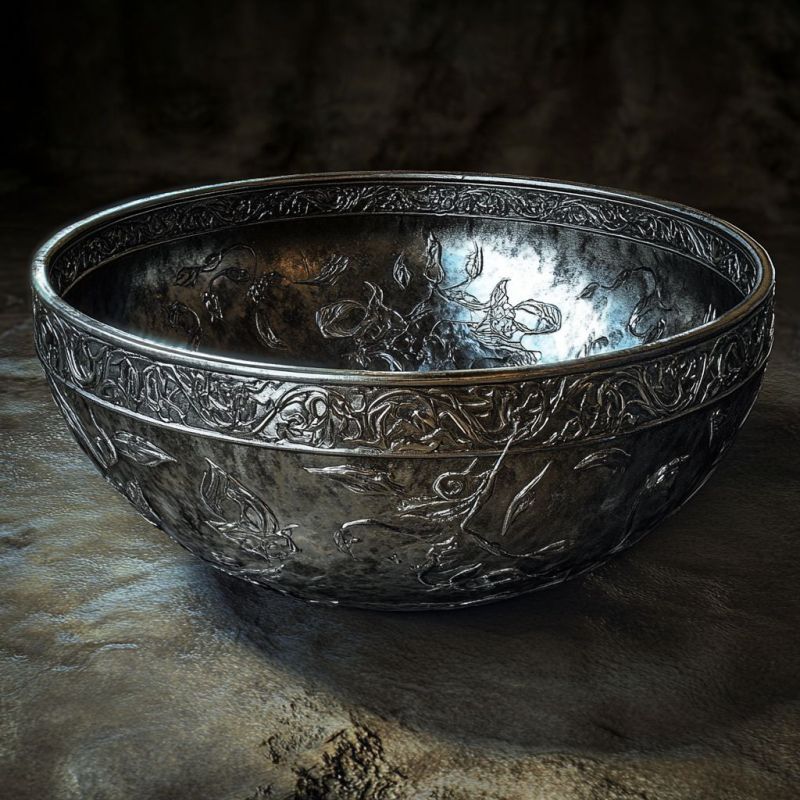 Bowl, Iron3 gp
 -
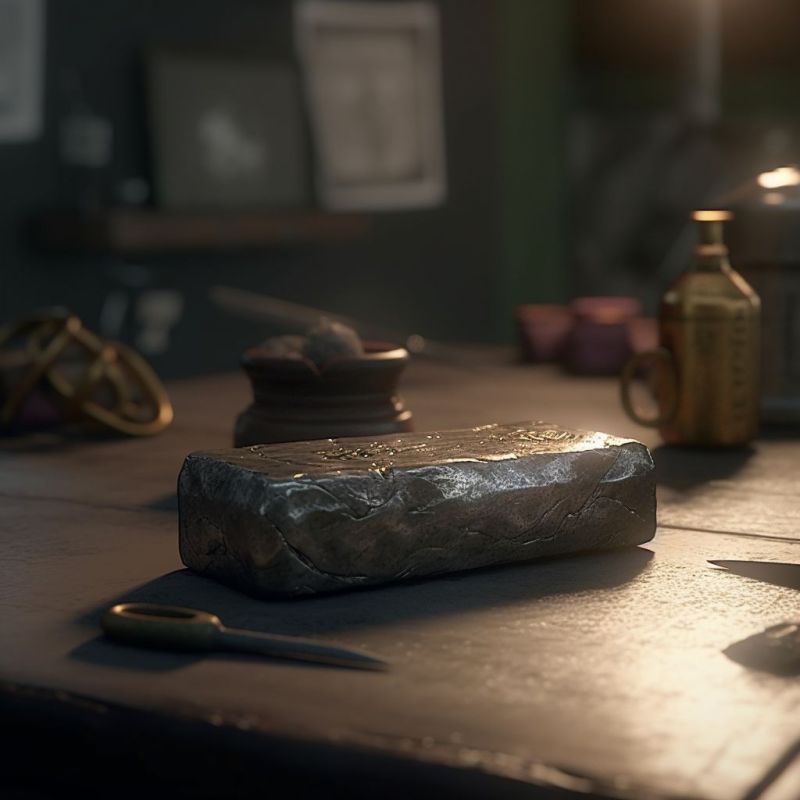 Iron Slug0.01 gp
 -
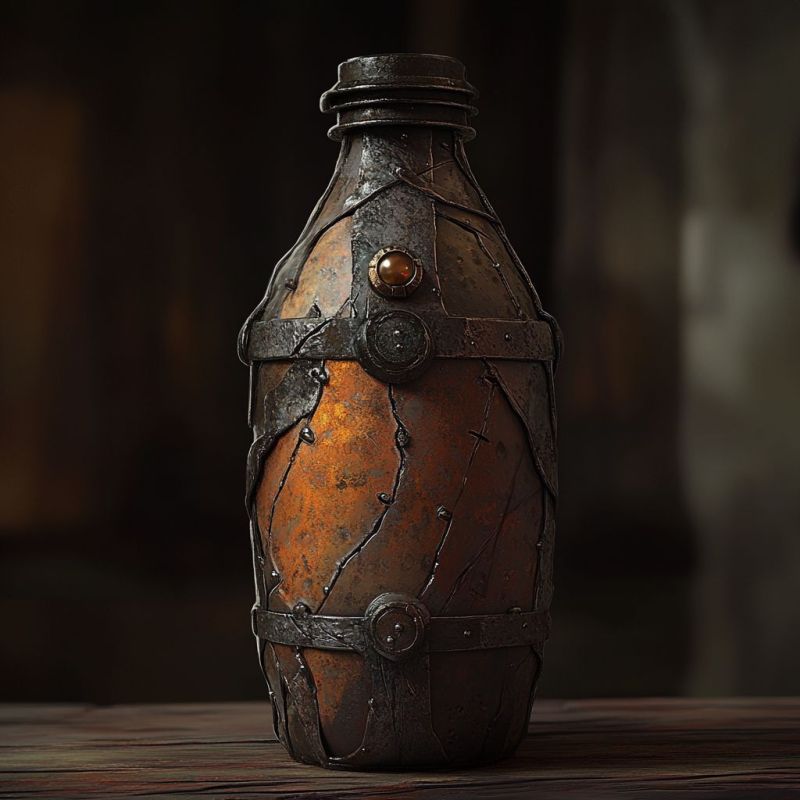 Bottle, Iron1.5 gp
 -
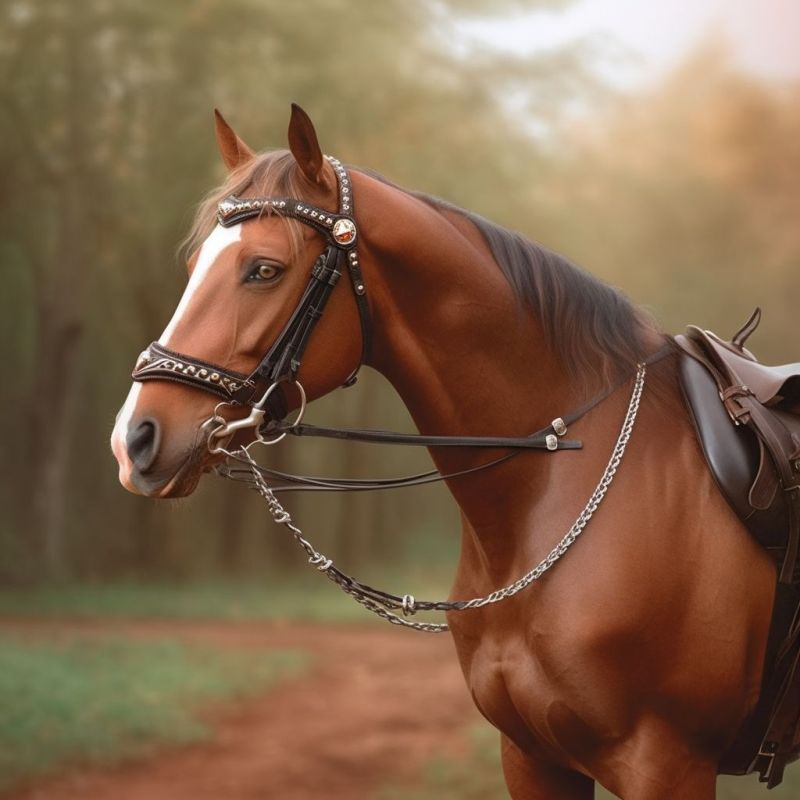 Bit and Bridle2 gp
 -
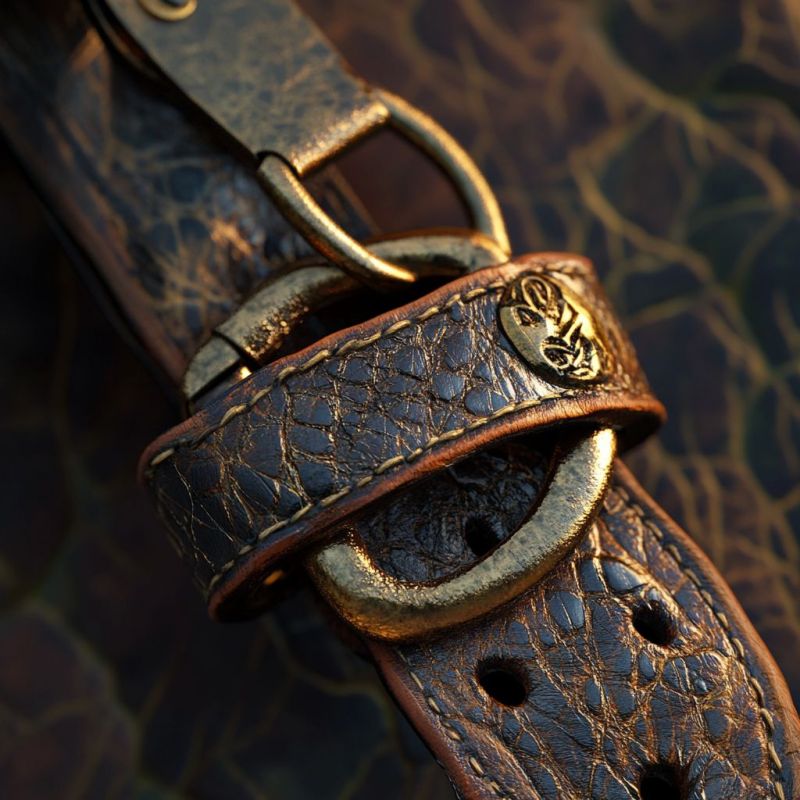 Leather strap0.2 gp
 -
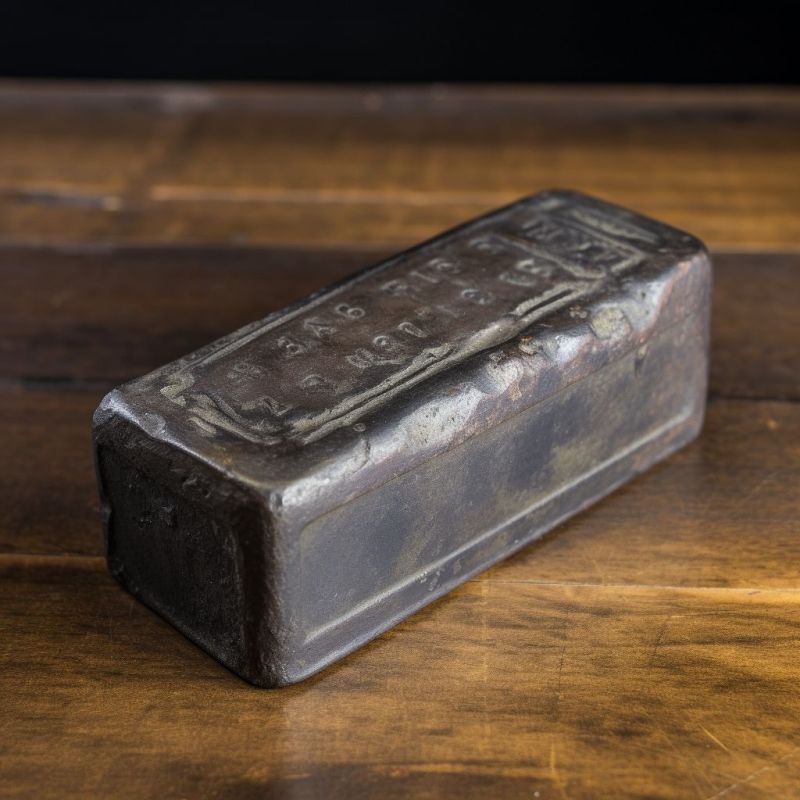 Iron Ingot0.15 gp
 -
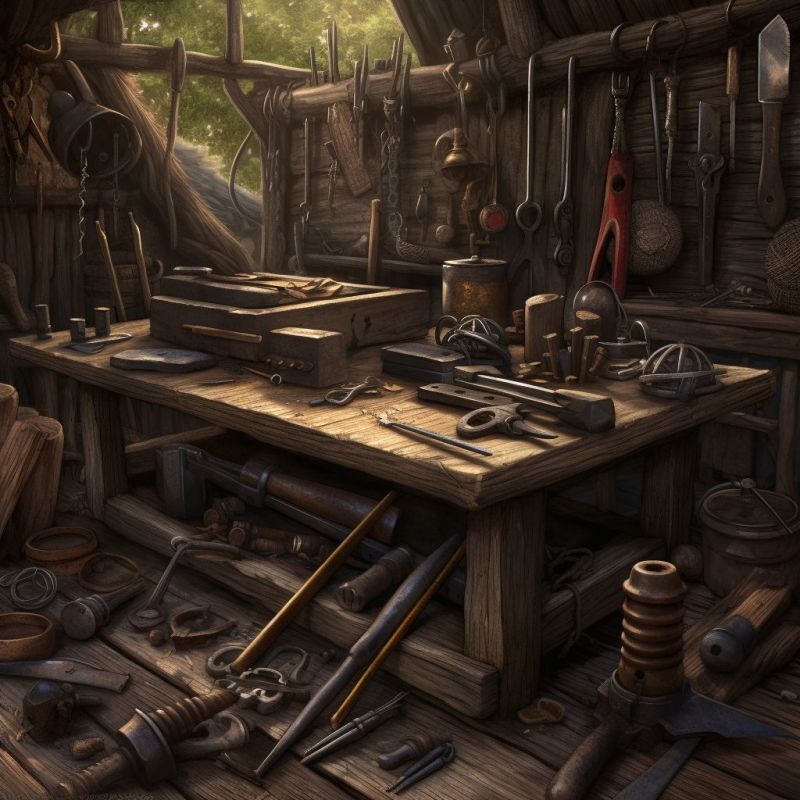 Smithing Tools15 gp
 -
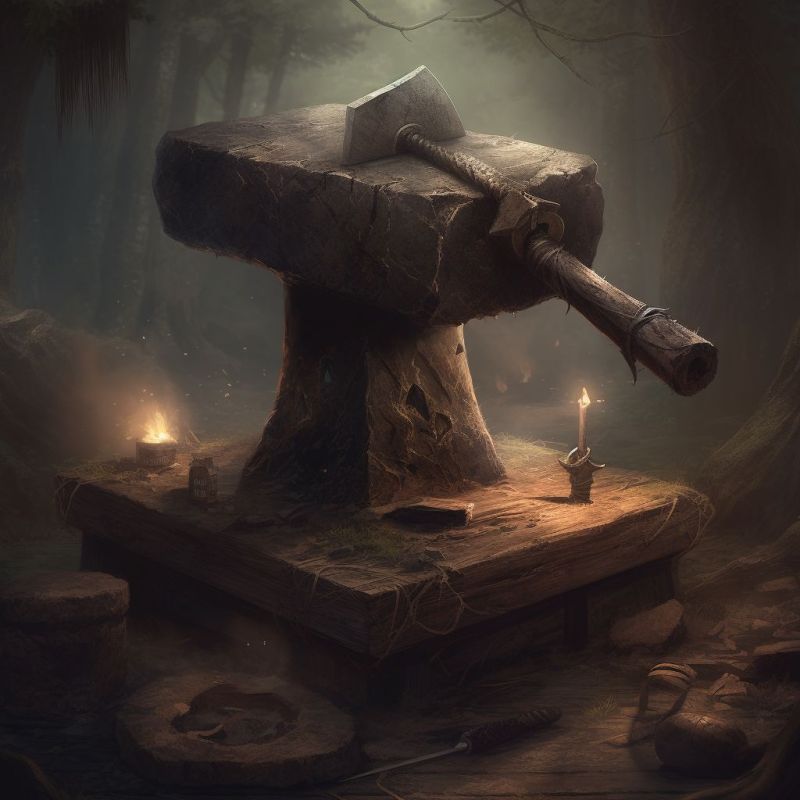 Anvil20 gp
 -
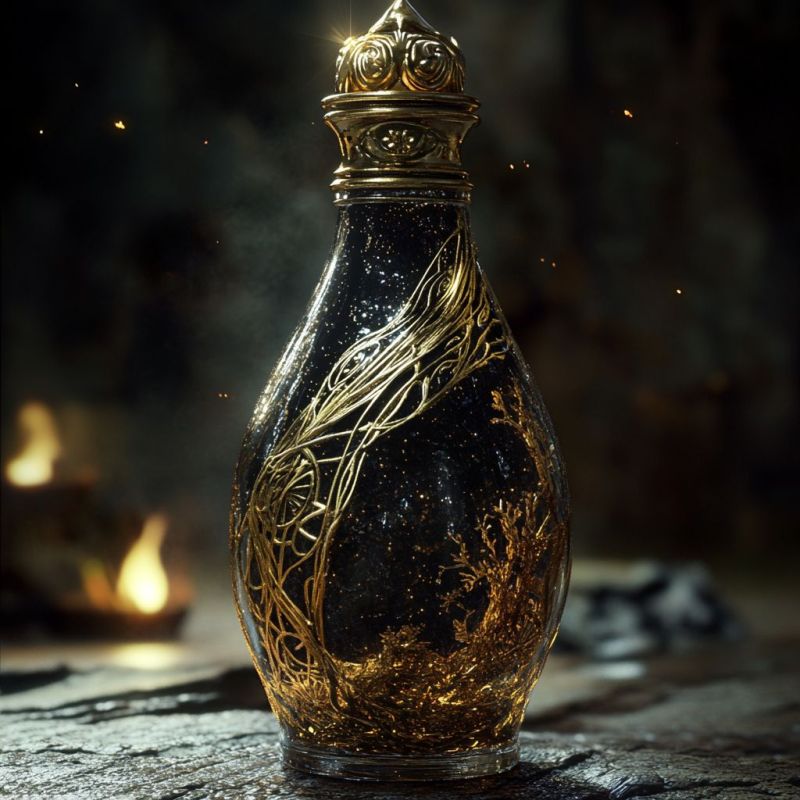 Bottle, Gold750 gp
 -
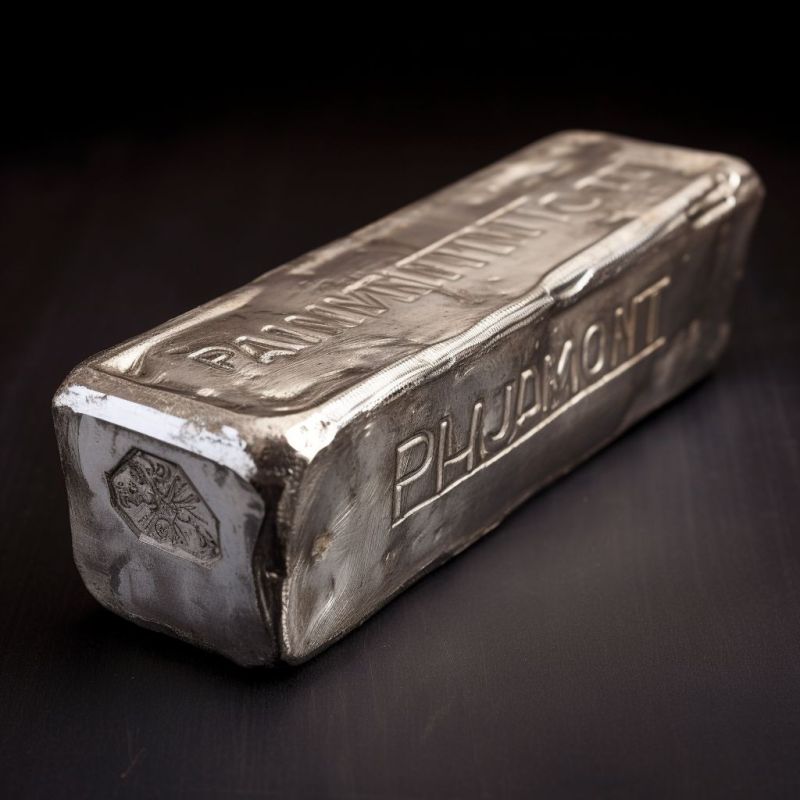 Platinum Ingot1500 gp
 -
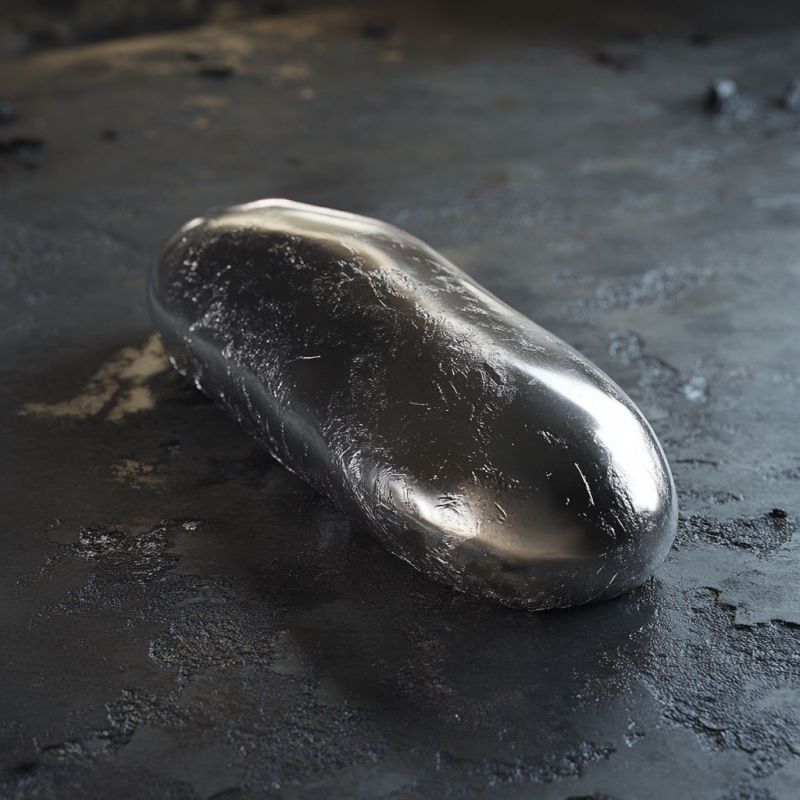 Platinum Slug15 gp
 -
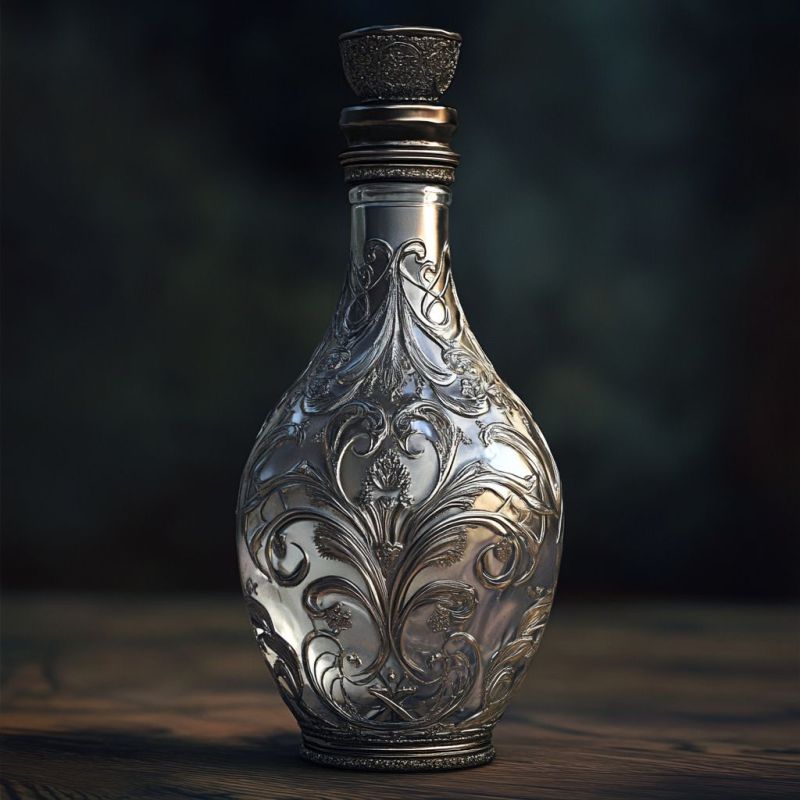 Bottle, Platinum3000 gp
 -
 Bowl, Gold750 gp
 -
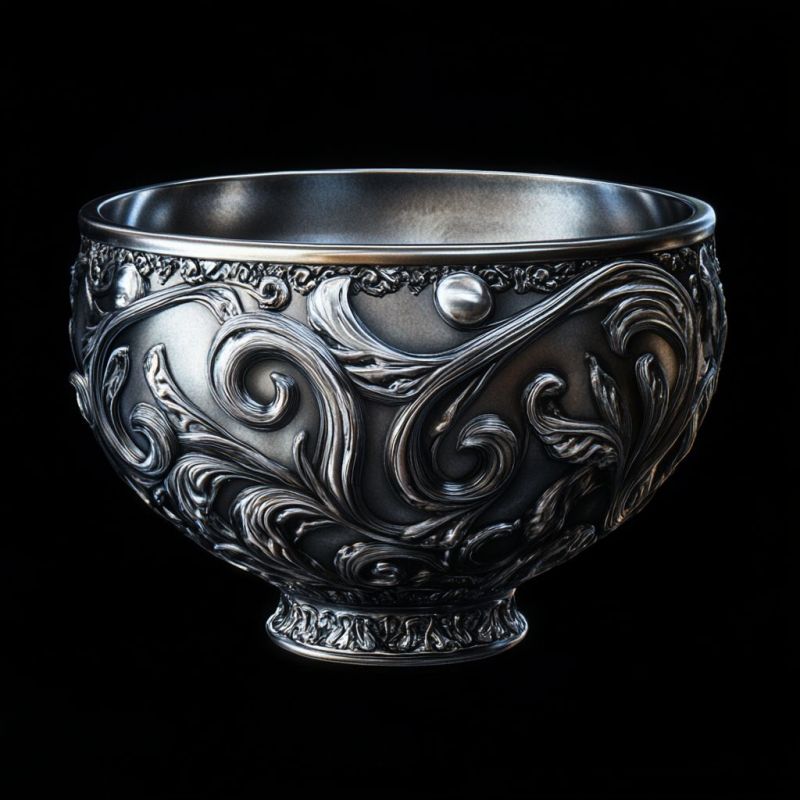 Bowl, Platinum6000 gp
 -
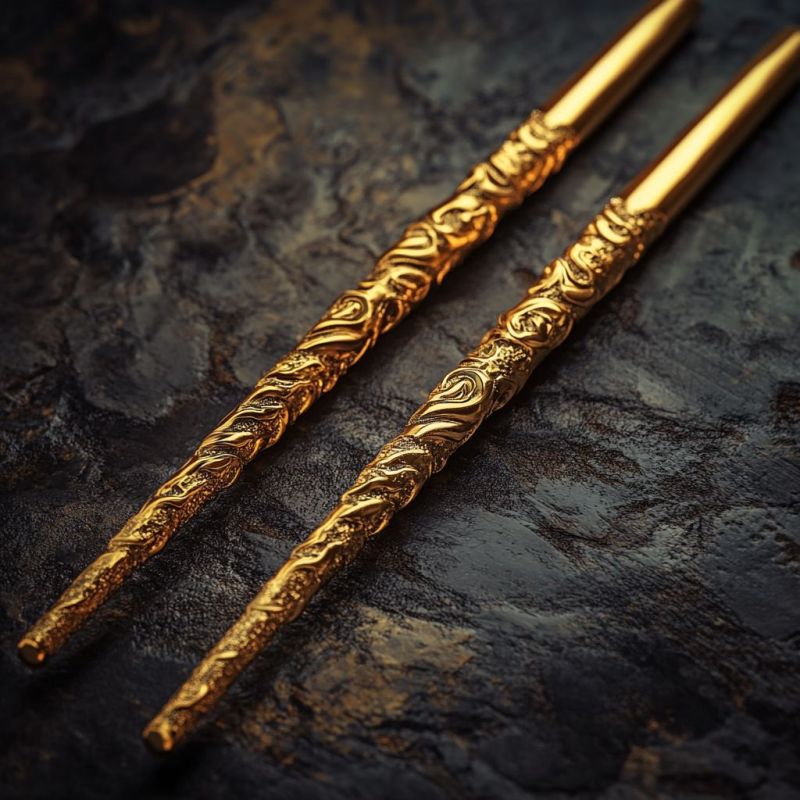 Chopsticks, Gold50 gp
 -
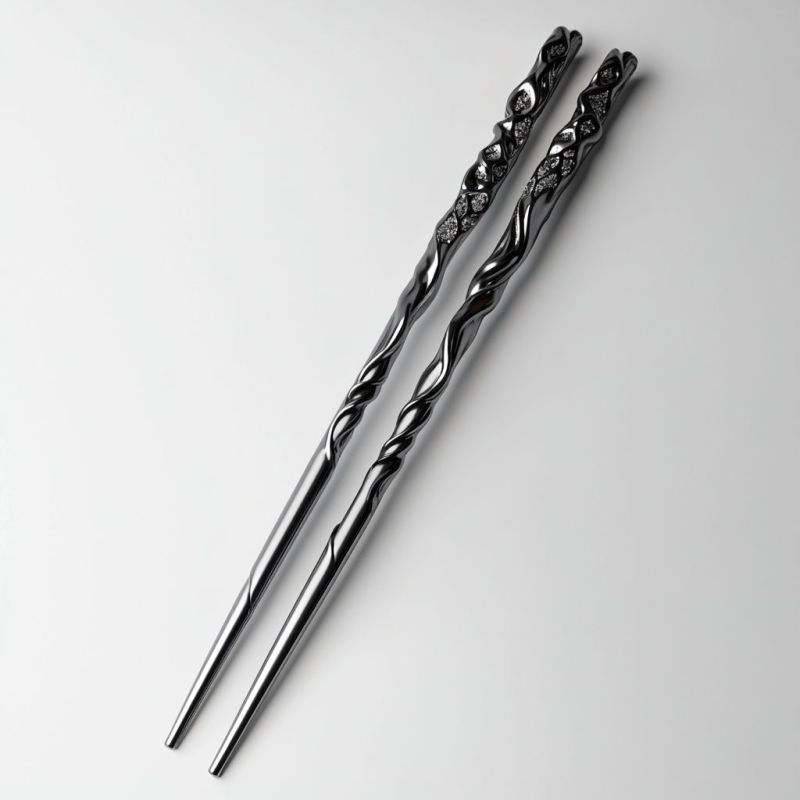 Chopsticks, Platinum500 gp
 -
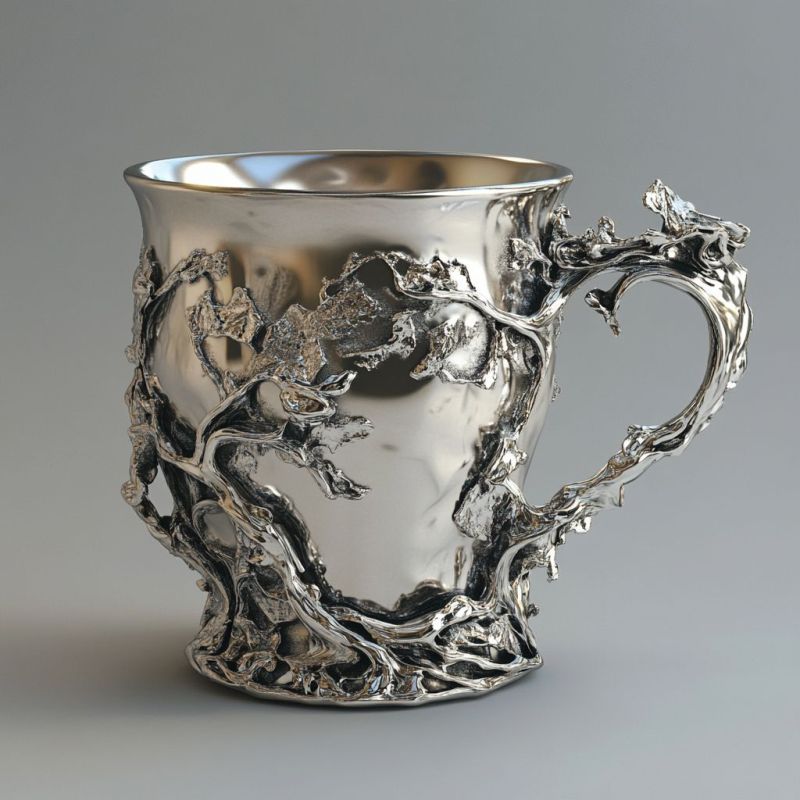 Cup, Platinum2000 gp
 -
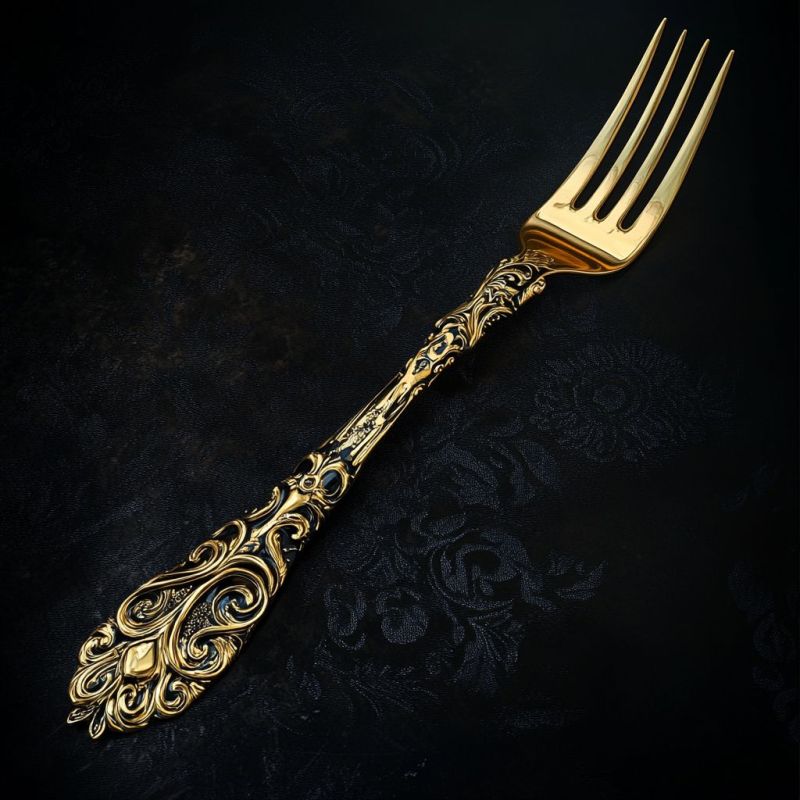 Fork, Gold250 gp
 -
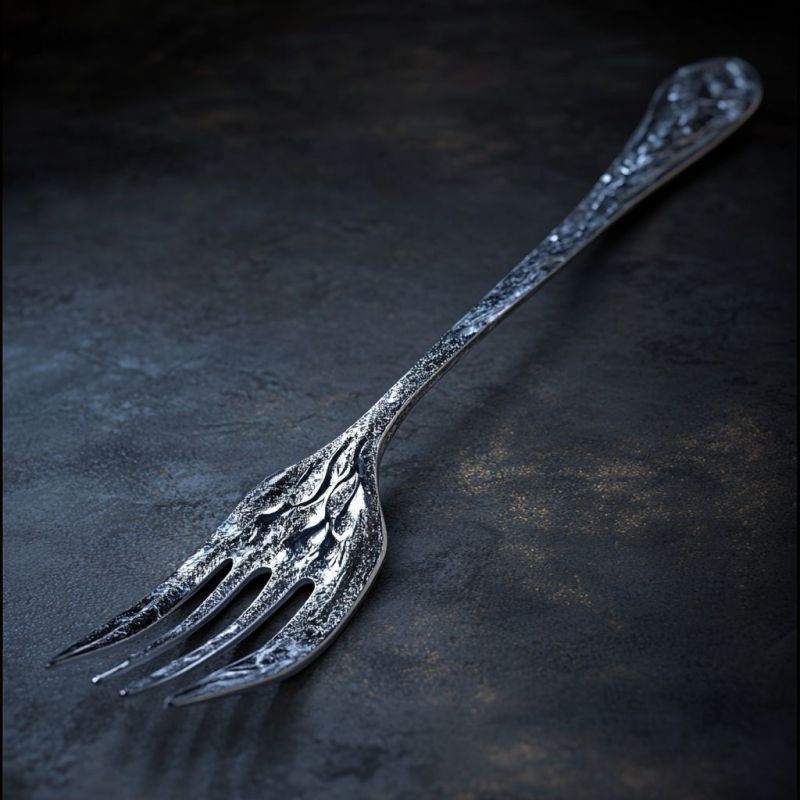 Fork, Platinum500 gp
 -
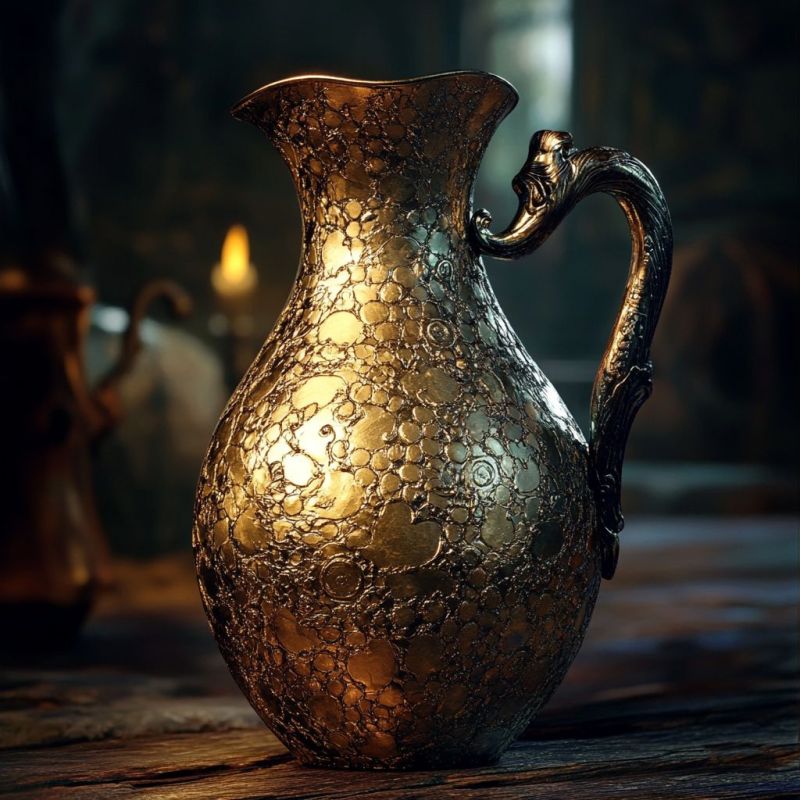 Jug, Gold1250 gp
 -
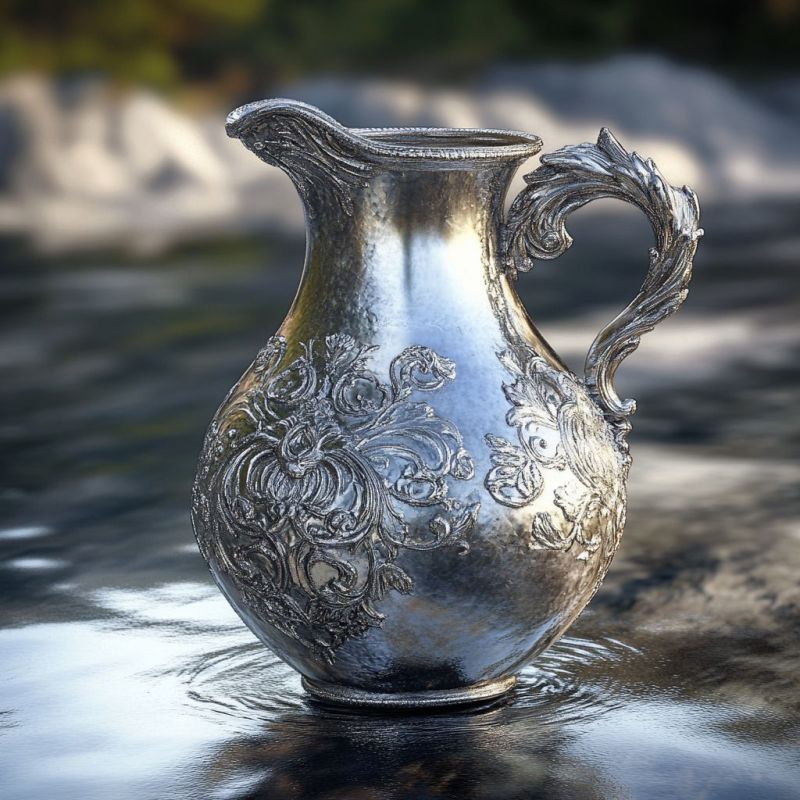 Jug, Platinum10000 gp
 -
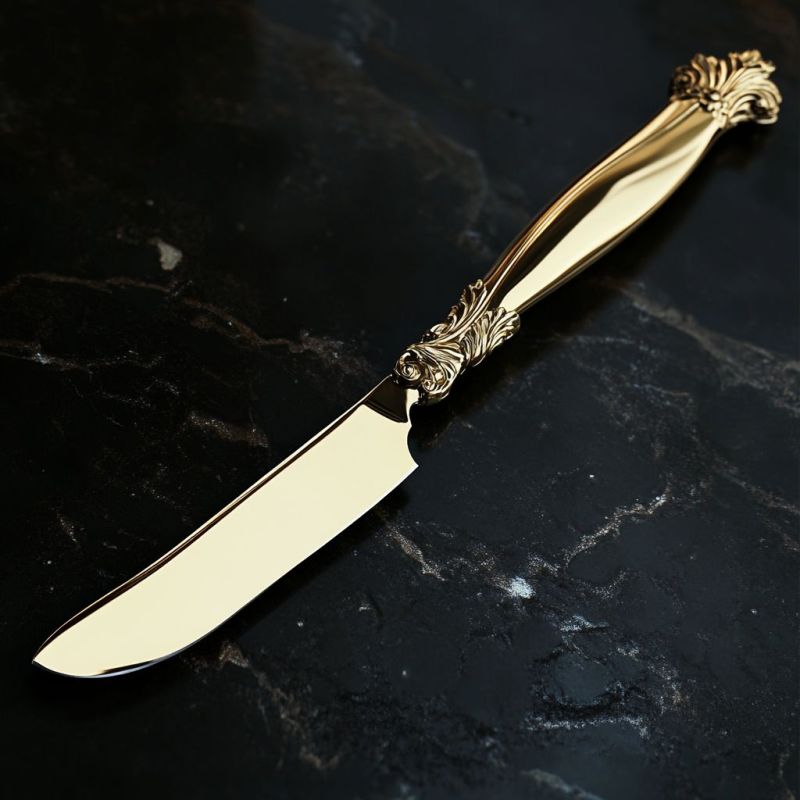 Knife, Gold250 gp
 -
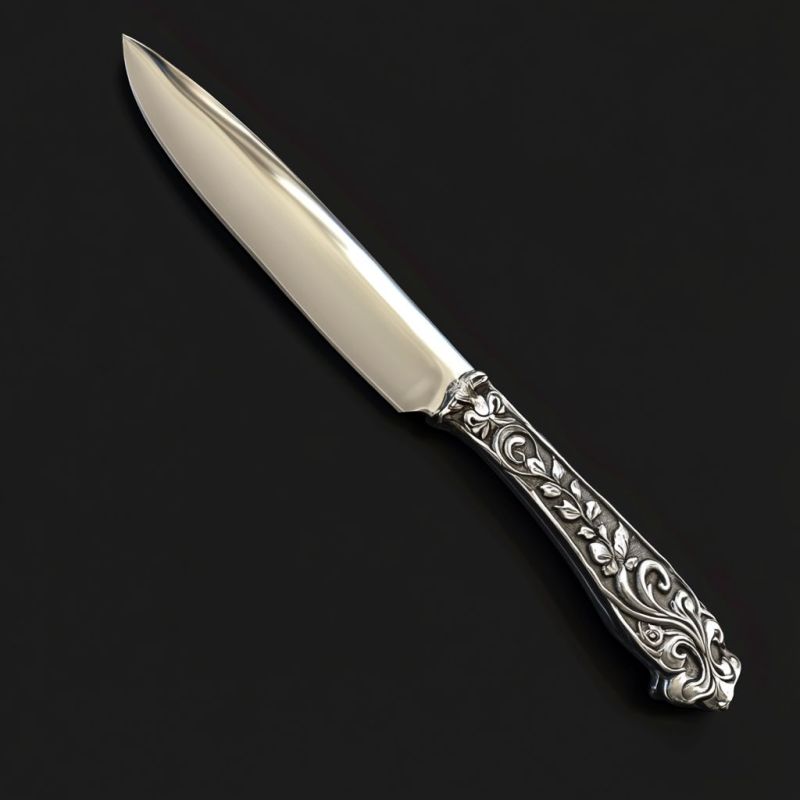 Knife, Platinum1750 gp
 -
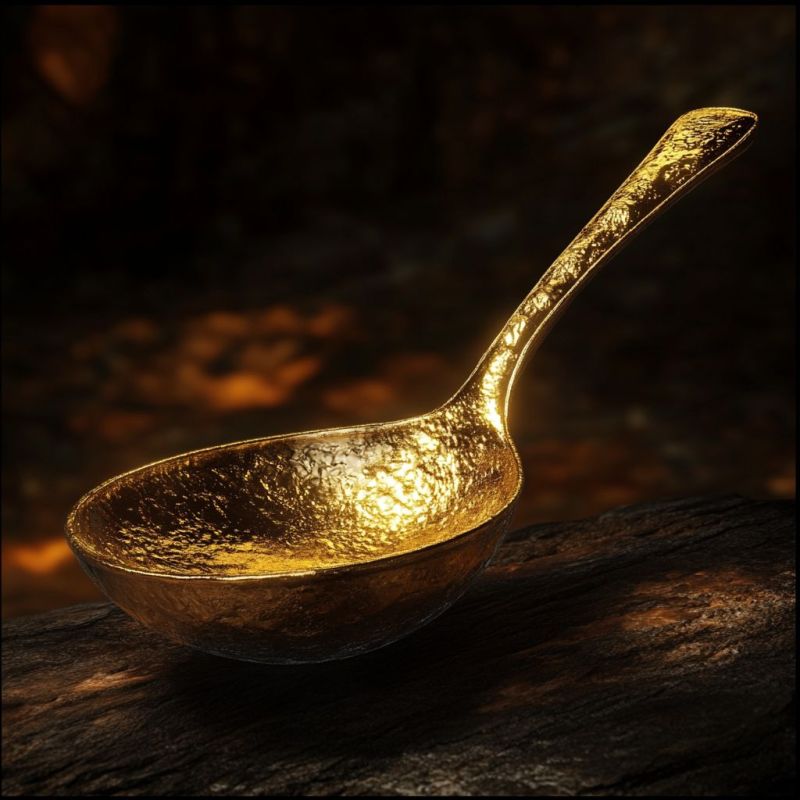 Ladle, Gold350 gp
 -
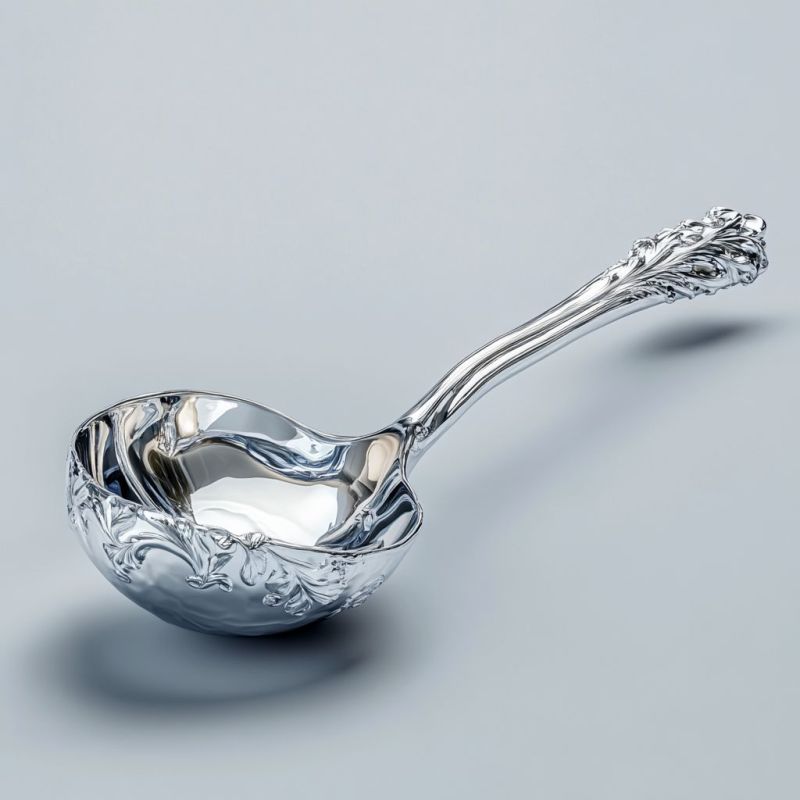 Ladle, Platinum2000 gp
 -
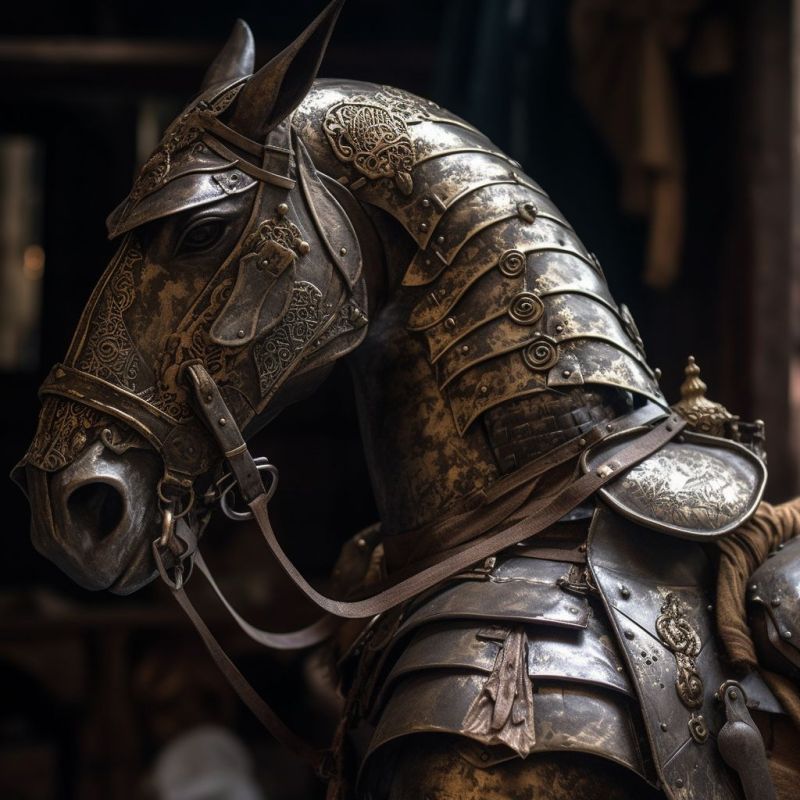 Plate Barding500 gp
 -
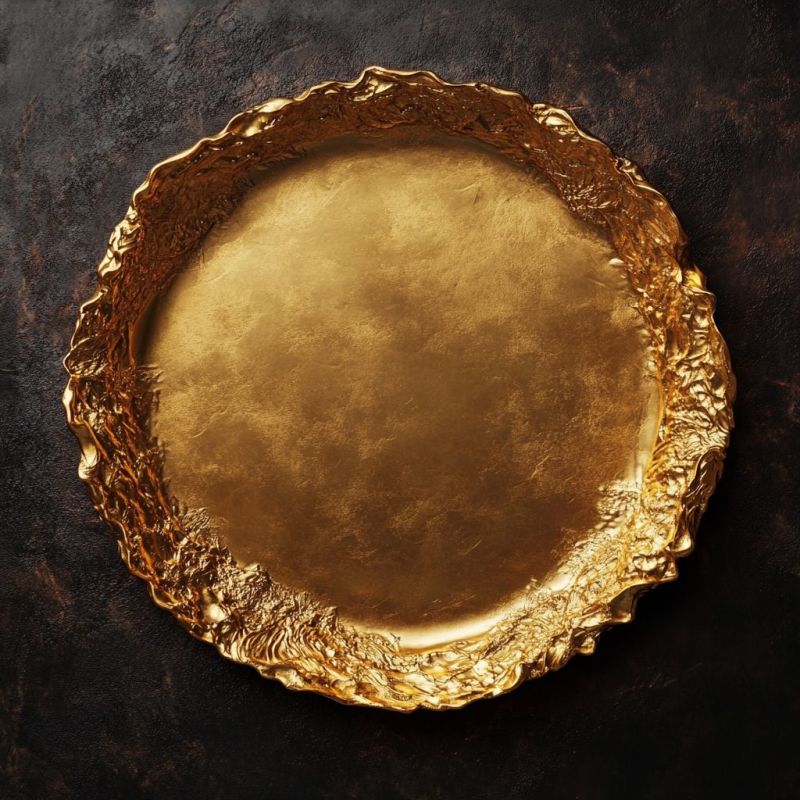 Plate, Gold550 gp
 -
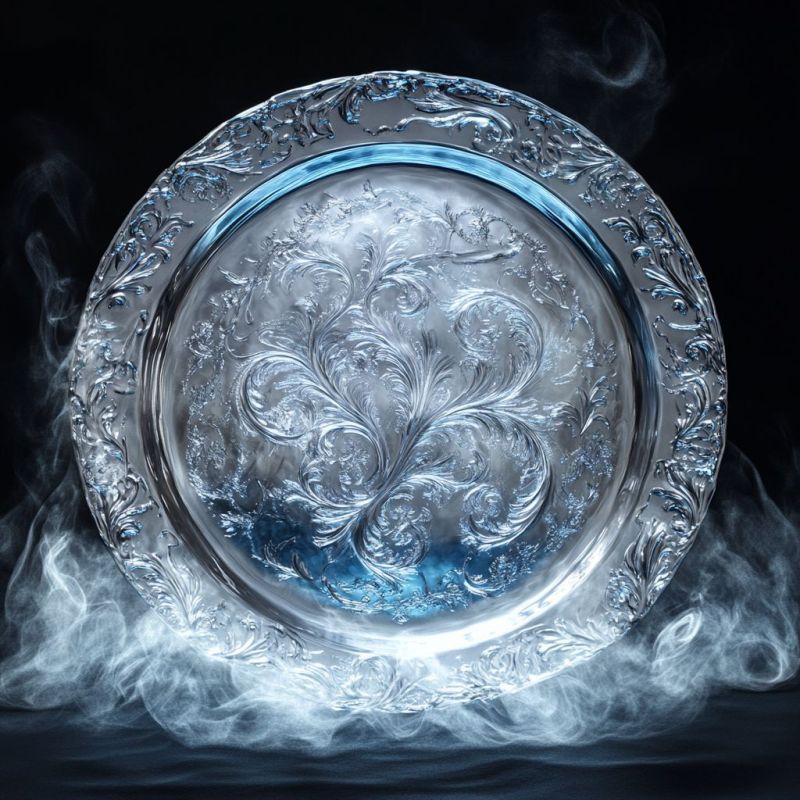 Plate, Platinum2000 gp
 -
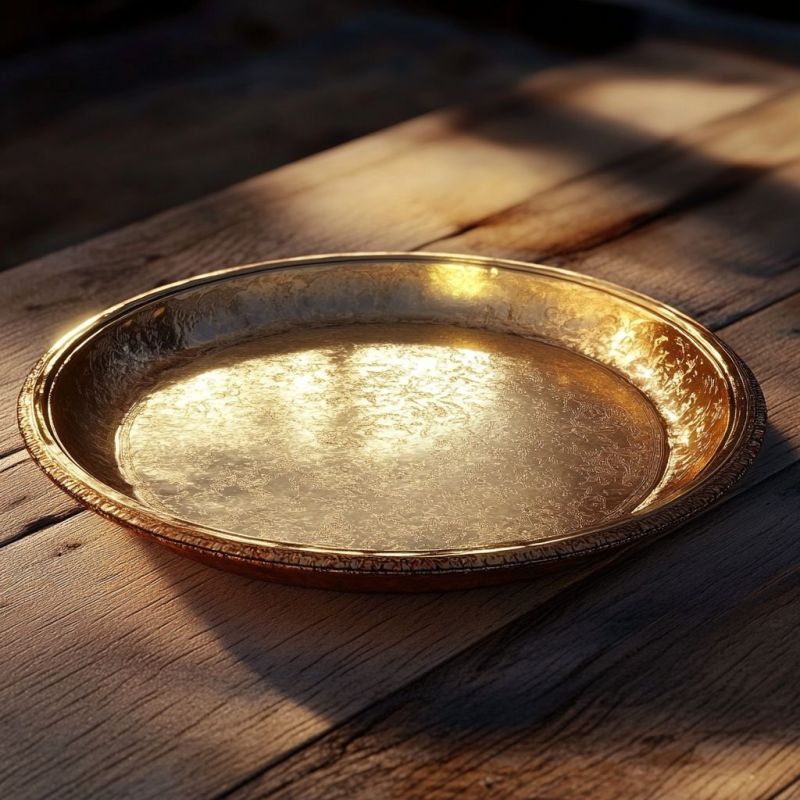 Platter, Gold1100 gp
 -
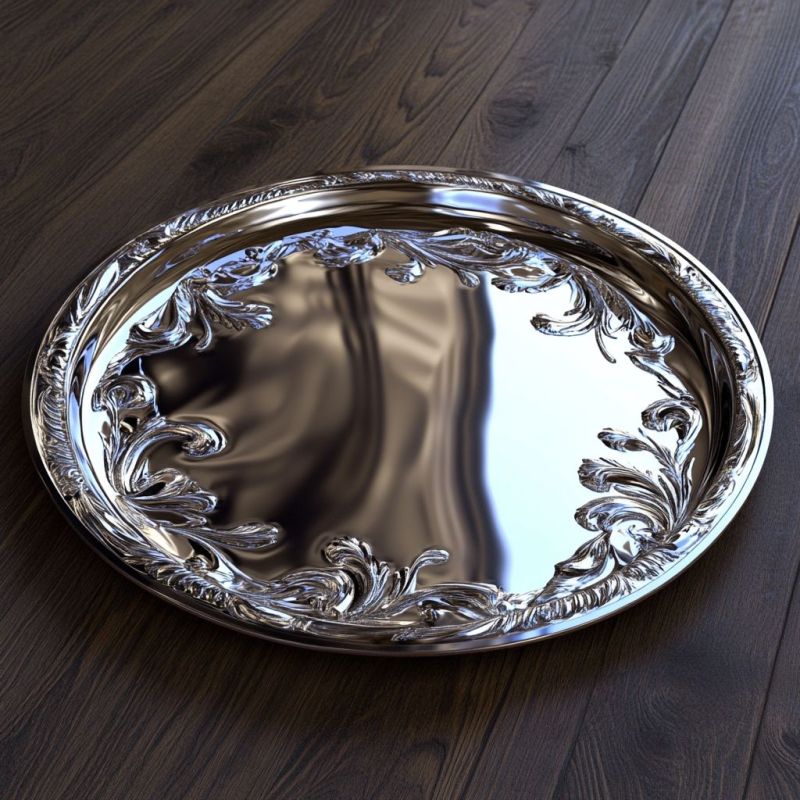 Platter, Platinum6000 gp
 -
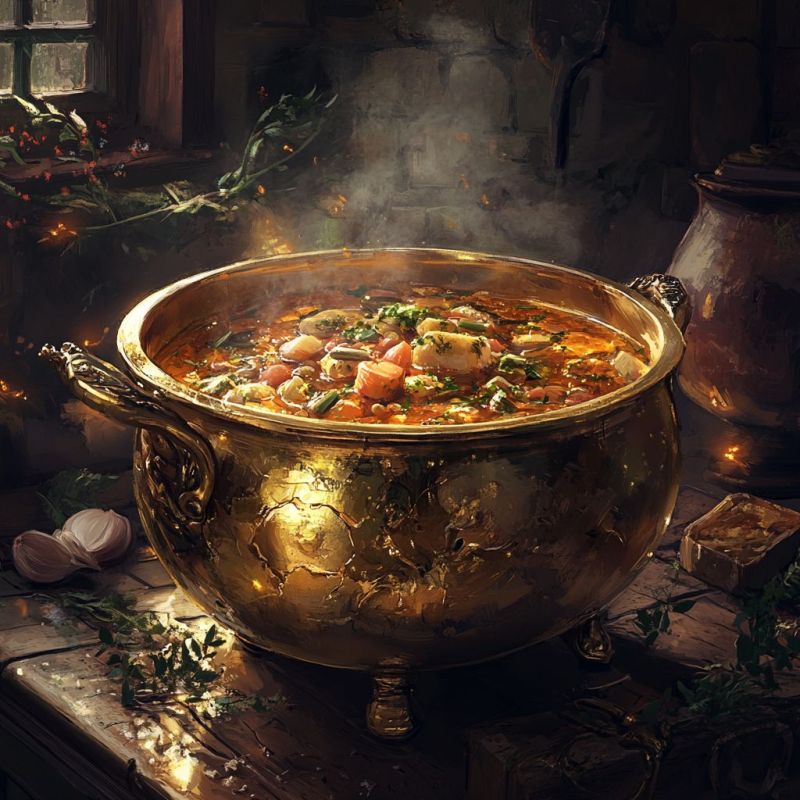 Pot, Gold2000 gp
 -
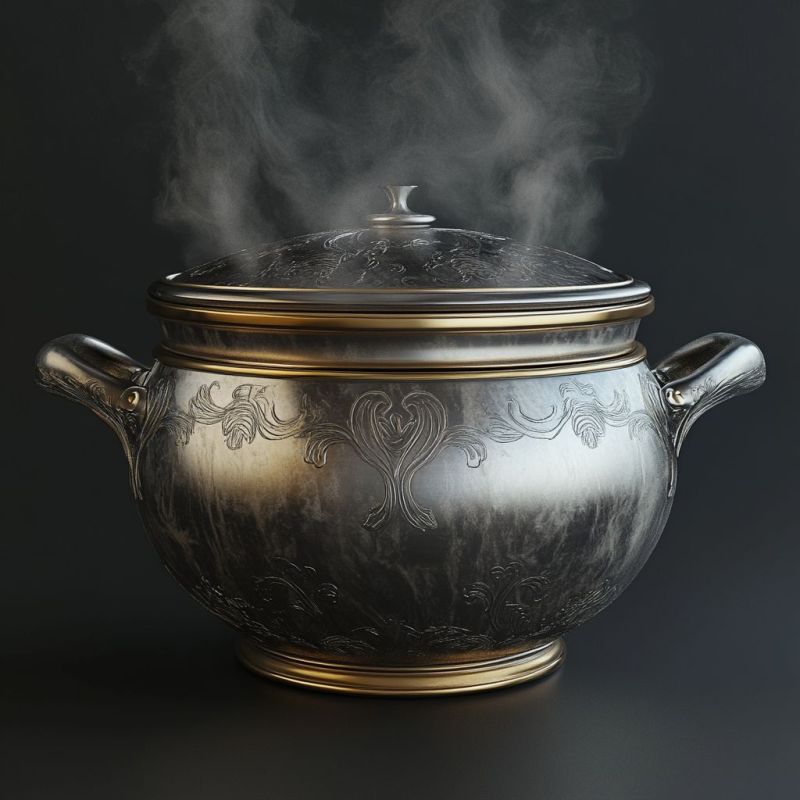 Pot, Platinum24750 gp
 -
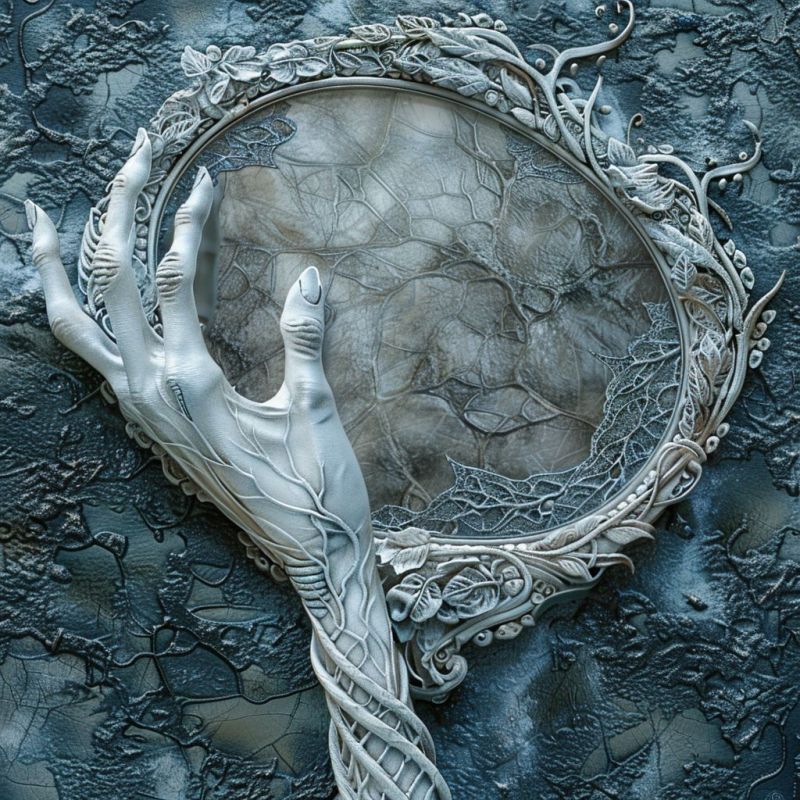 Silver Hand Mirror5 gp
 -
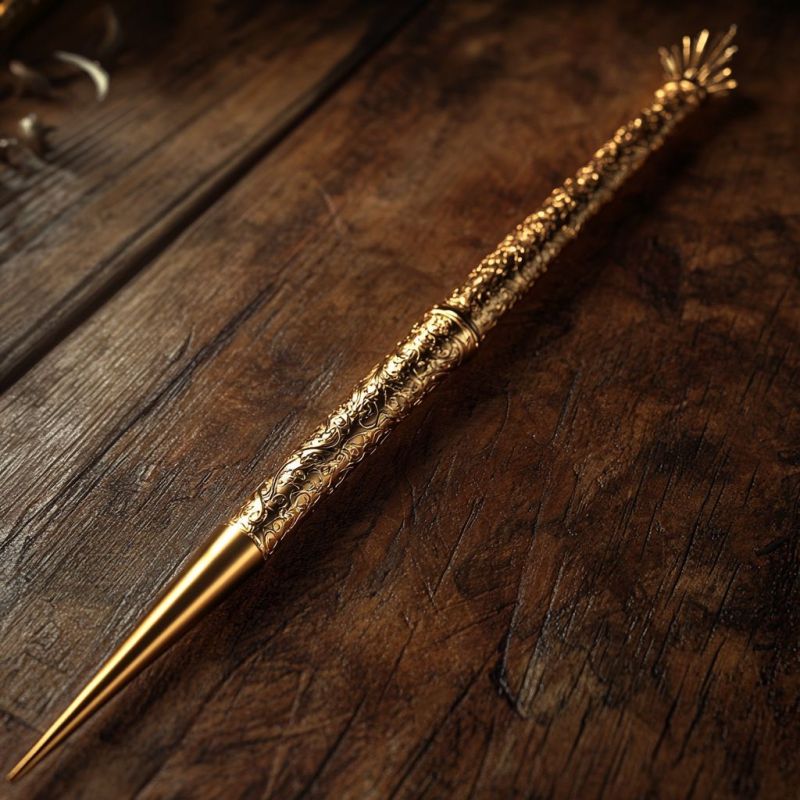 Skewer, Gold250 gp
 -
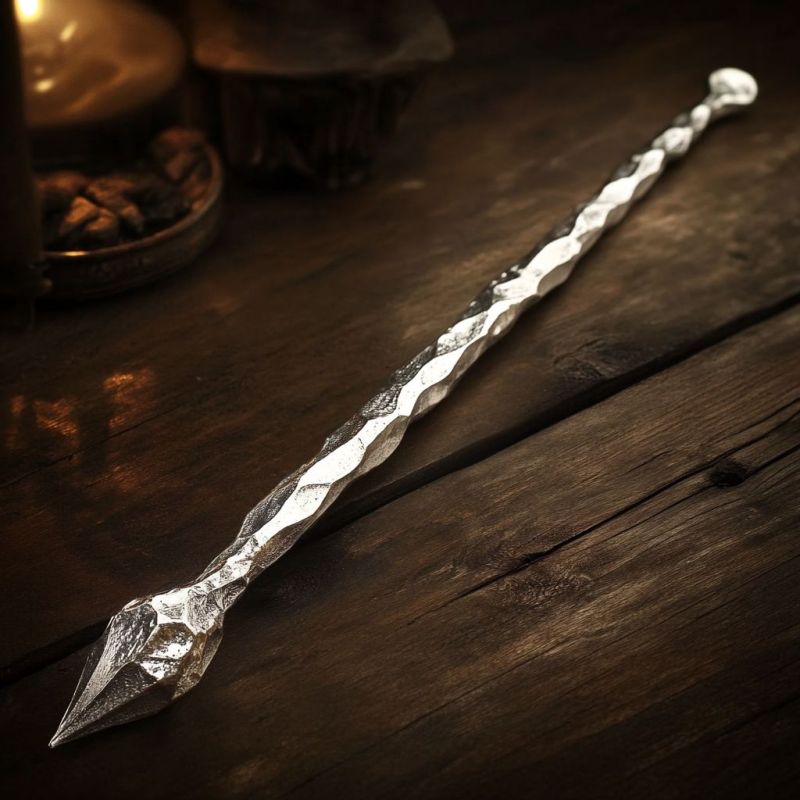 Skewer, Platinum3000 gp
 -
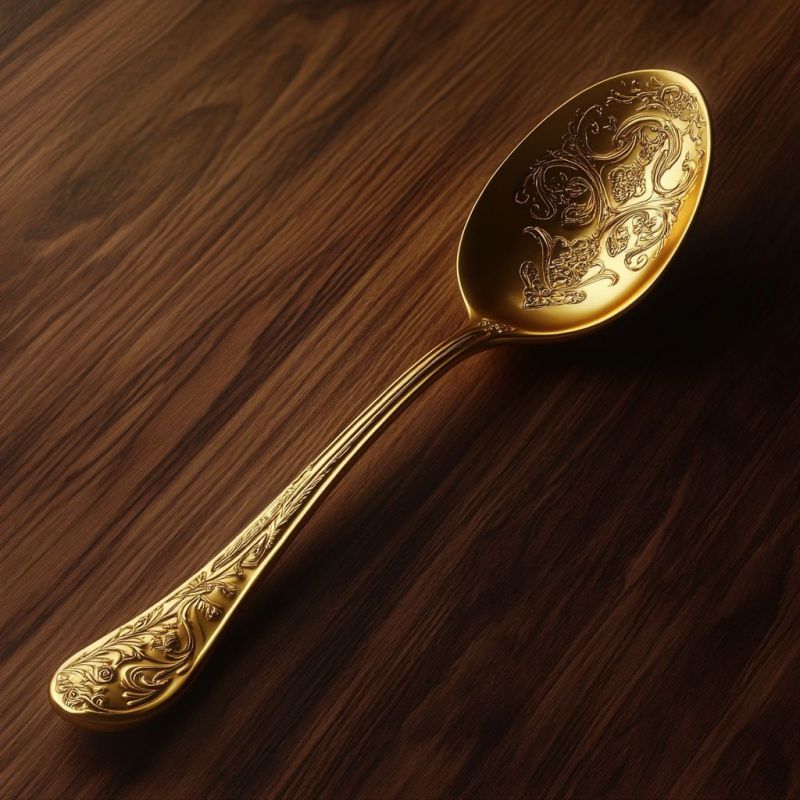 Spoon, Gold250 gp
 -
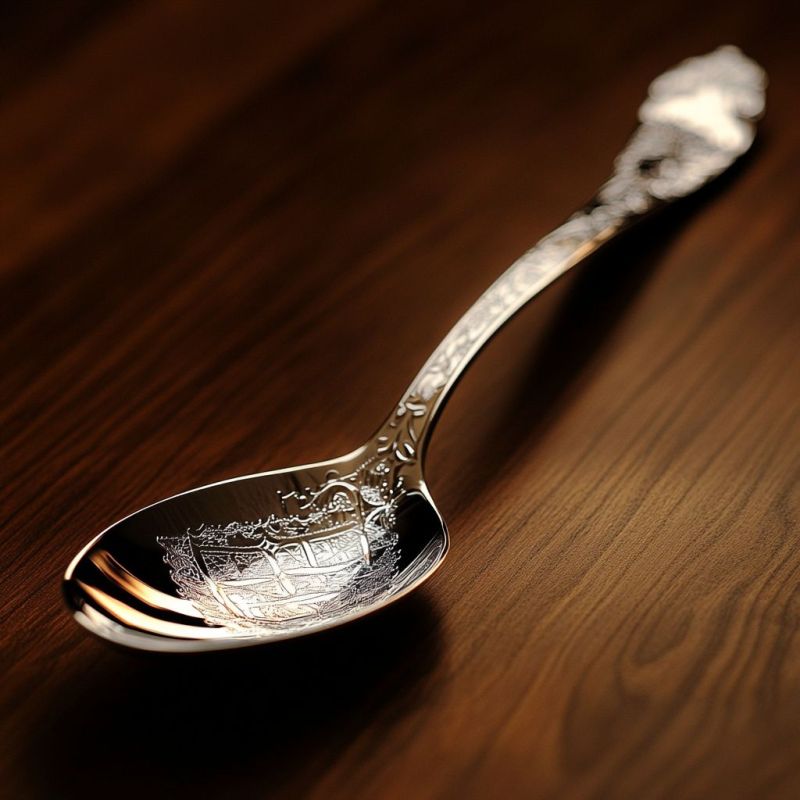 Spoon, Platinum500 gp
 -
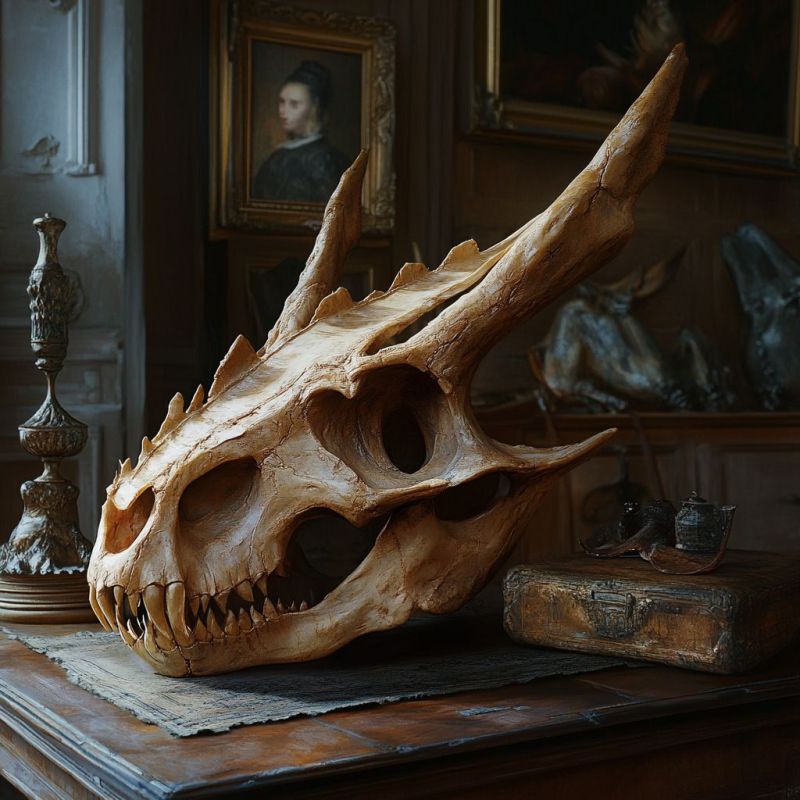 Dragon Skull2000 gp
 -
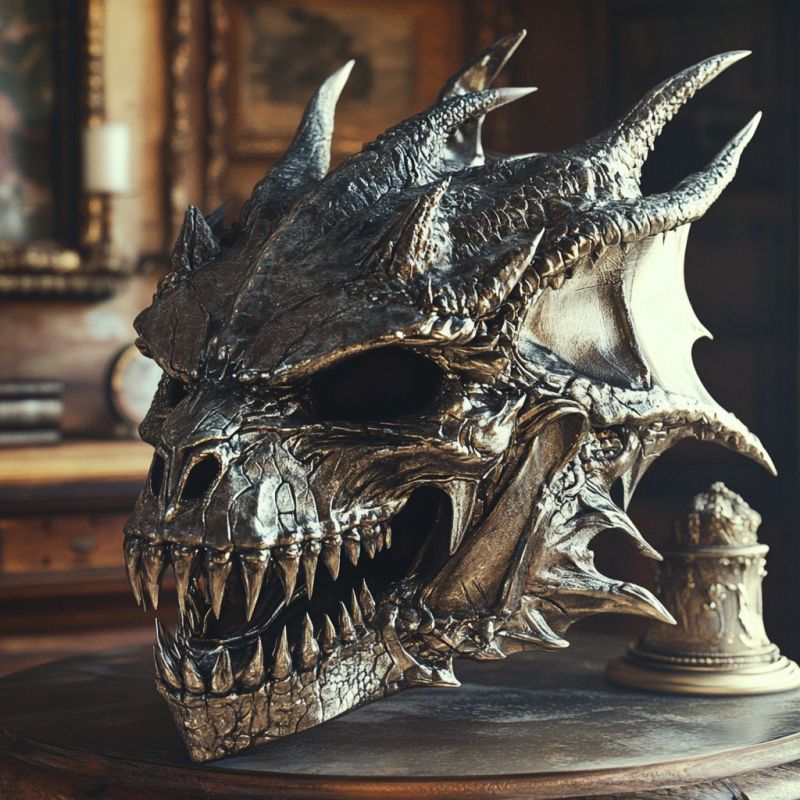 Helmet, Dragon Skull175 5000 gp
 -
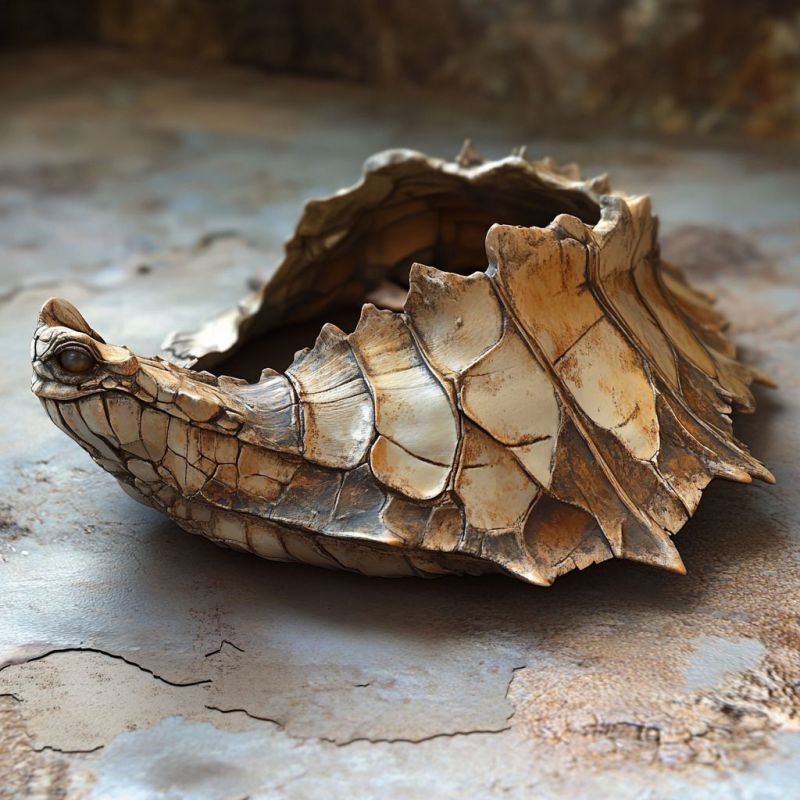 Dragon Turtle Carapace Piece200 gp
 -
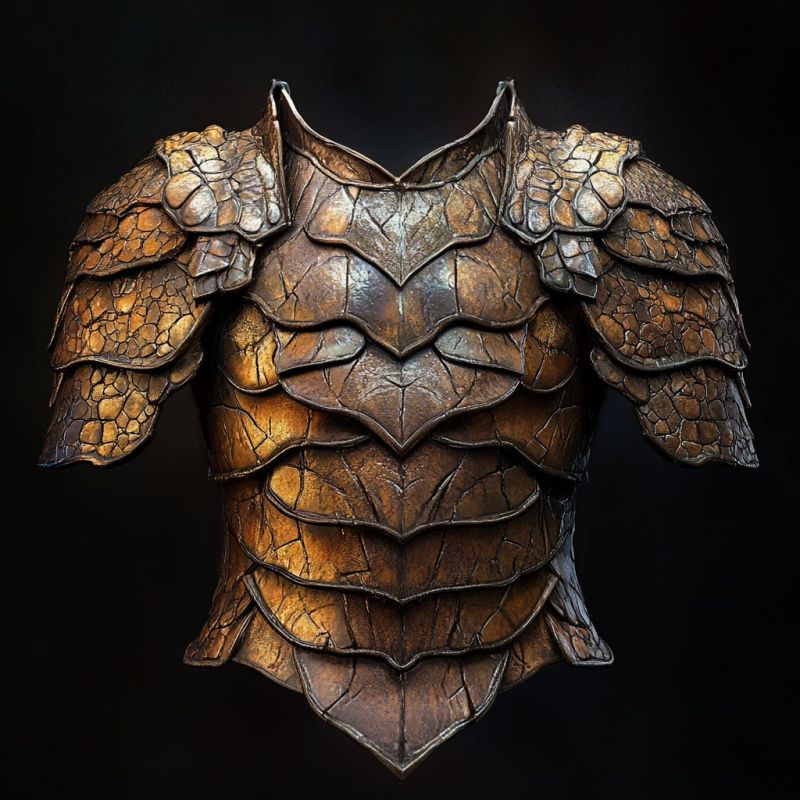 Half Plate, Dragon Turtle Carapace275.5 3000 gp
 -
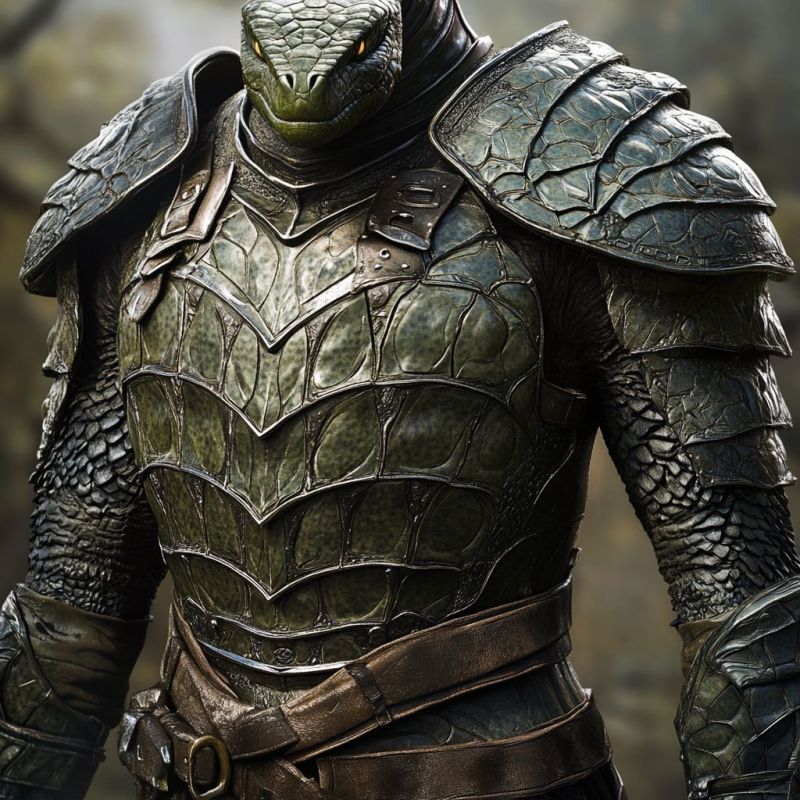 Plate, Dragon Turtle Carapace235.5 5000 gp
 -
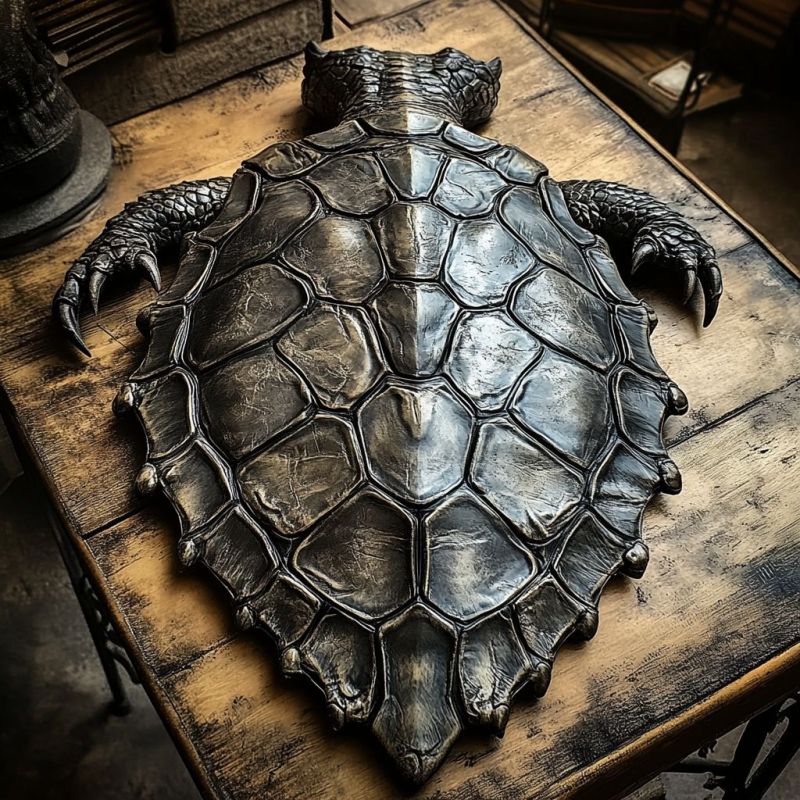 Shield, Dragon Turtle6750 gp
 -
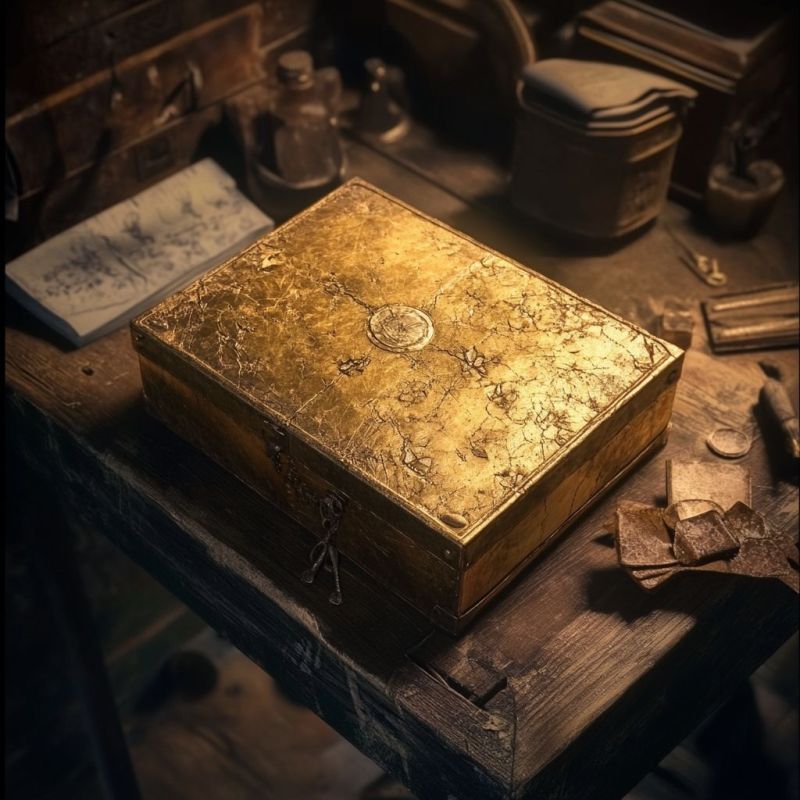 Box, Gold2000 gp
 -
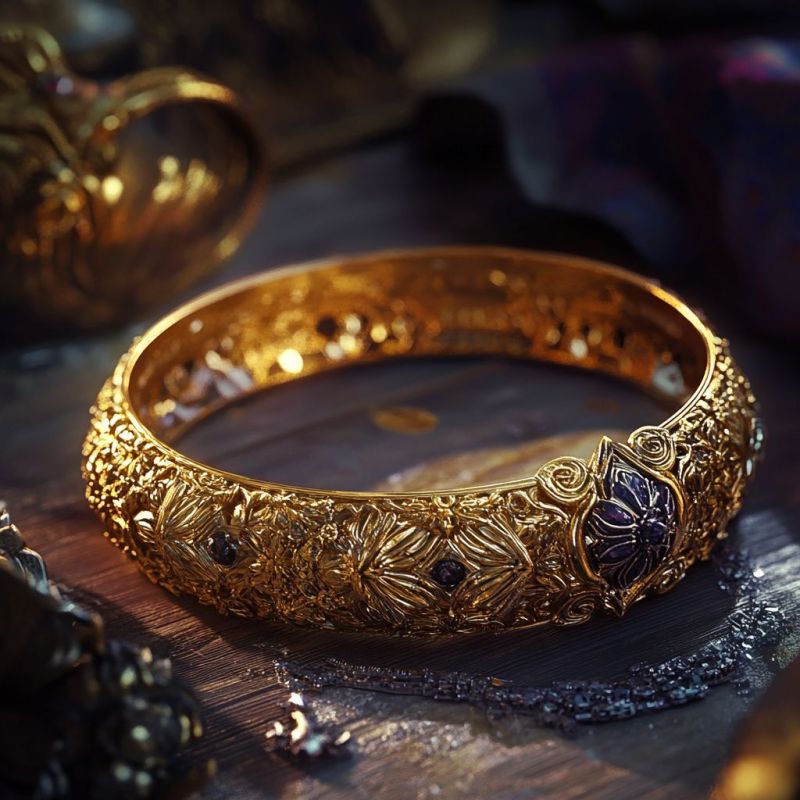 Bracelet, Gold500 gp
 -
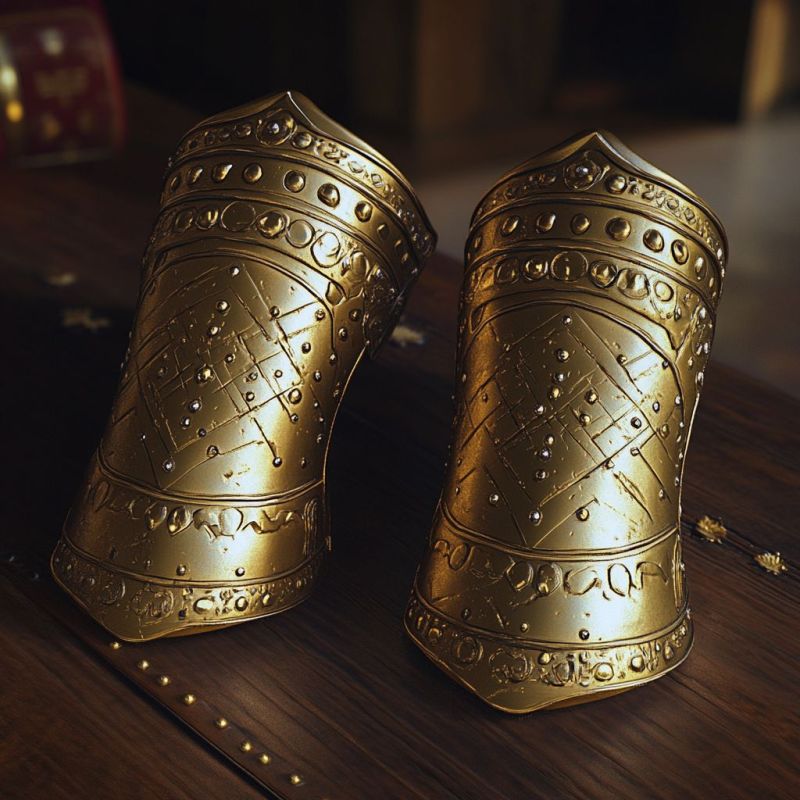 Bracers, Gold8 600 gp
 -
 Bucket, Gold800 gp
 -
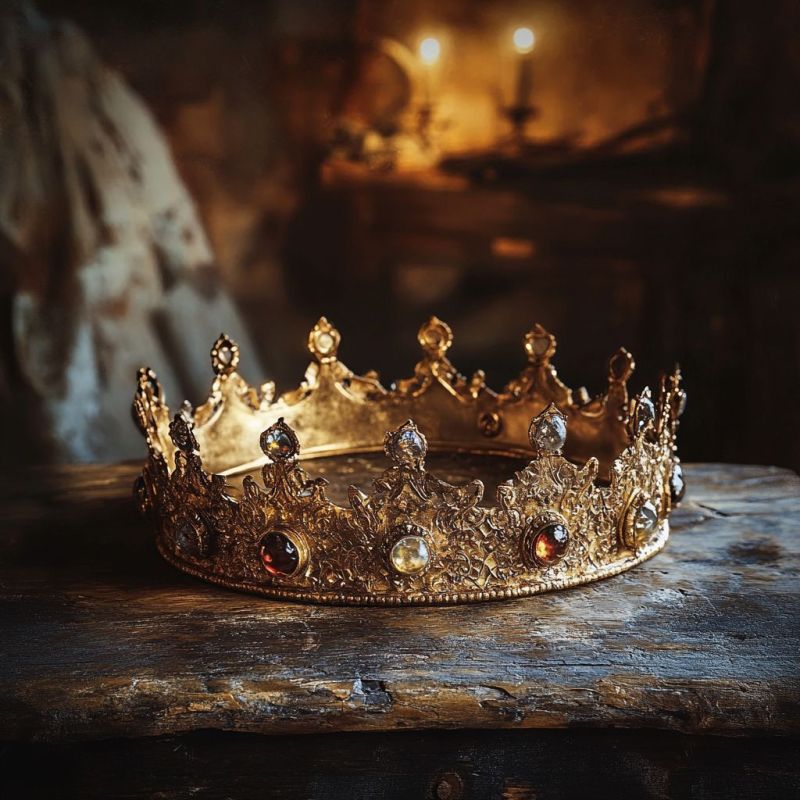 Crown, Gold250 gp
 -
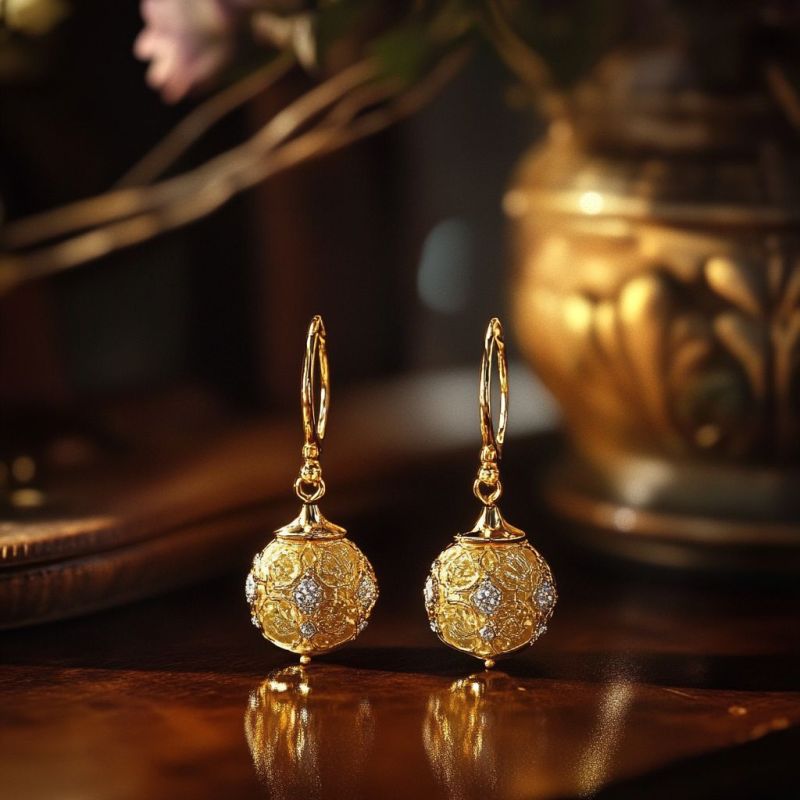 Earrings, Gold3 gp
 -
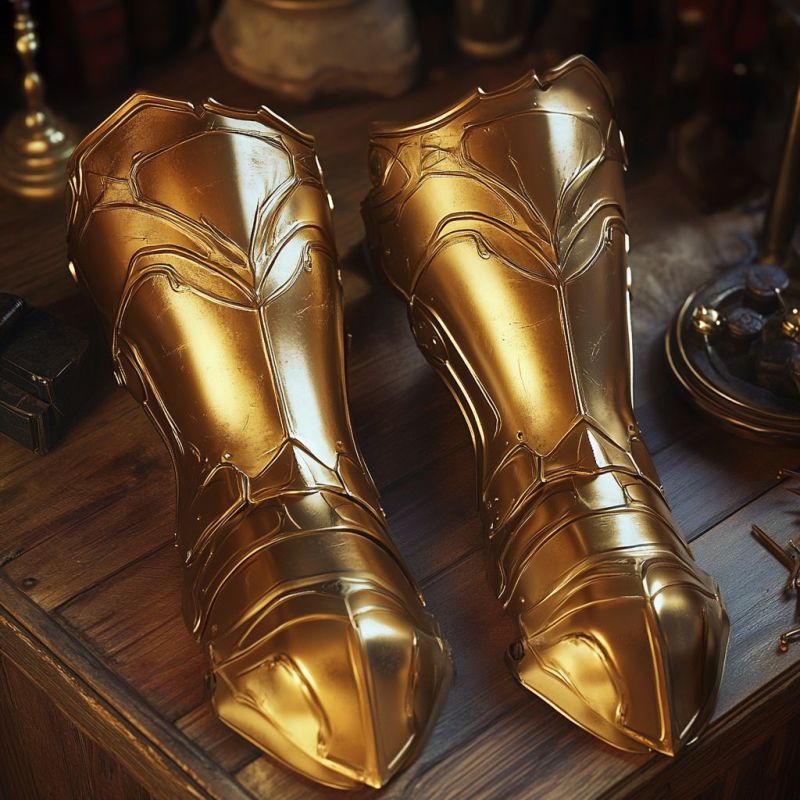 Greaves, Gold8 1300 gp
 -
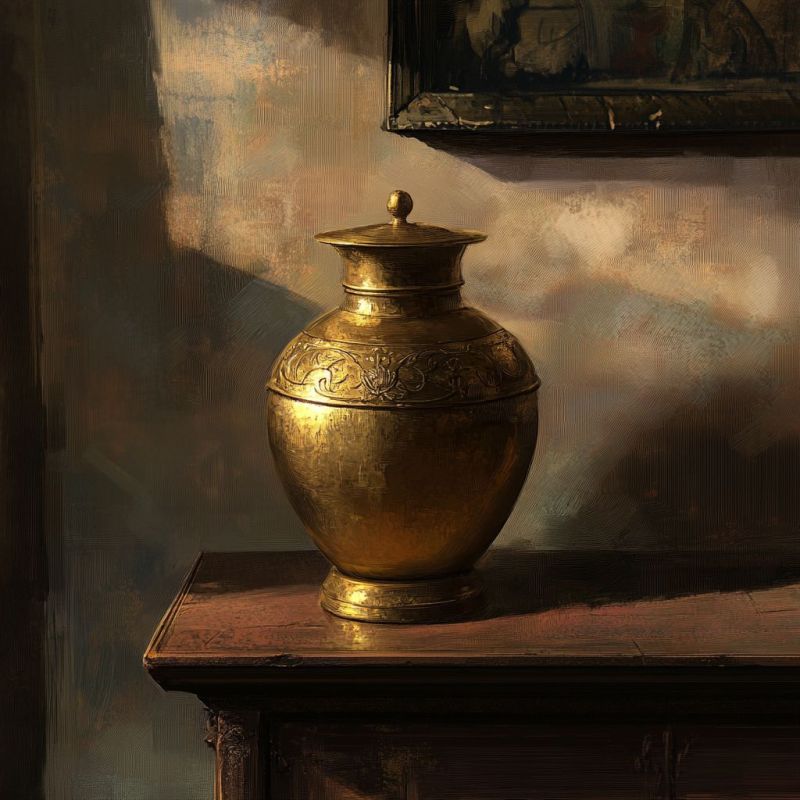 Jar, Gold300 gp
 -
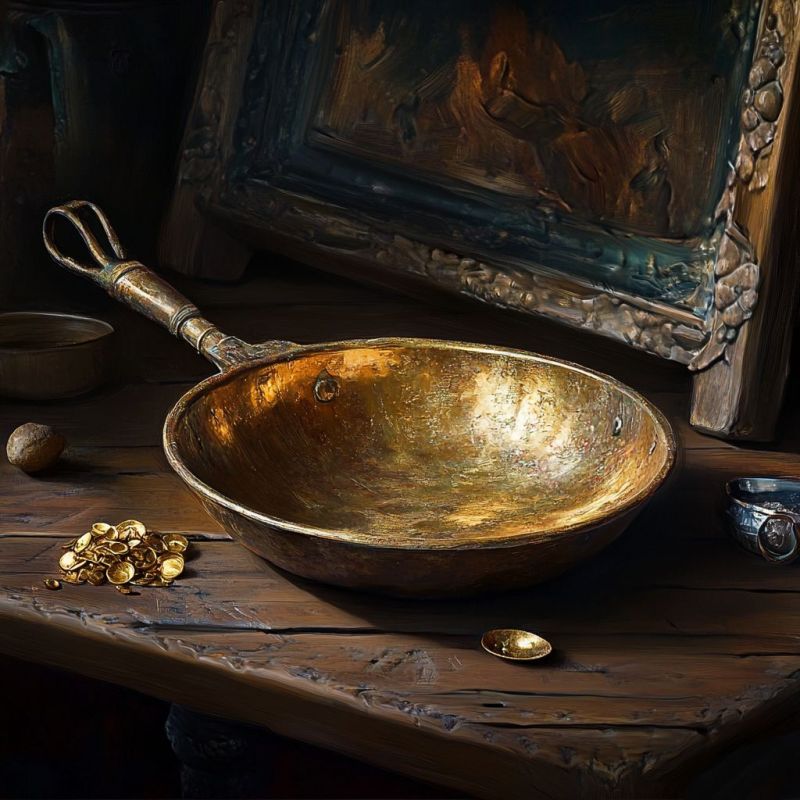 Pan, Gold600 gp
 -
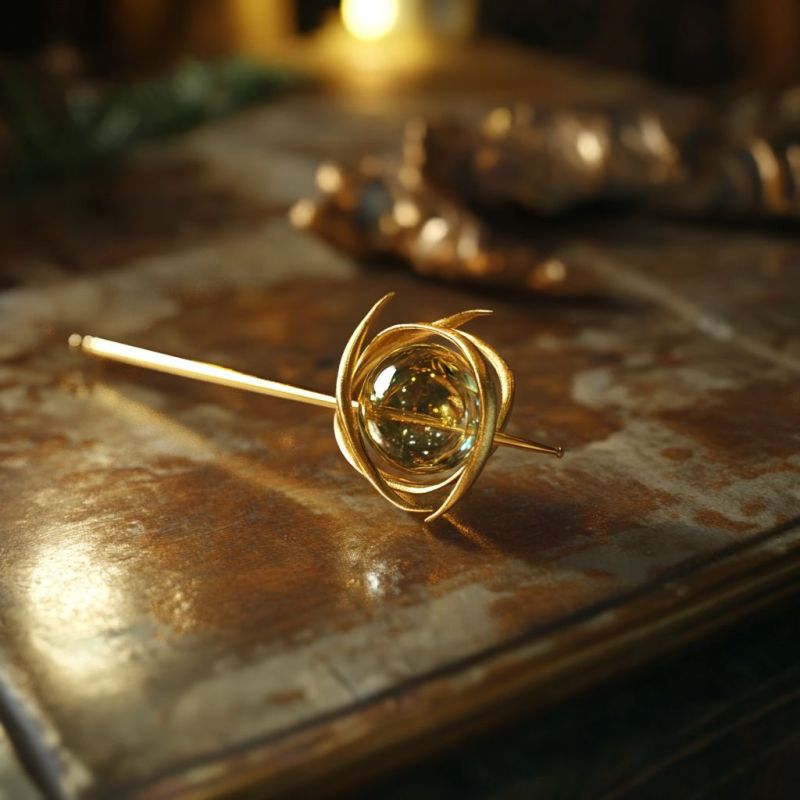 Pin, Gold3 gp
 -
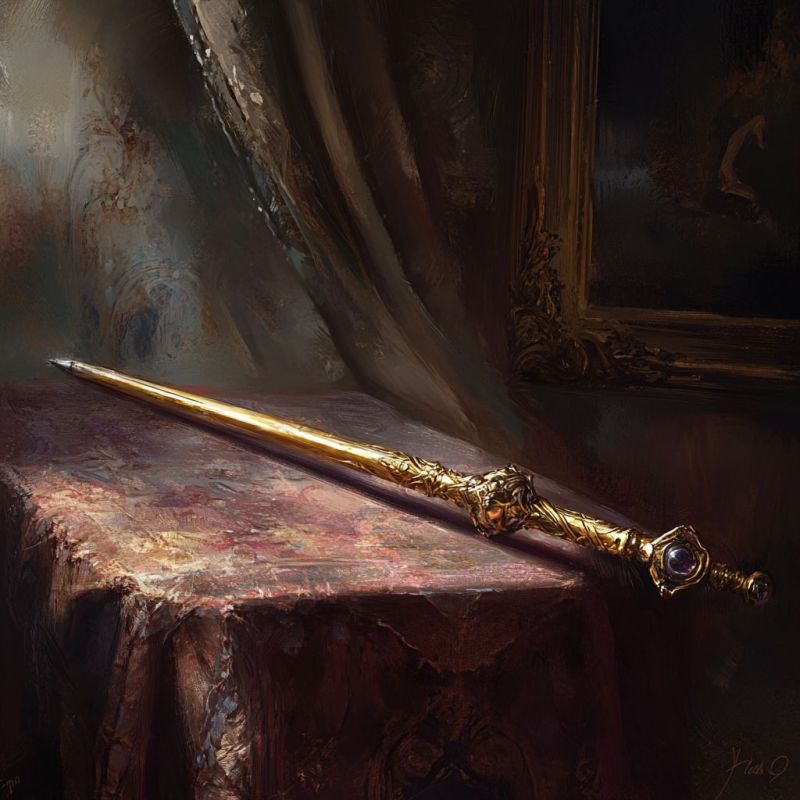 Rod, Gold800 gp
 -
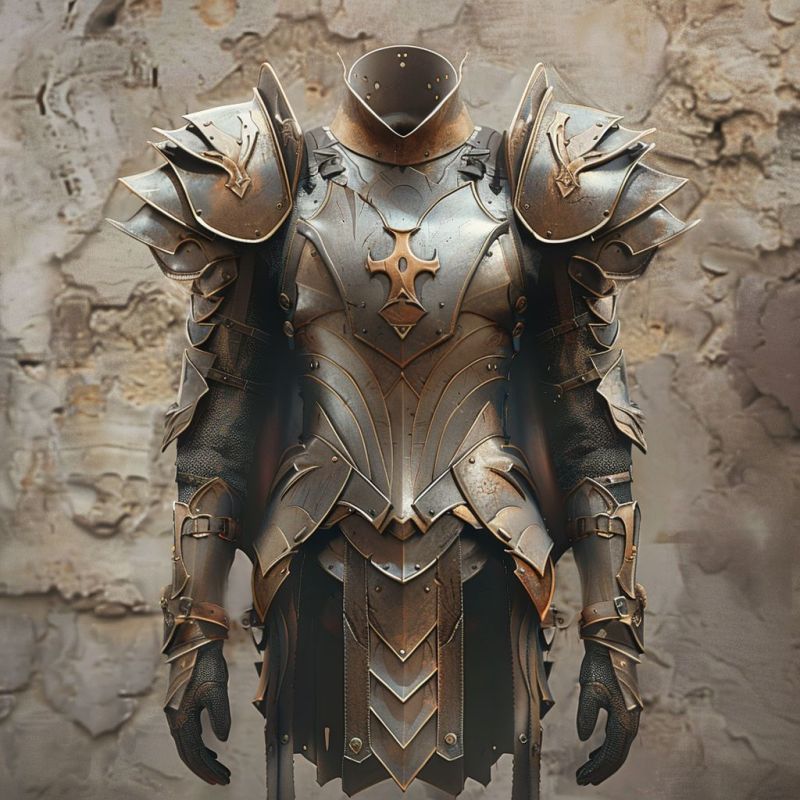 Half Plate450 gp
 -
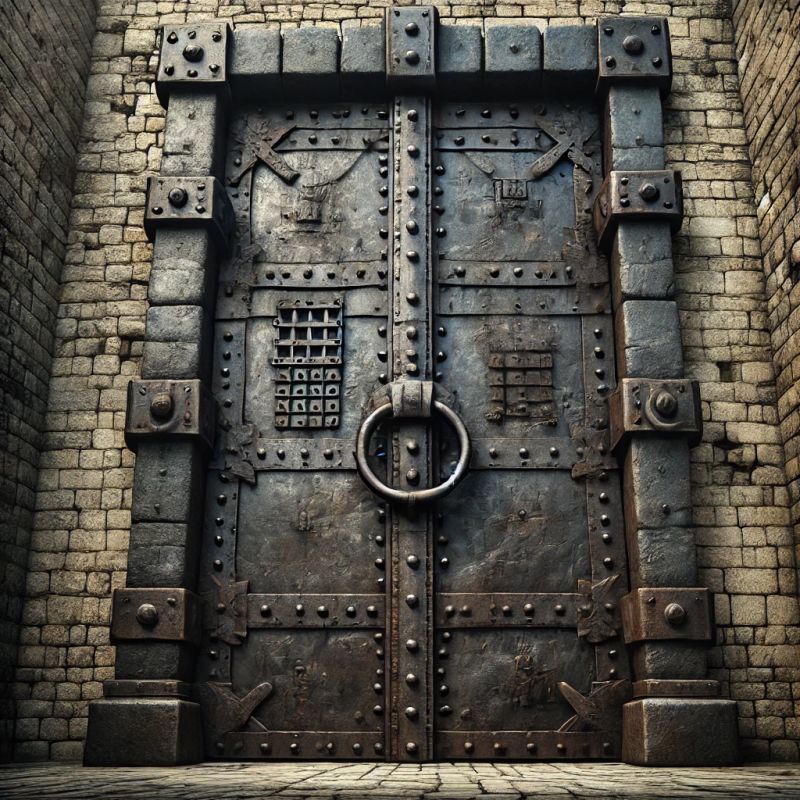 Door, Huge, Iron3000 gp
 -
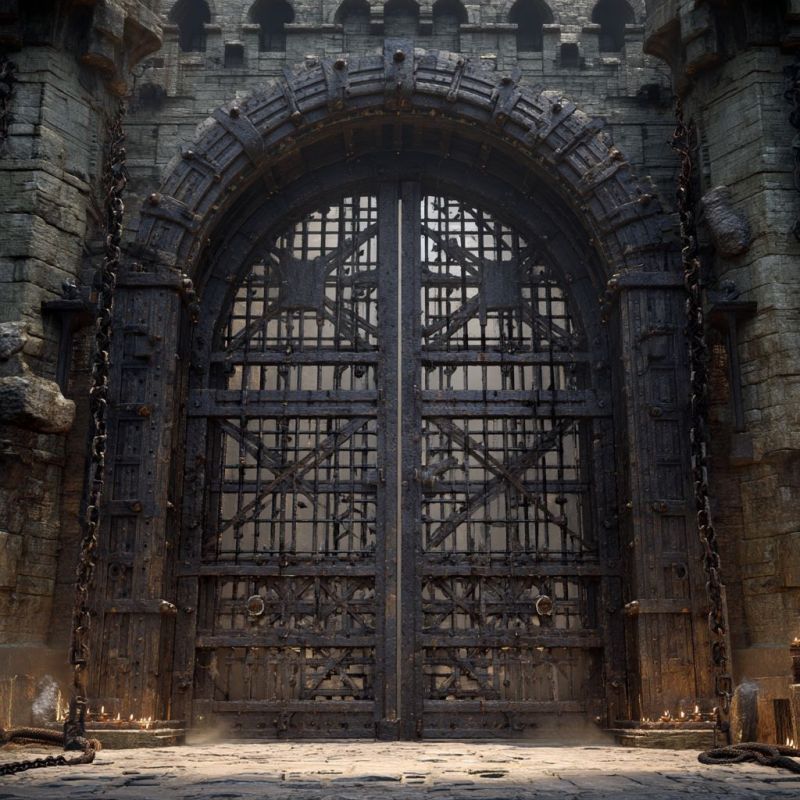 Portcullis, Huge, Iron2000 gp
 -
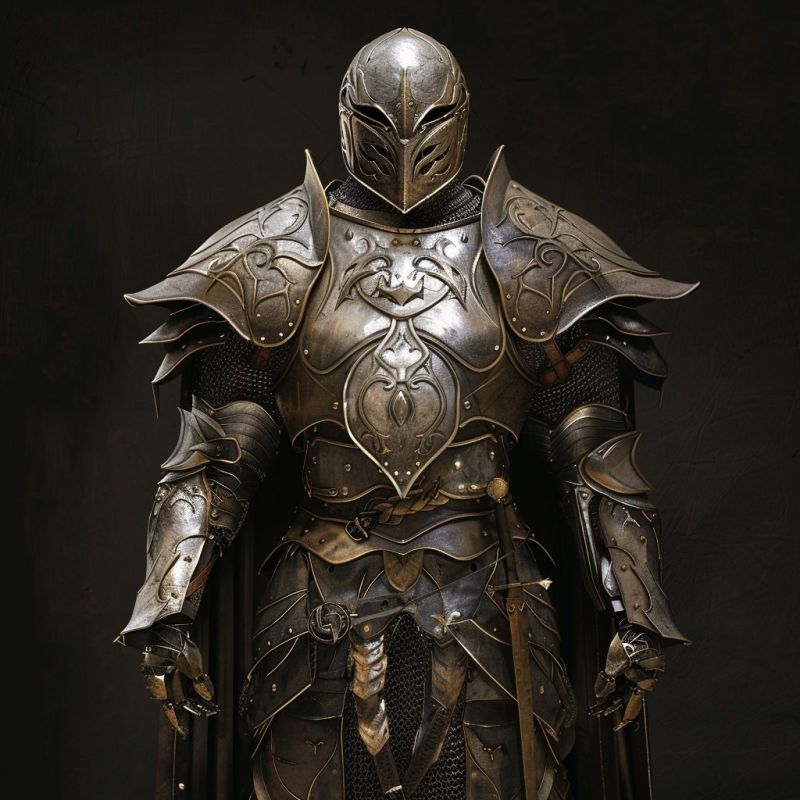 Plate900 gp
 -
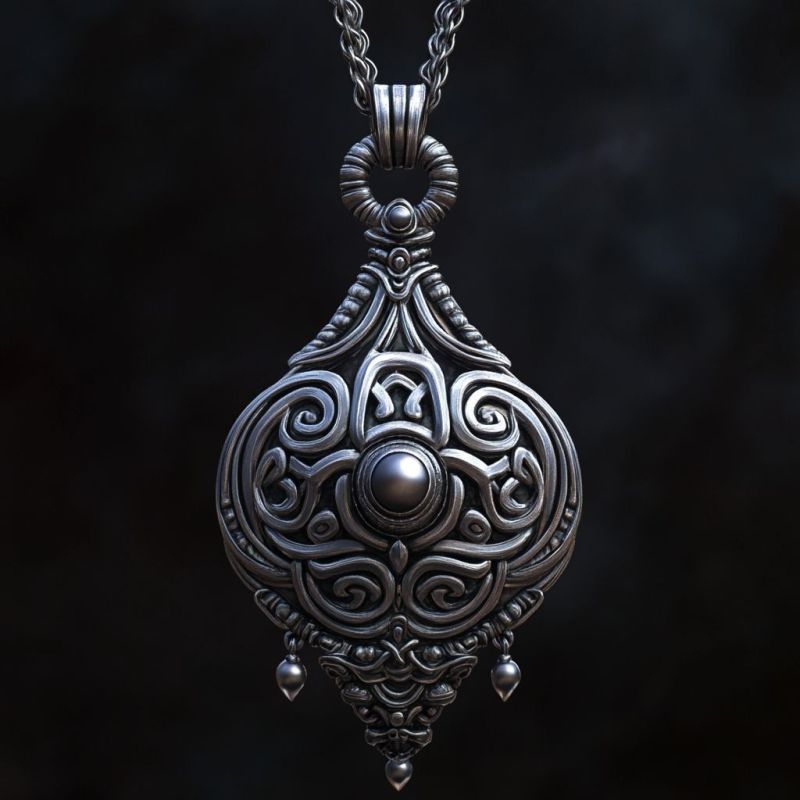 Amulet, Platinum2500 gp
 -
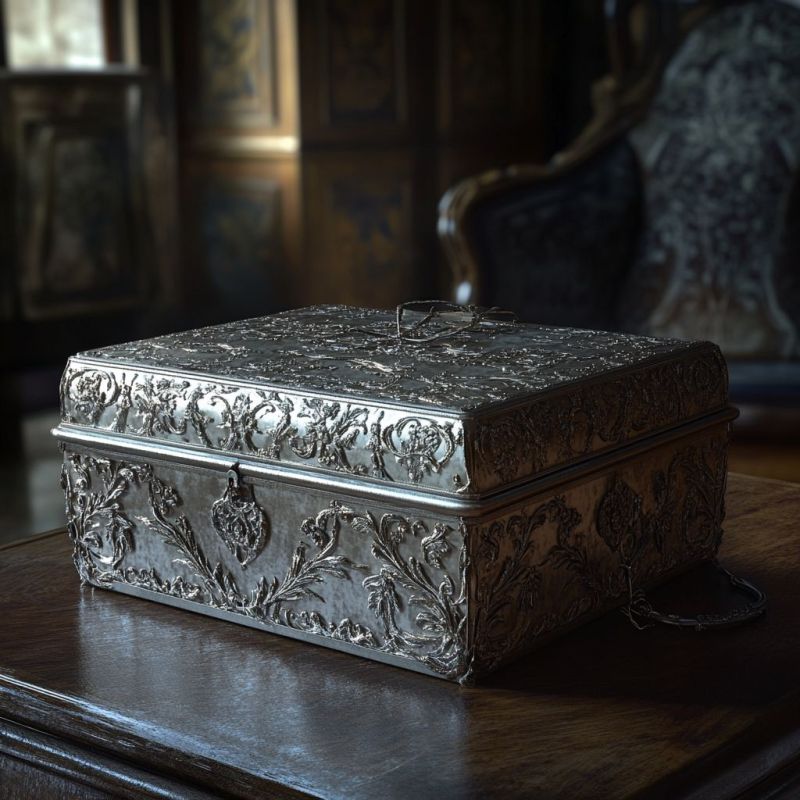 Box, Platinum15000 gp
 -
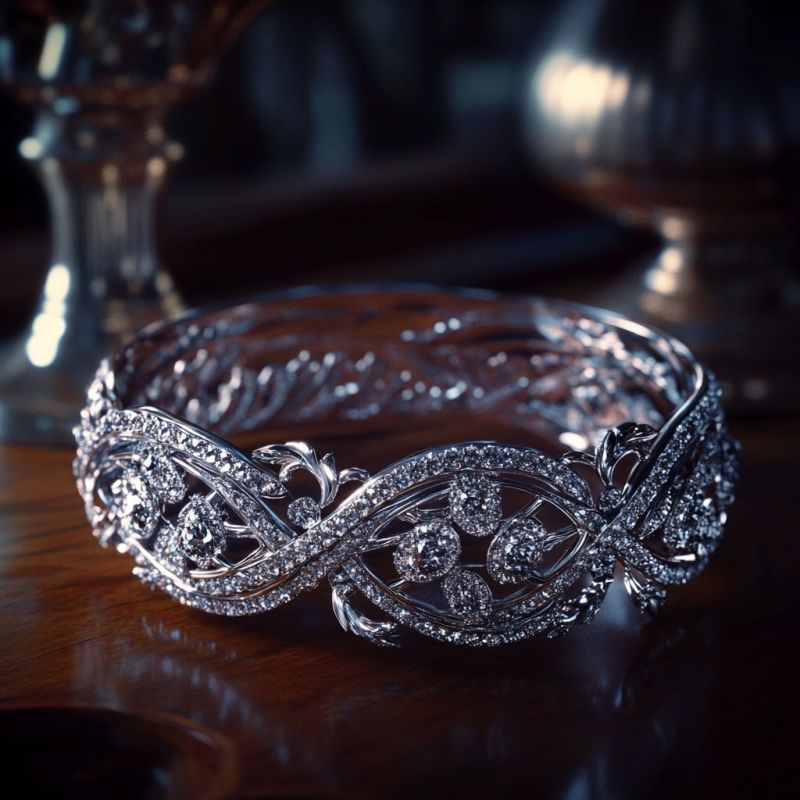 Bracelet, Platinum2500 gp
 -
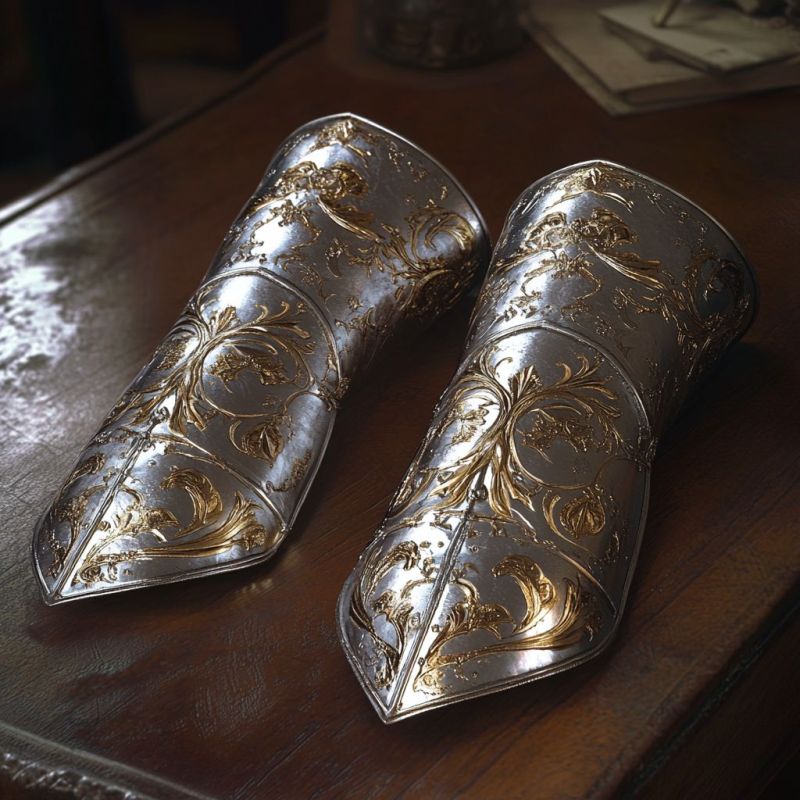 Bracers, Platinum8 6000 gp
 -
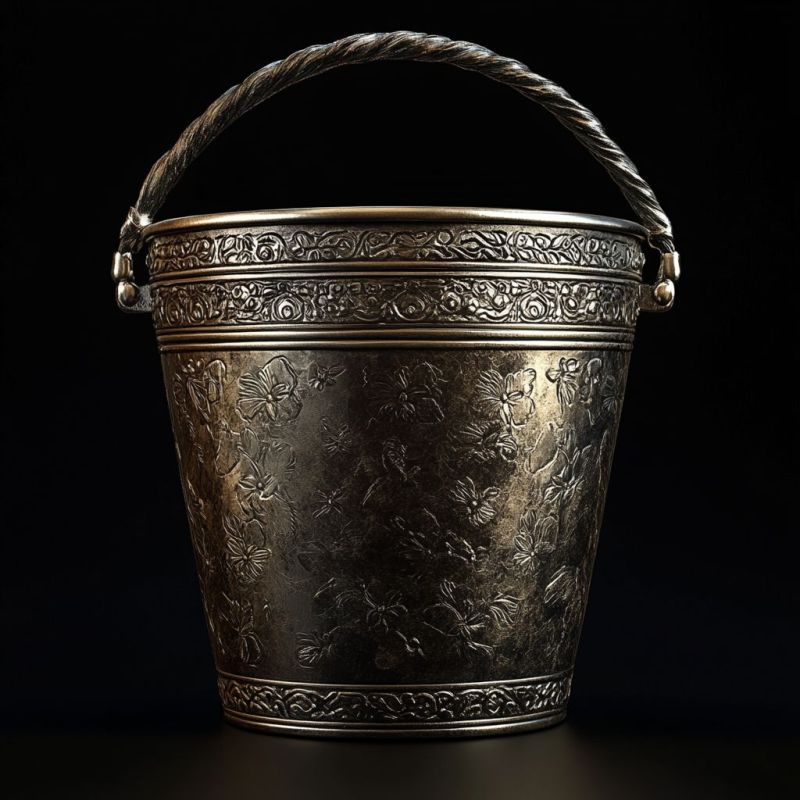 Bucket, Platinum8000 gp
 -
 Crown, Platinum2250 gp
 -
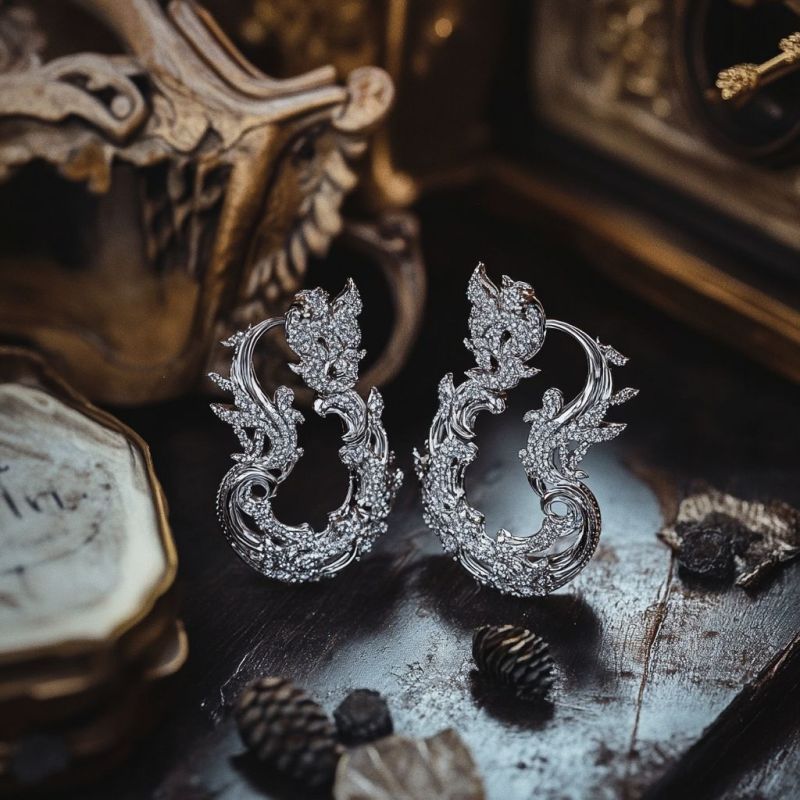 Earrings, Platinum30 gp
 -
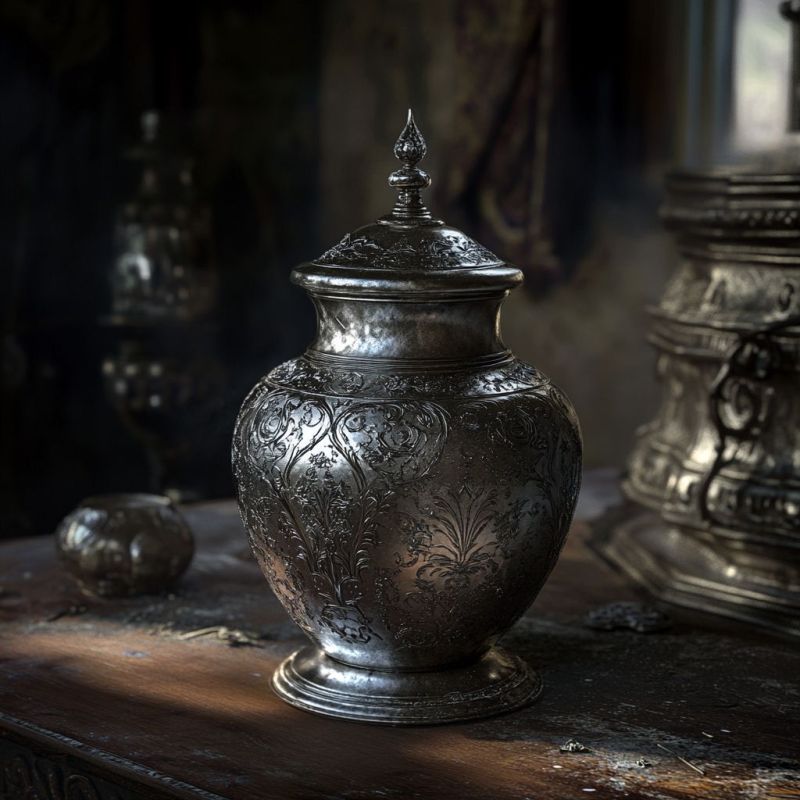 Jar, Platinum3000 gp
 -
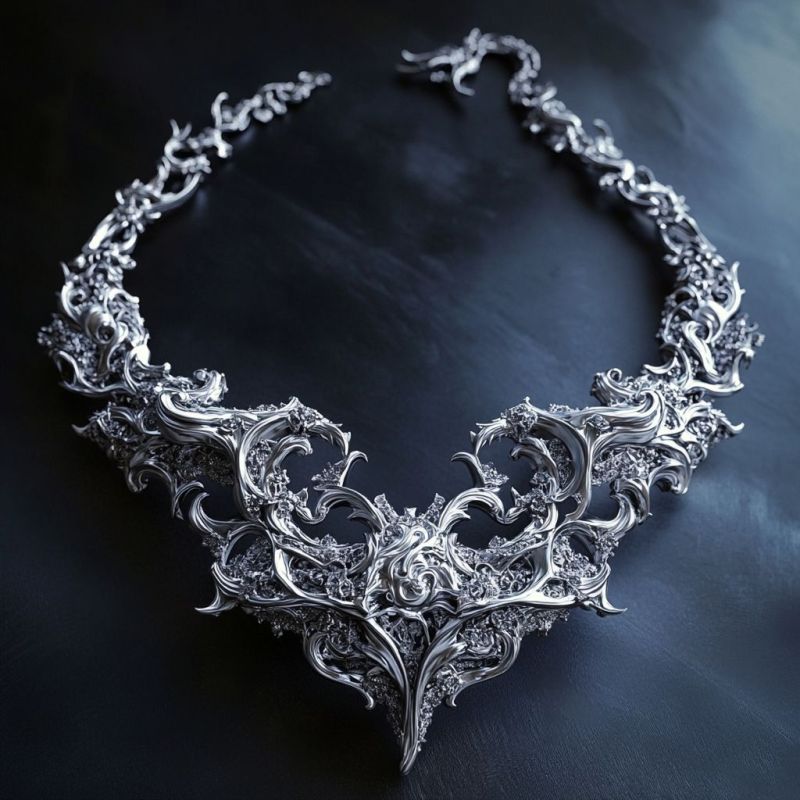 Necklace, Platinum2000 gp
 -
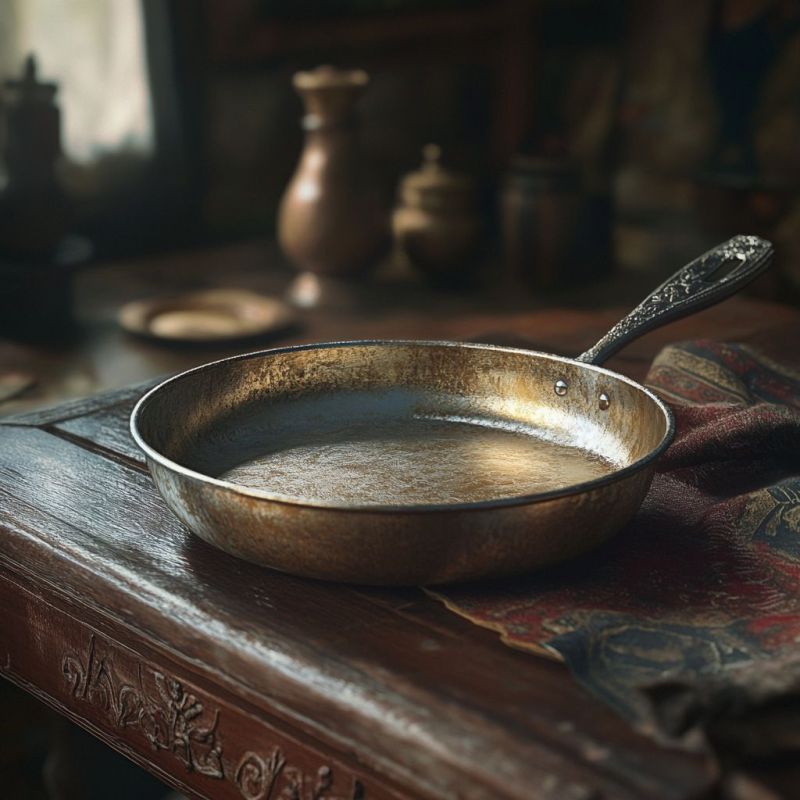 Pan, Platinum6000 gp
 -
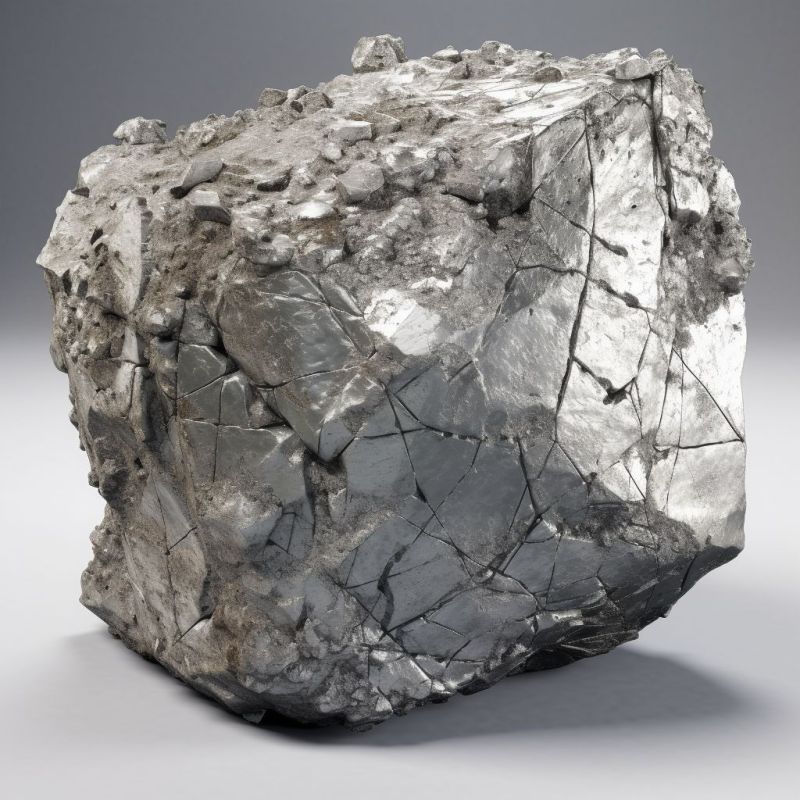 Platinum Ore500 gp
 -
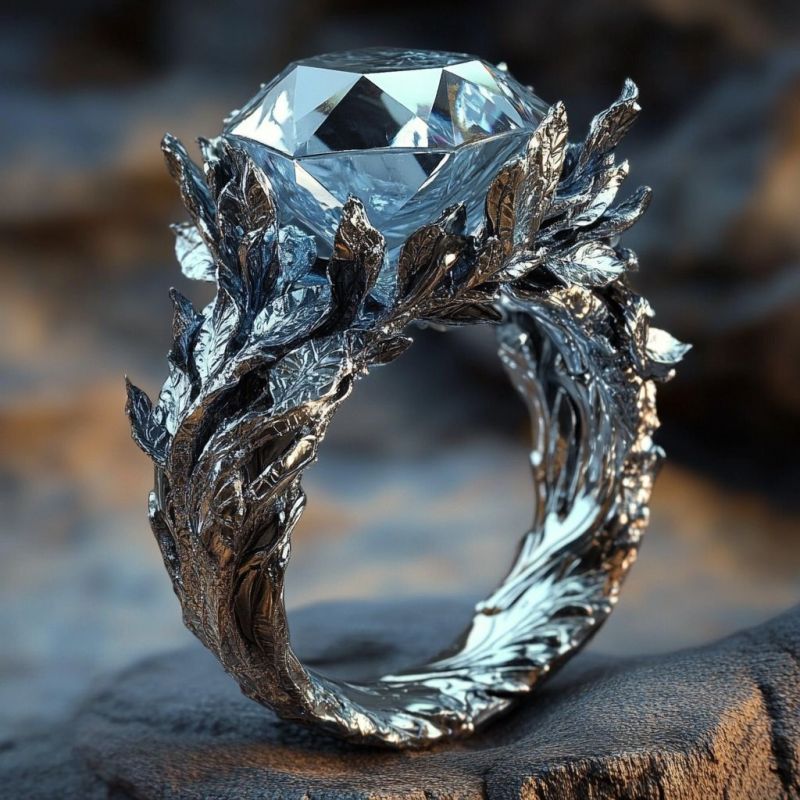 Ring, Platinum2000 gp
 -
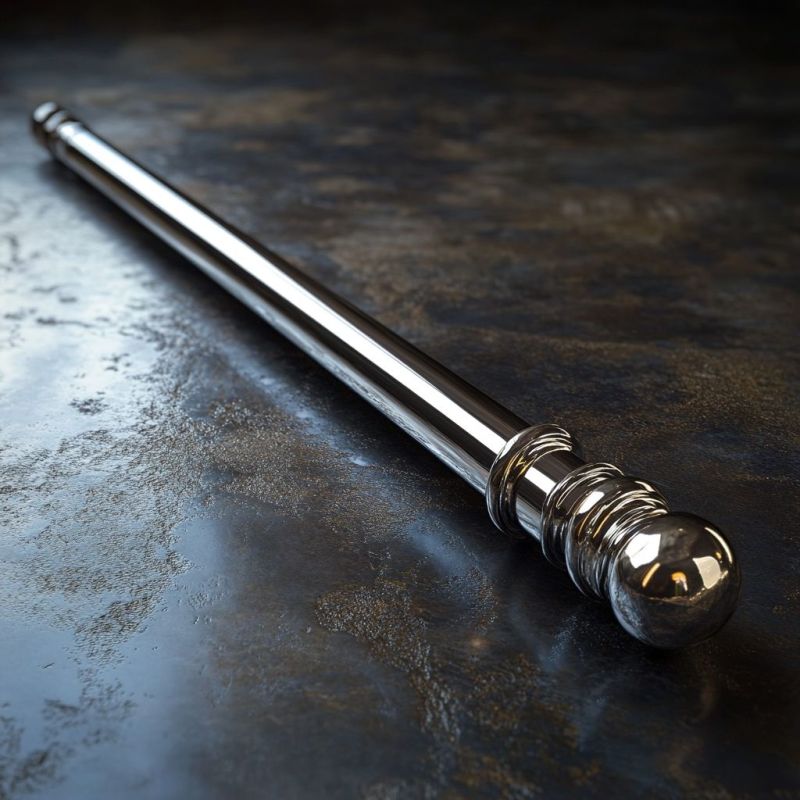 Rod, Platinum8000 gp
 -
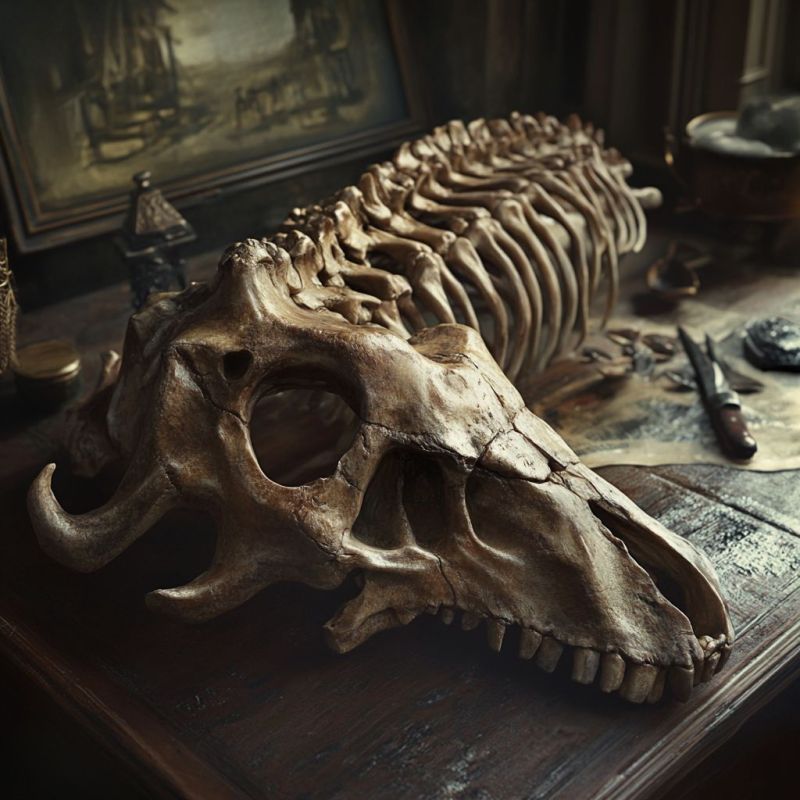 Dragon Bones500 gp
 Skill Tier 8:
-
 Smithing


