Menu
 Ancestries
 Backgrounds
 Lineages
 Classes
 Subclasses
 Spells
 Curses
 Mentas
 Sanguines
 Feats
Feats
 Passive
 Full
Full
 Standard
 Quick
Quick
 Attack
 Free
Free
 Reaction
 Opp. Attack
 Innate Skills
 Gathering Skills
 Knowledge Skills
 Crafting Skills
 Weapon Skills
 Armor Skills
 Defensive Skills
 Status Effects
 Crafting
 Alchemy
 Art
Art
 Cooking
 Enchanting
 Glassblowing
 Jewelling
 Leatherworking
 Machining
 Masoning
 Smithing
 Weaving
 Woodworking
View All Crafting
View All Rules
Woodworking
View All Crafting
View All Rules






























 Library
Digital supplements and compendia—rules content, adventures and setting material you add to My Library.
Browse Library
 Adventures
Standalone adventures—ready to run. Purchase the source in the Library for access.
All Adventures
 Free Adventures
 Paid Adventures
























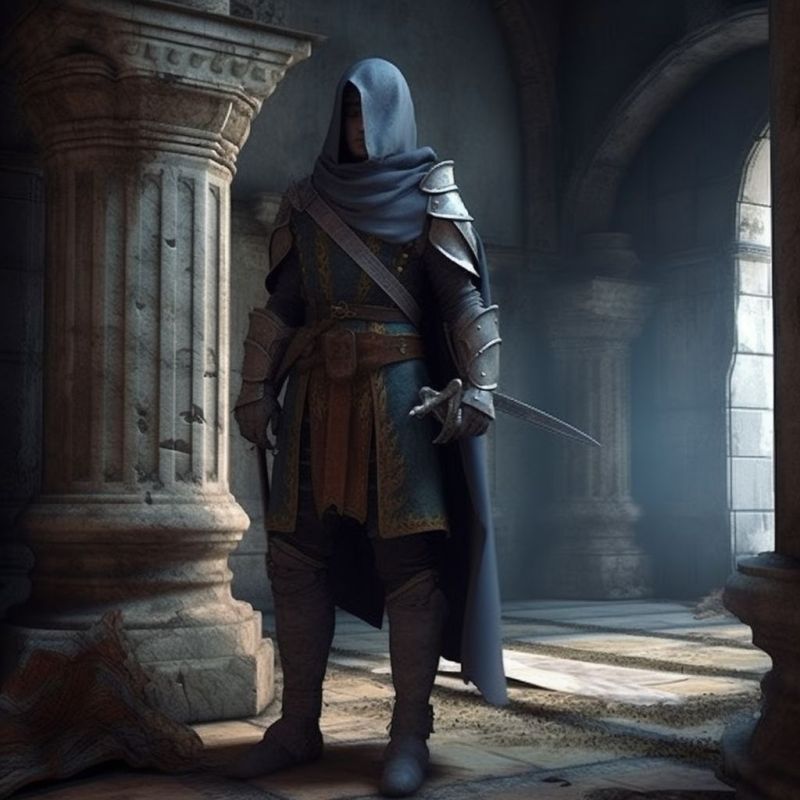

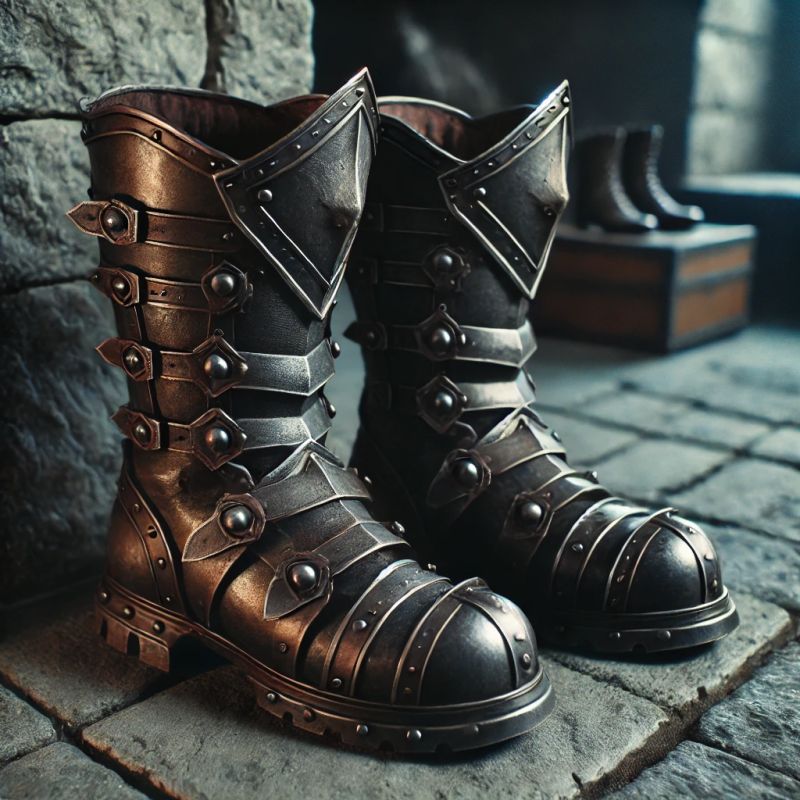
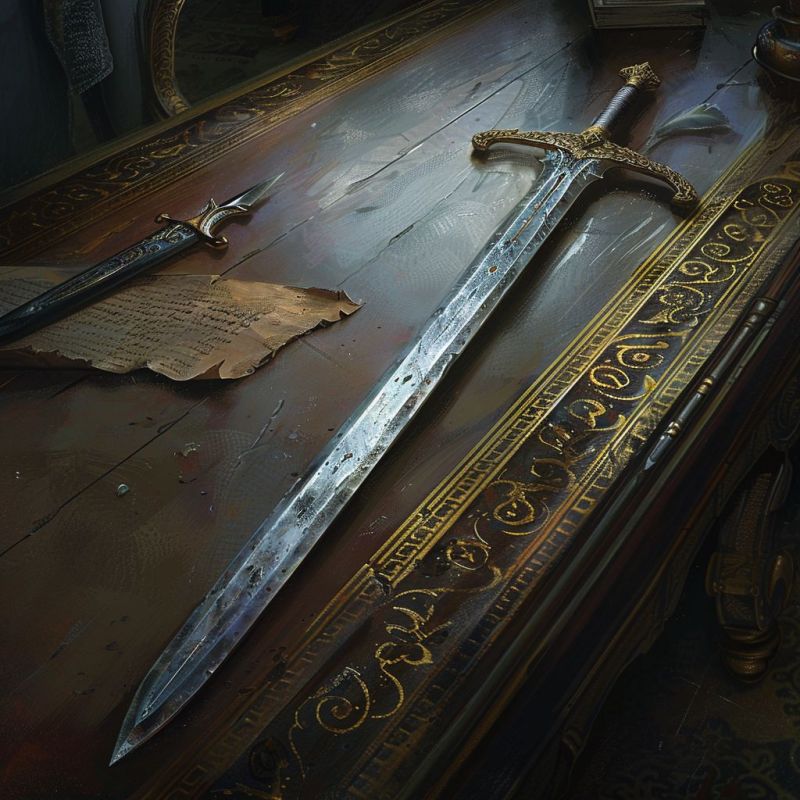
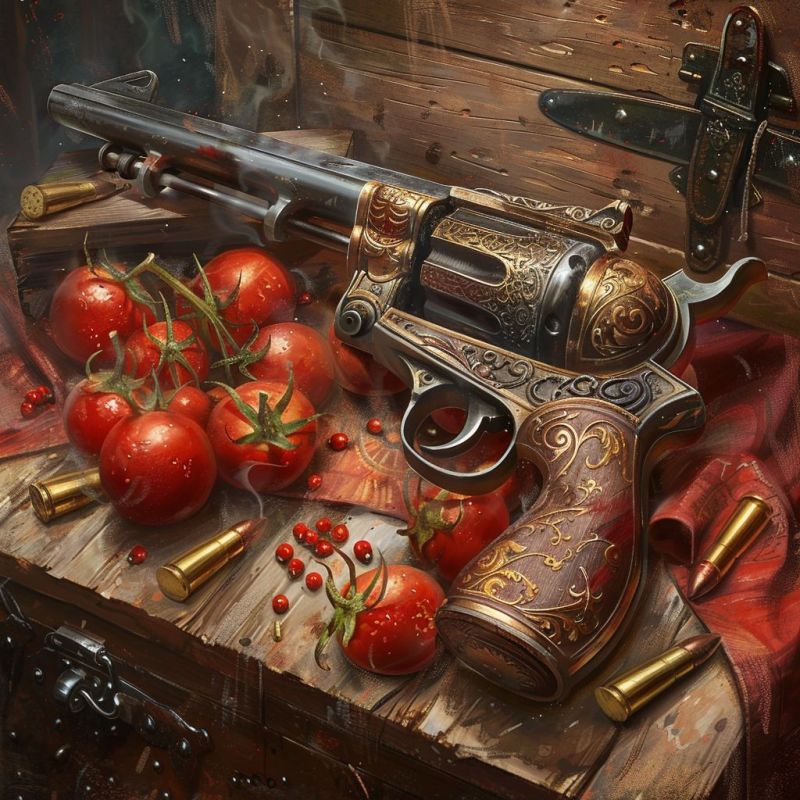
 Inventory Equipped:
-
Clothes, Uniform1 gp
-
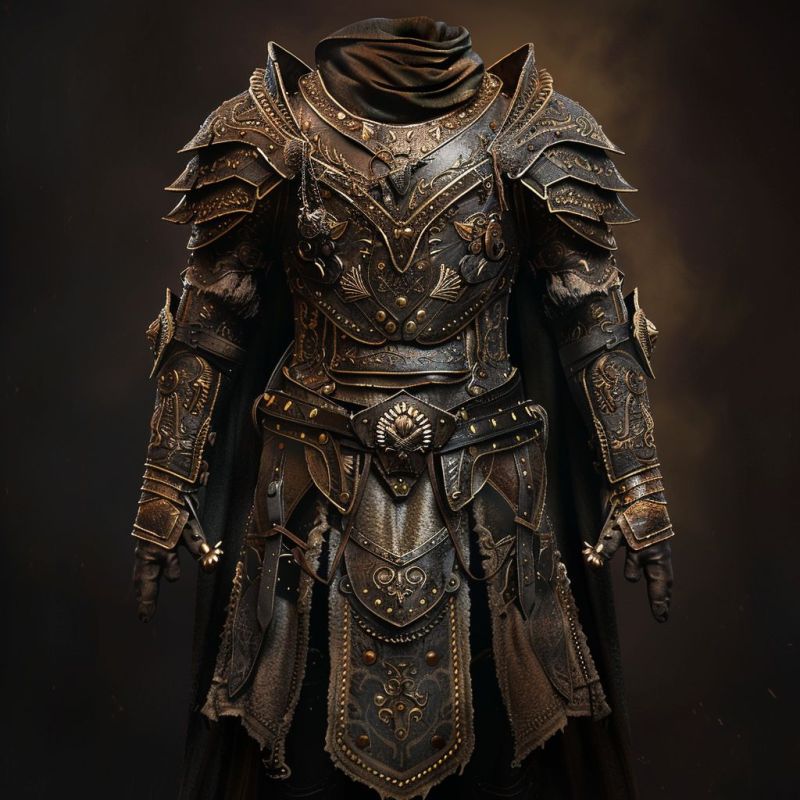
Brigandine30 450 gp
-
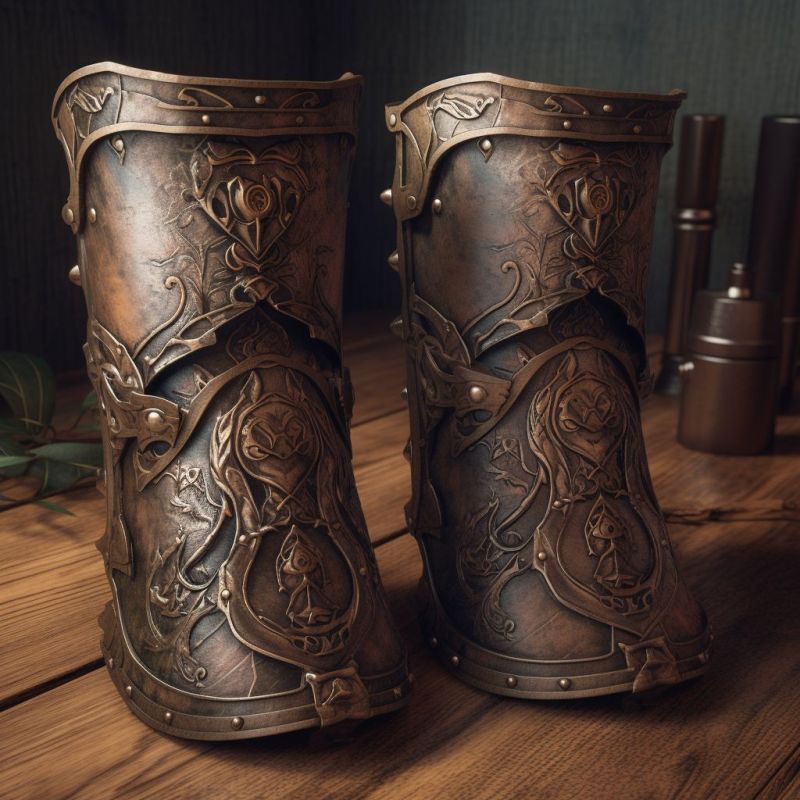
Boots, Iron16 8 gp
-
Bracers, Iron16 15 gp
-
Longsword4.06 15 gp
-
Pistol0.55 150 gp
-
Cloak, Cloth1 gp
 Inventory Unequipped:
-
Healing Potion (4d4 + 4)30.48 30 gp
-
40 Firearms 40 Caliber Bullet0.2 gp
- Passive Abilities:
-
Stoneguard Resilience5 1500 gp

- Quick Abilities:
-
Hit With Butt of Gun1.98
-
Hidden Steel Curtain40 1000 gp
- Attack Abilities:
-
Pommel Strike4.89
-
Short Draw400 gp
-
Ricochet Trickshot3000 gp

-
Measured Cut500 gp

-
Lacerating Strike1.67
-
Armor-Piercing Focus24 3500 gp
 Free Abilities:
-
Adrenal Recoil18

- Reaction Abilities:
-
Sturdy Resolve40 500 gp
-
Lock Blades24 1000 gp
 Monster Bits:
-
14 Humanoid Blood0.15 gp
-
36 Animal Bone0.03 gp
-
24 Animal Fat0.5 gp
-
84 Animal Meat0.05 gp
-
12 Soft Skin0.05 gp
Crisp navy wool clings to broad shoulders, gold epaulets glinting under lantern light, brass buttons etched with anchors straining against the fabric. Peaked cap shadows stern eyes, white gloves crisp as fresh canvas, boots polished to mirror the deck's salt-streaked planks. A saber hangs at the hip, hilt worn smooth by callused hands, whispering of tempests conquered and orders barked over roaring waves.
Navy Officers - Tier 2

⚓🫡 Navy Officer
A Navy Officer is a professional military leader trained to command sailors, direct shipboard operations, and enforce discipline at sea. In a flintlock fantasy setting, they serve as the structure behind a warship’s effectiveness, translating rank, training, and doctrine into coordinated action under dangerous conditions.
📜⚓ Training and Authority
Navy Officers are shaped by formal naval academies, battlefield promotion, noble appointment, or long service afloat. They are expected to understand command structure, ship handling, gunnery procedure, navigation basics, logistics, signaling, and the discipline required to keep a vessel operational in combat and bad weather. Even junior officers are more than sailors with status. They are responsible for order, timing, and decision-making.
🧥🎖️ Appearance and Bearing
These creatures usually appear in fitted naval coats, officer’s sashes, polished boots, weather capes, and insignia that clearly mark rank and nation. They often carry a saber, pistol, spyglass, charts, sealed orders, and a whistle or command baton. Their appearance is usually cleaner and more deliberate than that of common crew, even after long voyages. Their bearing is formal, controlled, and accustomed to being obeyed.
🗺️🛳️ Duties and Function
A Navy Officer’s role depends on rank, but commonly includes supervising watches, directing sail changes, overseeing marines, maintaining discipline, relaying fleet signals, managing gun crews, inspecting stores, and commanding boarding actions or landing parties. Senior officers may command entire ships or squadrons, while junior officers handle sections of the crew and ensure orders are carried out correctly.
📦⚔️ Typical Equipment
A Navy Officer commonly carries a naval saber, flintlock pistol, powder horn or cartridge box, spyglass, navigation notes, sealed orders, rank insignia, signal flags, a sea chart case, writing kit, and quality boots suited for wet decks. On larger vessels, they also have access to cabins with logs, instruments, and locked strongboxes for official documents or pay records.
🧠📐 Working Style
Their working style is structured, procedural, and command-focused. A good Navy Officer values timing, chain of command, and clear communication. They are trained to think in terms of ship position, firing arcs, crew readiness, morale, and survival under pressure. In battle, they are expected to remain visible enough to lead and disciplined enough not to lose control when decks become chaotic.
🏴☠️💣 Combat Role
In combat, a Navy Officer does not usually fight as a reckless duelist unless forced into it. Their primary value is command. They direct broadsides, order maneuvers, deploy marines, coordinate boarding defense, and keep gun crews and sailors functioning under fire. In close action, they may fight with saber and pistol, but their main weapon is organized force.
🏠🌊 Place in Society
Navy Officers usually hold respectable status, especially in port cities, imperial capitals, and military circles. They may be seen as patriots, enforcers of state power, protectors of trade, or arrogant agents of distant crowns depending on the region. Their rank often grants authority over common sailors, marines, and civilians aboard ship, and sometimes influence on land as well.
👥⚓ Common Roles
These creatures are commonly found as lieutenants, captains, ship masters, marine officers, harbor commanders, patrol leaders, convoy escorts, academy-trained nobles, or hardened veterans promoted through merit. In a flintlock fantasy setting, they are the people who make naval power function from deck level upward.
 Speed:
- Walking Speed: +30
- Inventory Equipped:
-
Clothes, Uniform1 gp
-
Brigandine30 450 gp
-
Boots, Iron16 8 gp
-
Bracers, Iron16 15 gp
-
Longsword4.06 15 gp
-
Pistol0.55 150 gp
-
Cloak, Cloth1 gp
- Inventory Unequipped:
-
Healing Potion (4d4 + 4)30.48 30 gp
-
40 Firearms 40 Caliber Bullet0.2 gp
-
 Extra Attack: +1
- Skill Tier 5:
-
 Archery Weapon Skill
 -
Firearms Weapon Skill
-
 Attention
 -
 Balance
 -
 Empathy
 -
 Fortitude 47.23
 -
 Frighten 33.68
 -
Medium Armor Skill
-
 Hunting
 -
 Influence
 -
 Initiative
 -
 Inspection
 -
 Light Armor Skill
 -
One-Handed Melee Weapon Skill
-
 Navigation
 -
 Psyche
 -
 Sneak
Sneak -
 Willpower


