Menu
 Ancestries
 Backgrounds
 Lineages
 Classes
 Subclasses
 Spells
 Curses
 Mentas
 Sanguines
 Feats
Feats
 Passive
 Full
Full
 Standard
 Quick
Quick
 Attack
 Free
Free
 Reaction
 Opp. Attack
 Innate Skills
 Gathering Skills
 Knowledge Skills
 Crafting Skills
 Weapon Skills
 Armor Skills
 Defensive Skills
 Status Effects
 Crafting
 Alchemy
 Art
Art
 Cooking
 Enchanting
 Glassblowing
 Jewelling
 Leatherworking
 Machining
 Masoning
 Smithing
 Weaving
 Woodworking
View All Crafting
View All Rules
Woodworking
View All Crafting
View All Rules



































 Library
Digital supplements and compendia—rules content, adventures and setting material you add to My Library.
Browse Library
 Adventures
Standalone adventures—ready to run. Purchase the source in the Library for access.
All Adventures
 Free Adventures
 Paid Adventures








Woodworker - Tier 3
🪵🔨 Woodworker: Tier 3 Master Joiner
A Tier 3 Woodworker is an advanced timber craftsperson whose construction skill, workshop output, and strong professional reputation make them a major supplier of furniture, fittings, frames, and high-value wooden goods. They are no longer simply producing reliable stock. At this tier, their methods, shop, and finished work carry real weight in trade and construction.
📚🪚 Training and Foundation
Tier 3 Woodworkers are extensively shaped by elite apprenticeship, guild advancement, carpentry contracts, dockyard service, wagon work, building support, or decades of disciplined cutting, planing, joining, and fitting. They understand grain direction, seasoning, structural load, joinery strength, warping risk, fastening, sealing, repair, and production planning at a high level. Their craft is no longer just skilled. It is authoritative.
🧥📏 Appearance and Bearing
These creatures usually appear in aprons, rolled sleeves, work coats, gloves, and practical clothing marked by sawdust, pitch, chalk, oil, and wood shavings. Their hands, forearms, and posture show long experience with saws, planes, chisels, clamps, and repeated bench work. Squares, awls, mallets, drills, saws, planes, gauges, and measuring rods are usually kept in good order and close at hand. Their bearing is practical, exact, and used to judging whether a piece will fit, hold, and stay true over time.
🪑📦 Typical Inventory
A Tier 3 Woodworker commonly keeps tables, chairs, benches, shelves, cabinets, shutters, doors, window frames, bed frames, storage chests, counters, crates, barrel parts, wagon panels, cart rails, stair parts, desk frames, market stall pieces, reinforced tool handles, firearm stocks, ship fittings, travel chests, repair planks, glue, nails, dowels, clamps, and partially finished commissions for homes, inns, shops, carts, docks, warehouses, and offices. Their stock is usually broader, heavier, and more project-focused than that of a Tier 2 Joiner.
🧠⚖️ Working Style
Their working style is disciplined, plan-driven, and fit-focused. A Tier 3 Woodworker thinks in terms of load, weather, wear, movement, and long-term stability before cutting into good stock. They waste less timber, produce cleaner joints, and manage larger custom jobs with better sequencing than lesser workers. Their goal is not luxury ornament first. It is durable construction, good fit, and dependable service life.
💰🏠 Trade and Practical Role
What defines this subtype is high-value wooden utility. Tier 3 Woodworkers support the built and furnished parts of a flintlock society: homes, inns, warehouses, carts, shutters, counters, stairways, storage systems, docks, and workshops. Their work serves merchants, taverns, officers, builders, transport workers, shipyards, landowners, and anyone who needs wood goods that fit properly and survive hard use. They are valued not just for stock on hand, but for judgment and reliable custom work.
🏪🪵 Business and Workspace
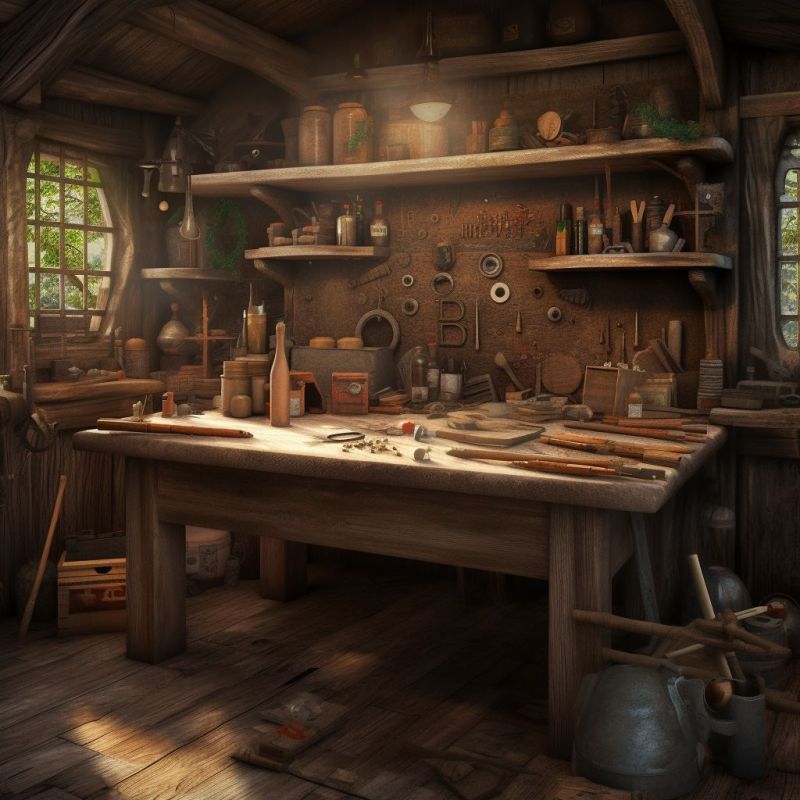
Tier 3 Woodworkers usually work from major carpentry shops, guild-backed workshops, dockside yards, wagon works, building-support shops, or large town workhouses with apprentices, assistants, and steady supply chains. Their space is organized around benches, sawhorses, timber racks, planing tables, glue stations, tool walls, stock ledgers, and sections for active commissions. A successful operation often functions as both workshop and contract supplier.
🏙️👥 Common Roles
These creatures are commonly found as master joiners, furniture workshop heads, cart and wagon wood specialists, dock carpenters, cabinet workers, building-support carpenters, stock-makers, or practical timber masters trusted with costly and visible work. In larger settlements, they are often the people called when the item must fit correctly, look respectable, and endure years of use.
👑🪙 Place in Society
A Tier 3 Woodworker holds real professional status. Merchants seek their contracts, households want their reliability, builders depend on their output, and other trades often rely on their fitted pieces to complete larger jobs. They may not be aristocratic, but they carry economic weight because their work supports how people live, store goods, travel, and conduct business.
📈🪵 Tier Meaning
Tier 3 represents a woodworker that has grown into a major merchant-artisan. The core traits—cutting, shaping, joining, practical inventory, and wooden utility—have matured into authority, higher-value output, and meaningful commercial importance. This is no longer just a joiner. It is a master joiner whose work helps define the comfort, function, and durability of a settlement.
 Inventory Equipped:
-
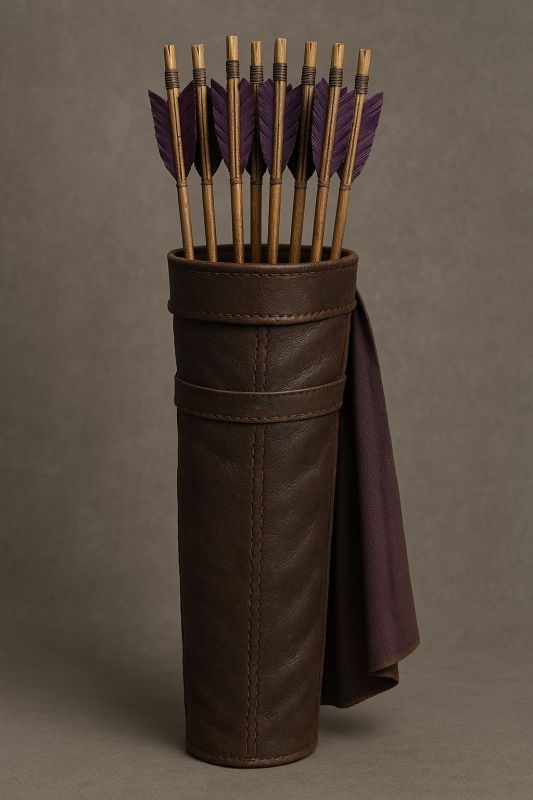 Quiver1 gp
 Inventory Unequipped:
-
 Party Mask0.3 gp
 -
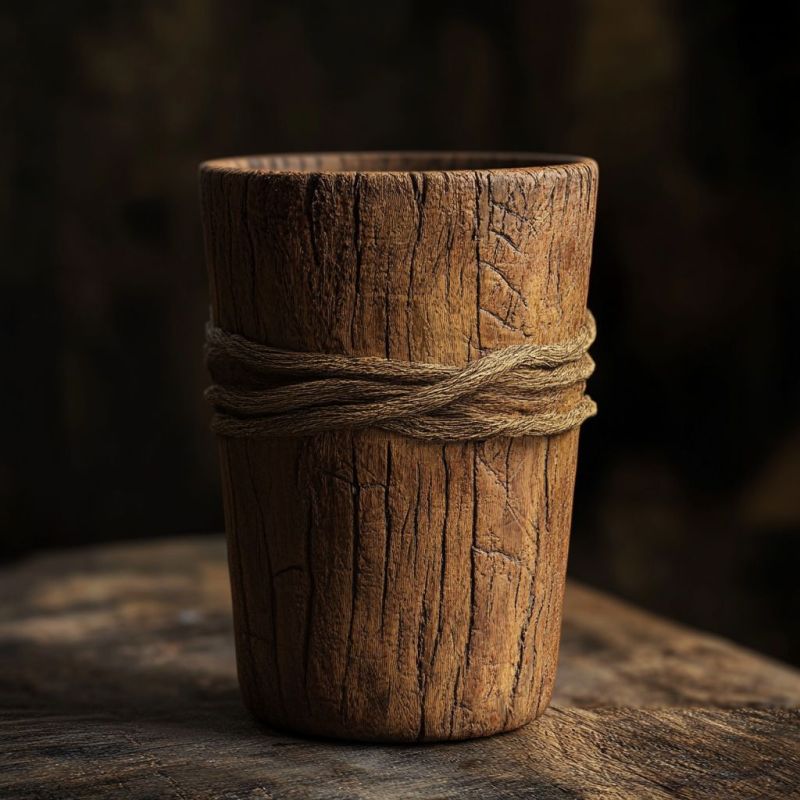 Cup, Wooden0.3 gp
 -
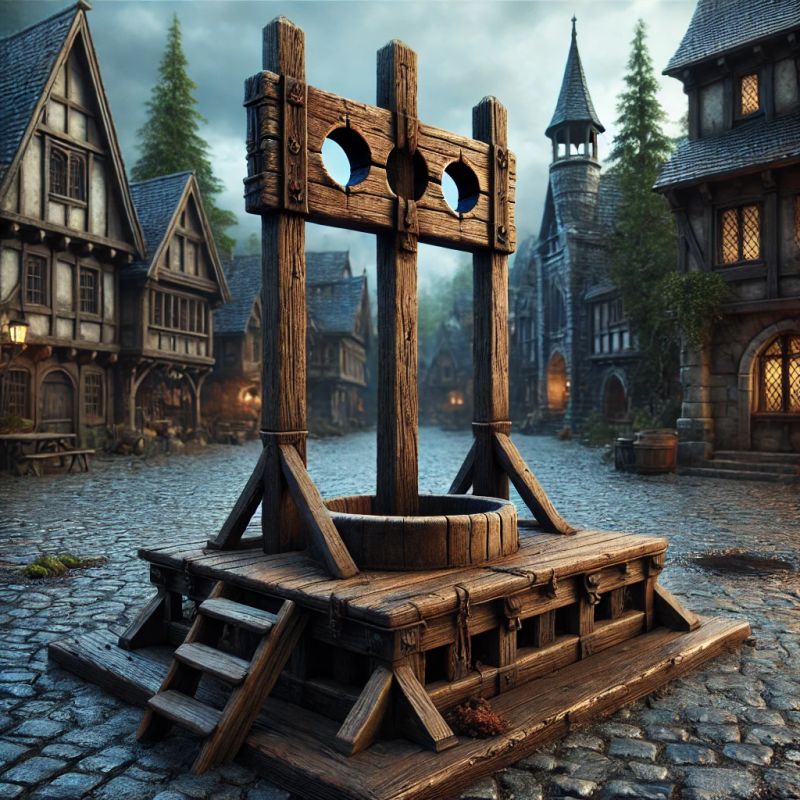 Pillory10 gp
 -
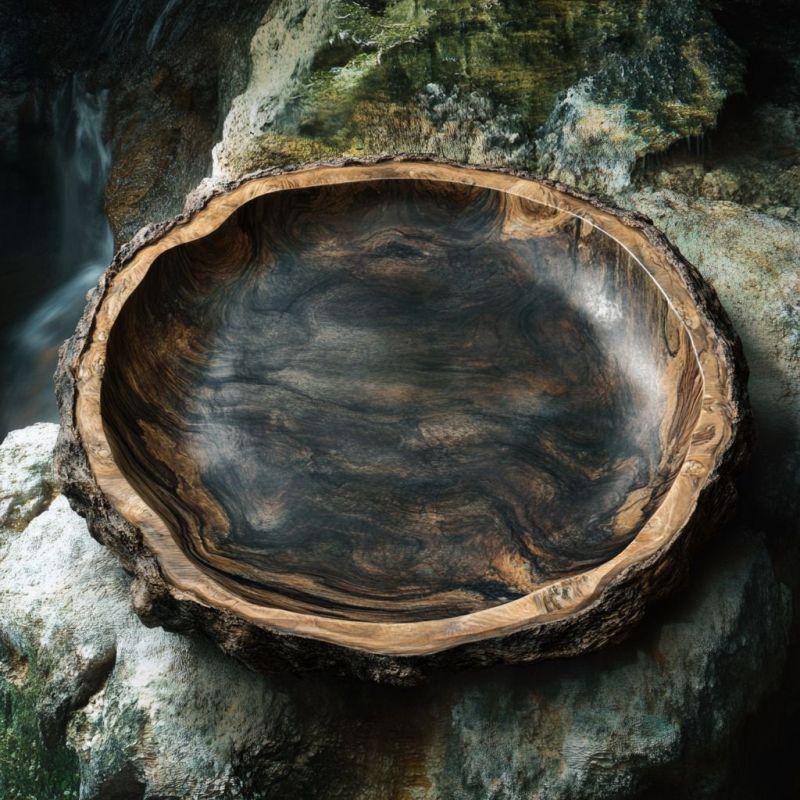 Plate, Wooden0.06 gp
 -
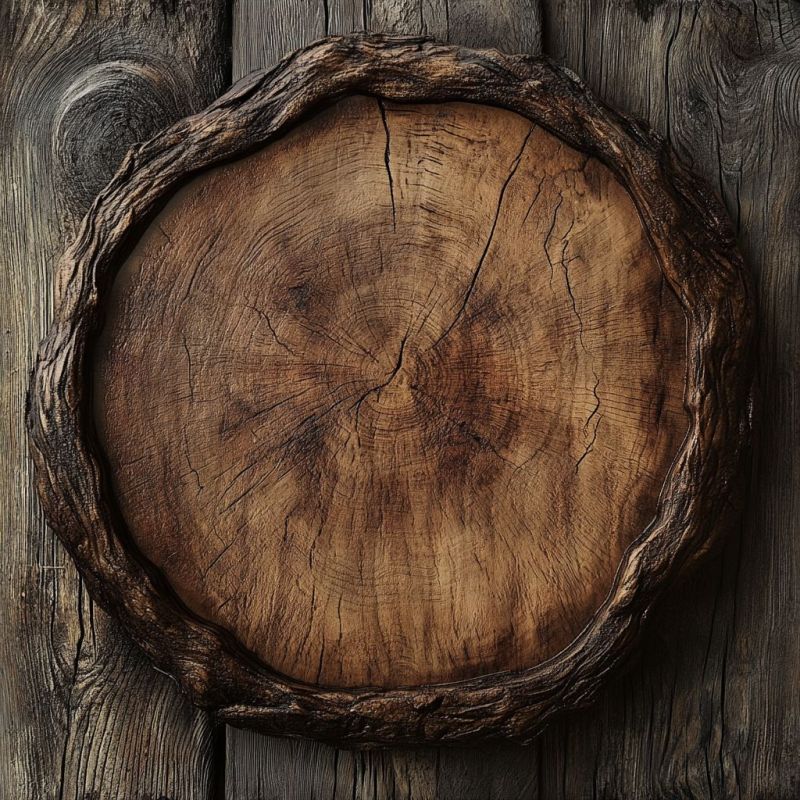 Platter, Wooden2 gp
 -
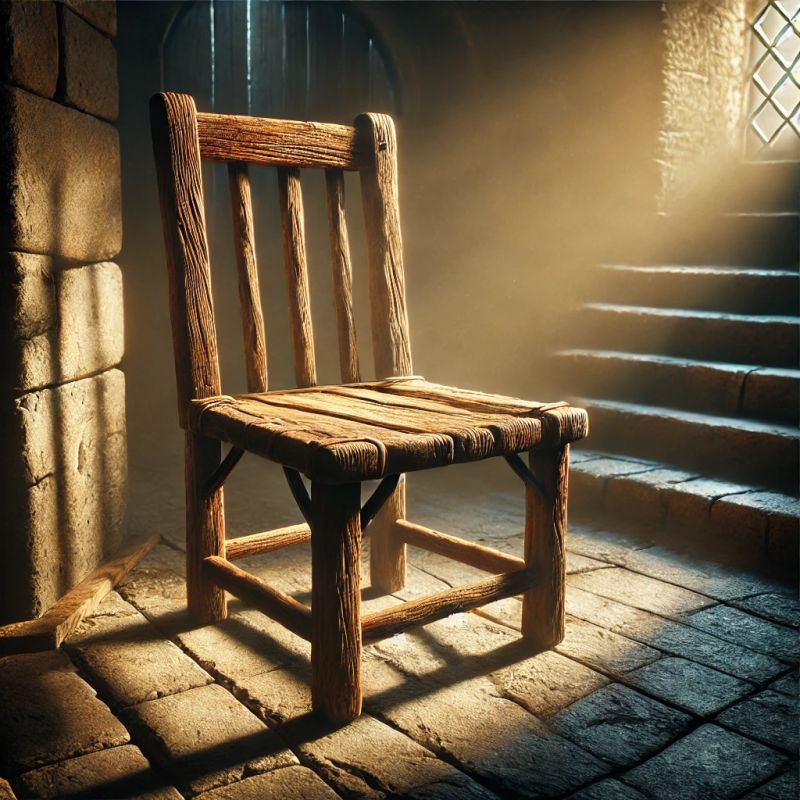 Chair, Wooden, Poor1 gp
 -
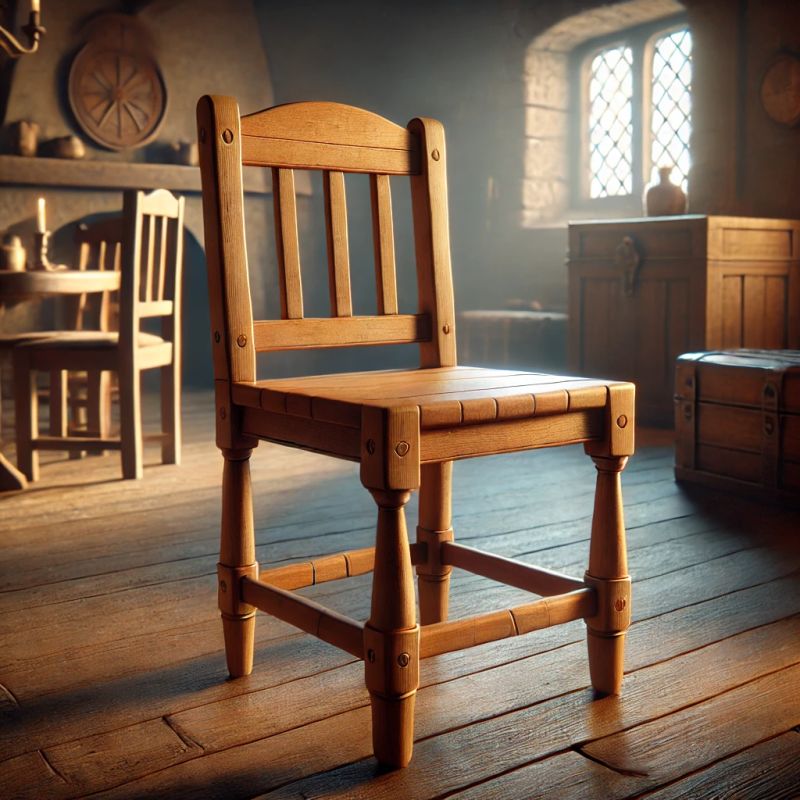 Chair, Wooden, Standard3 gp
 -
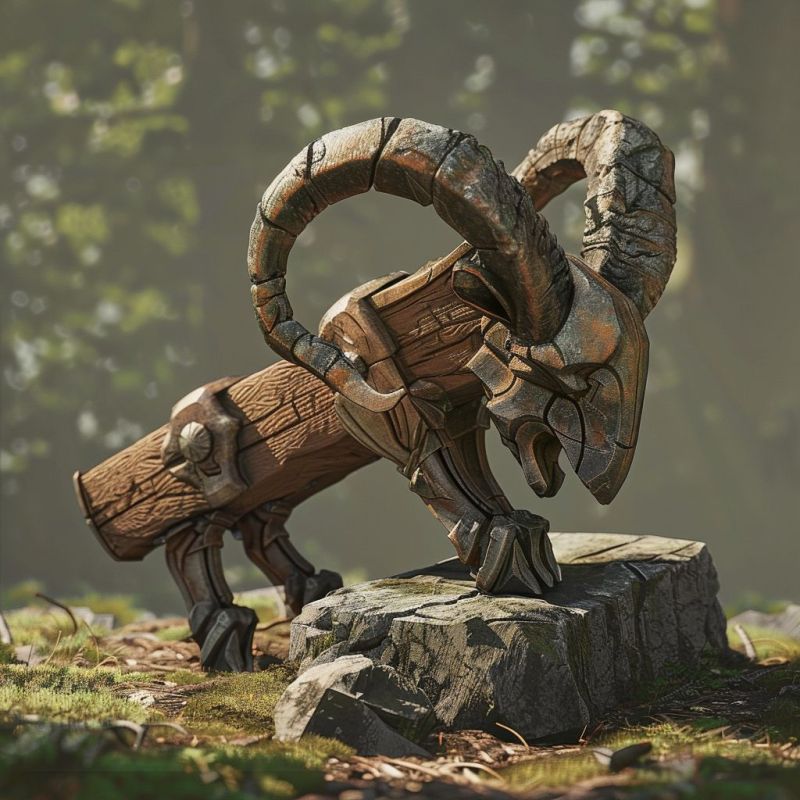 Portable Ram2 gp
 -
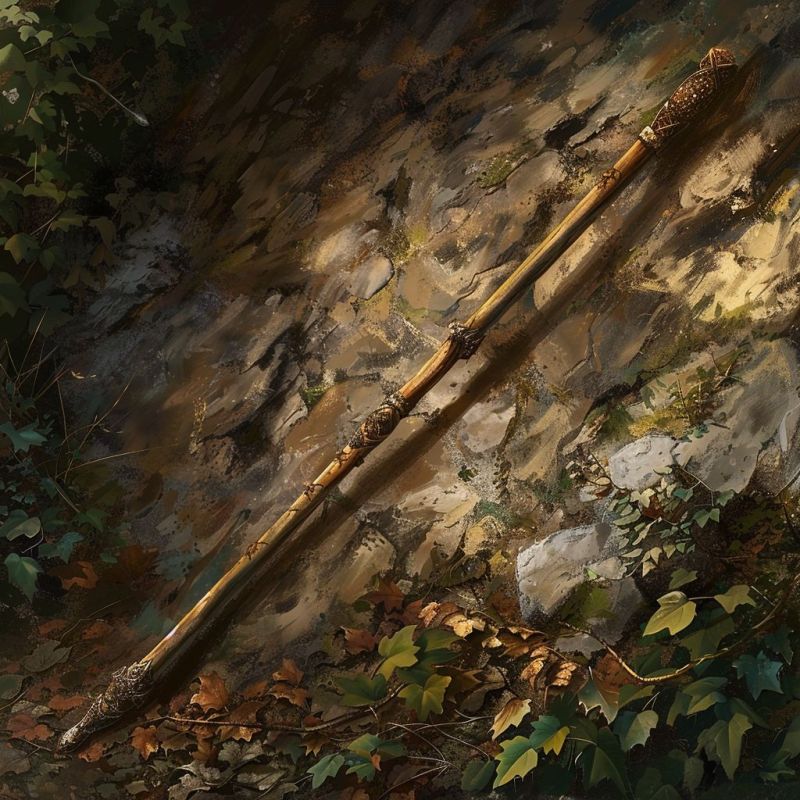 Quarterstaff0.2 gp
 -
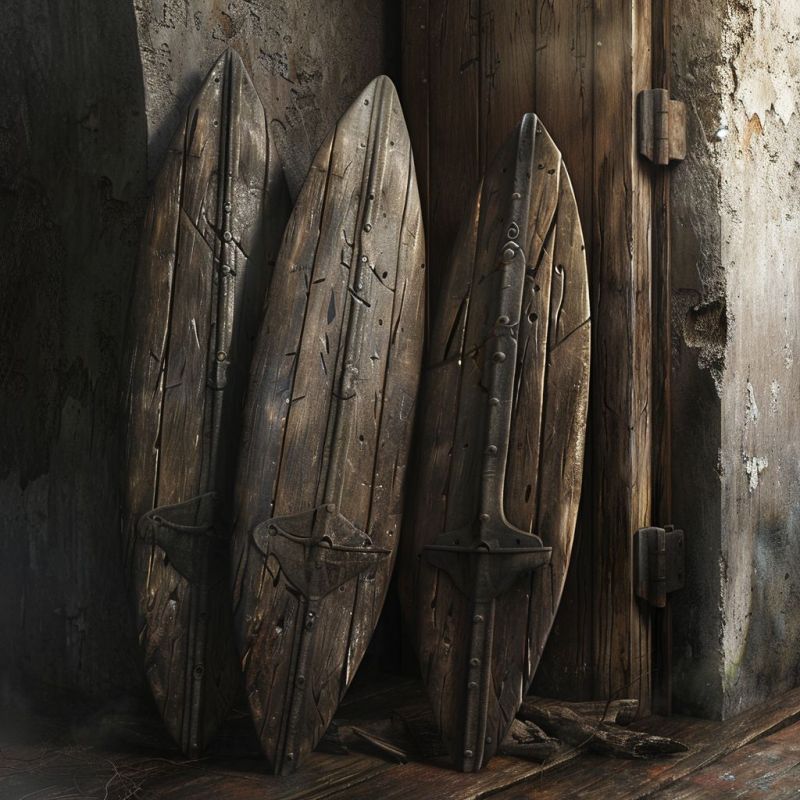 Kite Shield10 gp
 -
 Glue1 gp
 -
 Abacus2 gp
 -
 Woodworking Tools15 gp
 -
 Wooden Workbench20 gp
 -
 Feather0.01 gp
 -
 Wooden Arrow Shaft0.01 gp
 -
 Timber0.08 gp
 -
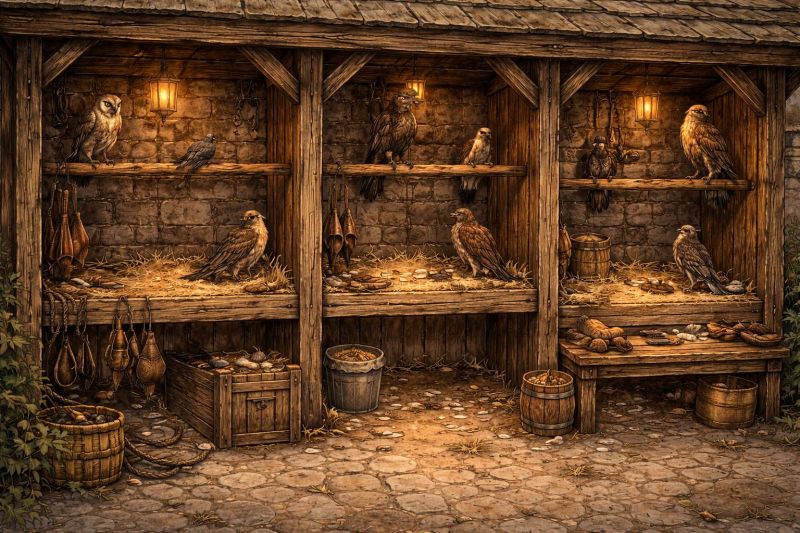 Bird Roost80 gp
 -
 Blowgun10 gp
 -
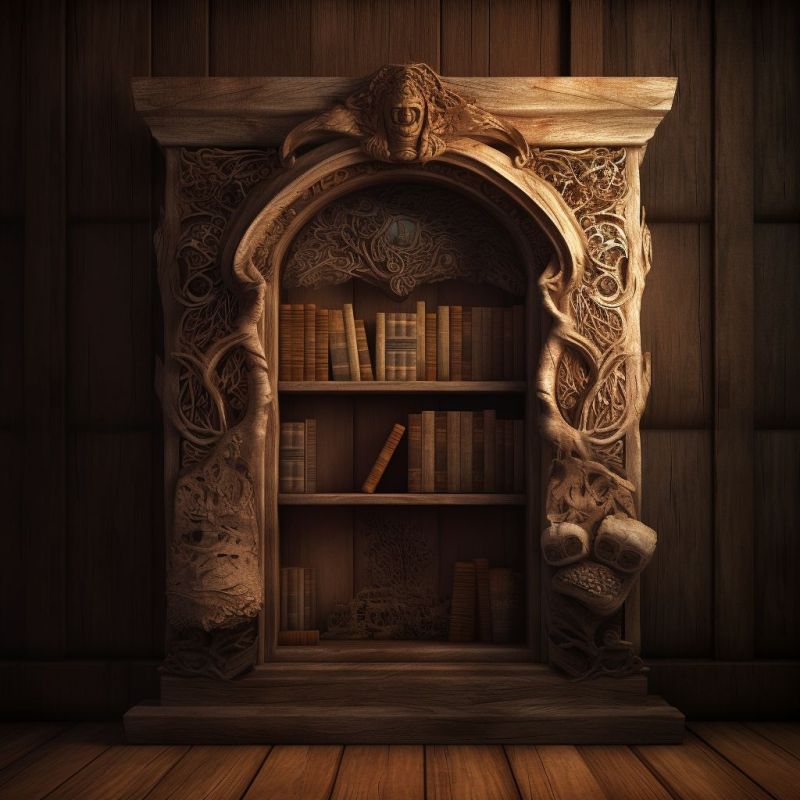 Bookshelf, Wooden5 gp
 -
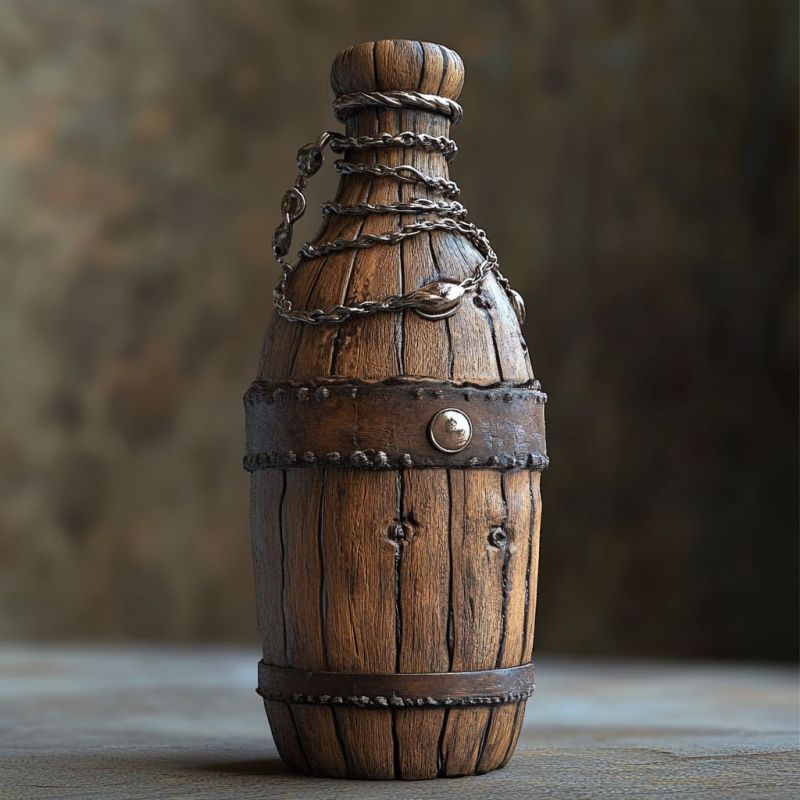 Bottle, Wooden0.75 gp
 -
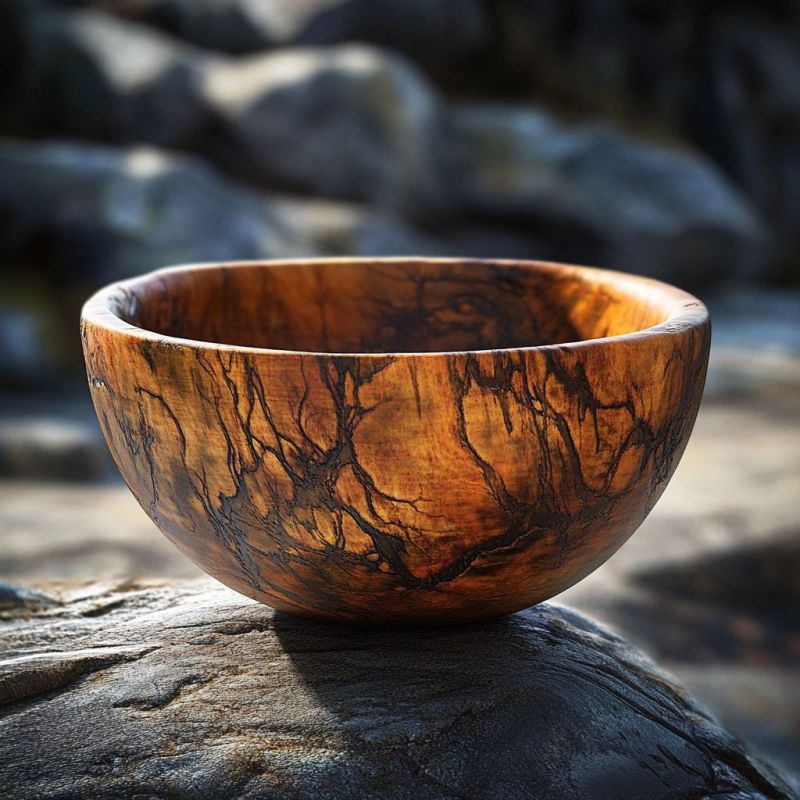 Bowl, Wooden0.25 gp
 -
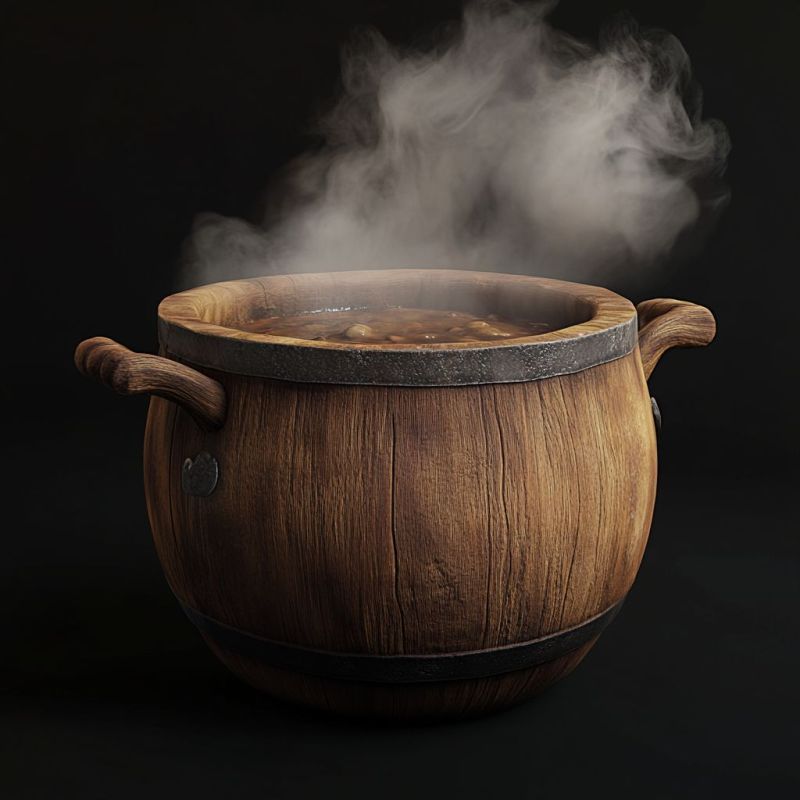 Pot, Wooden0.5 gp
 -
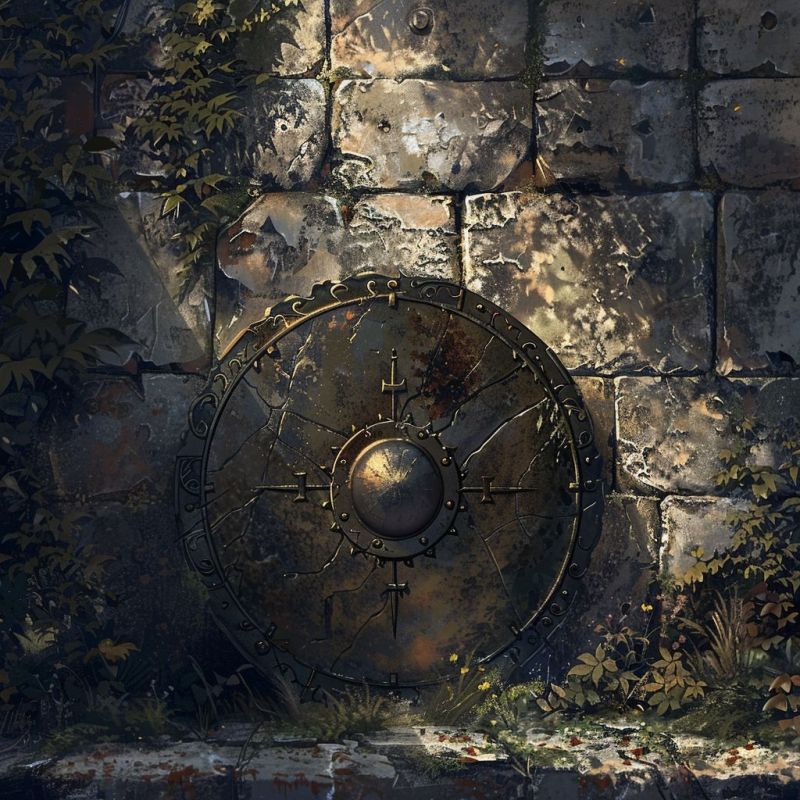 Buckler5 gp
 -
 Hard Hide0.5 gp
 -
 Soft Hide0.1 gp
 -
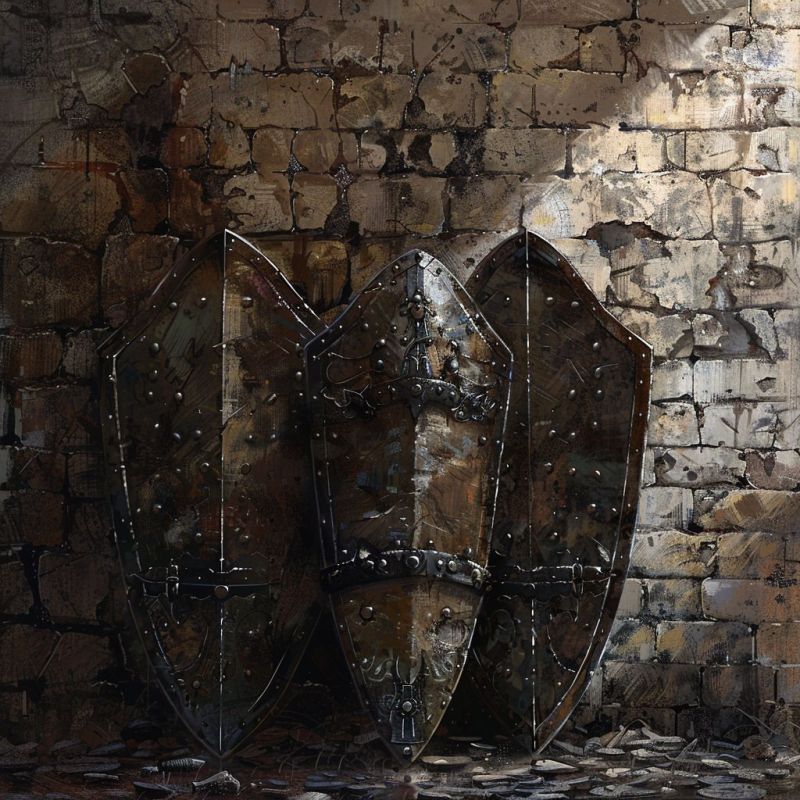 Cavalry Shield10 gp
 -
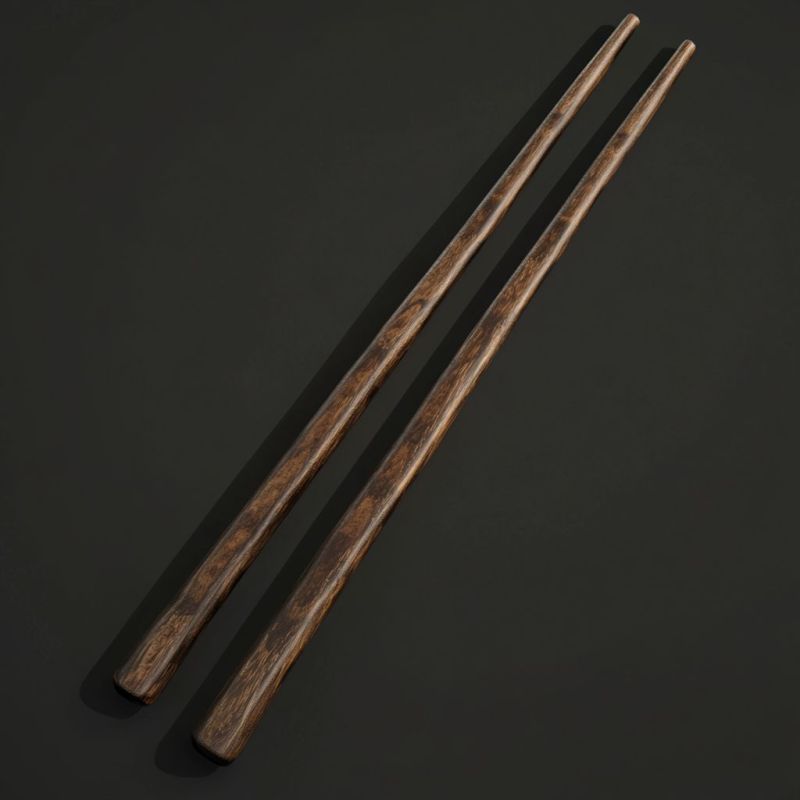 Chopsticks, Wooden0.05 gp
 -
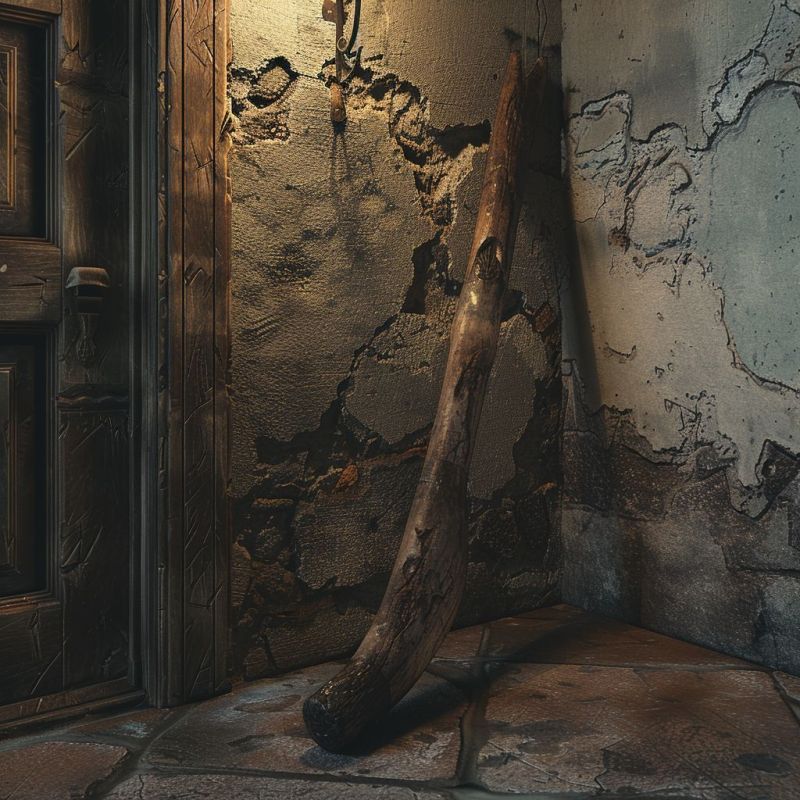 Club0.1 gp
 -
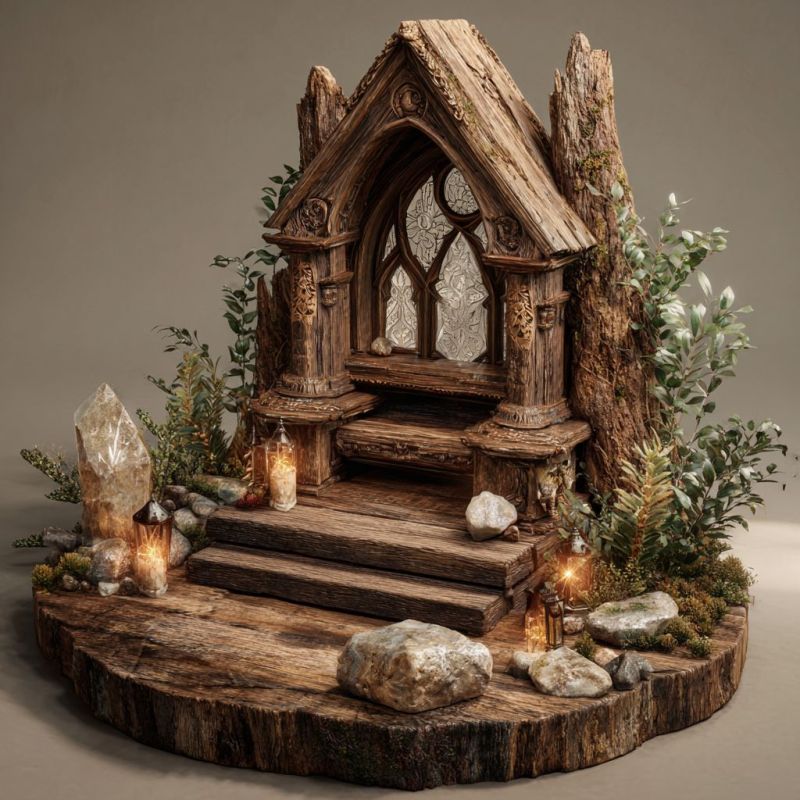 Alter, Wooden, Small50 gp
 -
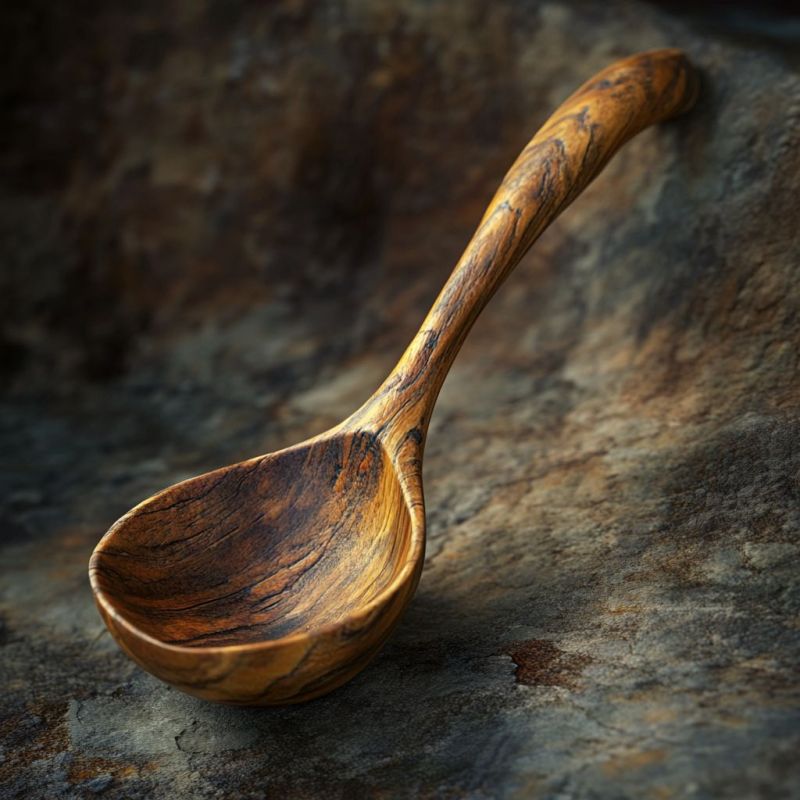 Ladle, Wooden0.2 gp
 -
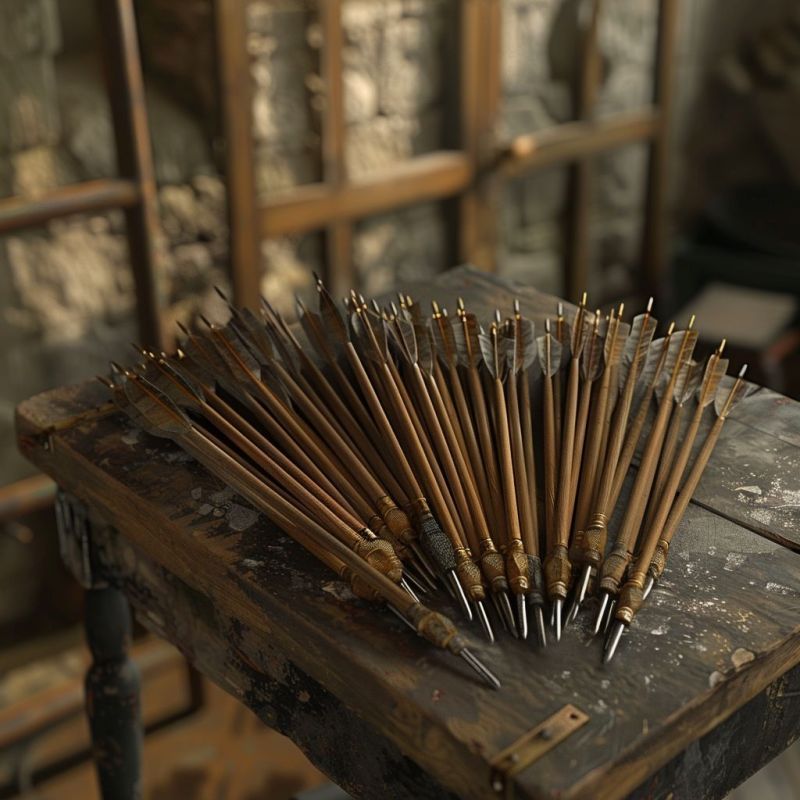 20 Arrow0.05 gp
 -
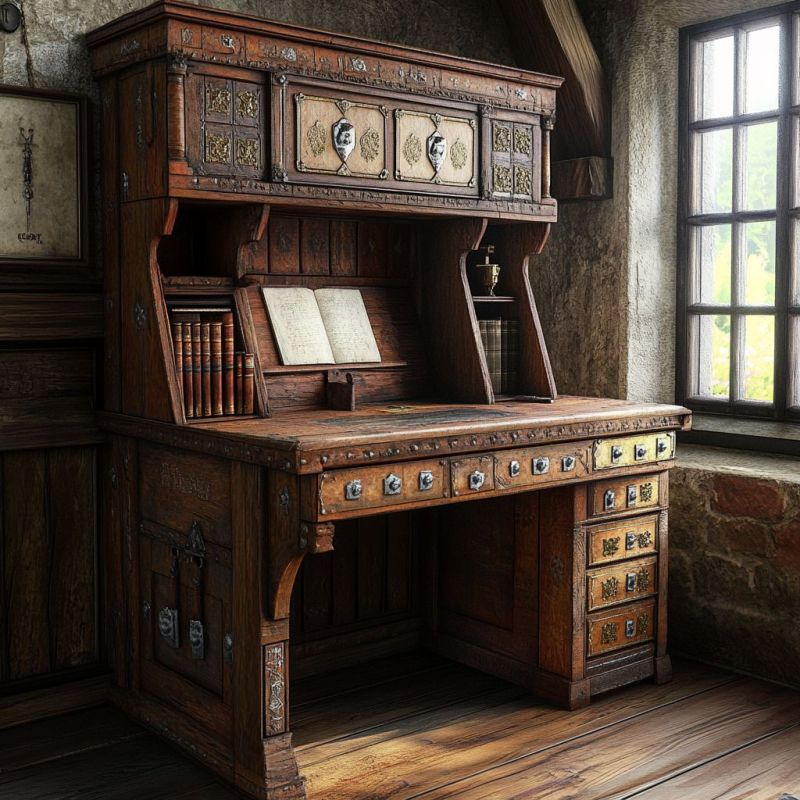 Desk, Wooden30 gp
 -
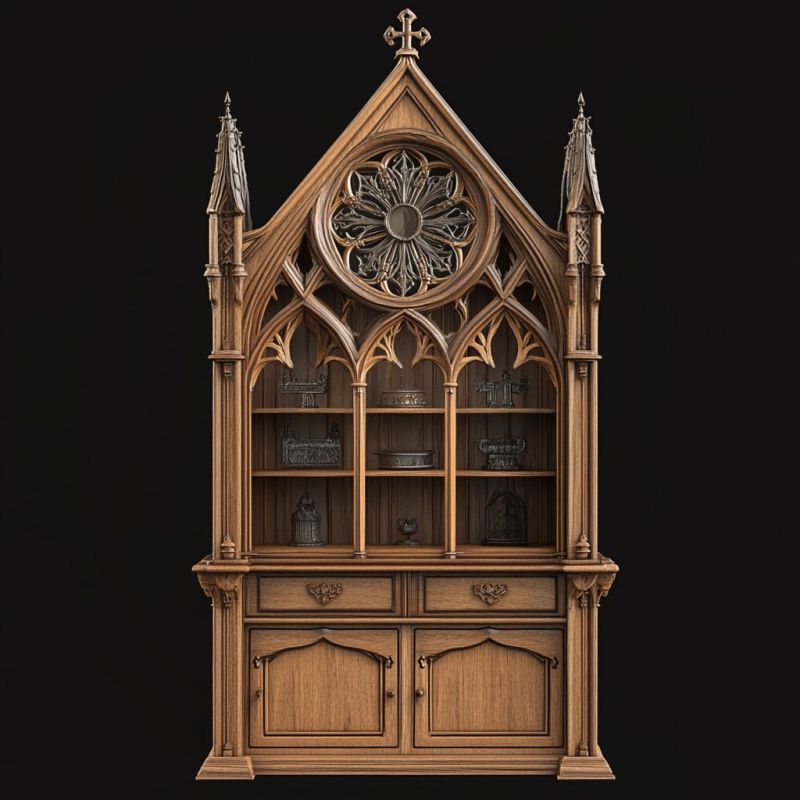 Curio Cabinet, Wooden40 gp
 -
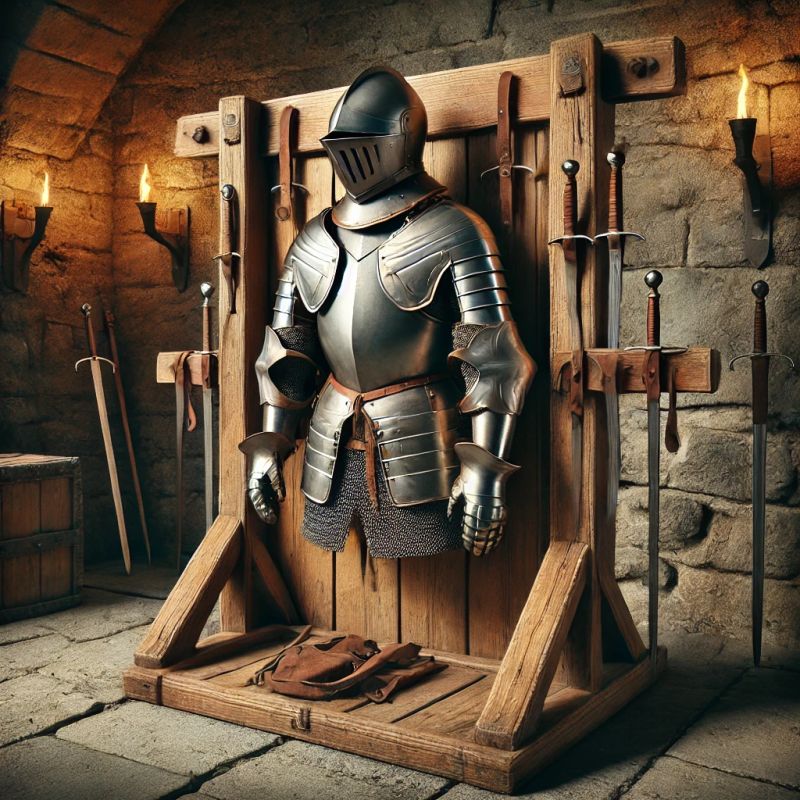 Armor Rack, Wooden30 gp
 -
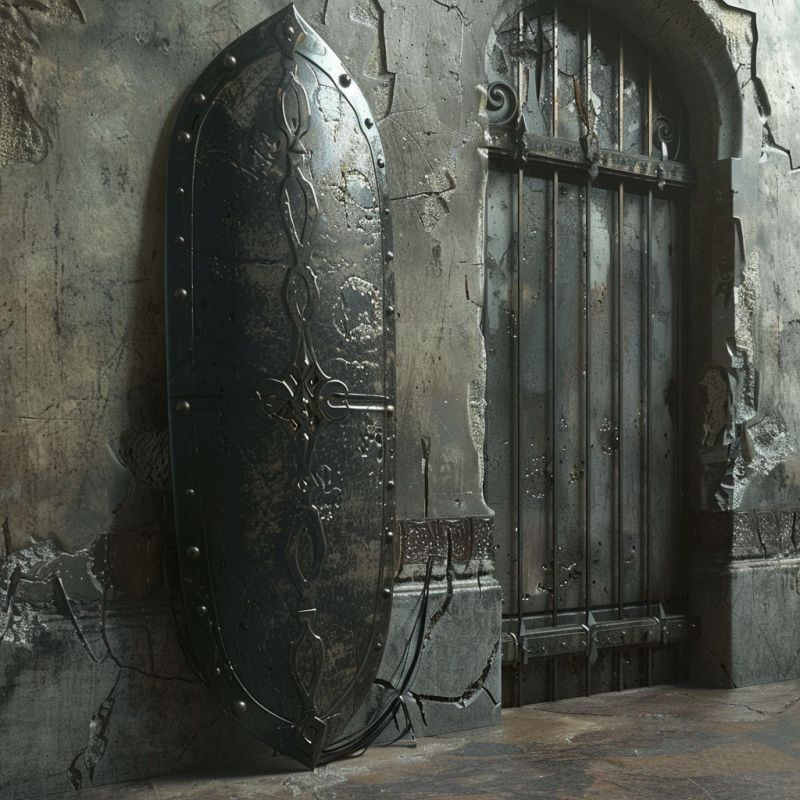 Tower Shield30 gp
 -
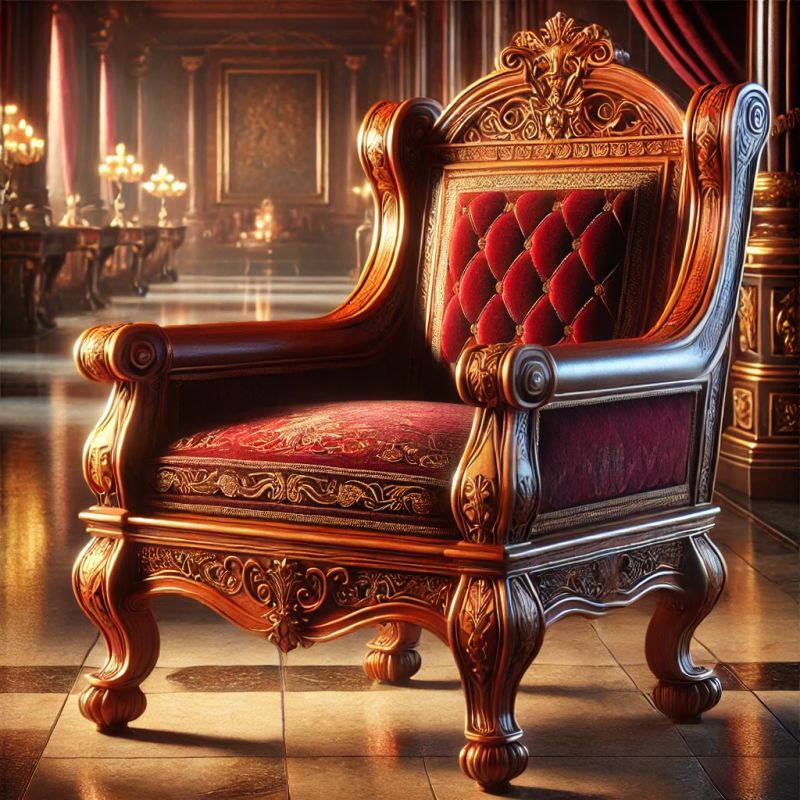 Chair, Wooden, Luxury5 gp
 -
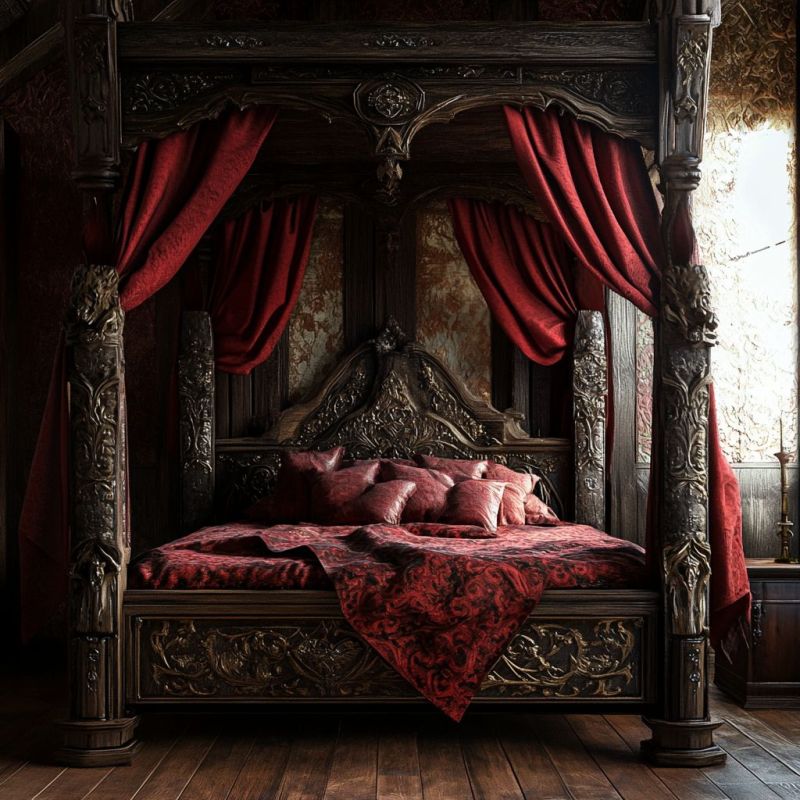 Bed, Wooden Luxury100 gp
 -
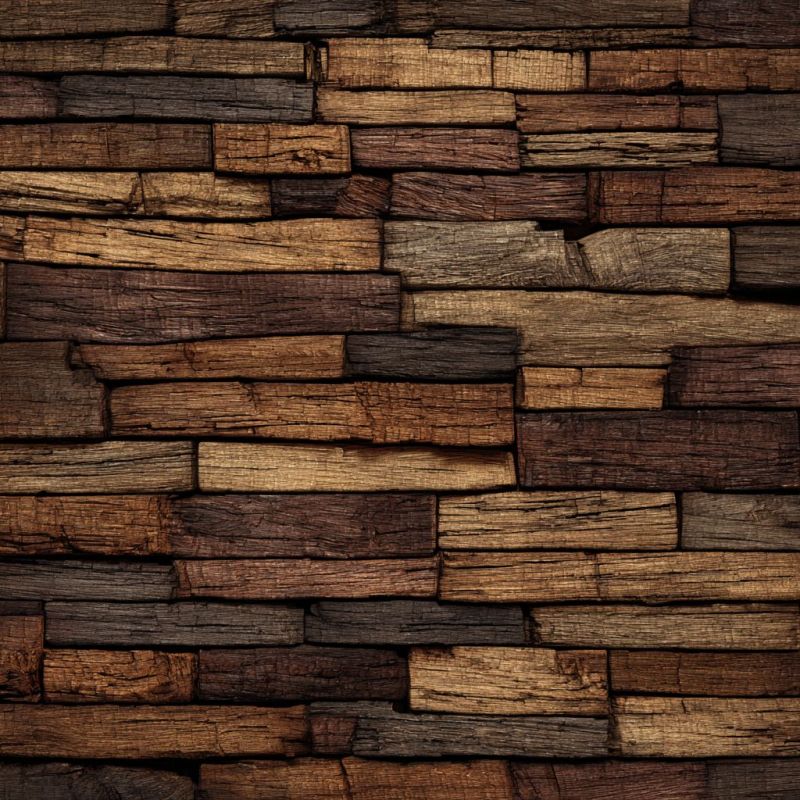 Wall, Large, Wooden100 gp
 -
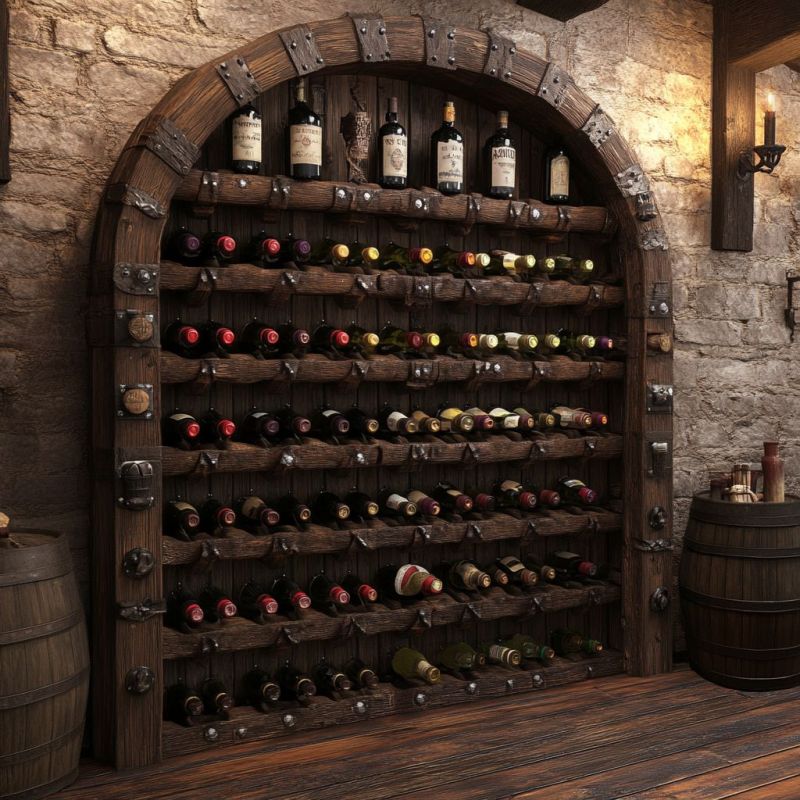 Wine Rack, Large, Wooden50 gp
 -
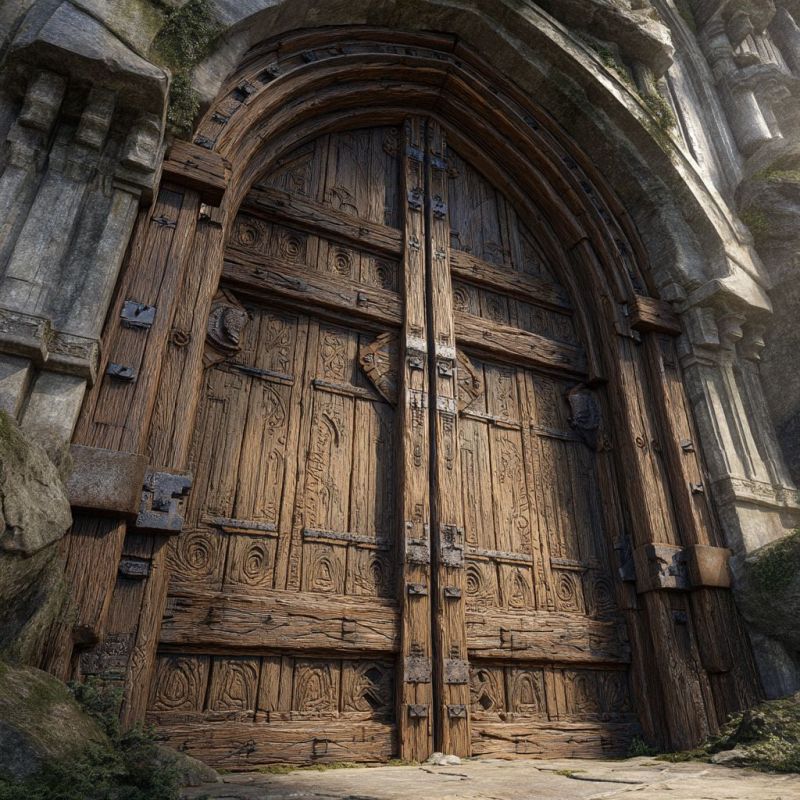 Door, Huge, Wooden300 gp
 -
 Body Sleigh8 gp
 -
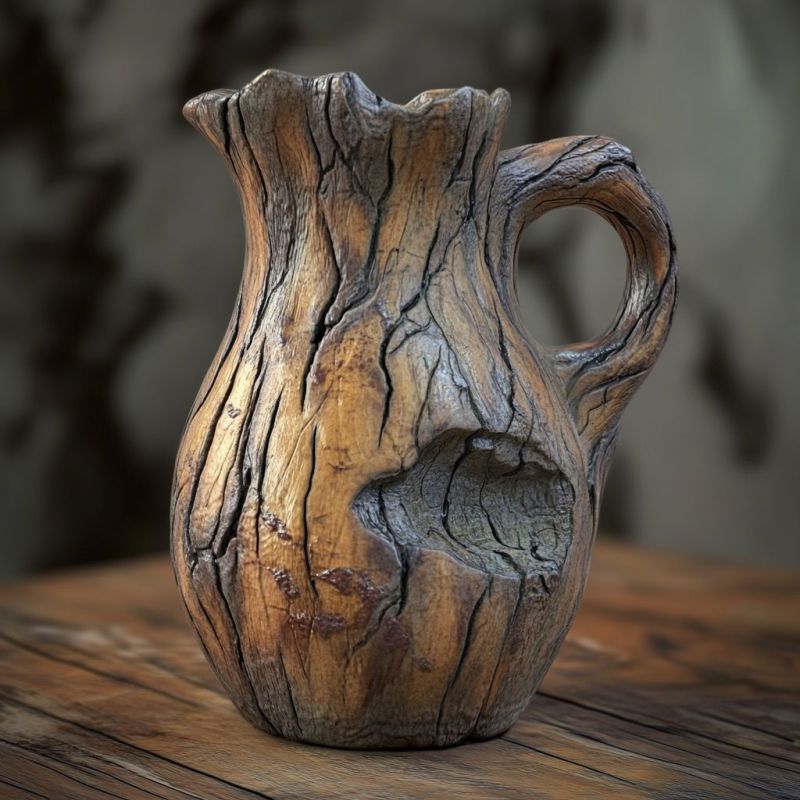 Jug, Wood0.3 gp
 -
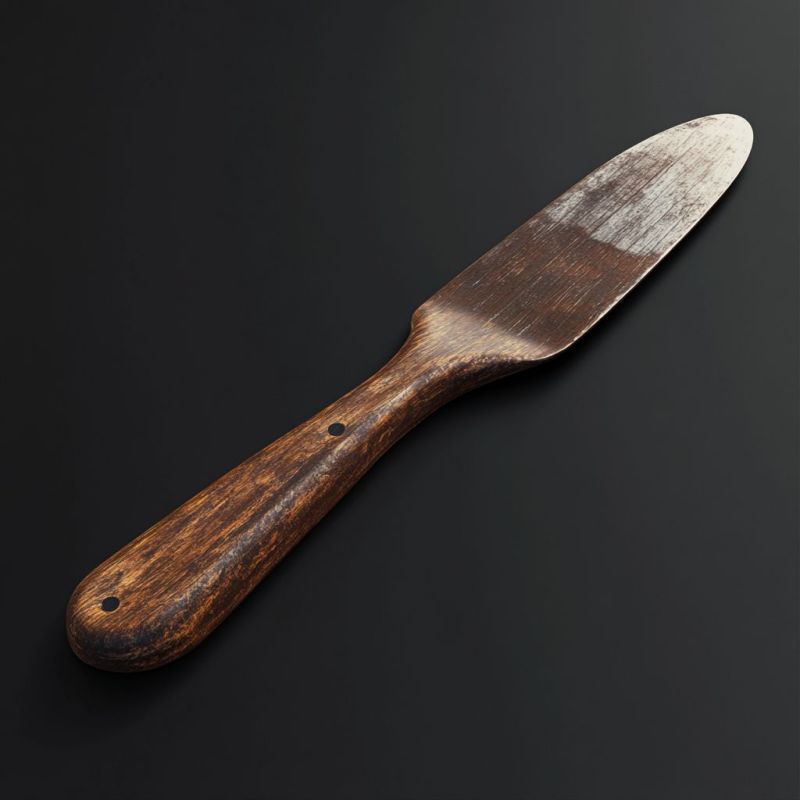 Knife, Wooden0.05 gp
 -
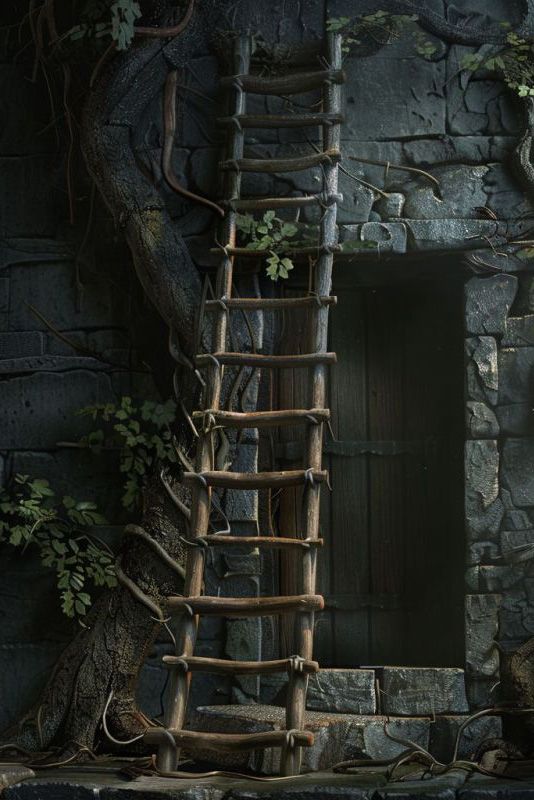 Ladder, 10 feet0.8 gp
 -
 Wall, Medium, Wooden40 gp
 -
 Door, Large, Wooden15 gp
 -
 Light Shield5 gp
 -
 Bowstring0.2 gp
 -
 Longbow50 gp
 -
 Loom30 gp
 -
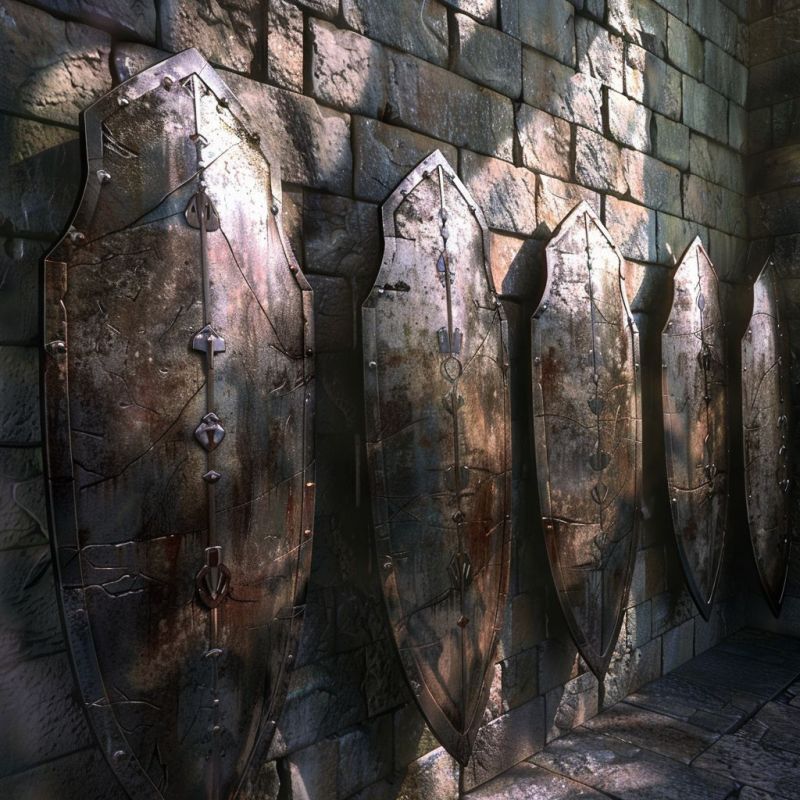 Medium Shield10 gp
 -
 Glass Pane0.6 gp
 -
 Window, Indoors, Medium5 gp
 -
 Window, Indoors, Medium, Tall5 gp
 -
 Window, Indoors, Medium, Wide5 gp
 -
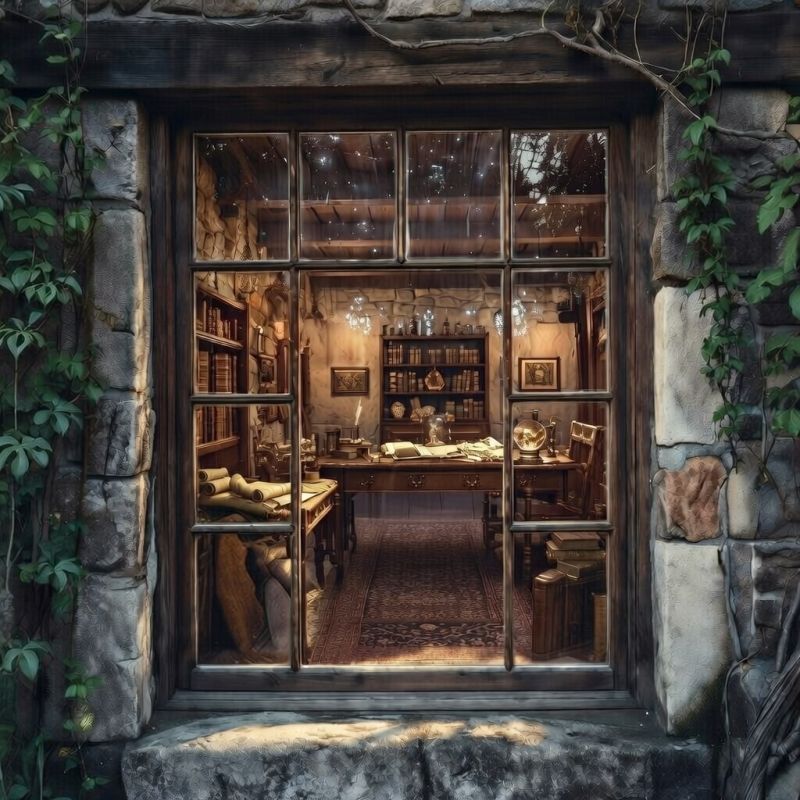 Window, Outdoors, Medium5 gp
 -
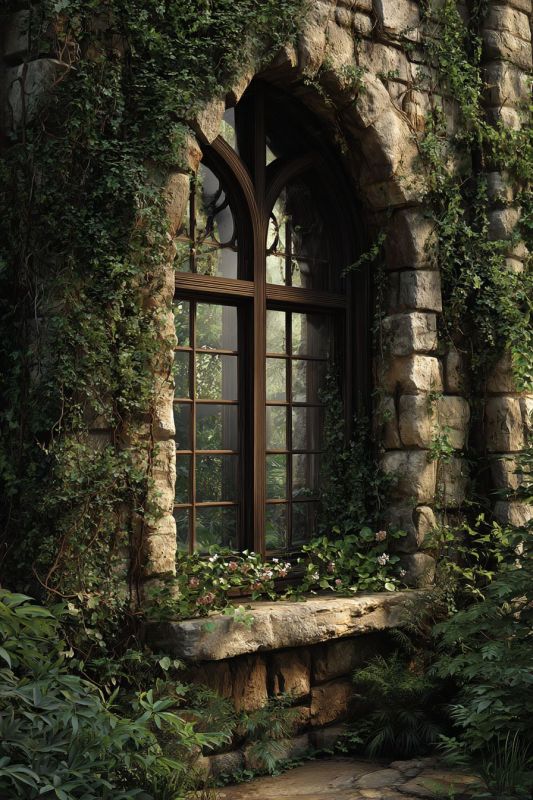 Window, Outdoors, Medium, Tall5 gp
 -
 Window, Outdoors, Medium, Wide5 gp
 -
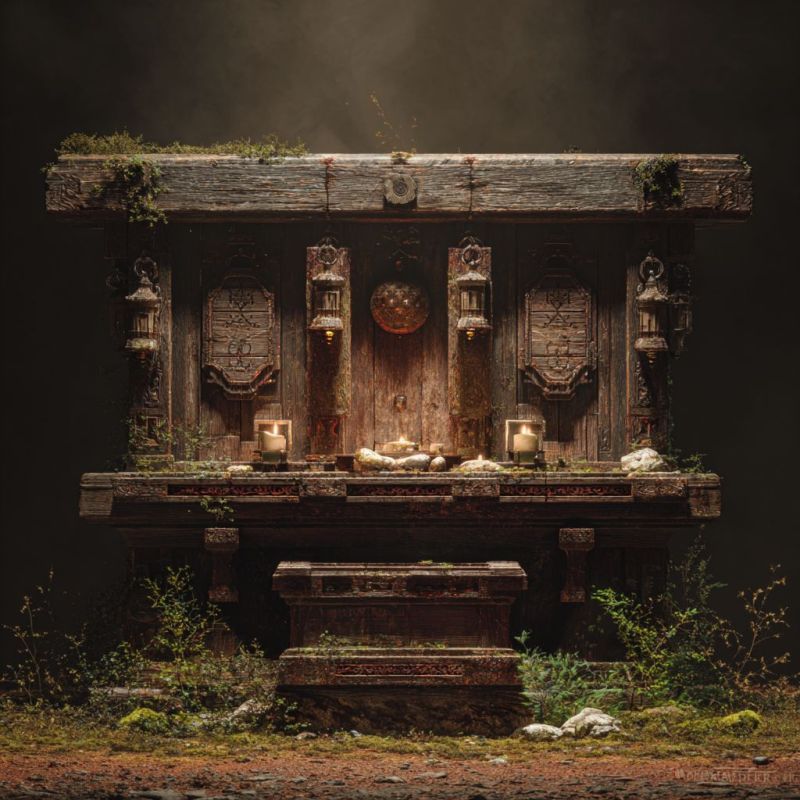 Alter, Wooden100 gp
 -
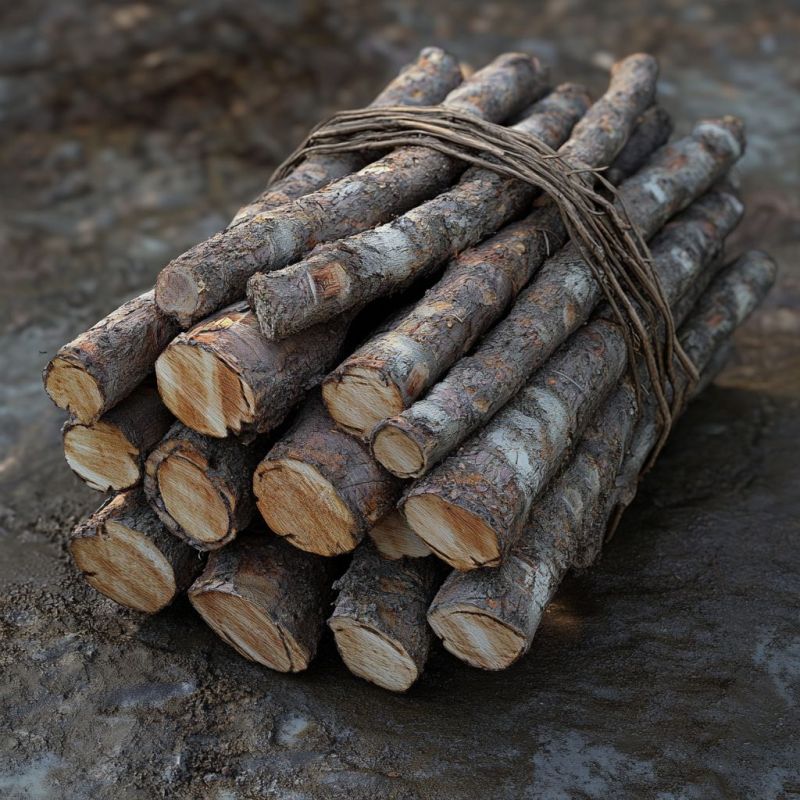 Firewood0.1 gp
 -
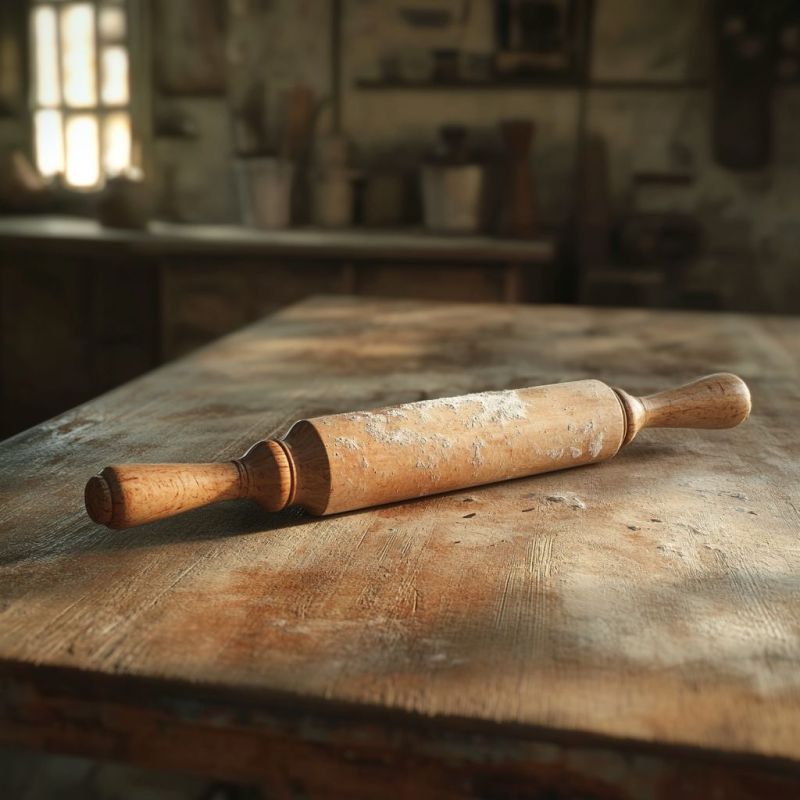 Rolling Pin, Wooden0.3 gp
 -
 Quill Pen0.2 gp
 -
 Rain Catcher0.5 gp
 -
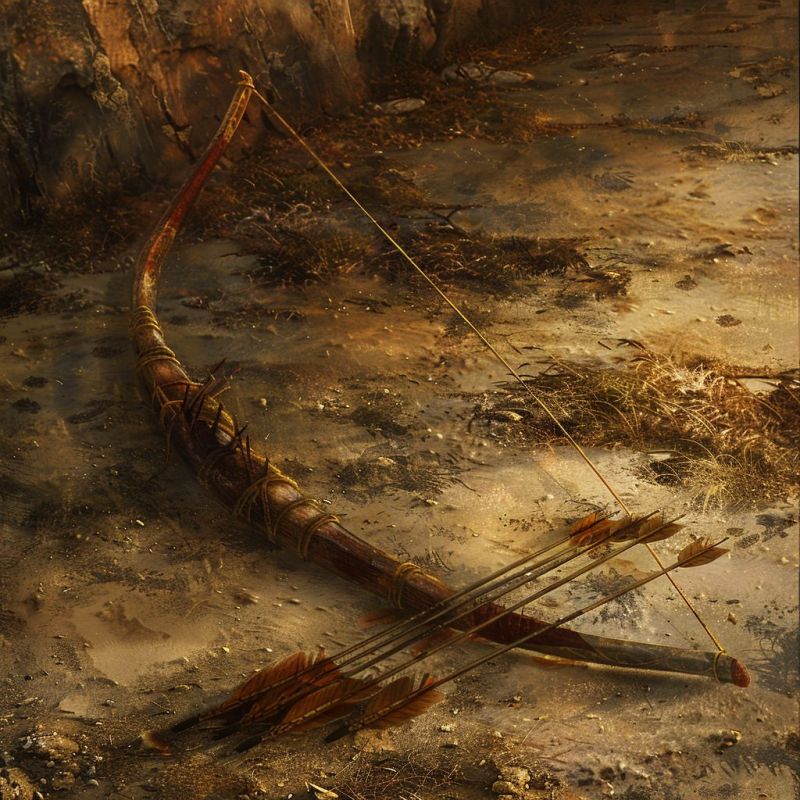 Shortbow25 gp
 -
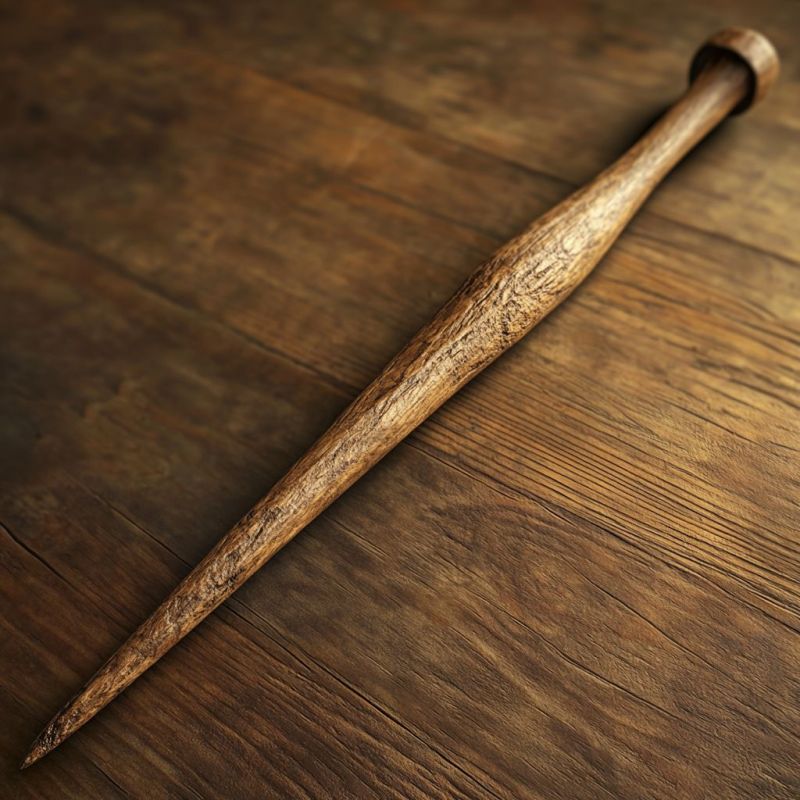 Skewer, Wooden0.02 gp
 -
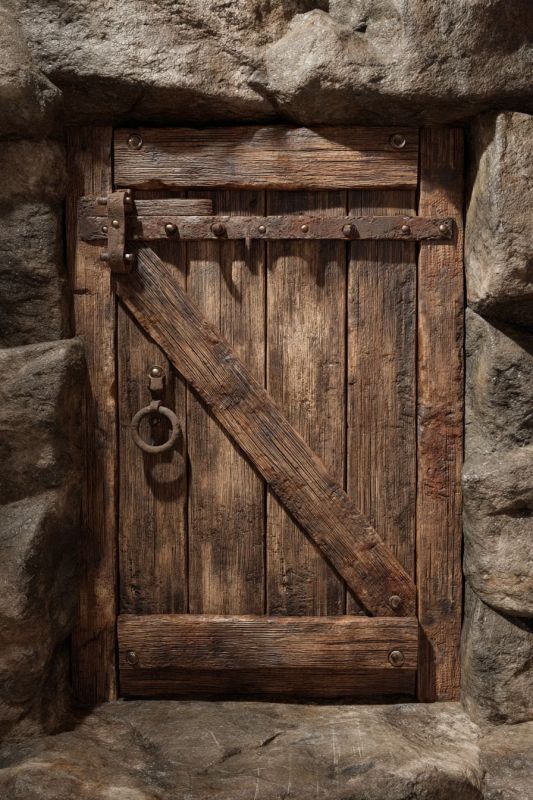 Door, Small, Wooden10 gp
 -
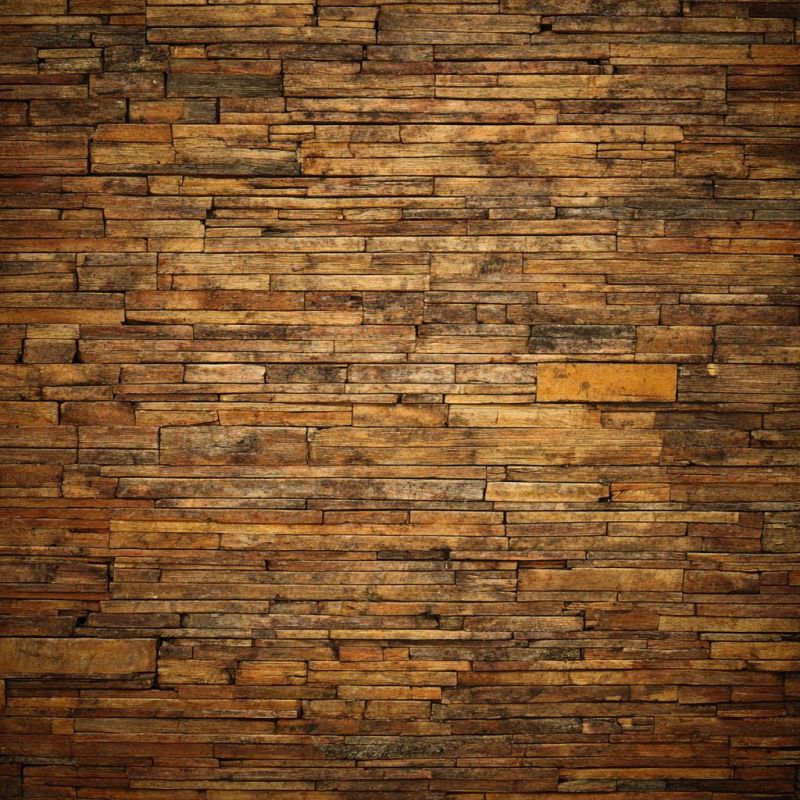 Wall, Small, Wooden15 gp
 -
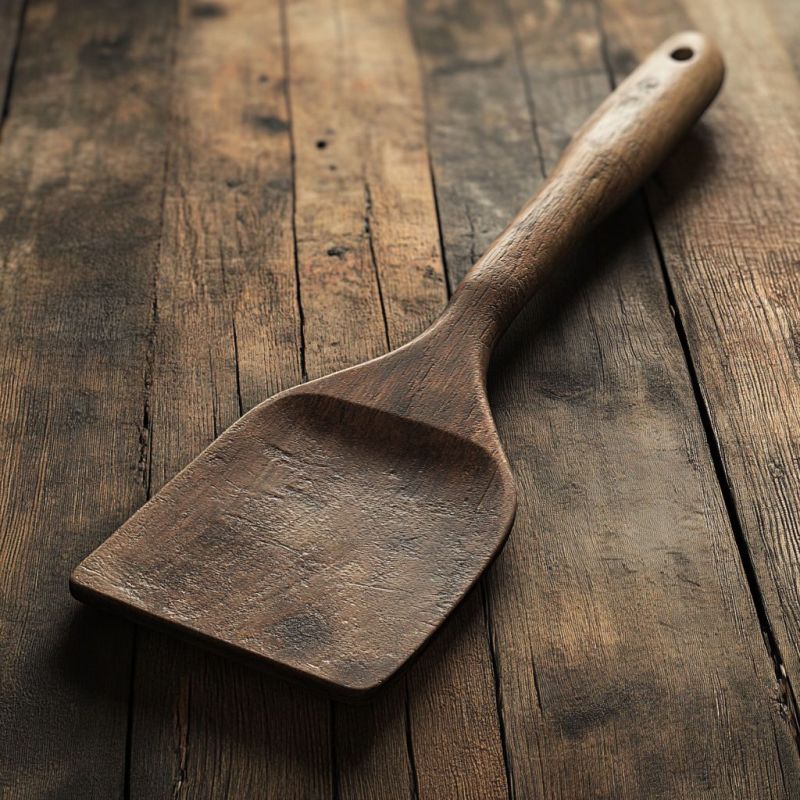 Spatula, Wooden0.02 gp
 -
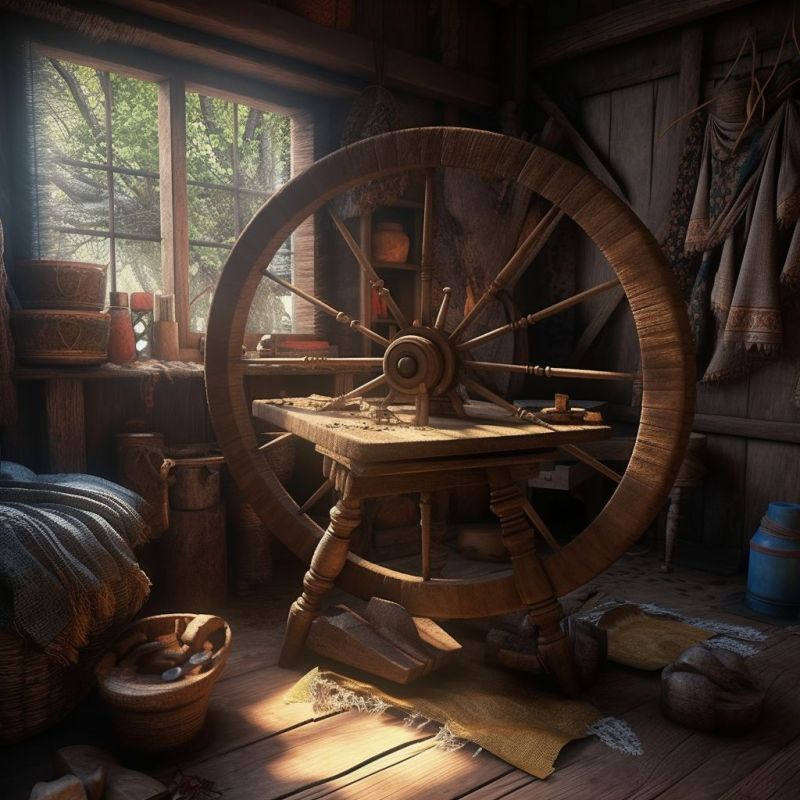 Spinning Wheel20 gp
 -
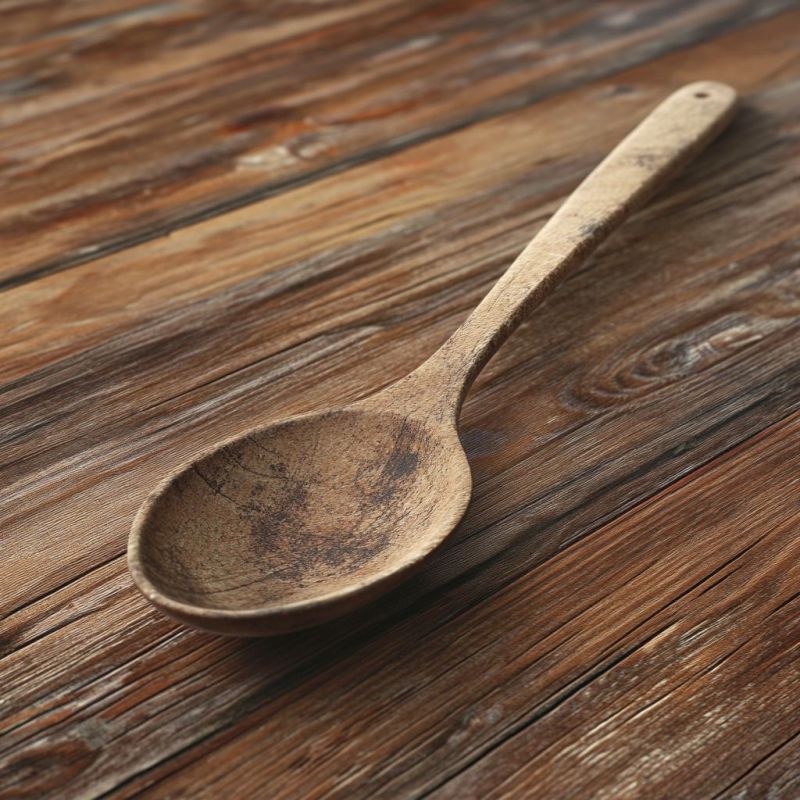 Spoon, Wooden0.05 gp
 -
 Incense, stick0.1 gp
 -
 Wand2 gp
 -
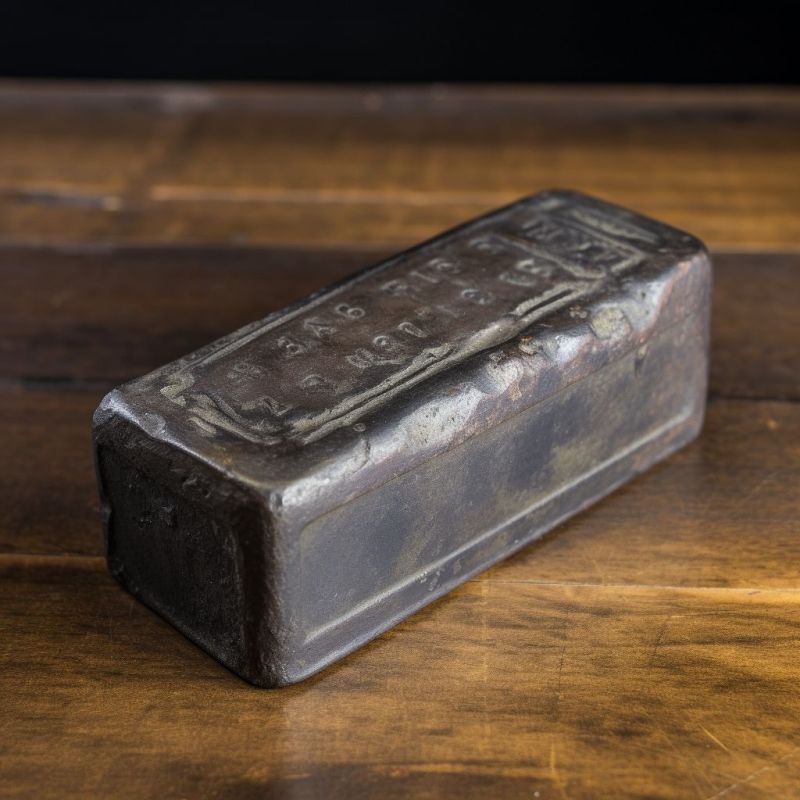 Iron Ingot0.15 gp
 -
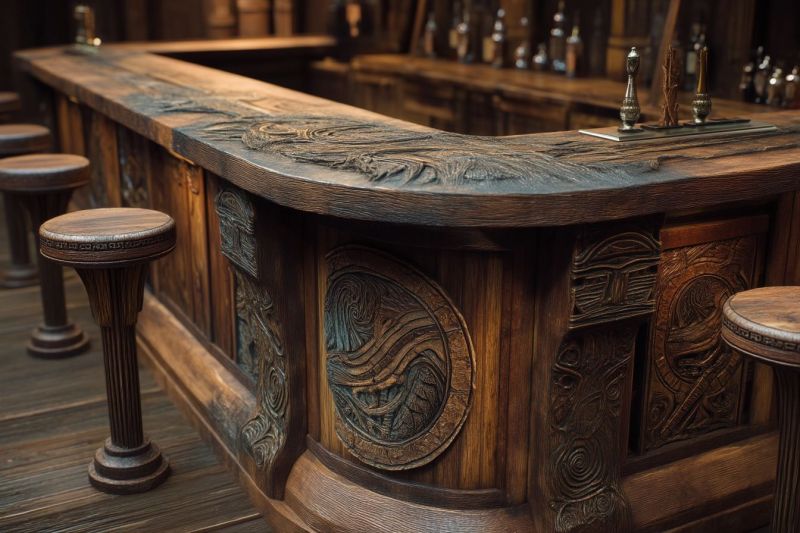 Countertop, Wooden70 gp
 -
 Altar, Large, Wooden10 gp
 -
 Baby Rattle, Wooden0.3 gp
 -
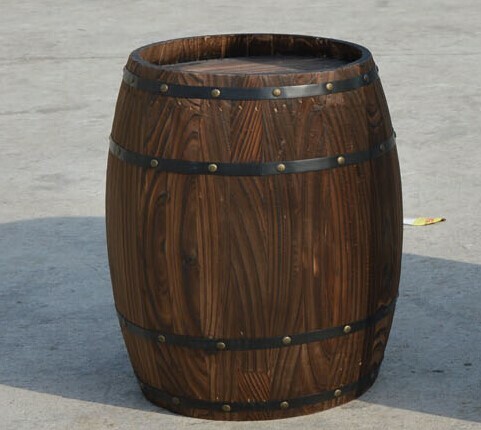 Barrel, Wooden2 gp
 -
 Bed, Wooden30 gp
 -
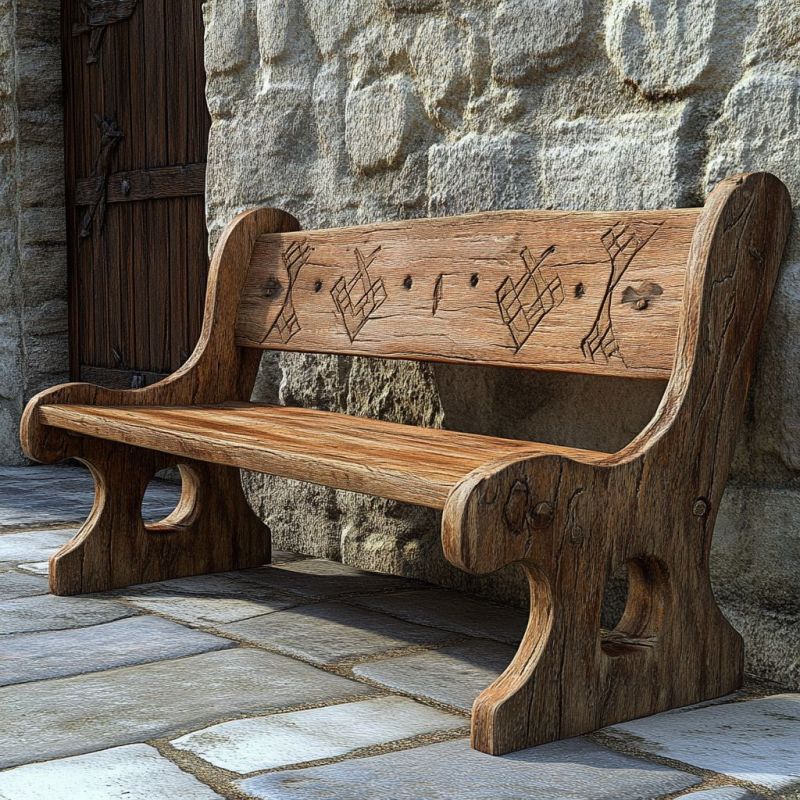 Bench, Wooden12 gp
 -
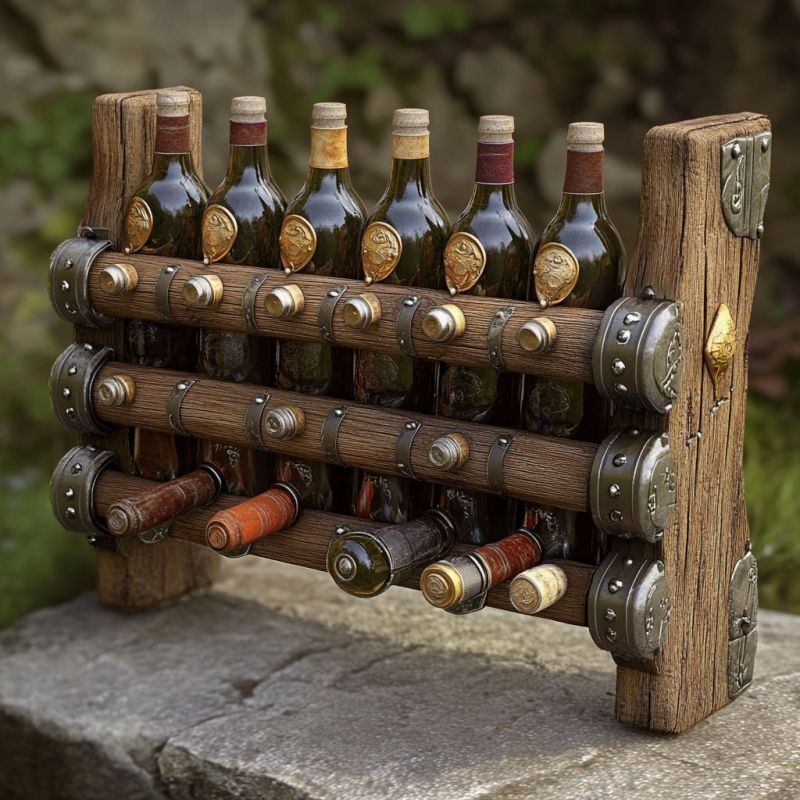 Bottlerack, Wooden8 gp
 -
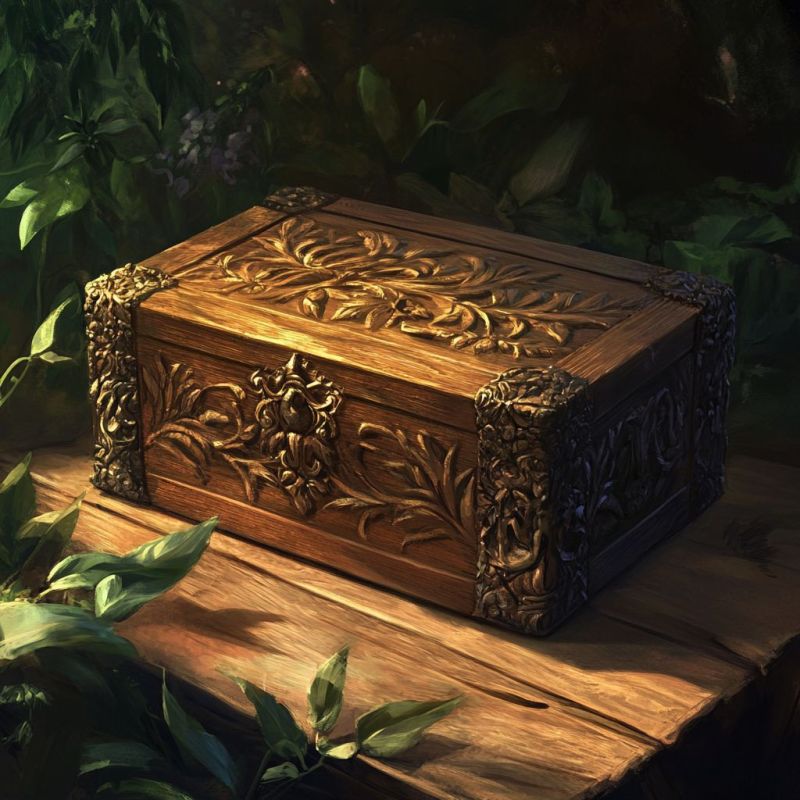 Box, Wooden1 gp
 -
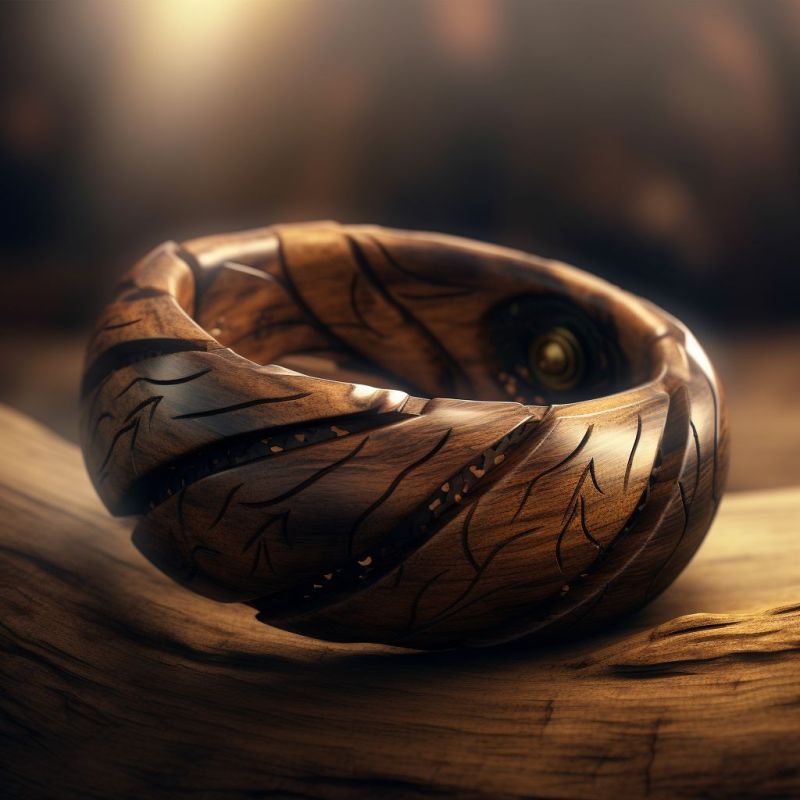 Bracelet, Wooden0.5 gp
 -
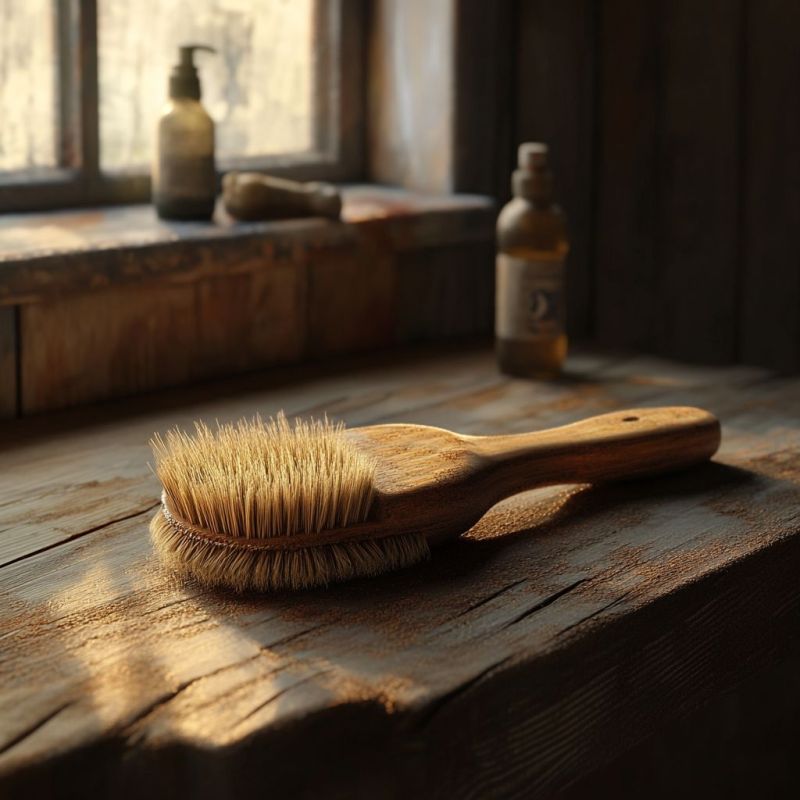 Brush, Wooden0.2 gp
 -
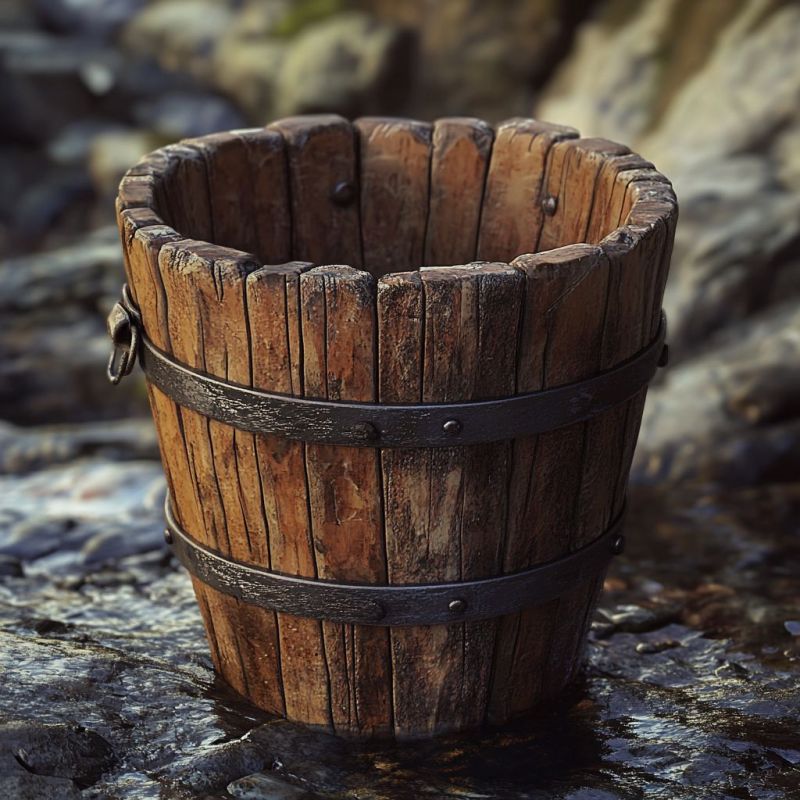 Bucket, Wooden0.25 gp
 -
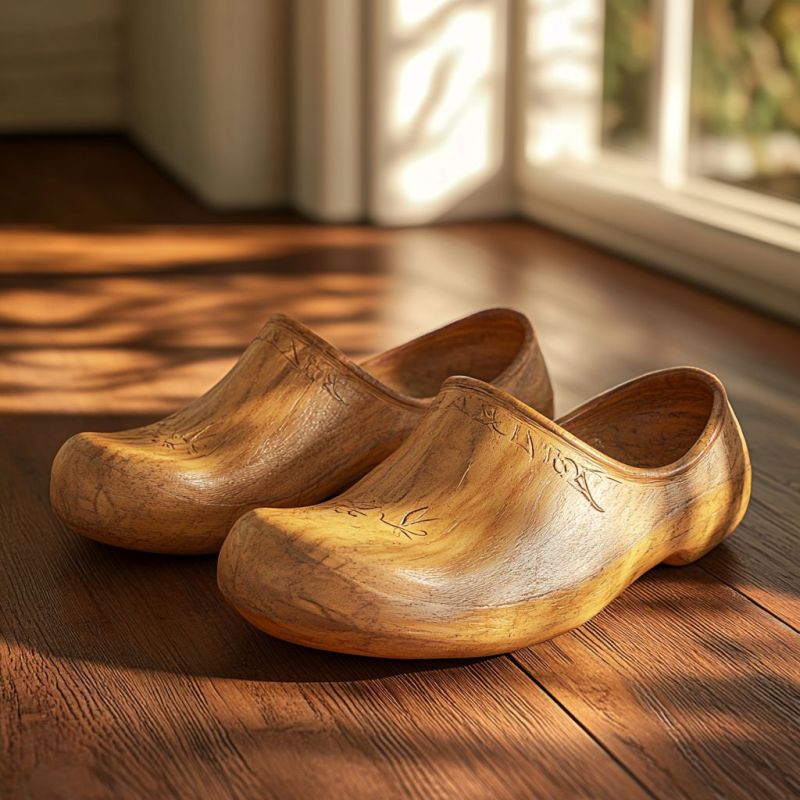 Wooden Clogs0.4 gp
 -
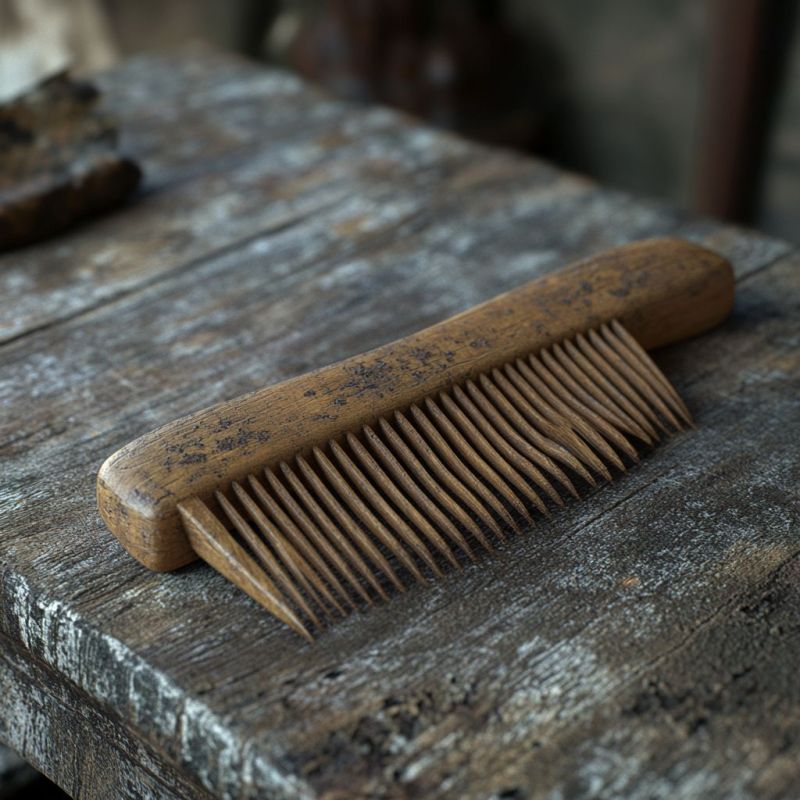 Comb, Wooden0.2 gp
 -
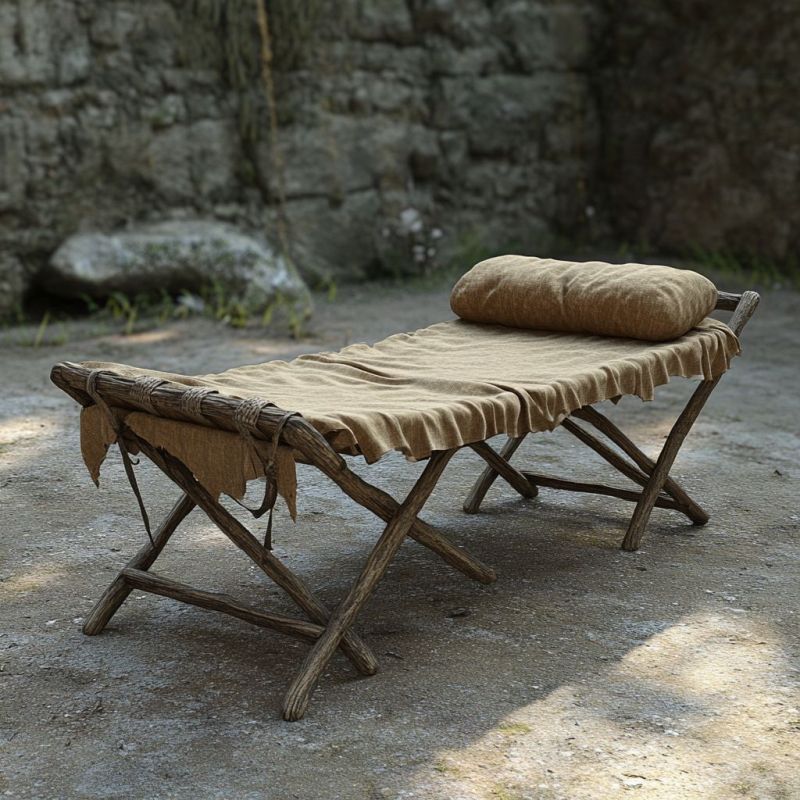 Cot, Wooden10 gp
 -
 Fire Starter10 gp
 -
 Dart0.05 gp
 -
 Fishing Tools1 gp
 -
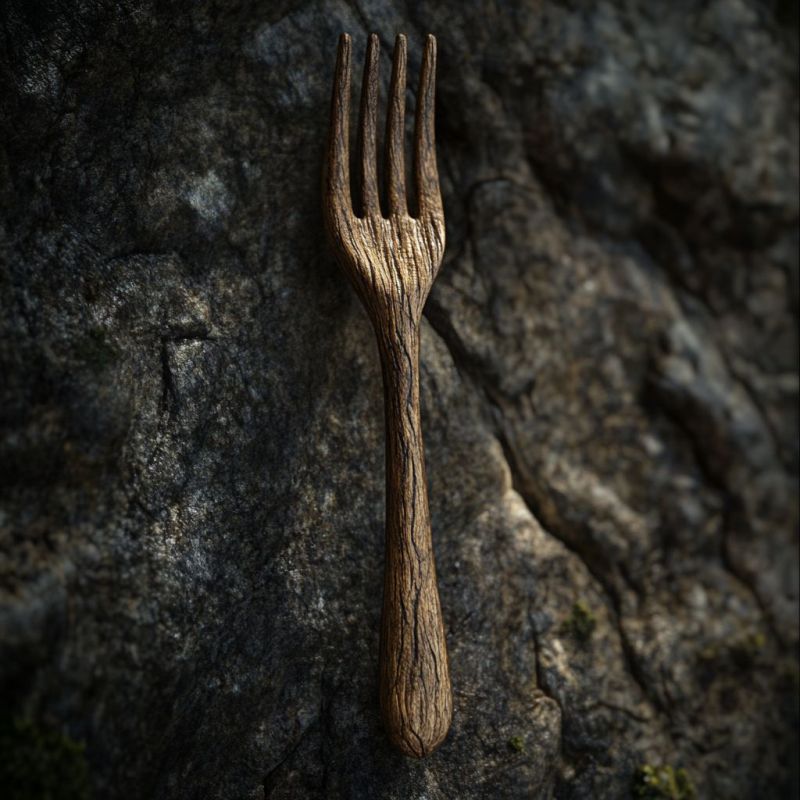 Fork, Wooden0.05 gp
 -
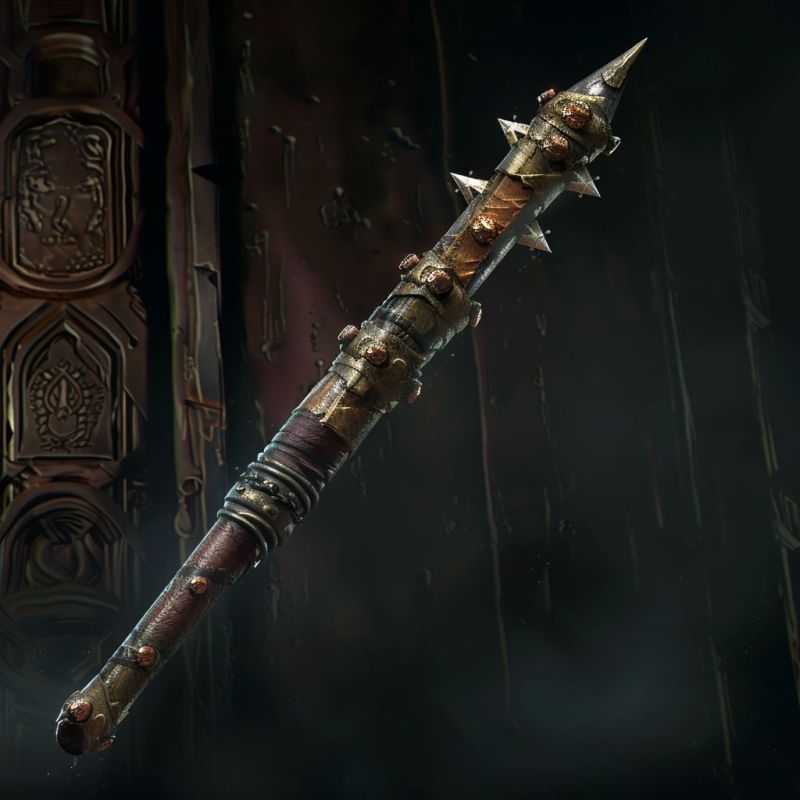 Greatclub0.2 gp
 -
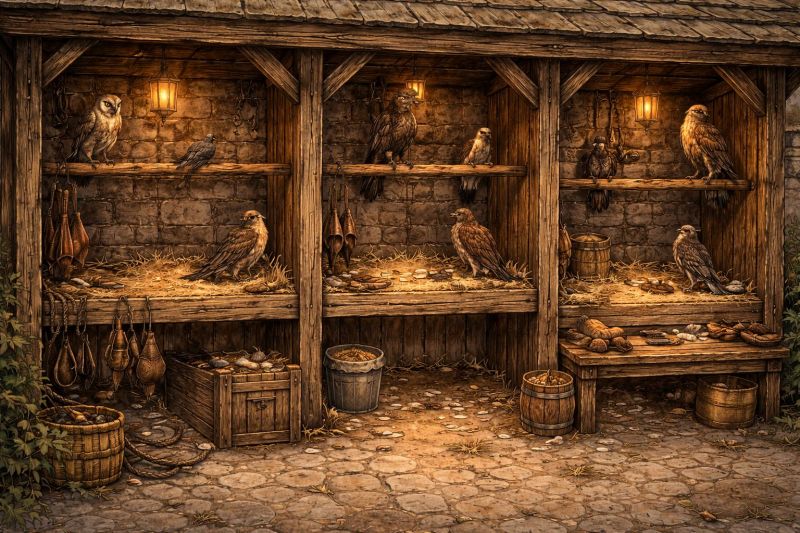 Bird Coop150 gp
 -
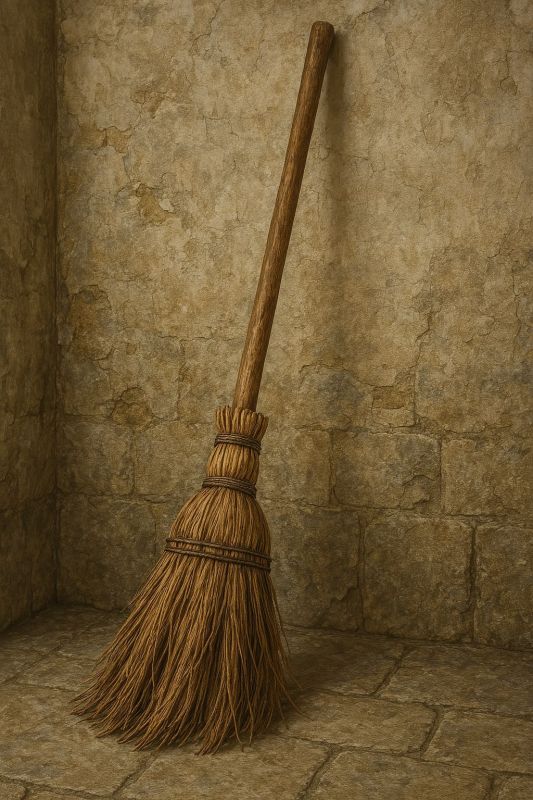 Broom0.5 gp
 -
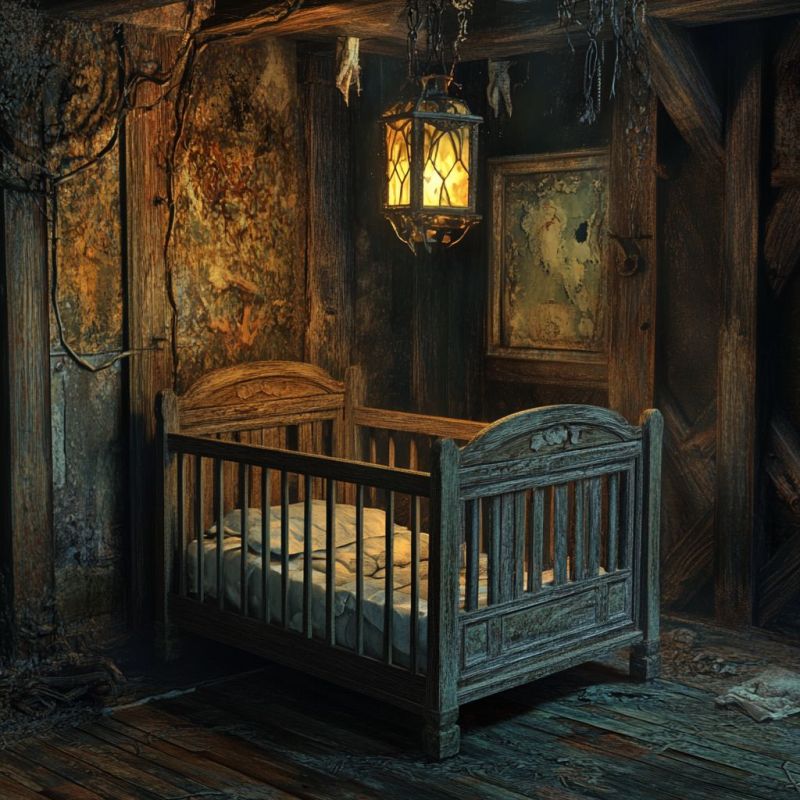 Crib, Wooden5 gp
 -
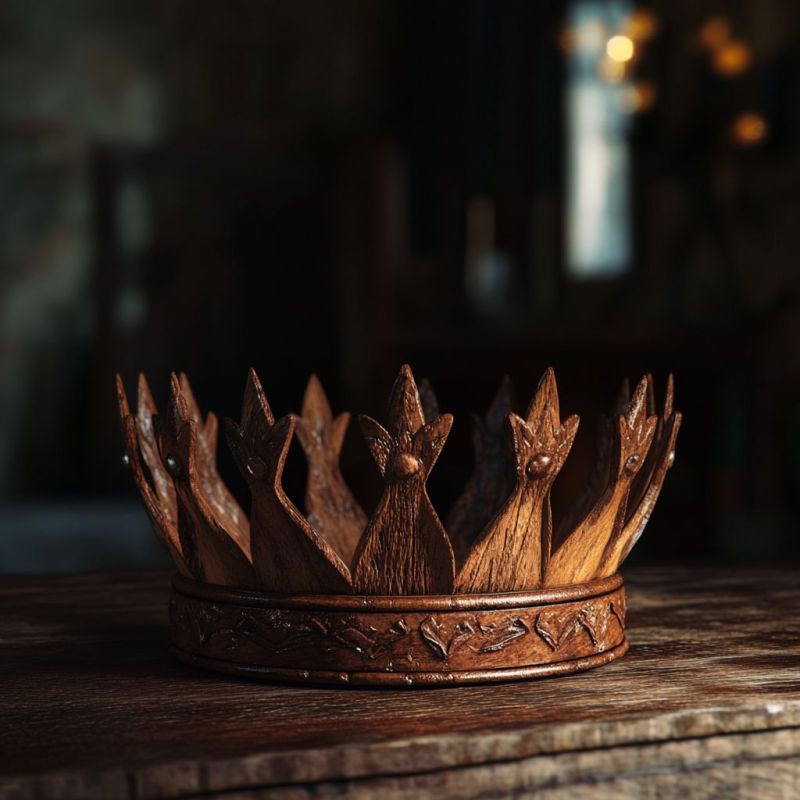 Crown, Wooden0.5 gp
 -
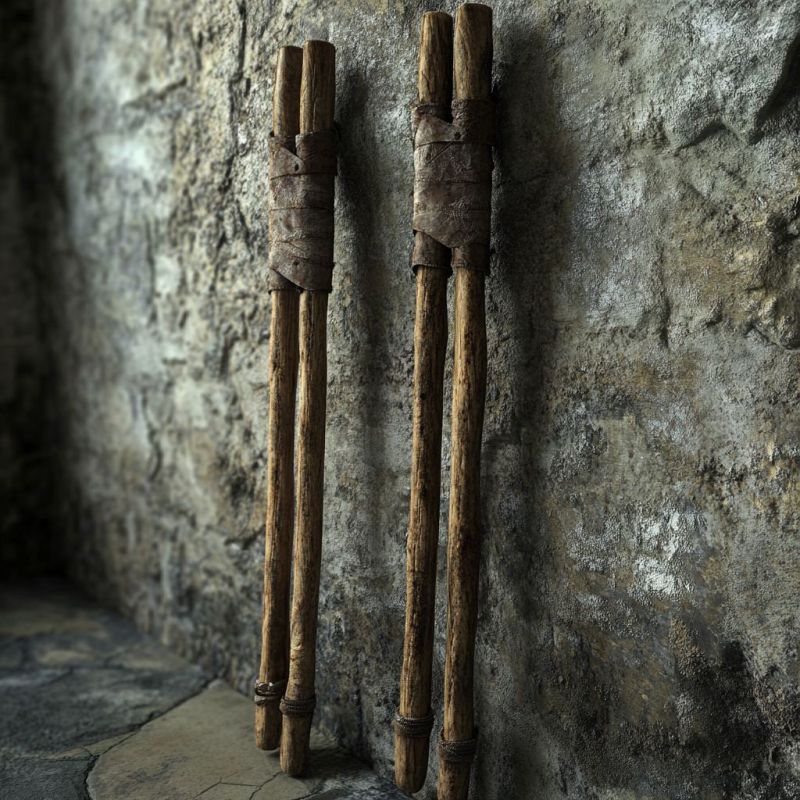 Crutches, Wooden10 0.5 gp
 -
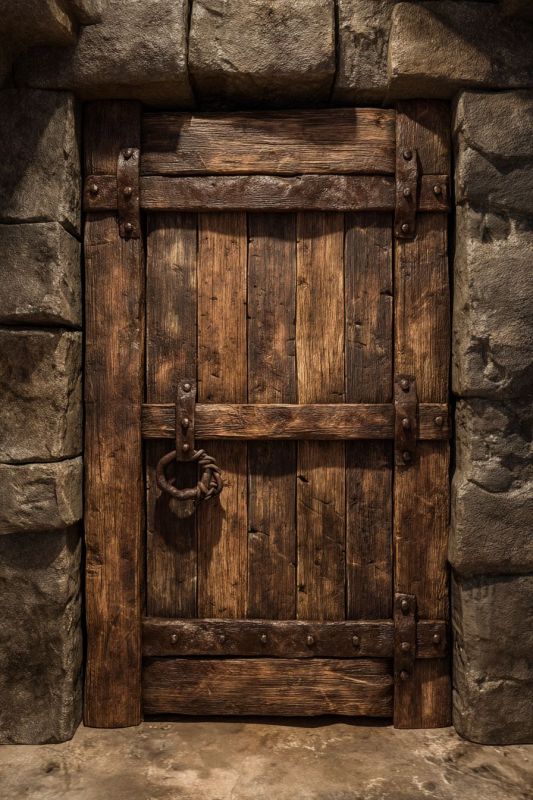 Door, Wooden10 gp
 -
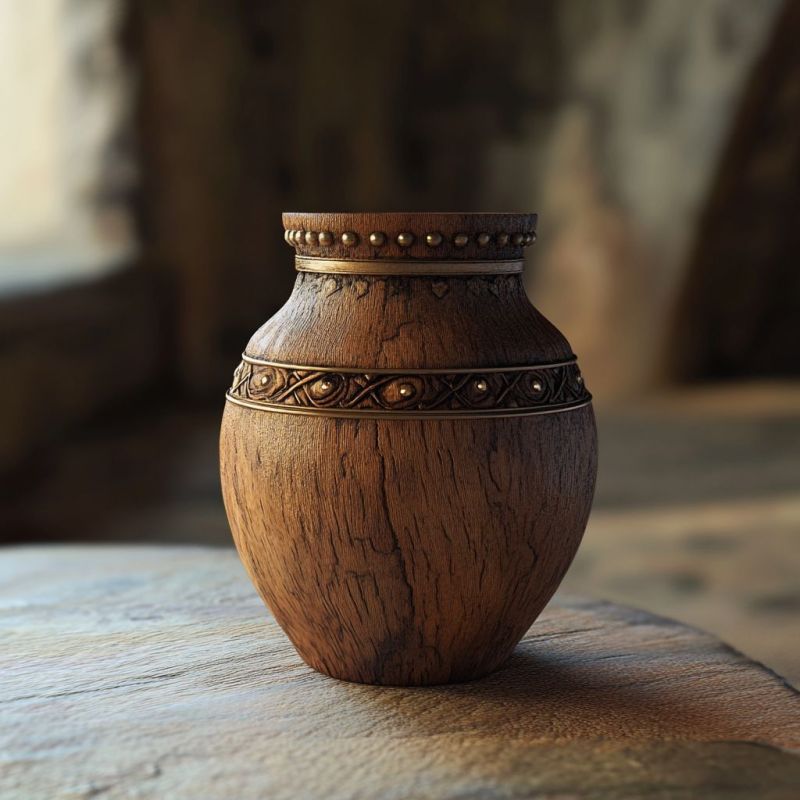 Jar, Wooden0.3 gp
 -
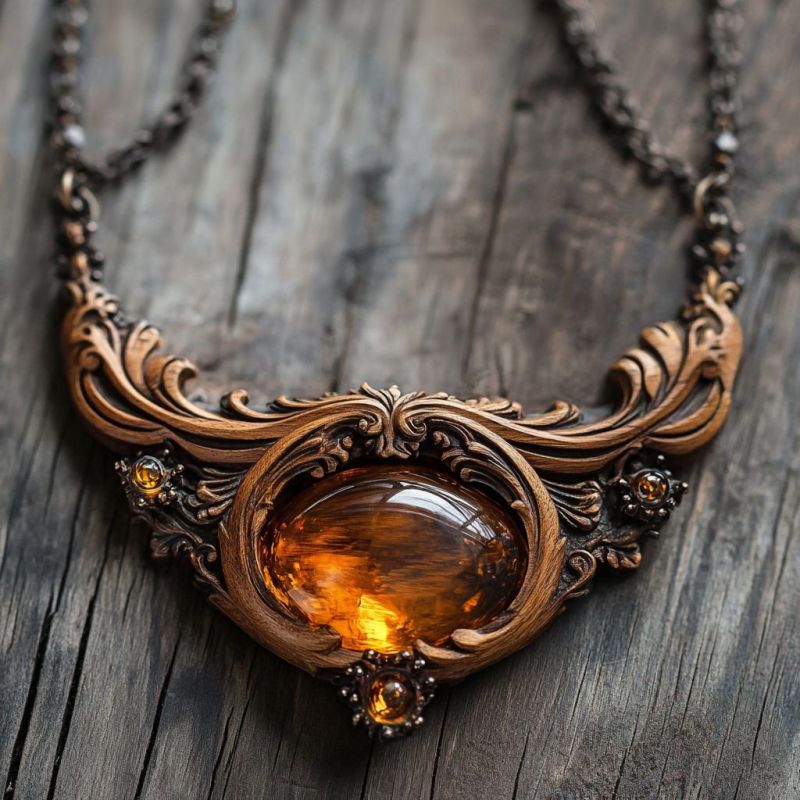 Necklace, Wooden1 gp
 -
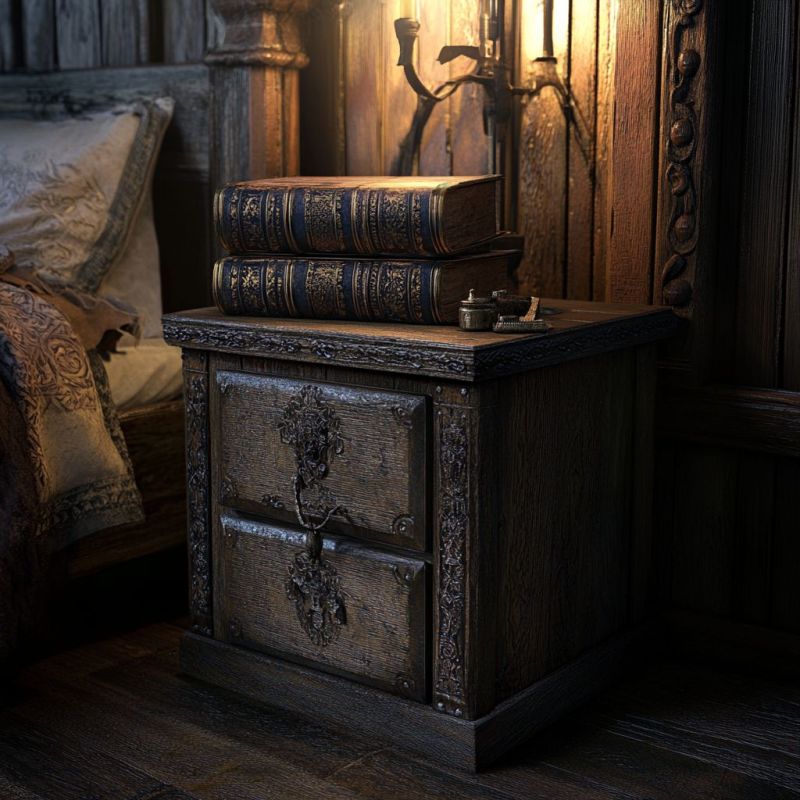 Nightstand, Wooden4 gp
 -
 Podium, Wooden3 gp
 -
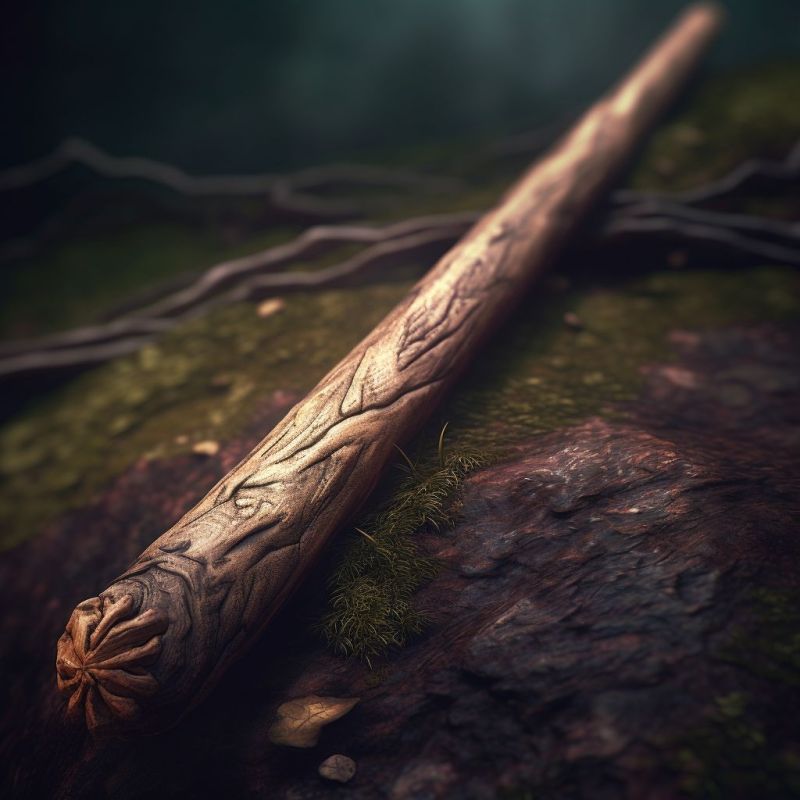 Wooden Pole, 10 feet0.05 gp
 -
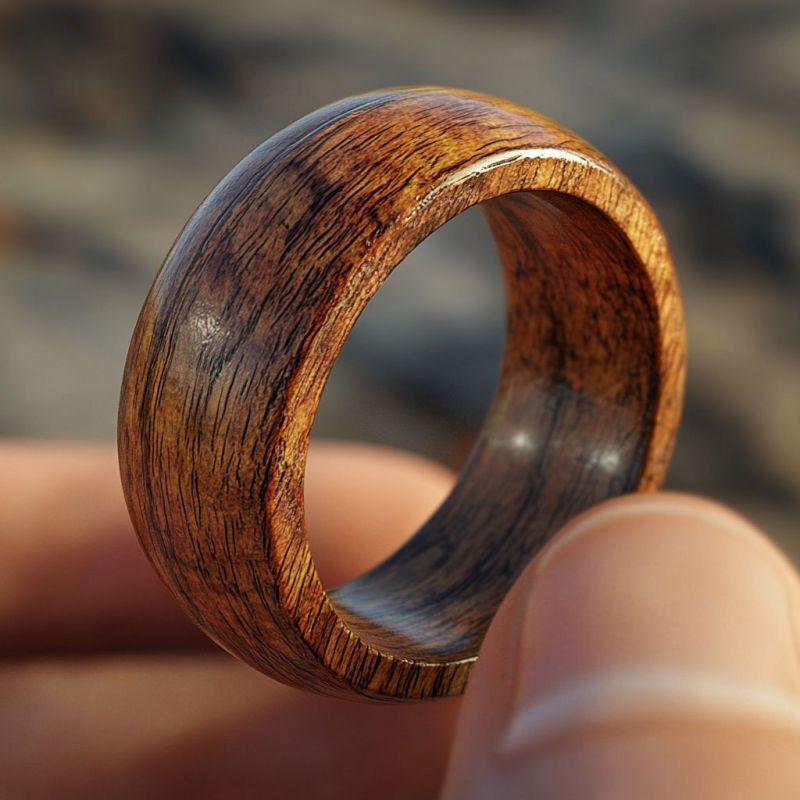 Ring, Wood0.3 gp
 -
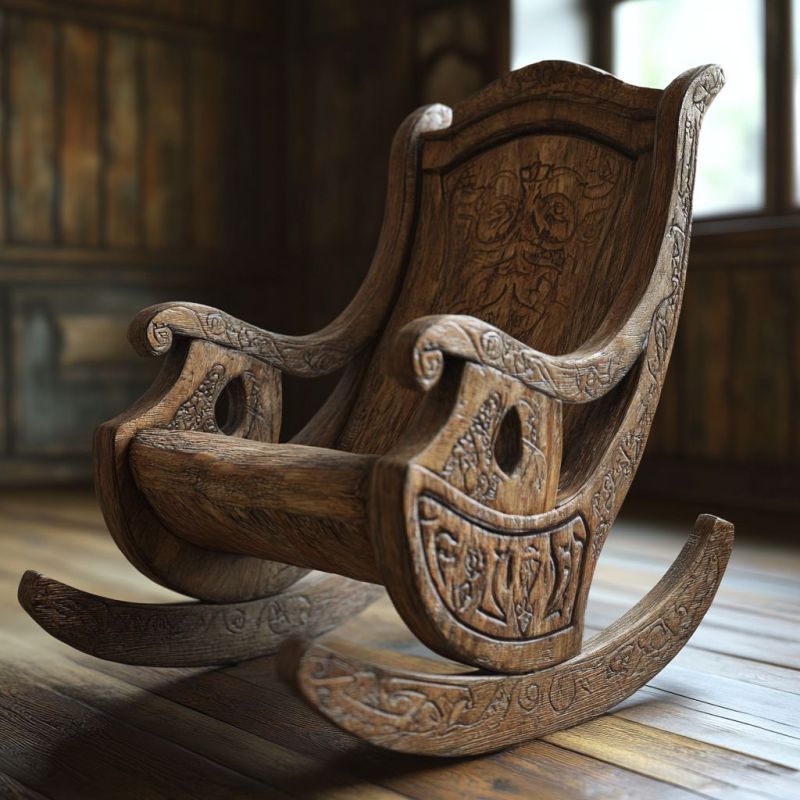 Rocking Chair, Wooden5 gp
 -
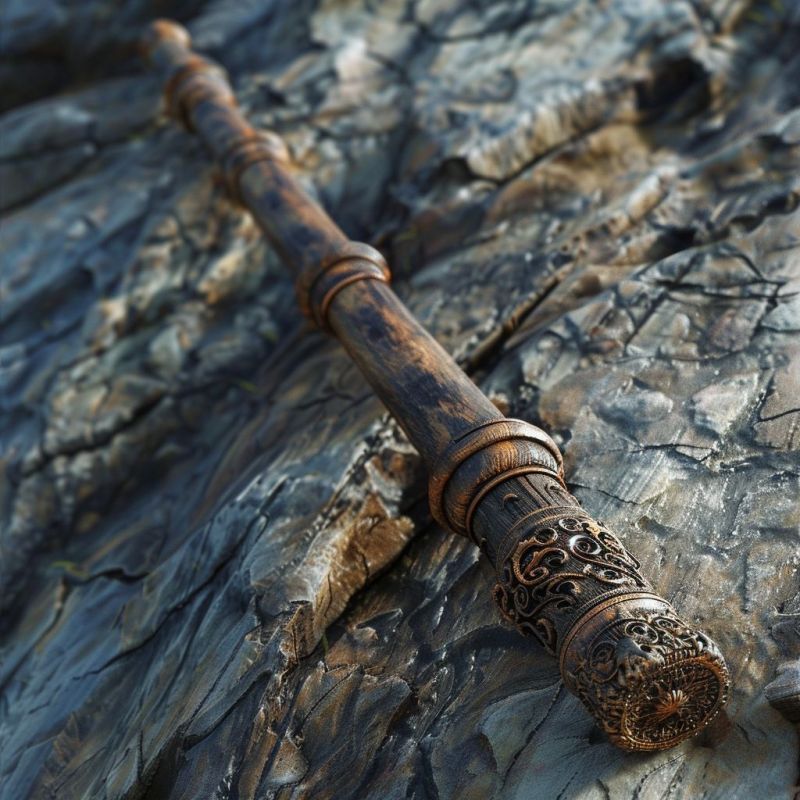 Rod, Wooden2 gp
 -
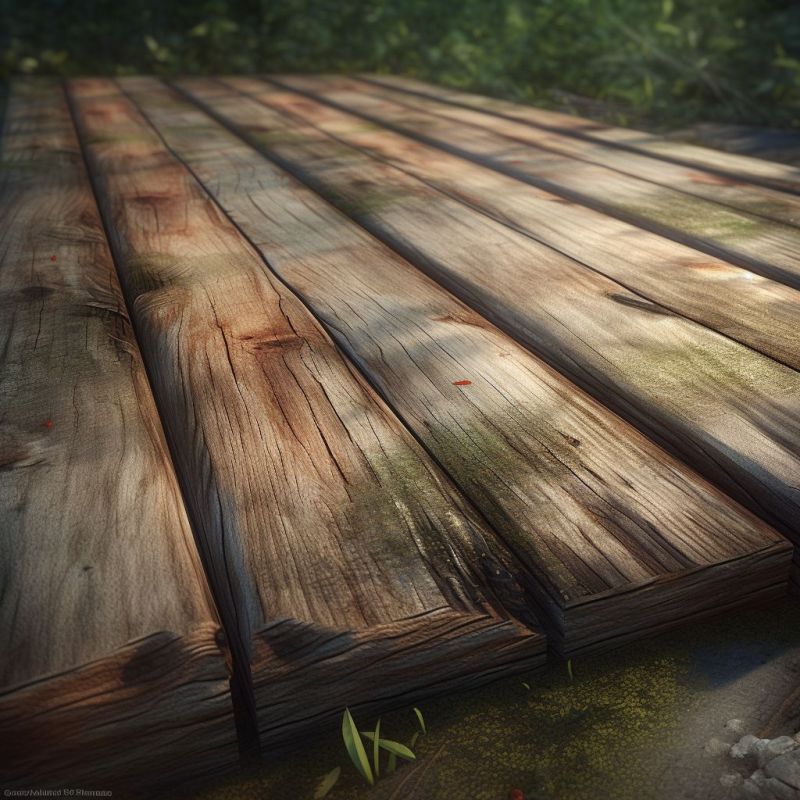 Wood Plank0.16 gp
 -
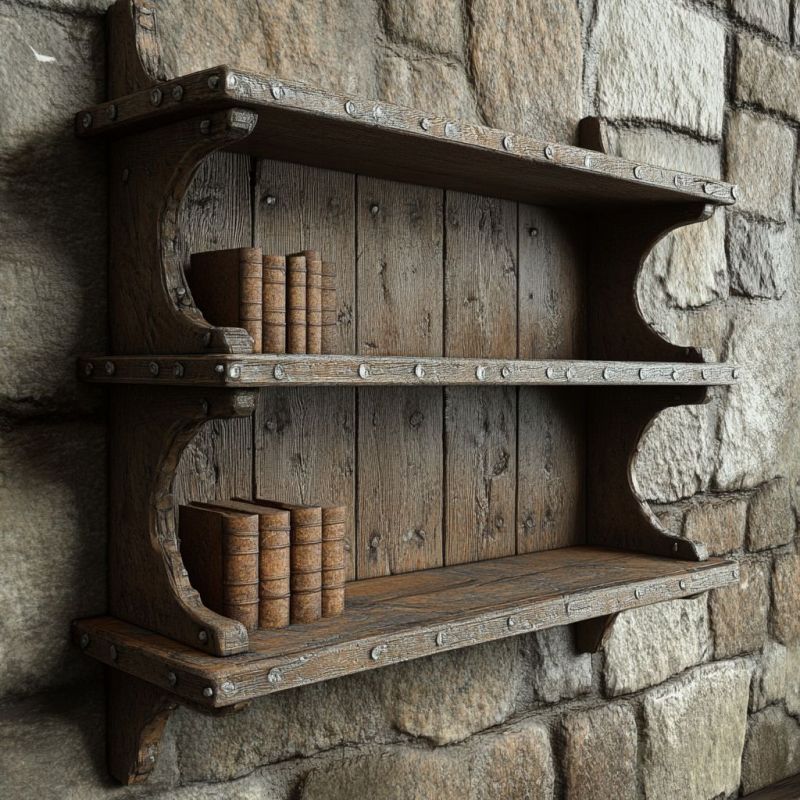 Shelf, Wooden4 gp
 -
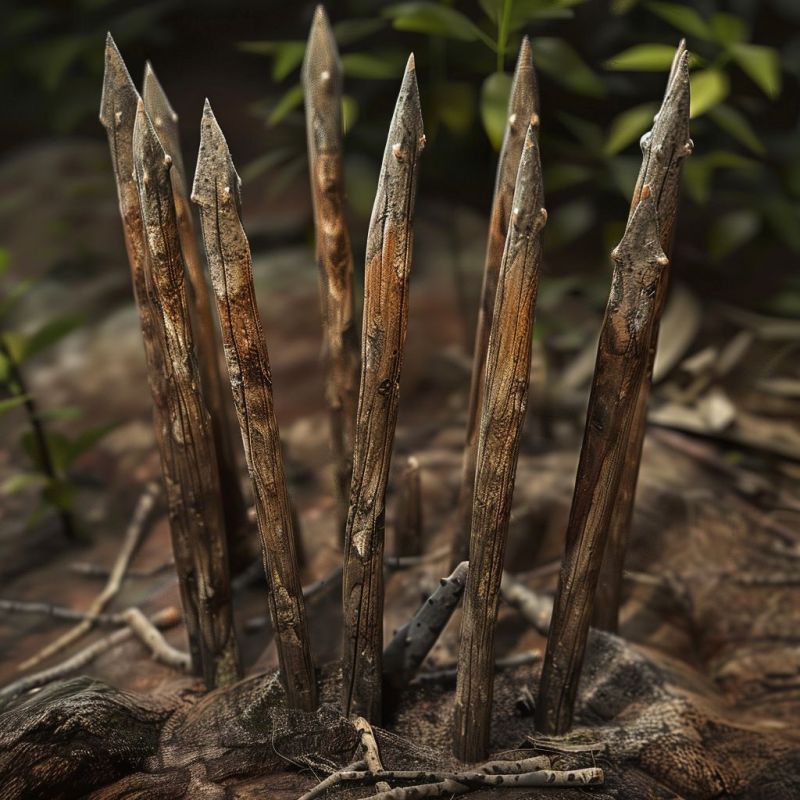 Wooden Stake0.02 gp
 -
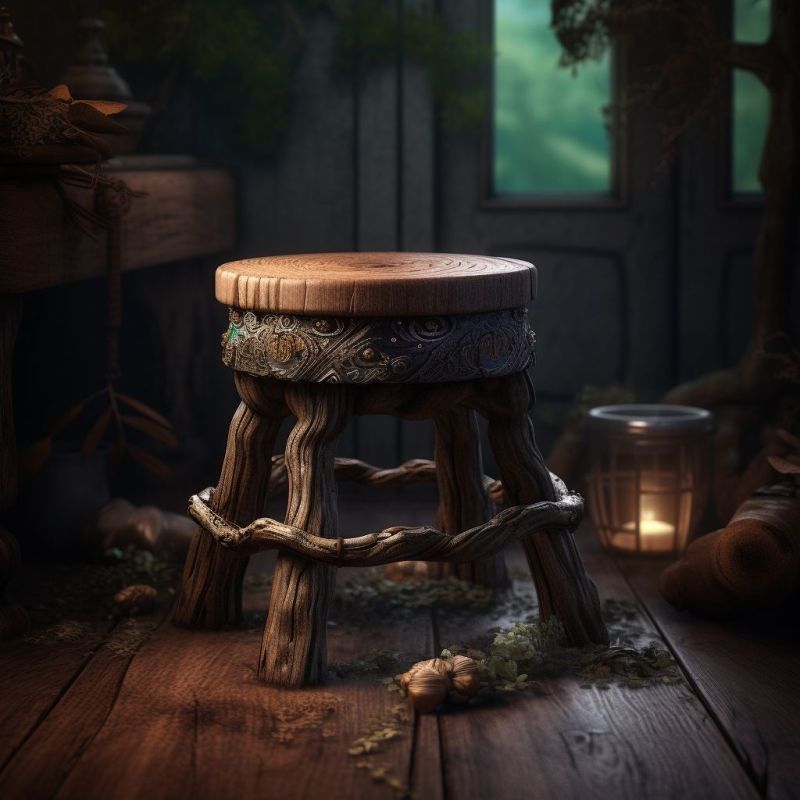 Stool, Wooden0.8 gp
 -
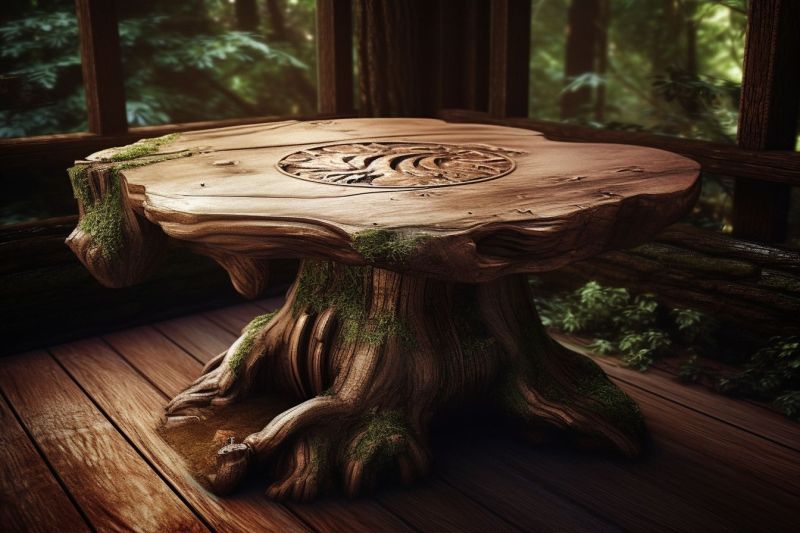 Table, Wooden5 gp
 -
 Table, Wooden, Small15 gp
 -
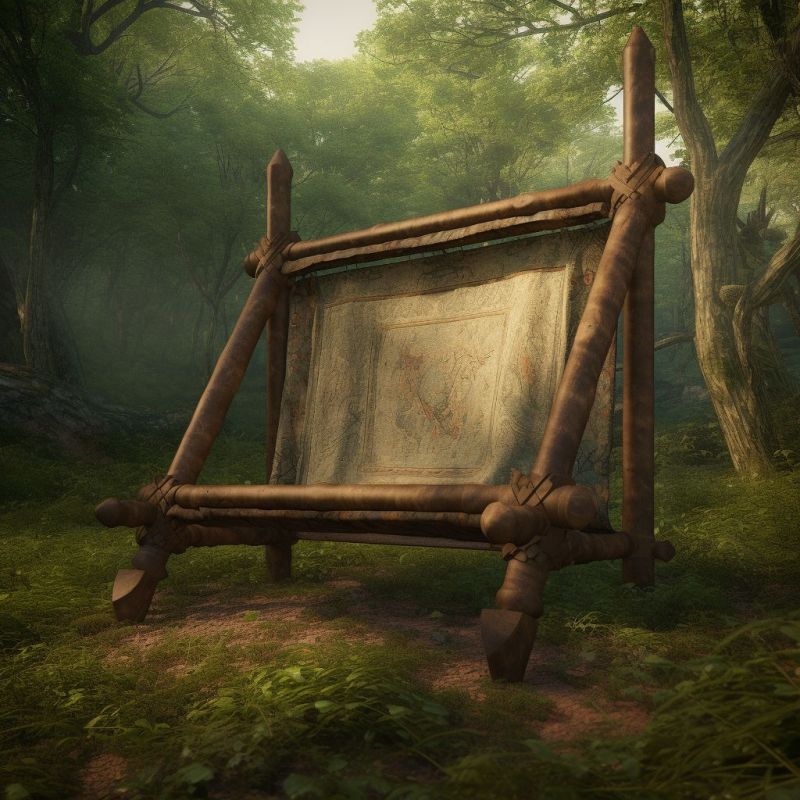 Tanning Frame1 gp
 -
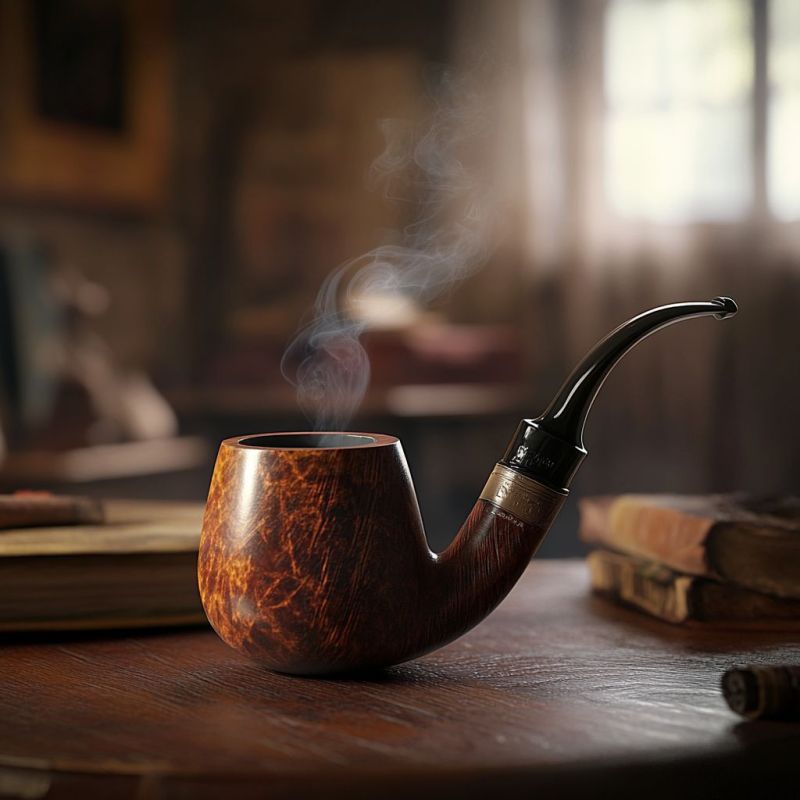 Tobacco Pipe, Wooden0.6 gp
 -
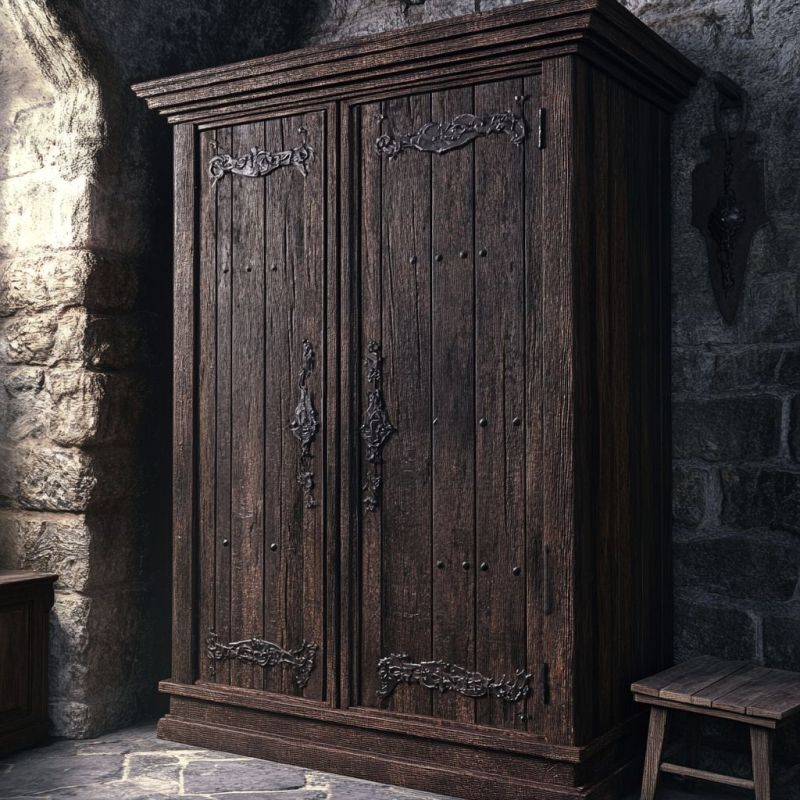 Wardrobe, Wooden15 gp
 -
 Campfire
 -
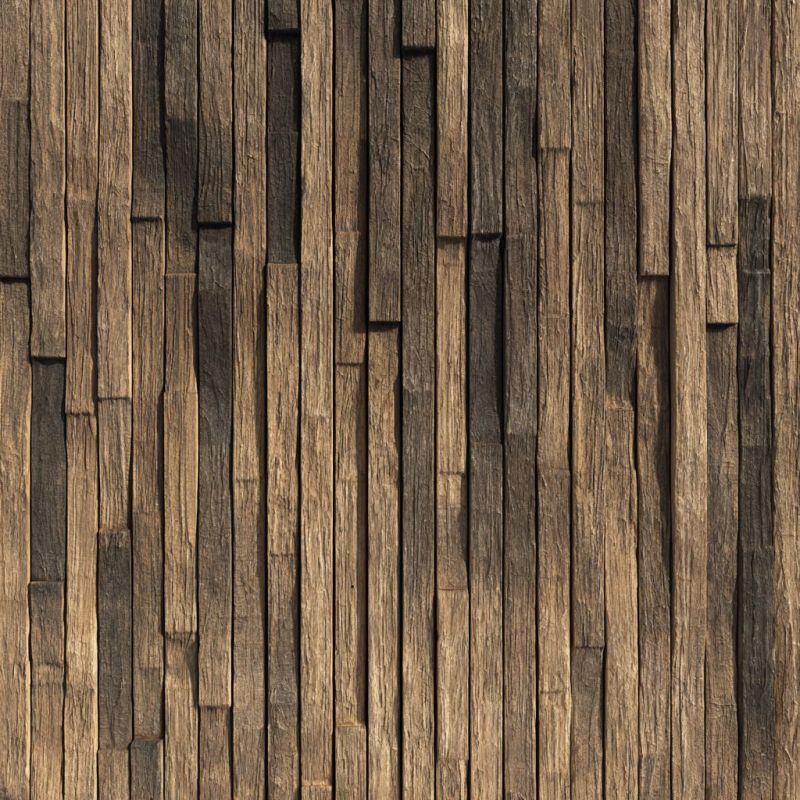 Wall, Huge, Wooden1000 gp
 -
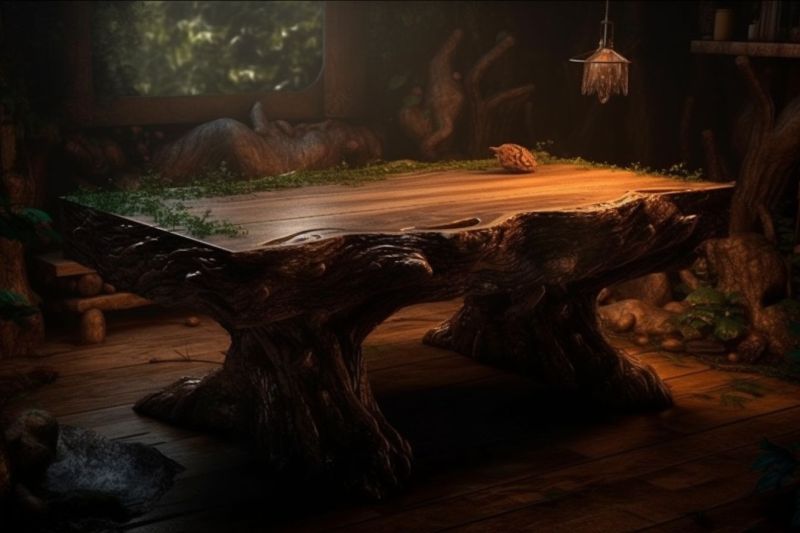 Table, Wooden, Large30 gp
 -
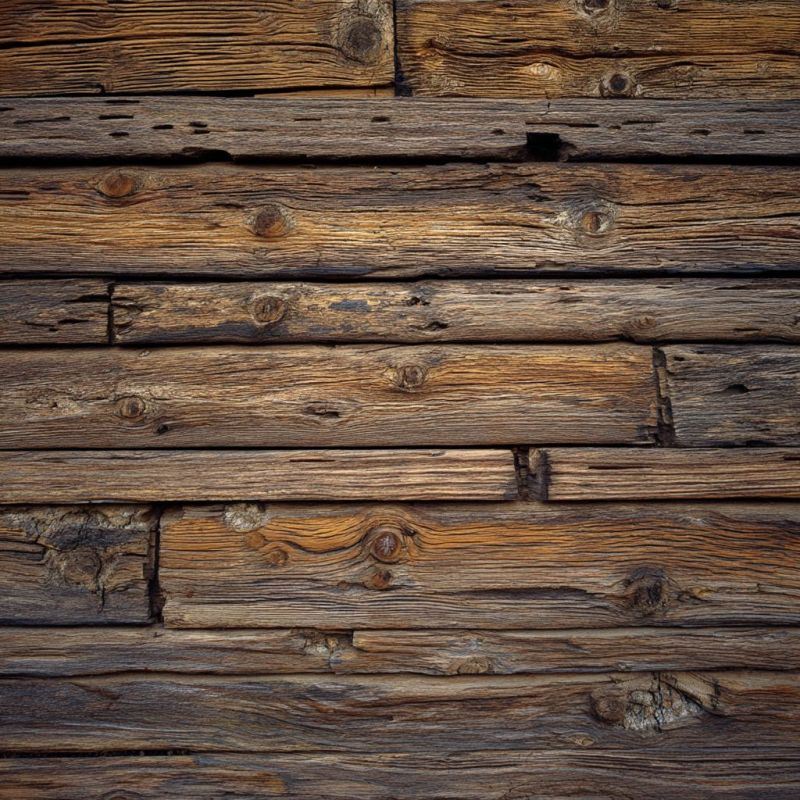 Wall, Gargantuan, Wooden5000 gp
 Skill Tier 8:
-
 Woodworking


