Menu
 Ancestries
 Backgrounds
 Lineages
 Classes
 Subclasses
 Spells
 Curses
 Mentas
 Sanguines
 Feats
Feats
 Passive
 Full
Full
 Standard
 Quick
Quick
 Attack
 Free
Free
 Reaction
 Opp. Attack
 Innate Skills
 Gathering Skills
 Knowledge Skills
 Crafting Skills
 Weapon Skills
 Armor Skills
 Defensive Skills
 Status Effects
 Crafting
 Alchemy
 Art
Art
 Cooking
 Enchanting
 Glassblowing
 Jewelling
 Leatherworking
 Machining
 Masoning
 Smithing
 Weaving
 Woodworking
View All Crafting
View All Rules
Woodworking
View All Crafting
View All Rules




































 Library
Digital supplements and compendia—rules content, adventures and setting material you add to My Library.
Browse Library
 Adventures
Standalone adventures—ready to run. Purchase the source in the Library for access.
All Adventures
 Free Adventures
 Paid Adventures








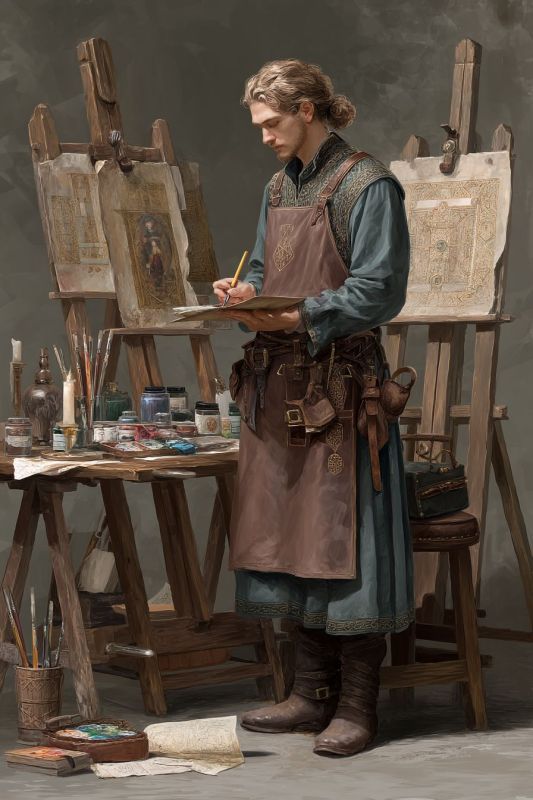
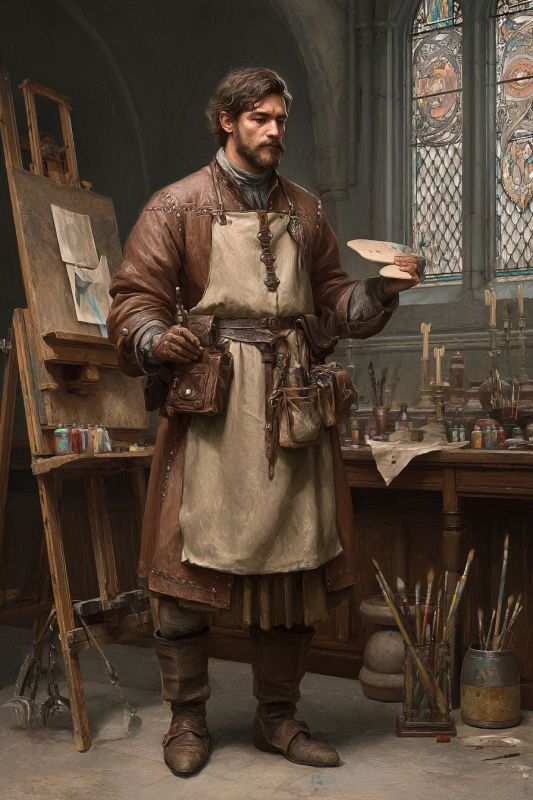
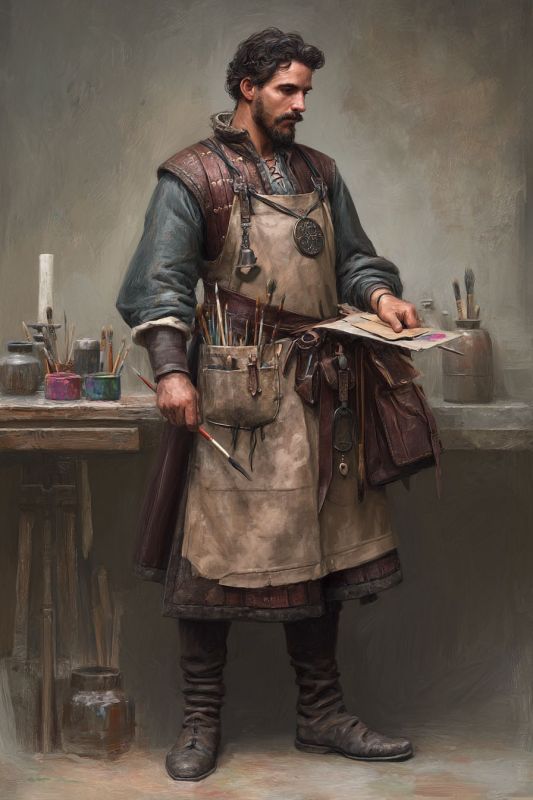
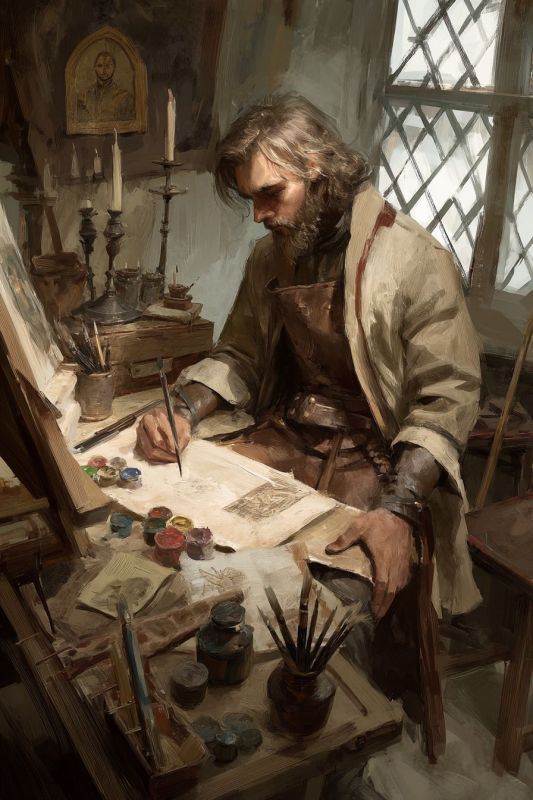
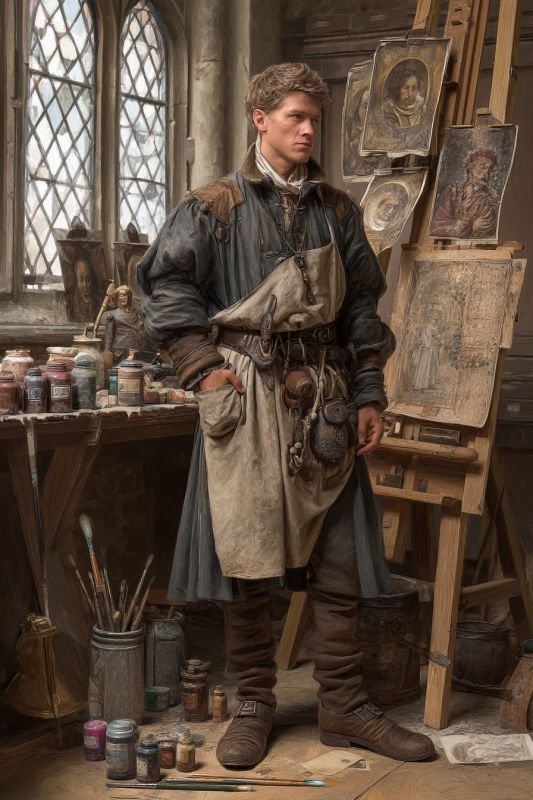
Artist - Tier 3
🎨🖌️ Artist: Tier 3 Master Artisan
A Tier 3 Artist is an accomplished creative professional whose technical mastery, refined personal style, and strong reputation make them a significant cultural presence in their region. They are no longer simply producing admired work. At this tier, their name, methods, and finished pieces carry prestige of their own.
📚🪵 Training and Foundation
Tier 3 Artists are extensively shaped by major apprenticeships, guild recognition, temple or noble commissions, workshop leadership, or decades of focused practice. They understand composition, symbolism, material quality, restoration, presentation, and patron expectation at a high level. Their craft is no longer only practiced skill. It is authoritative skill.
👁️🧵 Appearance and Bearing
These creatures usually appear as renowned painters, sculptors, mural masters, iconographers, portraitists, engravers, ceramic specialists, manuscript illuminators, or workshop heads whose style is recognized on sight. Their clothing is practical but better made, often carrying the marks of an established trade: wrapped tools, protected cases, pigment boxes, rolled commission drafts, carved stamps, or fine aprons suited to expensive work. They carry themselves like professionals used to patrons, deadlines, and scrutiny.
🖼️🛒 Typical Inventory
A Tier 3 Artist commonly offers high-quality portraits, polished landscape paintings, carved shrine pieces, decorative statues, painted screens, illuminated folios, ceremonial masks, etched memorial plaques, custom murals, fine ceramic sets, lacquered boxes, workshop samples, rare pigments, premium brushes, protective varnishes, and commissioned pieces awaiting delivery. Their stock is often curated rather than broad, with finished works meant to demonstrate mastery and attract wealthy or important clients.
🧠📐 Working Style
Their working style is controlled, intentional, and distinctly recognizable. A Tier 3 Artist can execute traditional forms at a high level, but clients often seek them out specifically for their hand, their composition, or the prestige tied to their work. They manage complex commissions, large decorative projects, restoration of important pieces, and work that must impress in public, sacred, or elite settings.
🏠🕯️ Social and Economic Role
What defines this subtype is cultural influence through skilled production. Tier 3 Artists do more than decorate homes or shops. They help define how temples, noble houses, guildhalls, memorials, and public spaces present themselves. Their work may preserve lineage, mark victories, shape civic identity, or become the visual standard others imitate.
💰📦 Trade and Mobility
Tier 3 Artists often work from an established studio, guild-backed workshop, temple annex, or patron-funded space, sometimes with assistants, apprentices, or dedicated suppliers. They are more likely to live on a mix of elite commissions, restoration work, ceremonial projects, and select direct sales. Their income is tied less to volume and more to reputation, access, and the importance of the clients they serve.
🏘️👥 Common Roles
These creatures are commonly found as master portraitists, temple mural leaders, court artists, guild-approved sculptors, respected manuscript decorators, memorial engravers, or heads of workshops trusted with expensive and visible projects. In settlements, they are often the ones chosen when the work must last, impress, or carry social meaning.
👑🪙 Place in Society
A Tier 3 Artist holds real status within cultural, religious, or mercantile circles. Patrons seek them not only for quality, but for reputation. Their work may hang in halls, stand in shrines, accompany ceremonies, or be gifted as a display of wealth and discernment. Their opinion on style, presentation, and artistic value may influence other makers and buyers alike.
📈🎭 Tier Meaning
Tier 3 represents an artist that has grown into a major creative presence. The core traits—technical skill, creative labor, sellable work, and cultural value—have matured into prestige, influence, and recognized mastery. This is no longer just a respected artisan. It is a master artisan whose work helps define the look of a place and the memory of its people.
 Skill Roll ADV:
-
 Art
Art
 Inventory Unequipped:
-
20 Painting Tools15 gp
-
20 Tapestry, Large50 gp
-
20 Fresco, Large100 gp
-
20 Artwork, Tier 6100 gp
-
20 Artwork, Tier 550 gp
-
20 Artwork, Tier 425 gp
-
20 Tapestry, Medium3 gp
-
20 Tapestry, Small1 gp
-
20 Fresco, Small10 gp
-
20 Fresco, Medium30 gp
-
20 Porcelain Teapot2 gp
-
20 Porcelain Teacup0.3 gp
-
20 Pitcher0.02 gp
-
20 Vase, Ceramic20 gp
-
20 Artwork, Tier 310 gp
-
20 Artwork, Tier 25 gp
-
20 Artwork, Tier 11 gp
-
20 Artwork, Tier 7250 gp
-
20 Artwork, Tier 8600 gp
-
20 Fresco, Huge800 gp
-
20 Tapestry, Huge250 gp
 Merchant
-
This merchant's wares are tagged with teleportation magic as a contingency. Should the merchant fall in battle, most of their inventory will shimmer and vanish—teleported to a secure location. Only coins and a handful of items that slip through the contingency remain behind.
 Skill Tier 8:
-
Art


