Menu
 Ancestries
 Backgrounds
 Lineages
 Classes
 Subclasses
 Spells
 Curses
 Mentas
 Sanguines
 Feats
Feats
 Passive
 Full
Full
 Standard
 Quick
Quick
 Attack
 Free
Free
 Reaction
 Opp. Attack
 Innate Skills
 Gathering Skills
 Knowledge Skills
 Crafting Skills
 Weapon Skills
 Armor Skills
 Defensive Skills
 Status Effects
 Crafting
 Alchemy
 Art
Art
 Cooking
 Enchanting
 Glassblowing
 Jewelling
 Leatherworking
 Machining
 Masoning
 Smithing
 Weaving
 Woodworking
View All Crafting
View All Rules
Woodworking
View All Crafting
View All Rules























 Library
Digital supplements and compendia—rules content, adventures and setting material you add to My Library.
Browse Library
 Adventures
Standalone adventures—ready to run. Purchase the source in the Library for access.
All Adventures
 Free Adventures
 Paid Adventures








Weaver - Tier 2
🧵🪡 Weaver: Tier 2 Seammaster
A Tier 2 Weaver is a respected textile craftsperson whose fabric work, garment production, and stronger shop output make them a notable supplier of clothing and household cloth goods. They are no longer just producing basic commonwear. At this tier, their work is better fitted, more durable, and more trusted by customers with regular money to spend.
📚🧶 Training and Foundation
Tier 2 Weavers are deeply shaped by advanced apprenticeship, guild recognition, household contracts, commercial cloth work, or years of disciplined practice at loom, needle, and cutting table. They understand weave quality, fabric behavior, pattern cutting, fitting, repair, reinforcement, dye use, and the practical differences between garments made for labor, travel, service, and respectable public wear. Their craft is no longer just functional. It is skilled.
🧥✂️ Appearance and Bearing
These creatures usually appear in practical but better-kept aprons, dresses, vests, rolled sleeves, work belts, and clothing suited to measuring, cutting, pinning, and finishing garments through long hours. Their hands often show needle wear, dye staining, and calluses from loom and thread work. Their bearing is patient, exact, and more confident than that of a Tier 1 Clothier, with the habit of judging fabric, fit, and customer means at a glance.
👕📦 Typical Inventory
A Tier 2 Weaver commonly keeps bolts of wool, linen, and better-grade cloth, work shirts, fitted trousers, dresses, skirts, aprons, undershirts, shifts, stockings, gloves, caps, kerchiefs, scarves, cloaks, children’s clothes, winter wraps, blankets, curtains, table linens, repaired secondhand garments, buttons, ribbons, ties, thread spools, needles, measuring cords, mending kits, dye packets, sewing wax, and partially finished custom orders. Better shops may also stock officer-quality shirts, travel coats, sailor’s wear, mourning clothes, household uniforms, or modest decorative trim for wealthier buyers.
🧠⚖️ Working Style
Their working style is structured, material-aware, and fit-focused. A Tier 2 Weaver wastes less cloth, cuts more accurately, and produces garments that sit better on the body and last longer under wear. They can manage custom measurements, repeated household orders, and more demanding repair work without sacrificing consistency. Their goal is not elite fashion first. It is dependable quality, better fit, and stronger finish.
💰🪢 Trade and Practical Role
What defines this subtype is reliable textile utility with broader appeal. Tier 2 Weavers supply clothing and cloth goods that support everyday life, travel, service, and modest status display. Their work serves laborers, sailors, officers, clerks, merchants, households, and travelers who want something better than the cheapest available option but not true luxury. In a flintlock fantasy economy, they sit between necessity and respectability.
🏪🧺 Business and Workspace
Tier 2 Weavers usually work from established cloth shops, loom rooms, tailoring houses, guild-approved workshops, or busy neighborhood stores with bolts of fabric, pattern tables, cutting benches, hanging orders, and shelves of finished garments. Their business depends on reliable cloth supply, steady customer demand, and enough storage to keep both raw fabric and finished goods organized. A successful shop often includes apprentices, stitchers, or family labor handling weaving, cutting, mending, and finishing work.
🏙️👥 Common Roles
These creatures are commonly found as town clothiers, seamstresses, practical tailors, household garment suppliers, dockside clothing merchants, uniform stitchers, market textile sellers, or workshop weavers serving districts with stable demand for wearable, durable goods. In larger settlements, they are often the people chosen when fit and reliability matter more than novelty.
👑🪙 Place in Society
A Tier 2 Weaver holds modest professional status. Households return to them, merchants recommend them, and working customers trust them not to waste cloth or coin. They are not usually prestigious in the way elite fashion makers are, but they are valued because their work is visible, necessary, and tied directly to how people present themselves in daily life.
📈🧵 Tier Meaning
Tier 2 represents a weaver that has developed beyond basic cloth work into recognized professional skill. The core traits remain the same—fabric production, garment making, practical inventory, and textile utility—but they now operate with better stock, stronger fit, and clearer reputation. It is no longer just a working clothier. It is a true seammaster.
 Inventory Unequipped:
-
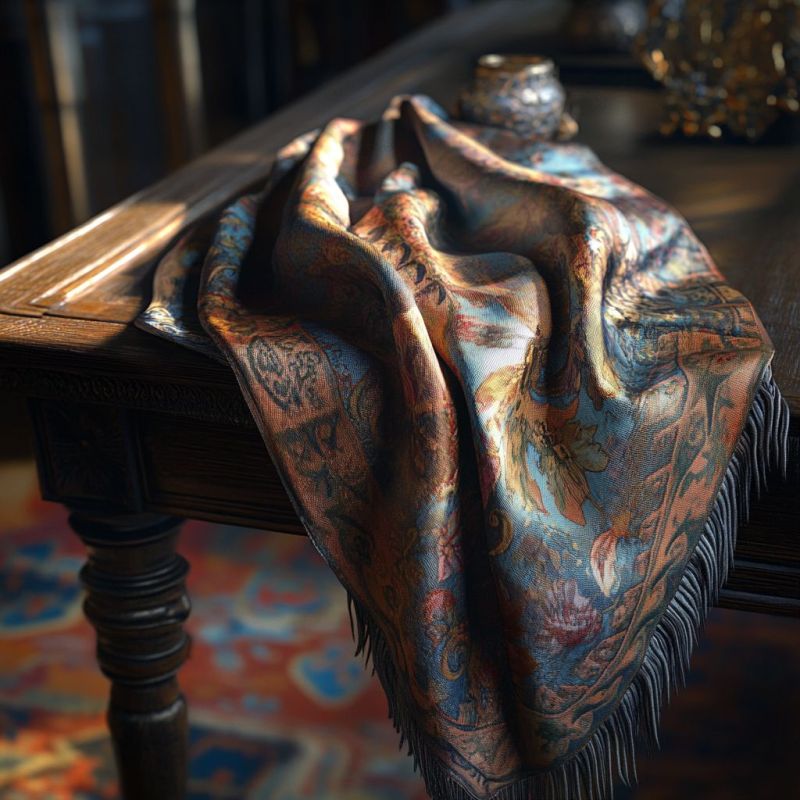 20 Scarf, Cloth1 gp
 -
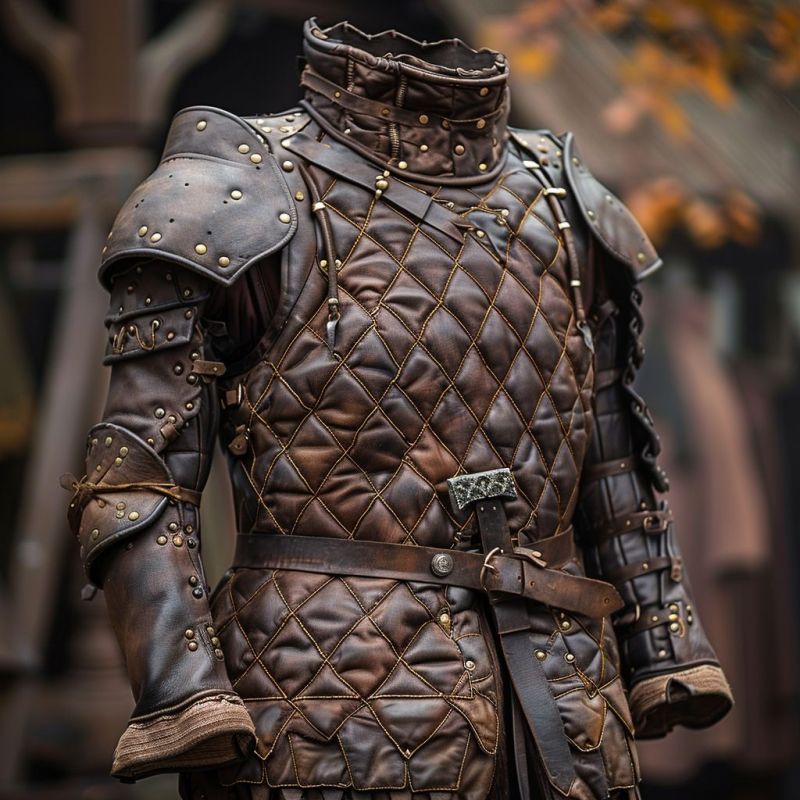 20 Gambeson15 gp
 -
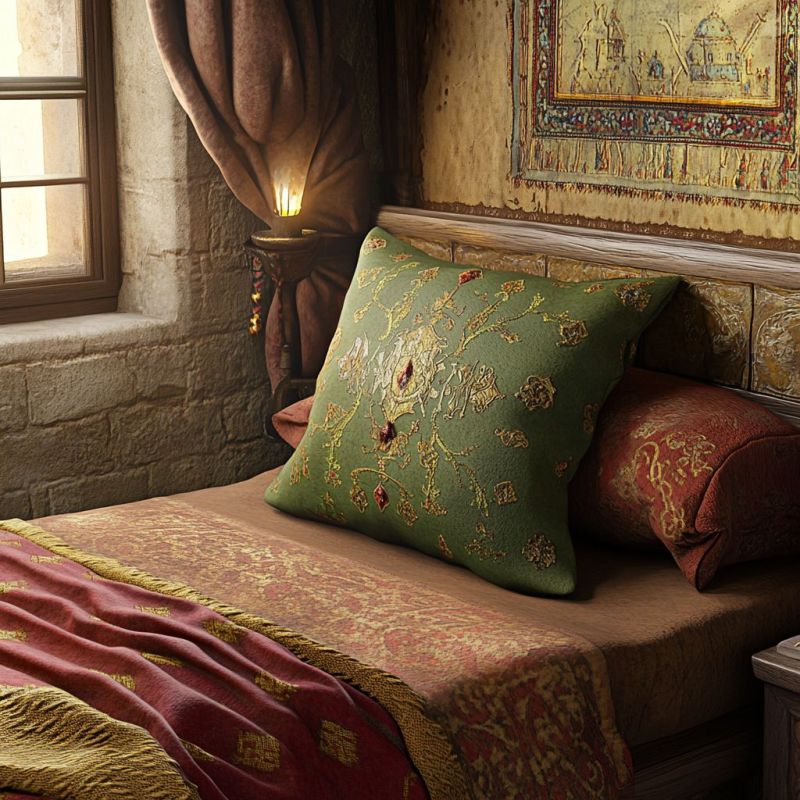 20 Pillow, Cloth0.75 gp
 -
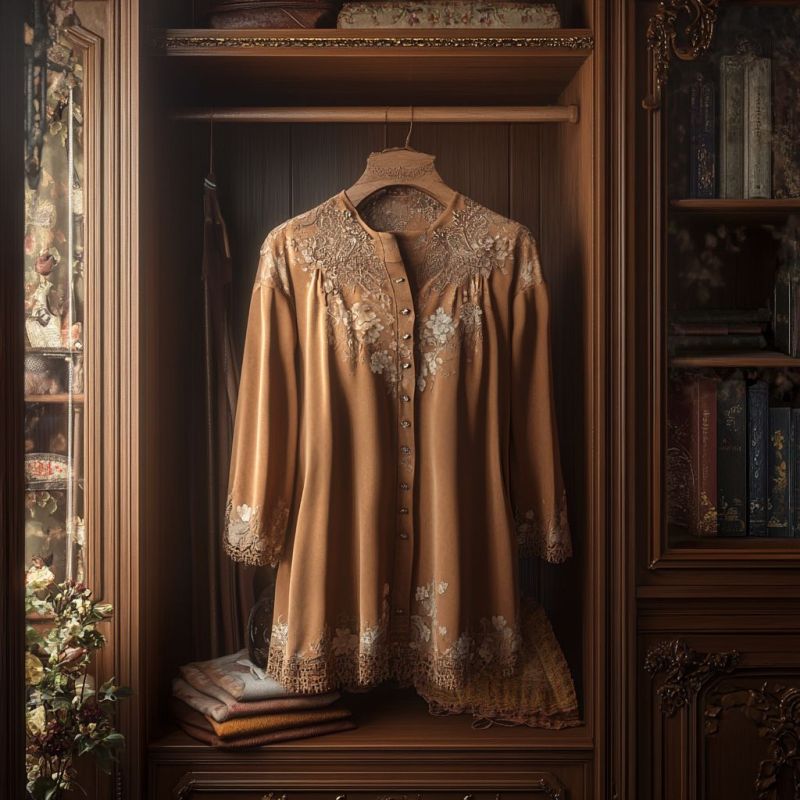 20 Blouse, Cotton2 gp
 -
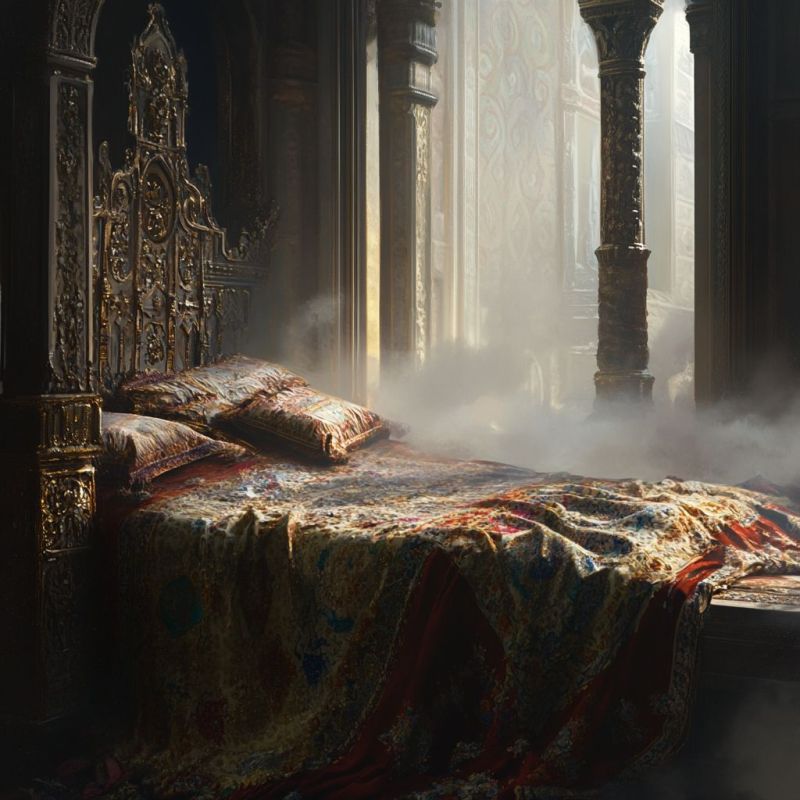 20 Blanket, Cloth2 gp
 -
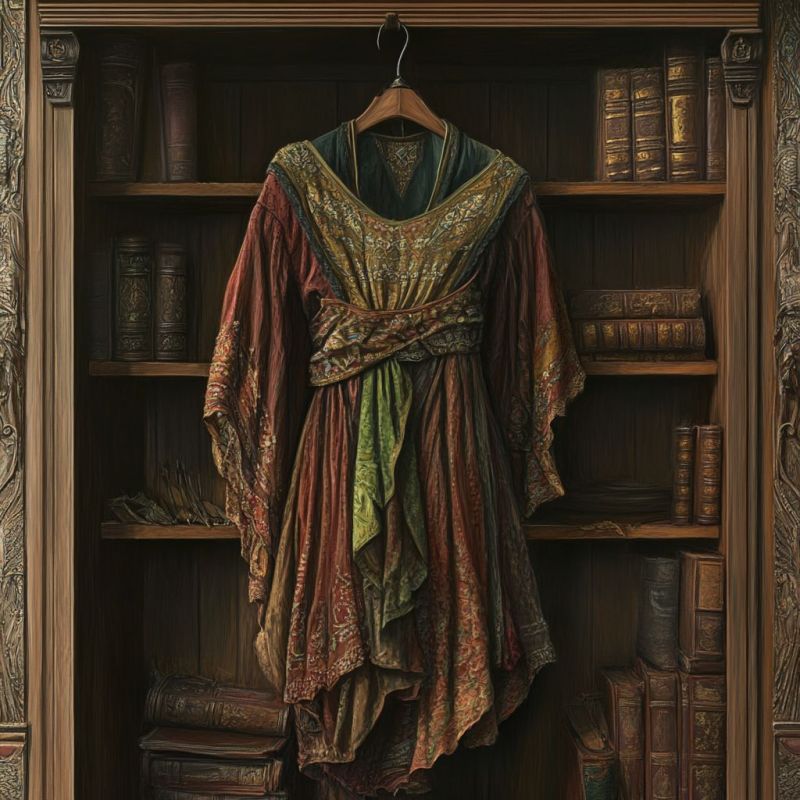 20 Tunic, Cloth0.3 gp
 -
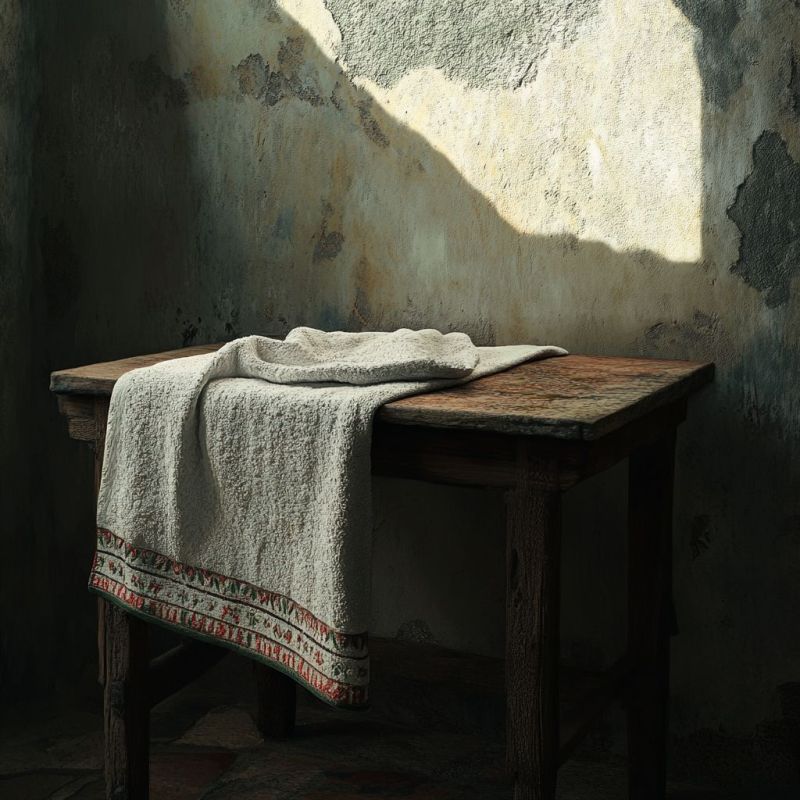 20 Cloth Towel0.3 gp
 -
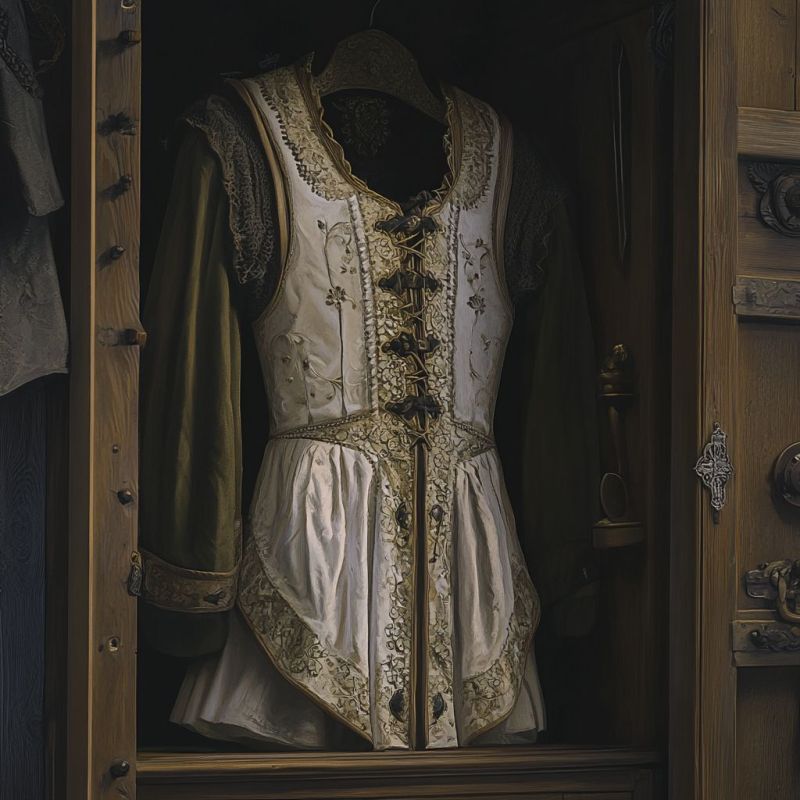 20 Tabard, Cloth0.7 gp
 -
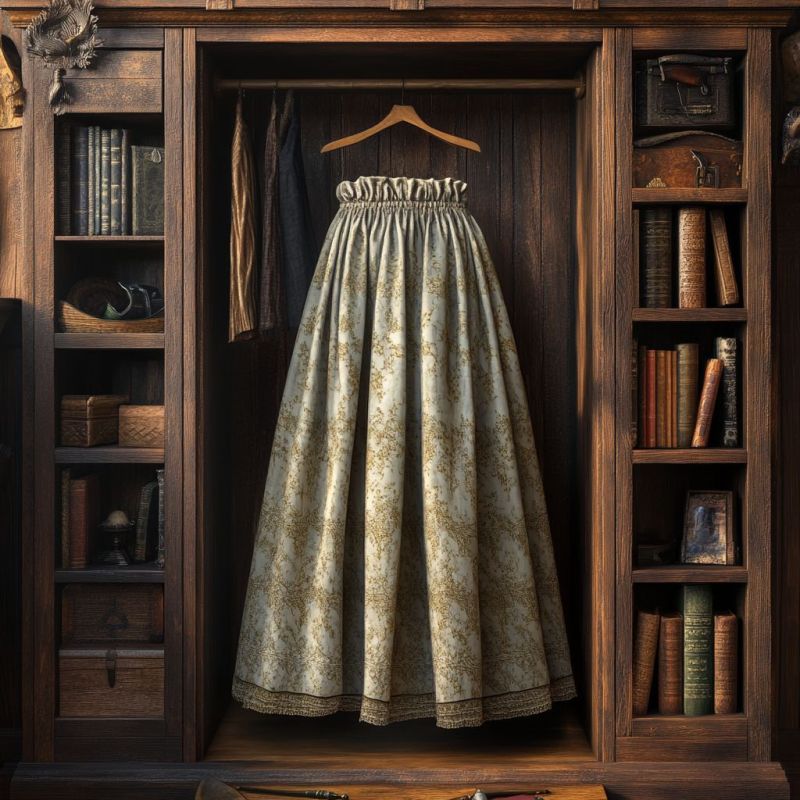 20 Skirt, Cloth0.5 gp
 -
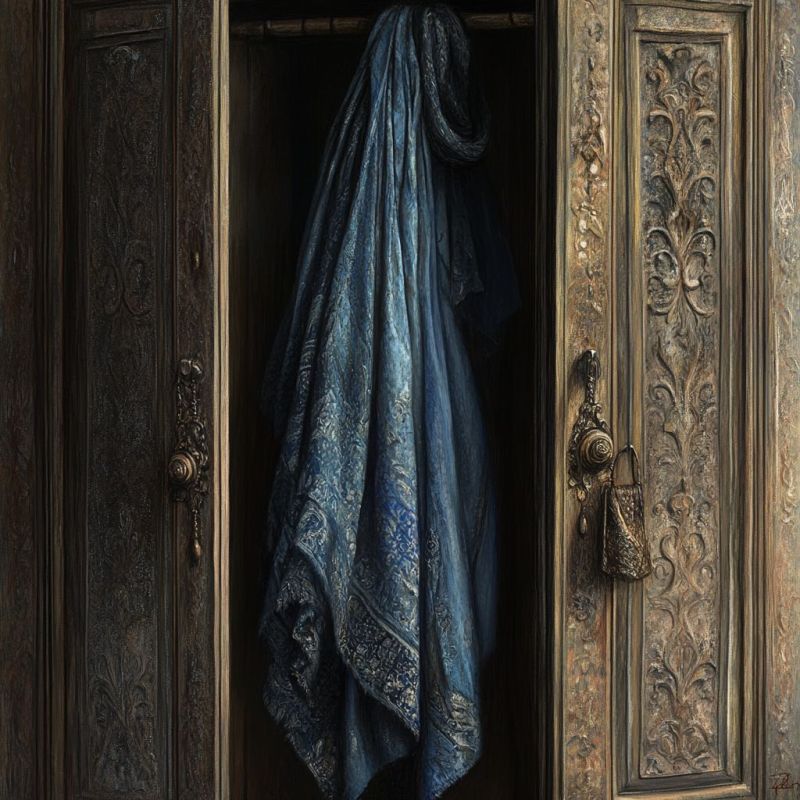 20 Shawl, Cloth1.5 gp
 -
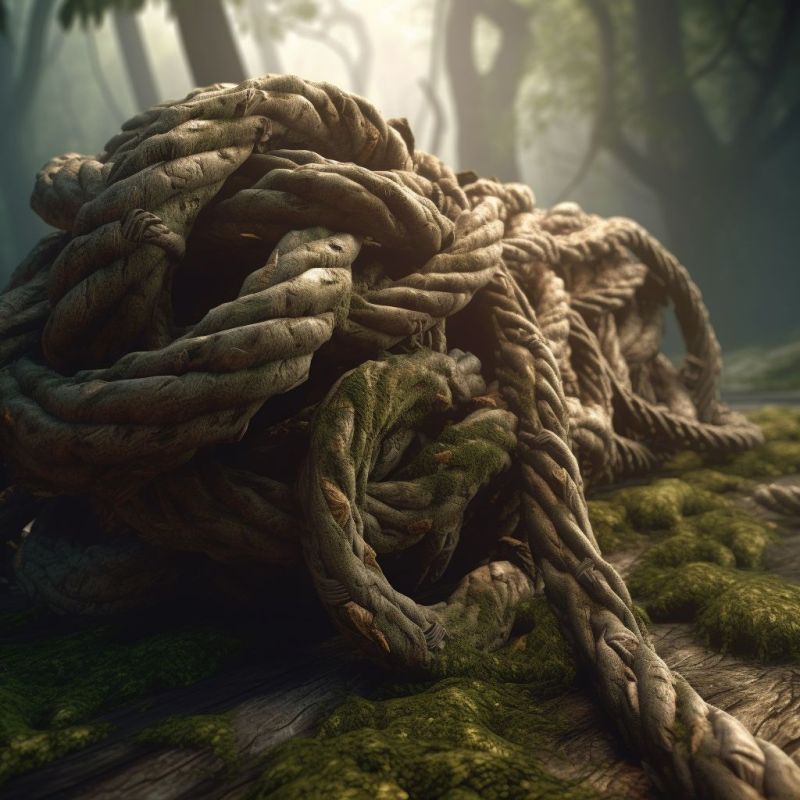 20 Hempen Rope, 50 feet1 gp
 -
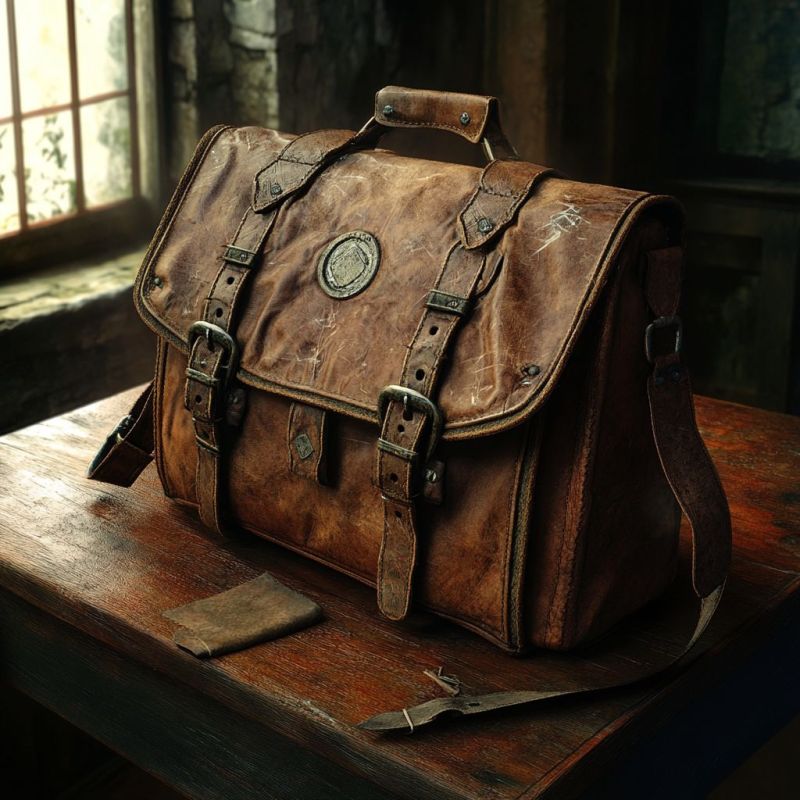 20 Satchel, Cloth3 gp
 -
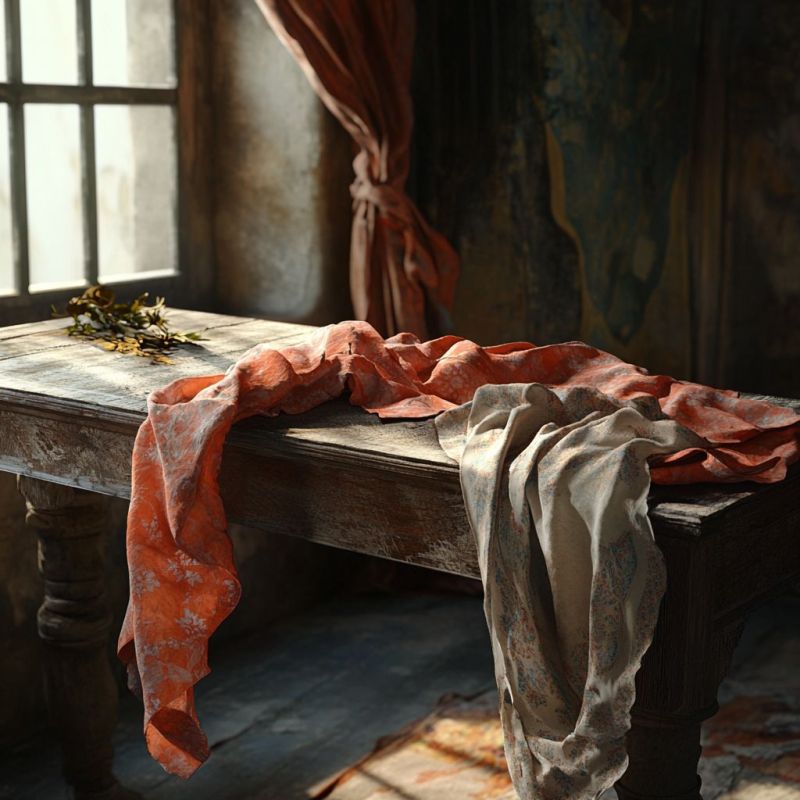 20 Sash, Cloth0.5 gp
 -
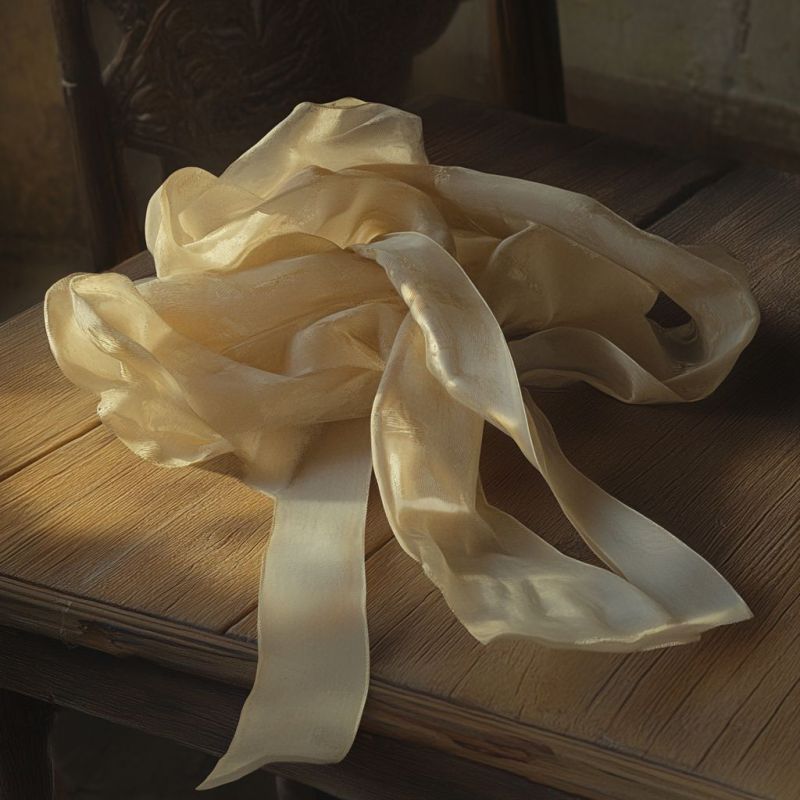 20 Ribbon, Cloth0.5 gp
 -
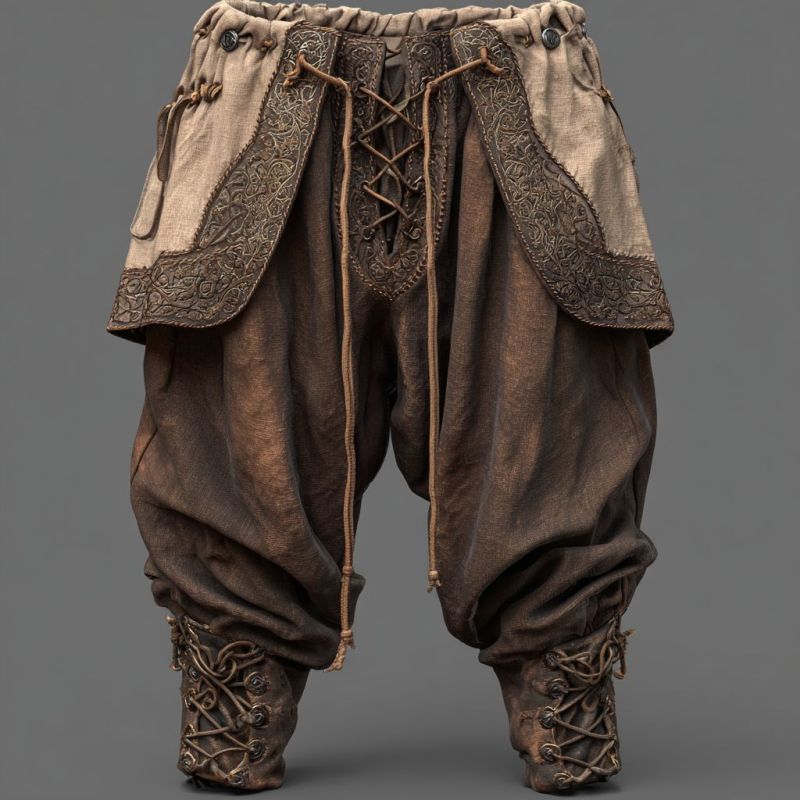 20 Pants, Cloth0.8 gp
 -
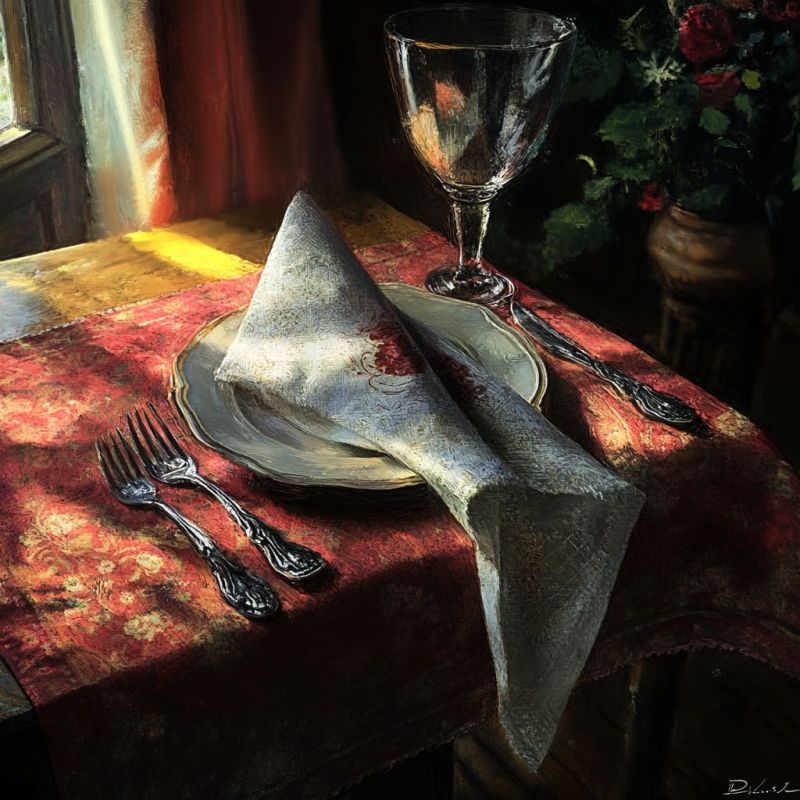 20 Cloth Napkin0.01 gp
 -
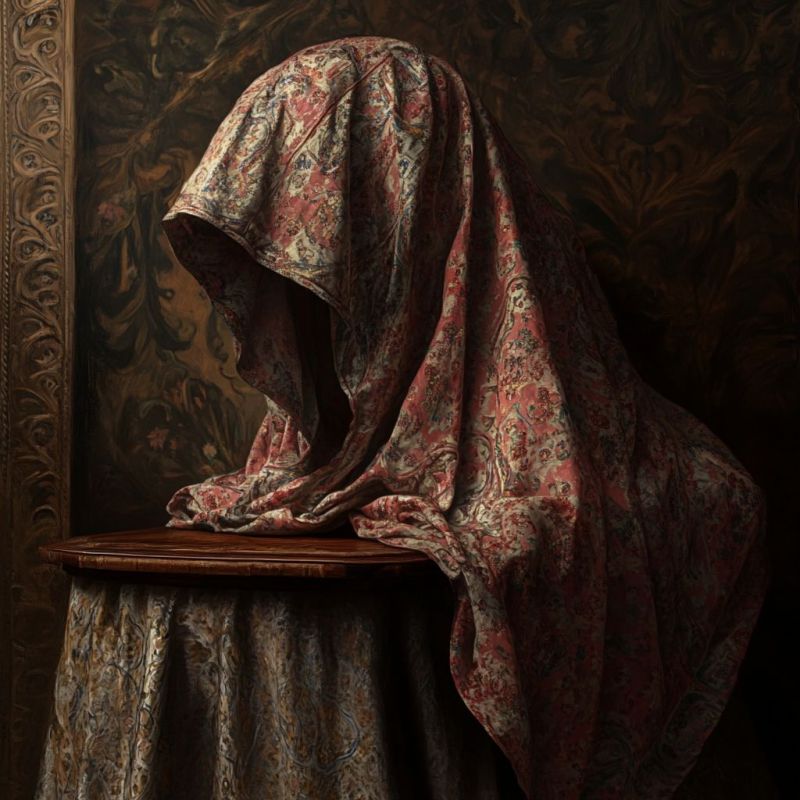 20 Hood, Cloth1 gp
 -
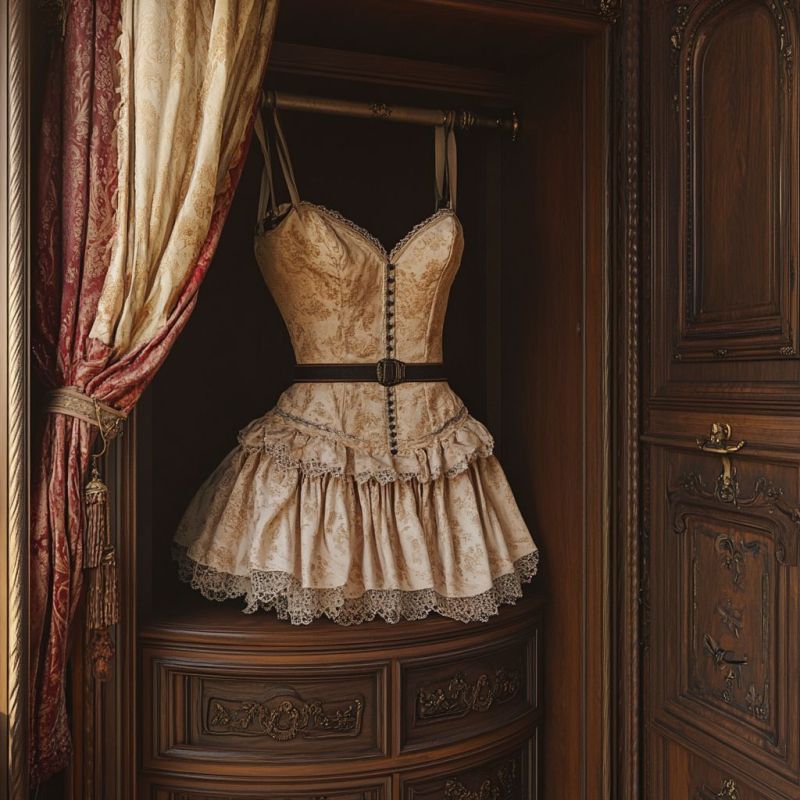 20 Girdle, Cloth1 gp
 -
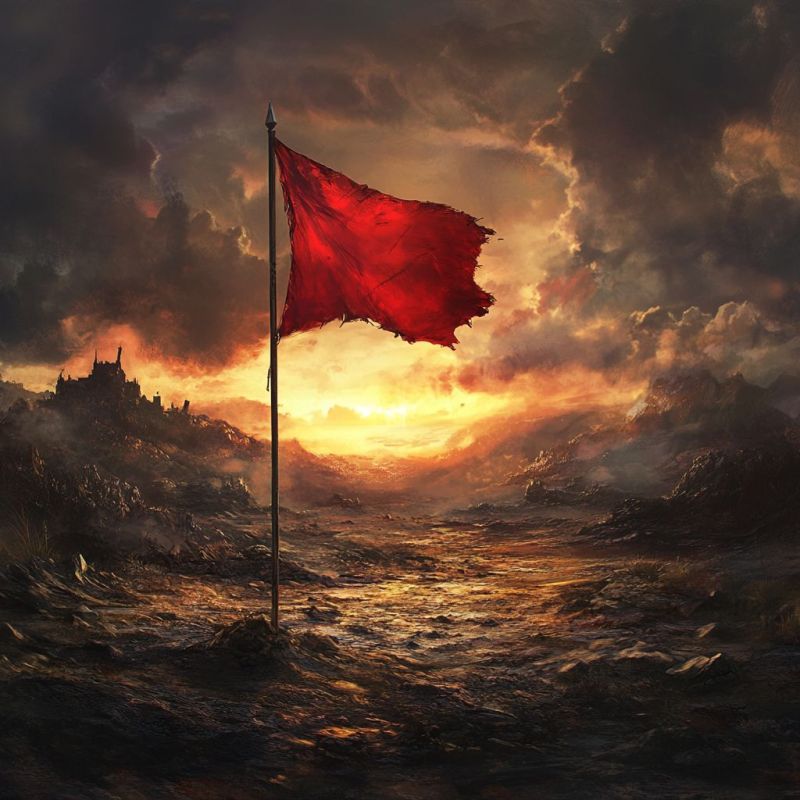 20 Cloth Flag1 gp
 -
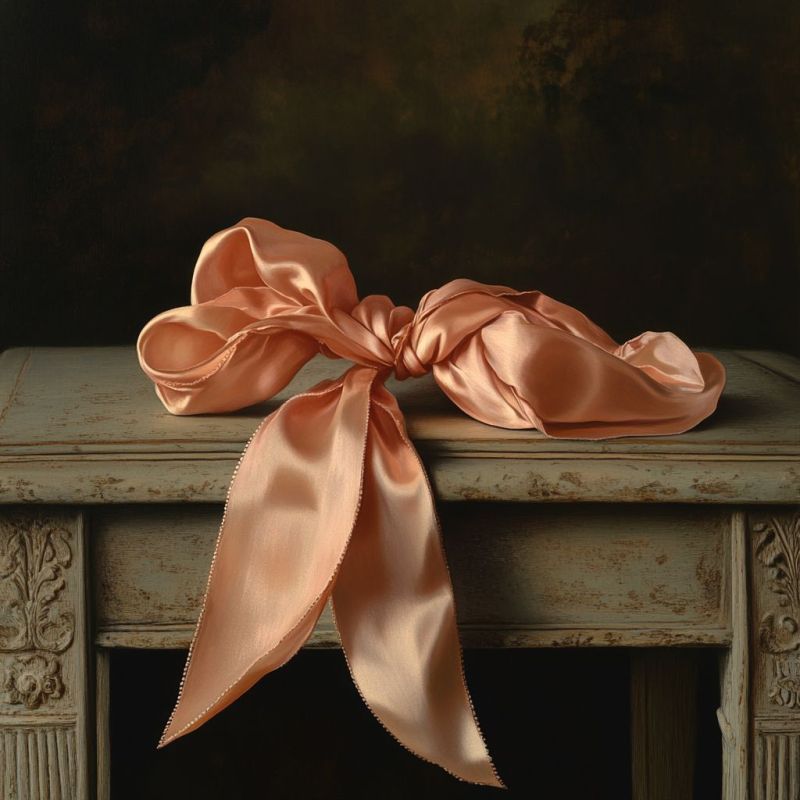 20 Ribbon, Silk3 gp
 -
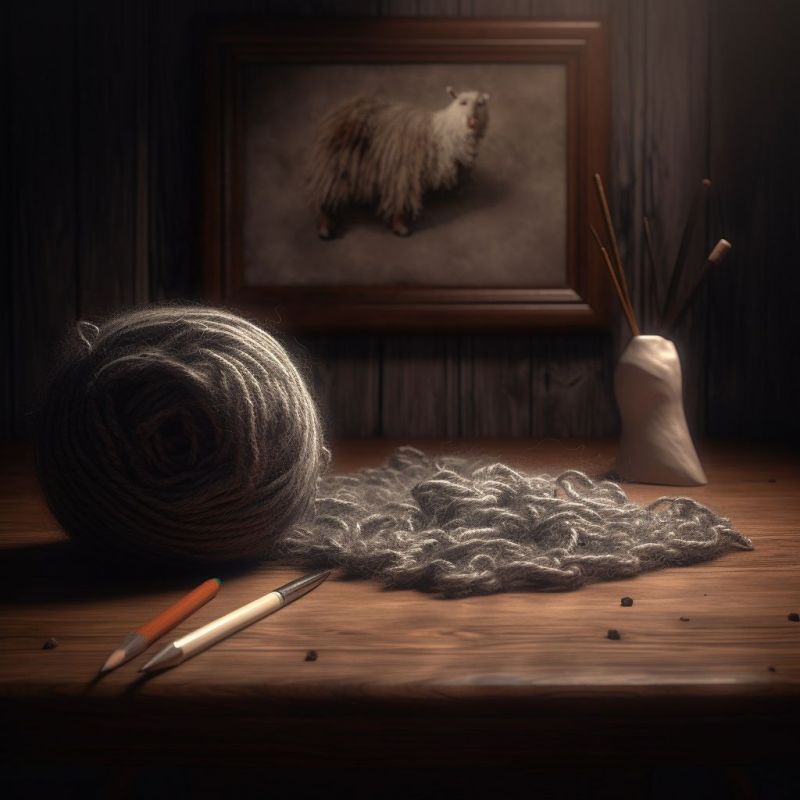 20 Wool0.4 gp
 -
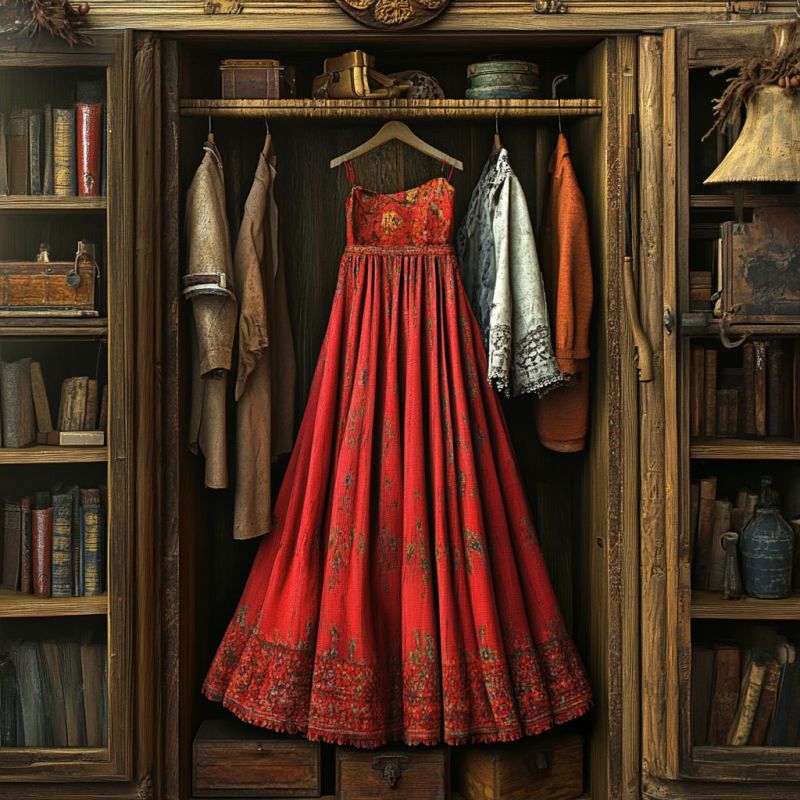 20 Skirt, Wool5 gp
 -
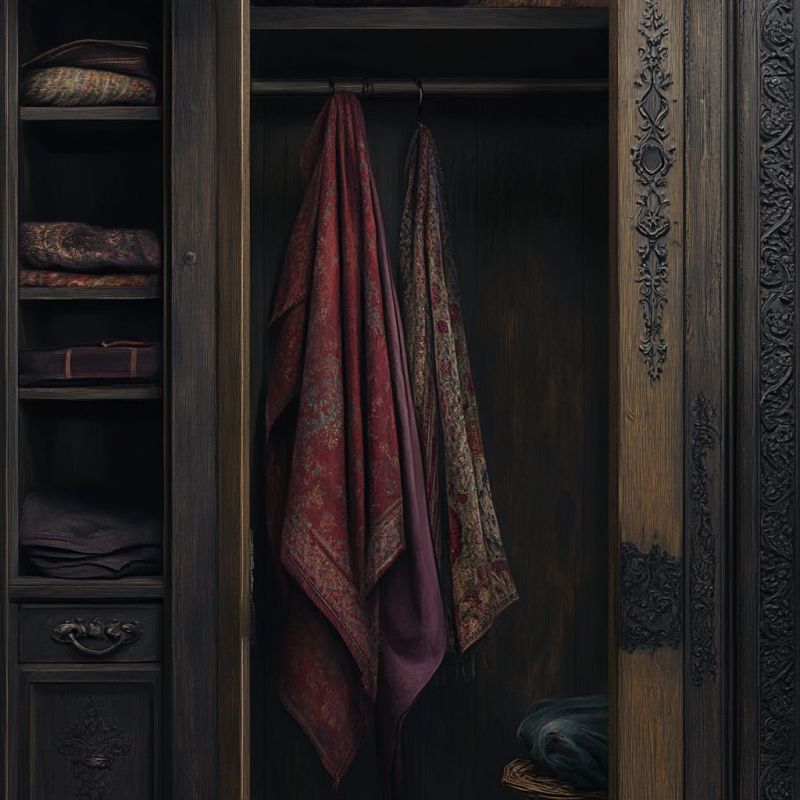 20 Shawl, Wool5 gp
 -
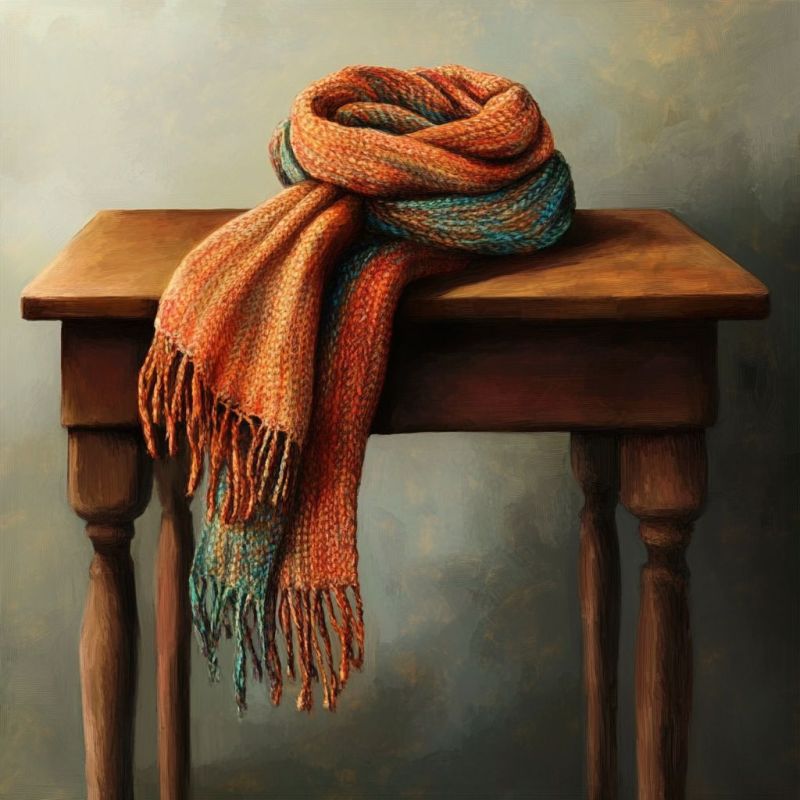 20 Scarf, Wool5 gp
 -
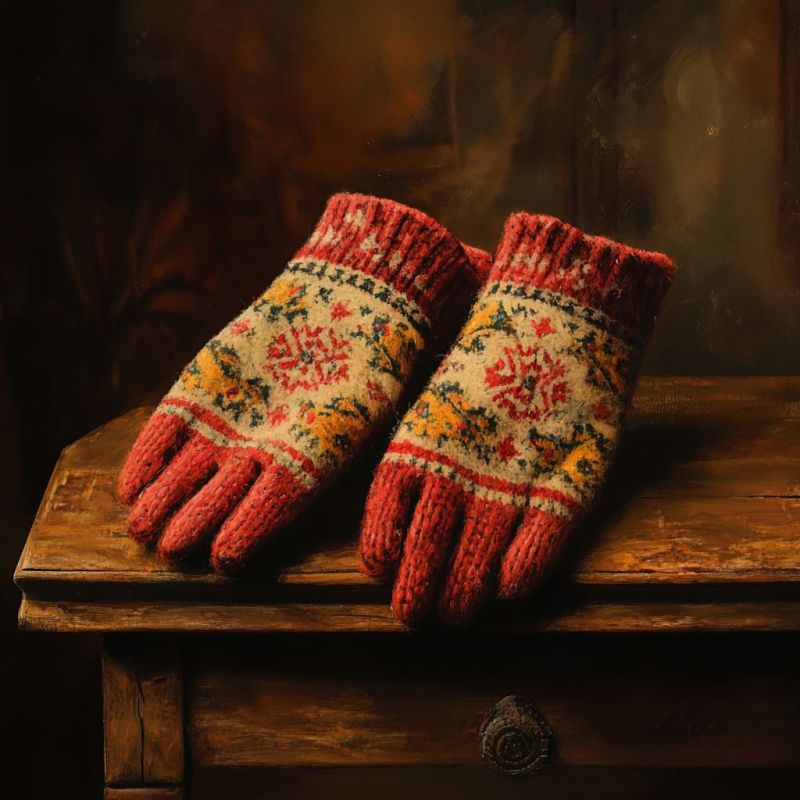 20 Wool Mittens4 gp
 -
 20 Wick0.01 gp
 -
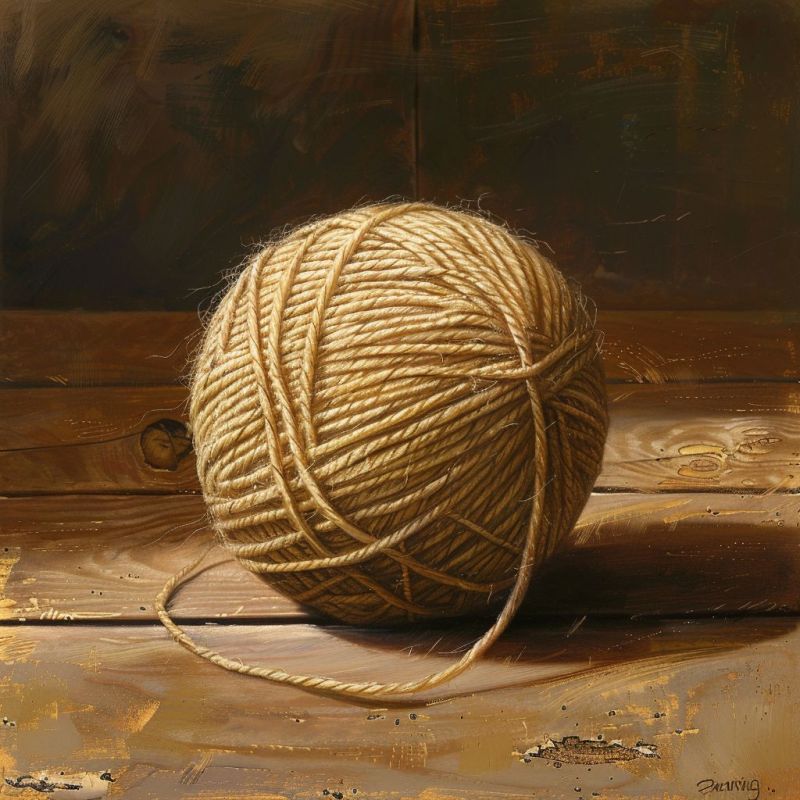 20 10 feet of string0.8 gp
 -
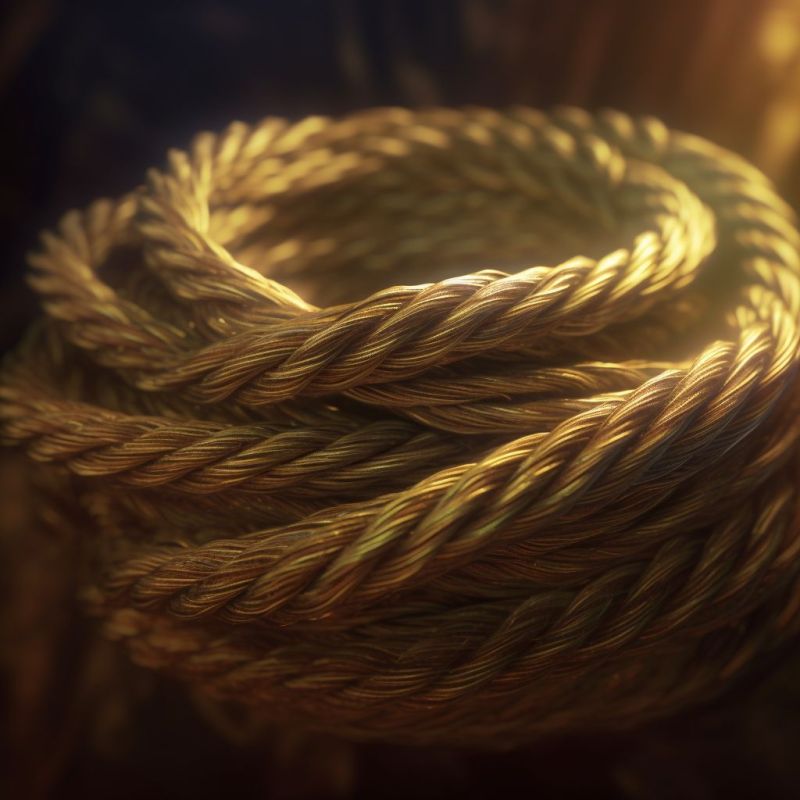 20 Silk Rope, 50 feet30 gp
 -
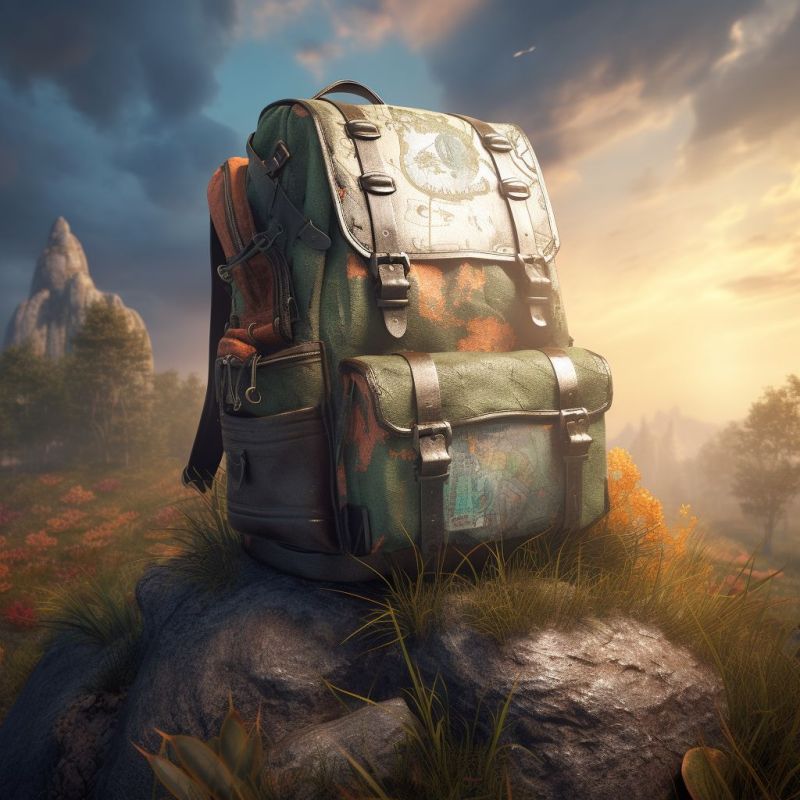 20 Backpack2 gp
 -
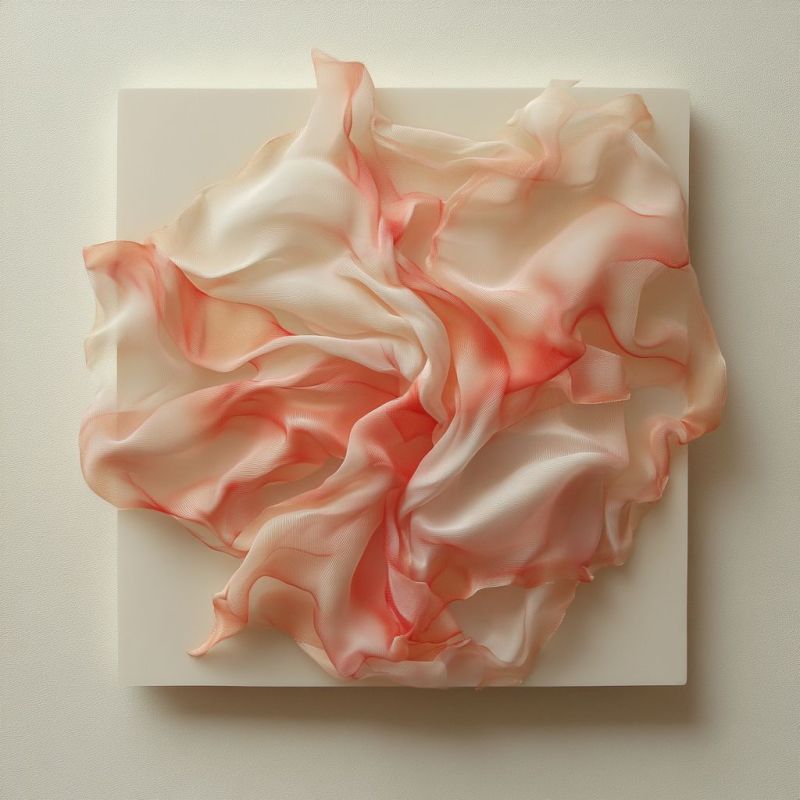 20 Silk, square, small1 gp
 -
 20 Hood, Silk20 gp
 -
 20 Silk (1 sq. yd.)10 gp
 -
 20 Net1 gp
 -
 20 Flax0.02 gp
 -
 20 Hammock, Linen8 gp
 -
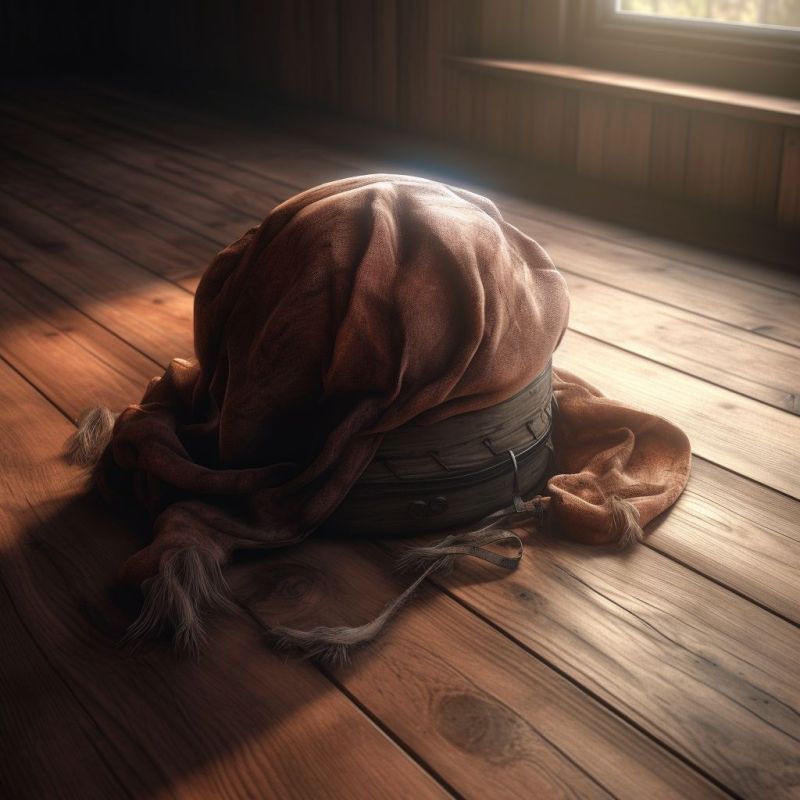 20 Ignoble Hat5 gp
 -
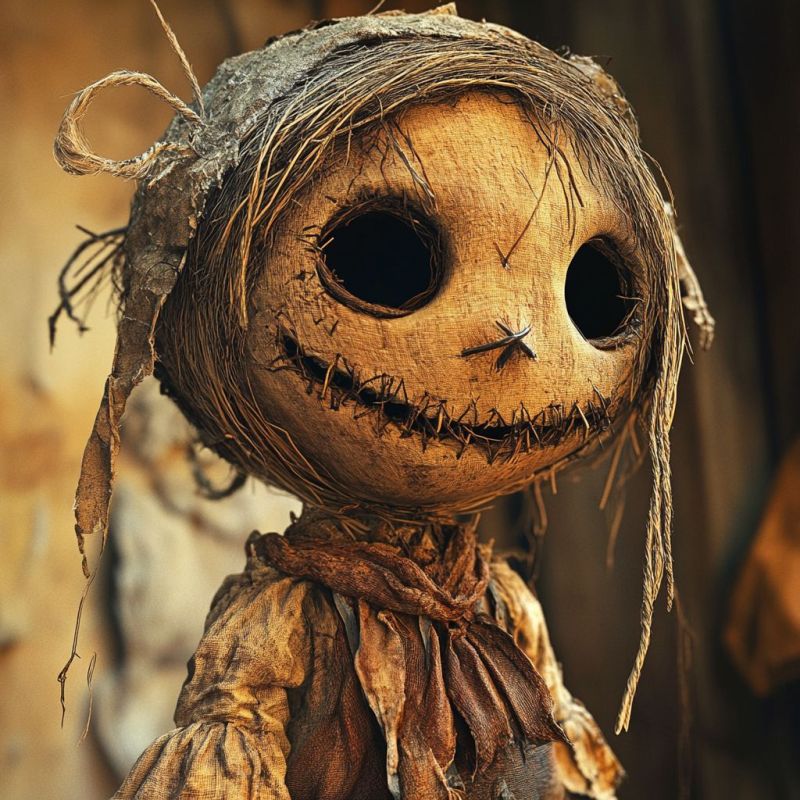 20 Doll, human3 gp
 -
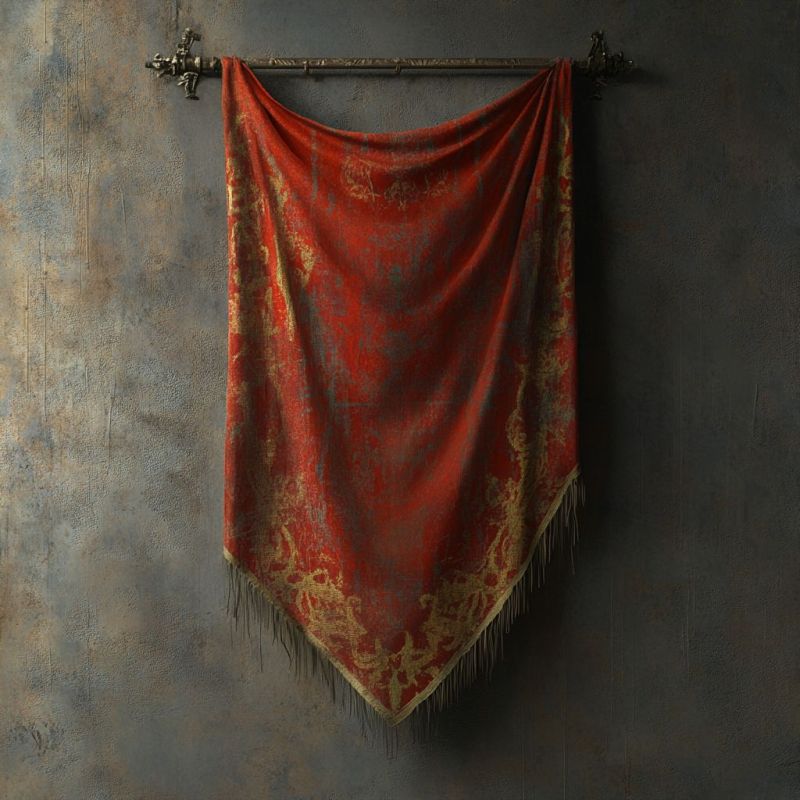 20 Banner, Cloth4.81 1 gp
 -
 20 Drinking Water0.01 gp
 -
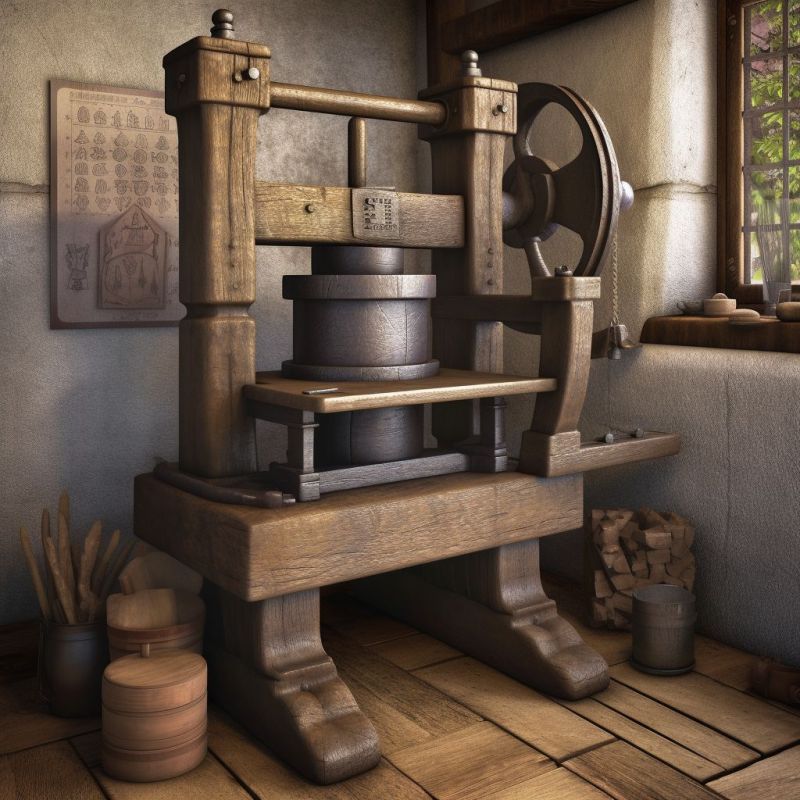 20 Screw Press30 gp
 -
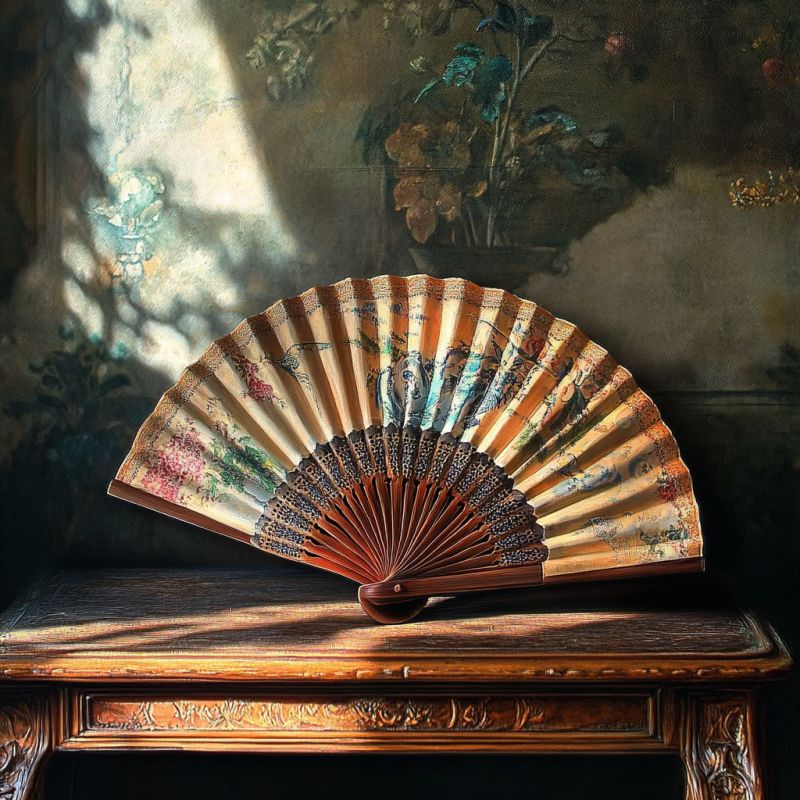 20 Hand Fan0.8 gp
 -
 20 Flying Kite0.3 gp
 -
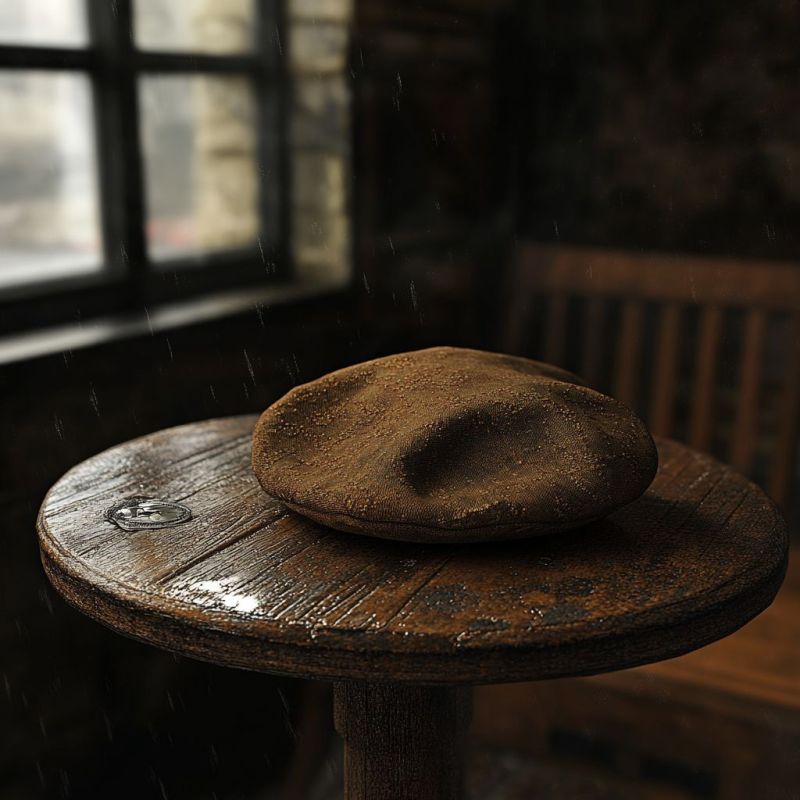 20 Beret, Cotton1 gp
 -
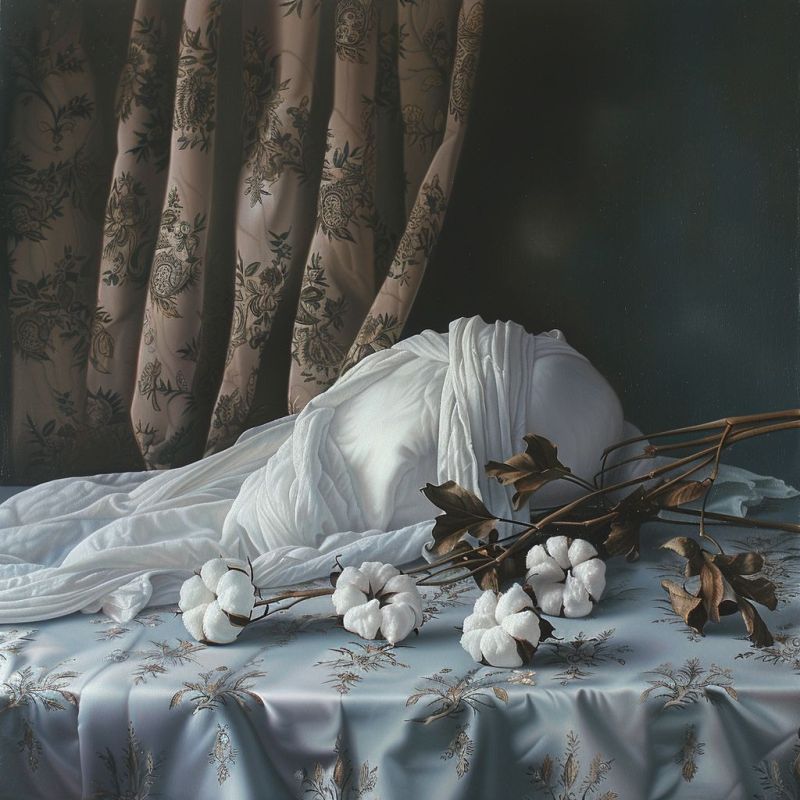 20 Cotton Cloth (1 sq. yd.)0.5 gp
 -
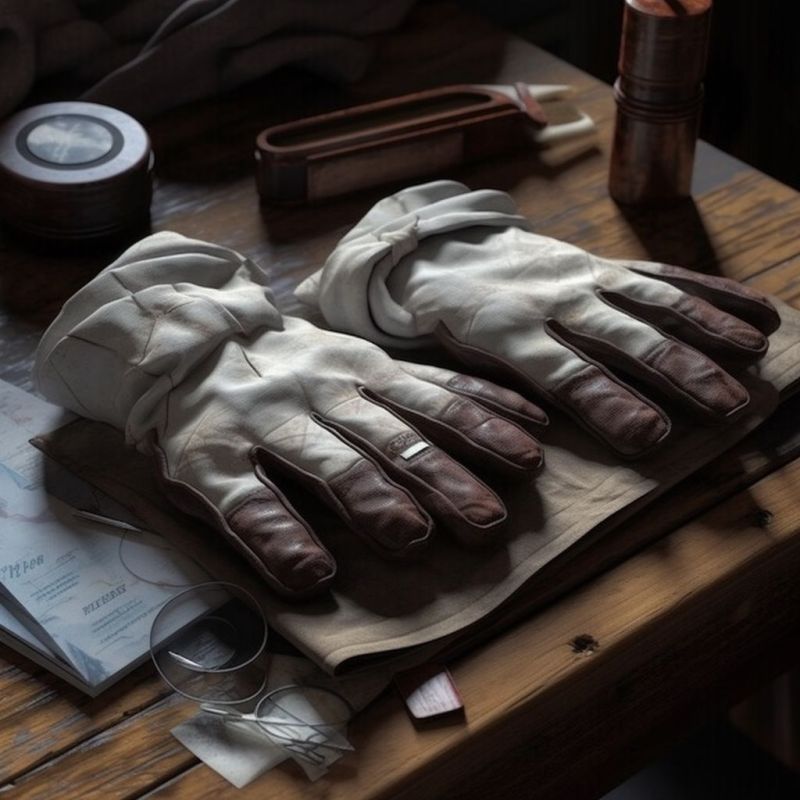 20 Gloves, Cloth5 gp
 -
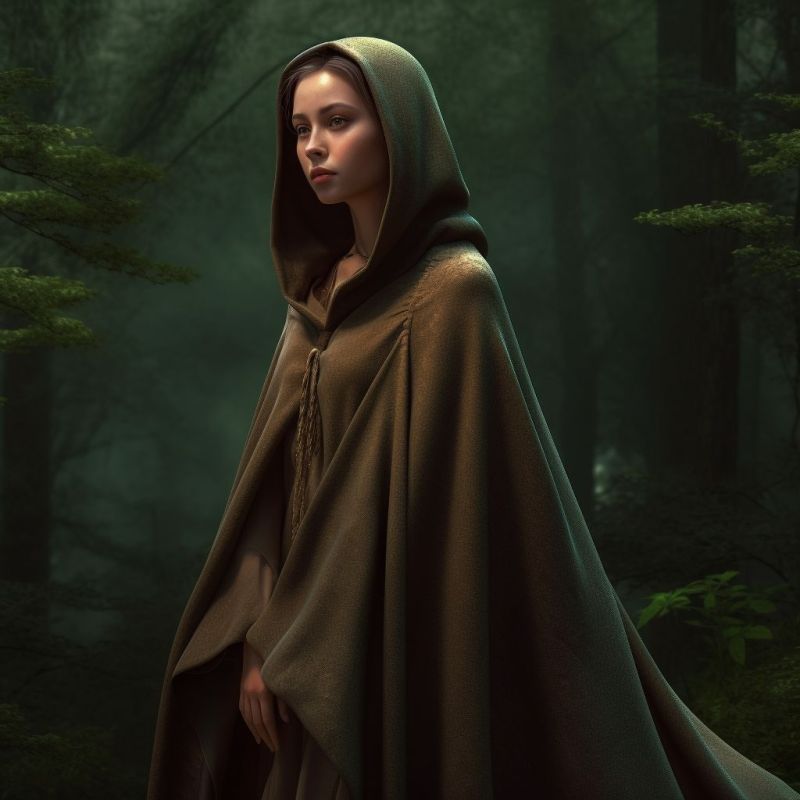 20 Cloak, Cloth1 gp
 -
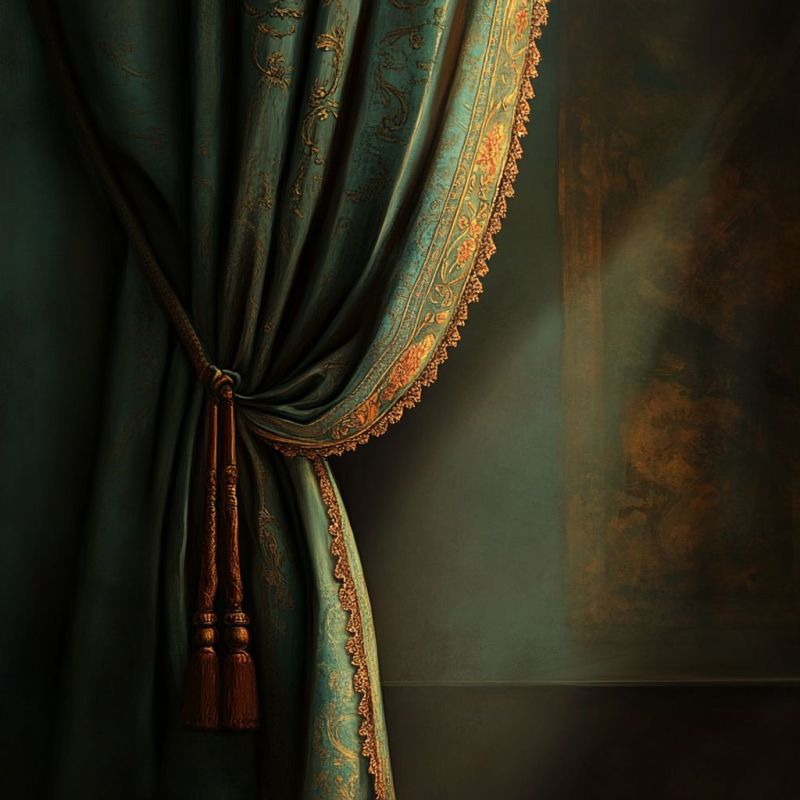 20 Curtain, Cloth1 gp
 -
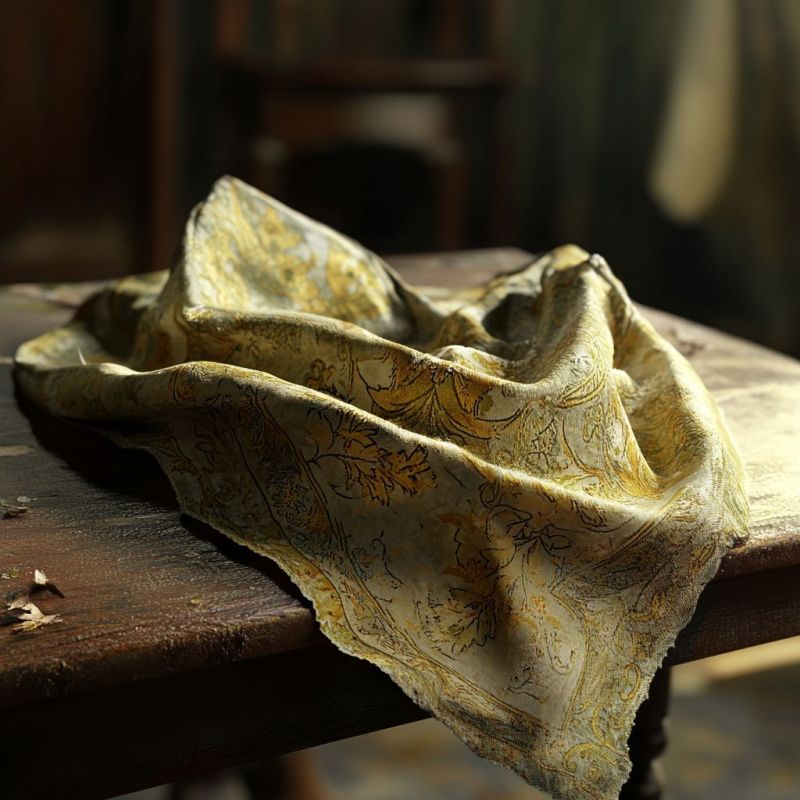 20 Bandana, Cloth0.3 gp
 -
 20 Cape0.5 gp
 -
 20 Bedroll1 gp
 -
 20 Wool Cloth10 gp
 -
 20 Linen Yarn0.5 gp
 -
 20 Linen Cloth5 gp
 -
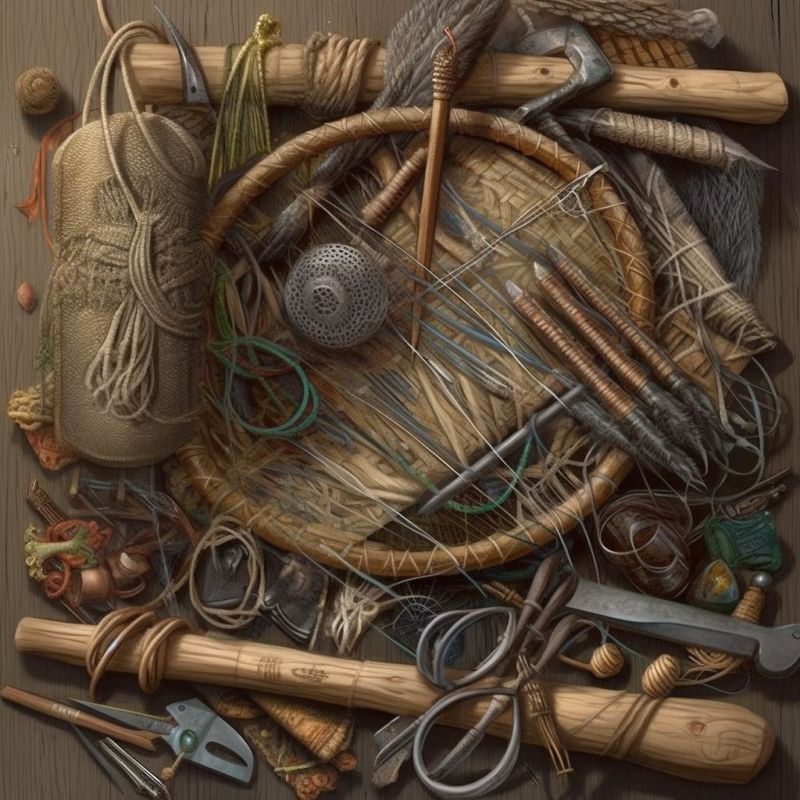 20 Weaving Tools15 gp
 -
 20 Thread, cloth0.01 gp
 -
 20 Animal Fat0.5 gp
 -
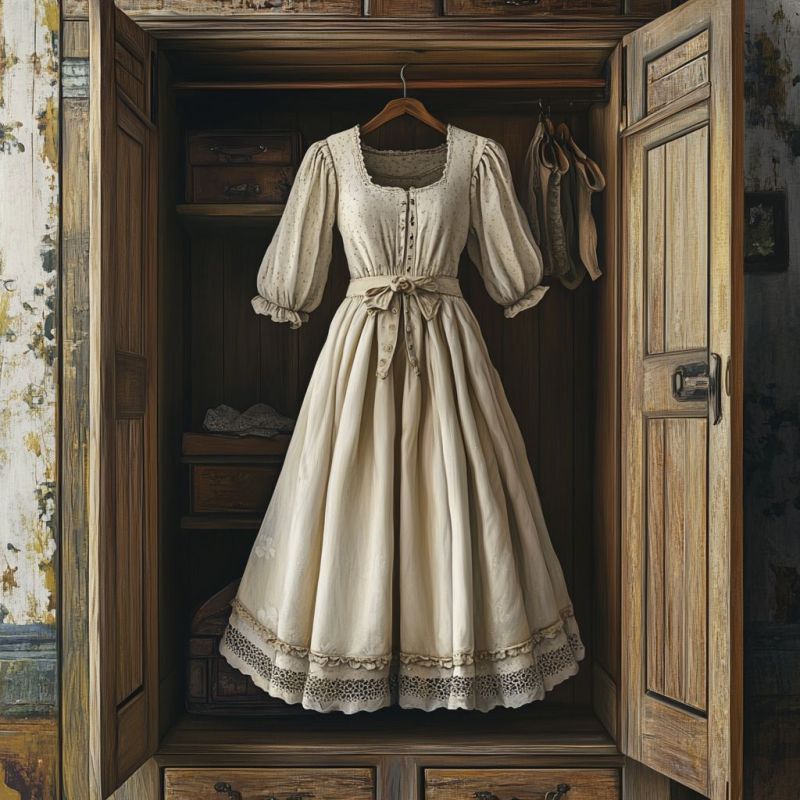 20 Dress, Cloth1 gp
 -
 20 Coif, Cloth1 gp
 -
 20 Doll, Cat2 gp
 -
 20 Bowstring0.2 gp
 -
 20 Hemp Fiber0.05 gp
 -
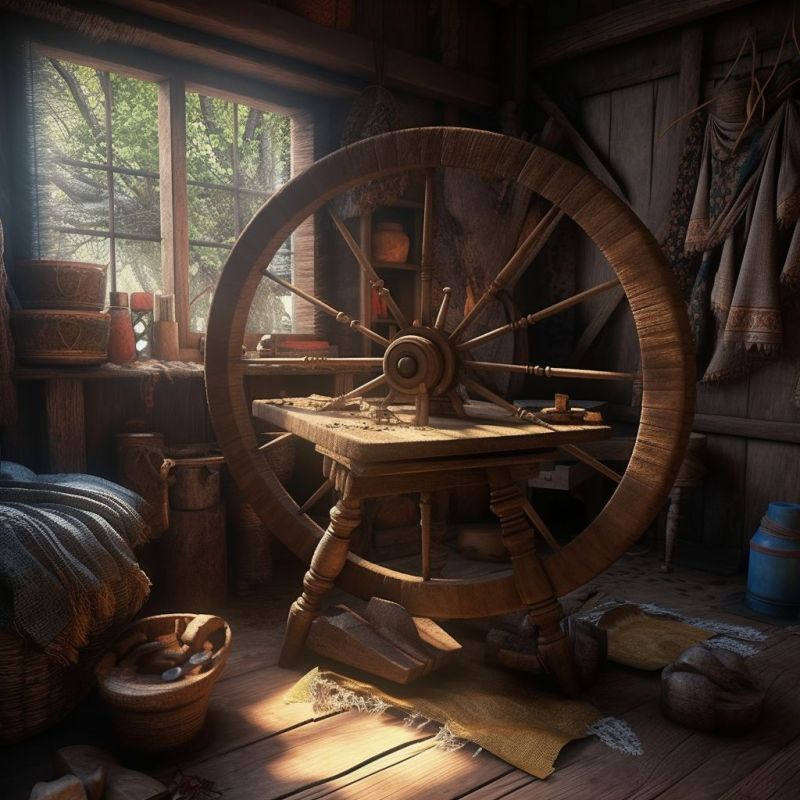 20 Spinning Wheel20 gp
 -
 20 Blanket, Wool3.45 gp
 -
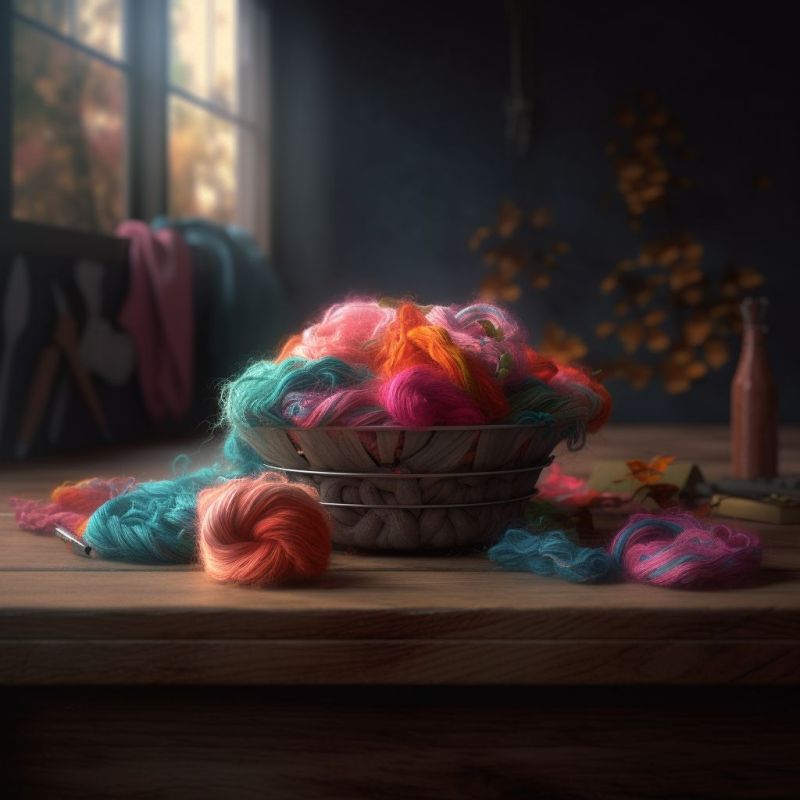 20 Wool Yarn2 gp
 -
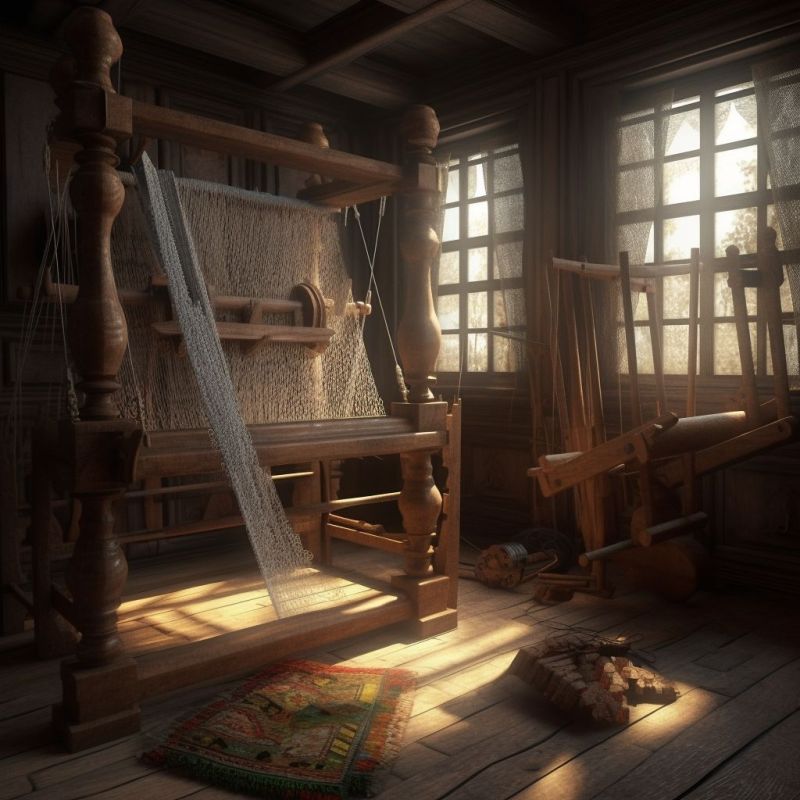 20 Loom30 gp
 -
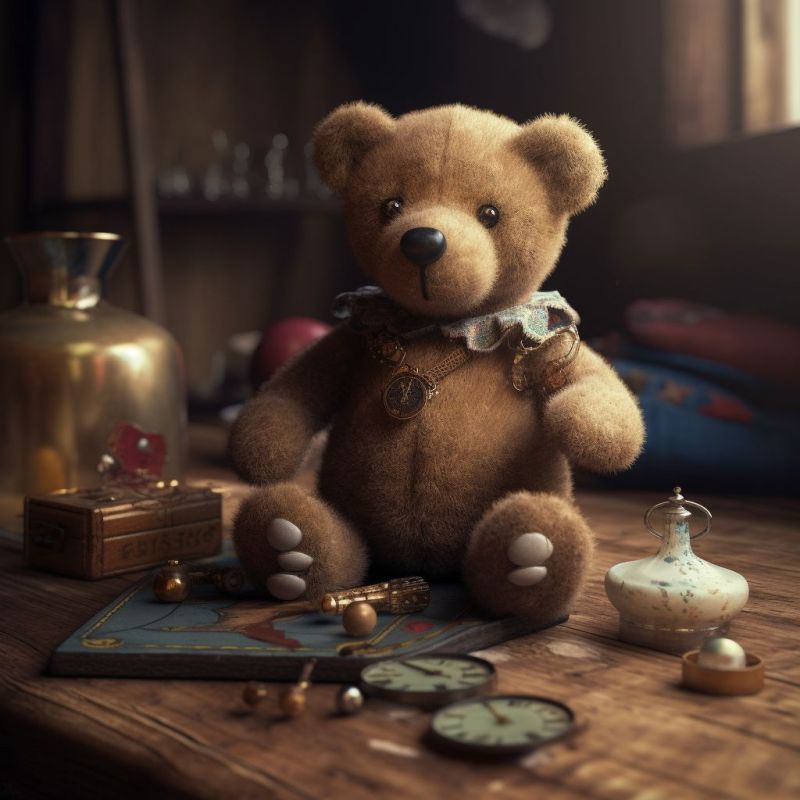 20 Teddy Bear1 gp
 -
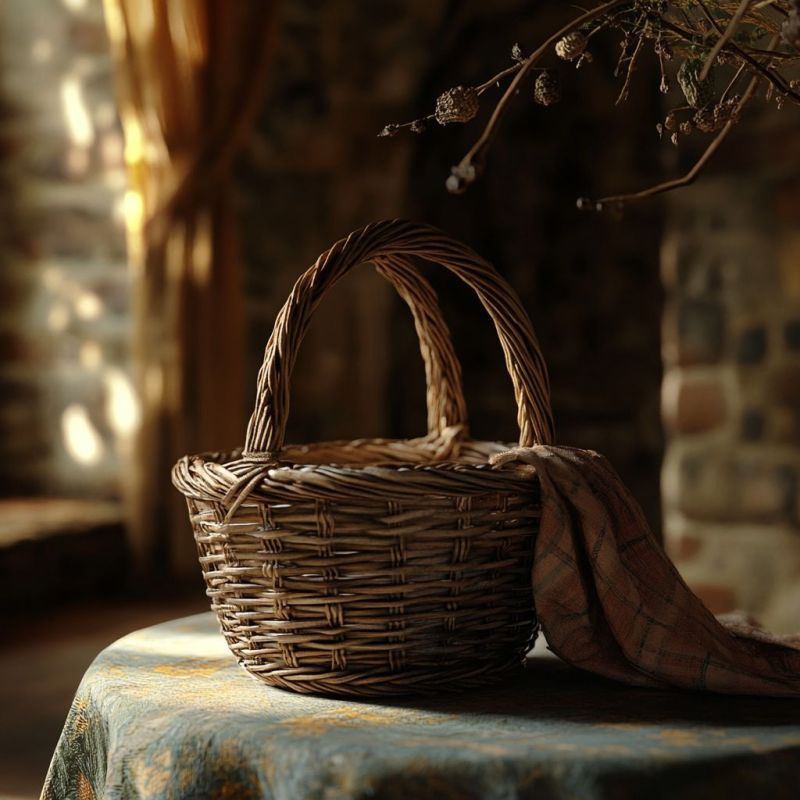 20 Wicker Basket1 gp
 -
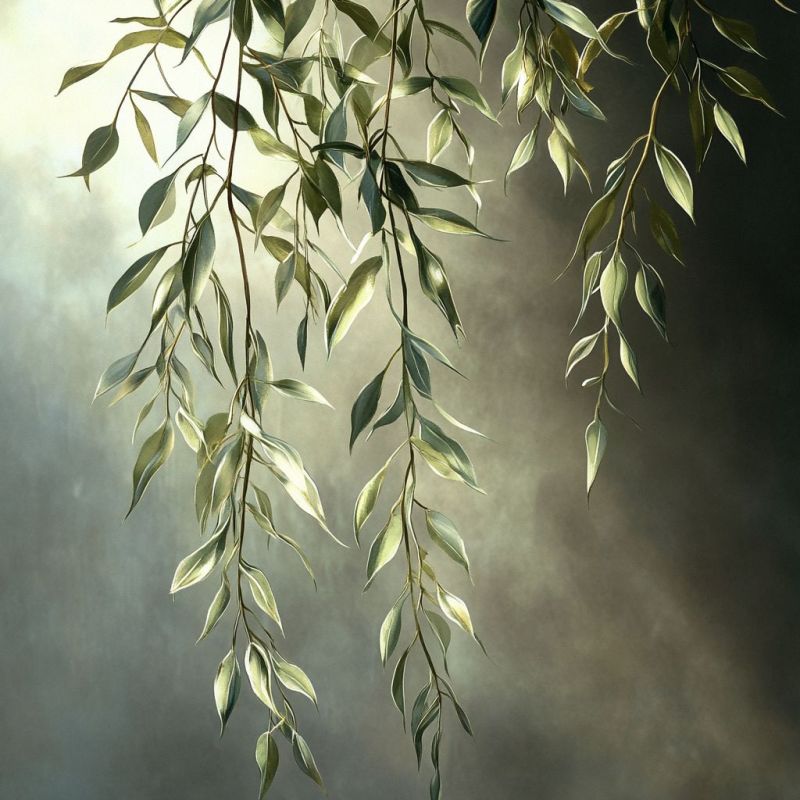 20 Willow Fiber0.01 gp
 -
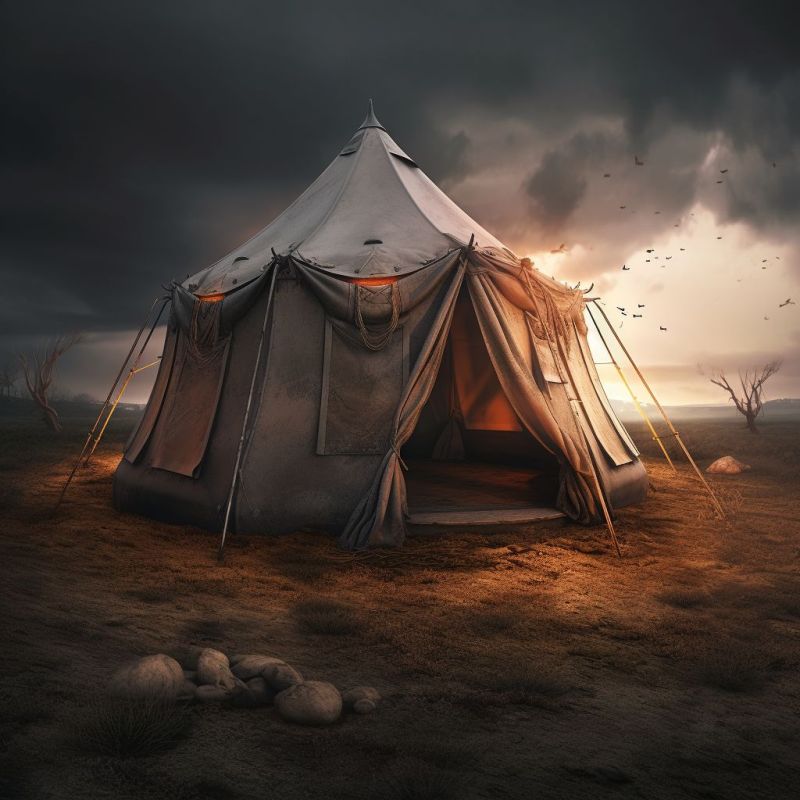 20 Two-Person Tent15 gp
 -
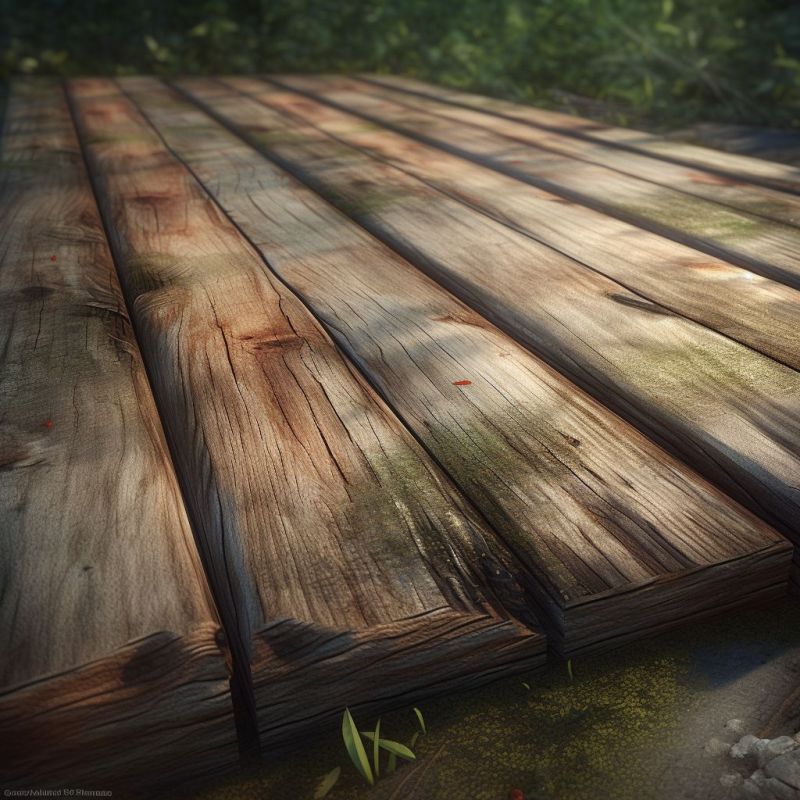 20 Wood Plank0.16 gp
 -
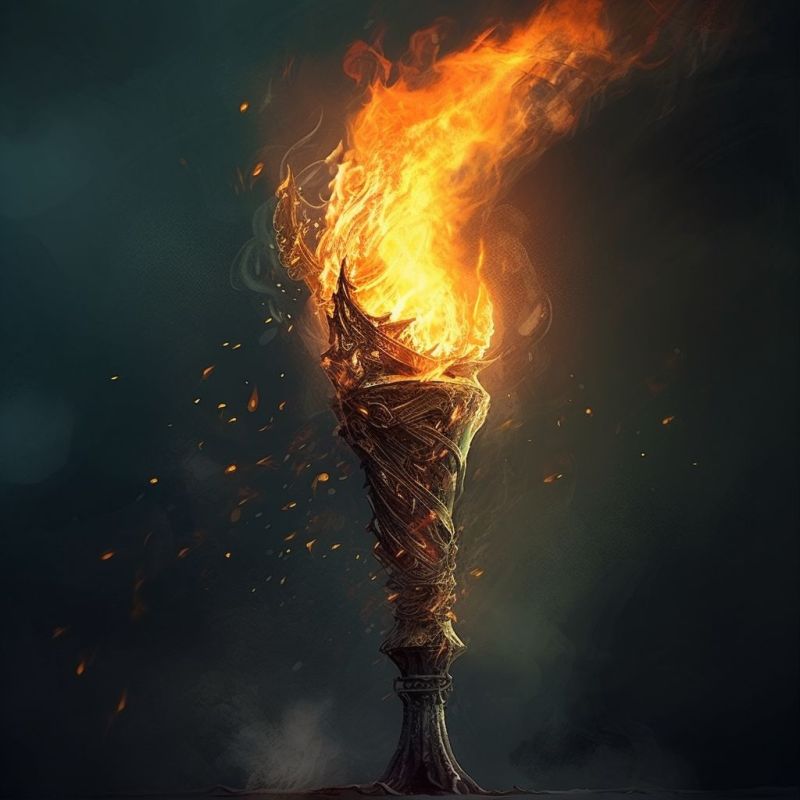 20 Torch0.01 gp
 -
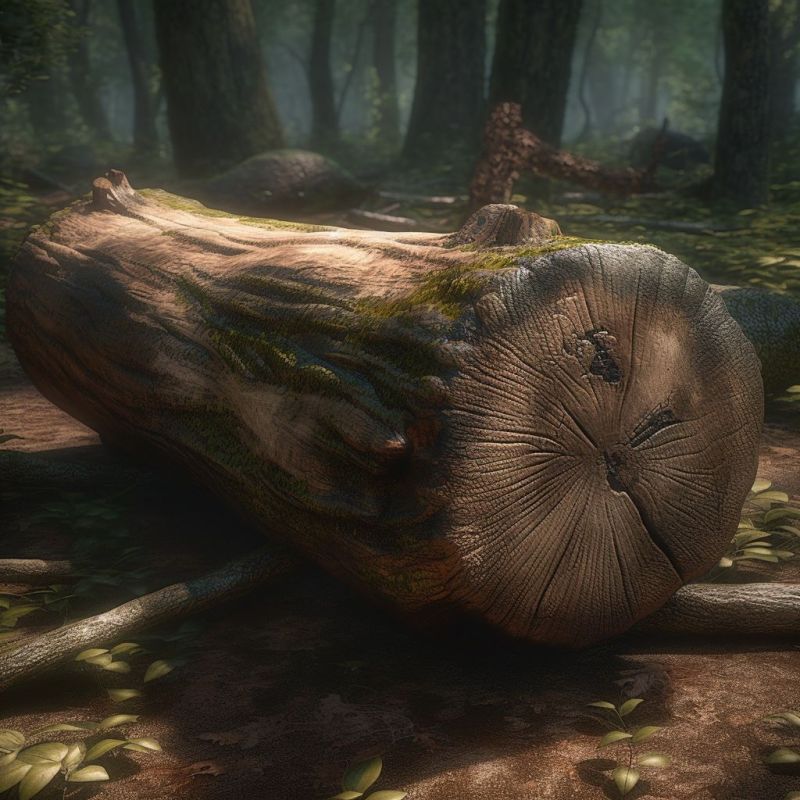 20 Timber0.08 gp
 -
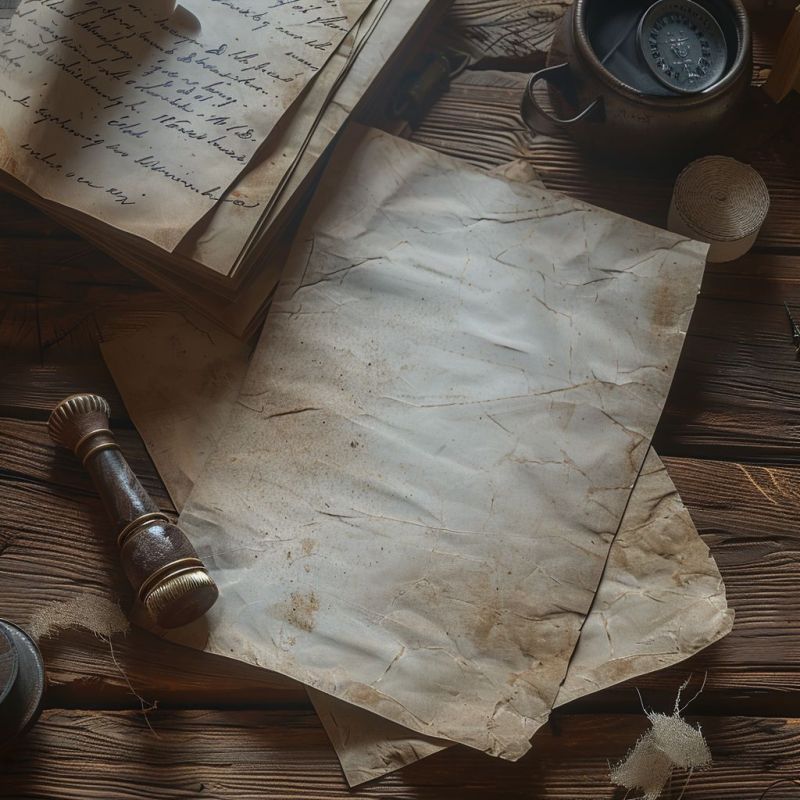 20 Paper, Sheet0.2 gp
 -
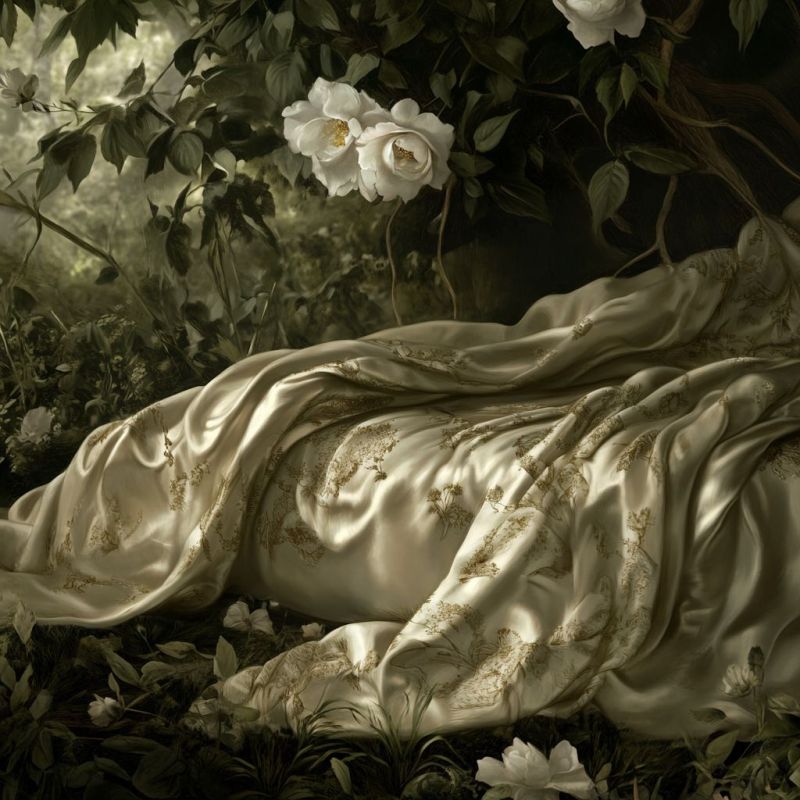 20 Blanket, Silk50 gp
 -
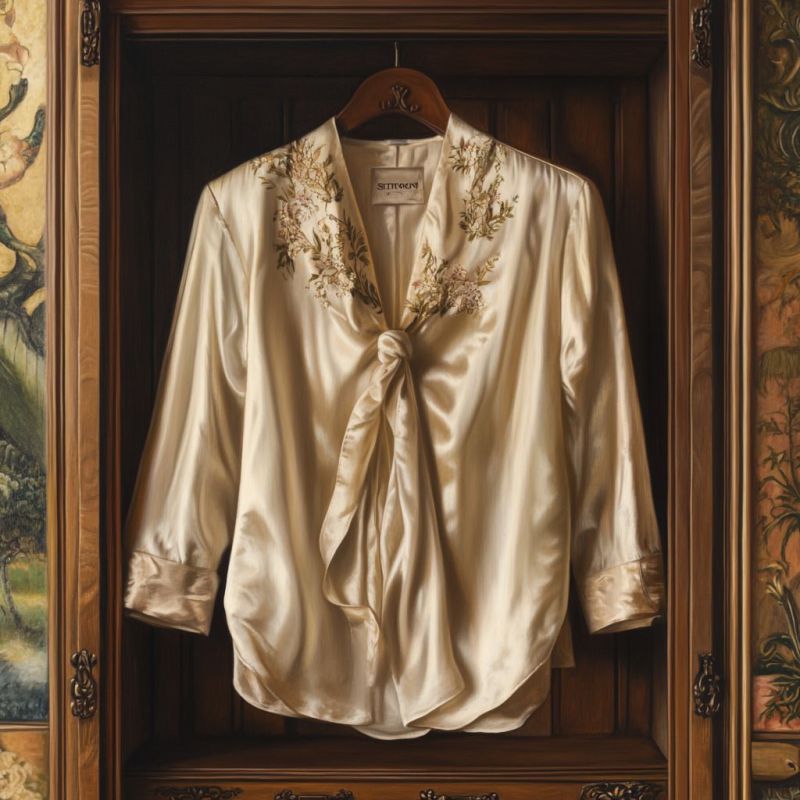 20 Blouse, Silk30 gp
 -
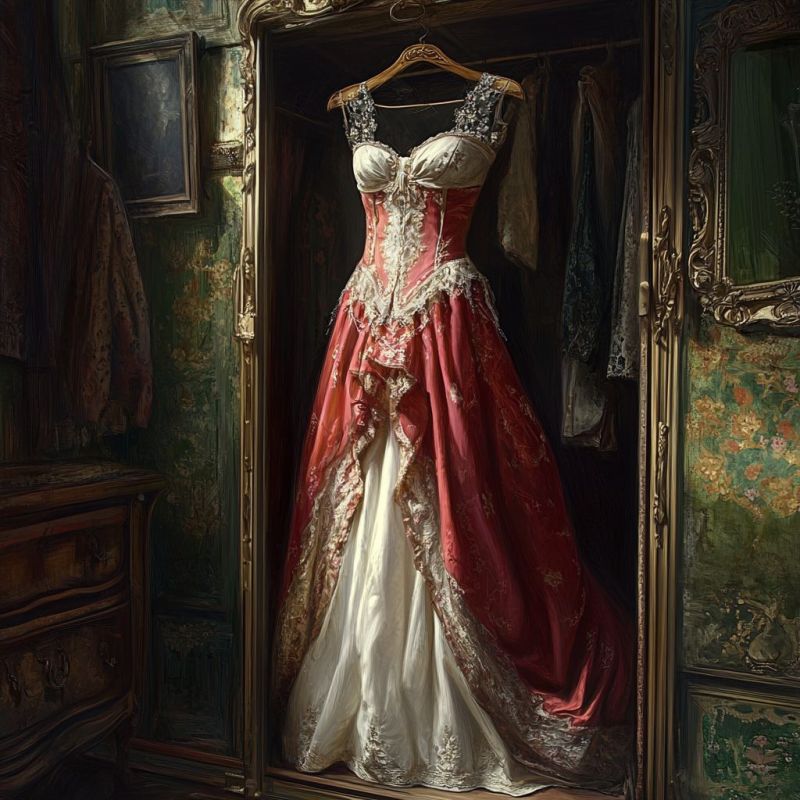 20 Dress, Silk30 gp
 -
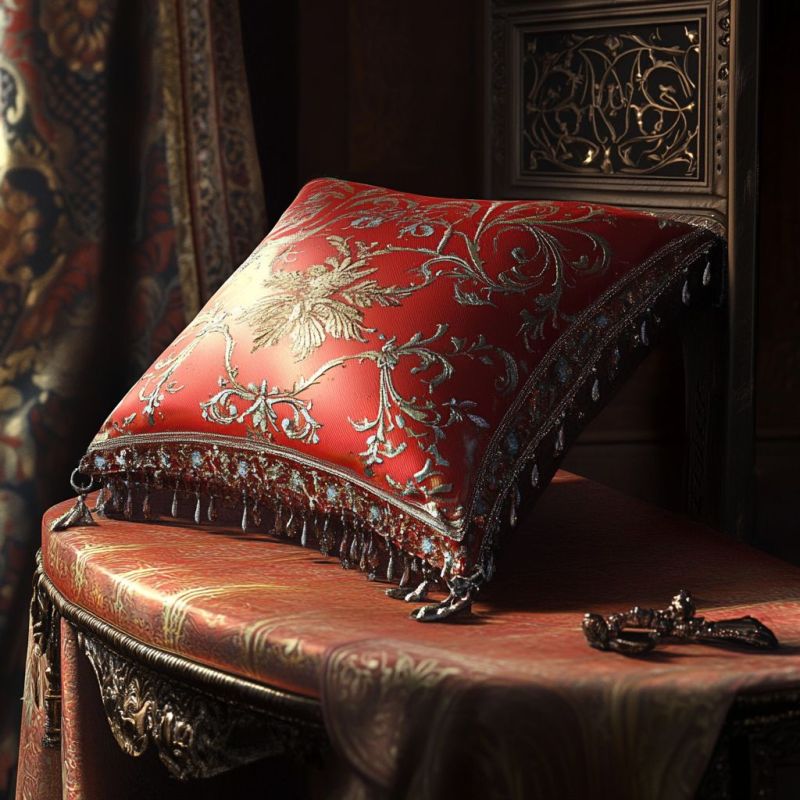 20 Pillow, Silk20 gp
 -
 20 Sash, Silk20 gp
 -
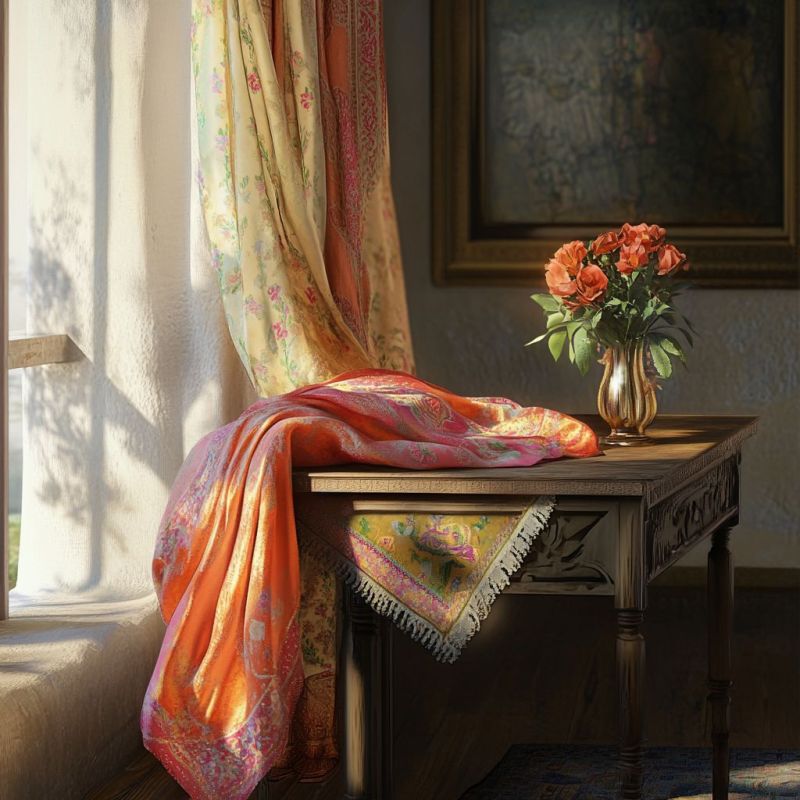 20 Scarf, Silk20 gp
 -
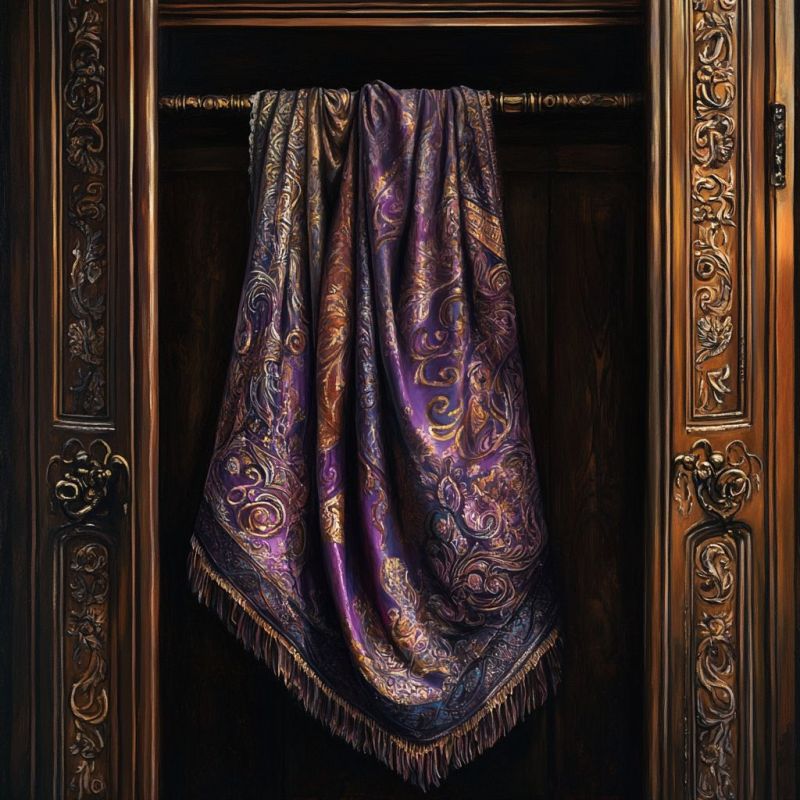 20 Shawl, Silk20 gp
 -
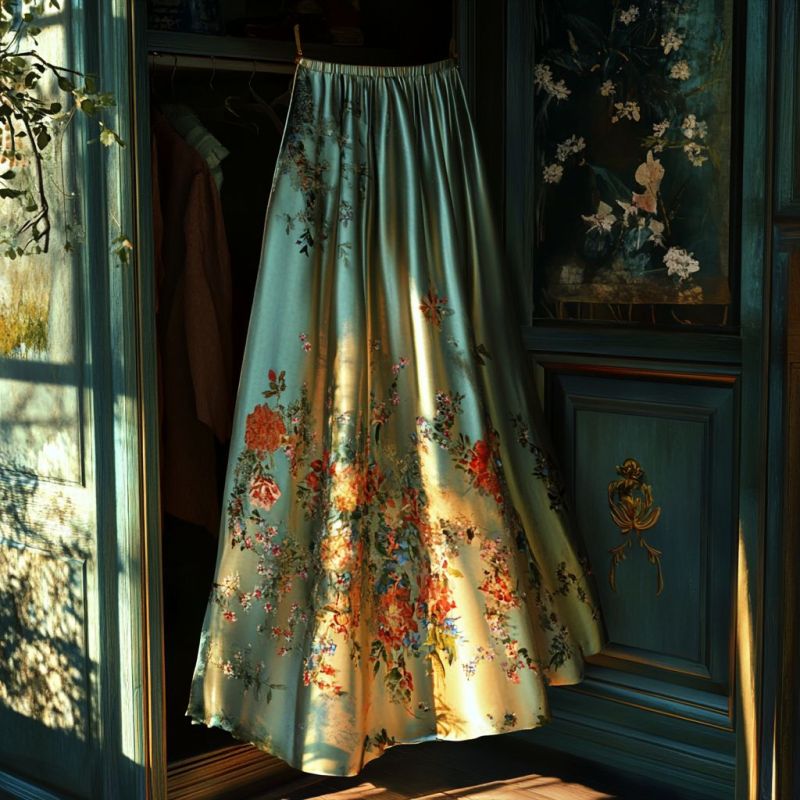 20 Skirt, Silk20 gp
 -
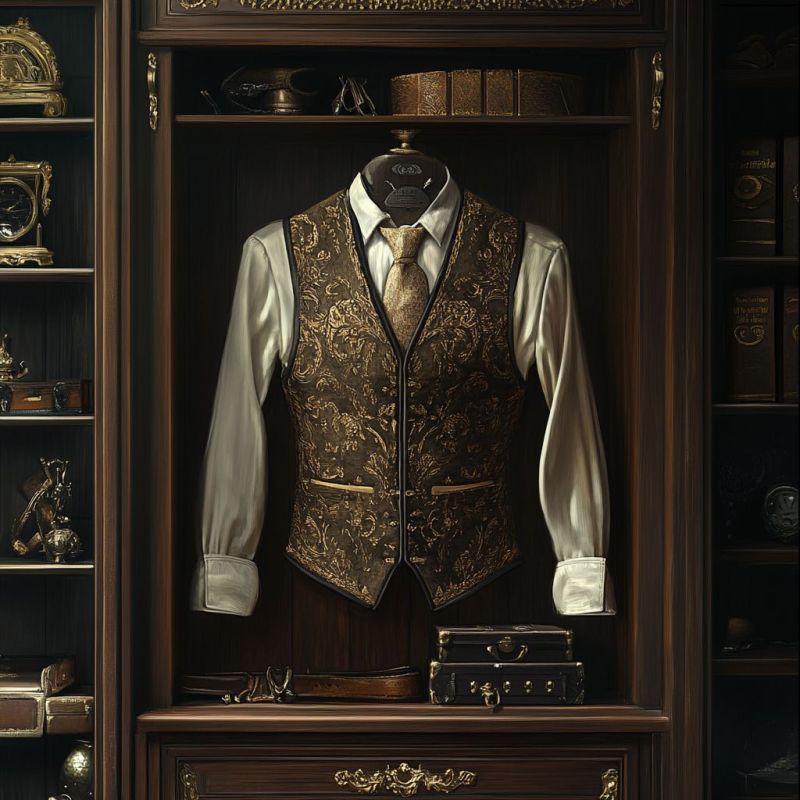 20 Vest, Silk30 gp
 -
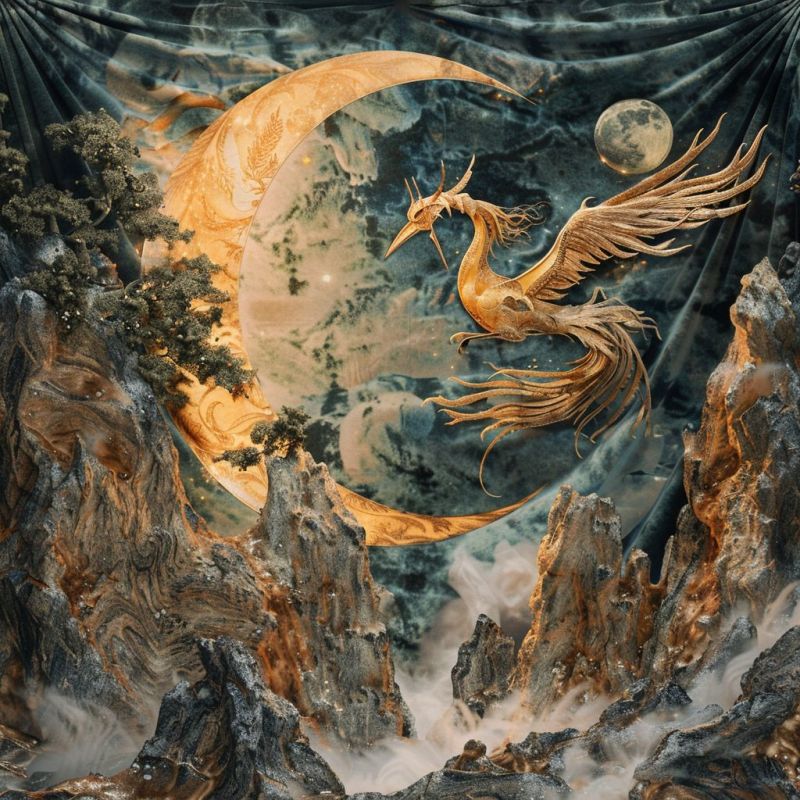 20 Tapestry25 gp
 -
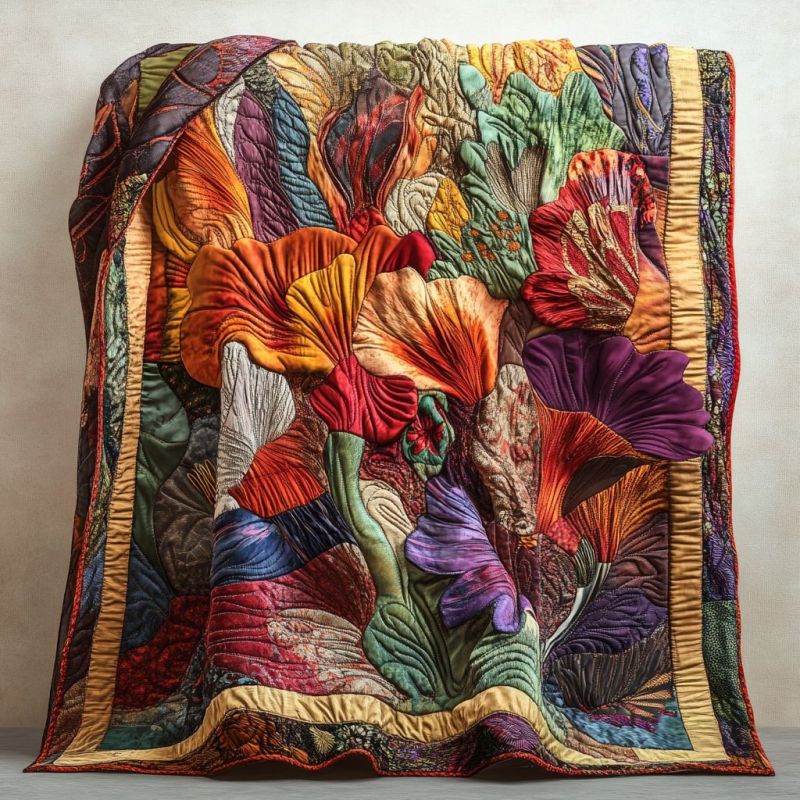 20 Wool Quilt30 gp
 Skill Tier 6:
-
 Weaving


