Menu
 Ancestries
 Backgrounds
 Lineages
 Classes
 Subclasses
 Spells
 Curses
 Mentas
 Sanguines
 Feats
Feats
 Passive
 Full
Full
 Standard
 Quick
Quick
 Attack
 Free
Free
 Reaction
 Opp. Attack
 Innate Skills
 Gathering Skills
 Knowledge Skills
 Crafting Skills
 Weapon Skills
 Armor Skills
 Defensive Skills
 Status Effects
 Crafting
 Alchemy
 Art
Art
 Cooking
 Enchanting
 Glassblowing
 Jewelling
 Leatherworking
 Machining
 Masoning
 Smithing
 Weaving
 Woodworking
View All Crafting
View All Rules
Woodworking
View All Crafting
View All Rules



































 Library
Digital supplements and compendia—rules content, adventures and setting material you add to My Library.
Browse Library
 Adventures
Standalone adventures—ready to run. Purchase the source in the Library for access.
All Adventures
 Free Adventures
 Paid Adventures








Mason - Tier 3
🧱🔨 Mason: Tier 3 Master Builder
A Tier 3 Mason is an advanced stone craftsperson whose cutting skill, project control, and strong professional reputation make them a major specialist in structural construction and stone repair. They are no longer simply producing reliable wall and hearth work. At this tier, their methods, yard, and finished projects carry real weight in trade and civic building.
📚⛏️ Training and Foundation
Tier 3 Masons are extensively shaped by elite apprenticeship, guild advancement, quarry management, civic contracts, military construction, or decades of disciplined stone cutting and setting. They understand load transfer, mortar behavior, drainage, arch support, foundation settling, stone quality, facing work, and repair planning at a high level. Their craft is no longer just skilled. It is authoritative.
🧥🪨 Appearance and Bearing
These creatures usually appear in heavy aprons, reinforced gloves, boots, and practical work clothes marked by lime, stone dust, mud, and repeated wear from site labor. Their hands, shoulders, and posture show long experience with tools, weight, and exact physical work. Chisels, mallets, squares, plumb lines, trowels, wedges, levels, and measuring rods are usually close at hand. Their bearing is direct, exact, and used to judging whether a structure will hold before the first stone is set.
🧱📦 Typical Inventory
A Tier 3 Mason commonly keeps dressed stone blocks, paving slabs, bricks, lime, mortar mix, cut cornerstones, arch stones, stair pieces, chimney sections, sill stones, dock reinforcement blocks, drainage channels, wall caps, grave markers, boundary stones, carved plaques, repair patches, wedges, chisels, trowels, hammers, plumb lines, measuring rods, and partially finished commissions for homes, inns, warehouses, wells, bridges, docks, civic buildings, and fortified walls. Their stock is usually broader, heavier, and more project-focused than that of a Tier 2 Builder.
🧠⚖️ Working Style
Their working style is disciplined, plan-driven, and structure-focused. A Tier 3 Mason thinks in terms of foundation, line, weight, drainage, and long-term failure points before committing labor and material. They cut more accurately, waste less stone, and manage larger jobs with better sequencing than lesser workers. Their goal is not ornament first. It is durable construction that stays square, stable, and serviceable over time.
💰🏗️ Trade and Practical Role
What defines this subtype is high-value structural utility. Tier 3 Masons support the permanent parts of a flintlock society: docks, roads, bridges, wells, warehouses, chimneys, walls, cellars, public steps, graveyards, and major buildings. Their work serves merchants, civic officials, temple authorities, dockmasters, military engineers, landowners, and builders who need stone set correctly because failure would be expensive or dangerous. They are valued not just for labor, but for judgment.
🏪🪵 Business and Workspace
Tier 3 Masons usually work from major yards, quarry-linked workshops, guild-backed stone grounds, civic project sites, dock construction lots, or military build areas with steady labor and supply. Their space is organized around cut stock, raw blocks, mortar bins, shaping tables, marked contracts, tool storage, hauling routes, and partially completed stone ready for transport. A successful operation often includes apprentices, cutters, haulers, setters, and laborers working under clear direction.
🏙️👥 Common Roles
These creatures are commonly found as civic masons, bridge and road builders, dock stone contractors, wall masters, chimney and hearth specialists, graveyard monument cutters, well and cellar builders, or workshop heads trusted with costly and visible projects. In larger settlements, they are often the people called when the structure must endure weather, traffic, and time.
👑🪙 Place in Society
A Tier 3 Mason holds real professional status. Merchants want reliable warehouses, officials want safe roads and drains, temples want durable foundations, and landowners want buildings that do not shift or crack. They may not be aristocratic, but they carry economic and civic importance because their work becomes part of the built environment everyone depends on.
📈🧱 Tier Meaning
Tier 3 represents a mason that has grown into a major merchant-artisan. The core traits—stone cutting, practical inventory, structural work, and lasting utility—have matured into authority, larger project control, and meaningful commercial importance. This is no longer just a builder. It is a master builder whose work helps define how permanent a settlement really is.
 Inventory Unequipped:
-
 20 Statue, Tiny3 gp
 -
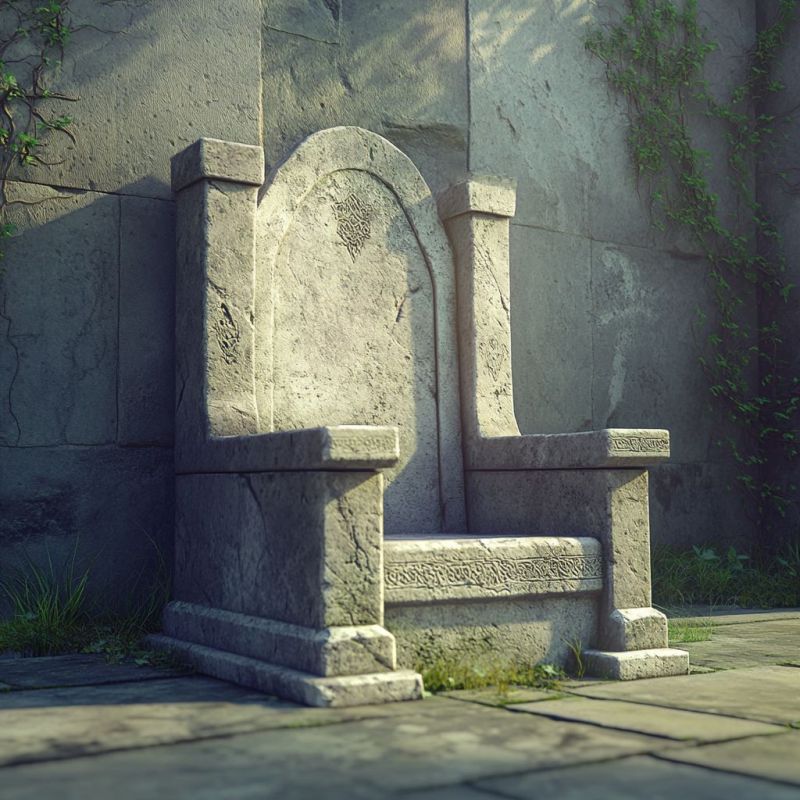 20 Throne, Stone200 gp
 -
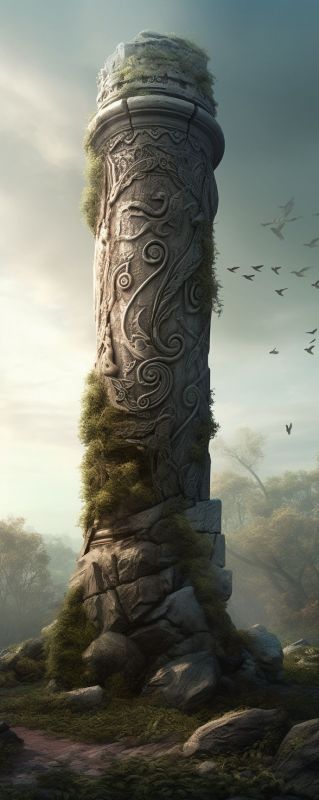 20 Pillar, Stone100 gp
 -
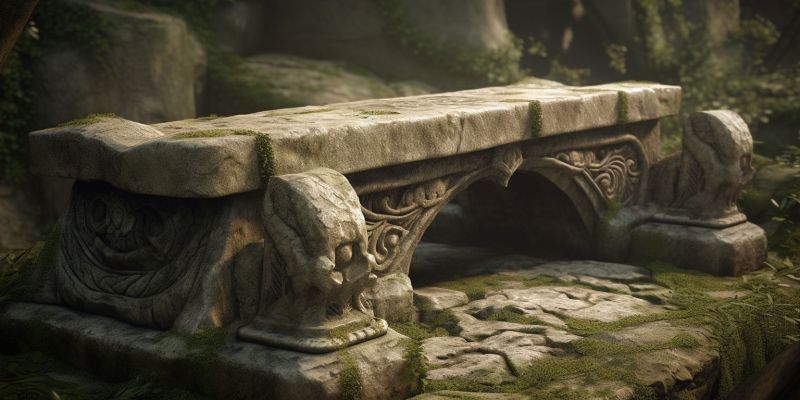 20 Alter, Stone30 gp
 -
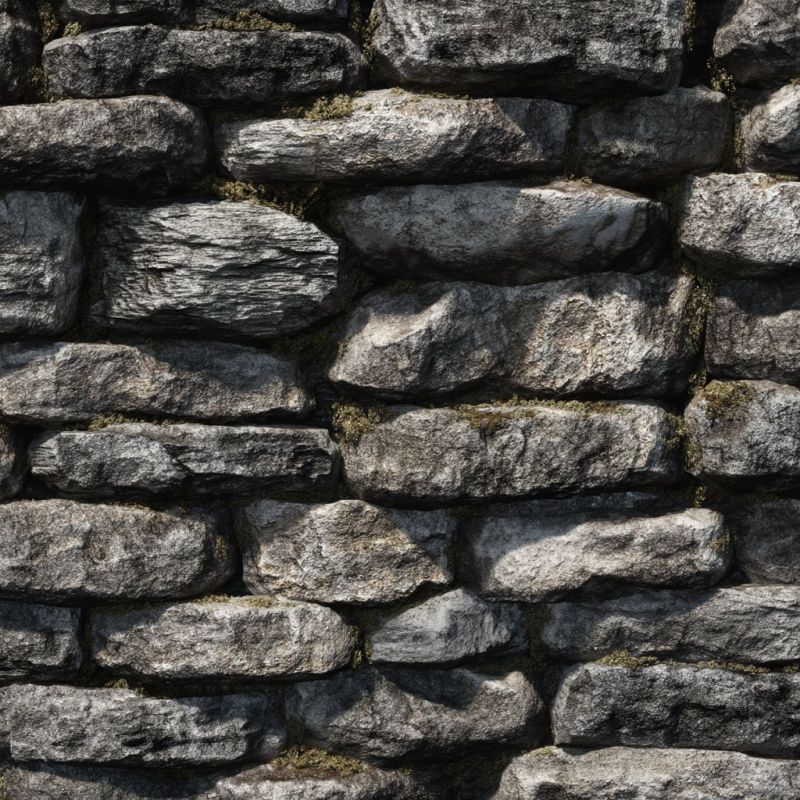 20 Wall, Large, Stone200 gp
 -
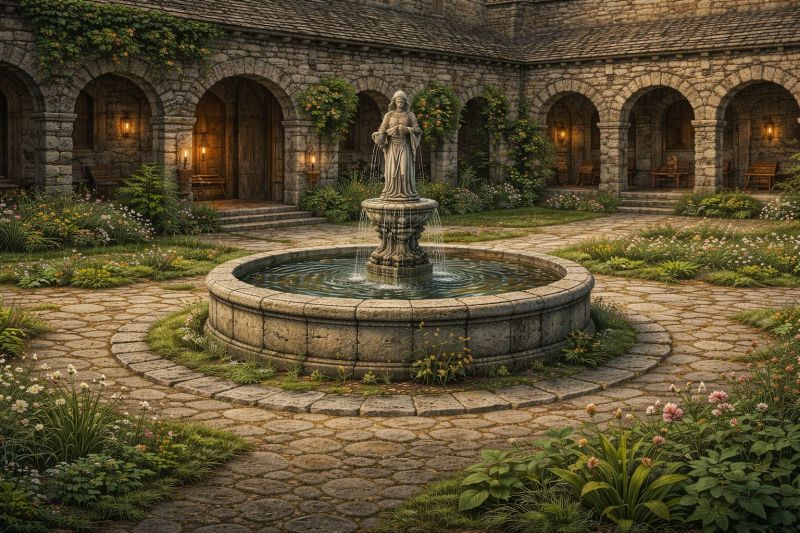 20 Fountain, Stone, Large150 gp
 -
 20 Door, Large, Stone400 gp
 -
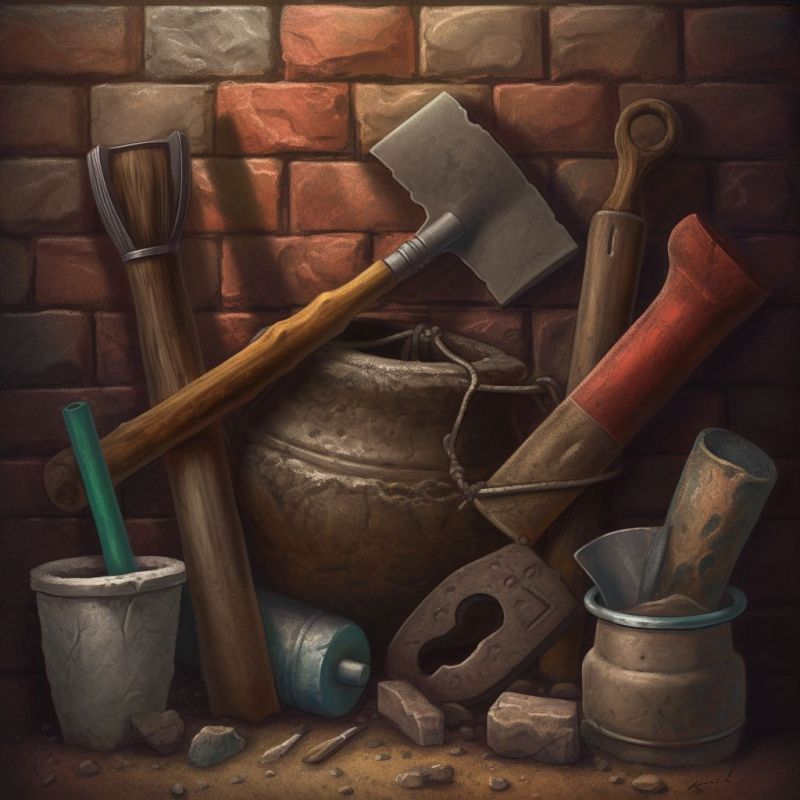 20 Masonry Tools15 gp
 -
 20 Chalk, piece0.01 gp
 -
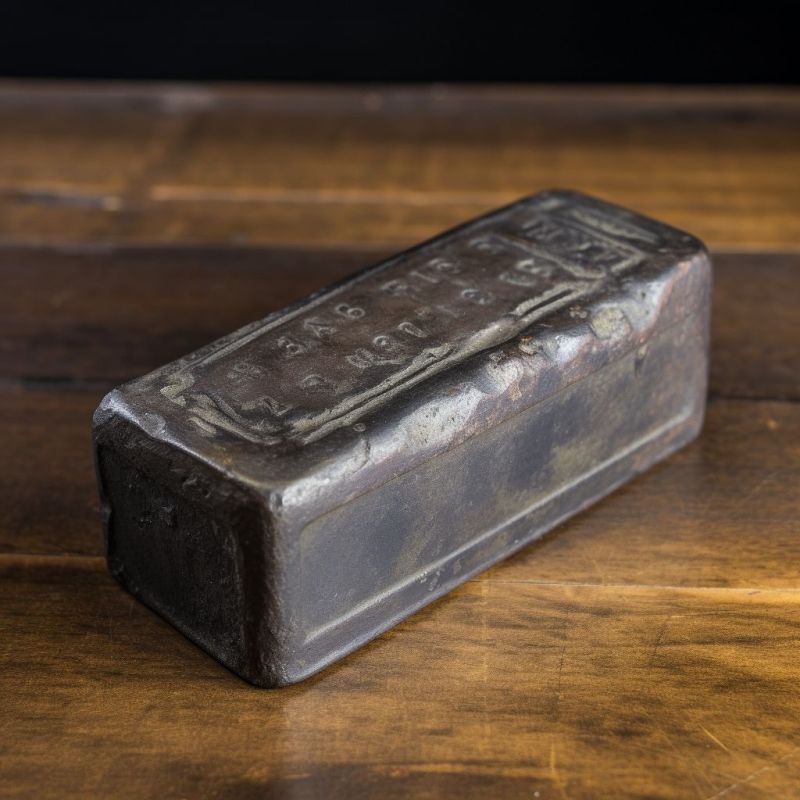 20 Iron Ingot0.15 gp
 -
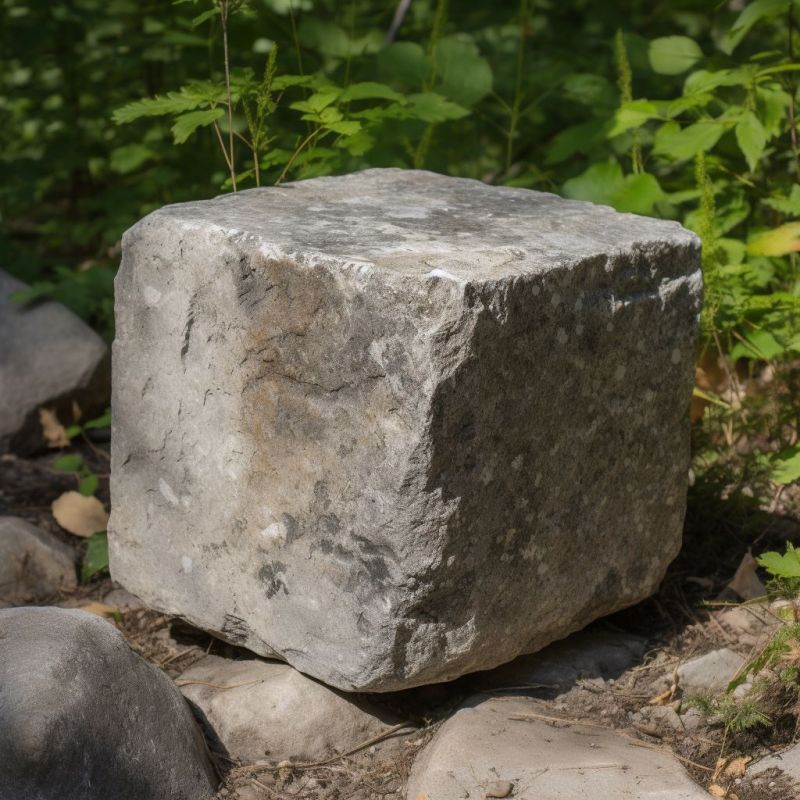 20 Stone Block0.15 gp
 -
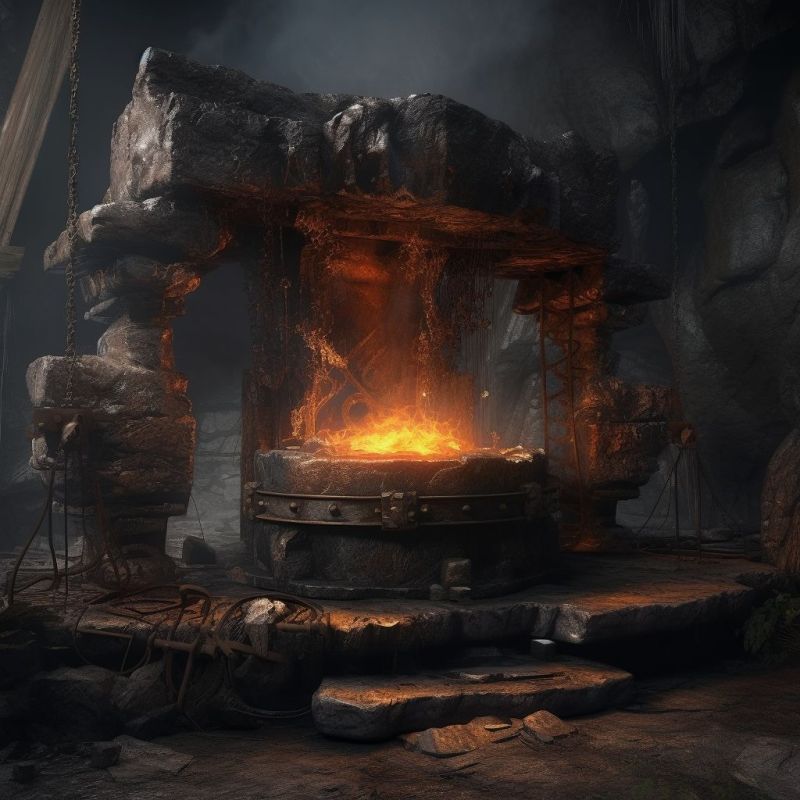 20 Forge75 gp
 -
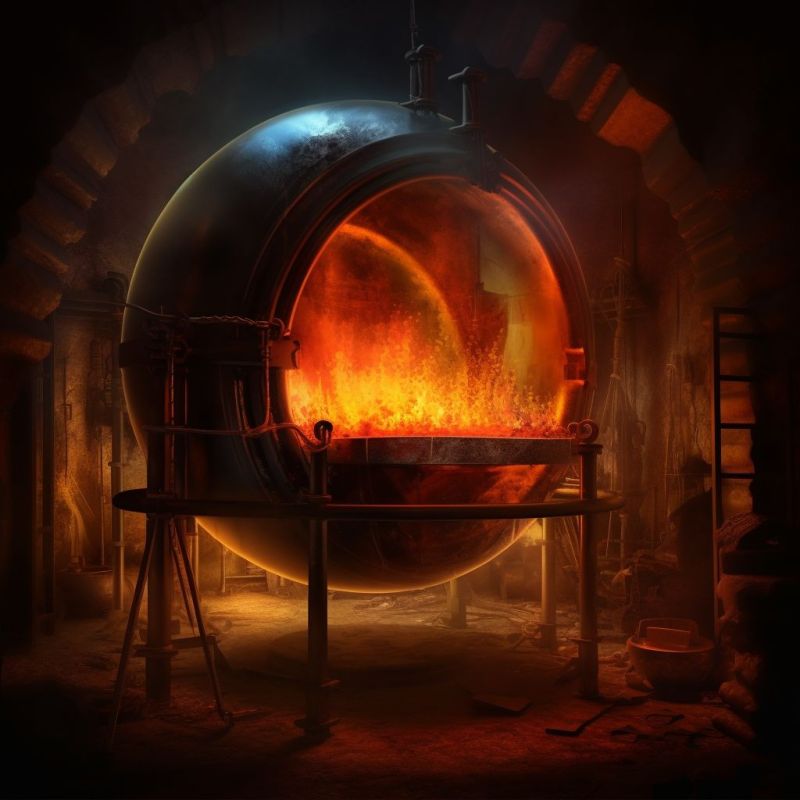 20 Glass Furnace100 gp
 -
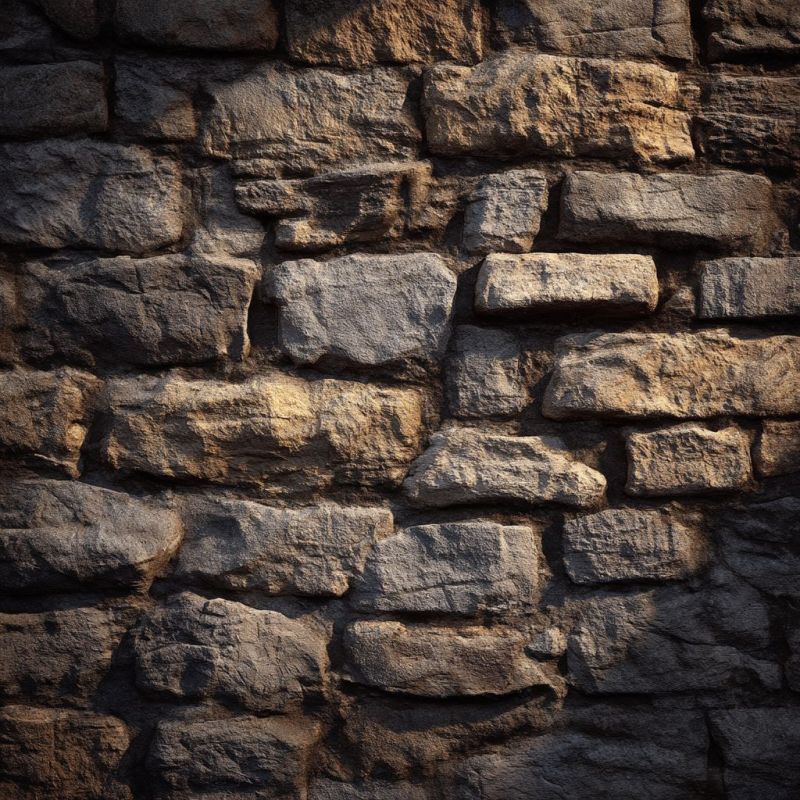 20 Wall, Medium, Stone80 gp
 -
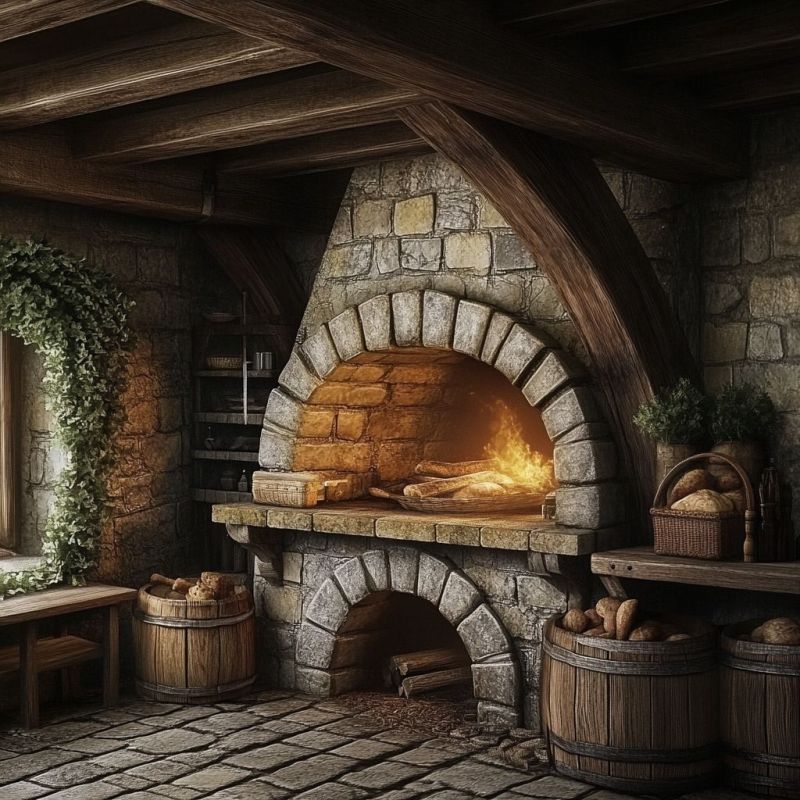 20 Oven80 gp
 -
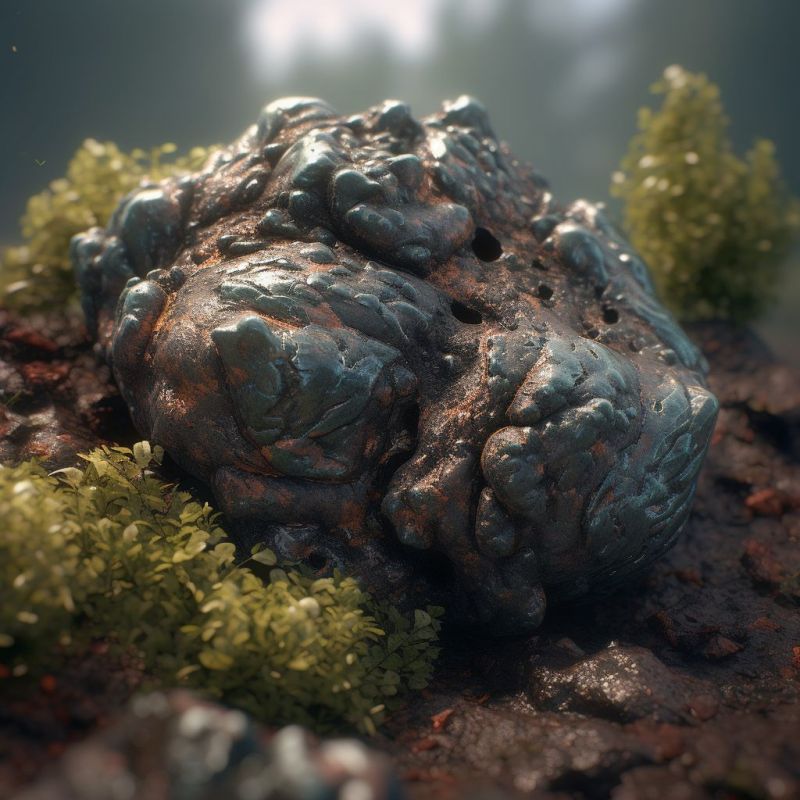 20 Phosphorus Ore3 gp
 -
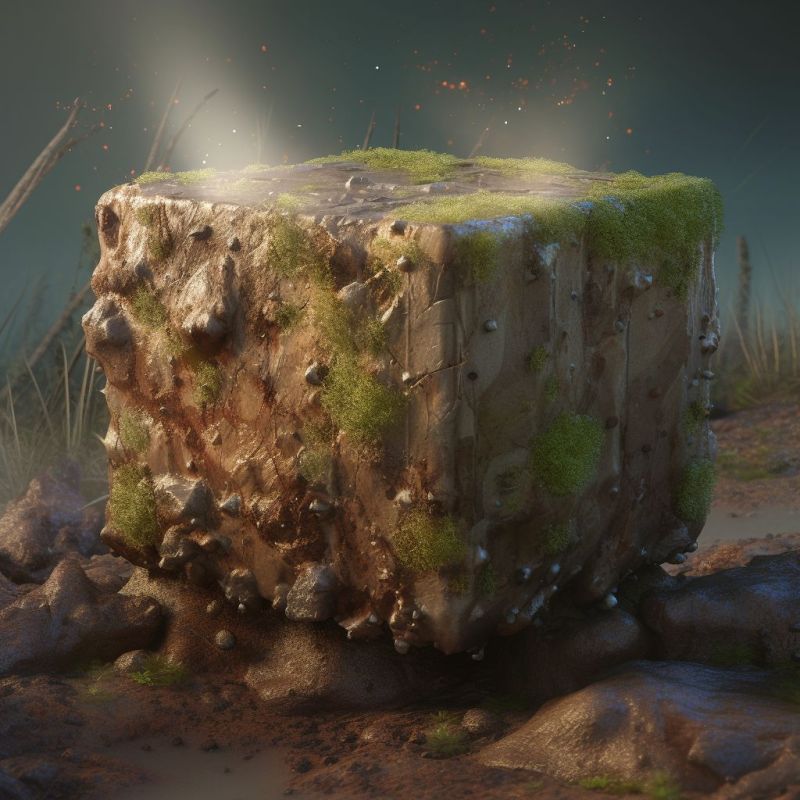 20 Phosphorus Block10 gp
 -
 20 Drinking Water0.01 gp
 -
 20 Plaster0.02 gp
 -
 20 Door, Small. Stone20 gp
 -
 20 Pillar, Small, Stone50 gp
 -
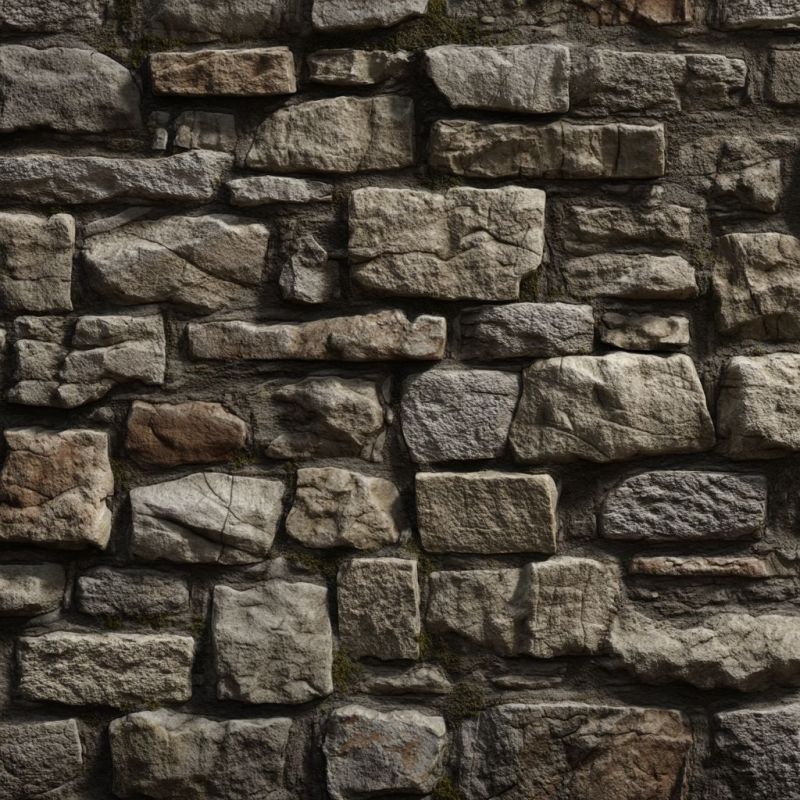 20 Wall, Small, Stone20 gp
 -
 20 Statue, Bust5 gp
 -
 20 Bed, Stone180 gp
 -
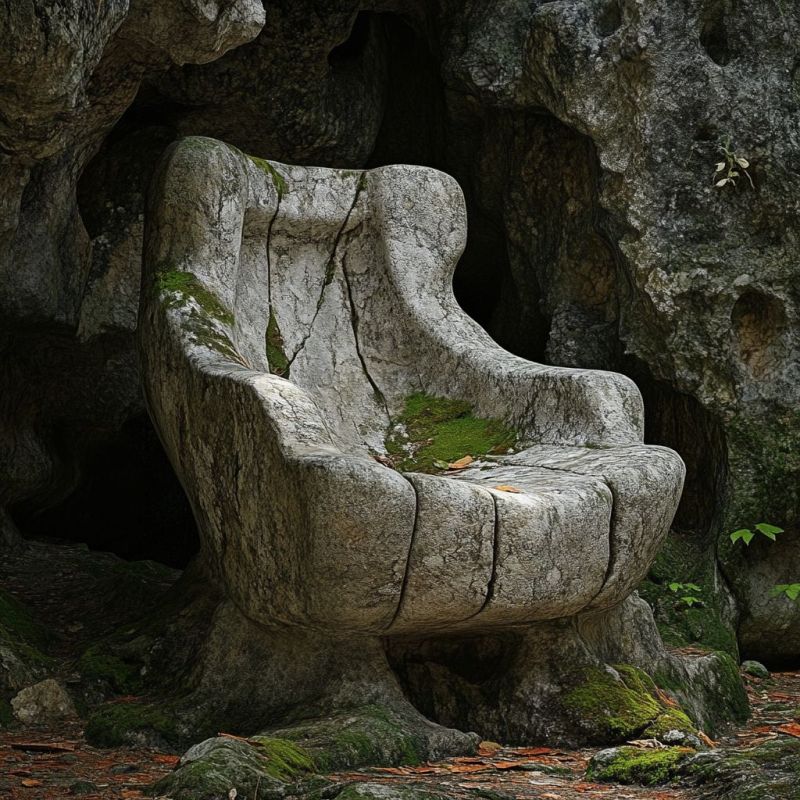 20 Chair, Stone50 gp
 -
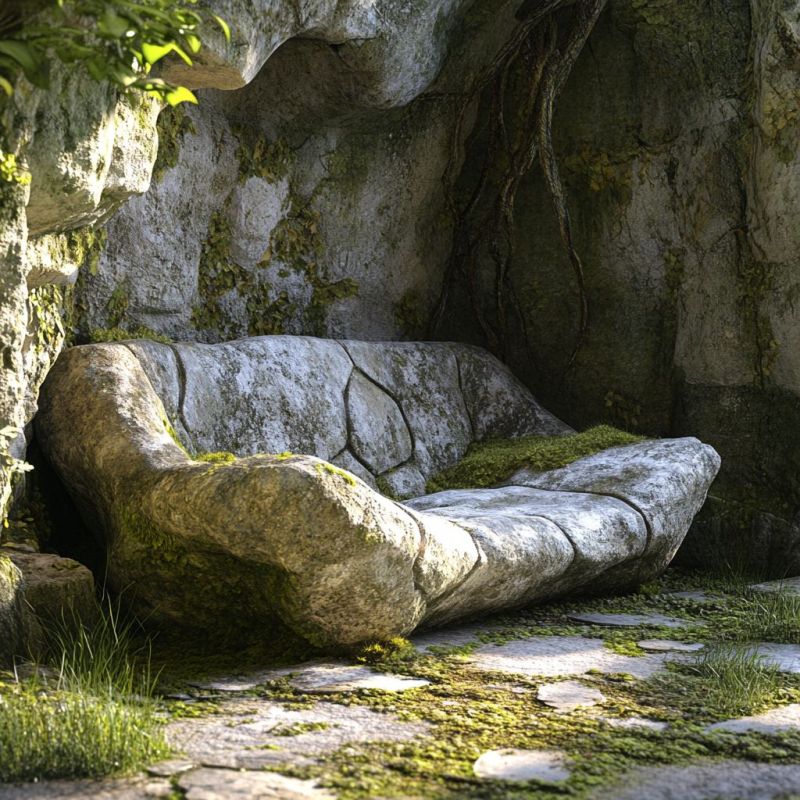 20 Couch, Stone120 gp
 -
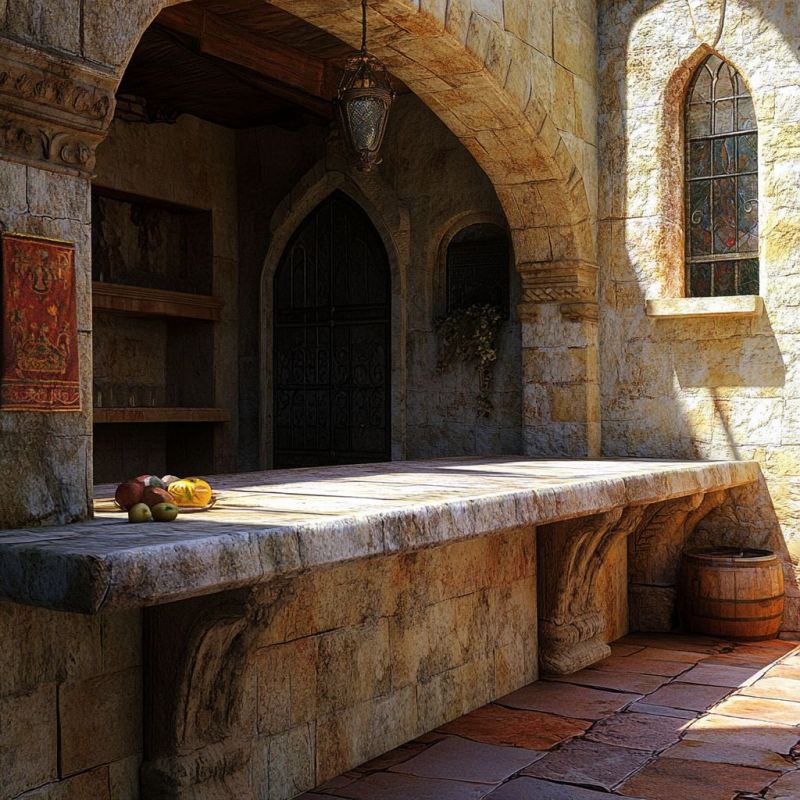 20 Countertop, Stone100 gp
 -
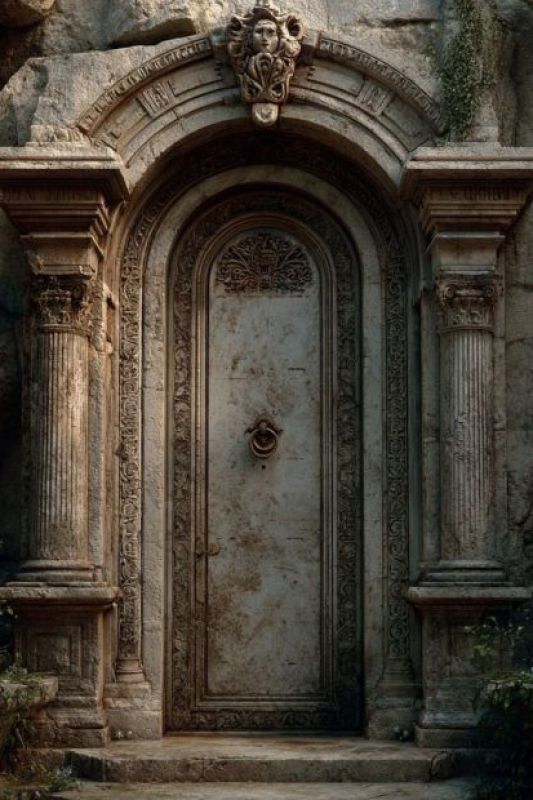 20 Door, Stone100 gp
 -
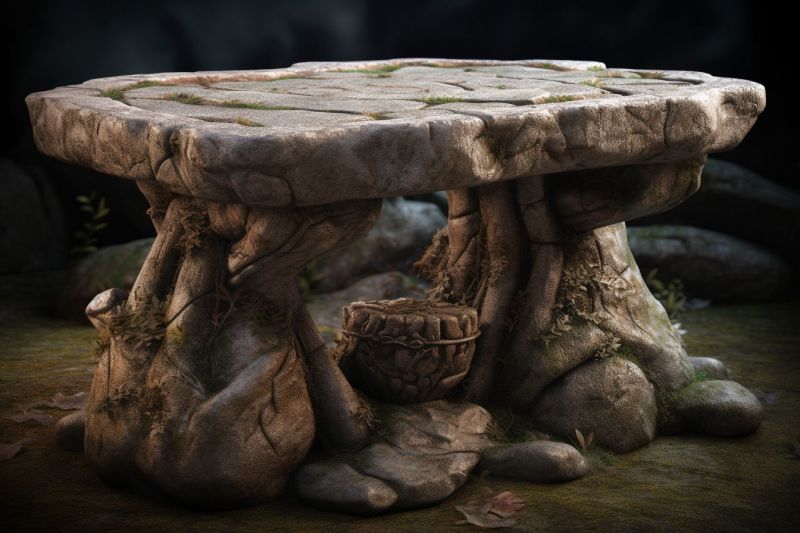 20 Table, Stone50 gp
 -
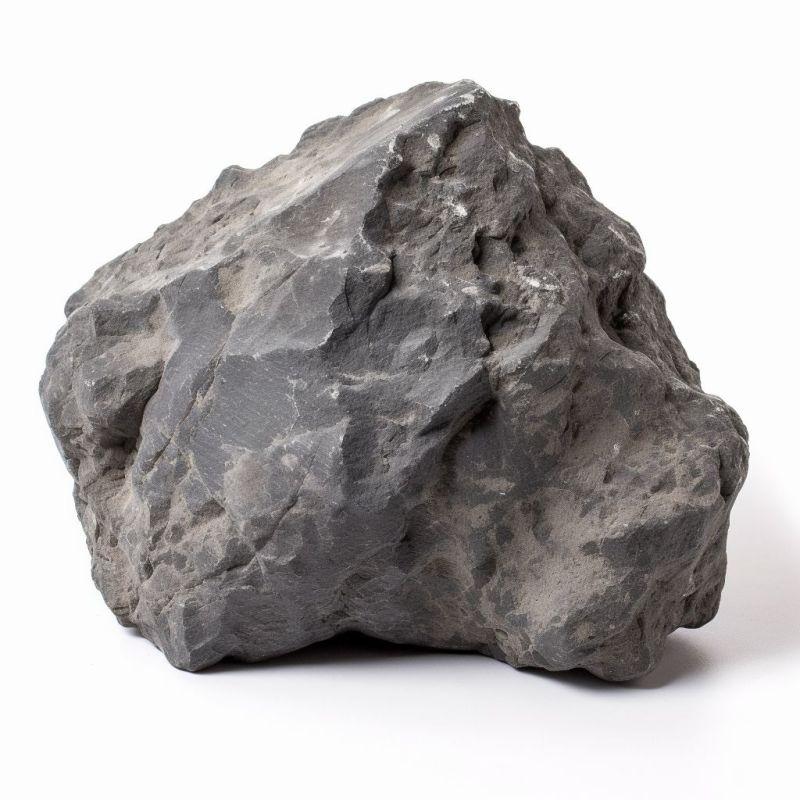 20 Stone Ore0.05 gp
 -
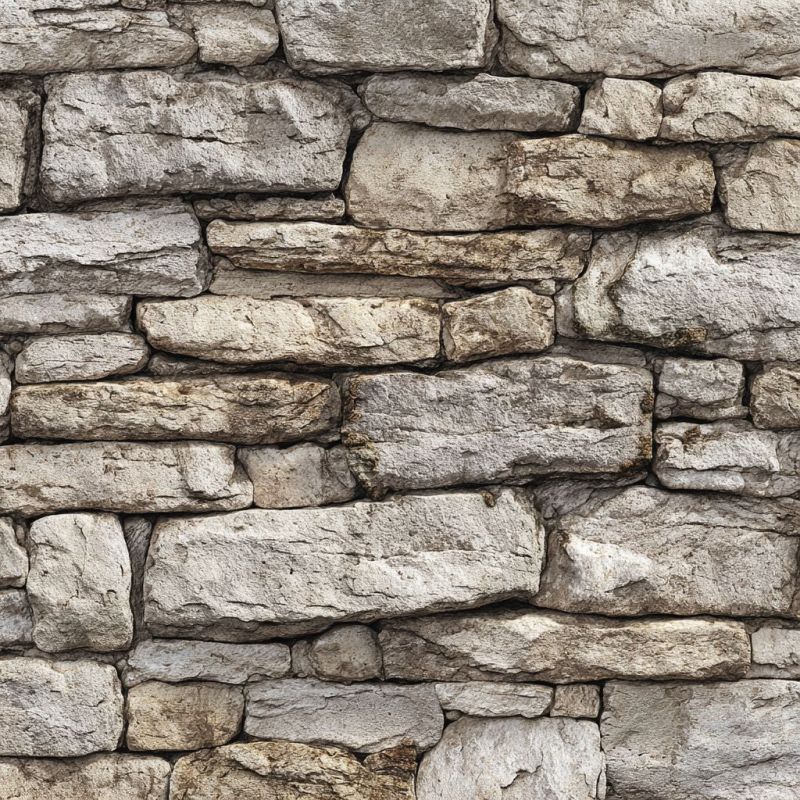 20 Wall, Huge, Stone5000 gp
 -
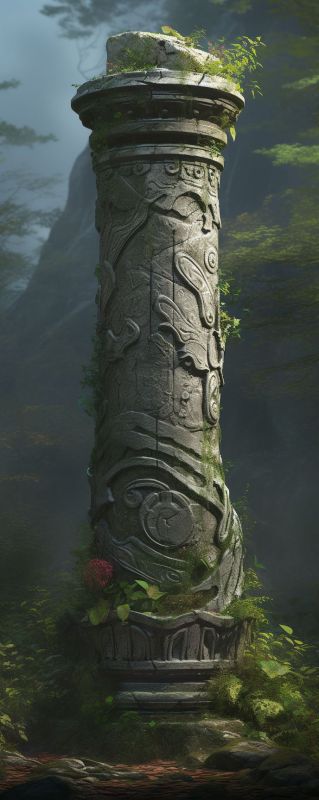 20 Pillar, Large, Stone600 gp
 -
 20 Statue, Small150 gp
 -
 20 Statue, Medium1500 gp
 Skill Tier 8:
-
 Masoning


