Menu
 Ancestries
 Backgrounds
 Lineages
 Classes
 Subclasses
 Spells
 Curses
 Mentas
 Sanguines
 Feats
Feats
 Passive
 Full
Full
 Standard
 Quick
Quick
 Attack
 Free
Free
 Reaction
 Opp. Attack
 Innate Skills
 Gathering Skills
 Knowledge Skills
 Crafting Skills
 Weapon Skills
 Armor Skills
 Defensive Skills
 Status Effects
 Crafting
 Alchemy
 Art
Art
 Cooking
 Enchanting
 Glassblowing
 Jewelling
 Leatherworking
 Machining
 Masoning
 Smithing
 Weaving
 Woodworking
View All Crafting
View All Rules
Woodworking
View All Crafting
View All Rules

























 Library
Digital supplements and compendia—rules content, adventures and setting material you add to My Library.
Browse Library
 Adventures
Standalone adventures—ready to run. Purchase the source in the Library for access.
All Adventures
 Free Adventures
 Paid Adventures





















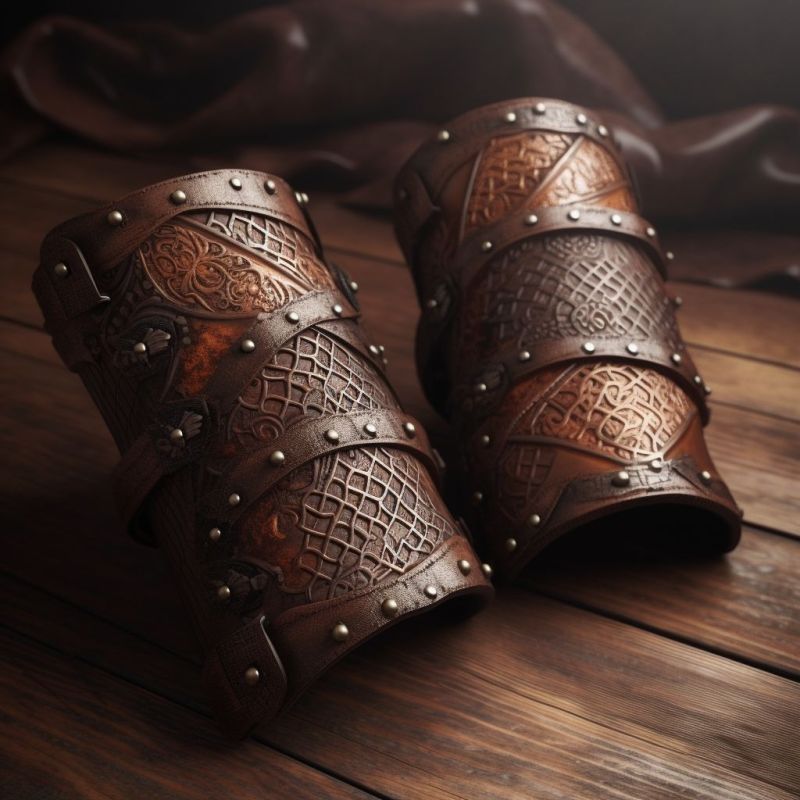
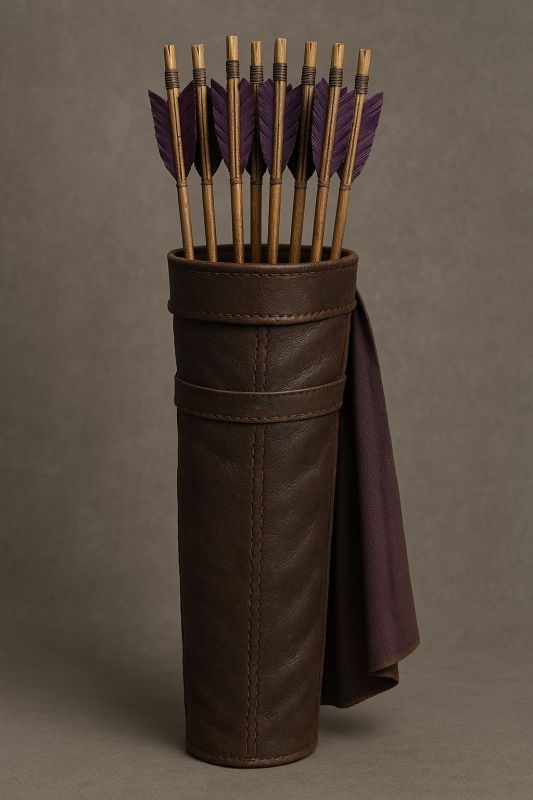
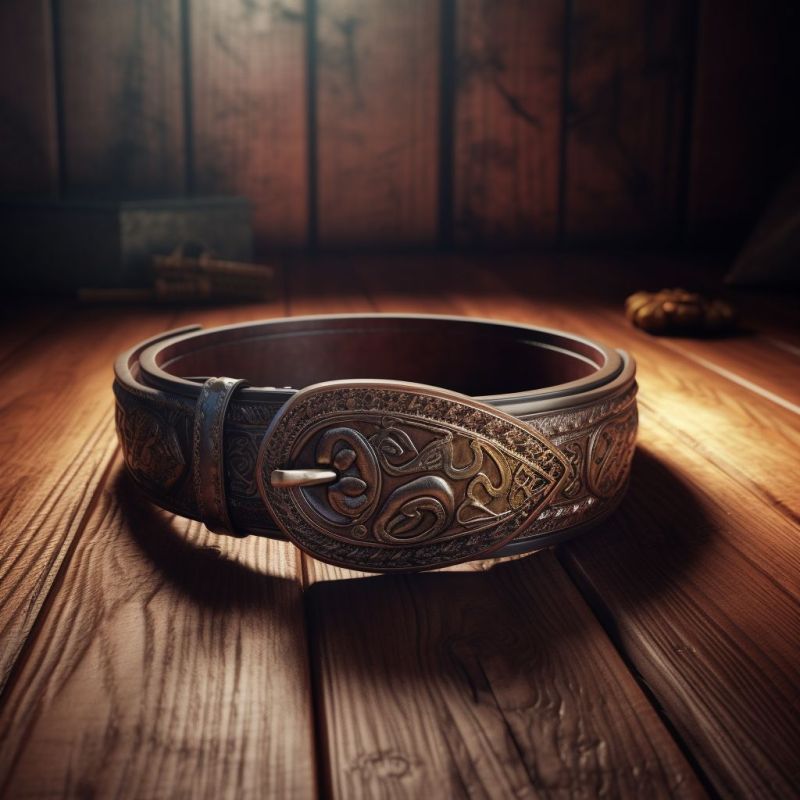
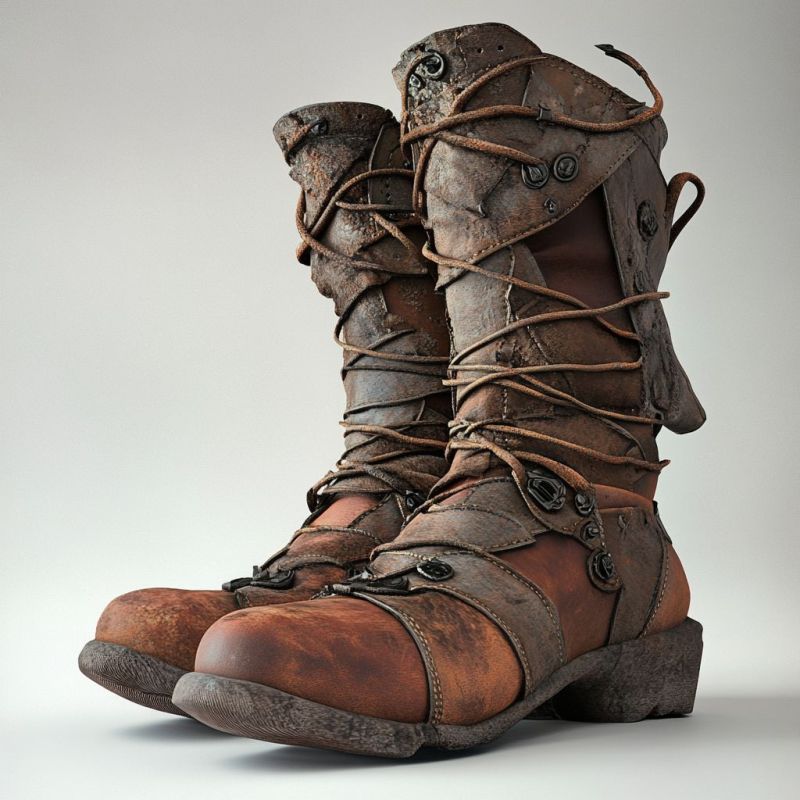
 Inventory Equipped:
-
Boots, Leather3 gp
-
Belt, Leather2 gp
-
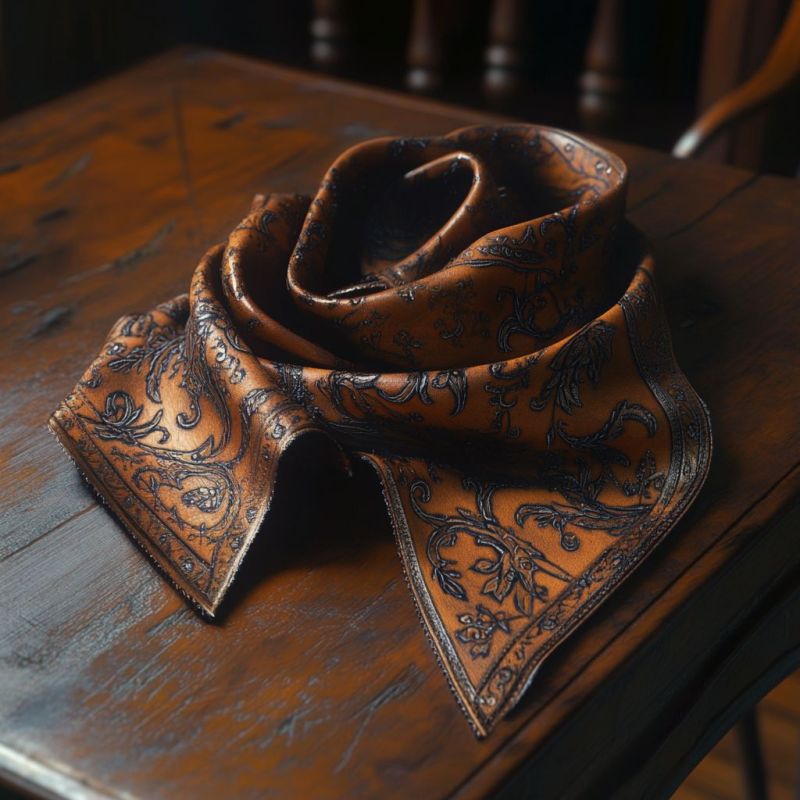
Bandana, Leather1 gp
-
Bracers, Leather16 5 gp
-
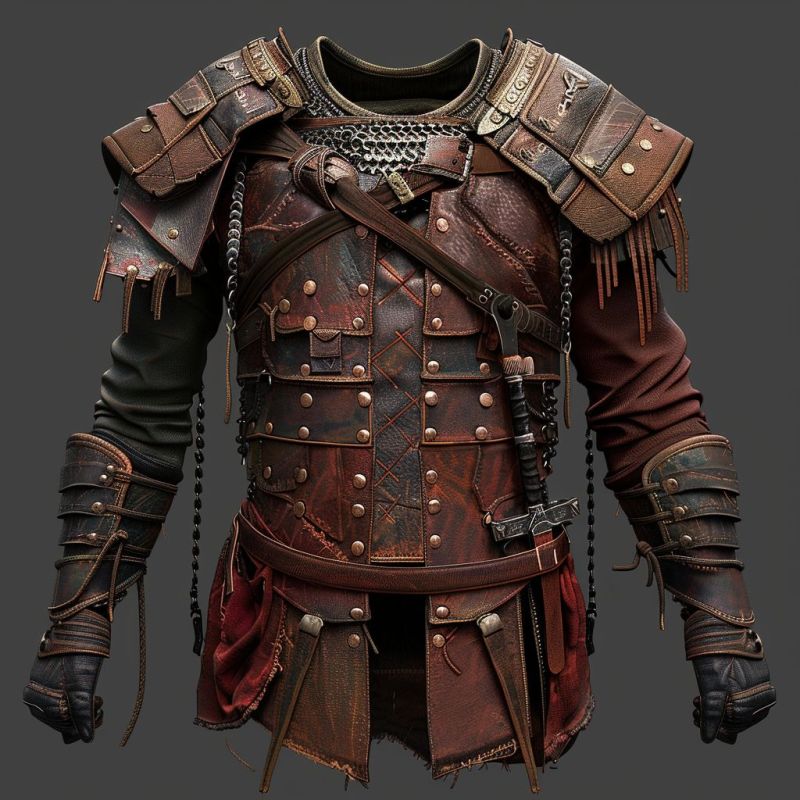
Leather Jerkin
-
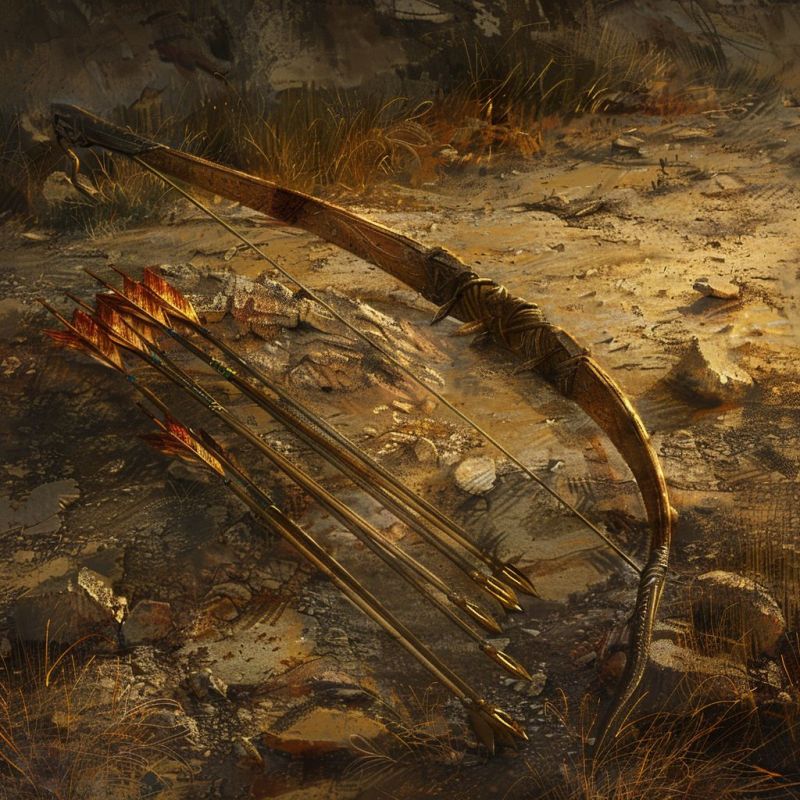
Longbow
-
Quiver1 gp
 Inventory Unequipped:
-
20 Arrow0.05 gp
-
20 Arrow0.05 gp
-
Shortsword5.68 10 gp
- Passive Abilities:
-
Magical AC +110 1000 gp
-
Weapon Enchantment +11000 gp
-
Hunter's Bear Trap1000 gp 1

-
Hunter's Pursuit1000 gp 1
-
Stalk500 gp 1
-
Hunter's Snare Trap1000 gp 3
-
Advanced Armor Training - Light75 2000 gp


-
Hunter Tactics800 gp 11
-
Hunter's Tar Trap1000 gp 13
-
Trackless Step8000 gp 15
-
Hunter's Explosive Trap1000 gp 21
-
Animal Instincts500 gp 25
- Full Abilities:
-
Master Beast Tamer100 gp 1
-
Beast Brand2000 gp 9
-
Branded Beast Spirit Recall200 gp 9
- Abilities:
-
Full Draw

-
Rapid Trap1000 gp 3
-
Barrage3000 gp 17
- Quick Abilities:
-
Hunter's Mark24.33 1000 gp 1
-
Subtle Stride500 gp
-
Anchored Shot126.08

-
Reliable Aim240 1000 gp 3
-
Alpha Command2000 gp 3
-
Agile Dodge500 gp

-
Fleet of Foot32 1000 gp

-
Rapid Fire-480 5000 gp 7
-
Tracking the Scent1000 gp 15
-
Kill Shot10000 gp 23
-
Eagle Eye5000 gp 29
- Attack Abilities:
-
Distracting Shot300 gp
-
Pinning Shot4.94 150 gp
-
Volley Pair500 gp
-
Tricky Arrow2.96 64000 gp
- Reaction Abilities:
-
Bow Bash

-
Interloper3000 gp 23
- Opportunity Attack Abilities:
-
Sync Attack300 gp 19
-
Double Tap1500 gp 27
 Monster Bits:
-
40 Humanoid Blood0.15 gp
-
108 Animal Bone0.03 gp
-
72 Animal Fat0.5 gp
-
248 Animal Meat0.05 gp
-
36 Soft Skin0.05 gp
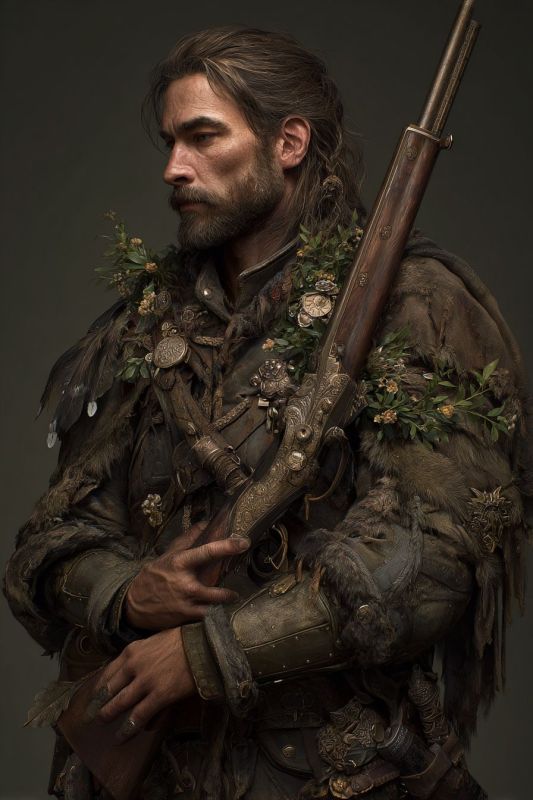
Pine needles shift under your boots as a barbed arrow snaps past your ear and buries deep in bark. A taut snare whips your ankle skyward while a lean hound bursts from fern and thorn.
Hunter - Tier 3 (Template)
🏹🐾 Hunter: Tier 3 Prime Stalker
A Tier 3 Hunter is an elite wilderness predator whose tracking, ranged lethality, and terrain control make it one of the defining threats in untamed regions. At this tier, the hunter does not merely follow prey—it dictates the hunt from first sign to final kill.
🌲🪵 Fieldcraft and Foundation
Tier 3 Hunters are deeply seasoned by long pursuit, dangerous quarry, and repeated success in hostile environments. They understand migration, spoor aging, terrain memory, weather shifts, concealment, and the habits of both beasts and thinking prey. Their fieldcraft is advanced enough to function reliably across forests, mountains, marshes, badlands, and contested frontier zones.
🦅🐺 Appearance and Companions
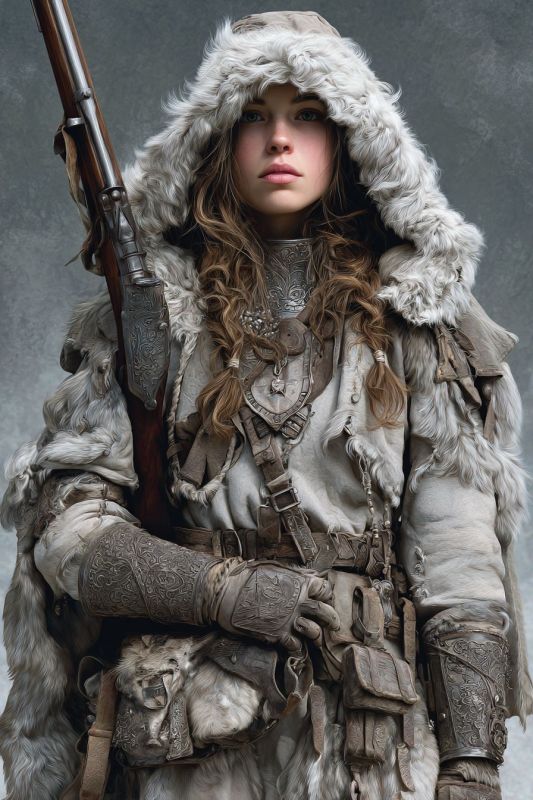
These creatures usually appear as renowned wardens, apex trackers, monster slayers, ranger-veterans, master poachers, or feared border hunters. Their gear is practical but refined through experience: layered travel-worn clothing, well-kept bows, specialized knives, field tools, trophies, and equipment chosen for specific environments. Animal companions at this tier are highly responsive and battle-capable, acting as full hunting partners rather than simple support beasts.
🏹🪤 Combat Style
A Tier 3 Hunter fights through control, attrition, and precision. It uses cover, elevation, kill lanes, relocation, and coordinated pressure with its companion to wear targets down before they can answer effectively. It can harass from multiple angles, isolate stragglers, punish attempts to flee, and maintain ranged threat while repositioning through difficult ground. When forced into close combat, it is still dangerous, but it prefers to make melee happen only on favorable terms.
🧠🌿 Tactical Ability
Its tactical ability is advanced within pursuit, skirmish, and terrain-dominant combat. A Tier 3 Hunter predicts behavior, recognizes decoys, reads broken formations, and exploits fear, exhaustion, and poor route choices. It is difficult to mislead once it has real signs to work from. Against small groups, it can control movement so effectively that enemies feel hunted long before direct engagement begins.
🪵🪢 Traps and Preparation
At this tier, trap work becomes a major encounter element. Tier 3 Hunters can prepare layered kill zones, overlapping alarm systems, bait routes, concealed firing nests, escape denial points, and terrain funnels that punish predictable movement. Their preparations are not random hazards—they are extensions of the hunter’s combat plan, built to separate, slow, and expose.
🥾🩹 Endurance and Survival
Tier 3 Hunters are exceptionally difficult to outlast in the field. They can pursue over long distances, remain effective with little support, and keep pressure on quarry through poor weather, injury, or terrain that would stop ordinary soldiers. Their staying power comes from discipline, resource management, environmental fluency, and the ability to recover while still maintaining pursuit.
🏕️🦌 Common Roles
These creatures are commonly found as great-beast slayers, high wardens of dangerous frontiers, royal huntmasters, elite bounty trackers, monster pursuit specialists, deep wild scouts, or named predators feared by local settlements and raiding bands alike. In many encounters, they are not incidental threats—they are the reason the encounter is happening at all.
👑🐾 Place in a Group
A Tier 3 Hunter often serves as the group’s field leader, pursuit authority, or terrain controller. Even when someone else holds formal rank, the hunter usually determines approach routes, ambush positions, fallback paths, and the timing of engagement. Allies depend on it to make the battlefield favorable before the first committed strike.
📈🌲 Tier Meaning
Tier 3 represents a hunter that has grown into a major wilderness threat. The core traits—tracking, ranged pressure, survival skill, trap mastery, and animal partnership—have matured into true hunt control. This is no longer just a skilled stalker or veteran ranger. It is an elite predator capable of deciding encounters through preparation, pursuit, and precise lethality.
 Speed:
- Walking Speed: +35
- Climbing Speed: +35
- Inventory Equipped:
-
Boots, Leather3 gp
-
Belt, Leather2 gp
-
Bandana, Leather1 gp
-
Bracers, Leather16 5 gp
-
Leather Jerkin
-
Longbow
-
Quiver1 gp
- Inventory Unequipped:
-
20 Arrow0.05 gp
-
20 Arrow0.05 gp
-
Shortsword5.68 10 gp
-
 Extra Attack: +2
- Passive Abilities:
-
Hunter's Bear Trap1000 gp 1
-
Hunter's Pursuit1000 gp 1
-
Stalk500 gp 1
-
Hunter's Snare Trap1000 gp 3
-
Hunter Tactics800 gp 11
-
Hunter's Tar Trap1000 gp 13
-
Trackless Step8000 gp 15
-
Hunter's Explosive Trap1000 gp 21
-
Animal Instincts500 gp 25
- Full Abilities:
-
Master Beast Tamer100 gp 1
-
Beast Brand2000 gp 9
-
Branded Beast Spirit Recall200 gp 9
- Abilities:
-
Rapid Trap1000 gp 3
-
Barrage3000 gp 17
- Quick Abilities:
-
Hunter's Mark24.33 1000 gp 1
-
Reliable Aim240 1000 gp 3
-
Alpha Command2000 gp 3
-
Rapid Fire-480 5000 gp 7
-
Tracking the Scent1000 gp 15
-
Kill Shot10000 gp 23
-
Eagle Eye5000 gp 29
- Reaction Abilities:
-
Interloper3000 gp 23
- Opportunity Attack Abilities:
-
Sync Attack300 gp 19
-
Double Tap1500 gp 27
- Skill Tier 7:
-
Archery Weapon Skill
-
 Attention
 -
 Balance
 -
 Biology
 -
 Empathy
 -
 Firearms Weapon Skill
 -
 Fortitude 47.23
 -
 Frighten 33.68
 -
 Herbalism
 -
 Hunting
 -
 Influence
 -
 Initiative
 -
 Inspection
 -
Light Armor Skill
-
 Medium Armor Skill
 -
 Medicine
 -
 Navigation
 -
 One-Handed Melee Weapon Skill
 -
 Psyche
 -
 Skinning
 -
 Sneak
Sneak -
 Throwable Weapon Skill
 -
 Willpower


